


When we think of earthquakes in the United States, California often comes to mind because of its notorious San Andreas Fault. However, earthquakes are not exclusive to California. Across the country, several cities sit atop or near fault lines, making them vulnerable to seismic activity. This article explores the 12 U.S. cities most at risk from earthquakes, shedding light on the potential threats and the reasons behind their vulnerability.
San Francisco, California

San Francisco is synonymous with earthquakes, largely due to its proximity to the San Andreas Fault. This fault line runs through California and is responsible for some of the most devastating earthquakes in U.S. history. San Francisco’s iconic cityscape is built on a complex geological foundation that makes it susceptible to seismic activity. The Loma Prieta earthquake in 1989 was a stark reminder of the city’s vulnerability, causing significant damage and loss of life. The city’s infrastructure has been improved since then, but the risk remains. Residents and authorities regularly prepare for potential future quakes through drills and infrastructure upgrades.
Los Angeles, California

Los Angeles is another Californian city that faces a significant earthquake threat. The city is located near several fault lines, including the San Andreas and the Newport-Inglewood Faults. Los Angeles has experienced numerous earthquakes over the years, with the Northridge earthquake of 1994 being one of the most notable. This earthquake led to widespread destruction and highlighted the need for improved building codes. Today, Los Angeles continues to invest in seismic retrofitting and emergency preparedness to minimize the impact of future earthquakes.
Seattle, Washington

Seattle, a bustling city in the Pacific Northwest, is at risk of earthquakes due to the Cascadia Subduction Zone. This geological feature poses a threat not only to Seattle but to the entire region. The potential for a massive earthquake, often referred to as the “Big One,” has prompted extensive research and preparedness efforts. Seattle’s unique geography, with its hills and waterways, adds complexity to earthquake planning. The city has implemented strict building codes and regularly conducts emergency drills to ensure residents are prepared for potential seismic events.
Anchorage, Alaska
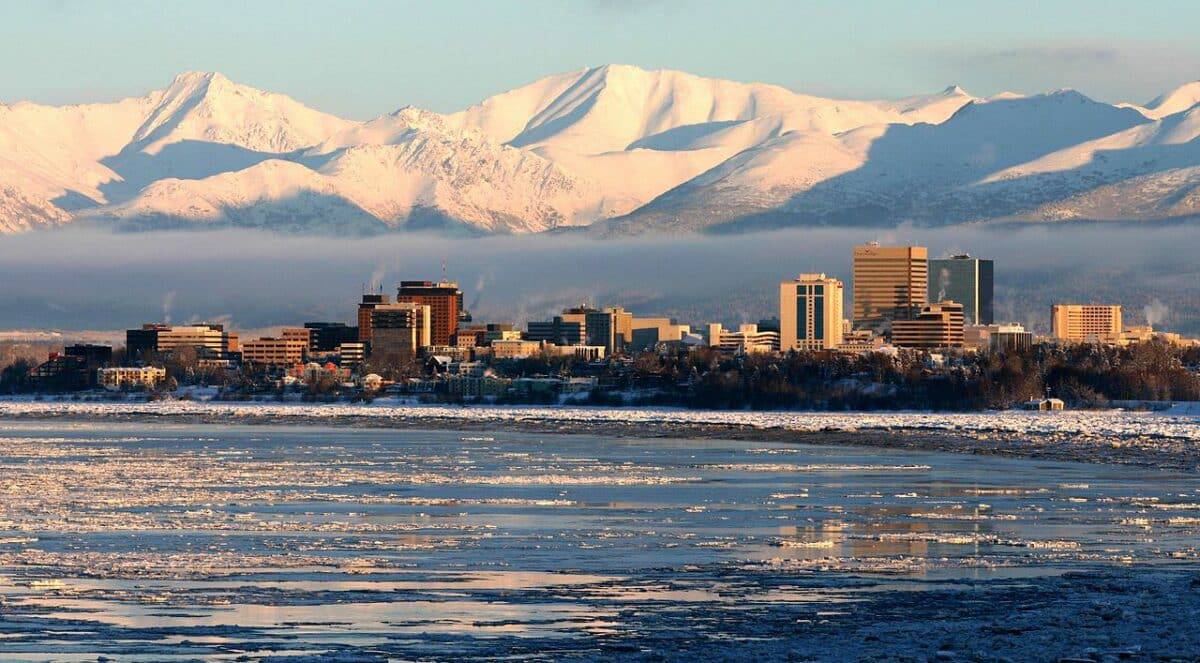
Anchorage, Alaska’s largest city, sits in a seismically active region and has experienced powerful earthquakes in the past. The 1964 Great Alaska Earthquake, the second-largest earthquake ever recorded, caused widespread destruction and reshaped the landscape. Anchorage’s proximity to the Pacific Ring of Fire contributes to its earthquake risk. The city has learned from past events and invested in resilient infrastructure to withstand future quakes. Residents are encouraged to have emergency plans and supplies ready in case of another significant seismic event.
Memphis, Tennessee
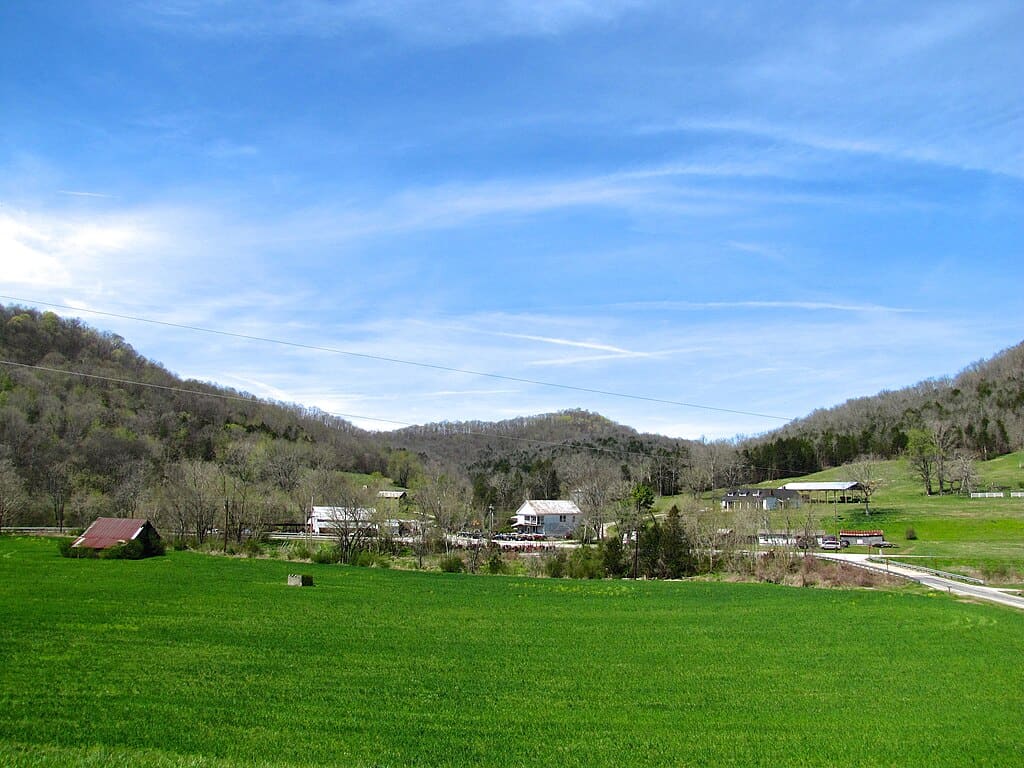
Memphis might not come to mind immediately when thinking of earthquake-prone cities, but it sits near the New Madrid Seismic Zone. This zone is known for producing significant earthquakes in the early 1800s that were felt across much of the United States. Memphis’s location makes it vulnerable to potential future earthquakes. The city has taken steps to enhance its earthquake preparedness, including strengthening infrastructure and raising awareness among residents. The challenge lies in balancing the risk with the perception of an unlikely event.
Portland, Oregon
Portland, like Seattle, is at risk due to the Cascadia Subduction Zone. The potential for a massive earthquake in this region has led to extensive research and planning. Portland’s unique charm and vibrant communities are built on a geologically complex foundation, increasing the city’s vulnerability to seismic activity. The city is actively working to retrofit older buildings and improve emergency response capabilities. Residents are encouraged to participate in community preparedness initiatives to ensure they are ready for any potential earthquake.
Salt Lake City, Utah
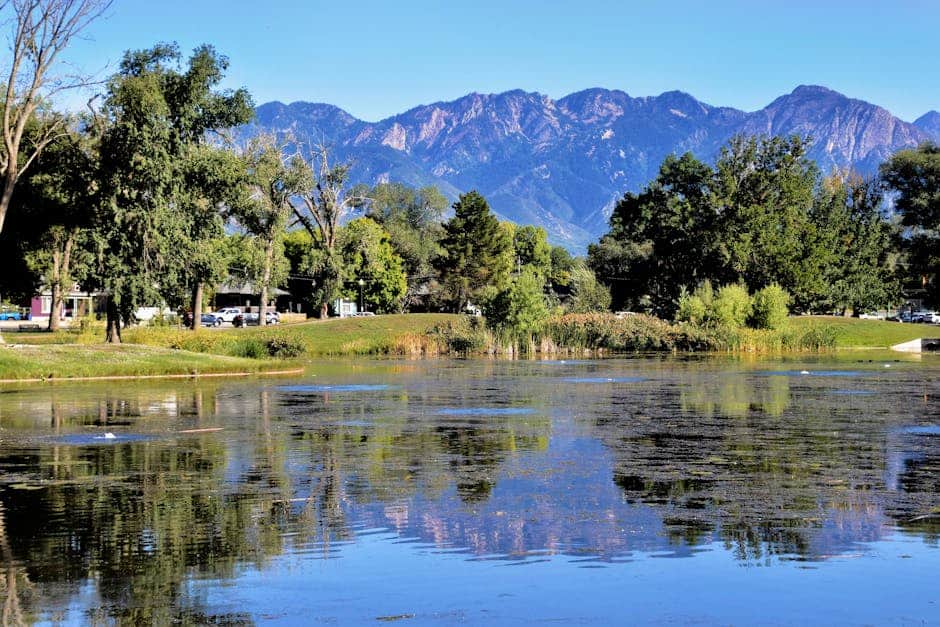
Salt Lake City is located near the Wasatch Fault, a major fault line that poses a significant earthquake risk. The city’s stunning mountainous surroundings are a result of tectonic activity, making it prone to earthquakes. Salt Lake City has experienced smaller quakes in the past, serving as reminders of the potential threat. The city is focused on enhancing its infrastructure and emergency response plans to mitigate the impact of future seismic events. Community education and awareness programs play a crucial role in helping residents prepare for potential earthquakes.
Charleston, South Carolina
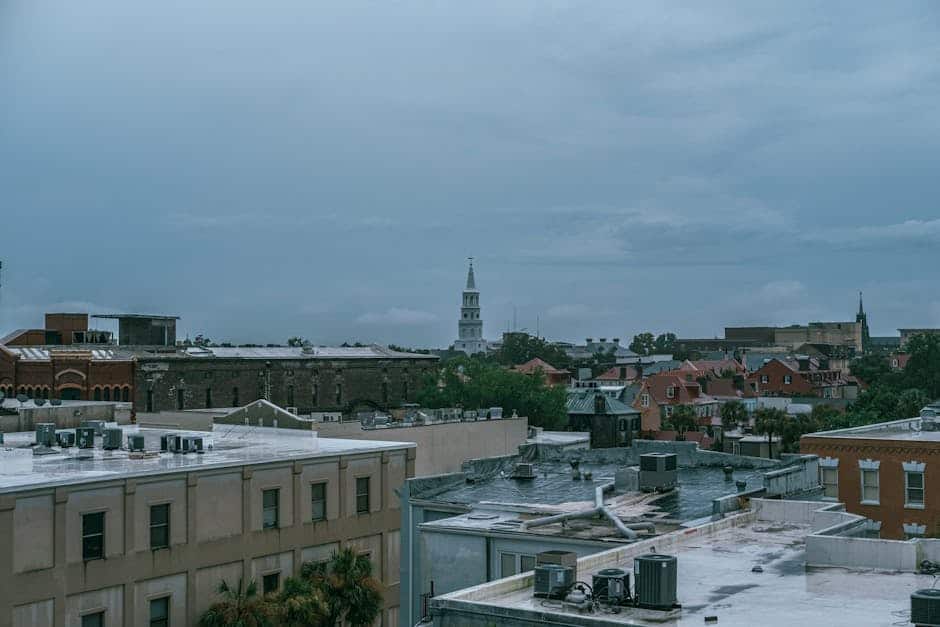
Charleston, with its rich history and charming architecture, is at risk of earthquakes due to the Charleston Seismic Zone. The city experienced a major earthquake in 1886, which caused significant damage and loss of life. Charleston’s vulnerability is compounded by its historic buildings, many of which were not designed to withstand seismic activity. Efforts are underway to retrofit these structures and improve emergency preparedness. Residents are encouraged to have emergency plans and supplies in place, given the unpredictable nature of earthquakes.
Reno, Nevada

Reno, known for its vibrant entertainment scene, is also at risk of earthquakes due to its proximity to the Sierra Nevada Fault. The city’s location in a seismically active region makes it vulnerable to potential quakes. Reno has experienced smaller earthquakes in the past, serving as reminders of the potential threat. The city is actively working to improve its infrastructure and emergency response capabilities. Residents are encouraged to stay informed about earthquake preparedness and participate in community drills.
St. Louis, Missouri

St. Louis is another city that is at risk due to the New Madrid Seismic Zone. This zone has the potential to produce significant earthquakes that could impact a wide area. St. Louis’s location makes it vulnerable to potential future seismic events. The city has taken steps to enhance its earthquake preparedness, including strengthening infrastructure and raising awareness among residents. Community education programs play a crucial role in ensuring residents are ready for any potential earthquake.
San Diego, California
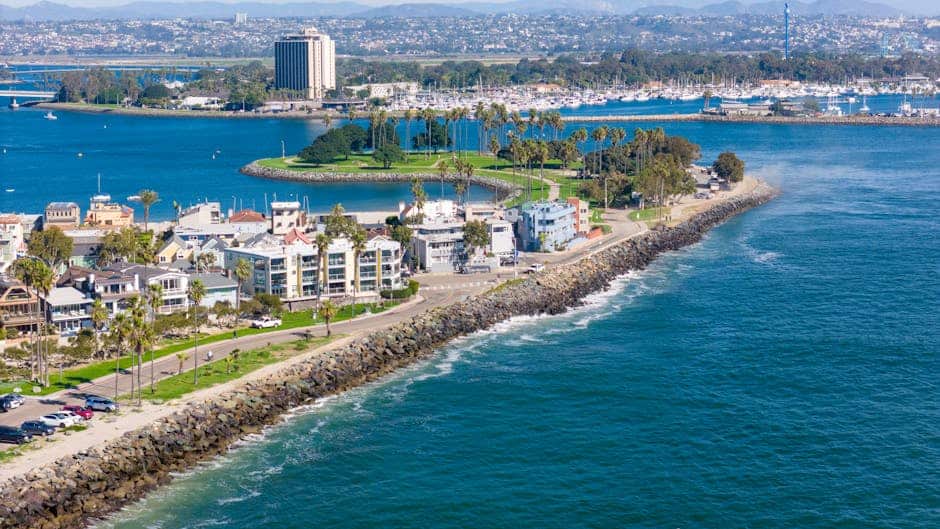
San Diego, with its stunning coastline and vibrant culture, is also at risk of earthquakes due to its proximity to several fault lines. The city’s location in a seismically active region makes it vulnerable to potential quakes. San Diego has experienced smaller earthquakes in the past, serving as reminders of the potential threat. The city is actively working to improve its infrastructure and emergency response capabilities. Residents are encouraged to stay informed about earthquake preparedness and participate in community drills.
Las Vegas, Nevada
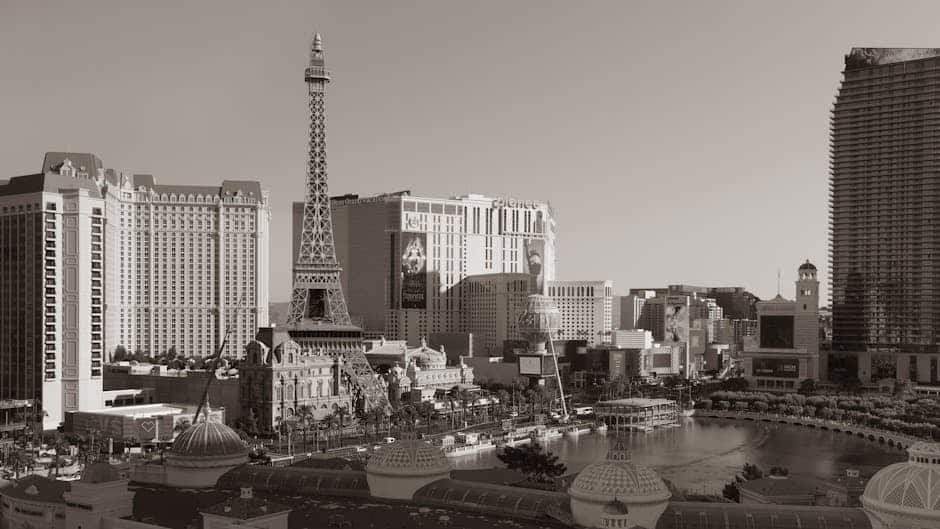
Las Vegas, known for its entertainment and nightlife, is also at risk of earthquakes due to its proximity to the Nevada Seismic Zone. The city’s location in a seismically active region makes it vulnerable to potential quakes. Las Vegas has experienced smaller earthquakes in the past, serving as reminders of the potential threat. The city is actively working to improve its infrastructure and emergency response capabilities. Residents are encouraged to stay informed about earthquake preparedness and participate in community drills.
Conclusion

In conclusion, while seismic activity is a natural part of Earth’s dynamics, being aware and prepared can make a significant difference. These cities, each with their unique charm and challenges, remind us of the importance of preparedness in the face of natural events.

As a little kid, I fell in love with nature, wildlife, and animals. Living in the USA, South Africa, Italy, China and Germany gave me the opportunity to discover the world's Wildlife. My favorite animals are Mountain Gorillas, Siberian Tigers, and Great White Sharks.
I'm a certified PADI Open Water Diver, went to Everest Base Camp and Trekked Gorillas in Uganda. I hold a Master of Science in Economics and Finance.
Please send any feedback to feedback@animalsaroundtheglobe.com
- 13 Cat Breeds That Get Along with Dogs - July 20, 2026
- The 12 Largest Dog Breeds That Still Love to Cuddle - July 20, 2026
- 12 Pet Habits That Secretly Mean They Love You - July 20, 2026