


Have you ever wondered if your pet knows more about the world than you do? Animals possess an extraordinary ability to sense things that often leave us humans in awe. From impending natural disasters to subtle changes in human emotions, animals have a knack for picking up on things long before we do. It’s as if they are equipped with a sixth sense. This article explores 12 unbelievable things that animals can sense before humans do, revealing the hidden depths of animal intuition and perception. Prepare to be amazed as we delve into the incredible world of animal senses.
Earthquakes A Quiver Before the Quake

One of the most fascinating abilities animals possess is their capacity to sense earthquakes before they occur. Numerous reports have documented animals behaving unusually just before a quake. Dogs might bark incessantly, birds may fly erratically, and cats could hide in fear. Scientists believe that animals can detect the subtle vibrations and changes in the Earth’s magnetic field that precede an earthquake. It’s as if they have an early warning system built into their very being, allowing them to sense the tremors long before human-made technology can.
Weather Changes A Storm on the Horizon

Animals seem to have an uncanny ability to predict changes in the weather. Have you ever noticed your dog acting restless before a storm hits? This is because animals can sense changes in barometric pressure, humidity, and even static electricity in the air. Birds may take flight to seek shelter, while cows might lie down in the pasture. These behaviors have been observed for centuries, and they continue to baffle scientists and weather enthusiasts alike. Animals’ sensitivity to atmospheric changes is truly remarkable, offering them a natural advantage in anticipating Mother Nature’s moods.
Human Emotions A Heartfelt Connection

Animals are incredibly attuned to human emotions, often sensing our feelings before we even express them. Dogs, in particular, are known for their empathy and ability to comfort their owners during times of distress. They can pick up on subtle cues such as changes in body language, tone of voice, and even scent. This emotional intelligence allows them to provide support and companionship when we need it most. It’s no wonder that animals are often referred to as “man’s best friend,” as they offer a level of understanding and connection that is truly unparalleled.
Illness A Nose for Health

Some animals, especially dogs, have been trained to detect illnesses such as cancer, diabetes, and seizures in humans. Their sense of smell is incredibly powerful, allowing them to detect changes in body odor that indicate illness. Dogs have been known to alert their owners to potential health issues, sometimes even saving lives in the process. This ability to sense illness before symptoms become apparent is a testament to the remarkable capabilities of animals and their potential role in healthcare and early detection.
Natural Disasters A Warning from the Wild

Beyond earthquakes and weather changes, animals can also sense other natural disasters like tsunamis and volcanic eruptions. In 2004, before the devastating tsunami hit Southeast Asia, elephants were seen moving to higher ground, and flamingos left their low-lying breeding areas. It’s believed that animals can detect the low-frequency vibrations and changes in the environment that precede such events. This innate ability to sense danger and seek safety highlights the incredible survival instincts that animals possess, often putting them a step ahead of humans.
Magnetic Fields A Compass Within

Many animals, particularly birds and sea turtles, have an extraordinary ability to sense the Earth’s magnetic fields. This internal compass helps them navigate during long migrations, guiding them across vast distances with remarkable accuracy. Scientists are still studying how exactly animals perceive these magnetic fields, but it’s clear that this ability plays a crucial role in their survival and ability to find their way home. The precision with which animals navigate the globe is nothing short of astonishing, showcasing their incredible adaptation to the natural world.
Pregnancy A Maternal Instinct

Some animals, particularly dogs, have been known to sense pregnancy in humans before it’s even noticeable. They may become more protective, attentive, or even clingy towards their pregnant owners. This ability is thought to be linked to their keen sense of smell, as they can detect hormonal changes in a woman’s body. This maternal instinct is a testament to the deep bond between animals and humans, as well as their ability to perceive changes in their environment that often go unnoticed by us.
Fear A Sixth Sense of Safety

Animals have an incredible ability to sense fear in humans and other animals. This heightened awareness allows them to assess potential threats and react accordingly. Dogs, for instance, can pick up on the scent of adrenaline, a hormone released during moments of fear or stress. This ability to sense fear is an essential survival mechanism, helping animals navigate the complexities of the natural world. It’s a reminder of the primal instincts that still exist within our domesticated companions, connecting them to their wild ancestors.
Impending Death A Mysterious Awareness
There have been numerous accounts of animals sensing impending death, either in humans or other animals. Cats, for example, have been known to stay close to terminally ill individuals, offering comfort in their final moments. This mysterious awareness is not fully understood, but it’s believed to be linked to changes in scent or behavior that animals can detect. This ability to sense the end of life is both haunting and beautiful, highlighting the deep connection between animals and the cycle of life and death.
Time An Unseen Clock

Animals have an uncanny ability to sense time, often anticipating events with remarkable accuracy. Dogs, for example, seem to know when it’s time for their daily walk or when their owner is due home from work. This sense of time is believed to be linked to their internal circadian rhythms, which help regulate their daily activities. It’s as if animals have an unseen clock that guides their actions and routines, offering them a sense of stability and predictability in their lives.
Danger A Survival Instinct

Animals possess an incredible ability to sense danger, whether it’s from a predator, a natural disaster, or even a human threat. This heightened awareness allows them to react quickly and take appropriate action to protect themselves and their young. It’s a survival instinct that has been honed over millions of years of evolution, ensuring the continuation of their species. This ability to sense danger is a powerful reminder of the resilience and adaptability of animals in the face of adversity.
Energy A Vibrational Connection

Some animals are believed to be sensitive to the energy or vibrations in their environment. This ability allows them to detect changes in their surroundings, such as the presence of other animals or even paranormal activity. While this phenomenon is not fully understood, it’s a testament to the deep connection animals have with the world around them. This vibrational awareness offers animals a unique perspective on their environment, allowing them to navigate the complexities of life with ease.
Electricity A Shocking Sensibility

Certain animals, like sharks and rays, have the ability to sense electric fields in their environment. This ability, known as electroreception, allows them to detect the electrical signals produced by other animals, helping them locate prey or avoid predators. This remarkable sense is a testament to the diverse and specialized adaptations that animals have developed to survive in their respective habitats. The ability to sense electricity is a fascinating example of the hidden talents that exist within the animal kingdom.
Food Sources A Nose for Nourishment

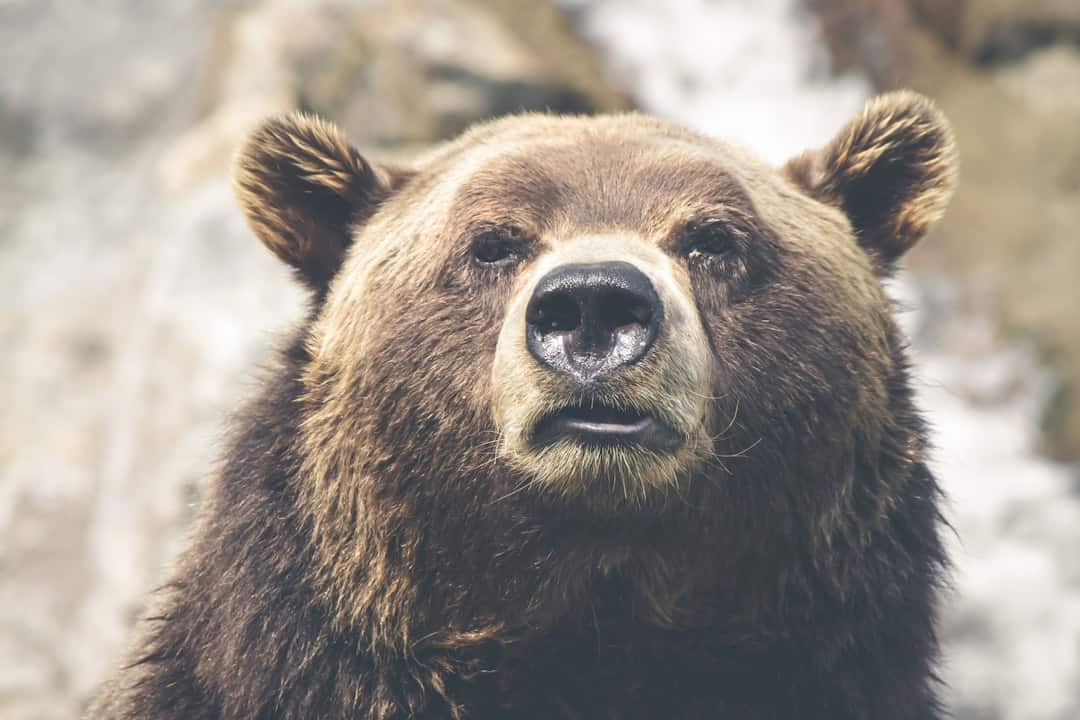
Animals have an exceptional ability to locate food sources, often from great distances. This ability is primarily attributed to their keen sense of smell, which allows them to detect the scent of food even when it’s not visible. For example, bears can smell food from miles away, while sharks can detect the scent of blood in the water from a significant distance. This ability to locate nourishment is a crucial survival skill, ensuring that animals can find the sustenance they need to thrive in their environments.
Territorial Changes A Sense of Home

Animals are highly attuned to changes in their territory, often sensing when something is amiss. This ability allows them to protect their home and resources from intruders or potential threats. For example, birds may become more vocal or aggressive when their territory is threatened, while wolves may patrol their boundaries more frequently. This territorial awareness is a vital aspect of animal behavior, ensuring the safety and stability of their environment. It’s a reminder of the deep connection animals have with their homes and the lengths they will go to protect them.
Conclusion The Unseen World of Animal Senses

The incredible abilities of animals to sense things before humans do is a testament to the wonders of the natural world. From predicting natural disasters to detecting subtle changes in human emotions, animals possess a remarkable array of senses that often leave us in awe. These abilities not only highlight the deep connection animals have with their environment but also remind us of the hidden depths of intuition and perception that exist within the animal kingdom. As we continue to explore and learn from these remarkable creatures, we gain a deeper appreciation for the mysteries of life and the extraordinary capabilities of our animal companions. What other secrets might animals hold that we have yet to discover?

As a little kid, I fell in love with nature, wildlife, and animals. Living in the USA, South Africa, Italy, China and Germany gave me the opportunity to discover the world's Wildlife. My favorite animals are Mountain Gorillas, Siberian Tigers, and Great White Sharks.
I'm a certified PADI Open Water Diver, went to Everest Base Camp and Trekked Gorillas in Uganda. I hold a Master of Science in Economics and Finance.
Please send any feedback to feedback@animalsaroundtheglobe.com
- 14 Stunning Animals You Can See in India - July 18, 2026
- The Most Enormous Lobster Ever Pulled From Maine Waters - July 18, 2026
- The Most Dangerous Waters for Sharks in North America - July 18, 2026