
Worried about unexpected vet bills?
Pet insurance can cover thousands in unexpected vet costs. Get a free quote from Lemonade in under 2 minutes.
Get My Free Quote →Sponsored · Opens Lemonade.com
Think you know everything about the animals around us? Maybe you’ve read about the big stuff, like how smart dolphins are or how elephants never forget. That’s wonderful, really. Those facts have their place in the world.
Yet there’s so much more happening right beneath our noses, things that most of us never even consider. The natural world holds secrets that can genuinely shift how you understand life itself. These aren’t just fun party tricks or random curiosities. These are behaviors, abilities, and adaptations that reveal a complexity in the animal kingdom that rivals our own.
From deep in the ocean to high in the sky and back in our own homes, animals continue to surprise us with their intelligence and sometimes bizarre behaviours. Some of these discoveries are so recent they’re still being unpacked by scientists. So let’s get started.
Mice Try to Revive Their Unconscious Friends
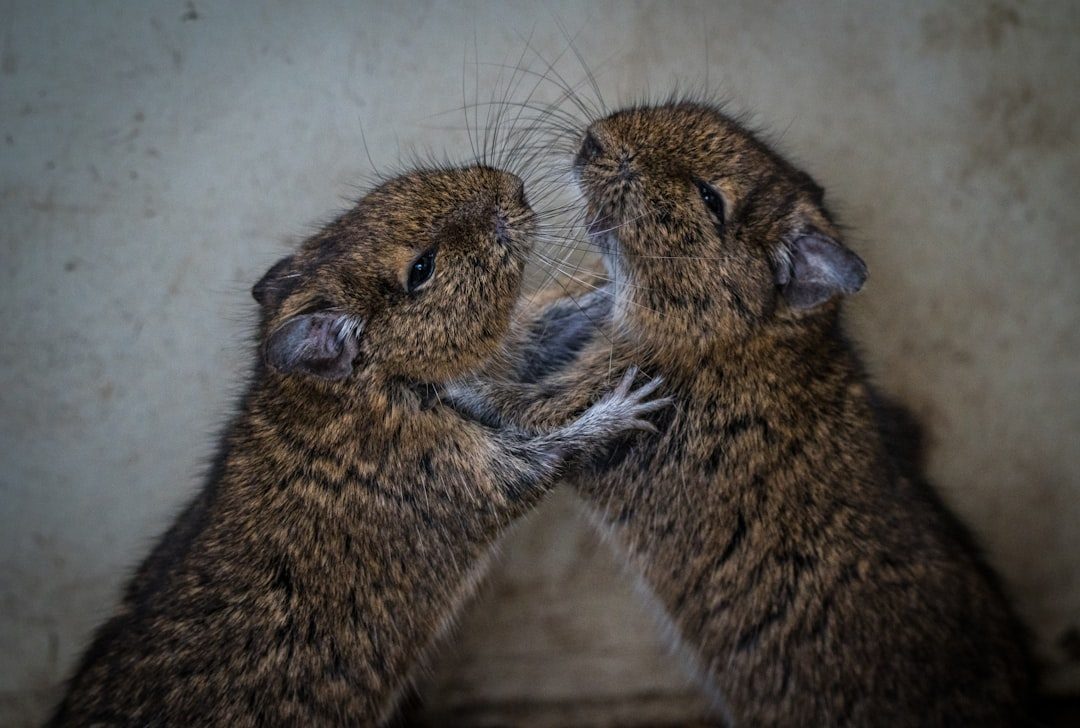
Mice have been observed seemingly trying to revive their unconscious companions. This isn’t just poking around out of curiosity. In a study published this year in the journal Science, healthy mice were placed with anesthetized mice, and something fascinating happened. The healthy mice were seen to pay very close attention to the drugged mouse, sniffing at it and grooming it, and then, as it slipped further into unconsciousness, pawing at the creature and nipping it, as though trying to wake it up.
Honestly, this changes the way we think about empathy in rodents. We usually associate rescue behavior with elephants, dolphins, or chimps. Mice? They’re often written off as simple creatures driven purely by instinct. Turns out, they’ve got far more compassion than we gave them credit for.
Dolphins Have a Special Whistle That Means ‘Wait, What?’
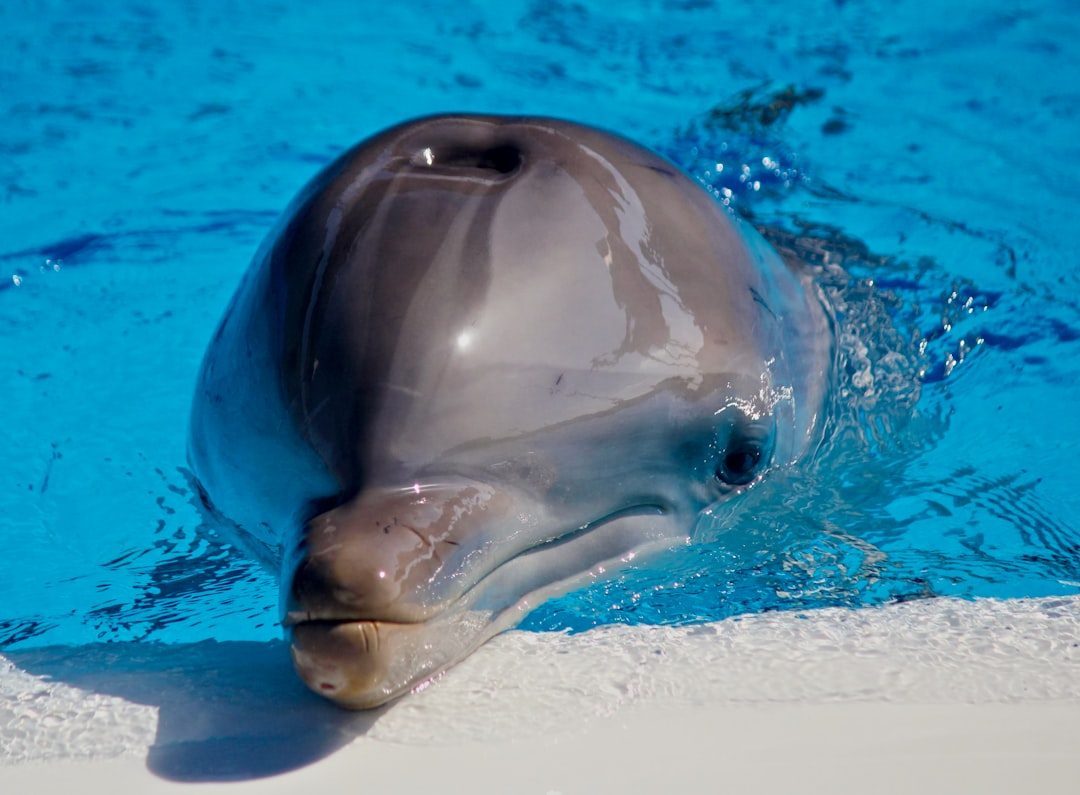
Dolphins are known for their signature whistles, unique sounds that function almost like names. Researchers in Florida who have been decoding other non-signature whistles have identified a vocalisation that seems to indicate a query, or even incredulity. The dolphins were probably confused, and each responded by emitting a vocalization researchers have playfully dubbed the “WTF” whistle.
Think about that for a second. Dolphins might have a sound specifically for expressing disbelief. That’s not just communication. That’s nuance, personality, maybe even humor. It makes you wonder what else they’re saying when we’re not listening closely enough.
Octopuses Have Three Hearts and Blue Blood
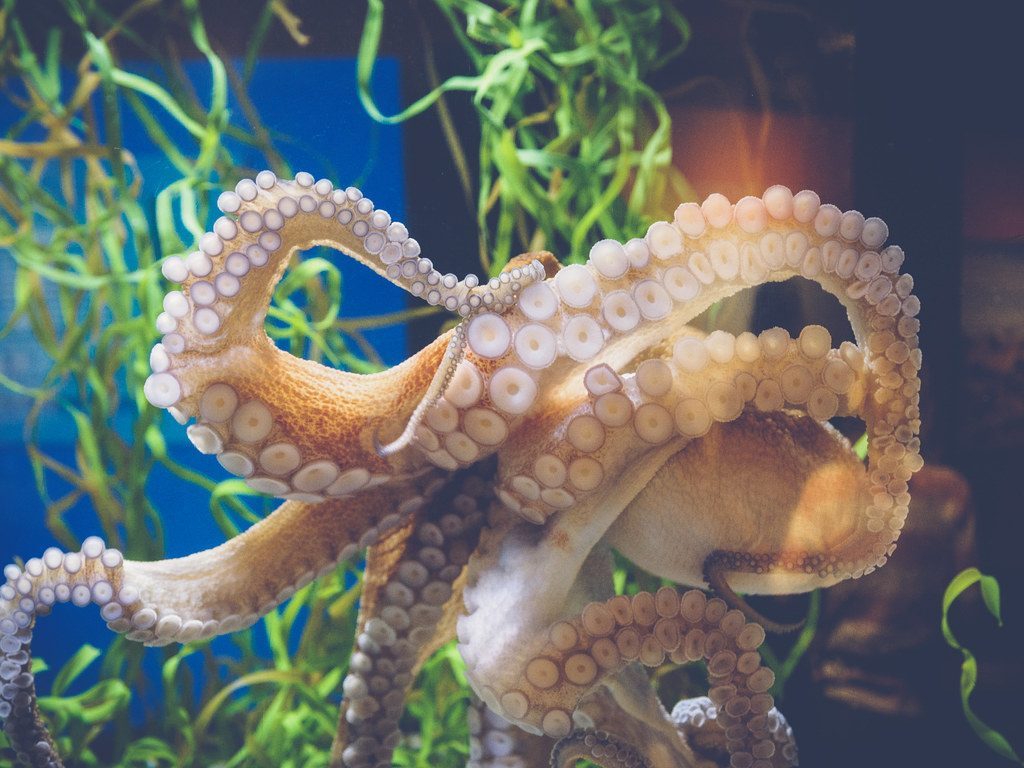
These marine masterminds have three hearts: two that pump blood to their gills and one for the rest of their body. To add to the intrigue, their blood is blue, thanks to a copper-based molecule called hemocyanin. When they swim, the heart that serves the body actually stops, which is one reason octopuses prefer crawling over swimming.
Imagine having a heart that just shuts off when you exercise. We complain about getting winded on a jog. Octopuses literally have to choose between moving and circulating blood efficiently. Yet they’re some of the most intelligent invertebrates on the planet, capable of solving puzzles, escaping enclosures, and even throwing objects at neighbors they don’t like.
Catfish Taste With Their Entire Body
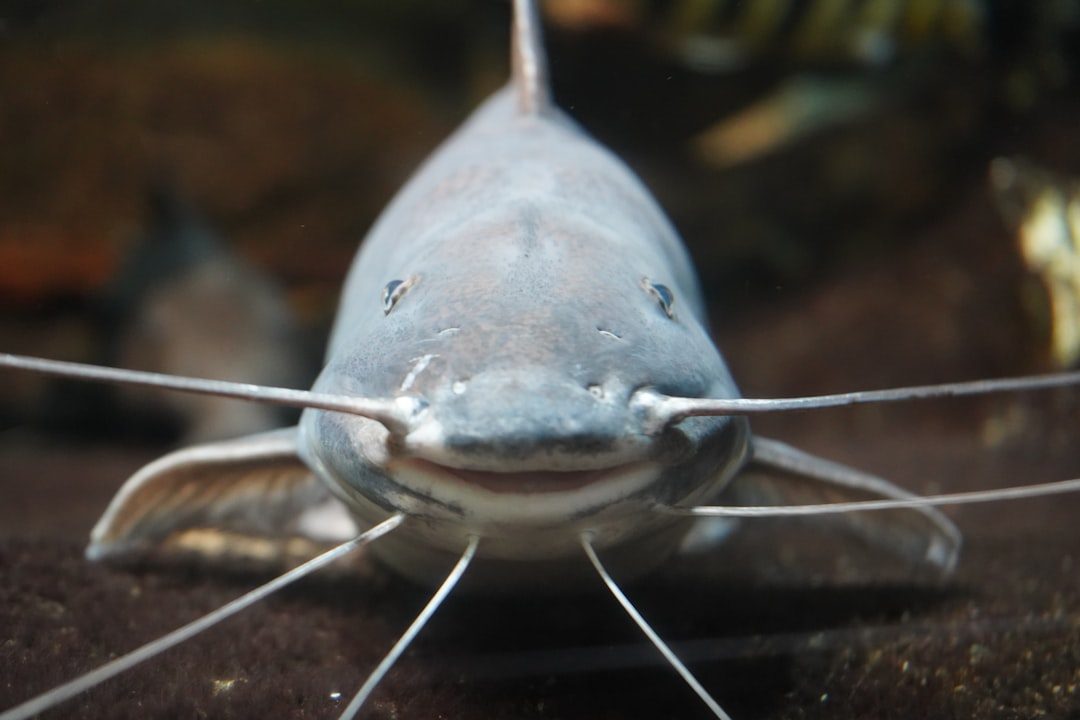
Their entire body is covered in taste sensitive cells, using up to 175,000 of them they can taste in all directions from the water which flows over them. Your tongue has roughly 10,000 taste buds. A catfish? Nearly twenty times that amount, distributed across every inch of skin.
Their amazing sense of taste gives them the ability to detect the presence of prey from far away but also to locate their position when close by in the muddy waters they typically live in. They live in environments where seeing is nearly impossible, so tasting the water itself becomes their primary navigation tool. It’s like living your entire life with your eyes closed and relying solely on flavor to find your way home.
Cows Form Deep Friendships and Get Stressed Without Their Besties
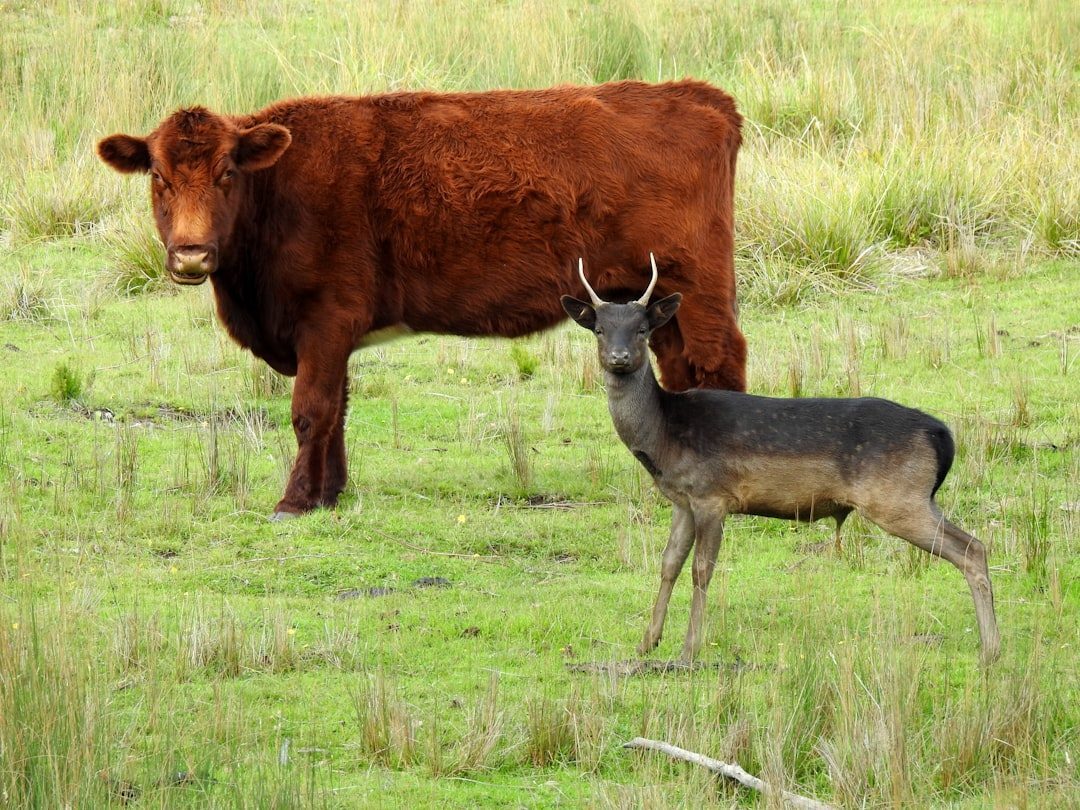
Studies have shown that cows form close social bonds and become stressed when separated from their best friends. We’re not talking about just herd animals preferring company. Cows form deep emotional bonds with one another and even get stressed when separated from their besties.
This completely flips the script on how we see farm animals. It’s easy to think of livestock as indifferent or simple, but cows have preferences. They choose companions. They miss those companions when they’re gone. Next time you see a herd grazing together, pay attention. There’s a whole social world happening right there in the field.
Sloths Can Hold Their Breath Longer Than Dolphins
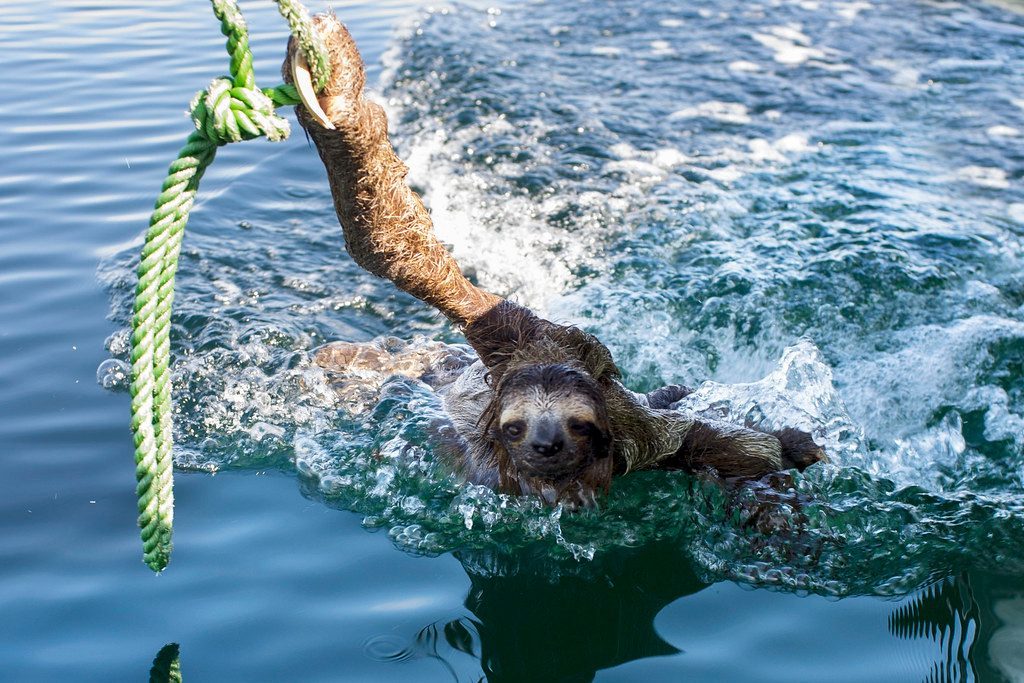
Sloths can hold their breath for up to 40 minutes, due to their ability to slow their heart rate, a handy adaptation for their semi-aquatic lifestyle. Dolphins, for comparison, usually surface every 10 minutes or so. Sloths look like they can barely keep their eyes open, yet they’ve mastered breath control better than some of the ocean’s most celebrated mammals.
Slowing their heart rate is part of their whole survival strategy. They move slowly to conserve energy and avoid detection. But being able to stay underwater that long? That’s not just slow. That’s strategic.
Platypuses Hunt Using Electroreception
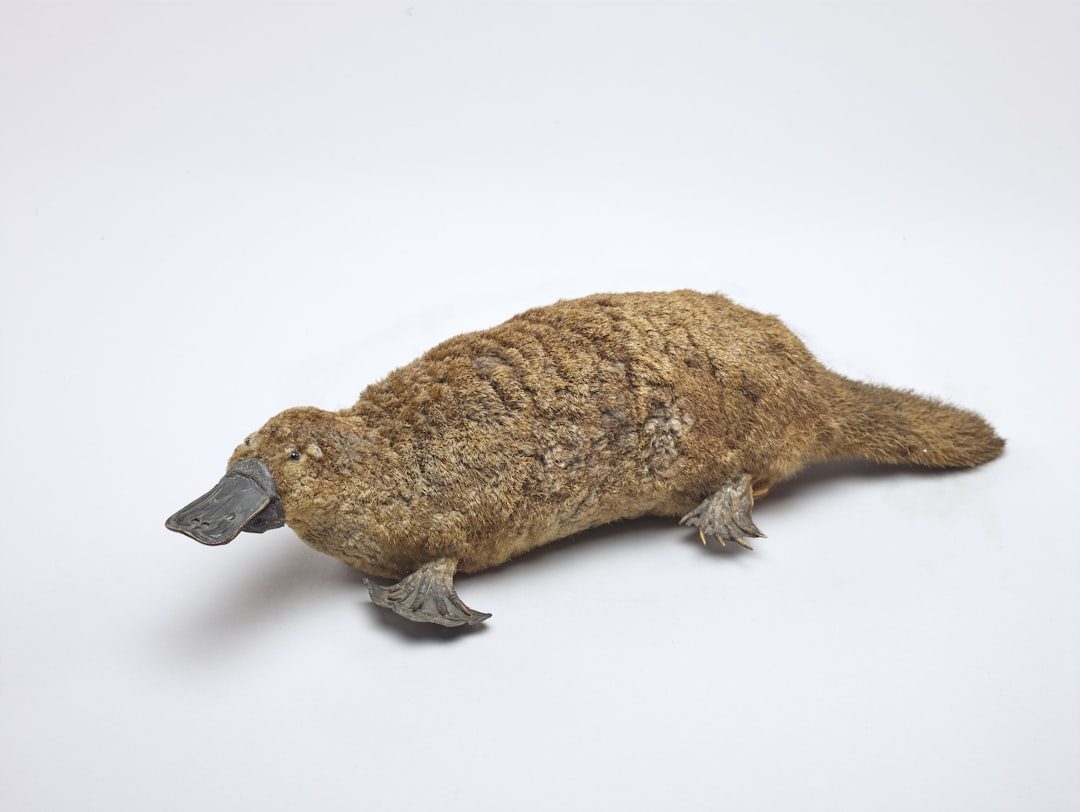
The bill of the platypus is packed with sensory cells able to detect the weak electrical fields put out by animals as they move. Together these two senses, electroreception and mechanoreception, enable the platypus to locate their prey with stunning accuracy. When the platypus dives, its eyes, nostrils, and ears close completely. It’s hunting blind, deaf, and without smell.
Yet it finds tiny invertebrates in murky riverbeds with ease. This isn’t luck. It’s a sixth sense we can’t even fully comprehend. Imagine navigating your entire environment by feeling electrical signals. That’s the world a platypus lives in every single day.
Elephants Communicate Through the Ground
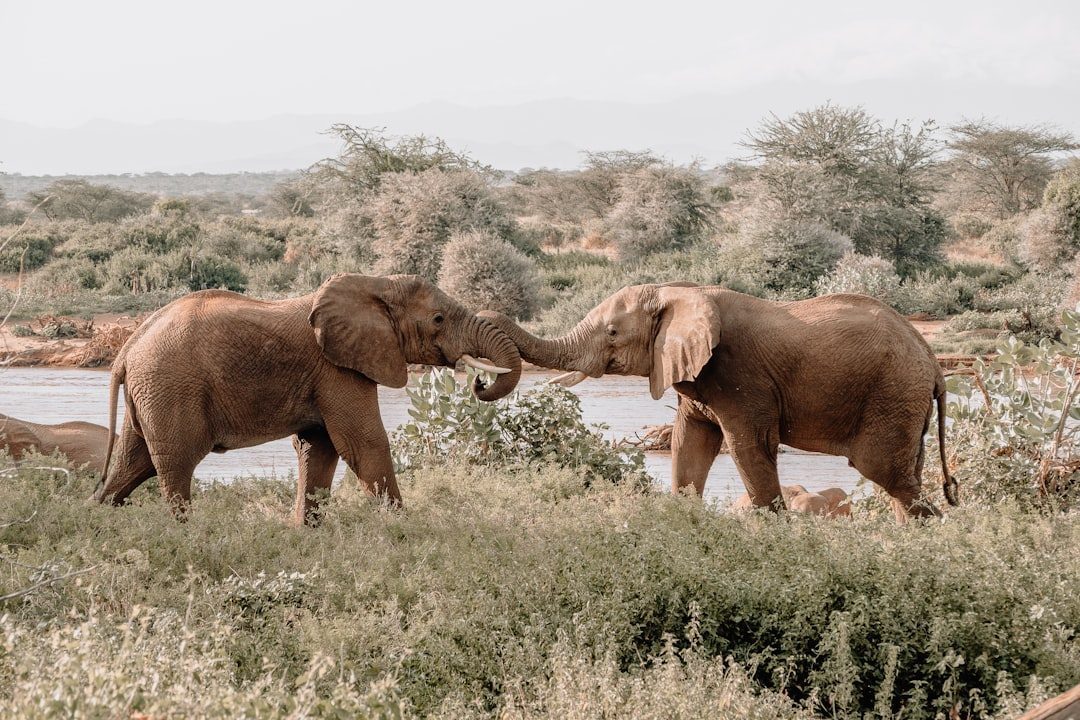
Elephants communicate using incredibly low rumbling sounds that cannot be heard by the human ear, carried through the air as sound waves and also through the ground as seismic waves, and the elephants feel the seismic vibrations by using their trunk and their feet. Concentrated at the tip of their trunks and on the heels and toes of their feet are very sensitive receptor cells called Pacinian corpuscles.
This means elephants are having conversations we can’t hear, over distances we can’t perceive. They might be warning each other about danger miles away, coordinating movements, or simply checking in with family. All of this happening silently, invisibly, beneath the surface.
Pit Vipers See in Infrared
The pit viper has two slits between the snake’s nostril and eye, heat-sensing organs that allow the snakes to see in infrared, meaning they can pick up on heat-sources even if in the middle of the night. The sense is so sensitive that pit vipers can accurately judge the size and distance of their prey using that sense alone.
They don’t need light. They see warmth. In total darkness, a pit viper perceives the world as a thermal landscape, with every living creature glowing against the cool background. It’s like having night-vision goggles built directly into your face. Predatory efficiency at its finest.
Bees Can Sense the Earth’s Magnetic Field

Bees are incredibly hypersensitive and can sense the Earth’s magnetic field, and may detect signs of approaching thunderstorms. This isn’t just navigation. It’s environmental prediction. Bees know when a storm is coming before we do, and they adjust their behavior accordingly.
This ability is called magnetoreception, and it’s like having a built-in GPS and weather app combined. We rely on satellites and technology. Bees? They’re born with it. They’re tuned in to forces that we can’t even feel without equipment.
Horses Have a Complex Emotional Language We’re Just Beginning to Decode
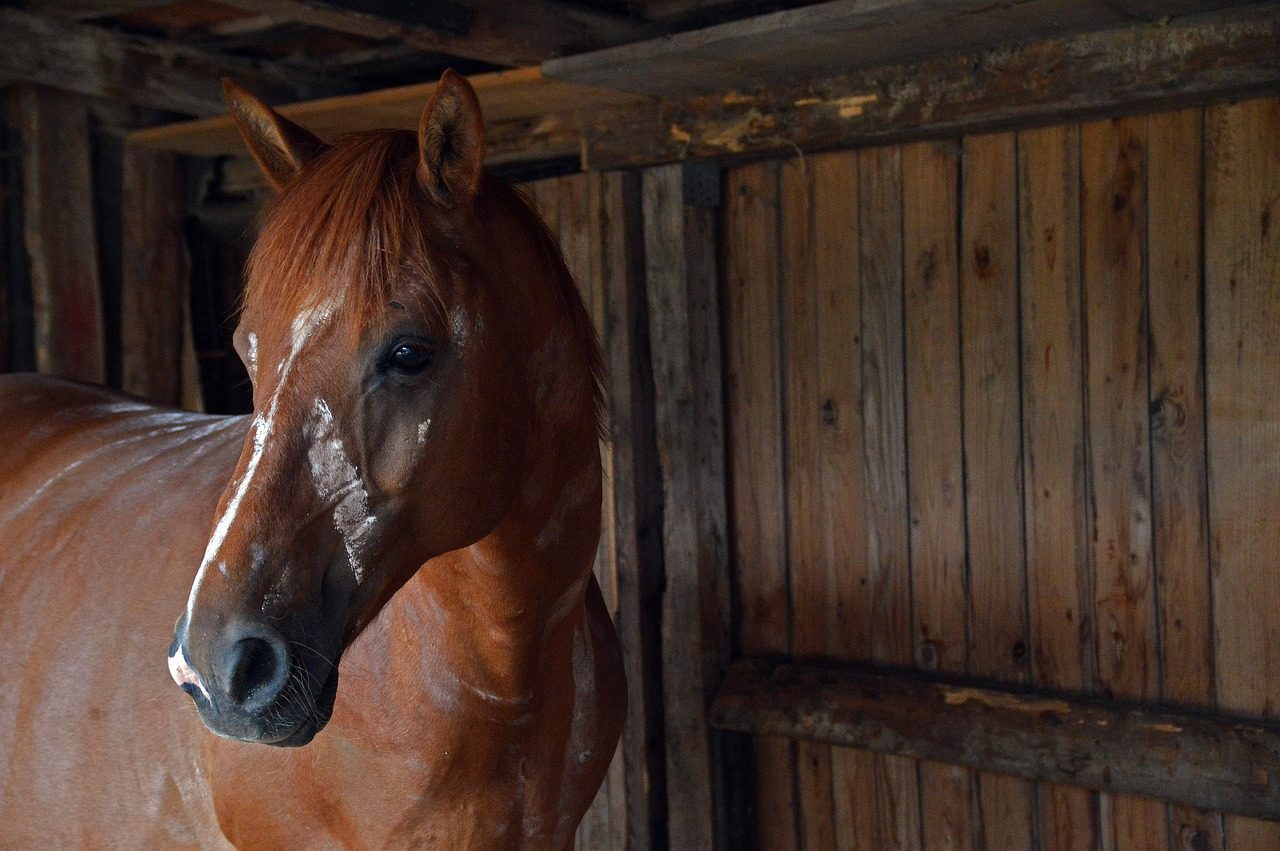
Horses have a narrower range of expressions than humans or dogs, but the way they move their heads, eyes, mouths and ears does provide an insight into their emotions. If a horse lowers its head, flares its nostrils and flattens its ears, be careful because it is probably feeling aggressive, whereas if it raises its chin and opens its mouth, which may indicate playfulness.
For anyone who works with horses or just loves them, this is groundbreaking. We’ve been misreading them for years. They communicate constantly. We’ve just been too focused on words to see it. Learning their language means safer, more trusting relationships.
Rhinoceroses Have Terrible Eyesight but Exceptional Smell
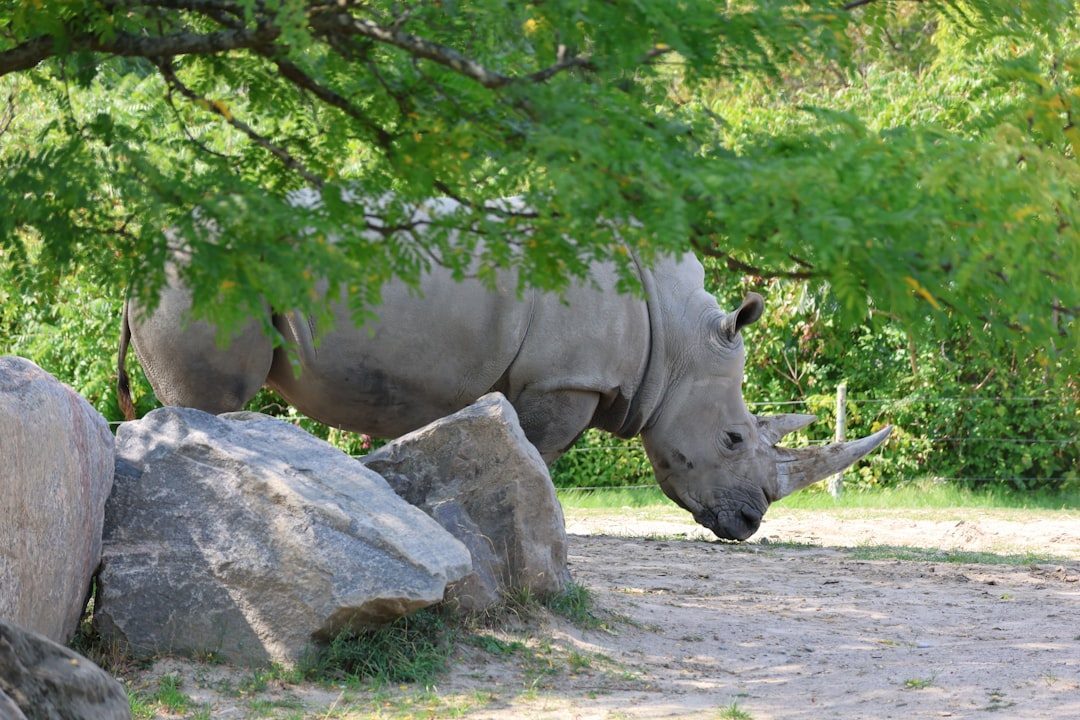
Black rhinos seem to have a better sense of smell than white rhinoceroses based on the increased size of the piriform cortex, the part of their brain that processes information from their sense of smell. The black rhino sense of smell and hearing make up for the fact that they have considerably bad eyesight, and they would not be able to tell the difference between a tree and a person standing roughly 100 feet away.
This explains a lot about why rhinos can be so aggressive. They’re navigating a blurry world, relying heavily on scent and sound. If something unfamiliar gets too close, they react defensively. It’s not meanness. It’s survival instinct in a body that can’t see clearly.
Conclusion

The more we learn about animals, the harder it becomes to see them as simple or lesser. They experience the world in ways we’re only beginning to understand. Some have senses we can’t even imagine. Others show emotional depth that rivals our own.
The more we learn about animals, the more we realize how interconnected life on Earth truly is, and every species plays a role in maintaining the balance of our ecosystems. These aren’t just interesting tidbits. They’re reminders that we share this planet with beings who deserve our respect, our curiosity, and our care. What do you think about these discoveries? Tell us in the comments.
Worried about unexpected vet bills?
Pet insurance can cover thousands in unexpected vet costs. Get a free quote from Lemonade in under 2 minutes.
Get My Free Quote →Sponsored · Opens Lemonade.com
