

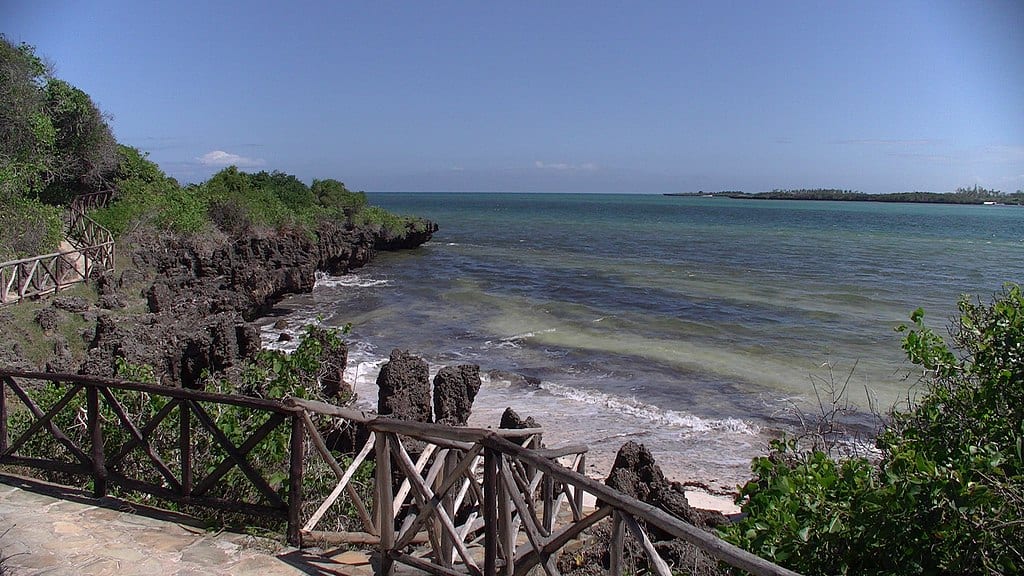
Volcanoes are among Earth’s most powerful natural processes, capable of destruction and creation. When these fiery giants erupt, they can sometimes lead to the formation of entirely new islands, quickly transforming the geography of our planet. In this article, we delve into 12 fascinating volcanic eruptions that have led to the birth of new islands. Through a mix of historical and recent examples, we’ll explore the dynamics of volcanic island creation and their impact on our world.
The Phenomenon of Volcanic Island Formation

Volcanic islands form when magma from beneath the Earth’s crust reaches the surface and solidifies. Over time, these deposits build up, eventually breaking the ocean’s surface to form new land. This process involves complex geological mechanisms, including plate tectonics and the accumulation of eruptive materials like lava and ash.
Surtsey, Iceland A New World from the Sea
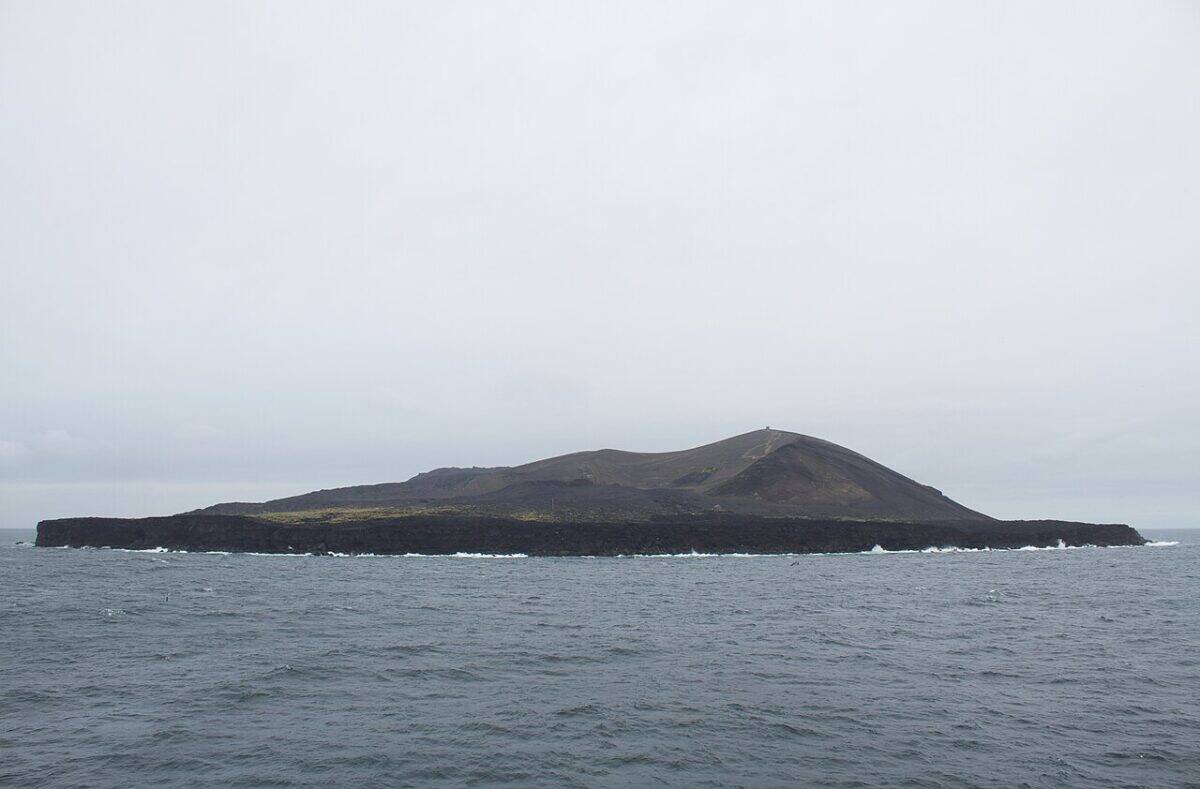
In 1963, off the coast of Iceland, a spectacular volcanic eruption gave rise to the island of Surtsey. This event provided scientists with a rare opportunity to study ecological succession—the process by which life colonizes a barren landscape. Named after the Norse fire giant Surtr, Surtsey remains largely untouched by human intervention to preserve its natural growth.
Nishinoshima, Japan Expanding Horizons
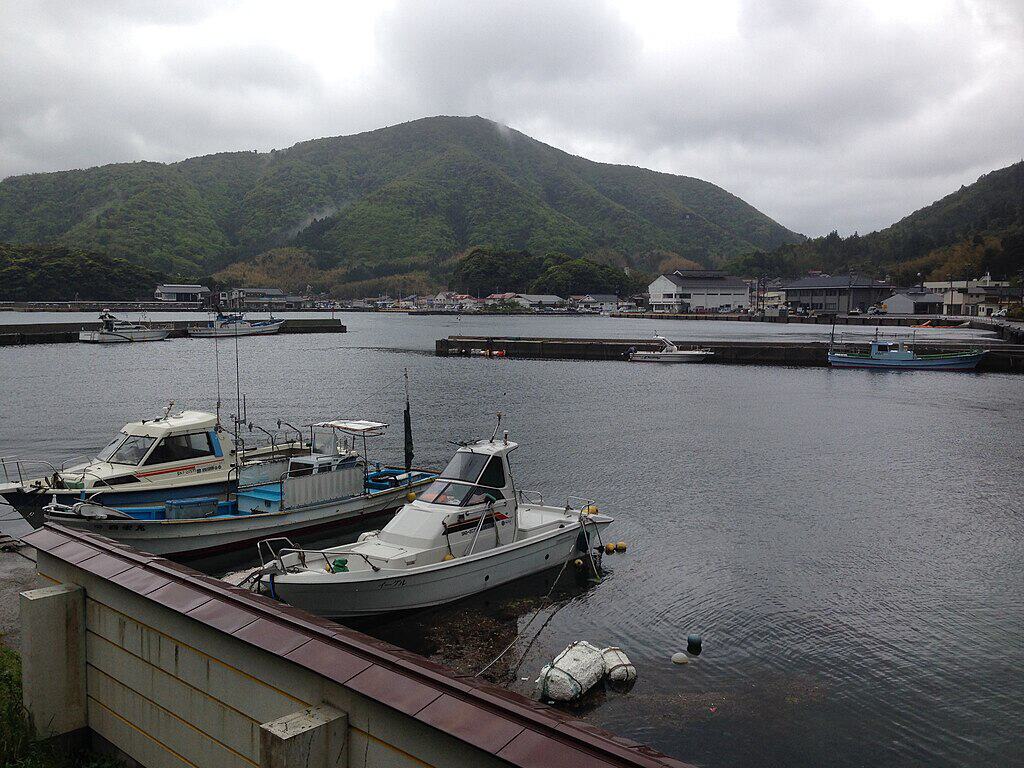
First appearing in the 1970s, Nishinoshima underwent significant volcanic activity again in 2013. The island, located in the Pacific Ocean, has expanded dramatically as continuous eruptions added layers of lava, forming new land. This phenomenon attracted global attention as it reshaped marine maps and increased Japan’s territorial waters.
Hunga Tonga-Hunga Ha’apai Tonga’s Dynamic Duo
In December 2014, the eruption between two pre-existing islands, Hunga Tonga and Hunga Ha’apai, resulted in a new landform connecting them. The eruption sent plumes of ash skyward and deposited substantial volcanic material, creating a bridge between the islands. This new landmass is fragile and vulnerable to erosion, providing a living laboratory for understanding such formations.
Kavachi, Solomon Islands The Submarine Volcano

Known as one of the most active submarine volcanoes in the southwest Pacific, Kavachi has occasionally thrust new land above sea level. While these islands often submerge back into the ocean as quickly as they form, each appearance offers a glimpse into the dynamic nature of seafloor volcanoes.
Home Reef, Tonga Rising from the Depths

The Home Reef volcano has a history of forming temporary islands. One notable emergence occurred in 2006, when it rapidly built up a substantial landmass, only for it to erode away in subsequent years. This cycle of creation and destruction is typical of many volcanic islands, dictated by ocean waves and weather patterns.
Jolokia, Indian Ocean Reborn in Fire

Jolokia, an undersea volcano, erupted in 2013 off the coast of Mauritius. This eruption was significant as it created a new island, albeit temporarily. While these formations are fleeting, they contribute to our understanding of volcanic island evolution and the volatility of such environments.
Saba Island, Caribbean Caribbean Creation

The Caribbean’s volcanic activity has led to the formation of Saba Island, a result of ancient volcanic activity. Though not formed from recent eruptions, Saba exemplifies long-lasting volcanic islands that become lush, biodiverse habitats over time, with rich histories and cultures.
Tagoro, Canary Islands An Unexpected Surprise
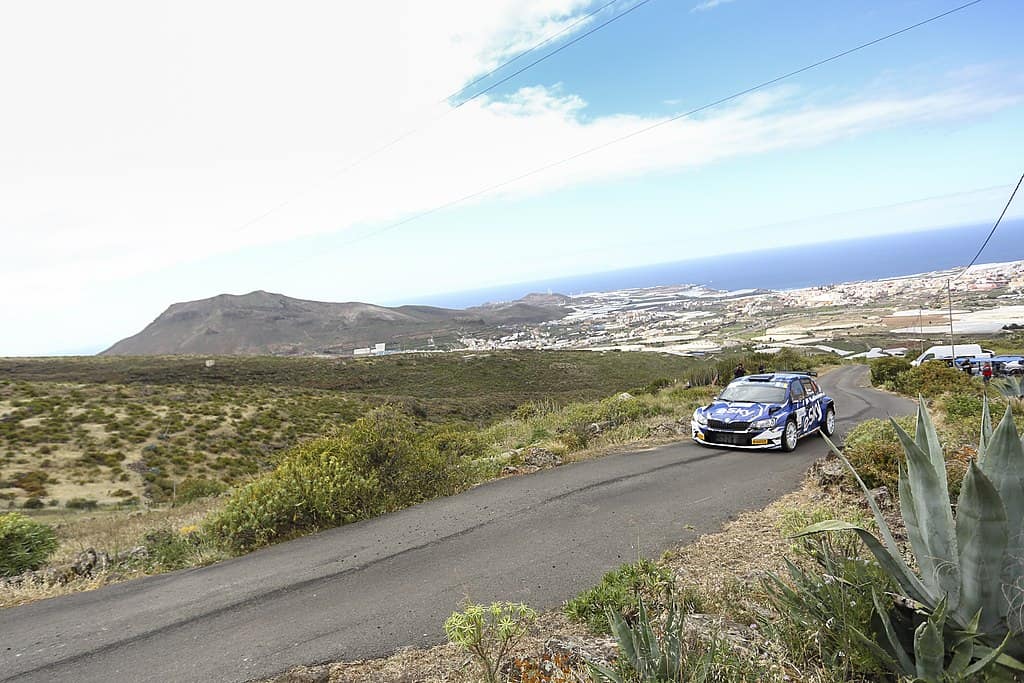
Off the coast of El Hierro in the Canary Islands, the Tagoro submarine volcano erupted in 2011. While it hasn’t permanently broken the surface, it significantly altered the seafloor topography and affected marine life, illustrating the undersea impact of volcanic activity.
Serua, Banda Sea A Witness to History
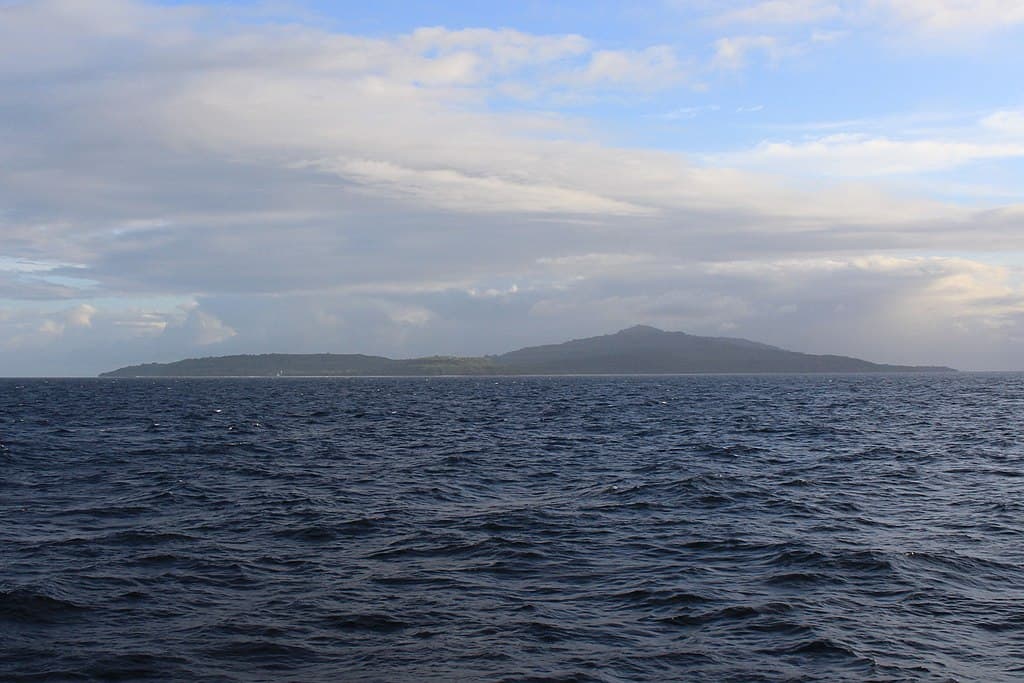
The volcanic activities in the Banda Sea have periodically formed islands, such as the appearance of Serua Island. These islands are steeped in history, serving as reminders of the earth’s volatile nature and the constant reshaping of our planet’s surface.
Belitung Island, Indonesia Geologically Rich
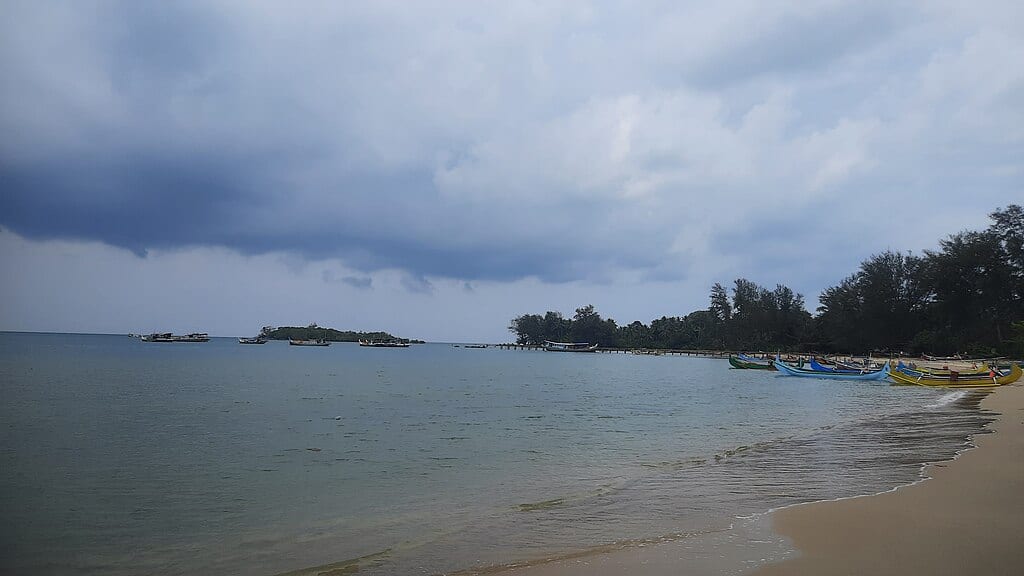
Indonesia’s archipelago is dotted with islands born from volcanic activity. Belitung, though largely stable now, was formed from past eruptions, developing lush ecosystems and rich mineral deposits, becoming an important geological and ecological site.
Jebel al-Tair, Red Sea From Dormancy to Activity

The volcanic island of Jebel al-Tair, dormant for over a century, erupted in 2007, reminding the world of its fiery potential. Situated in the Red Sea, the island is a striking example of how volcanic activity can lay dormant, only to resurge and redefine a landscape.
Conclusion: Nature’s Transformative Power

The creation of new islands through volcanic eruptions is a testament to nature’s transformative power. These landforms offer invaluable insights into geological processes, environmental colonization, and the resilience of life in the face of constant change. As scientists continue to study these phenomena, we gain a deeper understanding of our planet’s dynamic nature and the potential impacts these islands can have on humanity and the environment.

As a little kid, I fell in love with nature, wildlife, and animals. Living in the USA, South Africa, Italy, China and Germany gave me the opportunity to discover the world's Wildlife. My favorite animals are Mountain Gorillas, Siberian Tigers, and Great White Sharks.
I'm a certified PADI Open Water Diver, went to Everest Base Camp and Trekked Gorillas in Uganda. I hold a Master of Science in Economics and Finance.
Please send any feedback to feedback@animalsaroundtheglobe.com
- The 13 Most Energetic Dog Breeds for Active Owners - July 18, 2026
- 10 Prehistoric Insects That Were the Size of Birds - July 18, 2026
- 20 Unbelievable Dinosaur Discoveries That Completely Rewrite History - July 18, 2026