


Cheetahs, leopards, and jaguars are magnificent big cats that often get confused with one another due to their spotted appearances. However, these feline species have evolved with distinct characteristics that make them uniquely adapted to their environments and hunting strategies. While they belong to the same family, Felidae, these cats have different geographical distributions, physical attributes, and behavioral patterns. Understanding these differences not only helps with identification but also provides insights into their evolutionary paths and ecological roles. This comprehensive guide explores twelve key differences between cheetahs and their spotted cousins, the leopards and jaguars, revealing the fascinating adaptations that make each species remarkable in its own right.
12. Speed and Body Structure

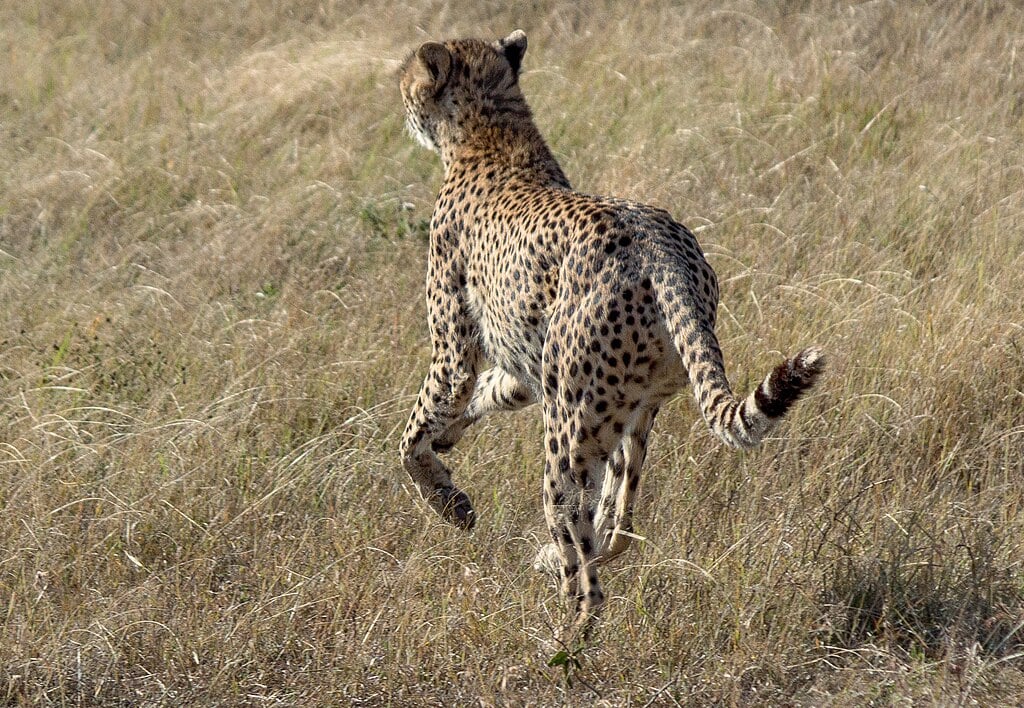
Cheetahs are built for speed, making them the fastest land animals on Earth, capable of reaching speeds up to 70-75 mph (113-120 km/h) in short bursts. Their bodies feature a slender, aerodynamic build with a deep chest, narrow waist, and long legs. In contrast, leopards and jaguars possess more muscular, stockier builds optimized for strength rather than speed. These cats typically reach maximum speeds of about 35-40 mph (56-64 km/h). The cheetah’s unique semi-non-retractable claws function similar to cleats, providing crucial traction during high-speed chases, while both leopards and jaguars have fully retractable claws that remain sharp for climbing and capturing prey. The cheetah’s spine is exceptionally flexible, acting like a spring during running strides, which contributes to its remarkable acceleration—going from 0 to 60 mph in just three seconds.
11. Facial Features and Tear Marks
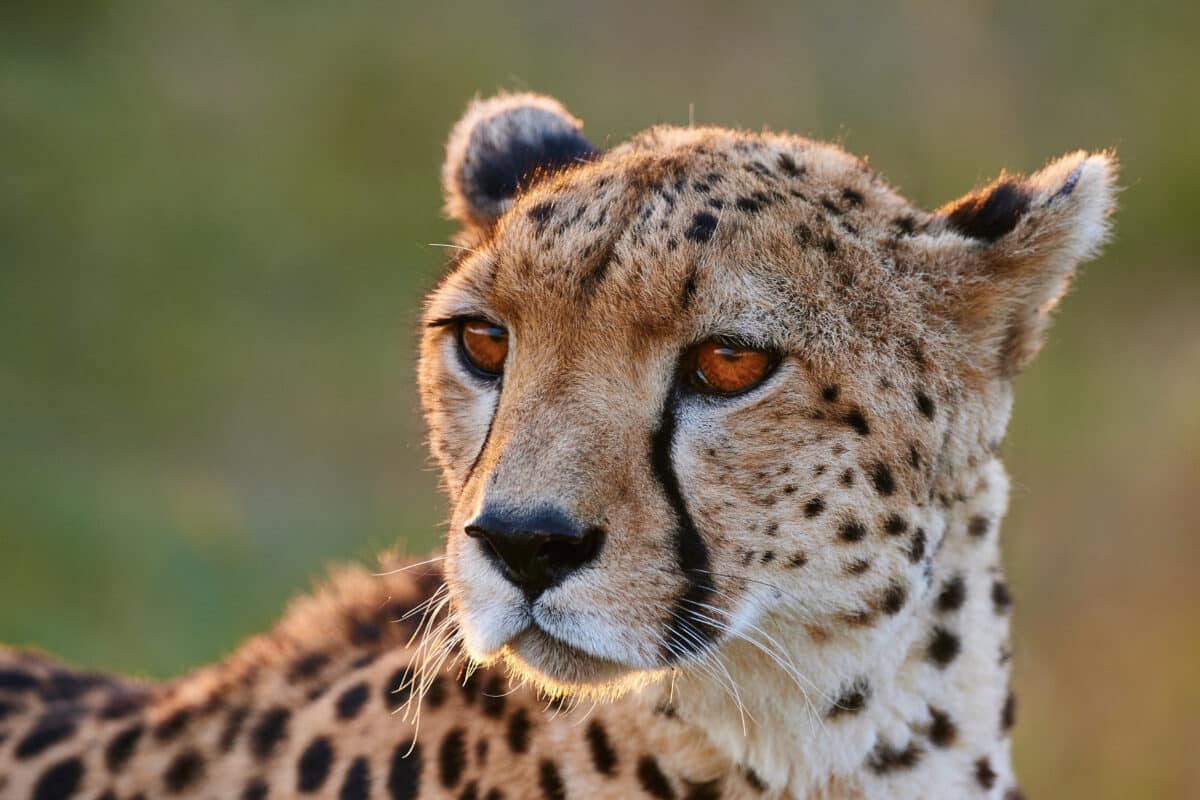
One of the most distinctive features of cheetahs is their characteristic “tear marks”—black streaks running from the inner corners of their eyes down to the sides of their mouth. These marks serve a functional purpose by reducing glare from the sun during daytime hunts, similar to how athletes use black grease under their eyes. Neither leopards nor jaguars possess these facial markings. Additionally, cheetahs have smaller, more rounded heads with high-set eyes that provide enhanced panoramic vision to spot prey across vast distances. Leopards and jaguars have broader, more powerful skulls with forward-facing eyes optimized for depth perception in forested environments. The cheetah’s small, flat head reduces air resistance while running, further emphasizing its evolutionary specialization for speed.
10. Spot Patterns and Coat Markings
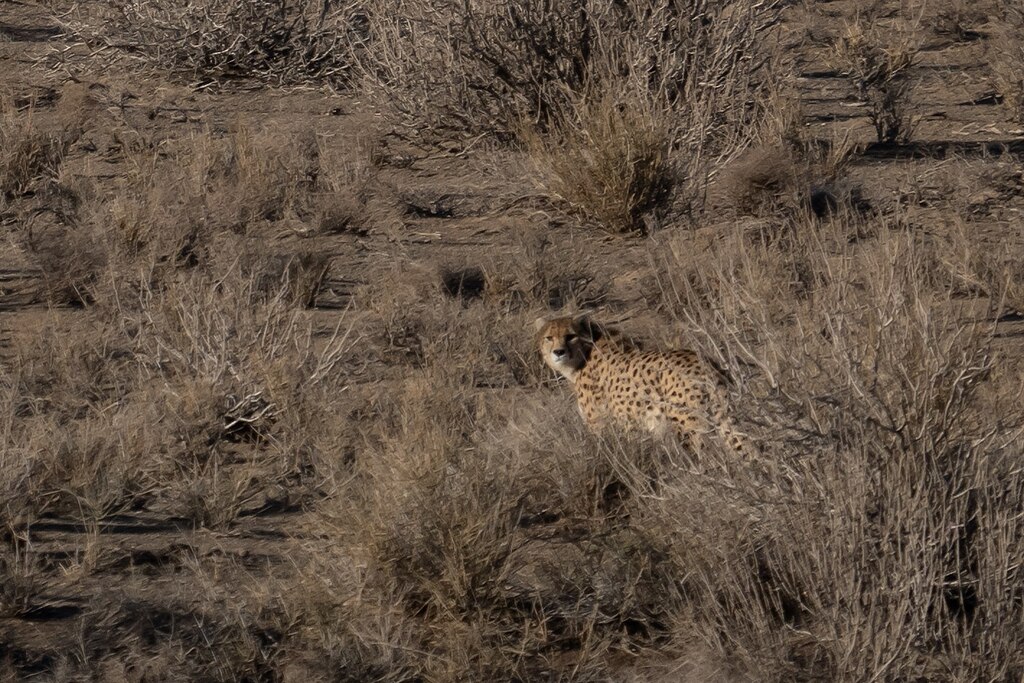
Though all three cats feature spotted coats, their patterns differ significantly. Cheetahs have simple, solid black spots evenly distributed across their tan coats. Leopards display more complex rosettes—circular patterns with darker borders surrounding areas of lighter fur. Jaguars have the most distinctive markings, with larger, more widely spaced rosettes that often contain small spots inside them. The jaguar’s rosettes are also larger and fewer in number compared to the leopard’s. These different coat patterns provide optimal camouflage in each species’ native habitat: cheetahs in open savannas, leopards in mixed woodlands and grasslands, and jaguars in dense rainforests. Interestingly, some cheetahs in East Africa display a rare genetic variation called “king cheetah,” featuring merged spots that create distinctive stripe-like patterns along their backs.
9. Size and Weight Differences
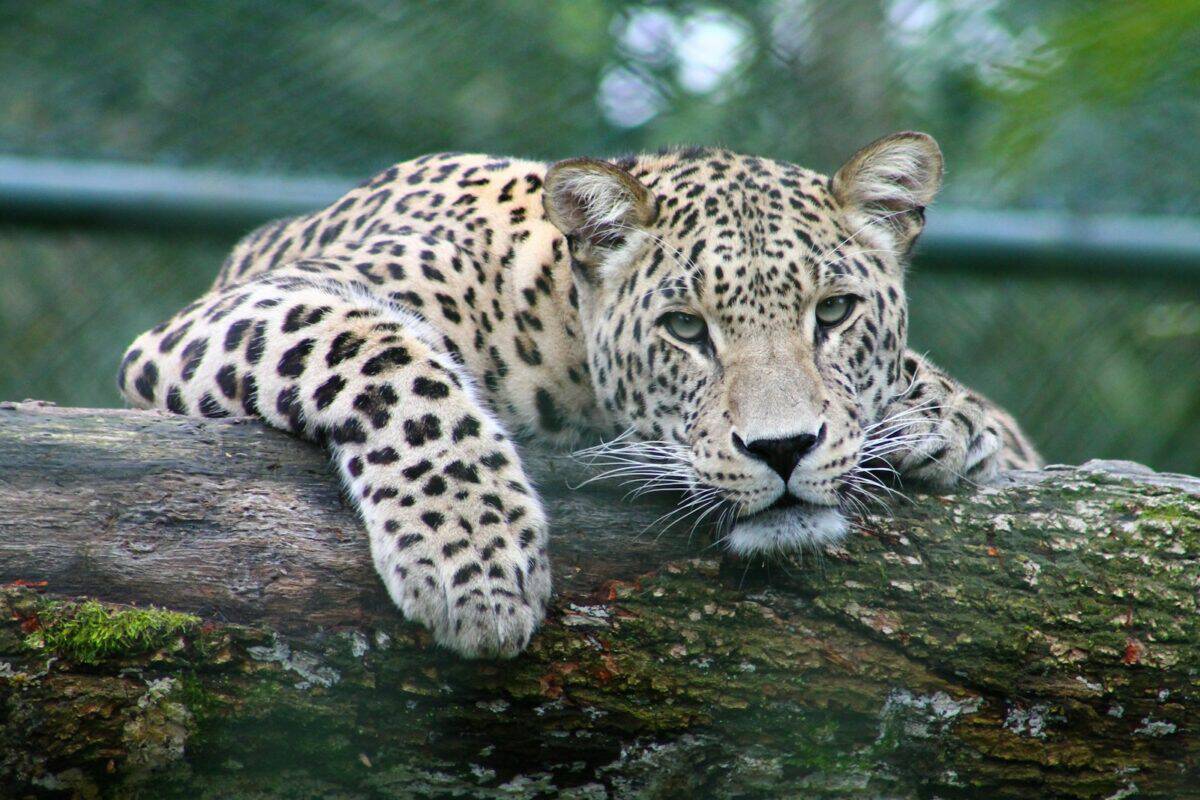
The three spotted cats differ considerably in size and weight. Cheetahs are the lightest and most slender, typically weighing between 75-145 pounds (34-66 kg) and standing about 30 inches (76 cm) tall at the shoulder. Leopards are more robust, weighing between 80-200 pounds (36-90 kg), with males significantly larger than females. Jaguars reign as the largest of the three, with males weighing up to 350 pounds (159 kg) in optimal conditions, though typically ranging from 125-250 pounds (57-113 kg). This size hierarchy reflects their different hunting strategies: cheetahs rely on speed rather than strength, while jaguars need powerful builds to take down larger prey in the Americas, including caimans and capybaras. The muscle composition also differs significantly, with cheetahs having a higher proportion of fast-twitch muscle fibers that enable rapid acceleration but fatigue quickly.
8. Hunting Techniques and Prey Selection

Hunting approaches vary dramatically among these cats. Cheetahs are pursuit predators, chasing prey at high speeds across open terrain, typically hunting during daylight hours. They target medium-sized ungulates like gazelles and impalas, using their speed and agility to catch prey in open chases. Leopards and jaguars are ambush hunters, relying on stealth and power rather than speed. They often hunt from concealed positions, leaping onto prey from trees or dense vegetation. Leopards frequently drag kills into trees to protect them from scavengers and other predators. Jaguars employ a unique killing technique, often dispatching prey with a powerful bite to the skull—their exceptional jaw strength allows them to pierce turtle shells and crocodilian armor. While cheetahs must eat quickly before their kills are stolen by larger predators, leopards and jaguars can take their time, sometimes feeding on a single large kill for several days.
7. Climbing and Swimming Abilities

The three cats show marked differences in their climbing and swimming behaviors. Cheetahs are primarily terrestrial and rarely climb trees except when young or to scan for prey or predators from low branches. Their semi-non-retractable claws are less efficient for climbing. In contrast, leopards are exceptional climbers, regularly hauling prey twice their weight up into trees for safe keeping. Jaguars excel at both climbing and swimming, being the most aquatic of the big cats. They frequently swim across rivers and hunt prey in water, including caimans and capybaras. Jaguars have been documented swimming across major rivers like the Amazon and are comfortable hunting in flooded forests during rainy seasons. Leopards will swim when necessary but generally prefer to avoid water. This difference in climbing and swimming abilities directly relates to the habitats these cats have evolved to exploit—open plains for cheetahs, mixed woodlands for leopards, and river-rich rainforests for jaguars.
6. Vocalization and Communication

Vocalization patterns differ significantly among the three species. Cheetahs cannot roar due to the structure of their hyoid bone and larynx. Instead, they communicate through a variety of chirps, churrs, and high-pitched yelps, with their most distinctive sound being a bird-like chirp. They also purr loudly when content, both while inhaling and exhaling. Leopards and jaguars both have the anatomical structure to produce powerful roars, though their vocalizations differ in tone and purpose. Leopards produce a distinctive rasping cough-like call to advertise their presence, especially during mating season. Jaguars emit a series of deep, grunting roars that sound like someone sawing wood, which can travel long distances through dense forest. These vocal differences reflect their social structures and territorial behaviors, with cheetahs being more social than the typically solitary leopards and jaguars.
5. Geographical Distribution

These three cat species occupy different continents and habitats. Cheetahs are primarily African cats, with small remaining populations in northeastern Iran. They inhabit open grasslands and savannas where their speed can be fully utilized. Leopards have the widest distribution of any big cat, found across sub-Saharan Africa and fragmented populations extending through the Middle East, into Asia, and as far as the Russian Far East. They adapt to a remarkable range of habitats, from rainforests to deserts and mountains. Jaguars are the only species of the three native to the Americas, ranging from the southwestern United States through Central America to northern Argentina, though their current range has contracted significantly. They primarily inhabit tropical and subtropical forests, especially near water sources, though they once occupied a much wider range of habitats. This geographical separation has allowed each species to evolve its unique adaptations without direct competition with the others.
4. Social Behavior and Reproduction

Social structures vary considerably among these cats. Cheetahs display unique social patterns, with males sometimes forming coalitions (typically of brothers) that stay together for life, increasing their chances of holding territory and mating. Female cheetahs are solitary except when raising cubs, which stay with their mother for about 18 months. Leopards and jaguars are fundamentally solitary animals, coming together only briefly to mate. Both male leopards and jaguars maintain territories that may overlap with several females. Cheetah females have larger litters, averaging 3-5 cubs, compared to leopards and jaguars that typically have 2-3 cubs. Cheetah cubs face a high mortality rate of about 70% in their first year, primarily due to predation by lions and hyenas. Leopard and jaguar cubs have somewhat better survival odds once they’re regularly moved between den sites by their mothers. These differences in social structure and reproduction reflect adaptations to their ecological niches and hunting strategies.
3. Pupil Shape and Night Vision
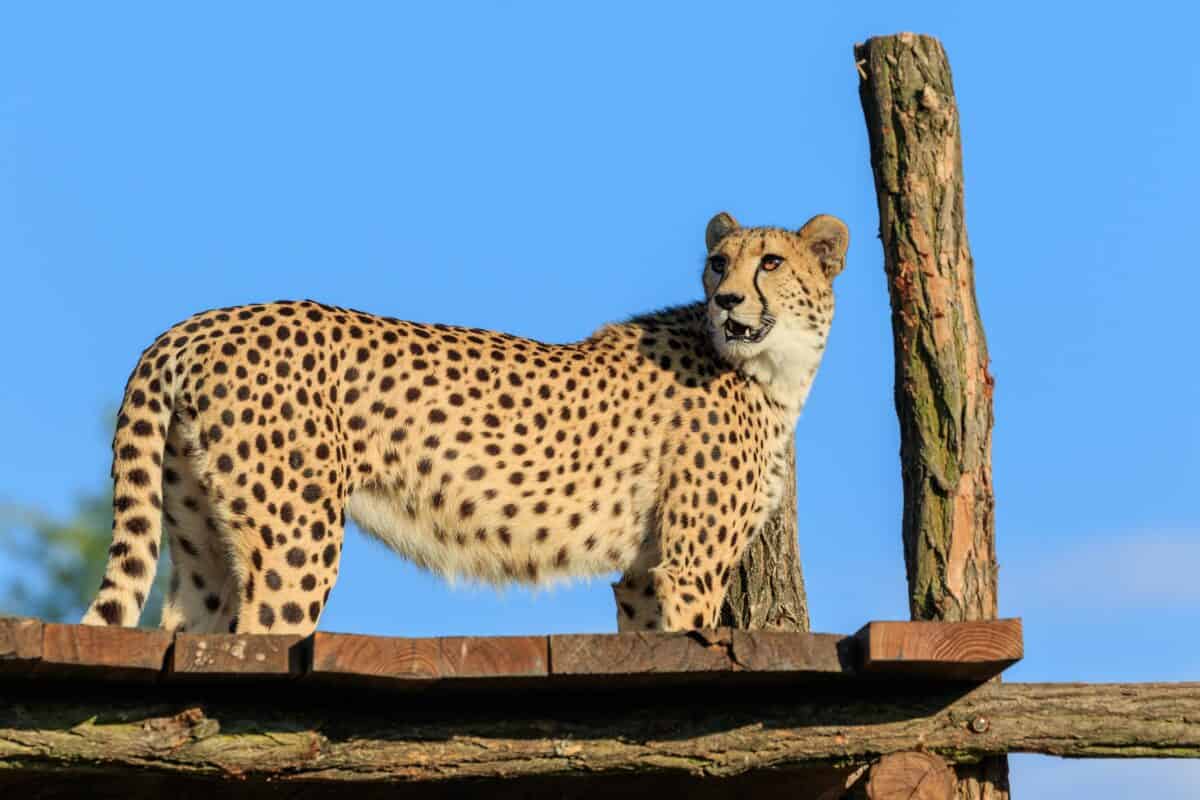
The shape of their eyes’ pupils reflects their preferred hunting times and habitats. Cheetahs have round pupils similar to humans, consistent with their primarily diurnal (daytime) hunting pattern. While they can see well in bright daylight, their night vision is less developed than that of leopards and jaguars. Both leopards and jaguars possess vertical slit pupils that can open wider in low light, allowing greater light absorption and superior night vision. This adaptation supports their nocturnal hunting behaviors. Leopards are particularly active hunters during dawn and dusk (crepuscular), while jaguars often hunt throughout the night. The retinal structure also differs, with leopards and jaguars having a higher concentration of rod cells that aid in low-light vision, whereas cheetahs have more cone cells for better daylight vision and motion detection—crucial for their high-speed chases.
2. Conservation Status and Threats

All three species face significant conservation challenges, though their threat levels differ. Cheetahs are classified as Vulnerable on the IUCN Red List, with approximately 7,000 individuals remaining in the wild. They face habitat loss, human-wildlife conflict, and illegal pet trade threats. Their low genetic diversity compounds conservation challenges. Leopards are classified as Vulnerable globally, though nine subspecies have varying statuses, with some critically endangered. Their total population is estimated at less than 100,000 worldwide, declining due to habitat fragmentation, poaching for body parts, and human encroachment. Jaguars are classified as Near Threatened, with an estimated 64,000 individuals remaining, but their populations are decreasing due to deforestation, prey depletion, and retaliatory killings by ranchers. Of the three, cheetahs face the most immediate extinction risk due to their specialized adaptations and limited genetic diversity, making them less adaptable to environmental changes.
1. Cultural Significance Throughout History
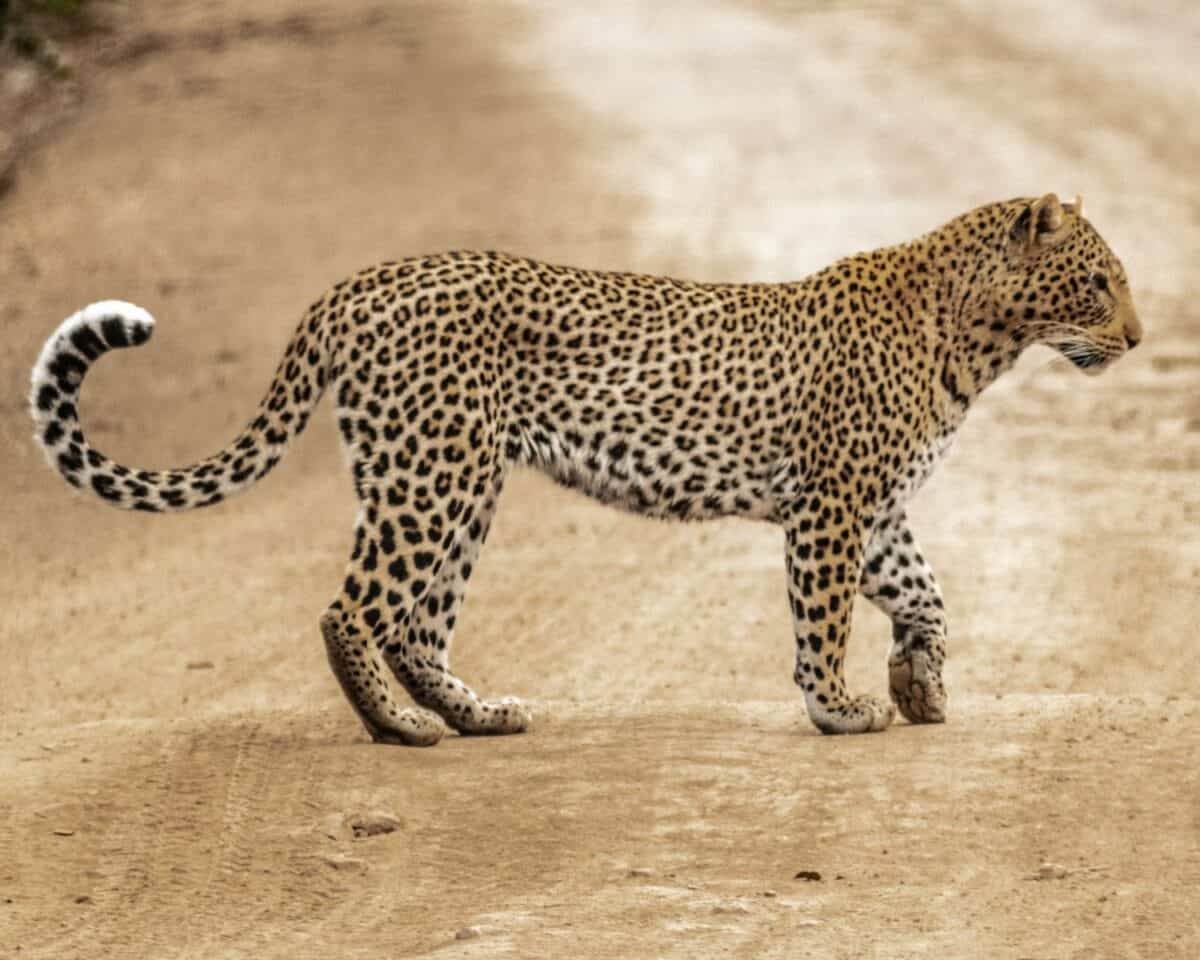
These magnificent cats have played important but distinct roles in human cultures. Cheetahs have a long history of being tamed (though not truly domesticated) and used as hunting companions by nobility in ancient Egypt, the Middle East, and India. Their speed was prized for coursing game, and they feature prominently in ancient artwork. Leopards have been powerful symbols in African and Asian cultures, often representing royalty, strength, and ferocity. In many African traditions, leopard skins and parts were reserved exclusively for chiefs and royalty. Jaguars held supreme religious significance in pre-Columbian Mesoamerican cultures, particularly among the Maya, Aztec, and Olmec civilizations, where they were associated with rulers, warriors, and shamanic transformations. The jaguar was considered a deity that moved between worlds. These different cultural roles reflect both the geographical distribution of these cats and their distinct physical attributes that captured human imagination in different ways.
Conclusion
Though cheetahs, leopards, and jaguars may appear similar at first glance with their spotted coats, they represent remarkably different evolutionary paths within the big cat family. From the cheetah’s unparalleled speed and specialized hunting adaptations to the leopard’s unmatched adaptability across diverse habitats, and the jaguar’s powerful build and aquatic tendencies, each species has developed unique characteristics that define its ecological niche. Understanding these differences enhances our appreciation for the incredible diversity within the Felidae family and highlights the importance of specialized conservation efforts tailored to each species’ particular needs and challenges. As these magnificent predators face mounting threats from habitat loss and human conflict, recognizing their unique attributes and roles in their ecosystems becomes increasingly vital to ensuring their survival for future generations to appreciate and study.

As a little kid, I fell in love with nature, wildlife, and animals. Living in the USA, South Africa, Italy, China and Germany gave me the opportunity to discover the world's Wildlife. My favorite animals are Mountain Gorillas, Siberian Tigers, and Great White Sharks.
I'm a certified PADI Open Water Diver, went to Everest Base Camp and Trekked Gorillas in Uganda. I hold a Master of Science in Economics and Finance.
Please send any feedback to feedback@animalsaroundtheglobe.com
- 13 Cat Breeds That Get Along with Dogs - July 20, 2026
- The 12 Largest Dog Breeds That Still Love to Cuddle - July 20, 2026
- 12 Pet Habits That Secretly Mean They Love You - July 20, 2026