
There’s something quietly extraordinary about a garden that hums with life. Not just the cultivated kind – the kind you planned for – but the uninvited, unpredictable kind. A dragonfly hovering over a pond. A hedgehog snuffling through the dusk. A flash of wings where you only expected stillness. Most people assume that attracting wildlife requires acres of countryside or expert-level ecological knowledge. They’re wrong.
The truth is, a single backyard decision – what to plant, what to leave alone, what to stop spraying – can change everything. Gardens collectively form a vast, invisible patchwork of habitat that wildlife depends on in a world where natural spaces are shrinking fast. What you do with your patch of ground matters more than you might think. The 12 approaches below are practical, grounded in real ecology, and more rewarding than any perfectly manicured lawn will ever be.
#1: Plant Native Species as Your Foundation
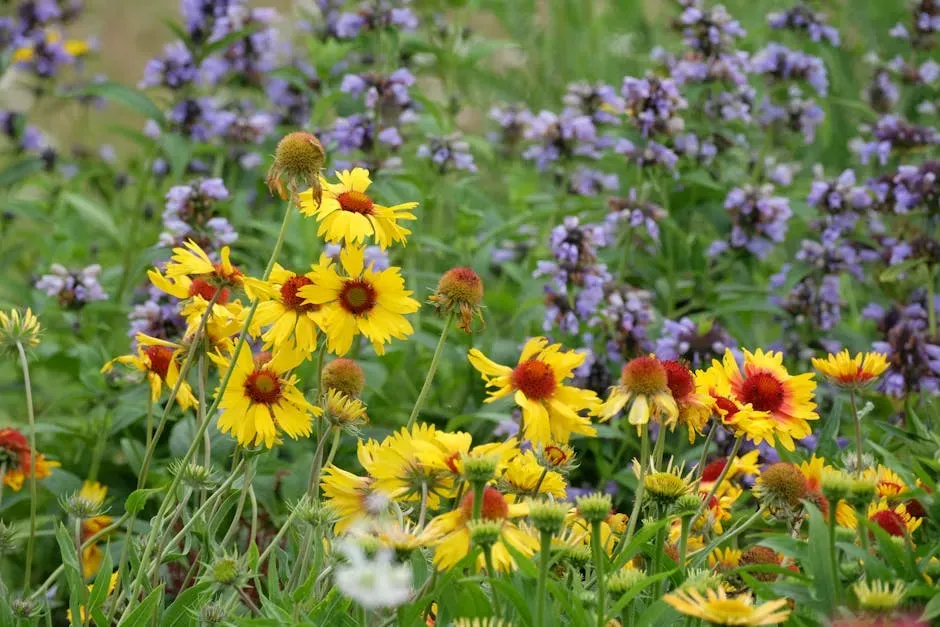
Native plants provide nectar for pollinators including hummingbirds, native bees, butterflies, moths, and bats. They provide protective shelter for many mammals, and the native nuts, seeds, and fruits they produce offer essential foods for all forms of wildlife. This isn’t just a pleasant bonus – it’s the biological backbone your garden needs.
Research by entomologist Doug Tallamy has shown that native oak trees support over 500 species of caterpillars, whereas ginkgos, a commonly planted landscape tree from Asia, host only five species. When it takes over 6,000 caterpillars to raise one brood of chickadees, that is a significant difference. Choosing what you plant is, in effect, choosing which creatures can survive in your space.
Native plants need less water, no strong chemicals, and they give food and shelter to local wildlife. When you grow these plants, animals return. Lavender, foxglove, hawthorn, and wild marjoram are great options that help bring life back to your garden. Start with just a few and build from there.
#2: Add a Wildlife Pond
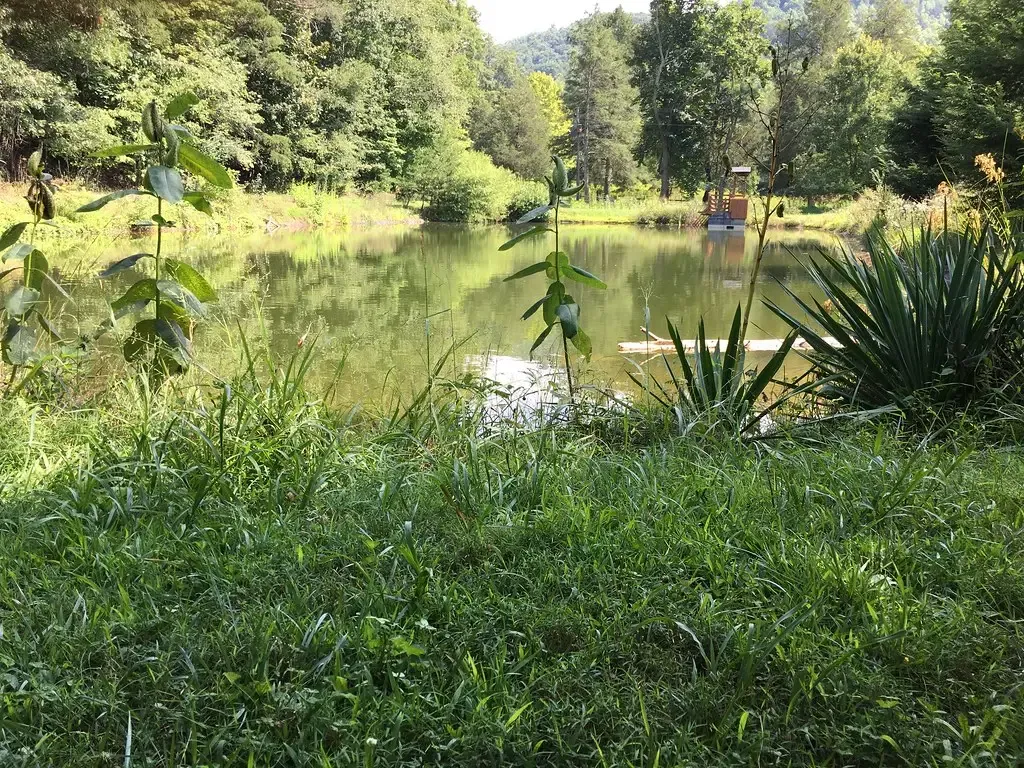
A wildlife pond is one of the single best features for attracting new wildlife to the garden. It’s hard to overstate how quickly a modest pond – even a small one – transforms a garden. Water draws creatures that would otherwise never set foot in your space.
A water source is one of the most powerful ways to attract and sustain wildlife. It offers washing, drinking, and breeding areas for birds, frogs, and insects. You don’t need a large pond – even a small barrel pond or a shallow stone basin can become a life source in your garden. Just make sure it has safe edges so bees, hedgehogs, and small creatures can use it without risk.
Adding a small pond to your garden is a great way to keep amphibians happy and may even attract dragonflies in summer when they’re active. The insects that gather by water will also be popular with bats. A pond works overtime – supporting multiple species at once, around the clock.
#3: Let Part of Your Lawn Grow Wild
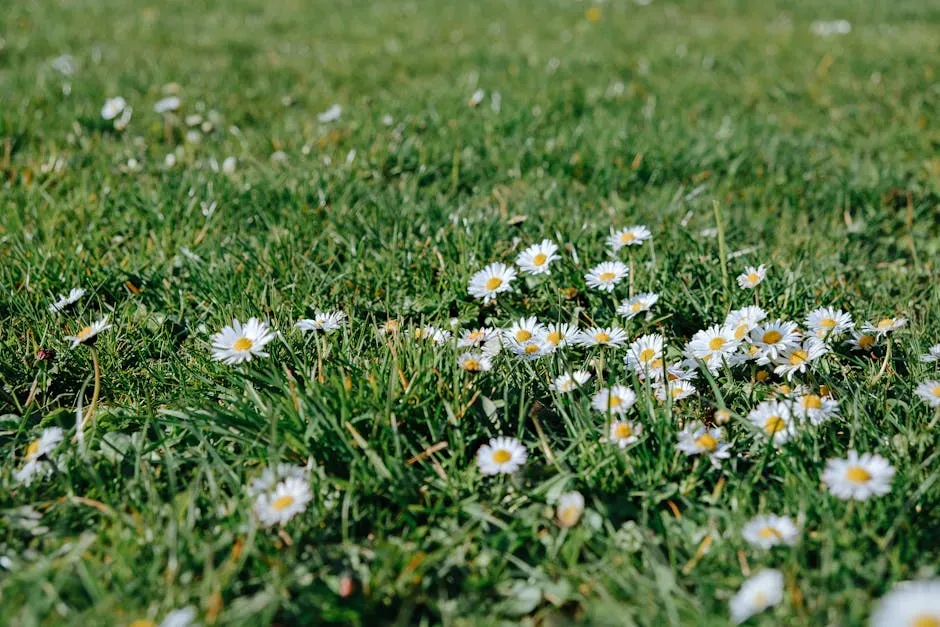
Create a variety of habitats in your garden by leaving some parts of your lawn unmown. Longer grass is a good spot for insects, including skipper butterflies, to lay their eggs. It sounds almost too simple, yet this single decision can dramatically alter what visits your garden.
Allowing a small corner to grow wild gives pollinators and small animals a safe place to live and feed. Wild grasses, clover, dandelions, and fallen leaves may seem untidy, but they provide food, shelter, and protection for different species. What most people call “messy” is, ecologically speaking, enormously productive.
Longer grass provides shelter, creating a microclimate under the stalks. Not mowing also allows flowers to bloom, which helps bees. Yarrow is found in many lawns but needs more time than other plants before it flowers. A little patience here pays back in pollinators.
#4: Build a Log Pile
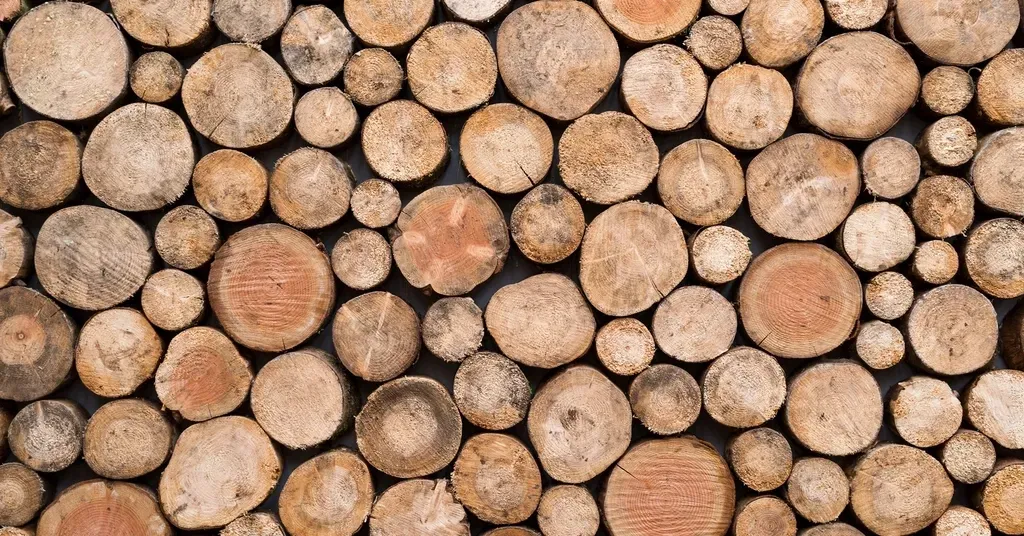
Fungi, wood-boring insects, woodlice, beetle grubs and wood wasps all find homes and food in the logs. These are prey for other animals too: spiders, frogs, toads, hedgehogs and birds. A simple pile of logs can very quickly become a flourishing wildlife community. It costs nothing if you have prunings or fallen timber already on hand.
A log pile in the garden will provide shelter for insects and foraging ground for hedgehogs. Ideally you want some of the wood to be rotting, as this will encourage dead-wood invertebrates such as beetles. Place your log pile in a shady area of the garden so it doesn’t dry out. The less you interfere with it after that, the better.
If you are able to add some leaf litter to your log pile, this can encourage species like hedgehogs to investigate your garden. Think of it as a welcome mat for creatures you’d love to see but rarely plan for.
#5: Start a Compost Heap
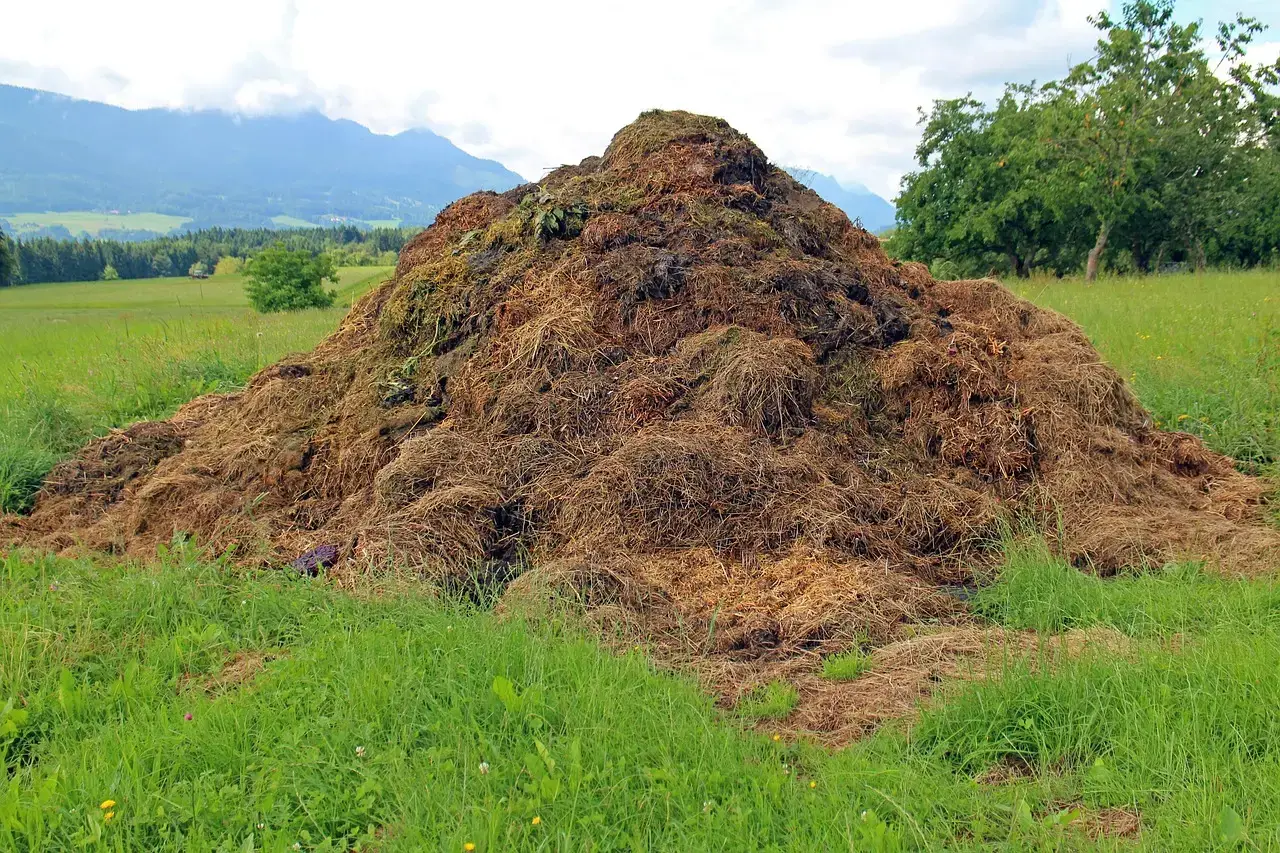
Creating a compost heap in your garden from kitchen waste is a great way to reduce what goes to landfill and will create a minibeast haven. Minibeasts are small invertebrates such as millipedes, woodlice and spiders – an excellent source of food for other wildlife. What starts as a recycling habit quietly becomes a functioning micro-ecosystem.
Compost heaps allow organic material to break down and rot, and are a rich home for worms, slugs and earwigs. Kitchen and garden scraps can be thrown on the compost heap and eventually they’ll break down. A well-managed compost heap provides gentle, constant warmth, making it an ideal spot for a hedgehog to hibernate or raise a family.
If you start a compost heap rather than using a bin, be aware that it is a warm spot that animals, including hedgehogs, will choose to hibernate in. If possible, avoid moving compost about during the winter months. That one seasonal act of restraint can make a real difference to a hedgehog’s survival.
#6: Grow Nectar-Rich Flowers Across All Seasons
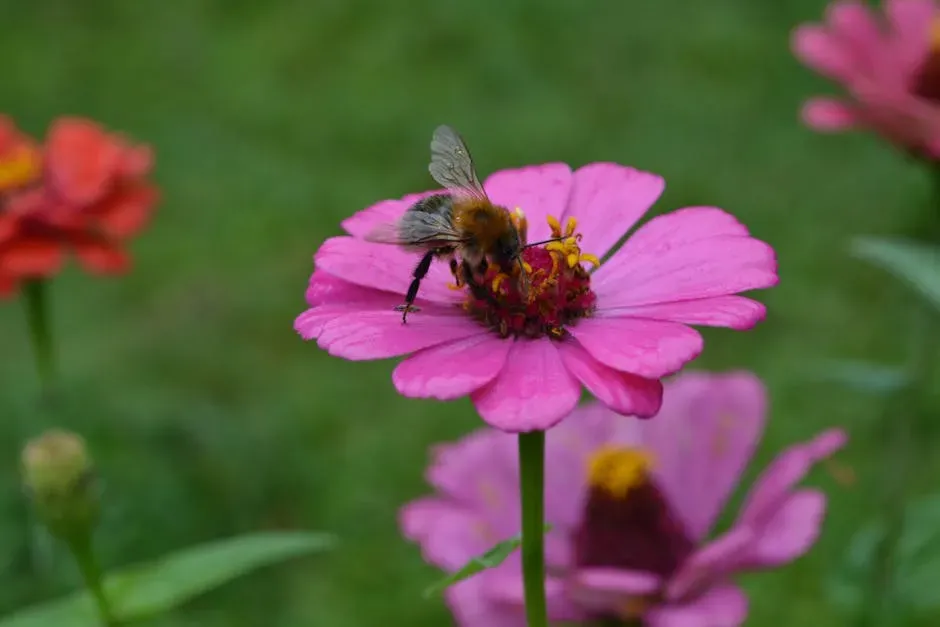
Pollinating insects need consistent access to nectar across seasons. Instead of planting flowers in isolated spots, build a connected pathway of pollinator-friendly blooms across your garden. A garden that blooms only in midsummer leaves many species without support at the times they need it most.
Ensure flowers from very early spring – such as crocus – carry through to late fall, with standouts such as sedum providing late-season nectar. Include reliable performers like penstemon and bee-friendly dahlias to keep nectar flowing. Snowdrops, salvia, marigold, and sedum help attract bees, butterflies, and even humming moths, keeping your garden lively from spring to fall.
Fancy double-petaled, ruffled blossoms are lovely in the garden, but butterflies can’t access the nectar in them, so you should also provide the flatter, more open blooms that butterflies prefer. Choosing the right flower shape matters just as much as choosing the right species.
#7: Put Up Nest Boxes and Bug Hotels
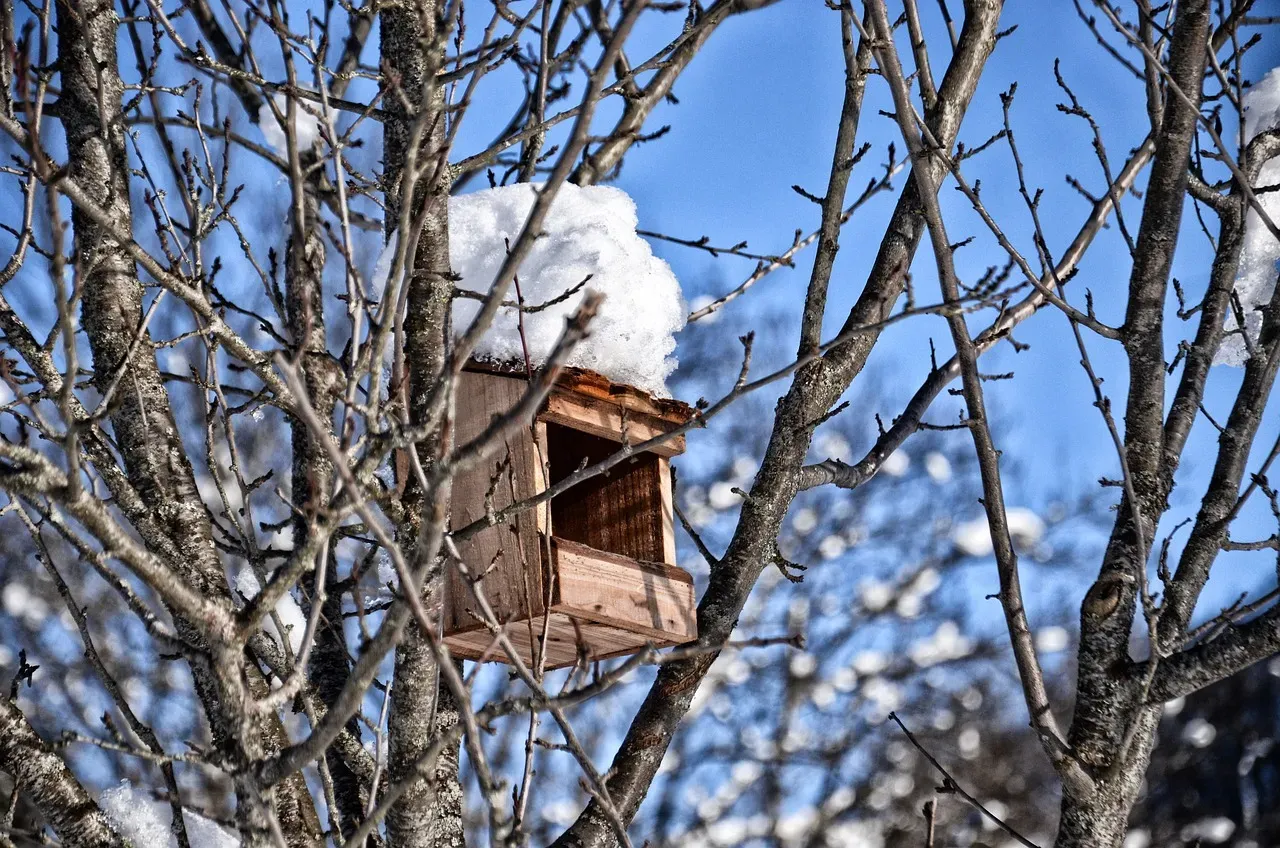
Hedgehog houses, insect hotels, and bird boxes are all easy to add to the garden and are invaluable to hibernating wildlife and nesting birds. These structures aren’t just decorative additions – they fill a genuine ecological gap created by the loss of older trees and natural cavities.
If you don’t have suitable trees or hedges for birds to nest in, or want to supplement them, put up nestboxes for birds to use. A bundle of hollow stems or bamboo shoots can be tied together and hung to create a perfect environment for bees and keep them returning year after year. These are genuinely low-effort, high-return additions.
Creating specific features such as birdhouses, bat boxes, butterfly hotels and bee condos can provide additional shelter for specific species. Position them thoughtfully – facing the right direction, away from prevailing winds, and out of reach from cats.
#8: Ditch the Pesticides
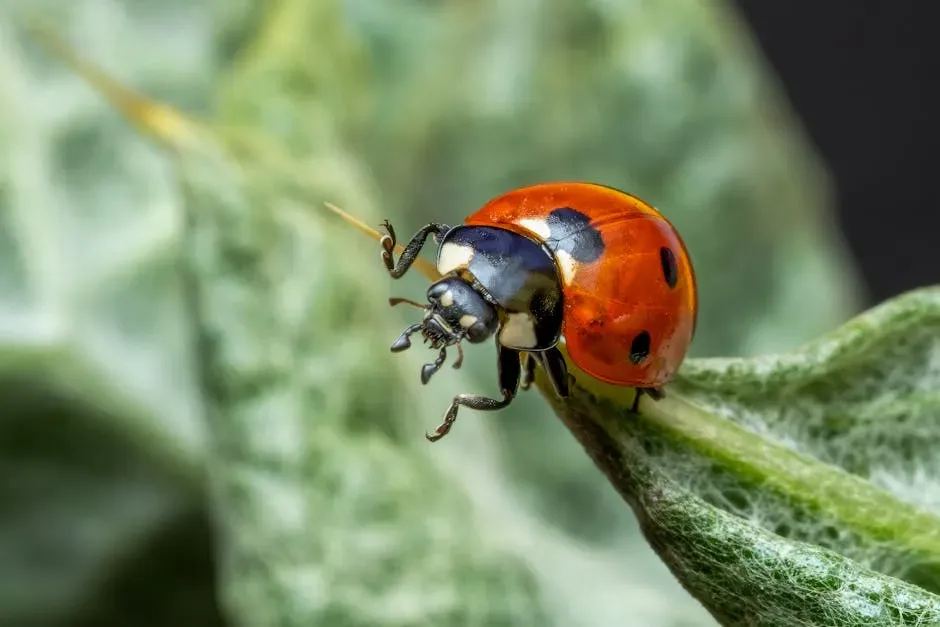
Pesticides and herbicides are designed to kill insects and plants, but can also harm beneficial wildlife like native bees and butterflies, along with the birds and small mammals that eat exposed insects. The knock-on effects travel far up the food chain – and they don’t stop at your garden boundary.
Avoid using slug and snail pesticides, as these are also poisonous to other wildlife and can cause big problems in drinking water sources. Practice natural pest control by attracting beneficial insects and birds to your garden. Avoid harmful pesticides and let predators like ladybugs and bats naturally keep pests in check.
Birds and bats eat insects and other pests that can damage your garden or home. Attracting these species and others helps reduce the need for chemical pesticides and other controls that can harm the environment and our health. Nature, given the chance, handles most of its own pest problems remarkably well.
#9: Create Layered Planting for Multiple Habitats
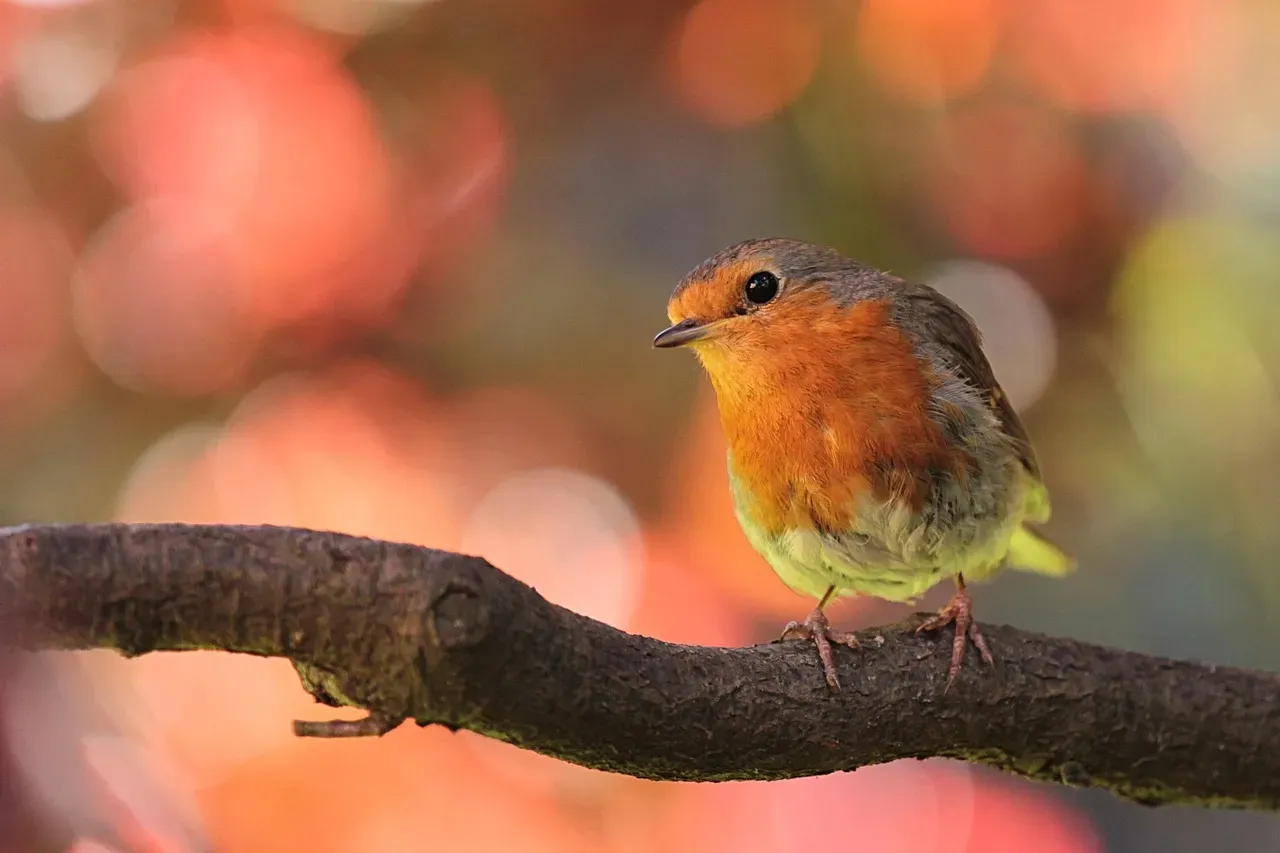
A diversity of native plant structure – including native canopy trees, understory trees, shrubs, grasses, sedges, vines, wildflowers and ground covers – provides important nesting habitat and shelter for songbirds and many other animals during the growing season. Layering is one of the most effective and underused techniques in wildlife gardening.
Strategically combining annuals, perennials, and shrubs supports diverse wildlife. Plants with throated flowers attract insects with long tongues, while low foliage provides butterflies with shelter as birds move around. Shrubs with strong branches make great nesting sites and offer protection during colder months.
Grasses add motion, seed, and cover. Their stems provide winter refuge for beneficial insects, while seedheads feed finches and sparrows through the lean months. The goal is a garden that functions at every level – from ground to canopy – offering something for every creature that passes through.
#10: Welcome Nocturnal Visitors
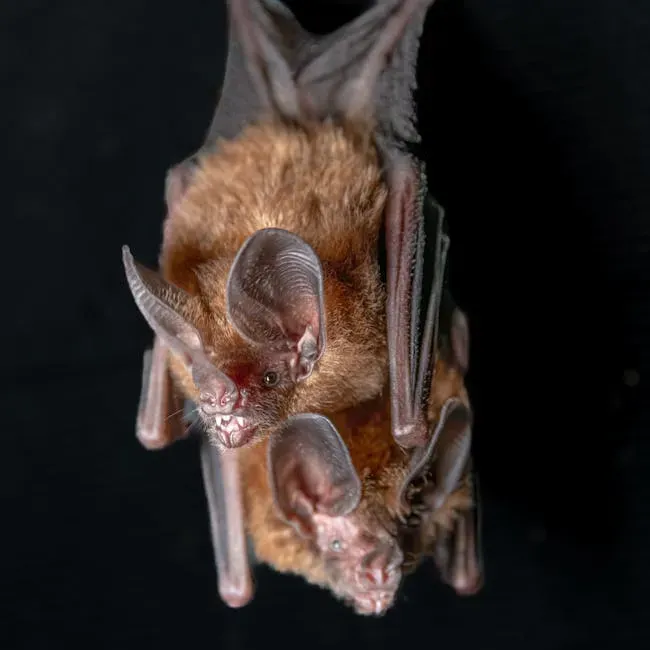
Plenty of wildlife is out in your garden at night, even if you’re not awake to see it. Honeysuckle and evening primrose are night-blooming flowers that release their scents after dark, attracting pollinating insects. A garden designed only for daytime visitors misses half the story entirely.
There are 18 species of bat in the UK, and night-flying insects are an attractive meal for these insectivores. You can help bats by reducing or removing artificial lighting from your garden and around your property. Light pollution is one of the quieter threats to nocturnal wildlife – and reducing it costs nothing at all.
Bats eat many different insect pests, including mosquitoes. They prefer open areas and a nearby water source such as a pond, river, or stream. Combine a bat box with a pond and some night-scented planting, and you’ve created a genuinely remarkable nocturnal habitat.
#11: Plant Hedges and Berry-Producing Shrubs

Hedges provide important shelter and protection for wildlife, particularly nesting birds and hibernating insects. A well-chosen hedgerow does more ecological work per metre than almost any other garden feature, acting as a corridor, larder, and shelter all at once.
Planting a hedgerow that birds can eat could get them through winter. Plant shrubs which produce winter berries for birds – hawthorn, holly, rowan, ivy, and pyracanthus are all excellent choices. Winter is when food scarcity bites hardest, and these plants fill the gap when little else is available.
Blackthorn and fruit trees such as plum and apple are good additions to the garden for animals that are active earlier in the year. Species that appear or are still active later in the year might be drawn to ling or ivy. Think of it as planning a year-round menu for your wildlife guests.
#12: Embrace a “Messier” Approach to Tidiness
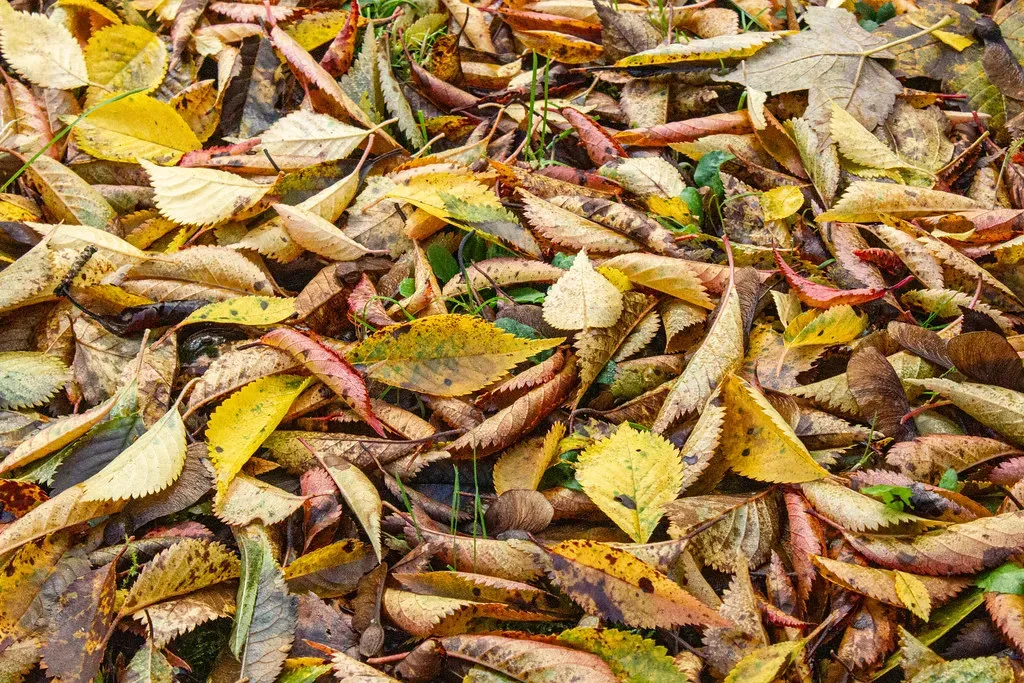
Don’t tidy your garden too much. In autumn, leave all plants and leaves that have died off and don’t start clearing them up until February. The dead plant material offers protection against frost and shelter for insects and other small animals. The impulse to rake, cut, and clear everything is one of the most well-intentioned and ecologically damaging things a gardener can do.
In autumn, most gardens are carpeted with a layer of fallen leaves. Piles of leaf litter can be an attractive spot for hedgehogs to hibernate, keeping them warm and dry. It’s best not to tidy the leaves up in winter to avoid disturbing any hibernators. Additionally, once leaves start to decay, they provide important nutrients for the soil.
In winter, leave architectural seed heads for birds to feed on, and plants with strong stems are perfect for hibernating beetles and solitary bees. There’s a real beauty in a frost-covered seedhead standing tall in January – and now you have every reason to leave it exactly where it is.
A Garden Worth Defending
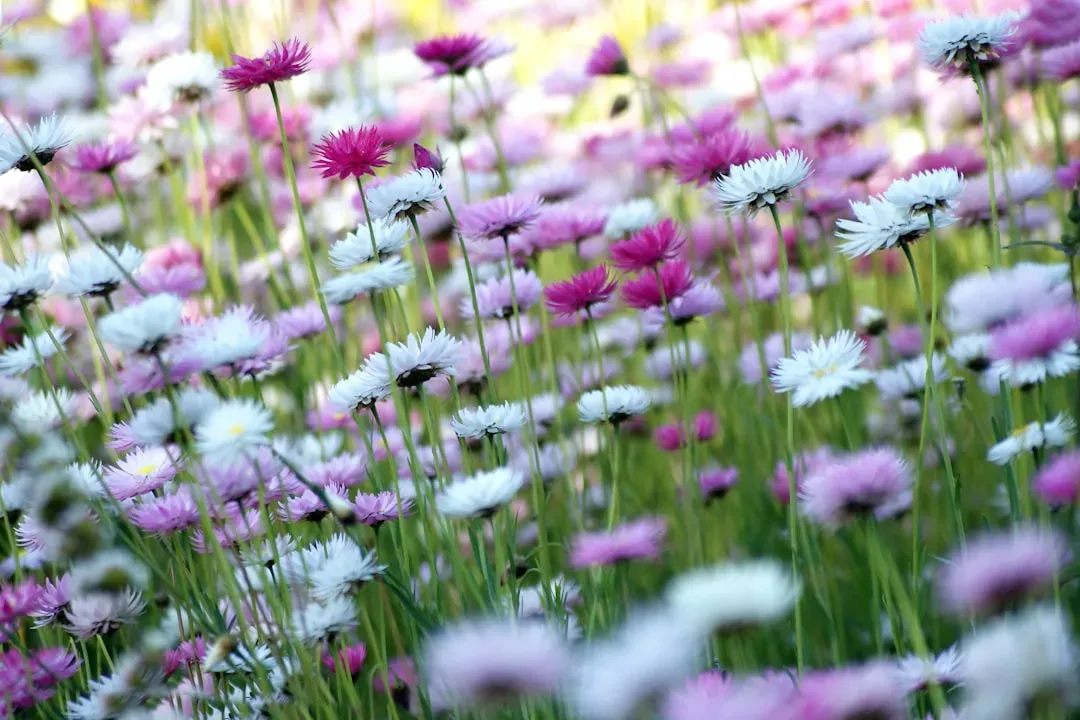
Here’s the honest conclusion: the wildlife crisis isn’t only happening in rainforests or on Arctic ice sheets. It’s happening in the spaces between our fences. Over the past century, urbanization has taken intact, ecologically productive land and fragmented and transformed it with lawns and exotic ornamental plants, and the continental U.S. alone lost a staggering 150 million acres of habitat to urban sprawl. That trend is showing no signs of slowing.
Restoring native plant habitat is vital to preserving biodiversity. By creating a native plant garden, each patch of habitat becomes part of a collective effort to nurture and sustain the living landscape for birds and other animals. Your garden – however modest – is part of that effort, whether you intend it to be or not.
The 12 approaches above aren’t a checklist to complete in a weekend. They’re a direction of travel. Pick one. Do it well. Then add another. The creatures will notice long before you do – a butterfly investigating a new flower, a frog settling into a freshly dug pond, a hedgehog investigating a pile of logs you almost cleared away. Wildness, it turns out, doesn’t need much of an invitation. It just needs you to stop locking the door.
