


In the vast tapestry of nature, animals have long demonstrated an extraordinary ability to construct structures that not only showcase their survival skills but also their ingenuity. These natural architects use available resources to build homes, traps, and even complex societies. From the intricate designs of insects to the industrious works of mammals, let’s explore the fascinating world of animal-built structures that rivals human creations.
13. Beaver Dams: Nature’s Master Engineers

Beavers are renowned for constructing impressive dams and lodges, mainly using branches, mud, and stones. These structures serve as safe habitable homes and create wetland ecosystems that support biodiversity. Beavers instinctively know how to manipulate water levels, creating ponds to ensure access to underwater entrances, protecting them from predators. Their engineering skills are so advanced that they have baffled human architects.
12. Termite Mounds: The Power of Collective Effort
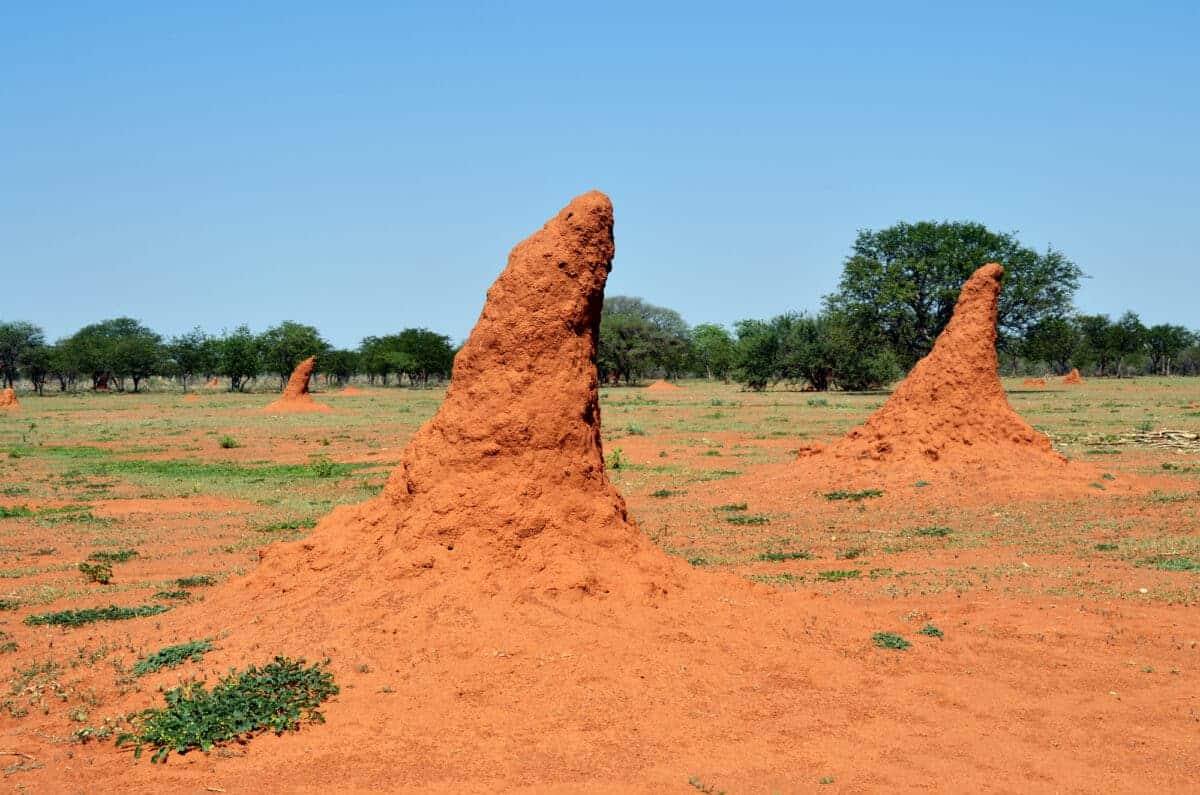
Termites, despite their small size, build some of the most complex structures in the animal kingdom. These mounds, which can reach up to 30 feet high, are ventilation wonders that effectively regulate temperature and humidity levels for the colony inside. The architectural prowess of termites is evident in the intricate network of tunnels and chambers that facilitate air circulation and social organization.
11. Osprey Nests: Aerial Masterpieces

Ospreys, also known as “fish hawks,” construct enormous nests in tall trees or human-made structures near water bodies. These nests are meticulously built using sticks and lined with softer materials, creating a sturdy platform that can last for multiple breeding seasons. Ospreys’ dedication to maintaining and expanding their nests showcases their commitment to their offspring.
10. Bowerbird Bowers: The Art of Seduction
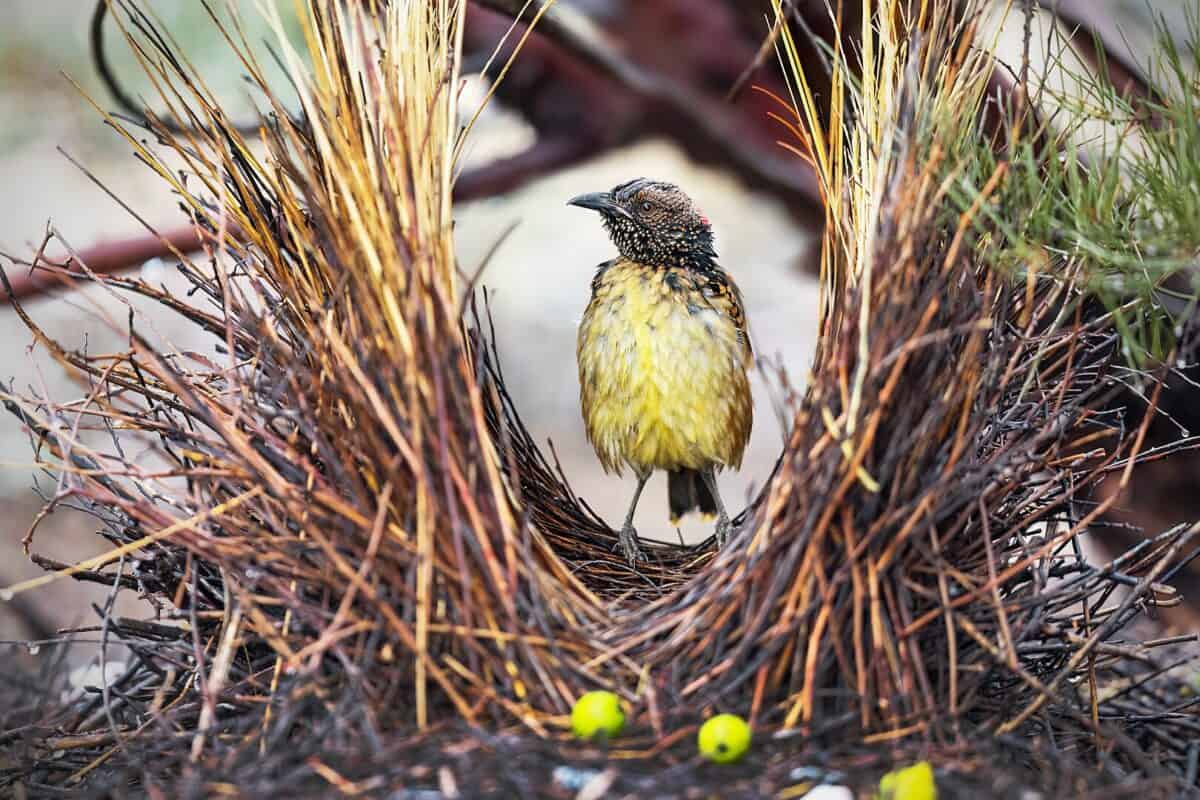
Bowerbirds are famous for their elaborate courtship displays, constructing intricate bowers to attract mates. These ground-based structures are decorated with brightly colored objects such as flowers, feathers, and even human-made items. Each species of bowerbird has its unique style of bower, highlighting the diversity of aesthetic preferences among birds.
9. Weaver Ant Nests: The Strength of Cooperation

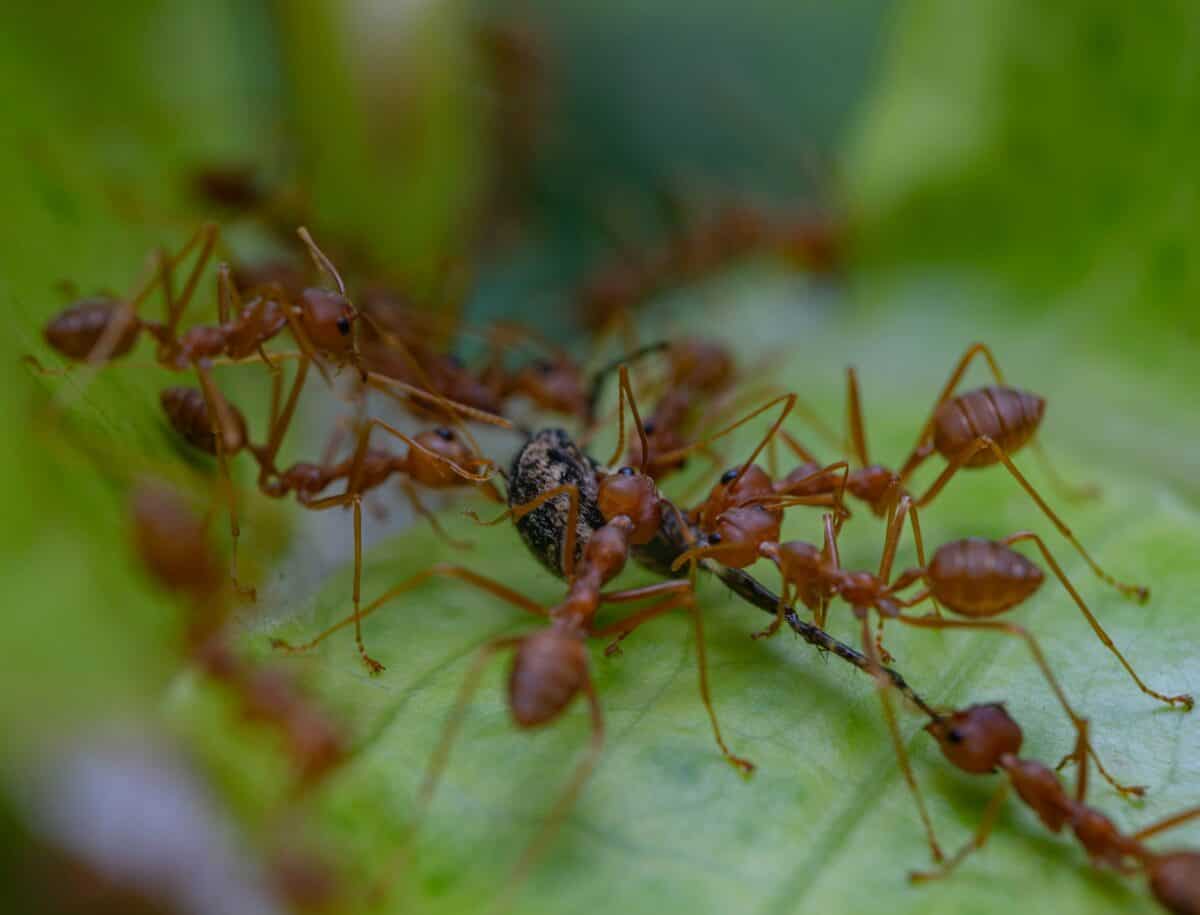
Weaver ants exemplify teamwork through their construction of leaf nests in trees. By pulling leaves together and using silk produced from their larvae, they form secure, communal nests that withstand harsh weather conditions. The process requires precise coordination, with weaver ants often forming living chains to bridge gaps between leaves.
8. Coral Reefs: Living Underwater Cities

Coral reefs, often referred to as the “rainforests of the sea,” are structures built by tiny coral polyps. These marine architects secrete calcium carbonate to form hard skeletons, creating a vast and complex habitat for myriad marine species. Coral reefs not only support immense biodiversity but also protect coastlines from erosion.
7. Prairie Dog Towns: Subterranean Metropolises
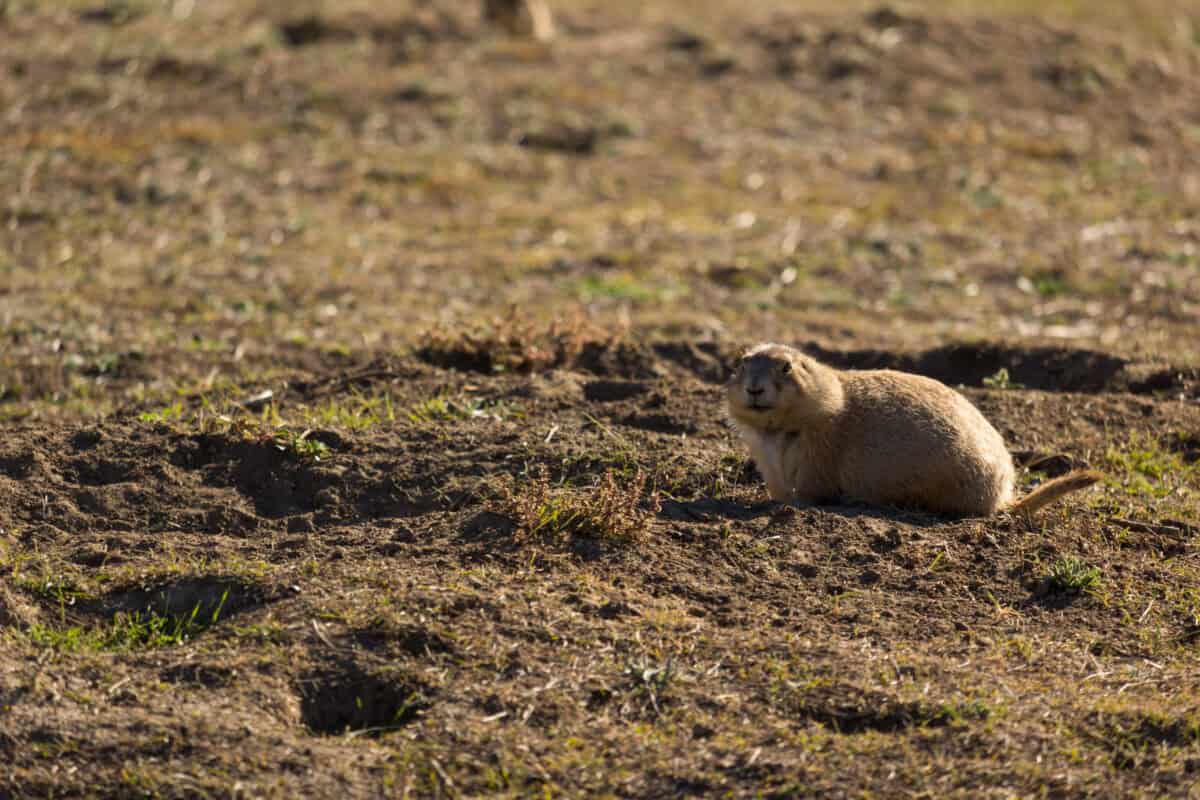
Prairie dogs construct extensive underground burrow systems known as “towns,” complete with chambers for nesting, storage, and waste. These burrows provide protection from predators and extreme weather and promote social interaction within the colony. Their intricate designs also play a role in maintaining prairie ecosystems by aerating soil and contributing to plant dispersal.
6. Spider Webs: The Art of the Web
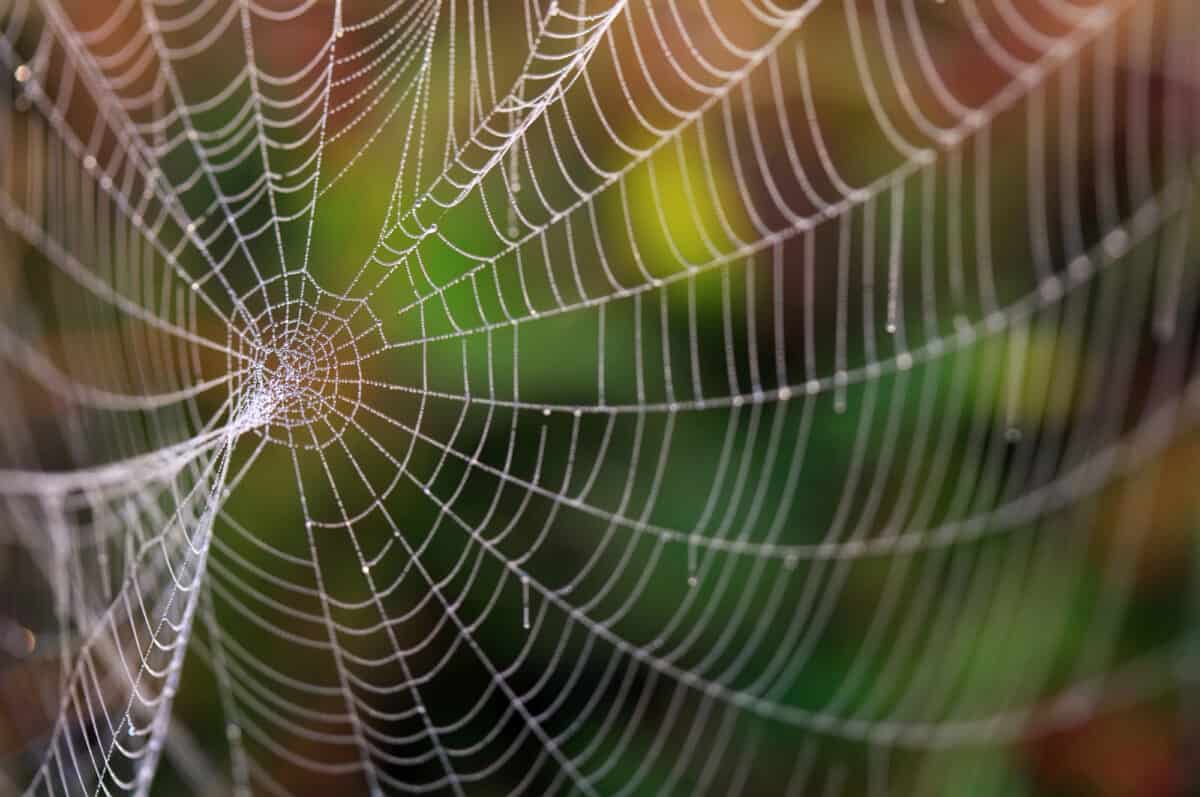
Spiders are master weavers, creating webs that serve as both homes and hunting tools. The silk used in webs is incredibly strong, with some species producing sheets, orbs, or funnel-shaped designs. Spiders’ ability to adapt their web-making strategies to their environment highlights their evolutionary success.
5. Swallow Nests: Precision and Perplexity

Swallows build cup-shaped nests from mud pellets, usually attached to vertical surfaces like cliffs or man-made structures. These nests typically accommodate entire colonies, reflecting a high level of societal organization. The precision in construction ensures stability and protection for their young against predators and environmental elements.
4. Beehives: The Efficiency of Hexagonal Design

Bees construct hives using wax they produce, fashioning hexagonal cells to maximize space and efficiency within the hive. This geometry supports a thriving community for honey production and ensures efficient use of resources. Beehives are a testament to bees’ complex social structure and collaborative efforts.
3. Burrowing Owls: Clever Underground Architects

Burrowing owls are unique among owls in that they make their homes underground, often taking over burrows abandoned by prairie dogs or other mammals. They use these subterranean homes to rear their young and protect against the heat of the day. Their choice of residence demonstrates adaptability to various environments.
2. Leafcutter Ant Colonies: Subterranean Gardens
Leafcutter ants create expansive underground nests, consisting of chambers for cultivating fungus, which serves as their primary food source. These ants cut and transport foliage back to their colonies, using it to nurture the fungus gardens. This symbiotic relationship showcases a remarkable example of agricultural innovation in nature.
1. Woodpecker Cavities: Nature’s Drillers

Woodpeckers carve out cavities in trees using their sharp bills, creating nesting sites that are used not only by themselves but also by other woodland creatures. These cavities provide shelter from the elements and predators. Woodpeckers’ role as ecosystem engineers supports biodiversity by offering habitats for various species.
The animal kingdom is filled with astonishing architects, each crafting structures that meet their needs and contribute to their ecosystems. Whether through ambitious engineering or artistic display, these animal-built structures provide insight into the incredible adaptability and creativity of wildlife. Observing these natural wonders expands our appreciation for the intricate beauty of the world we share.

- What Horses Teach Us About Nonverbal Communication - July 11, 2026
- How Conservationists Are Saving the World’s Rarest Species - July 11, 2026
- What Makes Bald Eagle Eyes Eight Times Stronger Than Humans’ - July 11, 2026
Leave a comment
You must be logged in to post a comment.