
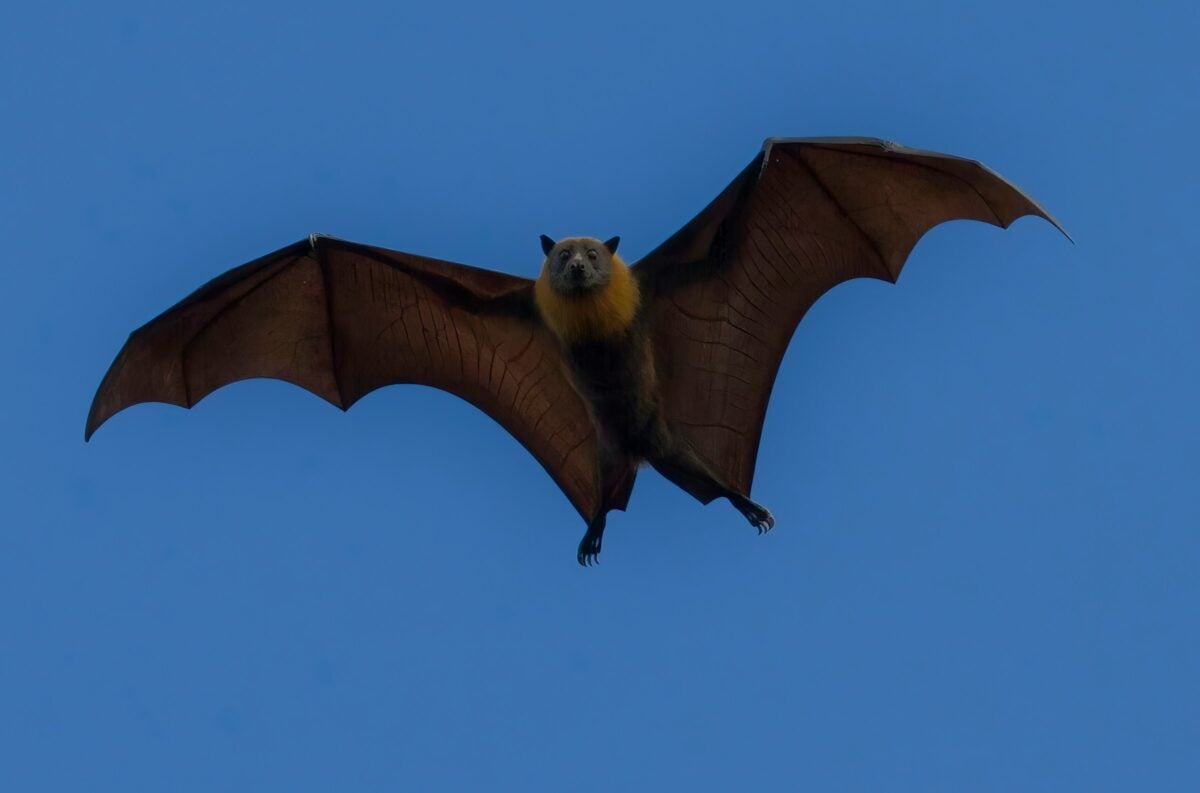
Horseshoe bats, with their distinctive nose-leaf structures and unique echolocation abilities, have long intrigued scientists. Beyond their peculiar appearance, these creatures have been at the center of groundbreaking discoveries that have significantly advanced our understanding of biology, evolution, and even public health. Here are 11 incredible facts about horseshoe bats that have reshaped modern science.
Masters of Echolocation
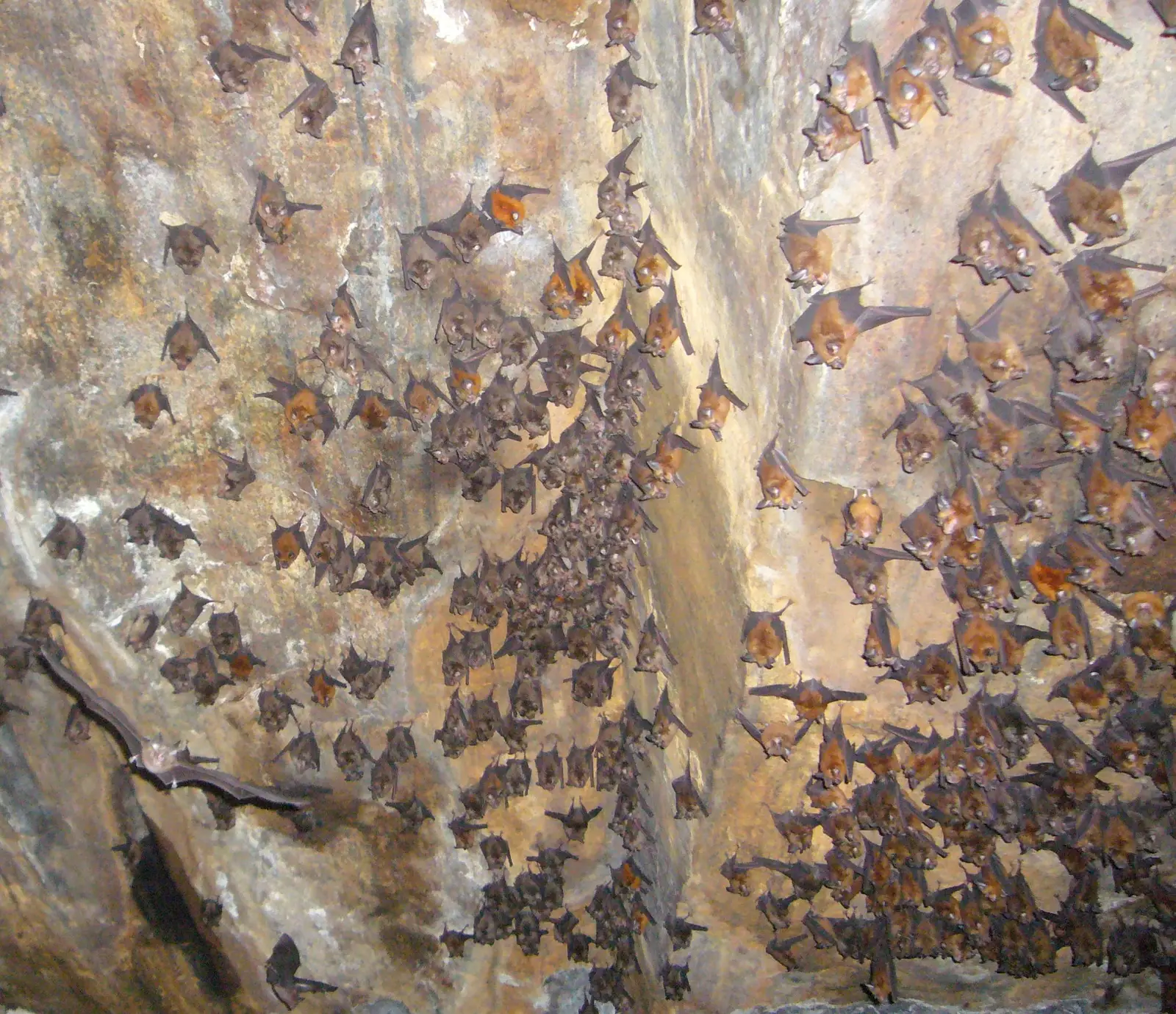
Horseshoe bats possess an extraordinary echolocation system that allows them to navigate and hunt in complete darkness. Unlike many other bats, they emit constant-frequency calls through their nose, which are finely tuned to detect the fluttering of insect wings amidst background noise. This sophisticated sonar capability has inspired advancements in sonar technology and autonomous navigation systems.
Architects of Sound: The Nose-Leaf Structure
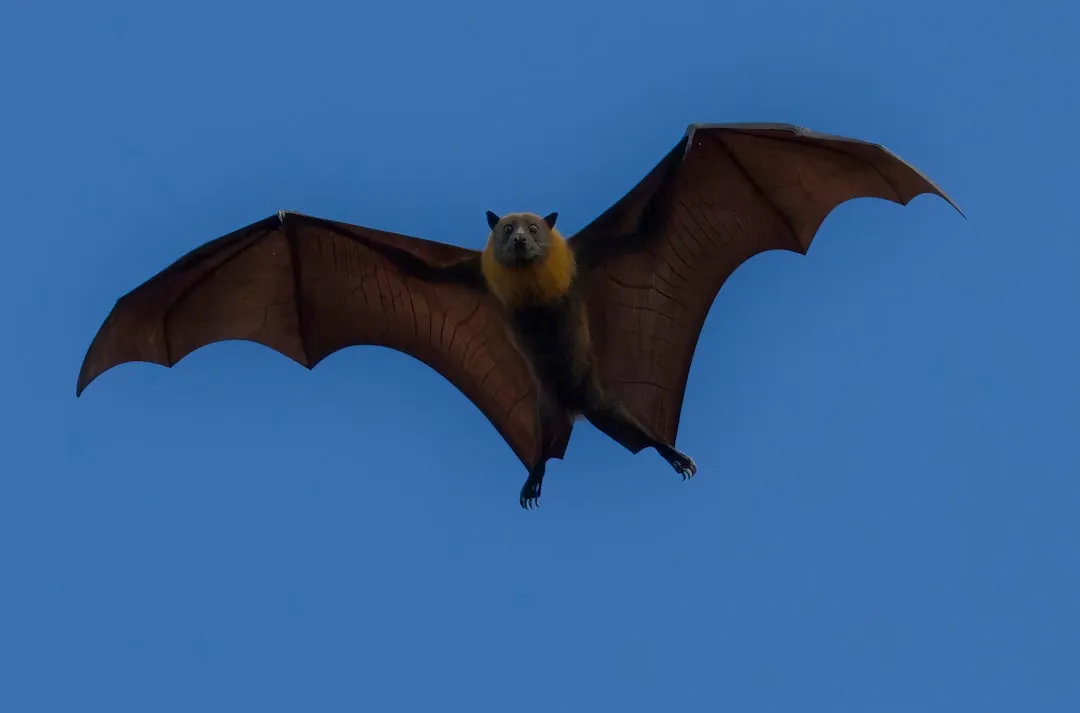
The intricate nose-leaf of horseshoe bats isn’t just for show; it plays a crucial role in directing their echolocation calls. Acting like a megaphone, the nose-leaf focuses sound waves, enhancing their ability to detect prey. Understanding this natural design has provided insights into acoustic engineering and the development of more efficient sound-directing devices.
Dynamic Ear Movements Enhance Perception
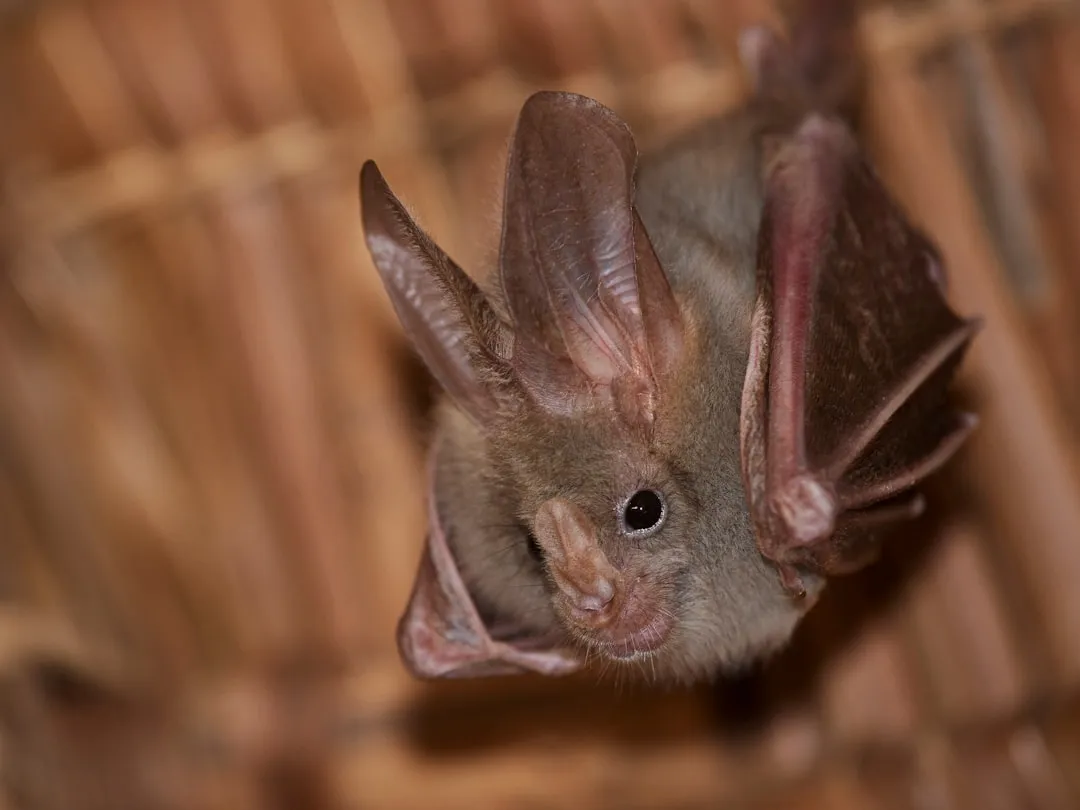
Horseshoe bats exhibit rapid and precise ear movements, adjusting the shape and orientation of their ears to fine-tune their hearing. These movements allow them to process complex acoustic information, aiding in the detection of prey and navigation through cluttered environments. This discovery has implications for improving auditory technologies and hearing aids.
Unveiling Hidden Biodiversity
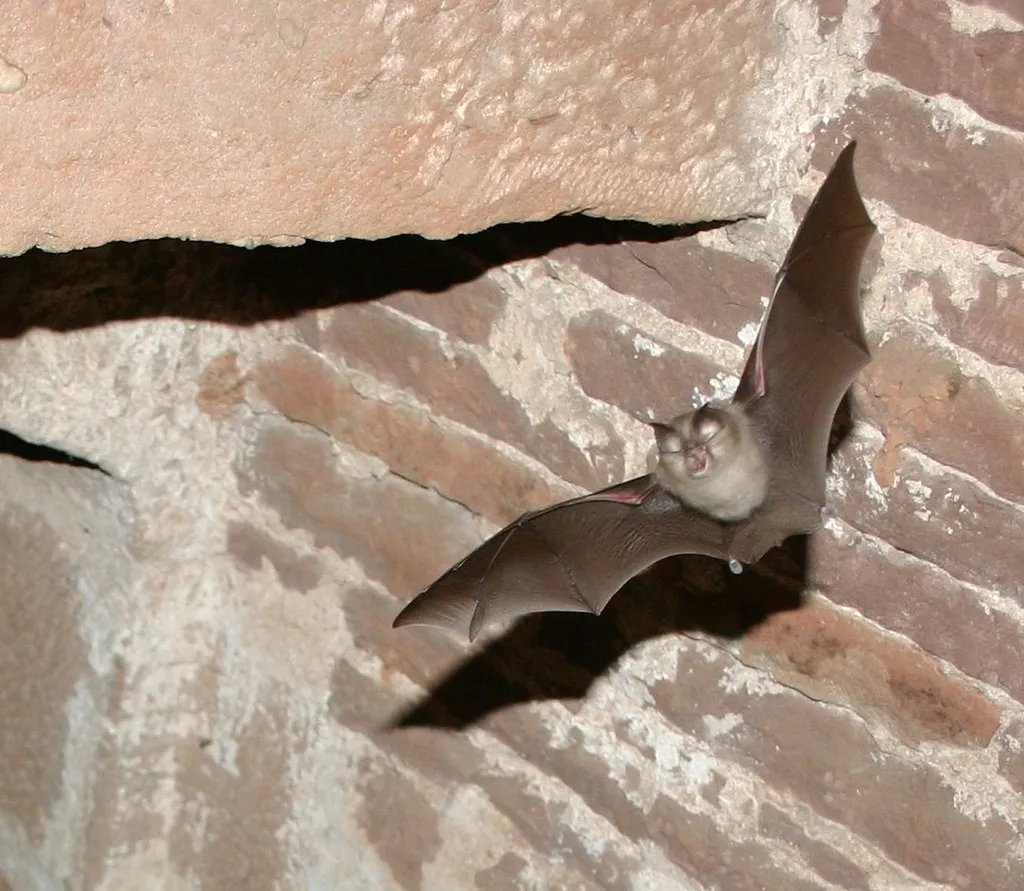
Recent genetic studies have revealed that the diversity of horseshoe bat species is greater than previously thought. Researchers have identified numerous cryptic species – those that are morphologically similar but genetically distinct – highlighting the complexity of bat evolution and the need for conservation efforts tailored to specific species.
Key Players in Virus Research
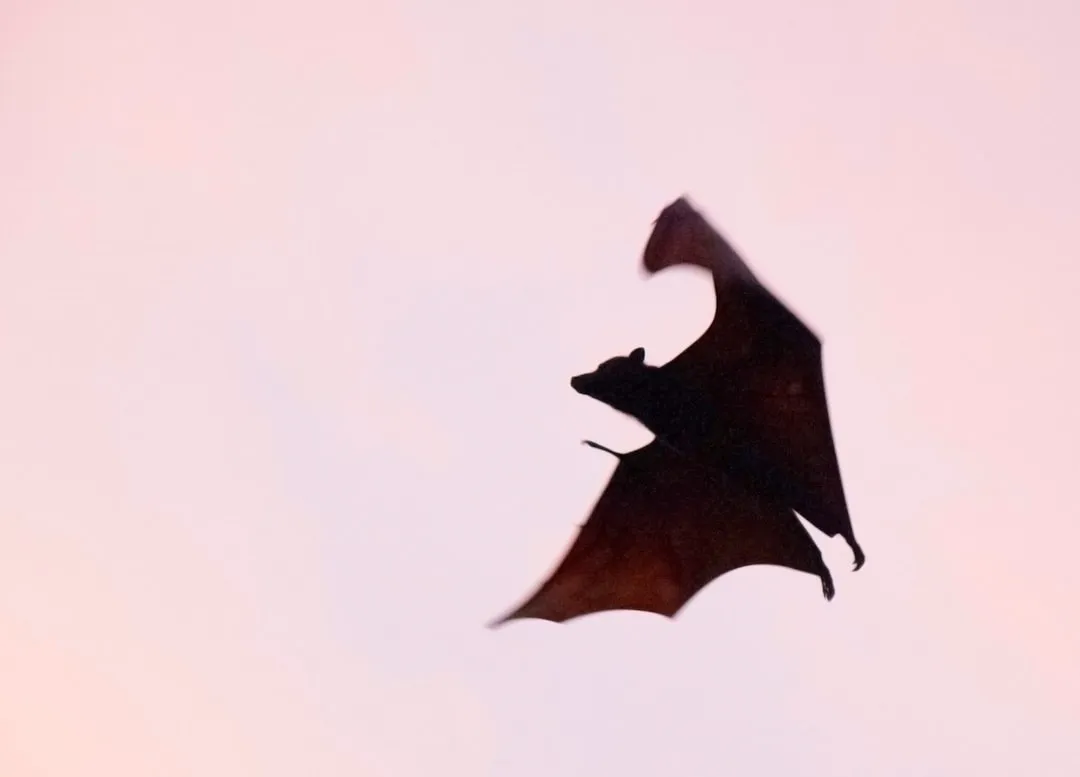
Horseshoe bats have been identified as natural reservoirs for various coronaviruses, including strains closely related to those causing human diseases. Studying these bats has been pivotal in understanding virus transmission dynamics and developing strategies to prevent future zoonotic outbreaks.
Insights into Chromosomal Evolution
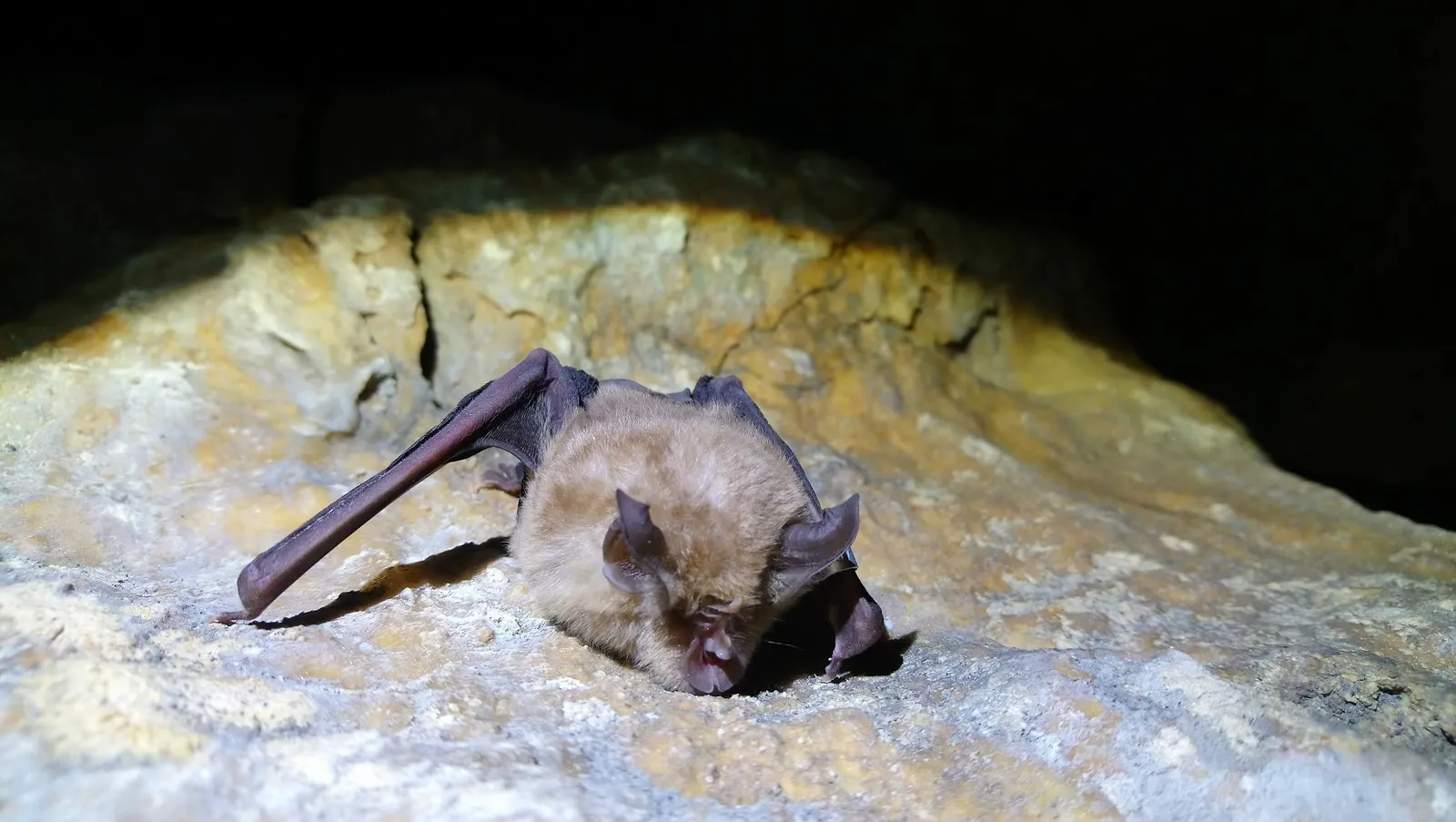
Comparative genomic studies of horseshoe bats have shed light on chromosomal evolution and immunological adaptations. These findings have broadened our understanding of genetic diversity and the evolutionary mechanisms that enable species to adapt to their environments.
Rediscovery of ‘Lost’ Species
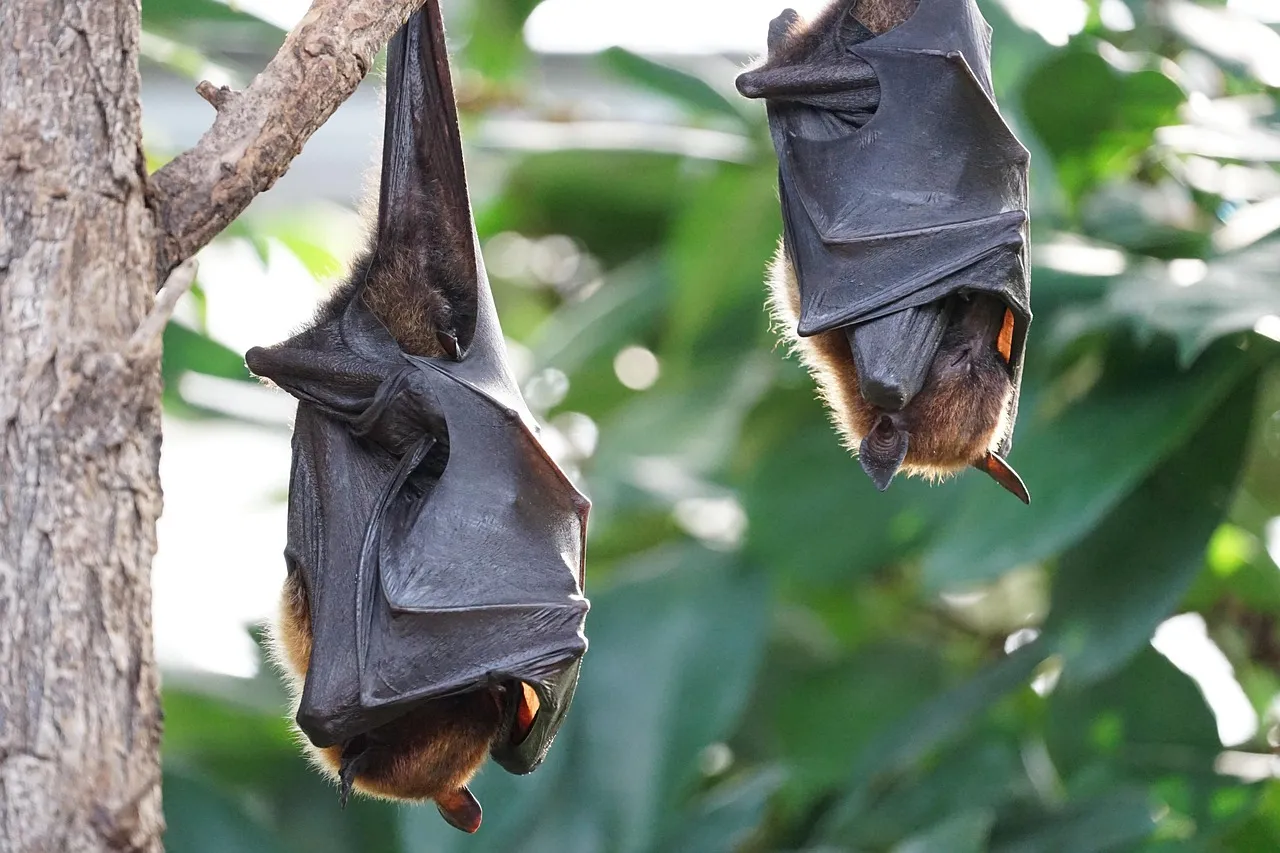
The recent rediscovery of Hill’s horseshoe bat, a species not seen for 40 years, underscores the importance of ongoing conservation efforts. This finding not only adds to our knowledge of bat diversity but also emphasizes the need to protect their habitats to prevent irreversible loss of biodiversity.
Adaptive Prey Selection
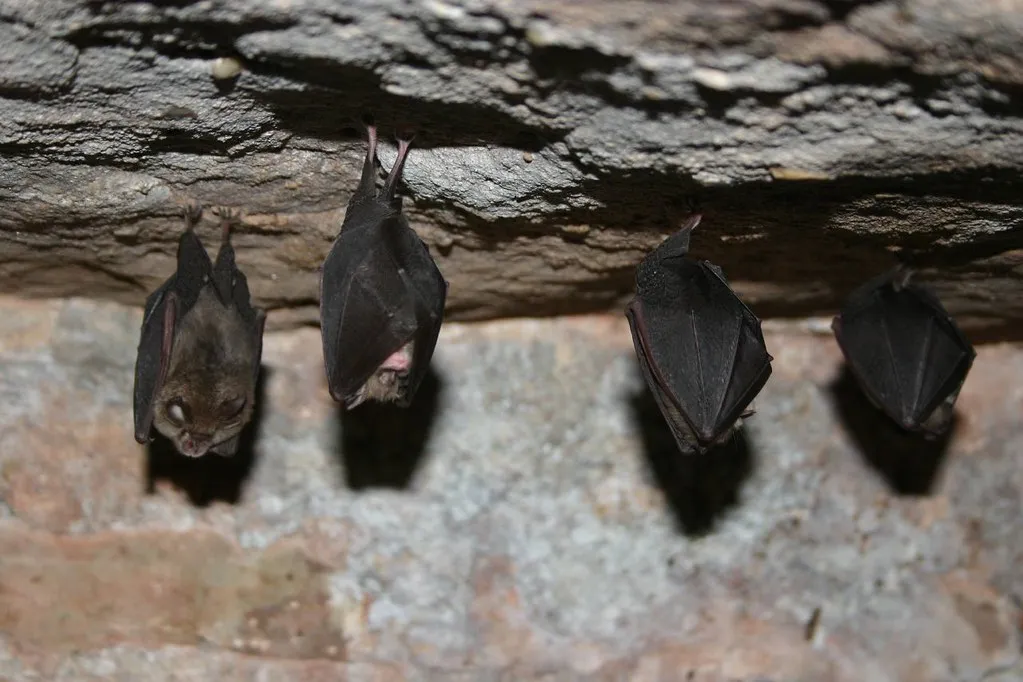
Horseshoe bats demonstrate the ability to make adaptive prey-selection decisions based on echo cues. This behavior indicates a level of cognitive processing that allows them to optimize their hunting strategies, providing insights into animal behavior and decision-making processes.
Influence on Evolutionary Biology
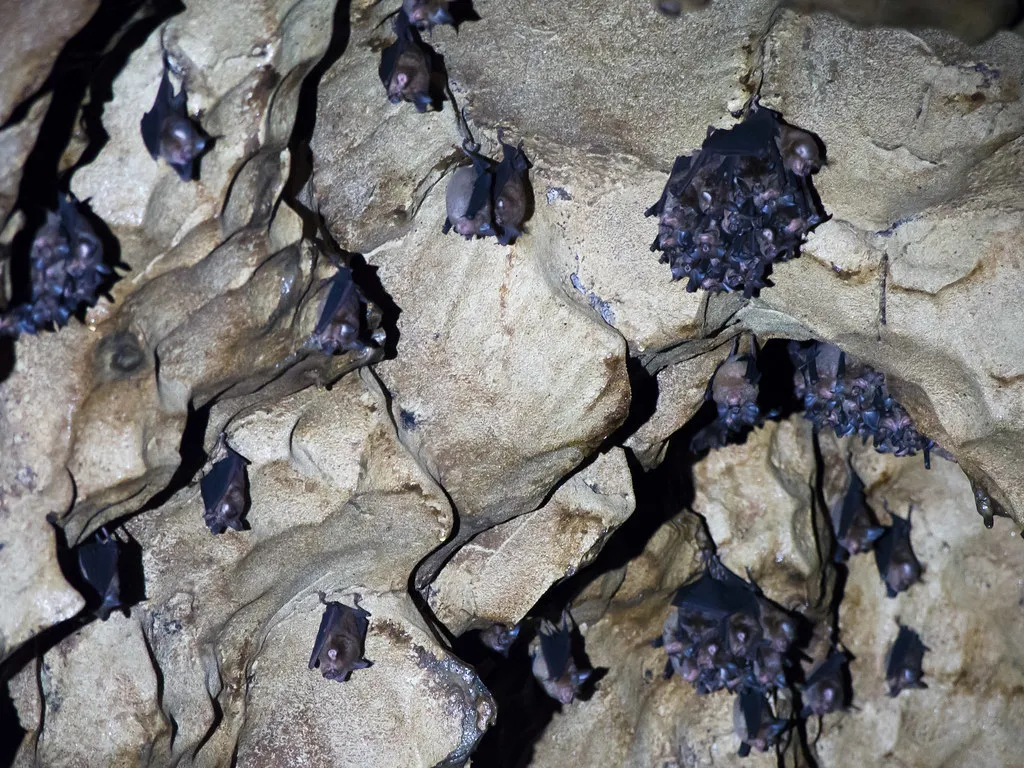
The study of horseshoe bats has contributed to our understanding of macroevolutionary patterns, including how species diversify and adapt over time. Their varied morphologies and echolocation abilities serve as a model for studying evolutionary processes and speciation.
Inspiration for Technological Innovation
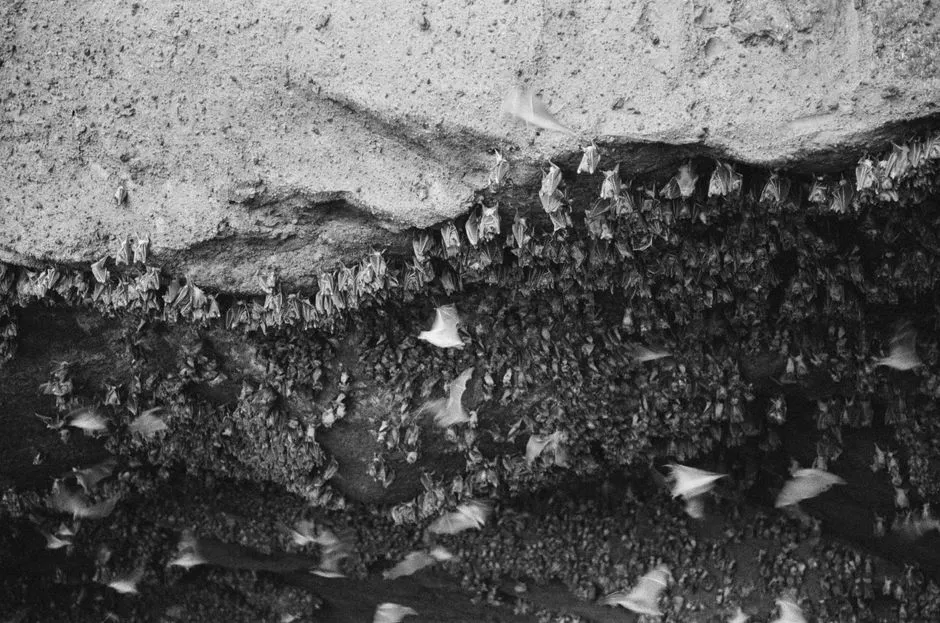
The unique sonar capabilities of horseshoe bats have inspired the development of advanced sonar systems and autonomous drones. By mimicking their echolocation strategies, engineers aim to create more efficient and adaptable navigation technologies.
Conservation Challenges and Opportunities
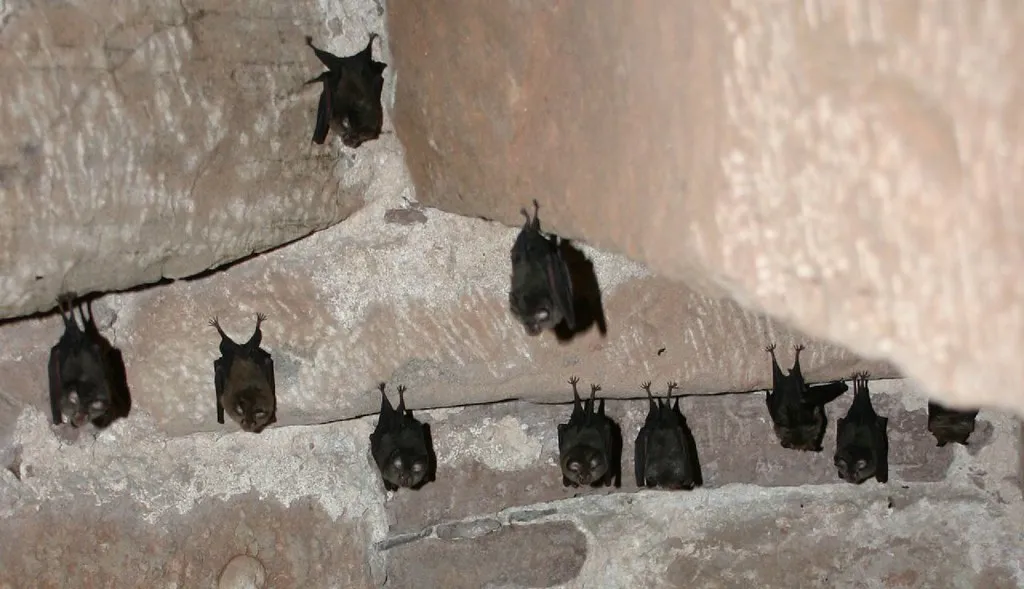
The study of horseshoe bats highlights the delicate balance between scientific discovery and conservation. As we uncover more about these remarkable creatures, it becomes imperative to protect their habitats and ensure their survival, recognizing their invaluable contributions to science and the ecosystem.
In conclusion, horseshoe bats are more than just nocturnal mammals; they are key contributors to scientific advancements across various fields. Their unique adaptations and behaviors continue to inspire research, technological innovation, and conservation efforts. As we delve deeper into their world, we are reminded of the intricate connections between all living beings and the importance of preserving biodiversity. What other secrets might these enigmatic creatures hold?
