


In recent years, a disturbing phenomenon has emerged in wildlife populations worldwide: animals are increasingly being born with plastic already in their bodies. This crisis represents a new frontier in our understanding of plastic pollution’s reach and impact. No longer is plastic contamination limited to adult animals encountering pollution in their environments—it now affects creatures before they even enter the world. The prevalence of microplastics in our ecosystems has reached such alarming levels that these synthetic particles are crossing placental barriers and contaminating egg development across species. From the depths of our oceans to remote wilderness areas, this insidious form of pollution now threatens the very start of life for numerous species. Let’s explore 13 documented cases of animals being born with plastic already in their bodies, the implications of this crisis, and what it means for our planet’s future.
13. Sea Turtles Born With a Plastic Burden

Sea turtles, already facing numerous threats to their survival, are now being born with microplastics in their bodies. Research published in the journal Environmental Science & Technology revealed that loggerhead turtle hatchlings contained synthetic particles even before they had their first encounter with the ocean. Scientists examining dead hatchlings found microplastics in their digestive systems and organs, passed from mother to offspring during egg development. This contamination likely occurs because female turtles ingest microplastics while feeding, which then circulate in their bloodstream and transfer to developing eggs. With approximately 52% of sea turtles worldwide estimated to have ingested plastic debris, the cycle of contamination threatens multiple generations. These early-life plastic loads potentially affect the hatchlings’ ability to swim, find food, and survive their already perilous journey to adulthood.
12. Fish Microplastics in the Earliest Life Stages
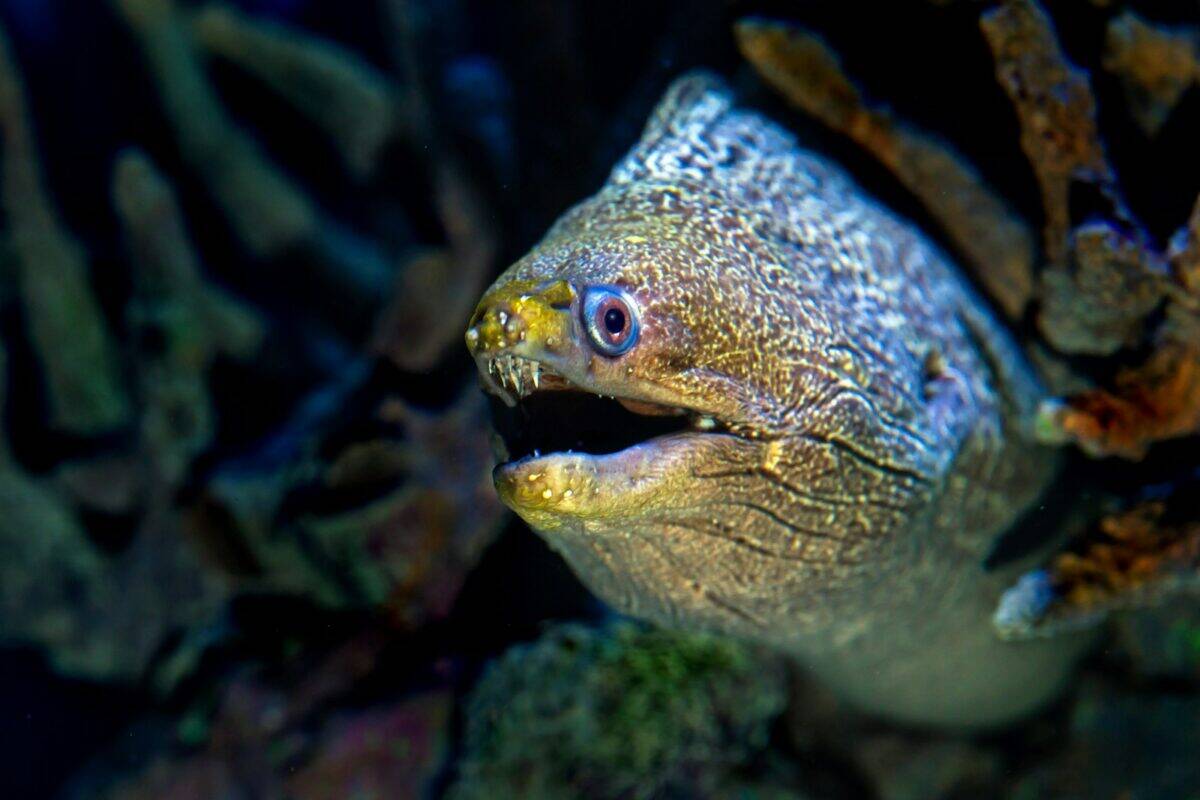
Fish embryos and larvae are now developing with microplastic contamination present from conception. A groundbreaking study published in Science found that in certain commercial fish species, microplastic particles were detected in egg sacs and newly hatched larvae. Laboratory studies have demonstrated that microplastics can cross into fish eggs during development, with particles as small as 5 micrometers able to penetrate egg membranes. The consequences are severe—fish born with plastic contamination show altered swimming behaviors, reduced growth rates, and compromised immune systems. In species like European perch, researchers documented a 15% reduction in hatching rates and 20% slower growth in larvae exposed to microplastics during development. With fish forming a crucial link in marine food webs and serving as a primary protein source for billions of humans, this contamination represents both an ecological and a food security crisis.
11. Marine Mammals Plastic Contamination Through the Placenta
Dolphins, whales, and other marine mammals now face the troubling reality of passing plastic particles to their developing fetuses. A 2020 study published in Environmental Pollution documented microplastic particles in the placentas of several cetacean species, including bottlenose dolphins and orcas. The researchers found an average of 6.3 microplastic fragments per placenta sample examined. These particles, primarily polyethylene and polypropylene from single-use packaging, cross the placental barrier and enter fetal circulation during gestation. For animals that already carry high body burdens of industrial pollutants, this additional contamination threatens reproductive success and population stability. Marine mammals’ long lifespans and position as apex predators make them particularly vulnerable to the bioaccumulation of plastics and associated toxins, creating a potentially devastating intergenerational cycle of contamination.
10. Birds Plastic in the Nest and Beyond

Seabirds and other avian species are increasingly hatching with plastic contamination. Researchers examining the tissue of unhatched albatross embryos found evidence of microplastic particles that had passed from mother to egg. A 2021 study in Environmental Science & Technology documented microplastics in 93% of sampled unhatched seabird eggs across five different species. The concentrations ranged from 2.3 to 17.5 particles per gram of egg content. For ground-nesting birds like terns and gulls, the problem is compounded by plastic-contaminated nesting materials. Adult birds inadvertently collect plastic fragments along with natural building materials, creating environments where chicks are exposed to synthetic chemicals from their first moments. The consequences include impaired development, compromised immune function, and decreased survival rates. With many seabird populations already in decline worldwide, this additional stress threatens species already struggling to adapt to changing environmental conditions.
9. Sharks and Rays Embryonic Exposure
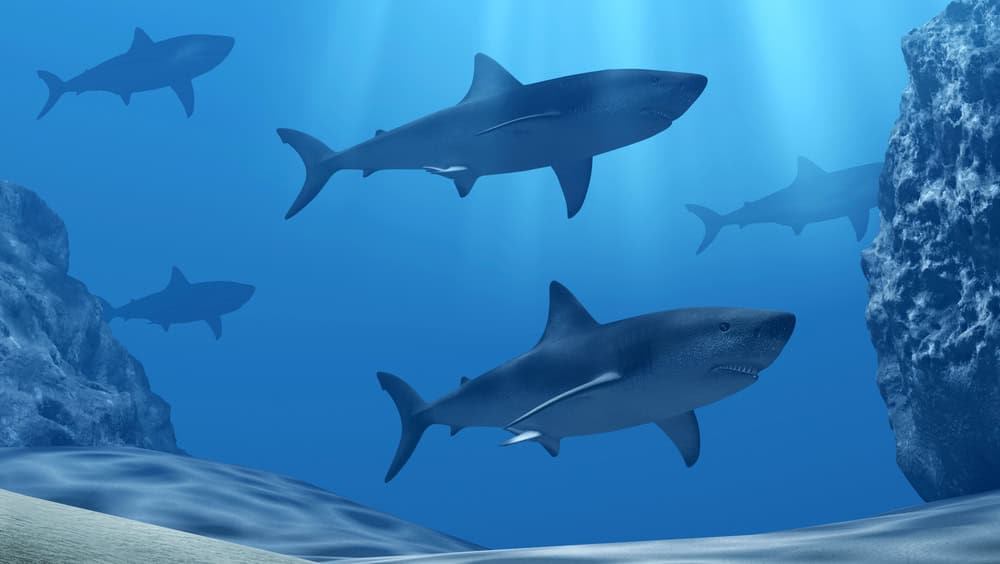
Even apex predators like sharks and rays aren’t immune to prenatal plastic exposure. A concerning discovery published in Marine Pollution Bulletin found microplastic particles in embryonic sharks still developing in their egg cases. Researchers examining the egg cases of bamboo sharks found an average of 7.2 microplastic particles per egg case, with some particles detected within the developing embryos themselves. Studies have documented microplastic transfer across placental tissues for viviparous shark species that give live birth. This contamination is particularly troubling for cartilaginous fish species, many of which have slow reproductive rates and already face significant population declines due to overfishing and habitat loss. Early exposure to plastics and associated chemicals may disrupt the development of these animals’ sophisticated sensory and navigational systems, potentially affecting their ability to locate prey and avoid predators once born.
8. Amphibians Contamination in Vulnerable Development
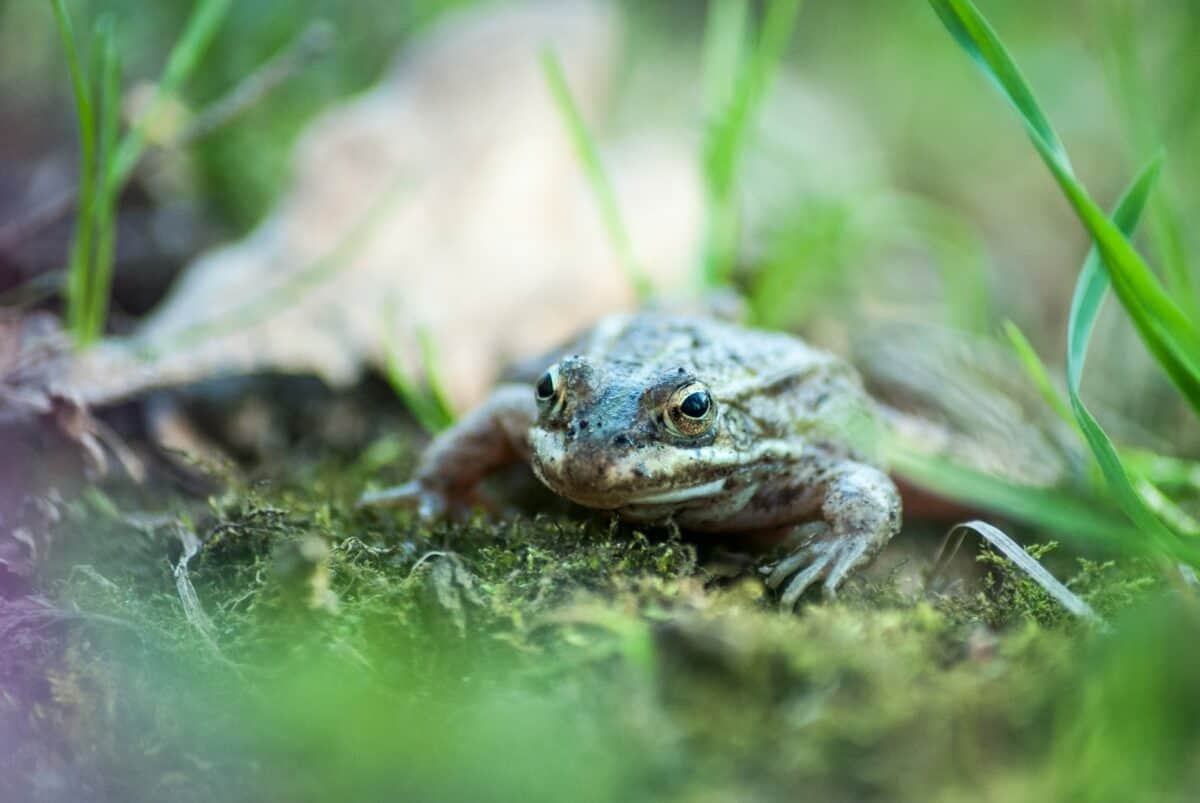
Amphibians, with their permeable eggs and skin, are especially susceptible to plastic contamination during development. Research published in Environmental Science & Technology Letters documented microplastic particles in frog embryos and tadpoles from contaminated water bodies. The study found that microplastic concentrations as low as 10 particles per liter in breeding ponds led to detectable levels in developing embryos. The permeability of amphibian eggs, which evolved to allow gas and nutrient exchange with their aquatic environment, now serves as an entry point for synthetic contaminants. Laboratory studies have shown that exposure to microplastics during amphibian development can cause malformations, altered metamorphosis timing, and immune dysfunction. With amphibian populations already experiencing global declines due to habitat loss, disease, and climate change, the additional stress of developmental plastic exposure poses a significant threat to their continued survival.
7. Domestic Animals Plastic in Placentas

Even our closest animal companions aren’t immune to the plastic crisis. Veterinary researchers have documented microplastic particles in the placentas and newborn tissues of domestic dogs and cats. A study published in Veterinary Record found microplastic contamination in 83% of placentas collected from domestic dogs giving birth in urban environments. The researchers identified an average of 4.8 microplastic particles per gram of placental tissue, with higher concentrations in animals living in areas with greater plastic pollution. The particles likely enter the mothers’ systems through contaminated food, water, and air before transferring to developing offspring. The health implications for these newborns include potential developmental abnormalities, compromised immune function, and increased susceptibility to disease. These findings in our companion animals raise troubling questions about similar exposure patterns in human pregnancies, given our shared urban environments and similar physiological processes.
6. Reptiles Contaminated Eggs and Embryos
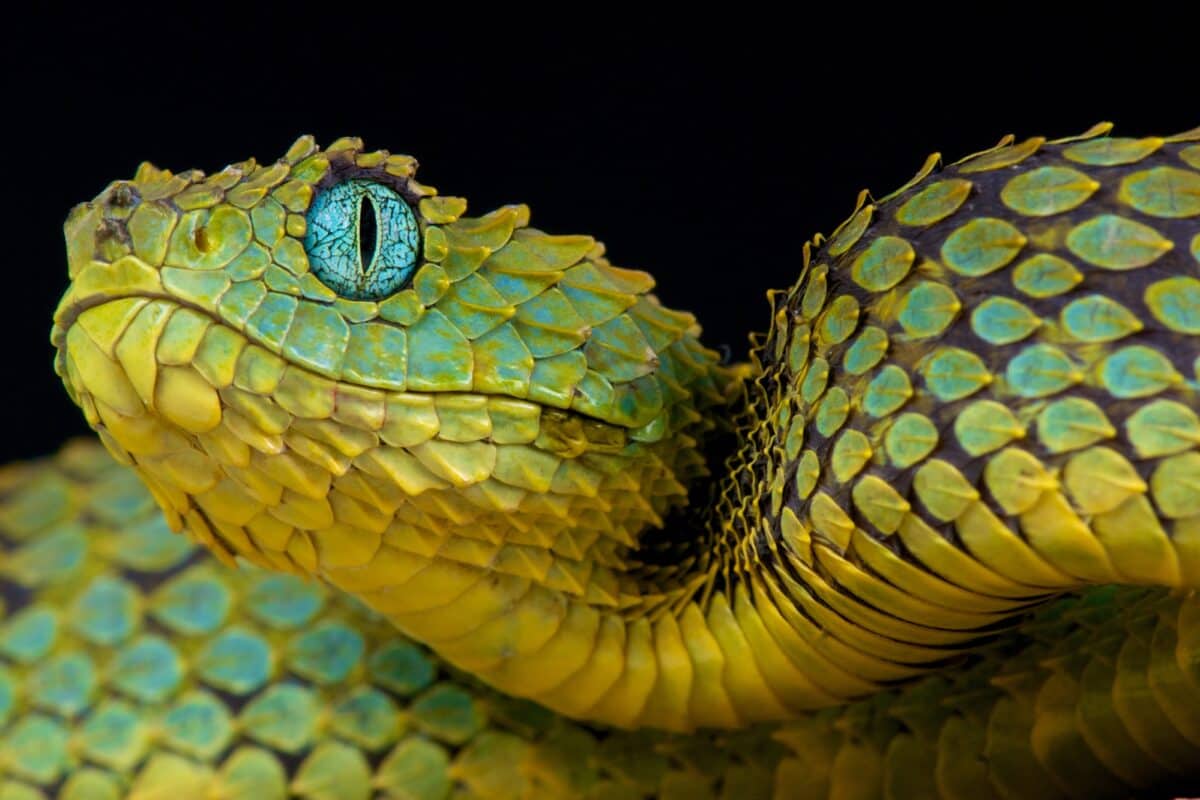
Beyond sea turtles, other reptile species are experiencing prenatal plastic exposure. A study in Environmental Pollution found microplastic particles in the eggs of American alligators from both pristine and polluted habitats. Researchers detected an average of 5.1 microplastic particles per egg, with higher concentrations in eggs collected from more urbanized watersheds. The most commonly identified polymers were polyethylene and polypropylene, materials widely used in single-use packaging. For temperature-dependent sex determination species like many turtles, crocodilians, and some lizards, plastic contamination poses an additional threat by potentially disrupting the hormonal signals that influence embryonic development. Laboratory studies have demonstrated that exposure to chemicals leaching from plastics can skew sex ratios in developing reptile embryos, with potential population-level consequences. This contamination represents yet another pressure on reptile species already facing habitat loss, climate change, and direct exploitation.
5. Crustaceans Microplastics in Early Development

Crustaceans, from commercially important species like crabs and lobsters to the tiny zooplankton that form the base of marine food webs, now face plastic contamination from their earliest developmental stages. Research published in Aquatic Toxicology documented microplastic particles in the eggs and larvae of European lobsters and shore crabs. The study found that female crustaceans exposed to microplastic-contaminated environments transferred particles to their developing eggs. For planktonic crustacean species, which release eggs directly into the water column, laboratory studies have shown that microplastic particles readily adhere to egg surfaces and can penetrate egg membranes during development. The resulting larvae show reduced feeding rates, altered swimming patterns, and increased mortality. With many crustacean species serving crucial ecological roles and supporting valuable fisheries, this early-life contamination threatens both ecosystem function and food security for human populations dependent on these resources.
4. Livestock Prenatal Plastic Exposure
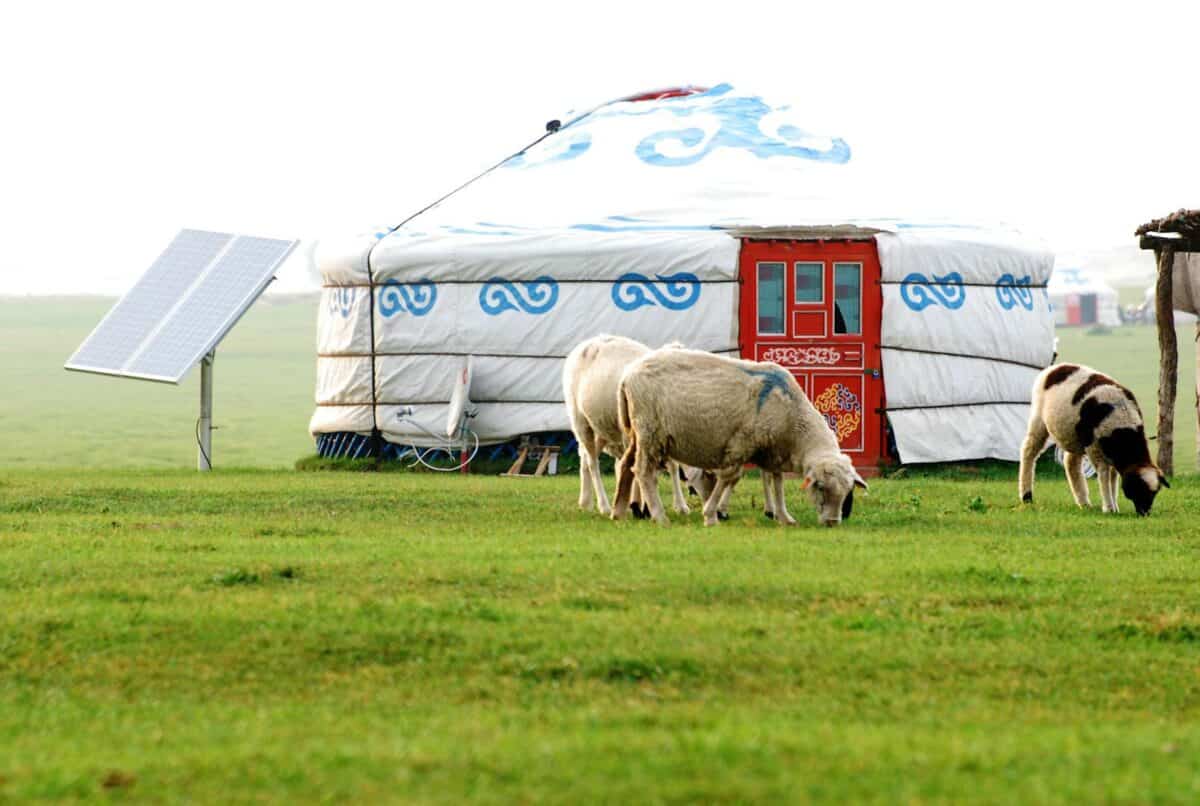
Animals raised for food production are not exempt from the crisis of prenatal plastic exposure. Research published in Food Additives & Contaminants documented microplastic particles in the placentas and fetal tissues of farm animals, including cattle, sheep, and pigs. The study found microplastic contamination in 76% of bovine placentas examined, with concentrations correlating to the use of plastic in feeding systems and farm environments. For ruminants like cattle and sheep, plastic contamination of forage presents a direct exposure pathway, with particles small enough to enter the bloodstream and reach developing offspring. Laboratory analyses identified primarily polyethylene and polypropylene particles, consistent with agricultural plastics used in feed storage, water delivery systems, and field management. This contamination raises concerns about food safety as well as animal welfare, creating potential pathways for human exposure through animal products and threatening the health and productivity of livestock operations worldwide.
3. Invertebrates Plastic in the Next Generation

Numerous invertebrate species now pass plastic contamination to their offspring. Research on marine invertebrates published in Science of the Total Environment found that microplastic particles were transferred from adult mussels and oysters to their eggs and larvae. The study documented an average of 4.3 microplastic particles per gram of reproductive tissue in contaminated bivalves. For species that practice parental care, like certain octopus and cuttlefish species, laboratory studies have shown that microplastics concentrated in reproductive organs can transfer directly to developing embryos. The consequences include developmental abnormalities, altered behavior, and increased mortality rates among offspring. Given that many invertebrate species form the foundation of marine and terrestrial food webs, this intergenerational transfer of plastic pollution threatens ecosystem stability on a broad scale. The rapid reproductive cycles of many invertebrates mean that multiple generations can be affected within a single year, potentially accelerating population declines.
2. Primates Our Close Relatives at Risk
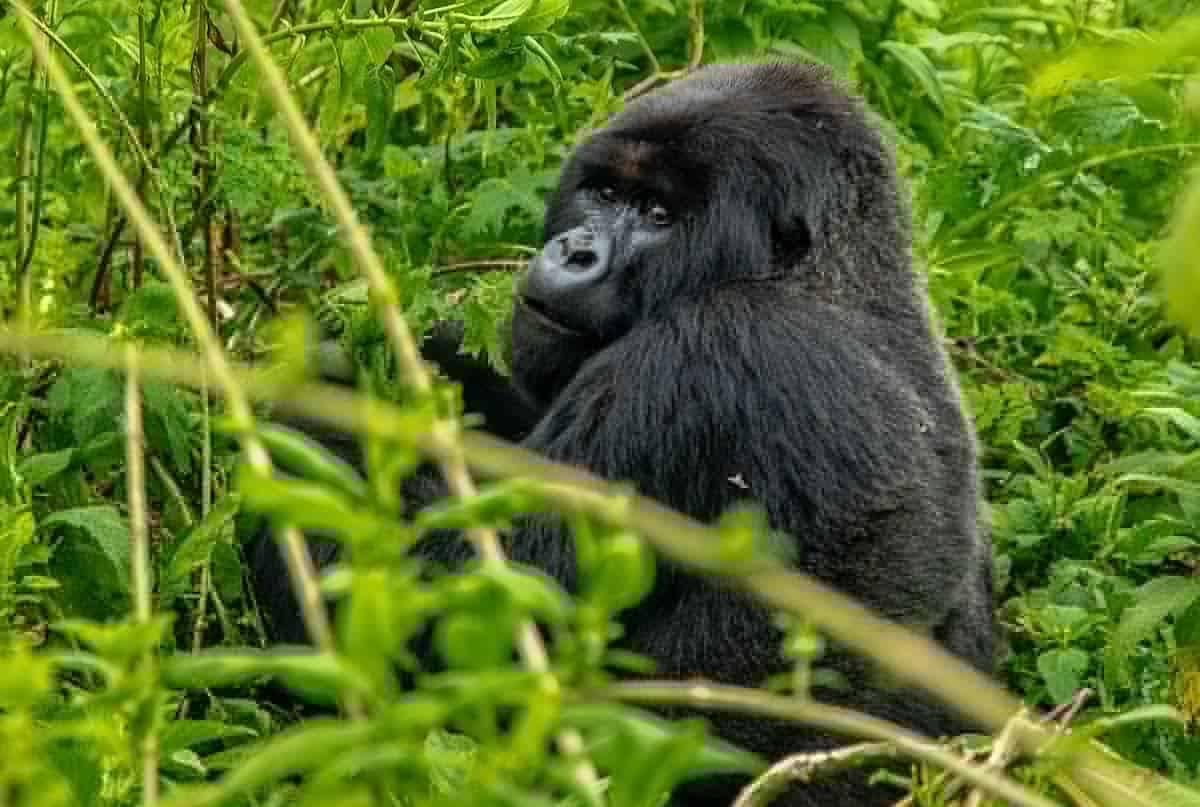
Even our closest evolutionary relatives are experiencing prenatal plastic exposure. A concerning study published in Environment International documented microplastic particles in placental tissues collected from captive and wild primate species, including macaques and baboons. Researchers found microplastic contamination in 67% of primate placenta samples, with higher concentrations in animals living in proximity to human settlements. The primary polymers identified were polyethylene terephthalate (PET) and polypropylene, common in food and beverage packaging. For wild primates, plastic exposure pathways include contaminated water sources and food items like fruits growing in polluted environments. The physiological similarities between humans and other primates make these findings particularly relevant to understanding the potential risks of microplastic exposure during human pregnancy. With many primate species already threatened by habitat loss and direct exploitation, the additional stress of developmental plastic exposure represents yet another challenge to their conservation.
1. Rodents Laboratory Evidence of Transgenerational Effects
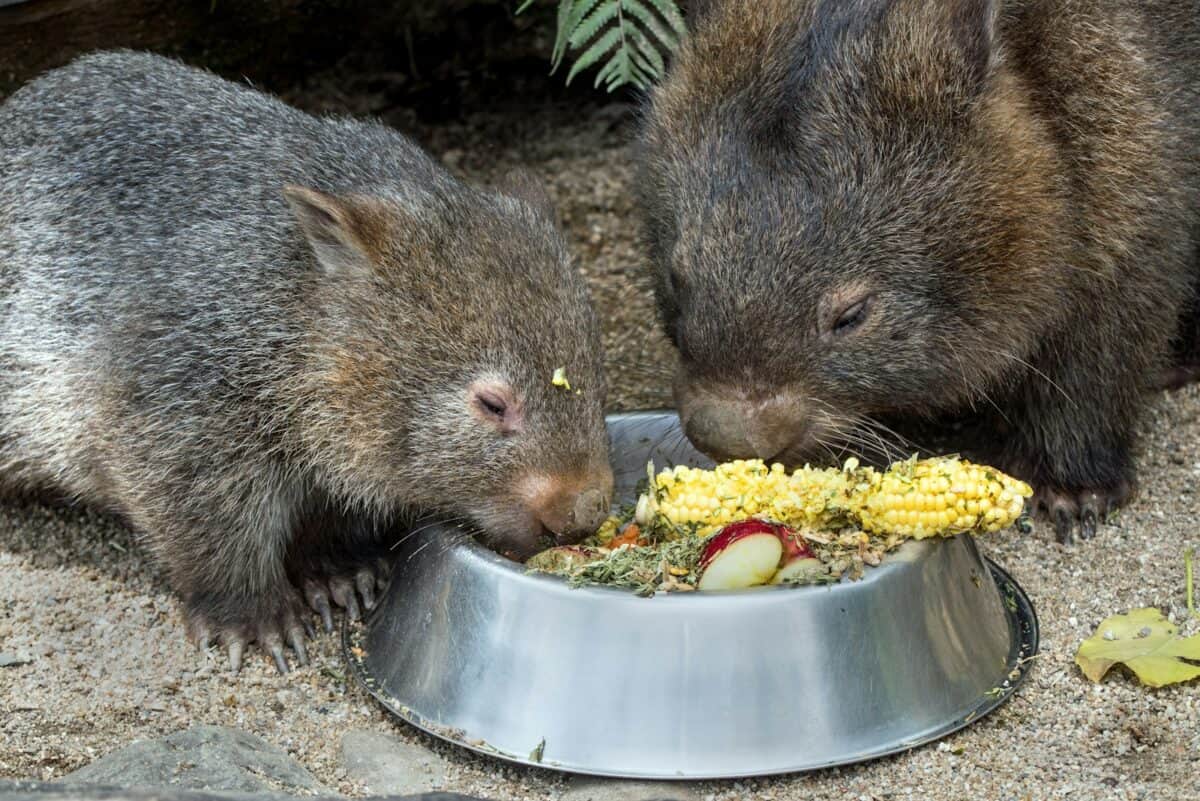
Laboratory studies with rodents provide some of the most comprehensive evidence of how plastic contamination affects developing offspring. Research published in Particle and Fibre Toxicology demonstrated that when pregnant mice were exposed to microplastic particles, these particles crossed the placental barrier and accumulated in fetal tissues. The study found that exposed offspring showed altered immune development, with potential lifelong consequences for health and disease susceptibility. Most concerning, some of these effects persisted into subsequent generations without additional exposure, suggesting epigenetic mechanisms may be involved. The plastics and associated chemicals disrupted normal developmental processes, including brain development and reproductive system formation. While laboratory studies use higher concentrations than typically found in natural environments, they provide crucial insights into the biological mechanisms and potential health consequences of developmental plastic exposure. These findings raise important questions about similar vulnerabilities in wild rodent populations and other mammals, including humans.
The Global Impact and Path Forward
The phenomenon of animals being born with plastics in their bodies represents a profound shift in our understanding of pollution’s reach. No longer can we consider plastic contamination only as an external threat that animals encounter during their lifetimes—it has become an inherited burden passed from one generation to the next. This transgenerational transfer of synthetic materials threatens the very foundation of ecological systems by compromising the health and development of offspring across species. The ubiquity of this contamination, from deep-sea trenches to remote mountain lakes, demonstrates that no ecosystem remains untouched by human plastic pollution. Addressing this crisis requires immediate action on multiple fronts: reducing plastic production and consumption, improving waste management infrastructure, developing biodegradable alternatives, and remediating already-contaminated environments. The existence of animals born pre-contaminated with plastic serves as a powerful reminder that the consequences of our plastic dependency extend far beyond visible pollution, threatening the very foundations of life on our planet. Only through coordinated global action can we hope to reverse this troubling trend and ensure future generations of all species have the opportunity to develop and thrive in environments free from plastic contamination.

As a little kid, I fell in love with nature, wildlife, and animals. Living in the USA, South Africa, Italy, China and Germany gave me the opportunity to discover the world's Wildlife. My favorite animals are Mountain Gorillas, Siberian Tigers, and Great White Sharks.
I'm a certified PADI Open Water Diver, went to Everest Base Camp and Trekked Gorillas in Uganda. I hold a Master of Science in Economics and Finance.
Please send any feedback to feedback@animalsaroundtheglobe.com
- 10 Things That Calm Cats And 4 That Make Them Nervous - July 21, 2026
- The Most Colossal Whale Ever Spotted Off Alaska - July 21, 2026
- 15 PowerfulAnimals Where Females Rule the Male - July 21, 2026