
Something has been quietly shifting beneath the surface of America’s rivers. After more than a century of dam construction, industrial pollution, and habitat loss, some of the oldest fish on the planet are finding their way back. These aren’t newcomers adapting to a changed world. They are creatures that survived the age of dinosaurs, endured ice ages, and outlasted mass extinctions, only to nearly be undone in a few decades by modern engineering.
The story unfolding across the country’s river systems is one of hard-won progress. Scientists, tribal communities, conservation organizations, and federal agencies have spent years rebuilding what was broken. What they’re seeing in return is nothing short of remarkable. Here are 11 rivers where ancient fish are making their most astonishing comebacks yet.
1. Klamath River, California and Oregon: The Giant Awakens
The removal of four hydroelectric dams on the Klamath River in southern Oregon and northern California has been recognized as the largest dam removal in US history, and more notably, the largest salmon restoration project to date. The response from the fish was almost immediate.
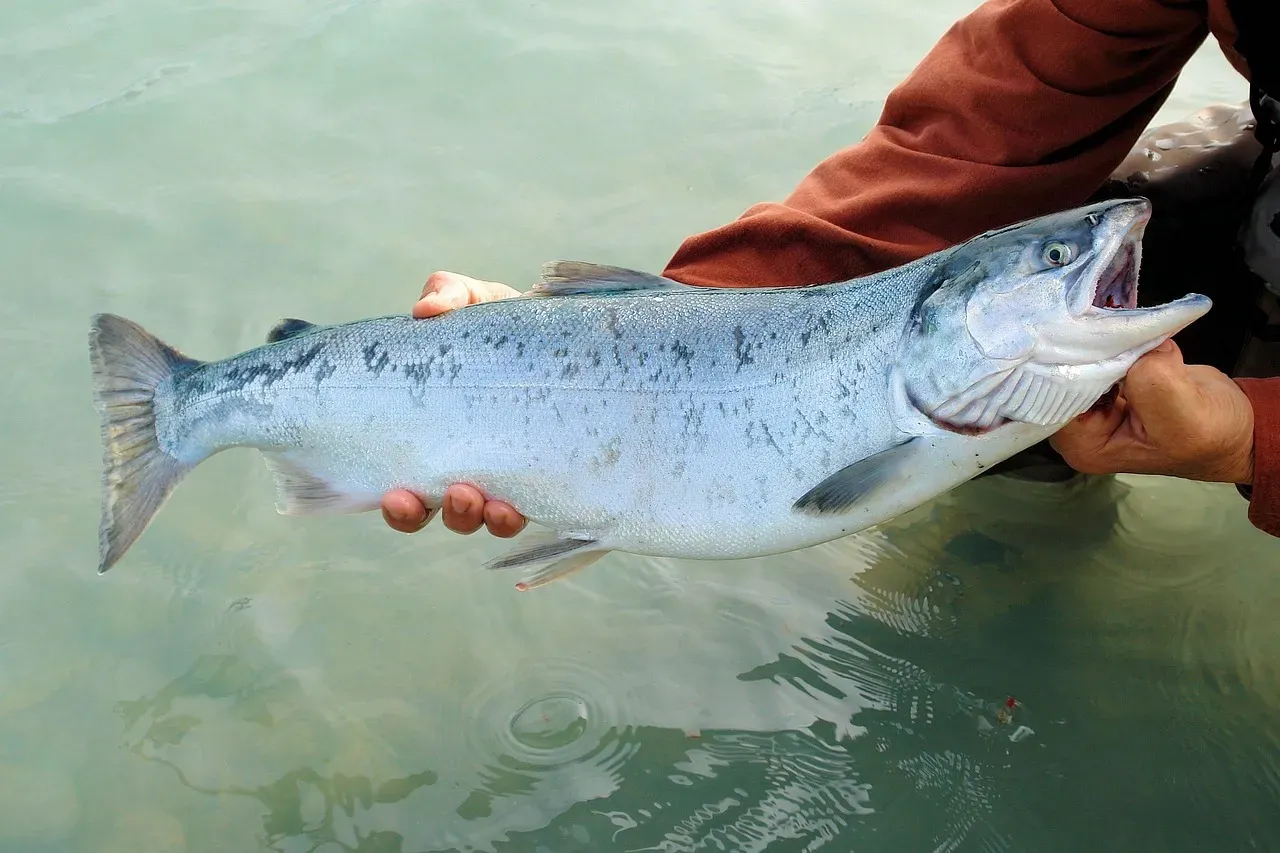
Just one year after the removal of the Klamath River dams, new monitoring results showed thousands of Chinook salmon pushing deep into newly reopened habitat, some reaching more than 360 river miles from the ocean into the Upper Klamath Basin. Scientists described the speed of recolonization as both remarkable and thrilling.
Early-season preliminary data revealed a strong fall run in 2025, with more than 10,000 fish over two feet long, likely Chinook salmon, passing the former Iron Gate Dam site. Monitoring crews found a group of fall Chinook that swam all the way up into the Williamson and Sprague rivers above Upper Klamath Lake for the first time in more than a century.
The Klamath River was once the third most abundant salmon-producing river on the West Coast of the continental United States, and six federally recognized Native American tribes had for millennia relied on the bounty of the Klamath River for sustenance and spiritual practices central to their identity. Its recovery carries cultural weight that numbers alone cannot fully capture.
2. Sacramento River, California: A Fifteenfold Surge
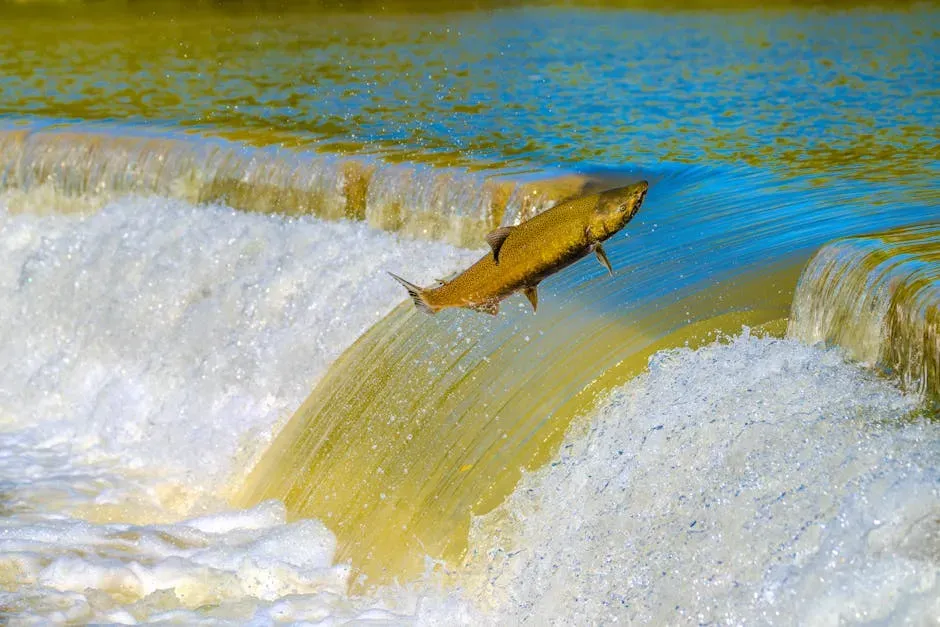
The upper Sacramento River saw a return of over 62,000 adult salmon to natural spawning areas in 2025, compared to just over 4,100 in 2024, a 15-fold increase. That kind of leap in a single year is genuinely rare in fisheries science.
These brighter returns coincide with fish that out-migrated as juveniles from the Sacramento Valley in the very wet spring seasons of 2023 and 2024, underscoring the survival benefit salmon enjoy when there’s enough water in Central Valley rivers. It’s a direct demonstration of how hydrology shapes everything downstream.
The Sacramento River is the most important river in California for both people and nature. It stretches 384 miles, draining the inland slopes of the Klamath Mountains, the Cascade Range, the Coast Ranges, and the northern Sierra Nevada. The river supplies roughly a third of the state’s developed water supply and contains critical habitats for a multitude of commercially and ecologically important species.
3. Merced River, California: Rebuilding the Riverbed
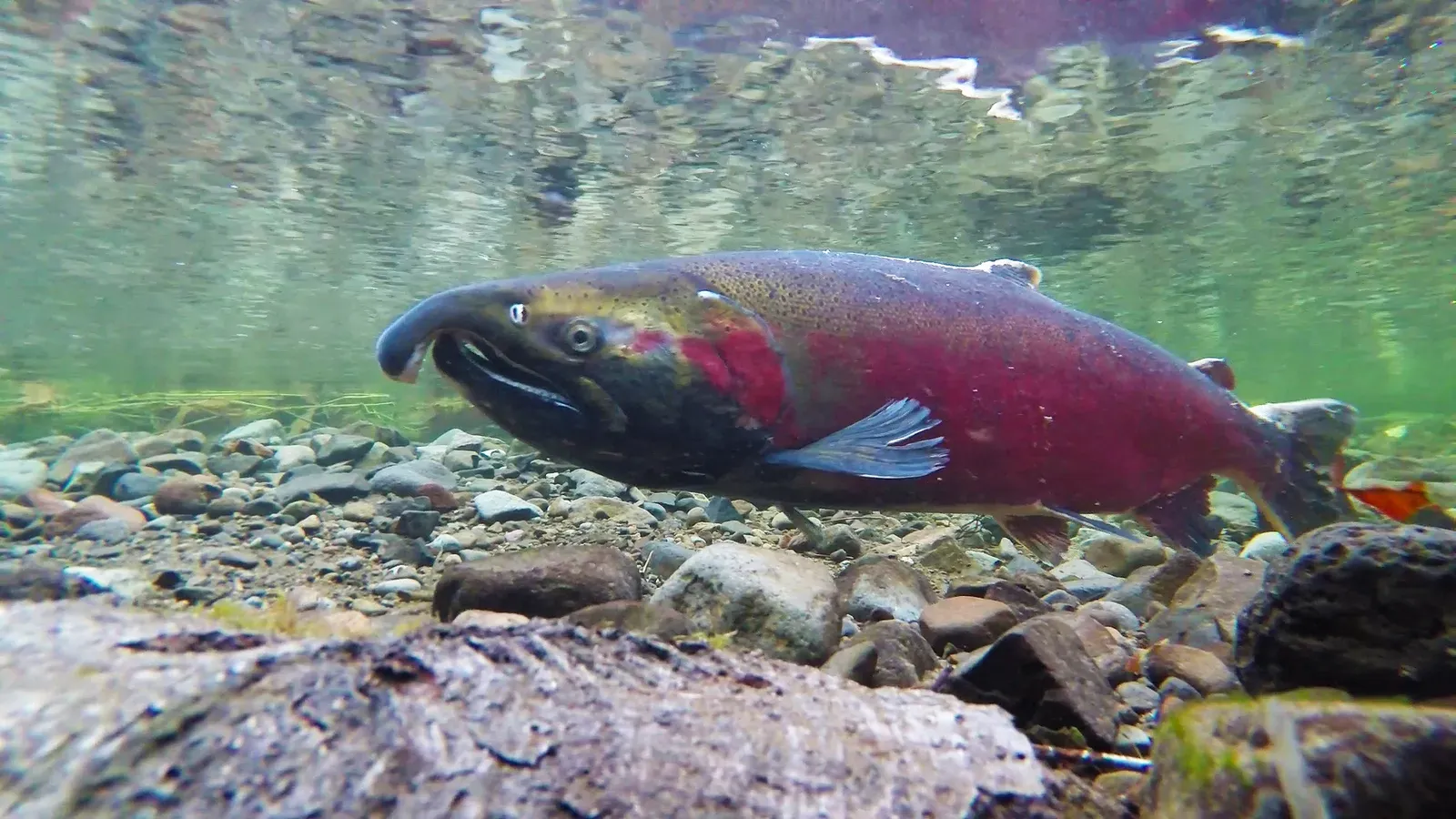
In California’s Central Valley, along the Merced River, the low rumble of bulldozers signals renewal. Crews are returning clean, sorted gravel to the riverbed, rebuilding spawning habitat that salmon and steelhead have relied on for thousands of years.
Since the early 2000s, the California Department of Fish and Wildlife has worked with partners to rebuild these important spawning grounds through gravel augmentation. At the center of this work is Merced River Ranch, a 300-acre property purchased to serve as a long-term gravel source. Once heavily mined, the property now supplies the raw material for ecological renewal.
A single restored riffle can host dozens of redds, each producing thousands of eggs. Restoration efforts also include the creation of side channels and floodplains, providing calm, shallow water where juvenile salmon and steelhead can grow, feed, and shelter. The results are beginning to show in returning fish counts year over year.
4. Colorado River, Arizona: The Humpback Chub Holds Its Ground
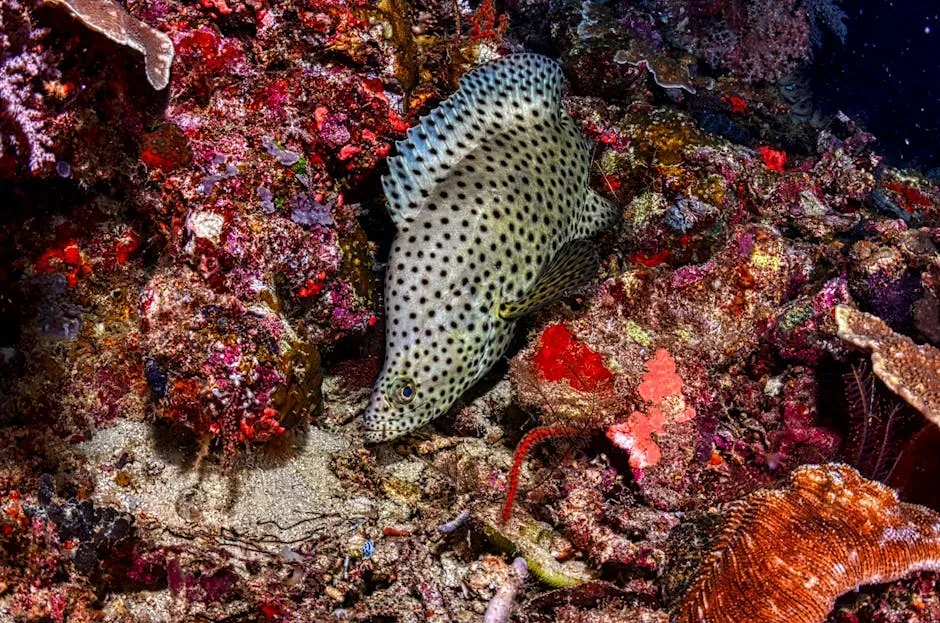
The humpback chub, a strange-looking ancient fish adapted to the powerful currents of the Grand Canyon, was once considered on the edge of disappearing entirely. The largest population, found in the Colorado and Little Colorado rivers in the Grand Canyon of Arizona, is now a stable population of about 12,000 adults.
All five populations are wild, persisting without the need for hatchery stocking. That detail matters more than it might seem; a wild, self-sustaining population is a fundamentally different achievement than a managed one. It means the river itself is doing the work.
The humpback chub’s lineage stretches back millions of years, shaped by the fierce, turbulent flows of the pre-dam Colorado. Its survival is a testament to targeted conservation work, including the management of non-native species and careful water temperature regulation through Glen Canyon Dam operations. The chub’s resilience offers cautious but real hope for other ancient endemics of the Colorado system.
5. Mississippi and Osage Rivers, Missouri: Lake Sturgeon Spawn Again
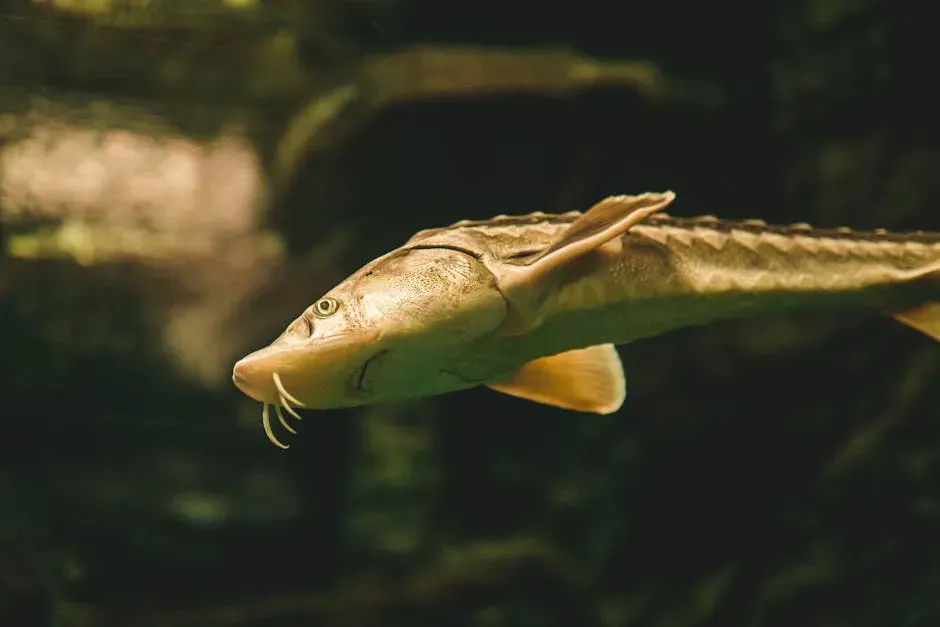
An ancient fish species is making a big comeback in Missouri. The Missouri Department of Conservation reported that lake sturgeon are spawning in large numbers. The fish mainly live in the Missouri and Mississippi Rivers, giving them plenty of room to reach up to 200 pounds and live to over 100 years old.
Over time, the population nearly disappeared in Missouri due to river pollution and changes to their natural habitats. The road back has been long and deliberate. Volunteers across the state first reported that the species was spawning near the surface of the Mississippi and Osage Rivers, which prompted the Missouri Department of Conservation to start spawning lake sturgeon in their hatchery system to be released into the wild.
At Blind Pony Hatchery, conservationists gather milt from male fish and collect eggs from the females. They hold the fertilized eggs at the hatchery until they develop and are transferred to Lost Valley Hatchery, where they continue to grow for the rest of the year until they are released into wild waters in September. The cycle of return is now well underway.
6. Trinity River, Texas: The Alligator Gar’s Slow Reclamation
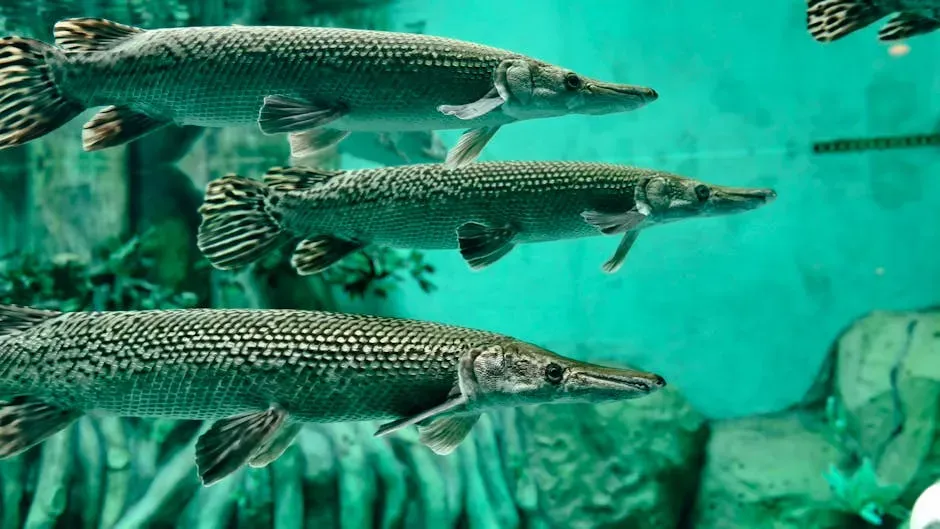
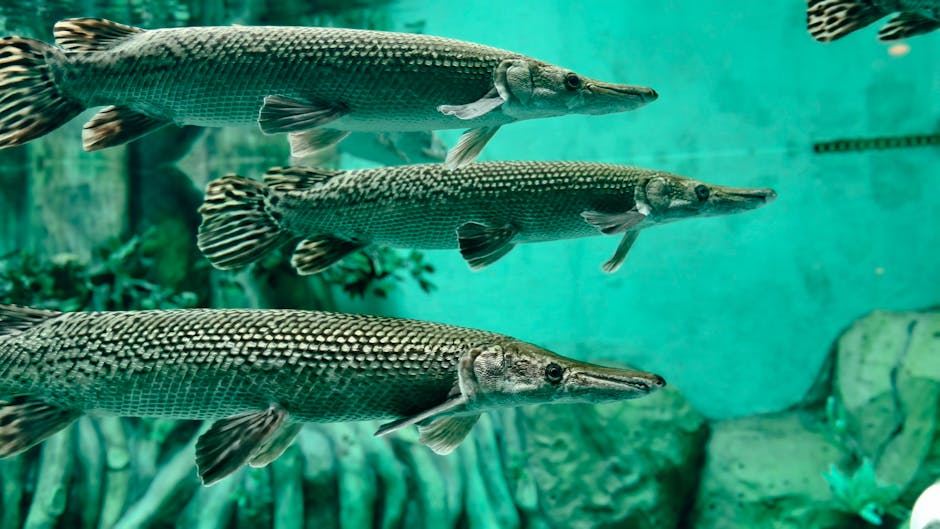
Flowing between the two most populous urban areas in Texas, the Trinity River is home to one of the largest freshwater fish in the country. The alligator gar, a fish whose fossil record stretches back more than 150 million years, has made a striking recovery here thanks to strict regulation and changing public attitudes.
In 2009, the Texas Parks and Wildlife Department instituted a statewide one-fish-per-day regulation for the alligator gar, intended to maintain the current status of the Texas population until the department had amassed enough information to effectively manage stocks based on scientific data. Since then, researchers have found that Texas gar populations are relatively healthy, both in abundance and size of fish.
The Trinity River has become the go-to destination for alligator gar sportfishing, which is now strictly regulated and mostly done as catch-and-release. As a result, the gar population in the river is healthier and more robust than it’s ever been. For a fish that once swam alongside prehistoric creatures, that is a genuinely good sentence to be able to write.
7. Cape Fear River, North Carolina: Sturgeon and Shad Find a Path
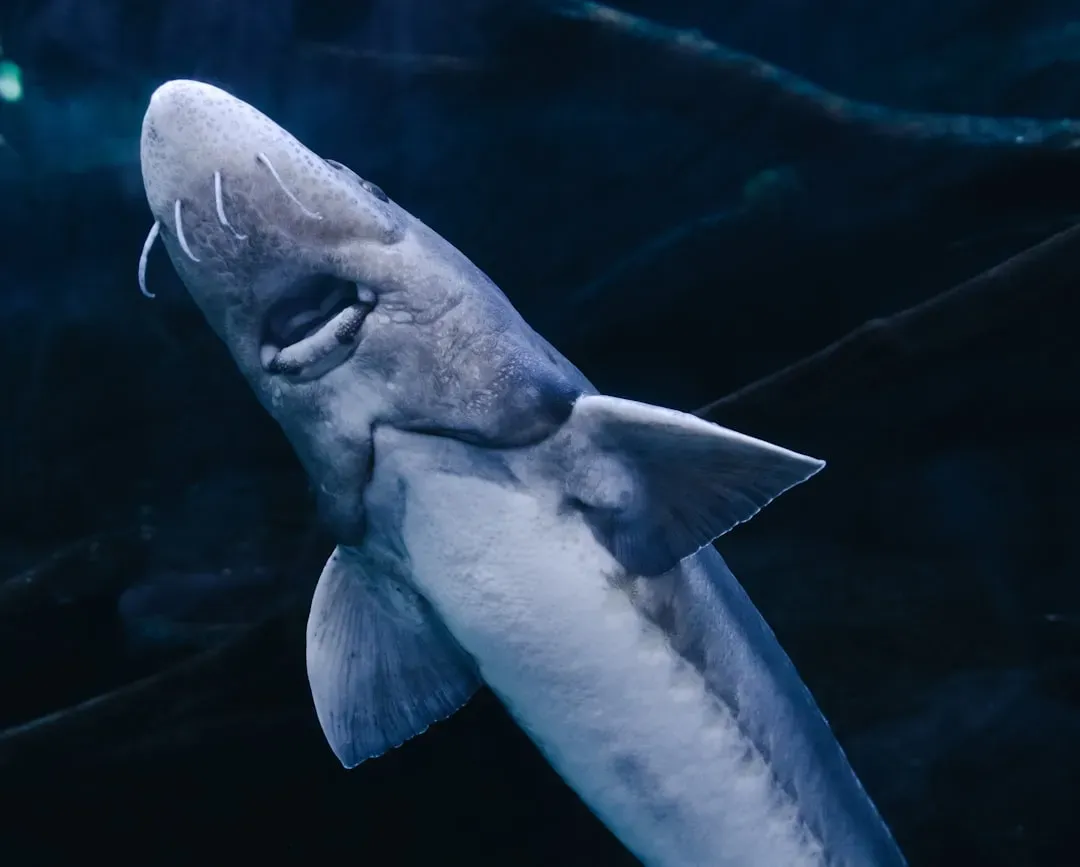
As the only major river in North Carolina flowing directly into the Atlantic Ocean, the Cape Fear River serves as critical habitat for migratory fish. Species like American shad, river herring, Atlantic sturgeon, shortnose sturgeon, and striped bass spend most of their lives in the ocean but return to the river’s freshwater streams to spawn.
Populations of many native migratory fish in the Cape Fear River, including striped bass, shad, river herring, and Atlantic and shortnose sturgeon, have declined by as much as ninety percent. Much of this decline can be attributed to the loss of spawning habitat caused by the construction of three lock-and-dam structures between Wilmington and Fayetteville in the early 20th century.
With support from multiple partners, the Rock Arch Rapids at Lock and Dam 1 was completed in 2012, and that year, migratory fish were able to swim over the dam for the first time in more than 100 years. Some populations have shown improvement since a harvest moratorium was enacted in 1998, allowing these slow-growing fish to make it to reproductive age. The river still faces serious challenges, but its direction has changed.
8. Connecticut River, New England: Atlantic Sturgeon Show Up Again
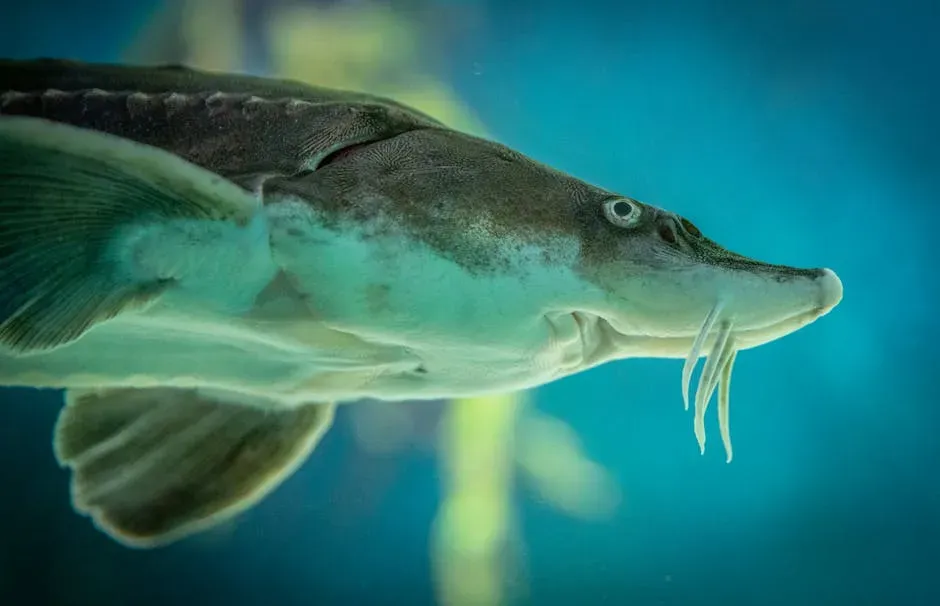
For 160 million years, long-lived and highly migratory Atlantic sturgeons have made their way from the ocean to freshwater spawning grounds inland. The Connecticut River was one of the waterways sturgeon sought out, until they were fished nearly to extinction in the early 20th century.
In 2014, researchers from the Connecticut Department of Energy and Environmental Protection caught a few juvenile sturgeons in the Connecticut River, implying that sturgeons were spawning there again. More little sturgeon appeared in 2020 and again in 2022, leading some to wonder if this iconic fish was indeed making a comeback.
Findings suggest that protections are needed at least during important summer months when sturgeons are throughout the Connecticut River. Though researchers cannot say with certainty that the population is growing, a hopeful indication is that sightings of juveniles likely born in the river are happening more frequently. It’s tentative progress, but it’s progress all the same.
9. Elwha River, Washington: A Living Laboratory of Recovery
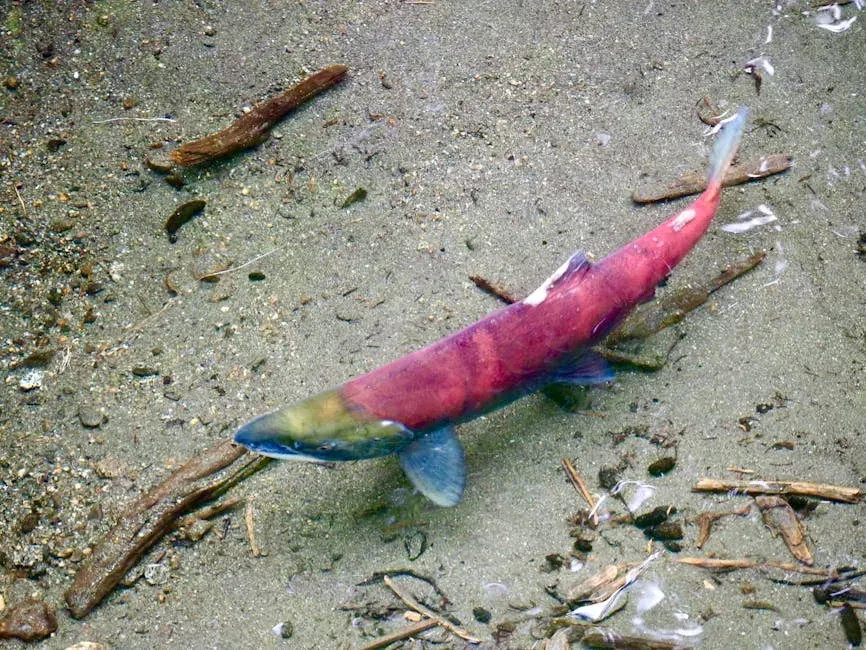
For nearly a century, the Elwha River was blocked by two hydroelectric dams, which decimated its legendary wild salmon populations by cutting off access to over 70 miles of pristine spawning habitat within the Olympic National Park. The dam removal project, completed between 2011 and 2014, allowed the river to begin restoring its natural sediment flow and re-establishing migratory pathways.
Dam removal can lead to rapid ecosystem responses, such as downstream changes in spawning and rearing habitats, the re-emergence of river channels in former reservoirs, and restored fish passage. The Elwha demonstrated all of this in real time, offering a living proof-of-concept that decades of habitat loss don’t have to be permanent.
As part of the recovery effort, the entire river system from its mouth to its headwaters was closed to fishing for several years. This closure protected the few remaining wild stocks and allowed the newly accessing fish to colonize the restored habitat without pressure. The Elwha has become one of the most closely watched restoration sites in the world.
10. Chicago River, Illinois: 24 Species Spawn in an Urban Waterway
Few rivers illustrate the breadth of what’s possible quite like the Chicago River. Once among the most polluted urban waterways in the United States, it has undergone decades of water quality investment, and the results are now turning up in the data.
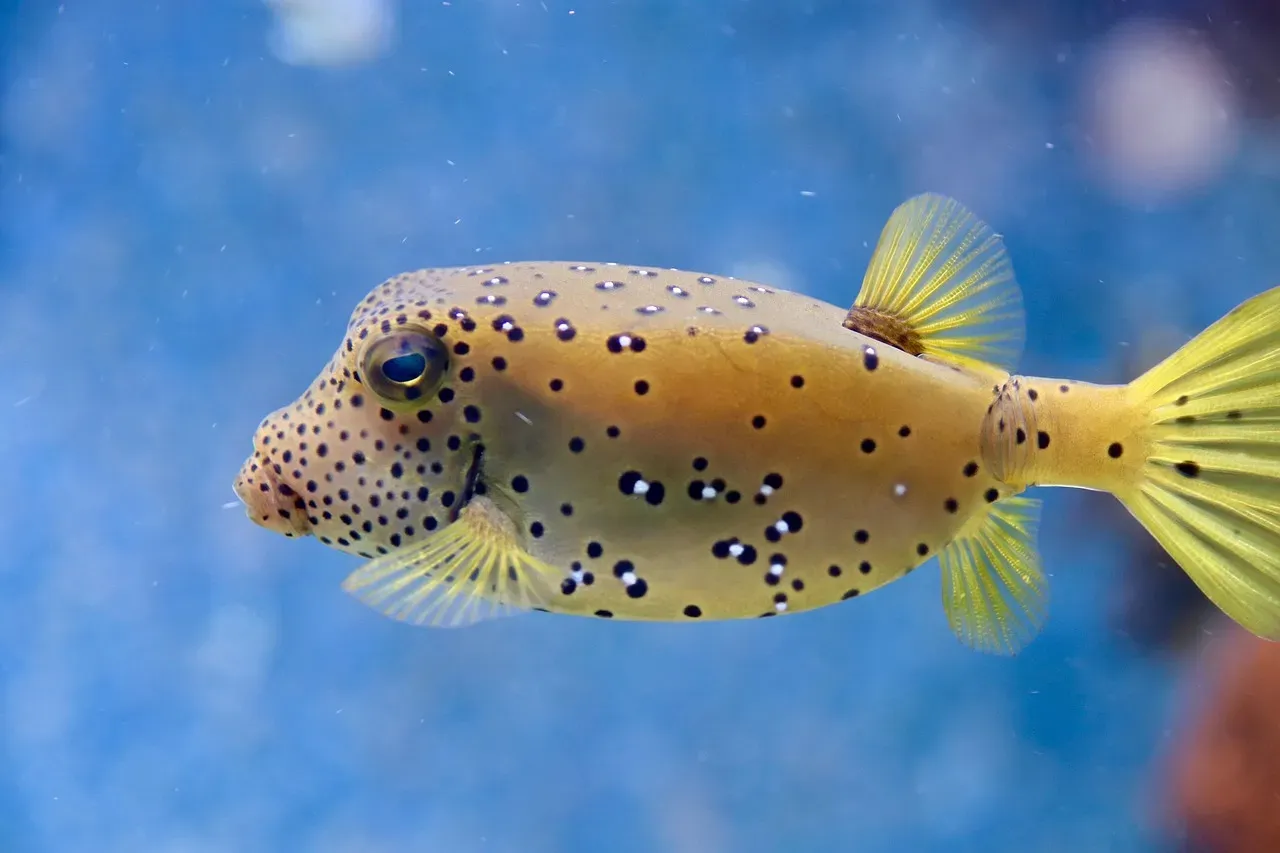
Utilizing light traps at 10 locations in the Chicago River between 2020 and 2022, over 2,000 larval fish were collected, and their DNA revealed 24 different fish species present. This research represents the first documentation of larvae from fish species occurring within the Chicago River, indicating that recovery and restoration efforts allow at least 24 species to successfully spawn and reach the larval stage.
Analysis of larval fish collected from the Chicago River identified 24 spawning species, including both pollution-tolerant and intolerant types. Ongoing research focuses on how floating wetlands, which have been installed in the river by local nonprofit Urban Rivers and Shedd Aquarium over the last several years, affect successful fish reproduction. The city’s river is becoming, once again, a living ecosystem.
11. Missouri River: Paddlefish Roam Free Again
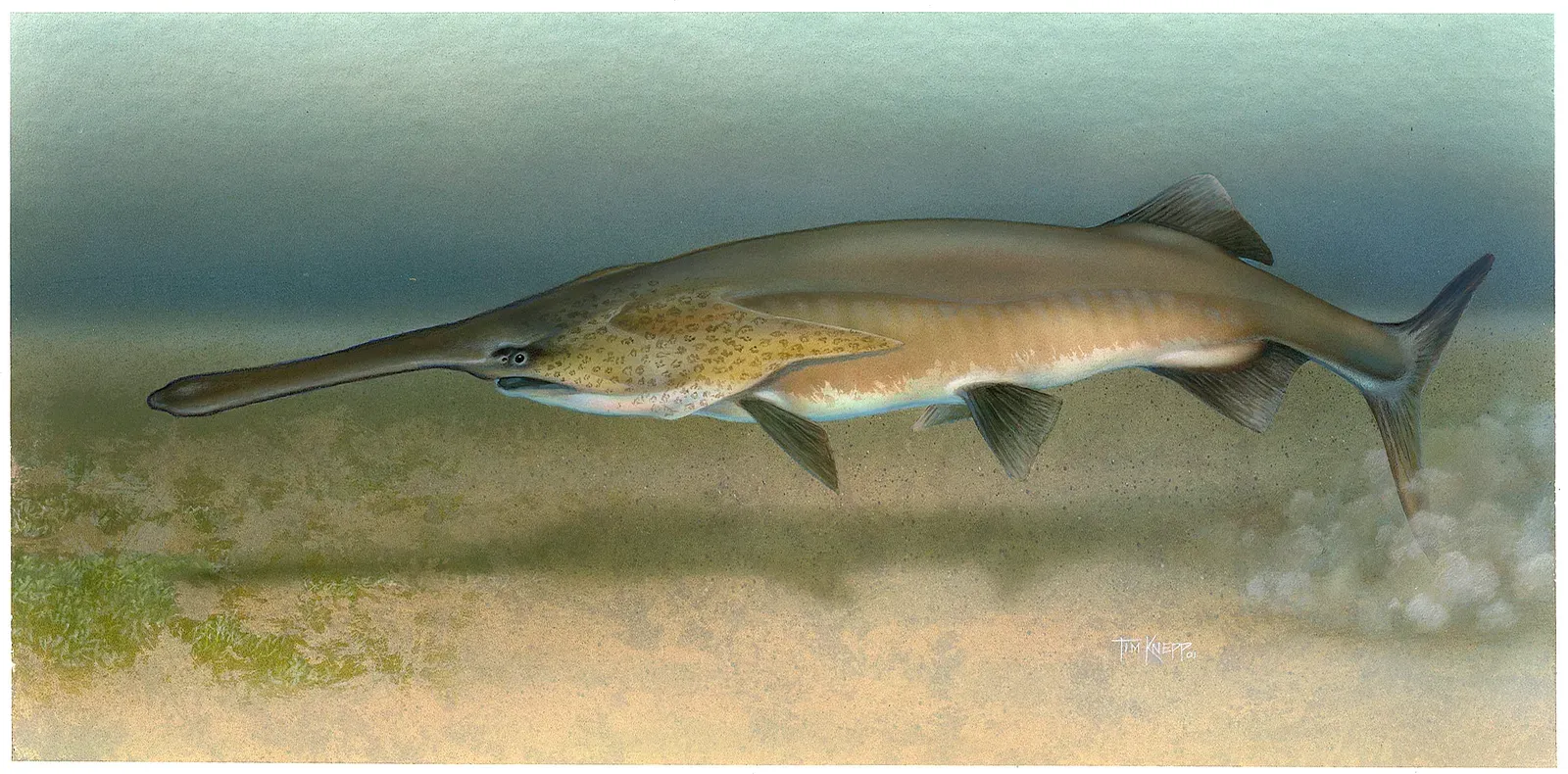
Cousin to sturgeons, the American paddlefish is another ancient fish, and today it is the last known surviving paddlefish species in the world. Its history in North American rivers runs deep, and its presence in the Missouri River basin is one of the more quietly spectacular conservation stories of recent years.
In 2025, a paddlefish that had been tagged and released in North Dakota was caught nearly 1,000 miles and several river navigations away in Kentucky. That single fish covered more ground than most conservation stories do. Paddlefish have a potential lifespan of 50 years or more, and can reach lengths of as much as 7 feet and weigh up to 150 pounds or more.
The paddlefish’s paddle-shaped rostrum is equipped with myriad electroreceptors that detect the weak electrical activity given off by zooplankton in the water column, allowing the fish to more efficiently locate its food. These fish much of the time prefer to inhabit the murky depths of large, slow-moving freshwater rivers, lakes, and reservoirs. For a creature this ancient, the Missouri River’s recovery is more than an ecological milestone. It’s a reunion.
What These Recoveries Tell Us
The broader pattern across the country points to a consistent set of drivers: barrier removal, water quality improvements, tribal and federal partnership, and sustained monitoring. There’s no single magic solution. What works is steady, coordinated effort over many years.
In 2024 alone, the National Fish Passage Program removed or bypassed 97 barriers that prevented fish from moving freely, reopened access to 2,939 miles of stream habitat, and restored 15,026 acres for fish and other wildlife. That kind of scale matters enormously when you’re dealing with species that need hundreds of miles of connected habitat to complete their life cycles.
These programs support roughly 2.1 billion dollars in economic output benefiting families in countless communities, and every one million dollars invested generates over 2.5 million dollars in local output and more than 17 private-sector jobs. Conservation and economic vitality are not, it turns out, in opposition.
Recovery is not a single finish line but a series of them, species by species, river by river. Salmon populations need multiple generations to recolonize available habitat, rebuild age structure, and stabilize at sustainable levels. The work is long. The patience required is immense. Still, what’s happening in these rivers right now is proof that rivers, given the chance, remember exactly what they’re supposed to do.
