

Most people assume that with enough patience, a little love, and some time, any animal can adjust to a new home. Rescue workers wish that were true. It would make their jobs so much easier.
Instead, they keep running into the same heartbreaking pattern: certain animals don’t just prefer their first person, they attach so deeply that losing them triggers real physical decline. Feathers get plucked raw. Dogs stop eating. Horses forget years of trust overnight. Here’s what happens when a bond goes that deep, and why some animals may never truly belong to anyone else.
#13 – African Grey Parrots: The One-Person Genius That Grieves
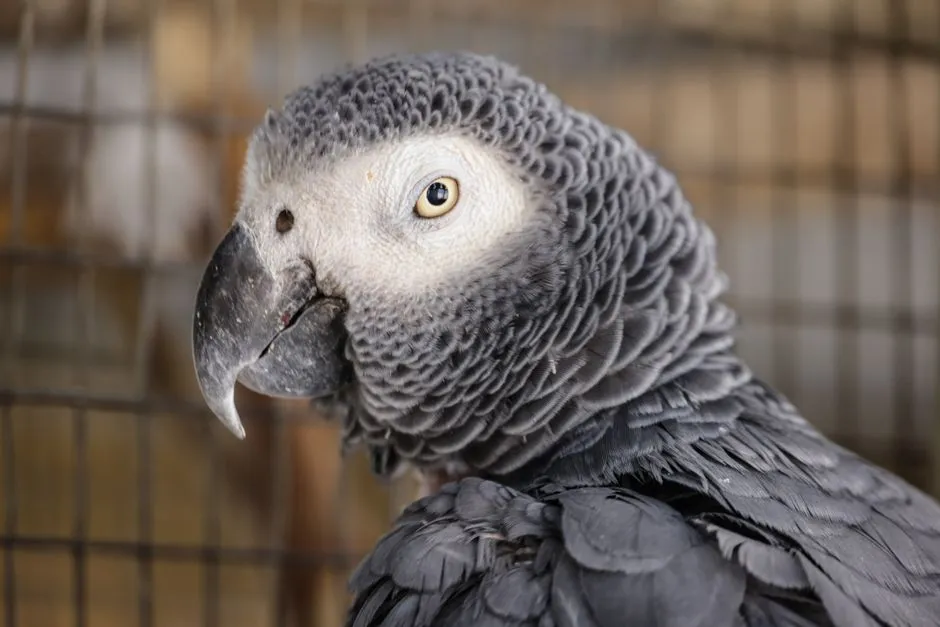
African Grey Parrots are famous for their intelligence, but what rescue workers actually deal with is the emotional weight that comes with it. These birds think and feel with a depth often compared to a five-year-old child, and they tend to fixate on a single person as their entire world. When that person disappears, the bird doesn’t just get sad. It can spiral into feather plucking, aggression, and even self-mutilation severe enough to require medical intervention.
Shelters describe cases where months of careful, patient introductions still end in a bird that refuses food or turns dangerously aggressive toward anyone new. Some Greys that spent decades with one owner decline so fast after separation that no amount of expert intervention can pull them back. Dr. Irene Pepperberg, who spent three decades studying an African Grey named Alex, recorded his final words to her the night before he died unexpectedly.
You be good, I love you. I’ll see you tomorrow.
Alex the African Grey Parrot
#12 – Sulphur-Crested Cockatoos: The 70-Year Heartbreak
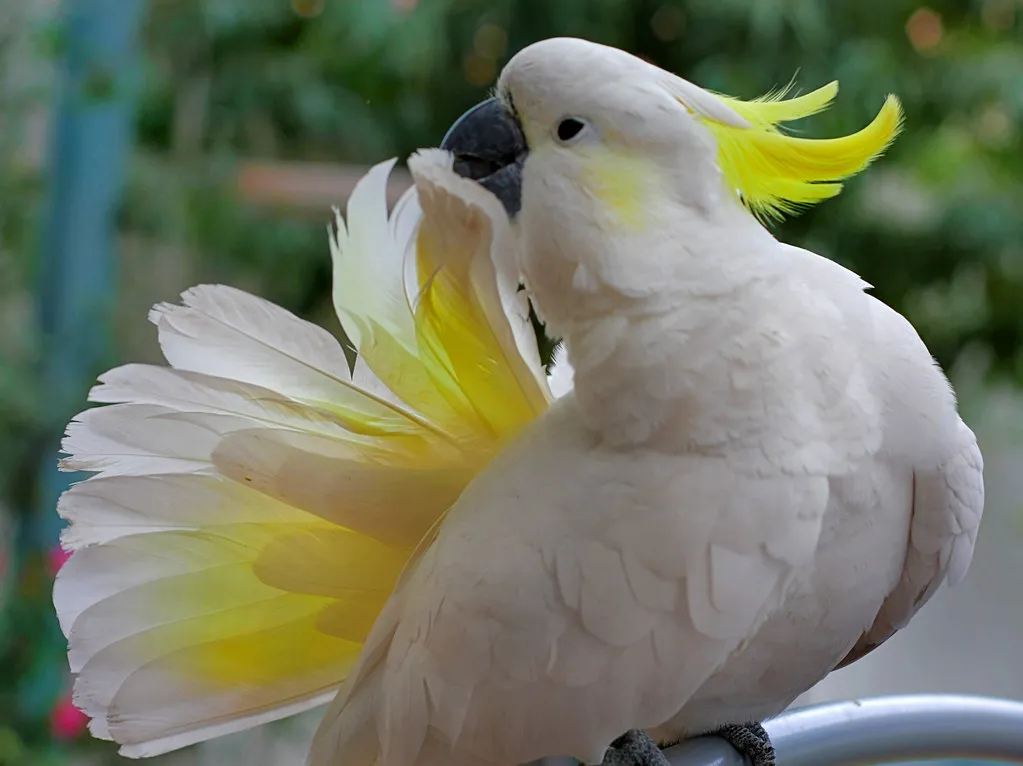
Sulphur-Crested Cockatoos crave near-constant interaction, and once they’ve locked onto a person, that need becomes almost total. Rehome one, and you’re likely to see incessant screaming, destructive feather plucking, or self-mutilation as the bird tries to process a loss it doesn’t understand.
Here’s the part that makes it worse: these birds can live up to 70 years. A single failed bond isn’t a bad week, it’s potentially decades of grief. Rescue workers often watch the same cockatoo cycle through multiple homes, each new failed attempt adding another layer of psychological damage on top of the last.
Fast Facts
- Native to Australia and nearby islands, prized for their striking yellow crest
- Lifespan of 40 to 70 years, often outliving the humans who raise them
- Considered one of the loudest common pet birds, with screams meant to travel across open forest
- Require several hours of direct interaction daily to stay emotionally stable
#11 – Blue-and-Gold Macaws: Loyalty That Looks Like Rage
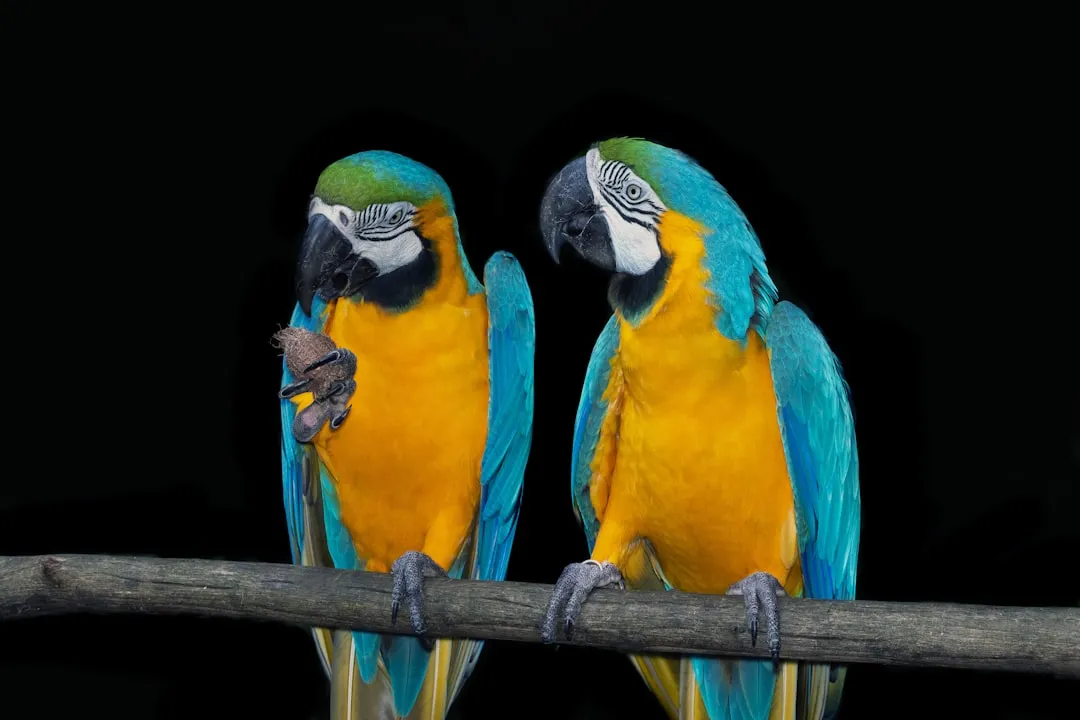
Blue-and-Gold Macaws don’t share affection easily. They form exclusive bonds and demand hours of daily interaction from their chosen person, and when that person is suddenly gone, the bird doesn’t ease into the new arrangement. New owners often describe a macaw that refuses to eat, won’t leave its cage, or lashes out at anyone who gets close.
The health consequences show up fast, sometimes within days. Some macaws have reportedly attacked new family members years after the original owner was gone, not out of confusion, but because their loyalty is so hardwired that anyone who isn’t the right person simply reads as a threat.
#10 – Green-Winged Macaws: Mourning in Pairs
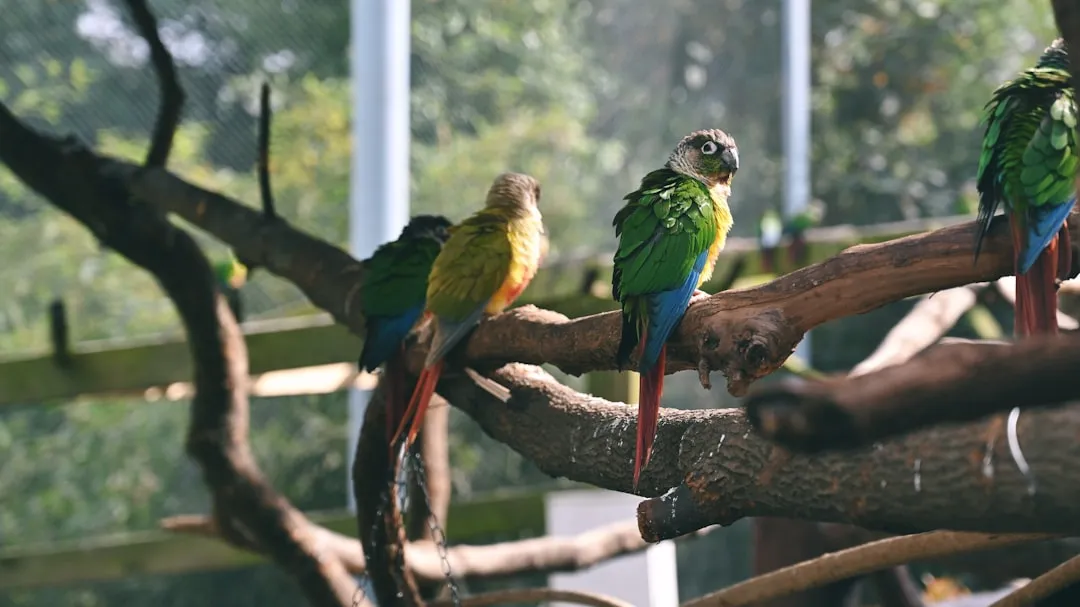
Green-Winged Macaws carry the same intense loyalty as their Blue-and-Gold cousins, but add a layer of territorial aggression that makes unprepared new households genuinely difficult to manage. Vets describe birds that visibly mourn, losing weight and feathers, sitting motionless for hours, ignoring enrichment toys they used to love. It isn’t stubbornness. It’s grief, plain and simple.
What makes this species especially striking is that bonded pairs can reject an entire new household together, even after the original owner has passed away. Rather than comforting each other through the loss, they seem to reinforce it, creating a closed emotional loop that no outside human can enter.
#9 – Yellow-Naped Amazons: The Bird That Waits at the Door
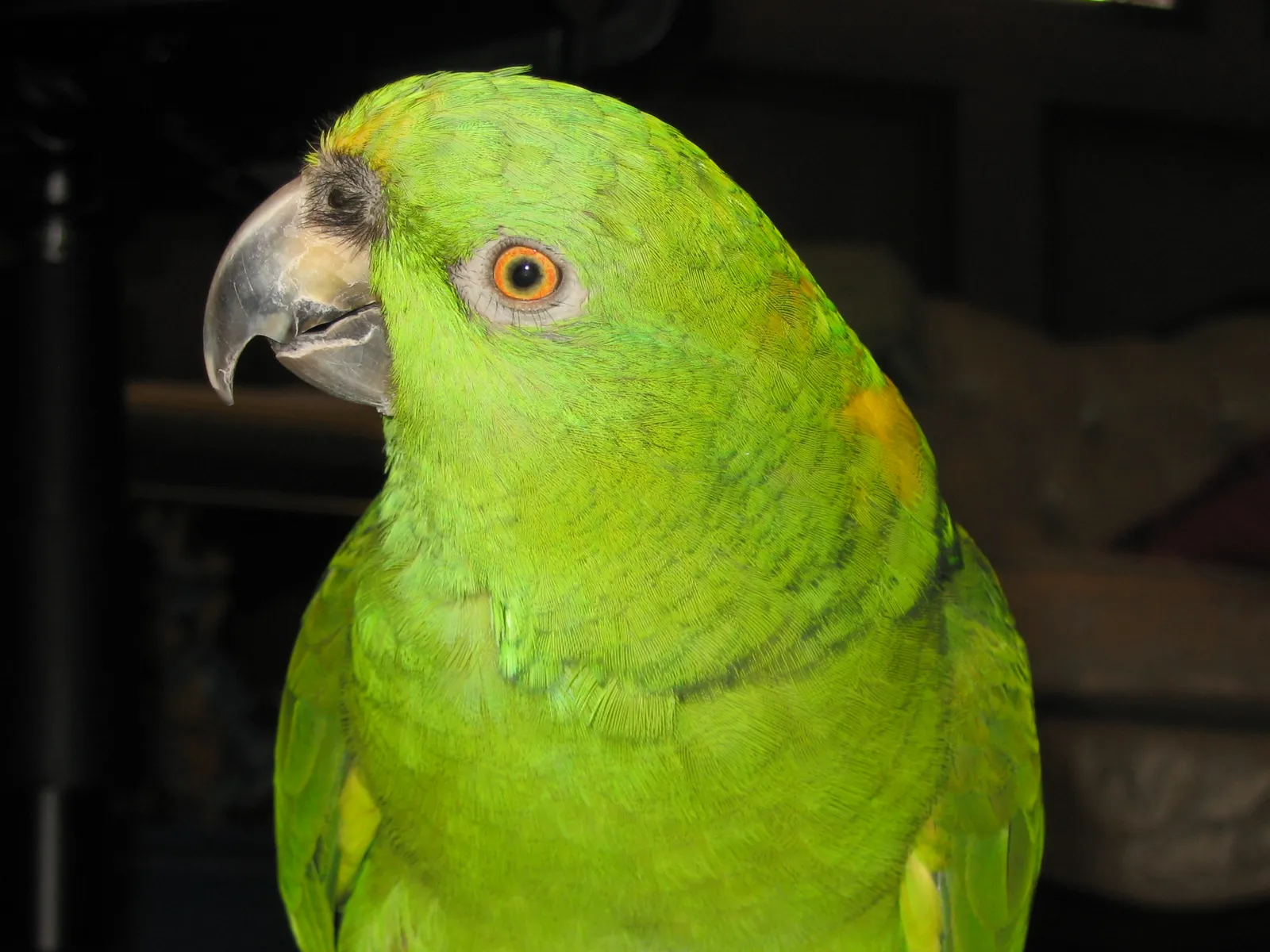
Yellow-Naped Amazons are sharp, vocal, and capable of forming an almost obsessive bond with one person. When that person is gone, some of these birds simply shut down, refusing food and ignoring every new caregiver who tries to step in. There are documented cases of Amazons waiting in the same spot for months after an owner’s death, as if loyalty alone might bring them back.
Shelter records show these parrots getting returned after adoption at a striking rate, usually because they stop eating or become impossible to read emotionally. Trainers warn that forcing a new bond onto a grieving Amazon doesn’t build trust. It builds lifelong anxiety in a bird that already gave everything it had to someone else.
#8 – Sun Conures: Bonding So Hard They Waste Away
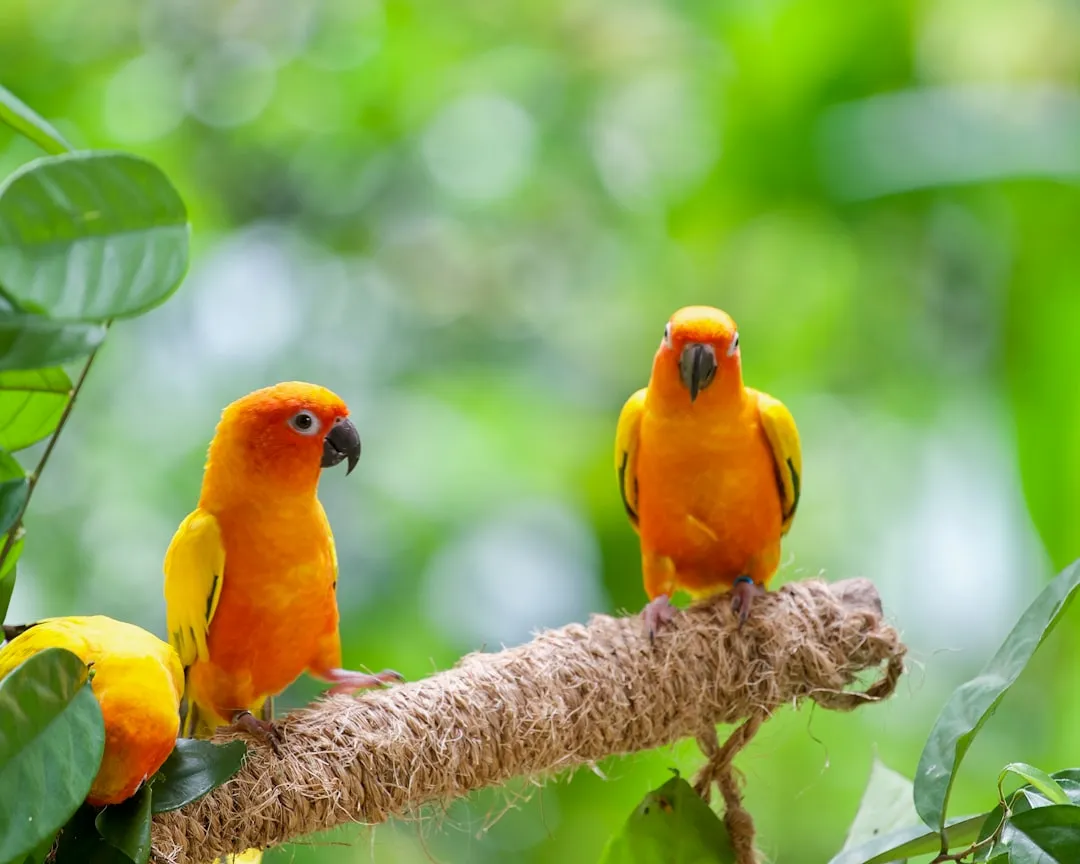
Sun Conures are small, but their capacity for attachment is enormous. Separate one from its bonded person and you can see severe separation anxiety within days: feather plucking, lethargy, and dramatic weight loss that catches new owners completely off guard.
Here’s the cruel irony. Sun Conures are often surrendered in the first place because their noise and neediness overwhelmed the original owner, which means the very intensity that caused the surrender is also what makes placement nearly impossible. Plenty of potential adopters watch a conure’s distress during a first meeting and simply walk away.
#7 – Indian Ringnecks: The Cold Shoulder That Isn’t Really Cold
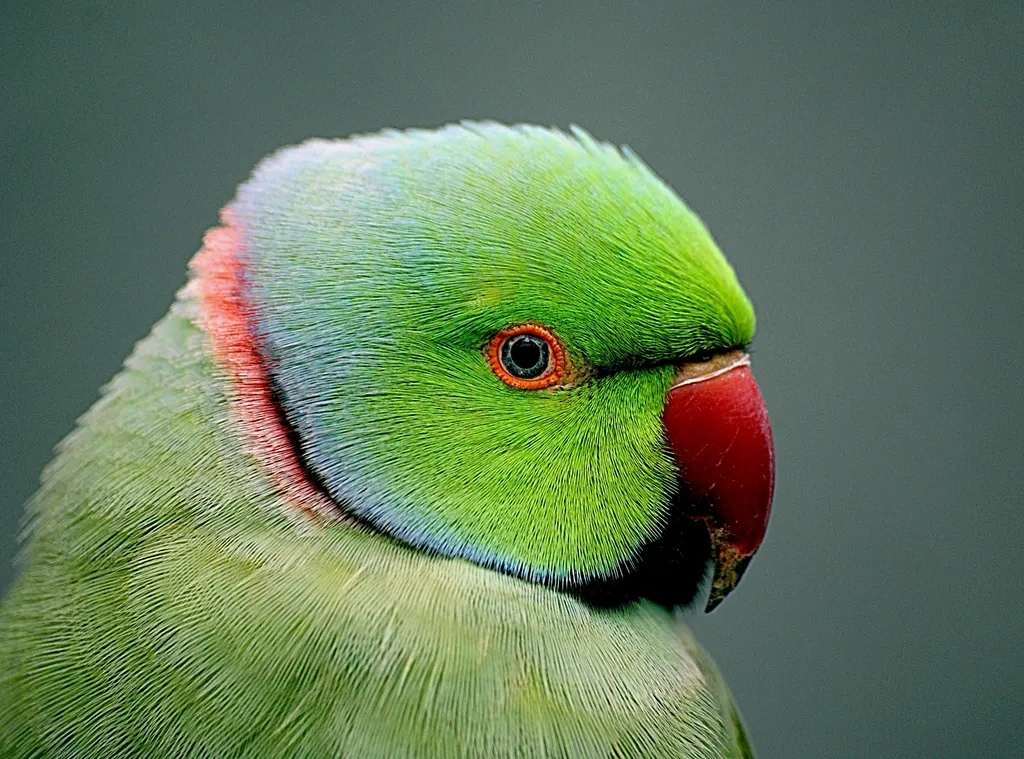
Indian Ringnecks have a reputation for being aloof and independent, a reputation that completely falls apart once one has truly bonded with a single person. In that state, they aren’t aloof at all. They’re laser-focused on one human and deliberately, coldly distant toward everyone else.
Rescue organizations describe working with a rehomed Ringneck as earning fractional trust over months, only to lose all of it the instant the routine changes. Some facilities have given up on traditional adoption for certain birds entirely, placing them into permanent single-staff care instead. A few have lived in sanctuaries for over a decade without meaningfully bonding to anyone again, not because they can’t, but because that capacity was already spent on someone who isn’t coming back.
At a Glance
- Also known as rose-ringed parakeets, originally from Africa and South Asia
- Can live 25 to 30 years, meaning a broken bond can shadow most of the bird’s life
- Known for unusually clear speech mimicry once trust is established
- Often mislabeled as low-maintenance because of their independent public reputation
#6 – Lovebirds: Named for Devotion, Undone by Loss
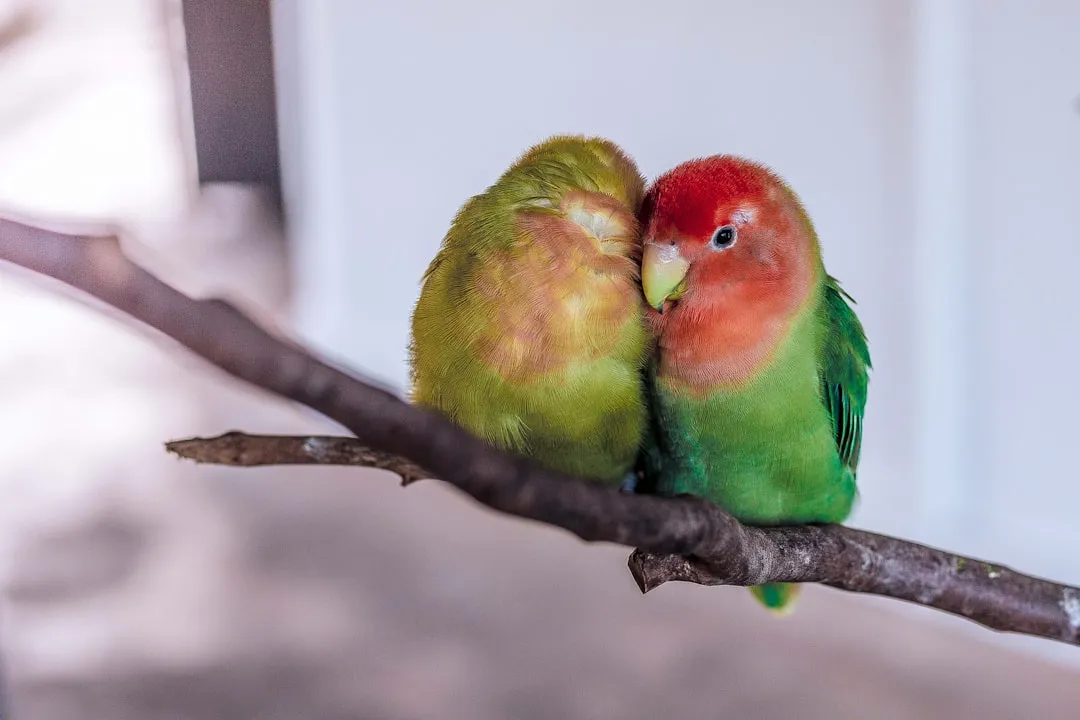
Lovebirds earned their name honestly. When raised without a second bird, they often imprint intensely on their human instead, treating that person as a mate rather than a caretaker. It’s an adorable dynamic right up until that person is gone, and then the fallout is fast and visible.
Because lovebirds are so small, physical decline shows up quickly. Rescue workers report birds refusing food, plucking feathers, and failing to thrive within days of a bonded separation. Their size makes them look almost fragile in grief, and in a very real sense, they are.
#5 – Border Collies: Bonded to the Hand That Gives the Command
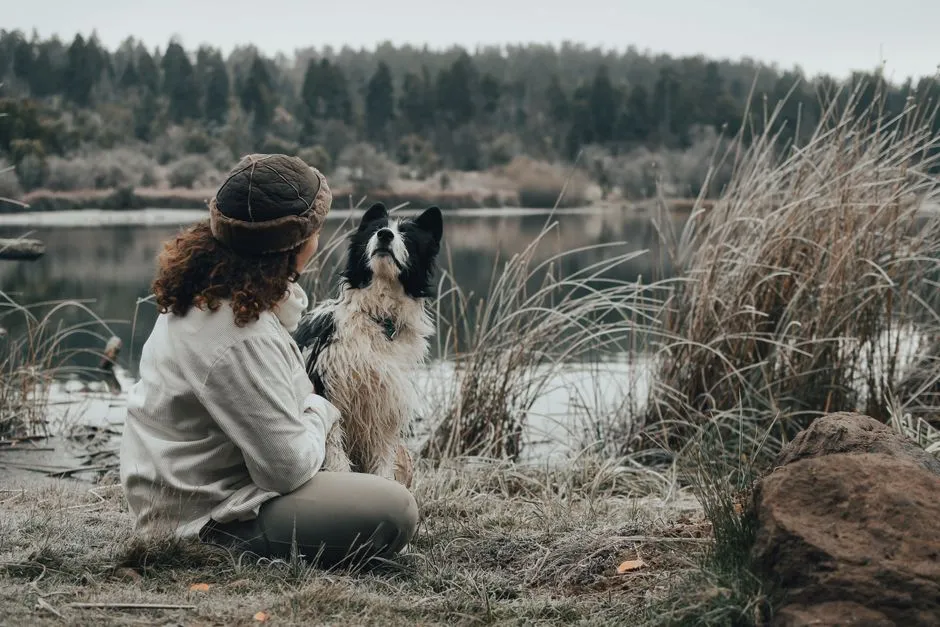
Border Collies don’t just obey commands, they read the entire person delivering them: tone, timing, body language, even mood. That working partnership becomes so specific that a new handler, even a skilled one, can feel like a stranger speaking a foreign language to the dog.
When rehomed, some Border Collies simply refuse to work at all. Others channel their unused herding drive into obsessive pacing, fixation on shadows or lights, or other compulsive behaviors that trainers say are really just anxiety with nowhere else to go. Rebuilding that working trust from scratch can take far longer than most adopters expect, if it happens at all.
Why It Stands Out
- Widely regarded by trainers as the most intelligent dog breed for working tasks
- Bred over generations for a tight one-on-one partnership with a single shepherd
- Needs a consistent “job” or the herding drive turns inward as anxiety
- Reads micro-cues in tone and posture that most breeds simply miss
#4 – German Shepherds: Loyalty Bred Into the Bone
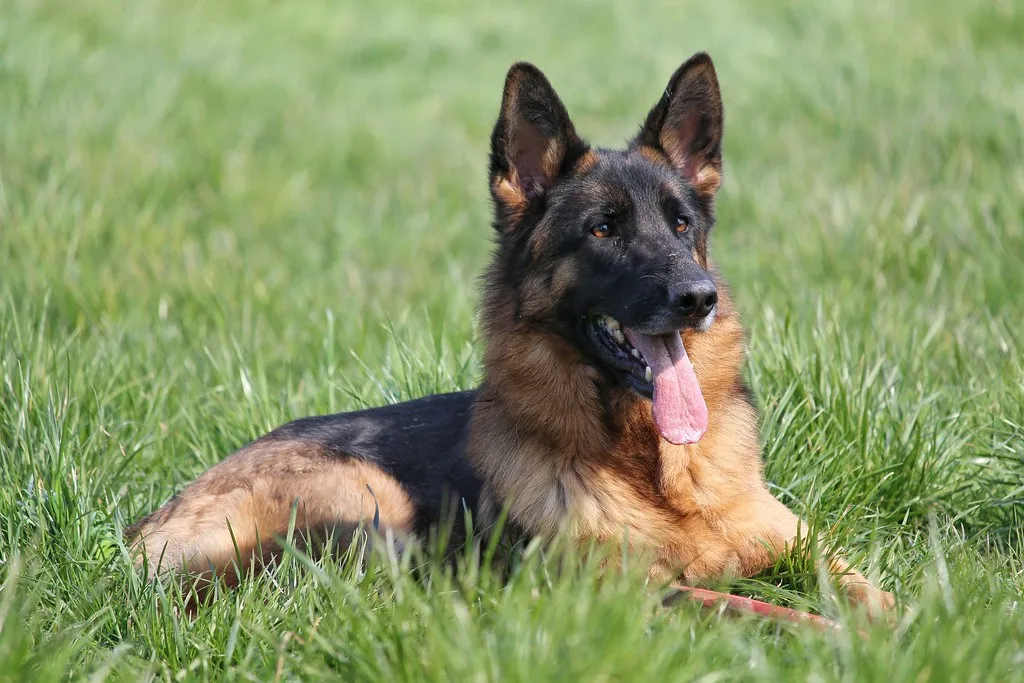
German Shepherds were bred for protection work, and that instinct pushes them toward forming one primary bond rather than spreading loyalty evenly across a household. Rescue organizations regularly see dogs that stop eating, become guarded around a former owner’s scent on old blankets or clothing, or take months just to allow a new person to touch them.
Some never fully transfer that trust. They’ll tolerate a new owner, even become affectionate over time, but they remain, in the truest sense, a one-person dog for the rest of their lives. It isn’t a training failure. It’s simply how deeply the breed is wired to attach.
#3 – Siamese Cats: The Cat That Isn’t Supposed to Care (But Does)
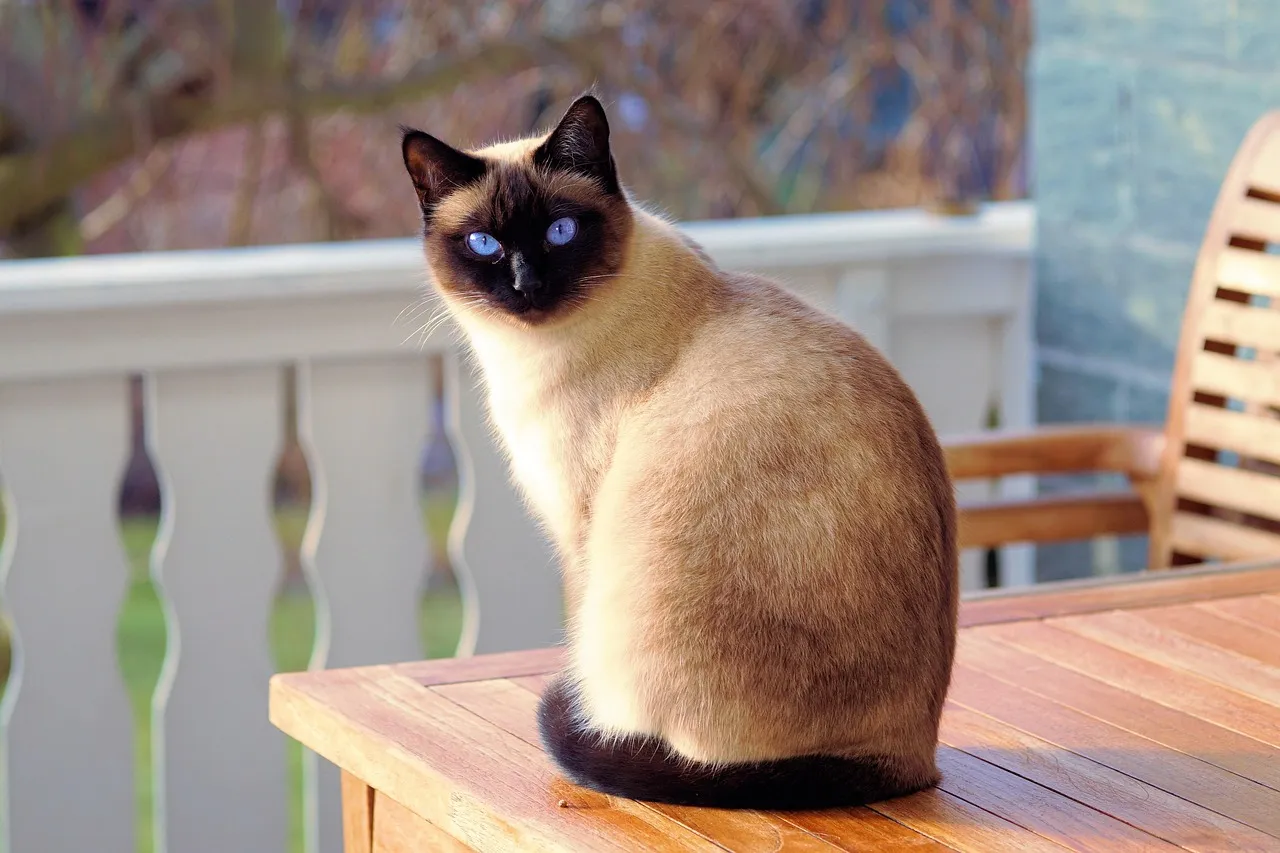
Cats have a reputation for aloofness that Siamese cats spend their entire lives disproving. They’re vocal, demanding, and almost dog-like in how hard they bond to one specific person, following them room to room and vocalizing constantly for attention.
Separate a Siamese from that person, and the stereotype of the independent cat collapses completely. Shelter workers describe cats that stop eating, hide for days, or flatly refuse food offered by new hands, even when they’re clearly hungry. The grief is real, and it doesn’t look anything like indifference.
#2 – Horses: A Herd of One
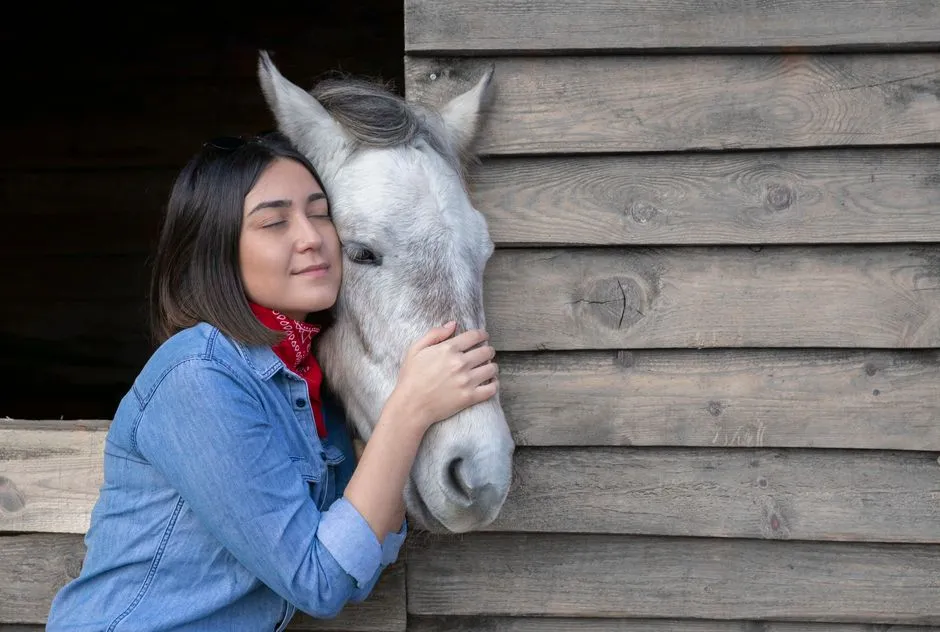
Horses are herd animals by nature, but a previously abused or deeply bonded horse can narrow that instinct down to a single trusted handler. That trust often took years of patient, consistent work to build, one small step at a time, before the horse ever let its guard down.
When that handler disappears, the regression can be immediate. Horses that once stood calmly for grooming suddenly refuse to be caught. Some bolt at the sight of tack they used to accept without hesitation. Rebuilding that foundation with a new person means starting over completely, and there’s no guarantee it ever gets rebuilt to the same depth again.
#1 – Greyhounds: Ex-Racers Who Finally Learned to Love
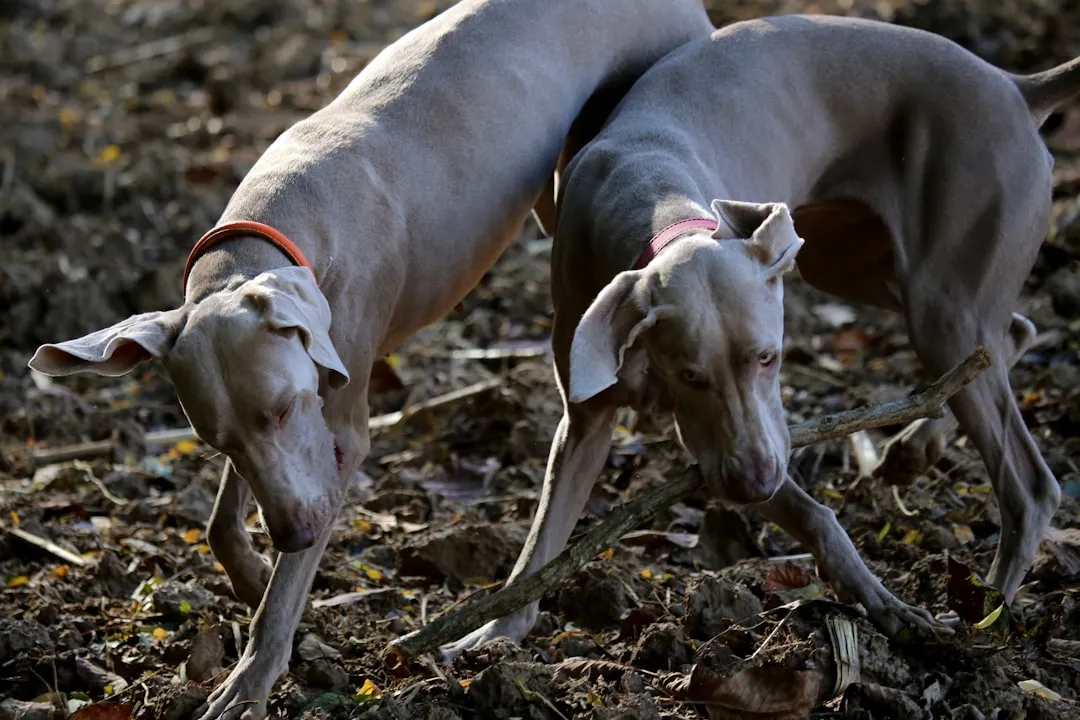
Retired racing Greyhounds often experience real affection for the first time only after adoption, which makes that first bond almost unbearably significant to them. These are dogs that spent years in a working environment with little physical closeness, and suddenly someone is choosing them, every single day.
That’s exactly why rescue workers say rehoming a bonded Greyhound is so brutal. Separation can trigger severe anxiety, refusal to eat, or a dog that simply shuts down and won’t leave its crate. The trust took so long to earn the first time that asking the dog to do it all over again, with a stranger, can feel like asking too much.
Worth Knowing
- Most racing Greyhounds retire and enter adoption between 2 and 5 years old
- Despite their athletic build, they’re famously low-energy homebodies once settled
- Many spent their early years crated with limited one-on-one human contact
- Adoption groups typically recommend slow, structured introductions to a new home
Here’s the uncomfortable truth rescue workers keep running into: some of these bonds shouldn’t be broken in the first place. When an animal’s health and sanity depend on staying with one person, chasing a traditional adoption model isn’t kindness, it’s a slow form of harm dressed up as good intentions. Sanctuaries, permanent foster arrangements, and hospice-style care deserve far more support and funding than they currently get, because for these animals, a stable, unbroken bond isn’t a nice-to-have. It’s the entire treatment plan.
