

In the vast and varied tapestry of the natural world, predators often rely on imposing adaptations like venomous fangs or sharp claws to secure their status at the top of the food chain. However, a fascinating subset of animals harnesses different, yet equally lethal, methods to kill. These creatures remind us that brute strength and venom aren’t always necessary for survival. Here, we delve into the intriguing world of 13 animals that can kill without relying on venom or claws, exploring their unique adaptations and the environments that forged them.
Hippopotamus Territorial Titans

The hippopotamus is often underestimated due to its rotund, languid appearance, but this massive mammal is responsible for more human fatalities in Africa than any other large animal. Weighing up to 3,300 pounds, the hippo uses its sheer size and aggression to defend its territory fiercely. With a bite force that can crush a watermelon like a grape, the hippo’s large incisors and canines are more than enough to demolish potential threats. These creatures are also surprisingly fast and agile over short distances, escaping an unlikely option for provoked intruders.
Elephant Gentle Giants with a Deadly Side

Elephants, the gentle giants of the animal kingdom, can exhibit unexpected acts of aggression. Known for their intelligence and deep familial bonds, elephants can become highly protective and aggressive if they perceive threats to their young or territory. Their sheer size and strength allow them to trample or gore an adversary with frightening ease. In moments of heightened aggression, an elephant’s powerful trunk, capable of lifting over 700 pounds, becomes a formidable weapon.
Box Jellyfish Lethal Adaptation

While box jellyfish do possess venom, it’s not their primary method of killing. Instead, these ethereal sea creatures are masters of stealth and patience. Their almost transparent bodies make them nearly invisible in the water, allowing unsuspecting victims to swim right into their tentacles. Even without utilizing venom, the sheer complexity of the jellyfish’s tentacle array can entangle prey, ultimately leading to its demise from exhaustion and drowning.
Cassowary Flightless Fury

The cassowary, with its striking appearance and prehistoric lineage, might look like a harmless exotic bird. However, this flightless bird is known to be highly territorial and aggressive. While it lacks claws in the traditional sense, the cassowary’s powerful legs and dagger-like inner toe can deliver lethal kicks to potential threats. This aggressive display of power and territorial nature makes it a formidable opponent.
Giant Pangolin Armor-Clad Defense

Giant pangolins, typically known for their distinctive keratin scales, utilize clever defensive tactics rather than offensive attacks. When threatened, they curl into a ball, using their heavy scales like armor. They can deliver lethal injuries with the sheer power and momentum of their weight when rolling downhill or off ledges. Their formidable defensive posture often dissuades predators, making it a highly effective, passive method of survival.
Blue Whale Titanic Tidal Force

The blue whale, the largest animal ever known to exist, doesn’t need venom or claws to demonstrate its power. In their aquatic domain, their immense size and powerful tails can generate tidal forces strong enough to be fatal to smaller creatures unfortunate enough to be in their path. Their monumental mass also means that accidental collisions with this gentle giant can have devastating consequences.
Grizzly Bear Mastodon of the Wilderness

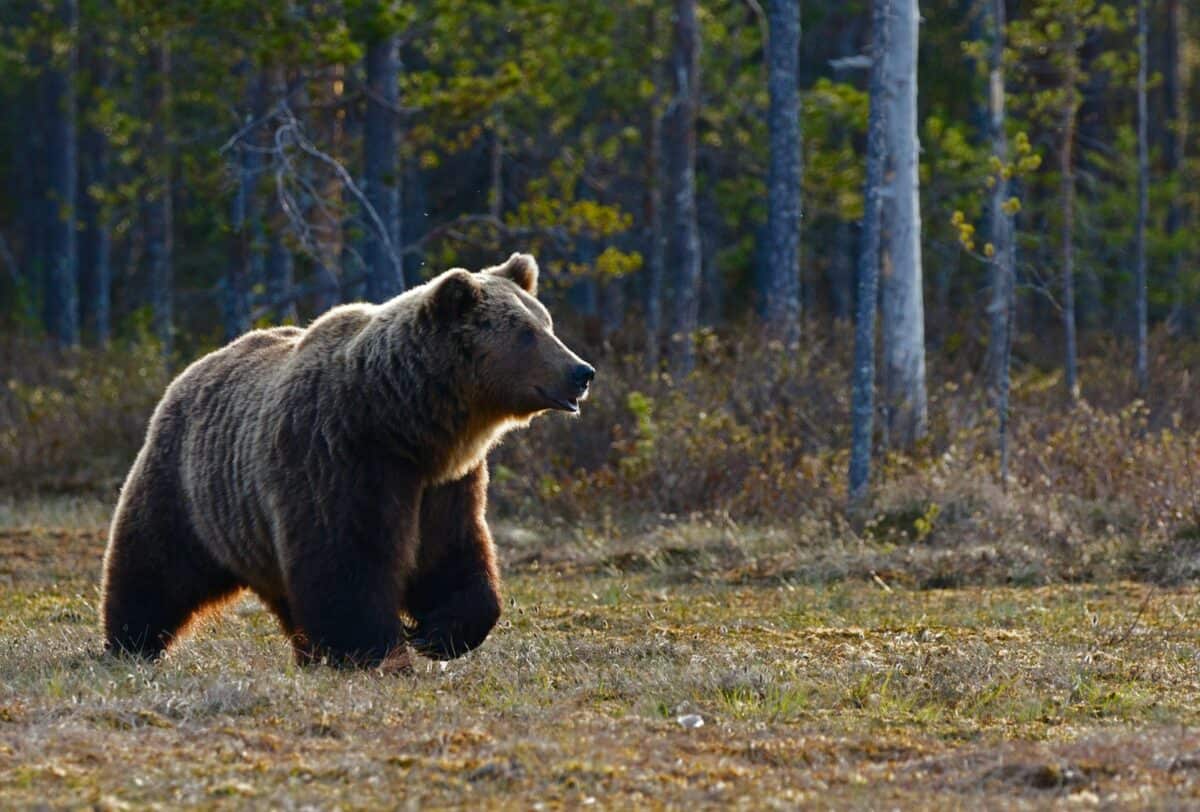
While grizzly bears possess claws, their primary means of killing is through immense power and brute strength. These formidable creatures can crush bones with their strong jaws or disable their prey with a single blow from their powerful limbs. While not as agile as other predators, the sheer force of a grizzly bear can incapacitate or kill swiftly.
Ostrich Swift and Lethal Kicks
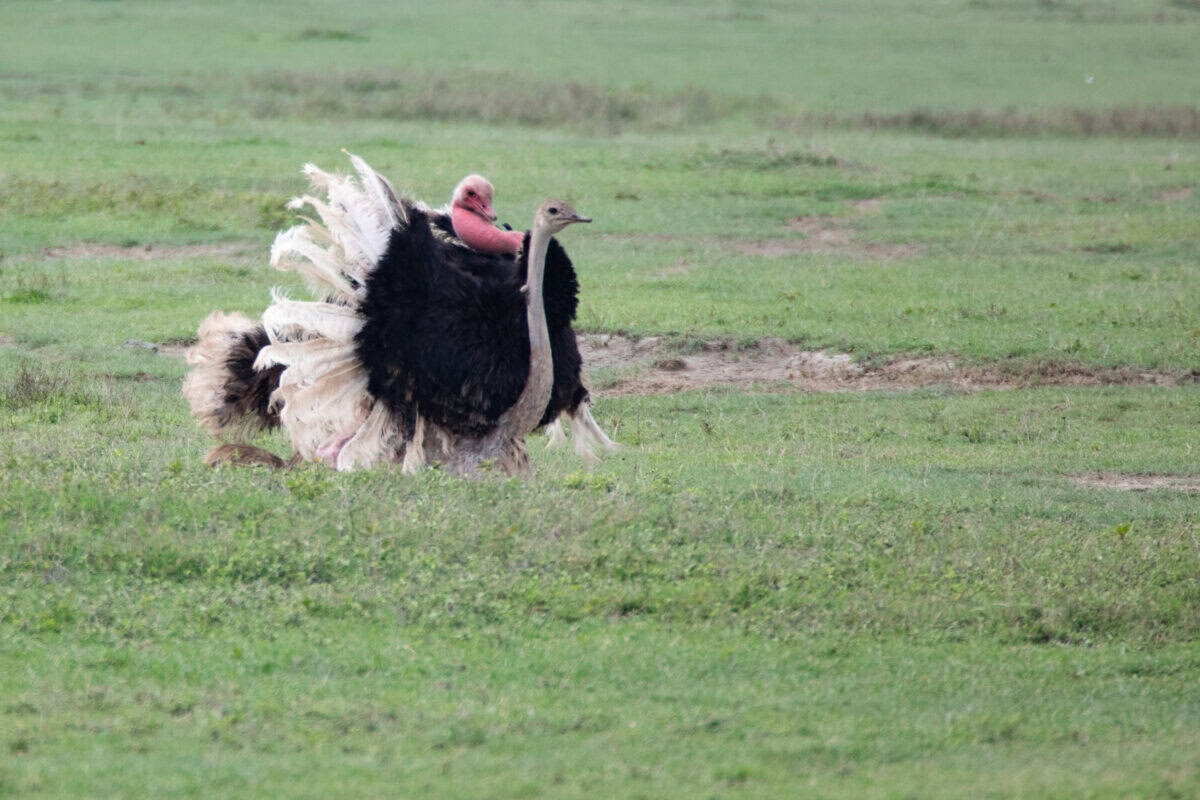
Ostriches, often admired for their long legs and speed, also possess the ability to deliver deadly kicks. Capable of reaching speeds up to 45 miles per hour, ostriches use their muscular legs to deliver strikes that can break bones or disembowel predators. These kicks are employed both defensively and offensively, proving that flightless doesn’t mean defenseless.
Polar Bear Predatory Prowess

Polar bears, the top predators of the Arctic, thrive on their ability to stalk and overpower their prey, primarily seals. Relying on stealth, strength, and patience rather than claws, these bears can swiftly overpower large prey. Their dense strength and explosive power, paired with a calculated approach, make them formidable hunters in one of the harshest climates on Earth.
Hyena Bone-Crushing Bite

Hyenas, often misunderstood creatures, are excellent hunters in their own right. Possessing one of the strongest bites in the animal kingdom, hyenas can crush bones to access nutrient-rich marrow. Their hunting strategy, marked by teamwork and stamina, allows them to bring down large prey by sheer tenacity, often outlasting their prey in long chases.
American Bison Stampede Strategy

American bison, icons of North America’s plains, wield their powerful bulk as a defense mechanism. When threatened, bison can charge at speeds up to 40 miles per hour, using their enormous mass to deliver a devastating impact. This aggressive defensive behavior plays a key role in protecting themselves and their herds from potential threats.
Rhinoceros Defensive Offense

Rhinos, equipped with massive size and strength, rely on their aggressive nature and physical prowess to assert dominance. Despite being primarily herbivorous, a charging rhino is a force of nature. Their powerful horn, though not a claw, can inflict lethal injuries, and their massive body provides momentum enough to topple even large adversaries.
Walrus Titanic Tusk Tactics
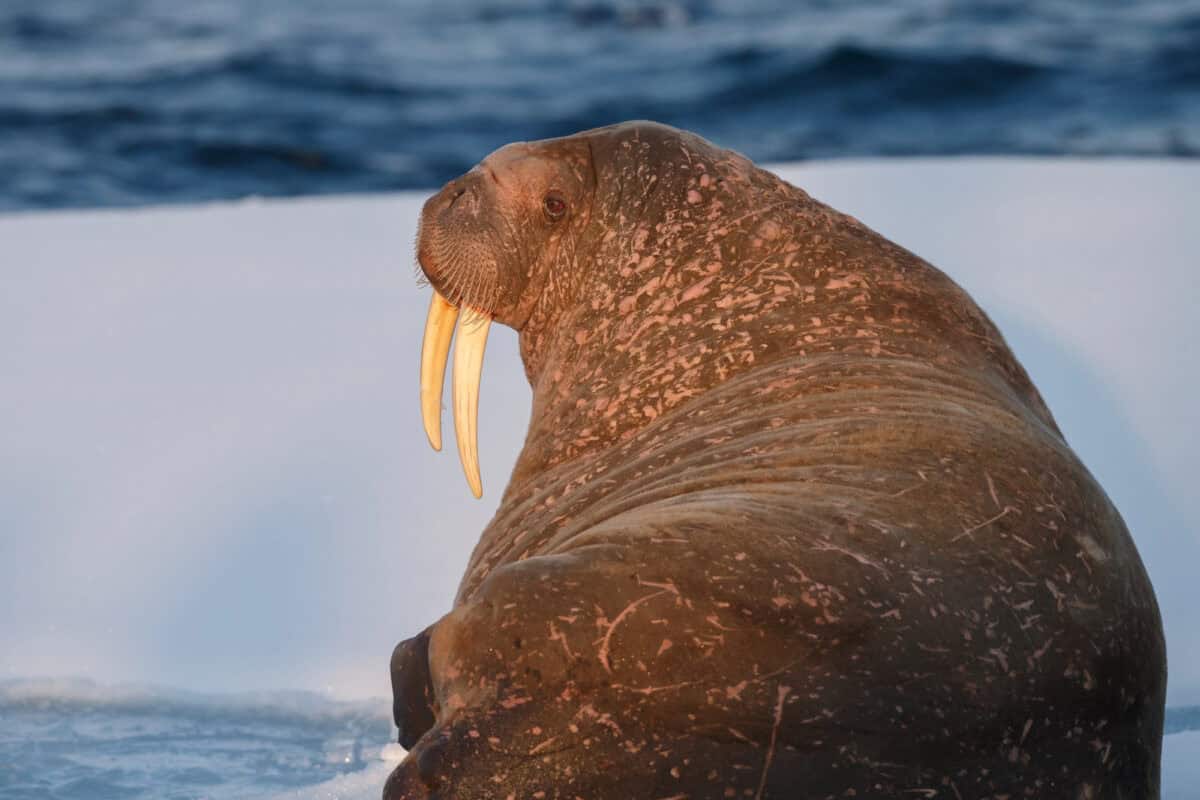
Walruses, with their characteristic tusks, don’t employ them primarily as weapons. However, in territorial disputes or defensive maneuvers, these tusks act as formidable tools against other walruses or intruders. Coupled with their heft and aquatic maneuverability, walruses can become unexpected adversaries to those who threaten their space or safety.
Conclusion:

In the natural landscape, these animals demonstrate that survival is not always dictated by venom or claws. Instead, size, strength, and adaptive strategies play crucial roles in their ability to thrive and protect themselves. Each of these creatures exemplifies nature’s creativity in crafting intricate survival mechanisms, offering a glimpse into the diverse strategies of life. Understanding these animals fosters respect and admiration for their unique roles within Earth’s ecosystems.

As a little kid, I fell in love with nature, wildlife, and animals. Living in the USA, South Africa, Italy, China and Germany gave me the opportunity to discover the world's Wildlife. My favorite animals are Mountain Gorillas, Siberian Tigers, and Great White Sharks.
I'm a certified PADI Open Water Diver, went to Everest Base Camp and Trekked Gorillas in Uganda. I hold a Master of Science in Economics and Finance.
Please send any feedback to feedback@animalsaroundtheglobe.com
- 25 Loyal Dog Breeds That Will Protect You With Their Life - July 21, 2026
- 11 Monkey Antics That Prove They are Our Wildest Relatives - July 21, 2026
- 15 Animals That Plan Their Actions - July 21, 2026
Leave a comment
You must be logged in to post a comment.