

America’s identity is deeply intertwined with its iconic wildlife. From the majestic creatures that adorn official seals to the hardy animals that helped build the nation, these living symbols embody the core values of strength, resilience, and freedom that Americans hold dear. These animals have inspired generations, appeared in art and literature, and continue to represent the American spirit in various ways. This article explores 15 remarkable animals that have come to symbolize American strength and freedom, each with its own unique story and significance to the nation’s heritage.
13. The Bald Eagle America’s National Bird
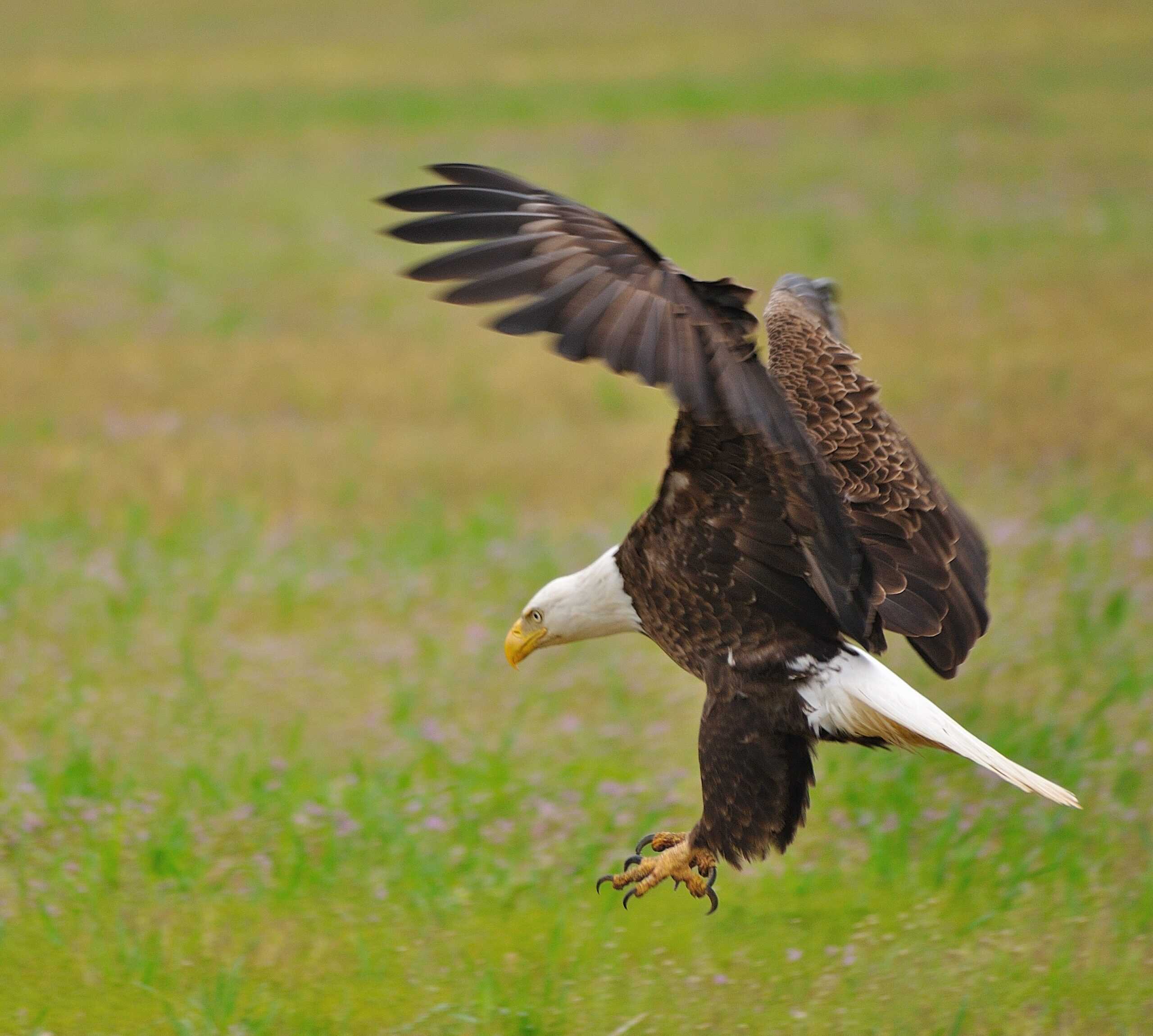
No animal represents American strength and freedom more powerfully than the bald eagle. Adopted as the national emblem in 1782, this magnificent raptor appears on the Great Seal of the United States, presidential seals, and countless official documents. With its impressive seven-foot wingspan, piercing gaze, and distinctive white head, the bald eagle embodies the nobility, power, and independence that America aspires to represent. The founding fathers chose this bird specifically because it’s native to North America and symbolizes strength, longevity, and majesty.
The bald eagle’s journey mirrors America’s own conservation story. Once endangered due to hunting and pesticide use (particularly DDT), this iconic bird made a remarkable comeback thanks to protection under the Endangered Species Act and dedicated conservation efforts. By 2007, it was removed from the endangered species list, with populations now thriving across the continent—a testament to American perseverance and commitment to preserving natural heritage. Today, killing or possessing a bald eagle is a federal offense, highlighting the bird’s sacred status in American culture.
12. The American Bison Symbol of the American Frontier

The American bison, often colloquially called the buffalo, stands as a powerful symbol of the American West and the nation’s frontier spirit. Once numbering in the tens of millions, these massive mammals—weighing up to 2,000 pounds—dominated the Great Plains landscape. Their near extinction in the late 19th century (with numbers dropping below 1,000) and subsequent recovery mirrors America’s growing environmental consciousness. In 2016, the bison was officially designated as the national mammal of the United States, recognizing its cultural, historical, and ecological significance.
For Native American tribes, particularly the Plains Indians, the bison represented life itself, providing food, clothing, shelter, tools, and spiritual significance. The animal’s strength, resilience, and ability to survive harsh conditions parallel American ideals of endurance and adaptability. Today’s conservation efforts have helped bison populations recover to approximately 500,000, though only about 15,000 are true wild bison in conservation herds. The animal appears on state flags, coins, and logos, including that of the Department of the Interior, cementing its status as an enduring symbol of American strength.
11. The Wild Mustang Embodiment of Western Freedom

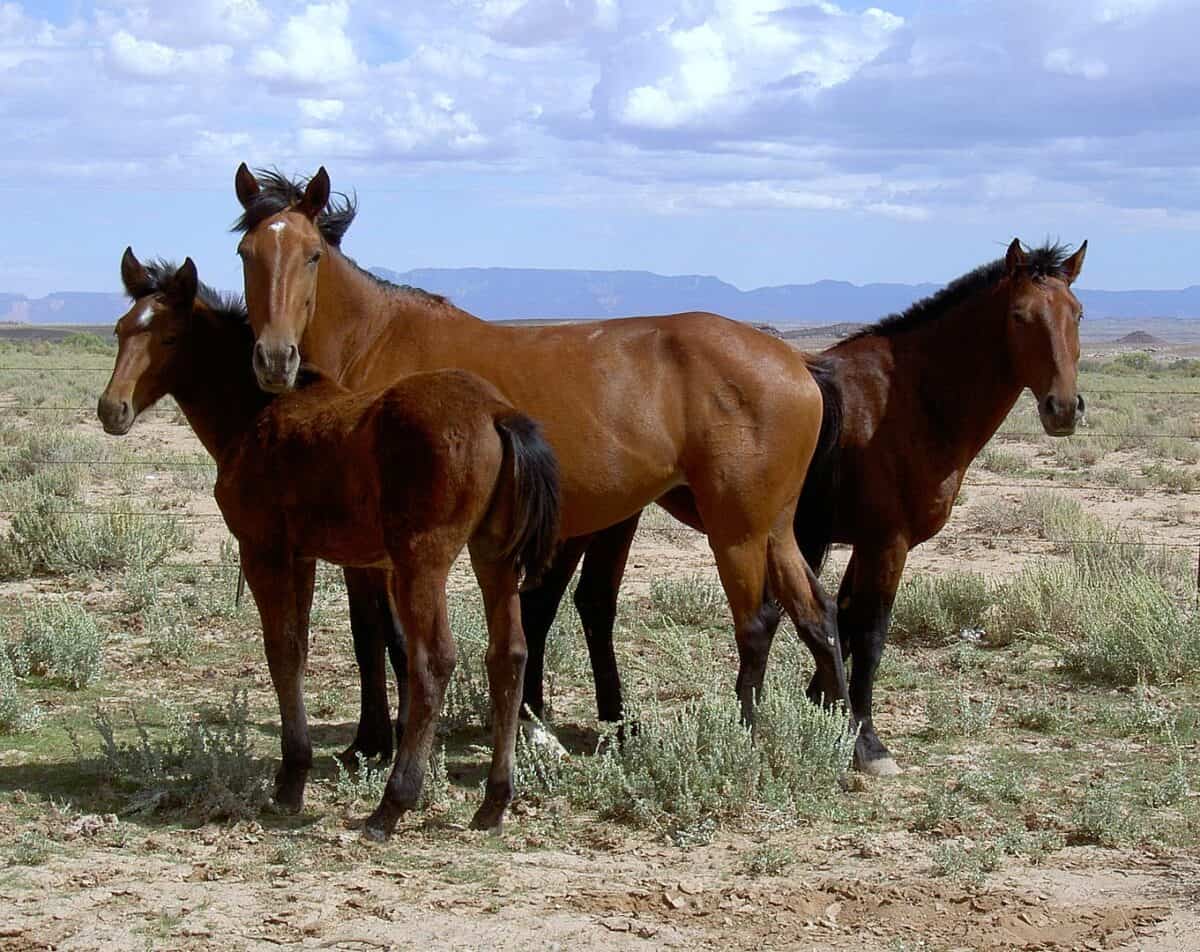
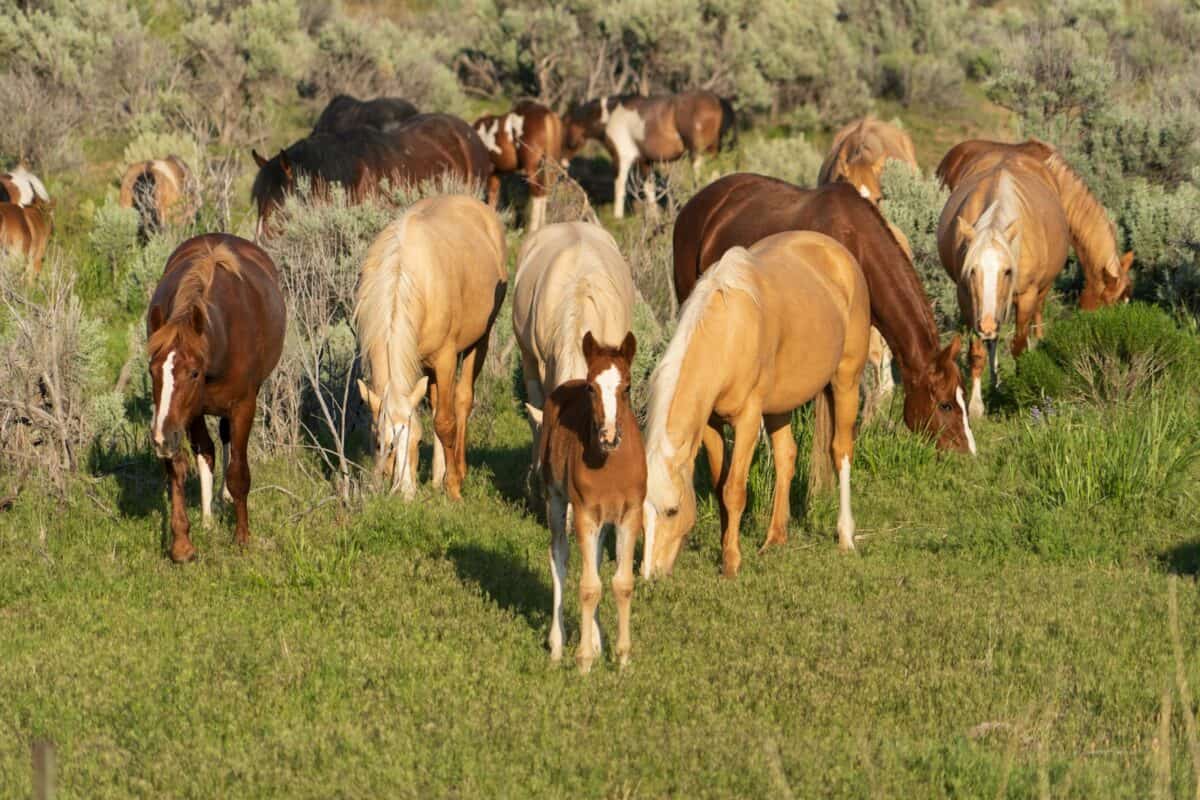
Few images capture the essence of American freedom like that of wild mustangs galloping across the open plains. These free-roaming horses—descendants of those brought to the Americas by Spanish conquistadors in the 16th century—have become powerful symbols of the untamed American West and the pioneering spirit. The word “mustang” derives from the Spanish “mesteño,” meaning wild or stray, and these resilient animals adapted perfectly to the challenging environments of the American wilderness, forming bands that roamed freely across vast territories.
In 1971, Congress passed the Wild Free-Roaming Horses and Burros Act to protect these living symbols of American history and pioneer spirit from capture, branding, harassment, or death. Despite ongoing management challenges and debates about population control, approximately 86,000 wild horses still roam public lands across ten western states, with Nevada hosting the largest population. The mustang’s ability to survive against odds and maintain its freedom despite encroaching civilization resonates deeply with American values of independence and self-determination, making it an enduring symbol in American culture, art, and literature.
10. The Grizzly Bear Icon of American Wilderness

The grizzly bear stands as a formidable symbol of America’s wild, untamed landscapes and the raw power of nature. With its massive build—males can weigh up to 700 pounds—distinctive shoulder hump, and fearsome reputation, the grizzly embodies primal strength and commands respect. Native to western North America, these magnificent bears once roamed across half the continent but are now primarily found in Alaska, western Canada, and portions of the northwestern United States. Their ability to thrive in harsh environments showcases the resilience Americans admire.
Grizzlies hold significant cultural importance in Native American traditions, often symbolizing physical strength, leadership, and courage. Their image appears on the California state flag (despite being extinct there since 1924) and serves as mascots for numerous American sports teams and institutions. Conservation efforts have helped stabilize certain populations, particularly in the Greater Yellowstone Ecosystem, where numbers have increased from fewer than 200 in the 1970s to approximately 700 today. The ongoing debates about grizzly bear protection reflect broader American conversations about balancing development with conservation, making these bears living symbols of America’s relationship with its wilderness heritage.
9. The Alligator Southern Resilience and Survival
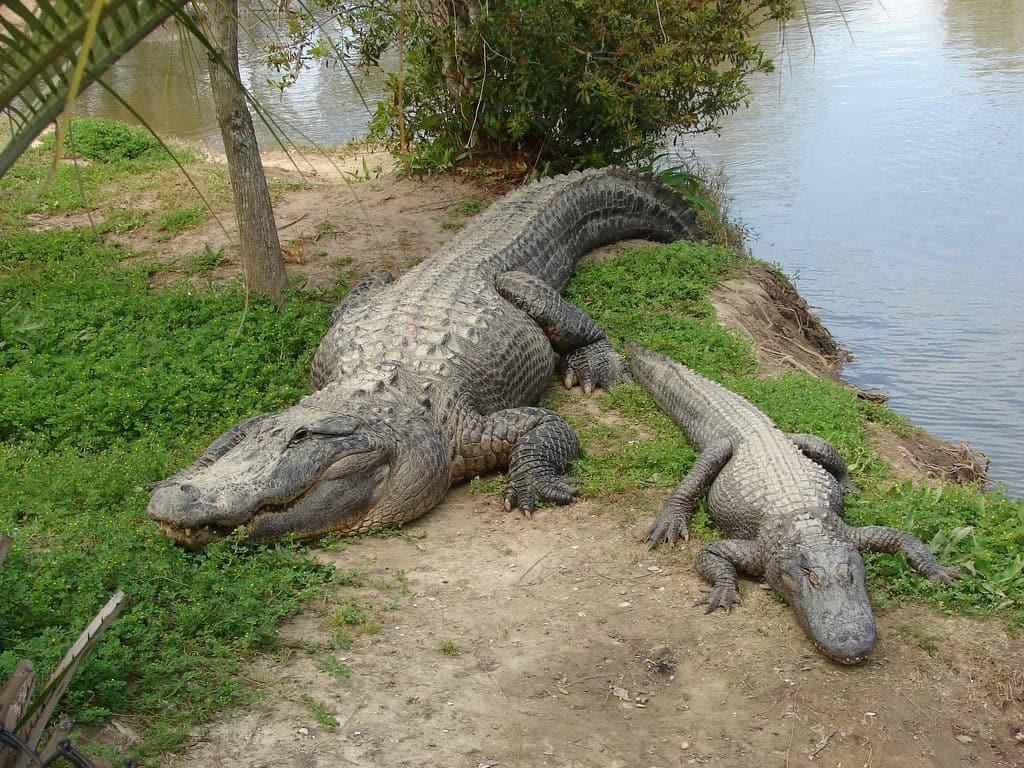
The American alligator represents a remarkable conservation success story and embodies the resilience of the American South. These prehistoric-looking reptiles, which can grow up to 15 feet long and live for more than 50 years, have inhabited the southeastern United States for millions of years. By the 1960s, alligators were hunted to near-extinction for their valuable hides, but protection under the Endangered Species Act in 1973 allowed populations to recover dramatically. Today, over 5 million alligators thrive across their range, demonstrating nature’s resilience when given proper protection.
Culturally, alligators have become emblematic of southern identity, particularly in states like Florida and Louisiana, where they feature prominently in tourism, sports mascots, and regional pride. The University of Florida “Gators” is perhaps the most famous example of the alligator’s status as a symbol of strength and intimidation. These ancient reptiles have survived multiple mass extinctions and adapted to changing environments over millions of years—a testament to endurance that resonates with American values of persistence and survival against odds. Their comeback story also reflects America’s capacity for environmental stewardship when committed to conservation.
8. The Wild Turkey Benjamin Franklin’s Preferred National Bird
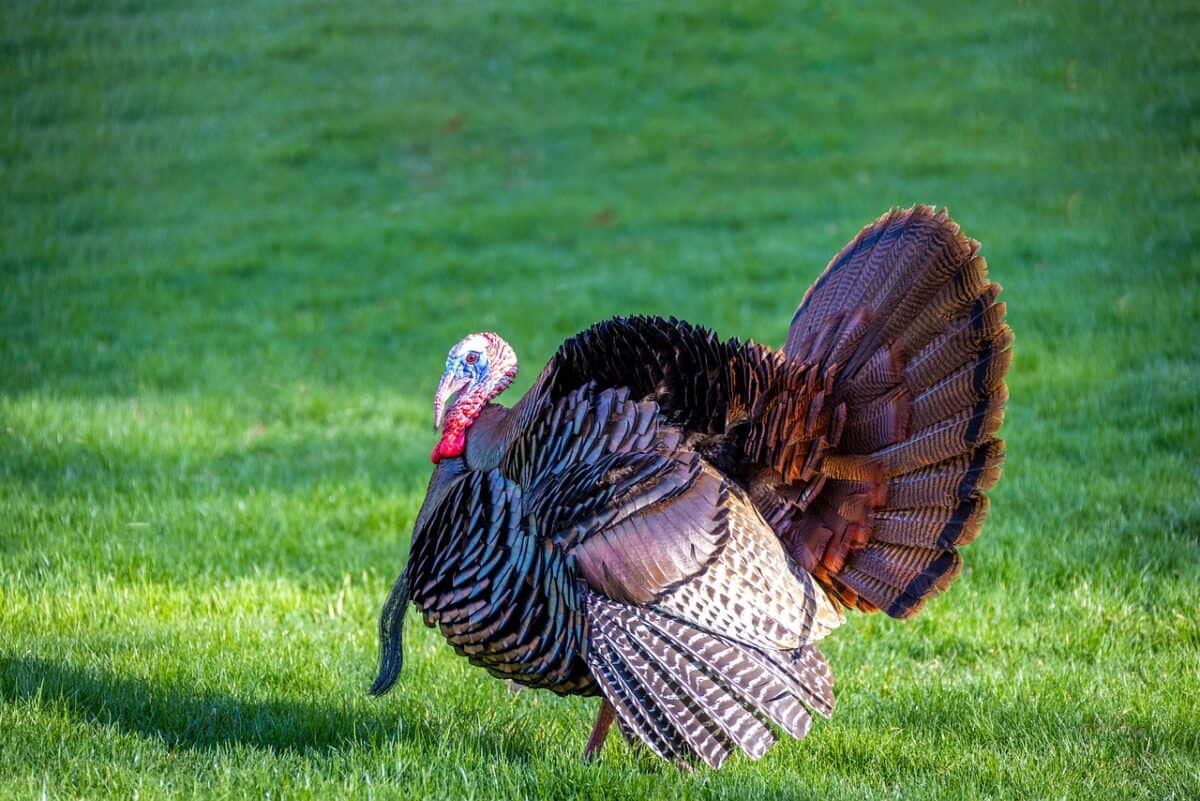
While the bald eagle ultimately became America’s national bird, Benjamin Franklin famously advocated for the wild turkey, considering it a more respectable bird and a true native of America. In a letter to his daughter, Franklin described the turkey as “a much more respectable Bird, and withal a true original Native of America… He is besides, though a little vain & silly, a Bird of Courage.” This native North American game bird played a crucial role in early American history, providing sustenance for Native Americans and European settlers alike, and is widely believed to have been served at the first Thanksgiving celebration.
Like many American wildlife species, wild turkeys experienced severe population declines in the early 20th century due to overhunting and habitat loss, with numbers dropping to approximately 30,000 nationwide. Through dedicated conservation efforts, trap-and-transfer programs, and habitat protection, wild turkey populations have rebounded spectacularly to more than 7 million birds today. This conservation success story mirrors America’s own narrative of resilience and recovery. Turkeys continue to hold cultural significance through their association with Thanksgiving, a uniquely American holiday celebrating gratitude and abundance, further cementing their status as a symbol of American heritage and perseverance.
7. The North American Wolf Spirit of the Wilderness
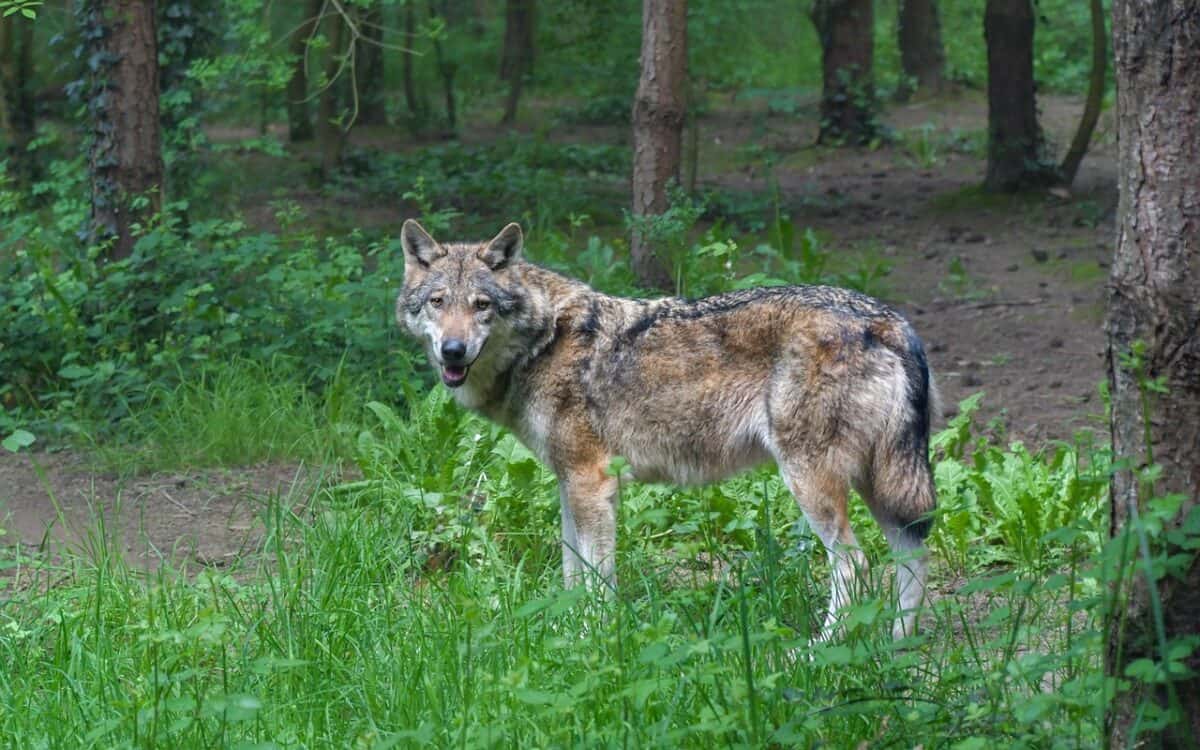
The gray wolf embodies the untamed wilderness that once defined much of North America and continues to represent freedom in the American consciousness. These intelligent, social predators once ranged across most of the continent but were systematically exterminated from most of the lower 48 states by the mid-20th century through government-sponsored eradication programs. Their howl—perhaps nature’s most iconic sound—evokes both the freedom of wild spaces and a primordial connection to the land that resonates deeply in American cultural identity.
Wolves have experienced a dramatic reversal in public perception over the past century, transformed from feared predators to revered symbols of wilderness preservation. Their reintroduction to Yellowstone National Park in 1995 represents one of America’s most significant—and controversial—wildlife restoration efforts, demonstrating both the possibility of ecological recovery and the tensions inherent in balancing human interests with wildlife conservation. Native American traditions have long honored wolves for their family bonds, hunting prowess, and spiritual significance. Today, approximately 18,000 wolves inhabit the United States (primarily in Alaska, Minnesota, Wisconsin, Michigan, Montana, Idaho, and Wyoming), standing as living symbols of America’s evolving relationship with predators and the wild landscapes they inhabit.
6. The Mustang America’s Sports Car Legacy
While not a living animal, the Ford Mustang draws its name and spirit from the wild horses that symbolize American freedom. Since its introduction in 1964, this iconic American sports car has embodied the spirit of the open road and individual freedom that Americans cherish. The Mustang’s unveiling at the World’s Fair represented American industrial might and innovation, while its affordable price made the thrill of sports car ownership accessible to average Americans. Its wild horse logo and name deliberately evoke the untamed spirit of the American West.
The Mustang has remained in continuous production for over 55 years, making it one of the longest-running automotive nameplates in history. Having sold more than 10 million units, it has transcended its status as merely a vehicle to become a cultural icon representing American design, manufacturing prowess, and the freedom of the highway. The car’s appearance in countless films, songs, and artworks has cemented its place in American pop culture. Like its animal namesake, the Mustang represents independence, power, and the distinctly American desire to move freely and quickly across vast distances—making it both a product and a symbol of American values.
5. The Bighorn Sheep Symbol of Mountain Wilderness
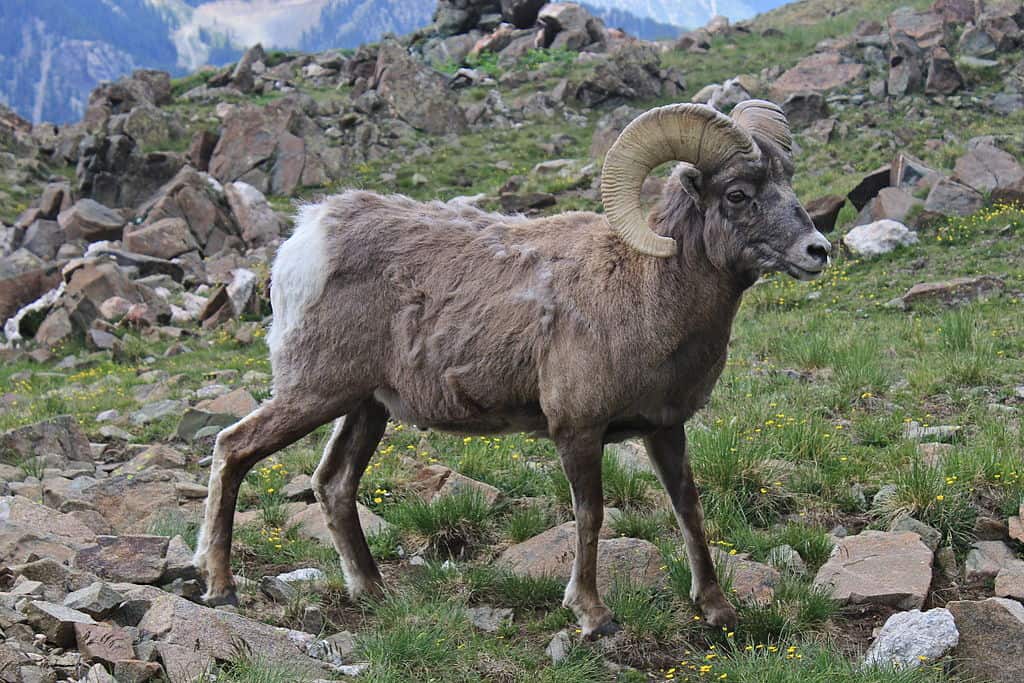
The bighorn sheep, with its massive curved horns and remarkable climbing abilities, symbolizes the rugged mountain wilderness of North America and the tenacity required to thrive in extreme environments. Males can weigh up to 300 pounds and carry horns weighing up to 30 pounds, yet these animals navigate precipitous cliffs with astonishing agility. Native to the Rocky Mountains, Sierra Nevadas, and desert mountains of the Southwest, bighorn sheep demonstrate exceptional adaptation to some of America’s most challenging landscapes.
These magnificent animals suffered catastrophic population declines following European settlement, with numbers falling from an estimated 1.5-2 million to fewer than 70,000 today due to overhunting, disease transmitted from domestic sheep, and habitat fragmentation. Conservation efforts have helped stabilize and restore some populations, particularly the Rocky Mountain bighorn subspecies. The bighorn sheep appears as the state animal of Colorado and Nevada and on the flag of the Ute Mountain Tribe, reflecting its cultural significance to western states and Native American tribes. Their ability to thrive in seemingly inhospitable environments embodies the pioneering spirit and resilience that Americans admire, making them living symbols of America’s mountain heritage.
4. The Alaskan Malamute America’s Arctic Working Dog
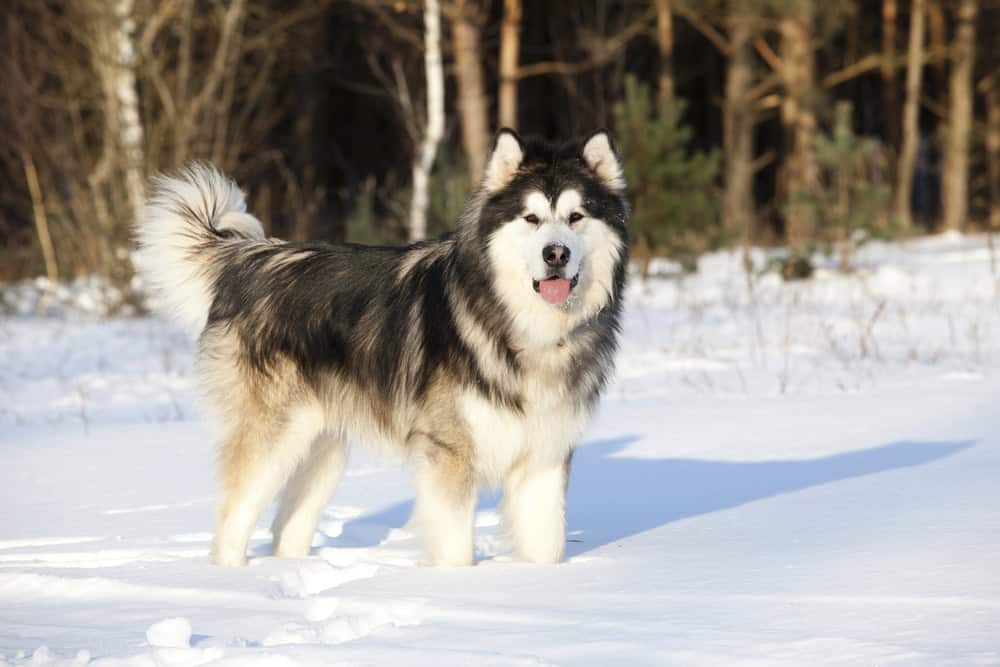
The Alaskan Malamute, one of the oldest Arctic sled dog breeds, represents American ingenuity and partnership with animals in conquering harsh environments. Developed by the Mahlemut Inuit people of Alaska’s Norton Sound region, these powerful, wolf-like dogs were bred for strength and endurance rather than speed. With their thick double coats, powerful builds, and ability to pull heavy loads across frozen landscapes, malamutes played an essential role in Arctic exploration, the Alaskan Gold Rush, and the settlement of America’s last frontier.
During World War II, Alaskan Malamutes served the American war effort as search and rescue dogs, pack animals, and freight haulers in Arctic regions. In 2010, Alaska officially designated the Alaskan Malamute as its state dog, recognizing the breed’s historical significance to the state’s development. The malamute’s loyalty, work ethic, and ability to thrive in extreme conditions embody the frontier spirit that shaped American identity. Unlike dogs bred purely for speed or companionship, the malamute represents the working partnership between humans and animals that made survival possible in America’s harshest environments, symbolizing the practical adaptability and resilience that characterize the American spirit.
3. The Mountain Lion Solitary Symbol of American Wilderness

The mountain lion—also known as cougar, puma, panther, or catamount—embodies the mysterious, independent spirit of American wilderness. As North America’s largest wildcat and most widely distributed native land mammal in the Western Hemisphere, these solitary predators once roamed throughout the United States. With their strength, stealth, and adaptability, mountain lions can thrive in diverse habitats from deserts to mountains and forests, traveling up to 25 miles in a single night. Their elusive nature and solitary hunting style have made them symbols of self-reliance and freedom in American wildlife lore.
Mountain lions hold significant places in Native American mythology, often representing power, leadership, and strength. Though eliminated from most eastern states by the early 1900s, an estimated 30,000 mountain lions still inhabit western states, with small populations surviving in Florida (the endangered Florida panther) and possibly in eastern regions. Conservation efforts have helped stabilize some populations, though these big cats continue to face challenges from habitat fragmentation and conflicts with humans. Their persistent survival despite centuries of persecution reflects the resilience Americans admire, while their independent nature mirrors the self-reliance valued in American culture, making them powerful symbols of America’s wild spirit.
2. The Wild Salmon Icon of Northwestern Abundance
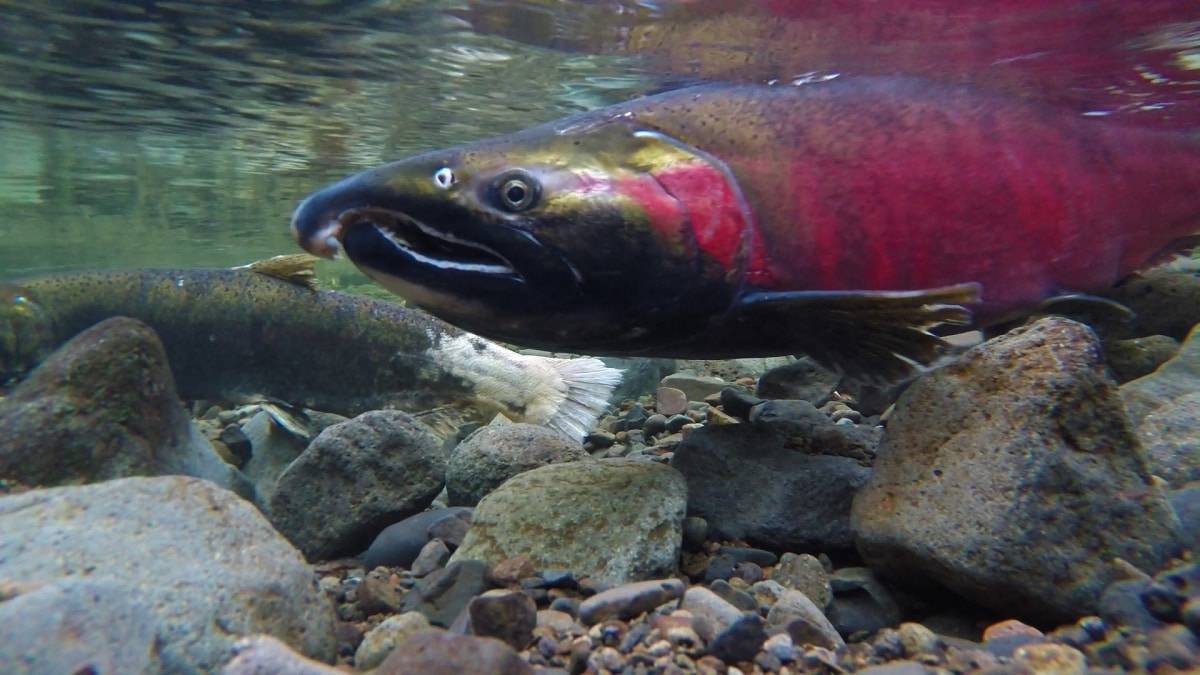
Wild salmon embody America’s natural abundance and the intricate connection between healthy ecosystems and human prosperity. These remarkable fish, which migrate from the ocean to freshwater rivers to spawn, have sustained indigenous cultures of the Pacific Northwest for thousands of years, playing central roles in tribal economies, diets, and spiritual practices. The salmon’s extraordinary life cycle—hatching in freshwater streams, migrating to the ocean to mature, then returning to their birthplace to reproduce and die—represents cycles of renewal and sacrifice that resonate deeply in American conservation ethics.
Salmon populations have declined dramatically due to dams, habitat degradation, overfishing, and climate change, with some runs dropping to less than 10% of their historical numbers. This decline has prompted substantial conservation efforts, including dam removals, habitat restoration, and fishing regulations. The salmon’s cultural significance extends beyond indigenous communities to define regional identity throughout the Pacific Northwest, appearing on state quarters, public art, and as mascots. Their annual migrations represent freedom of movement and the interconnectedness of ecosystems, while their ability to navigate back to their birthplaces across thousands of miles symbolizes an unerring sense of home and purpose—values that resonate with American ideals of determination and belonging.
1. The Whooping Crane America’s Conservation Emblem

Standing five feet tall with a seven-foot wingspan, the whooping crane—North America’s tallest bird—represents both the fragility of natural systems and the power of American conservation efforts. These majestic white birds with distinctive red crowns teetered on the brink of extinction in the 1940s, when their population dwindled to just 15 individuals. Through one of the most intensive and innovative conservation programs in history—involving captive breeding, habitat protection, and even teaching migration routes using ultralight aircraft—whooping crane numbers have increased to approximately 800 birds today, though they remain endangered.
The whooping crane’s recovery story embodies American ingenuity, persistence, and commitment to preserving natural heritage against seemingly impossible odds. Their annual migrations between Canada and the United States represent freedom of movement across political boundaries and the importance of international cooperation in conservation. The ongoing effort to save this iconic species has inspired technological innovations, policy changes, and public engagement with conservation issues. The crane’s graceful appearance and haunting call make it a charismatic ambassador for American wetlands and wildlife, while its slow but steady recovery symbolizes hope for other endangered species—reflecting America’s optimistic belief that dedication and innovation can overcome even the most daunting environmental challenges.
Conclusion:
Throughout American history and culture, animals have played a powerful role in symbolizing the nation’s core values of strength, freedom, resilience, and independence. From the bald eagle soaring above mountain peaks to the mighty bison roaming the plains, these creatures reflect the diverse landscapes and enduring spirit of the United States. Each animal on this list carries a unique story and connection to the American identity, serving as a living emblem of the country’s ideals.
As we honor these symbolic animals, it’s also important to recognize the responsibility that comes with their significance. Many of these species face threats from habitat loss, climate change, and human activity. Protecting them is not only vital to preserving biodiversity but also to safeguarding the values they represent. By valuing and conserving these iconic creatures, we continue to uphold the spirit of freedom and strength they so powerfully embody.

As a little kid, I fell in love with nature, wildlife, and animals. Living in the USA, South Africa, Italy, China and Germany gave me the opportunity to discover the world's Wildlife. My favorite animals are Mountain Gorillas, Siberian Tigers, and Great White Sharks.
I'm a certified PADI Open Water Diver, went to Everest Base Camp and Trekked Gorillas in Uganda. I hold a Master of Science in Economics and Finance.
Please send any feedback to feedback@animalsaroundtheglobe.com
- 12 Animals That Look Like Monsters - July 17, 2026
- 13 Animals With Record-Breaking Speed or Strength - July 17, 2026
- The Most Camouflaged Creature Lurking in Pacific Waters - July 17, 2026
Leave a comment
You must be logged in to post a comment.