
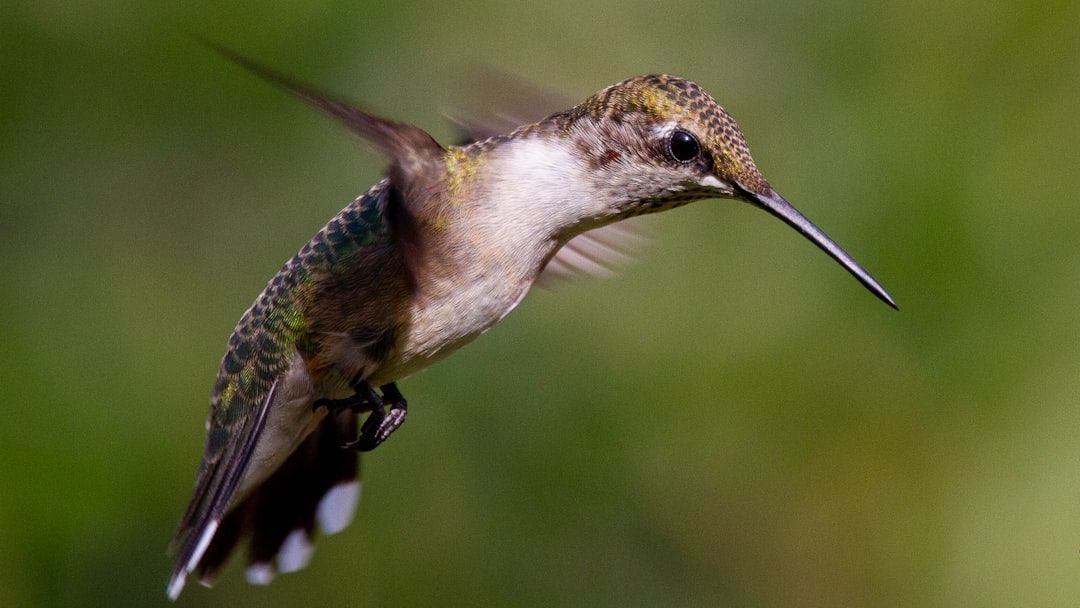
Most people who keep a garden know the basic script: hummingbirds show up, they hover at the feeder, they vanish in a blur. It feels like a magic trick repeated on a loop, and after a while, many gardeners stop really watching. That’s exactly when the strangest part begins.
Hummingbirds do things during summer that seem almost too odd to be real. They sleep upside down. They steal from woodpeckers. They build nests held together by spider silk. These behaviors happen right in ordinary backyards, in plain daylight, and most people walk right past them without a second glance.
They Fall Into a Zombie-Like Sleep State, Even in Summer Heat
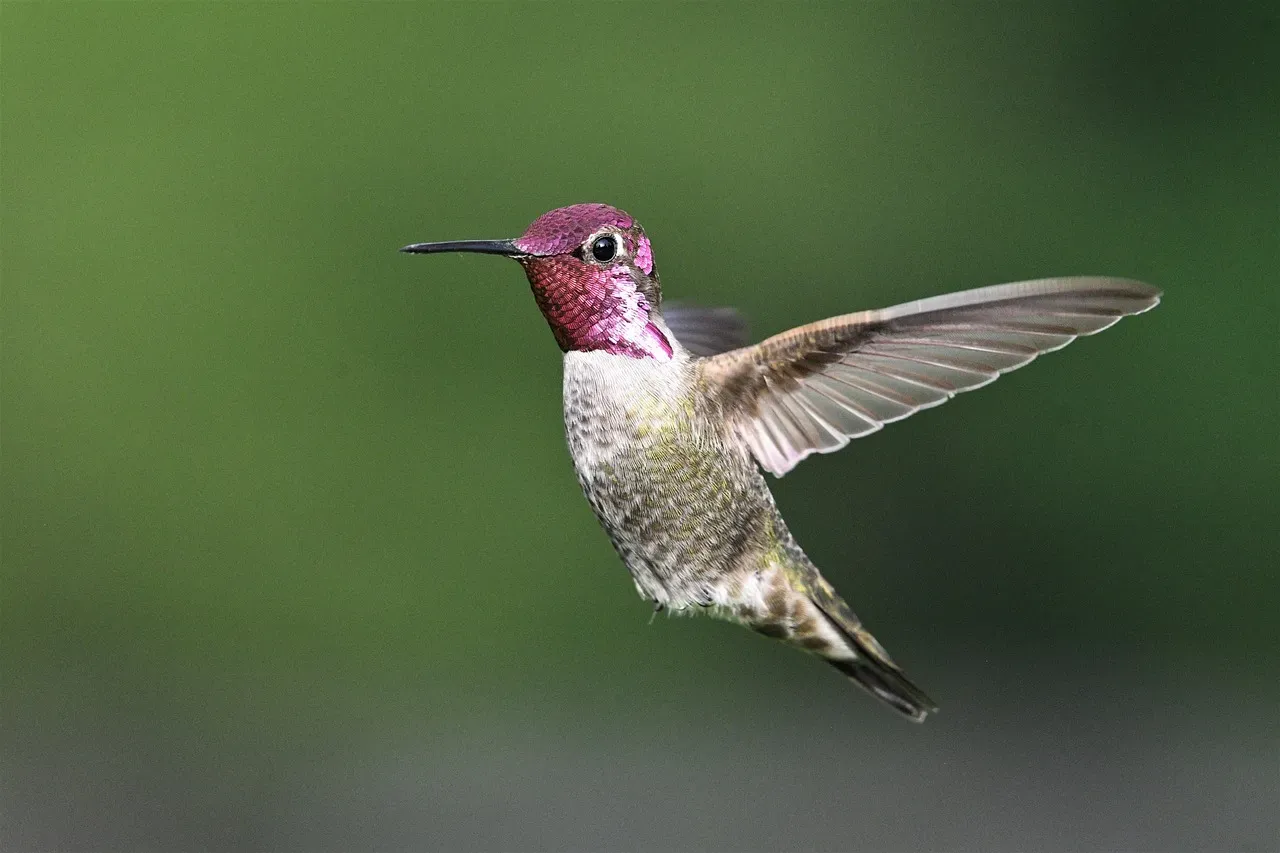
Torpor is a state of lowered body temperature and metabolic activity that allows hummingbirds to conserve energy. While it occurs most often in cold conditions, it can sometimes happen during hot days as well. Most gardeners assume this is a cold-weather-only trick, but that’s not quite right.
Torpor in hummingbirds follows seasonal rules. In early and mid-summer, when male hummingbirds stay light and agile to defend their turf and court mates, they use torpor to survive so-called “energy emergencies,” a state that kicks in when their fat levels drop below five percent of their body mass.
The normal daytime body temperature of a hummingbird is more than 100 degrees Fahrenheit, even in colder weather. During shallow torpor, its body temperature drops by about 20 degrees F, and in deep torpor, the bird maintains a body temperature 50 degrees F below its normal daytime temperature. That’s a physiological feat that genuinely baffles researchers.
They Hang Upside Down Like Tiny Acrobats
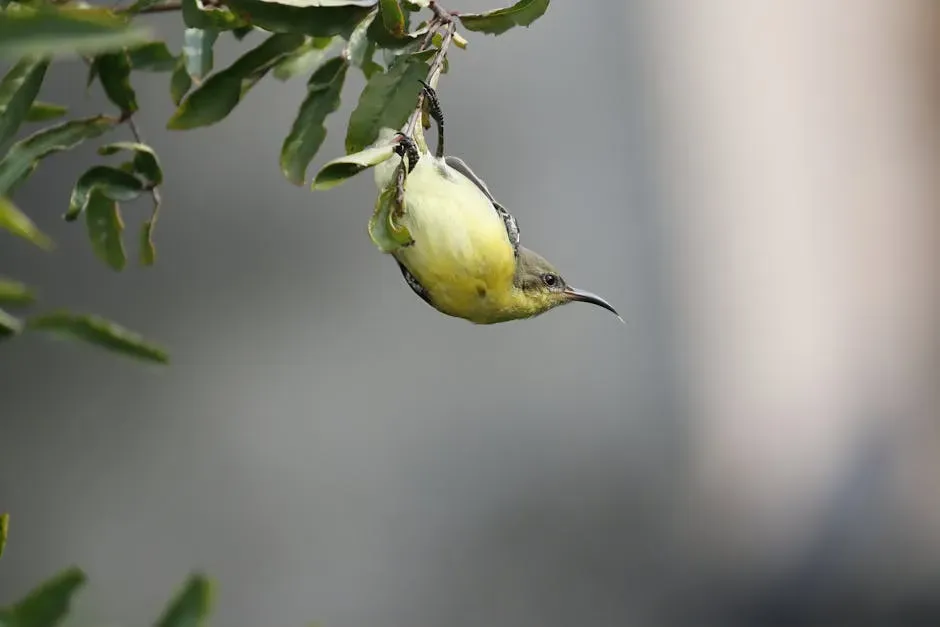
During hummingbird torpor, metabolism lowers and body temperature and heart rate drop. A female hummingbird can land on the feeder, slowly lean back and eventually end up upside down, ignoring other birds entirely, before flying away after a few minutes. Most gardeners who witness this assume the bird is injured or dying.
This odd behavior happens because hummingbirds have weak feet and extreme variations in energy levels. When they enter torpor to conserve energy, their feet automatically clamp down, but on a smooth perch, they may slip and wind up hanging upside down. Usually this doesn’t last long, and the bird is no worse off when it awakens.
They Raid Woodpecker Wells for a Free Meal
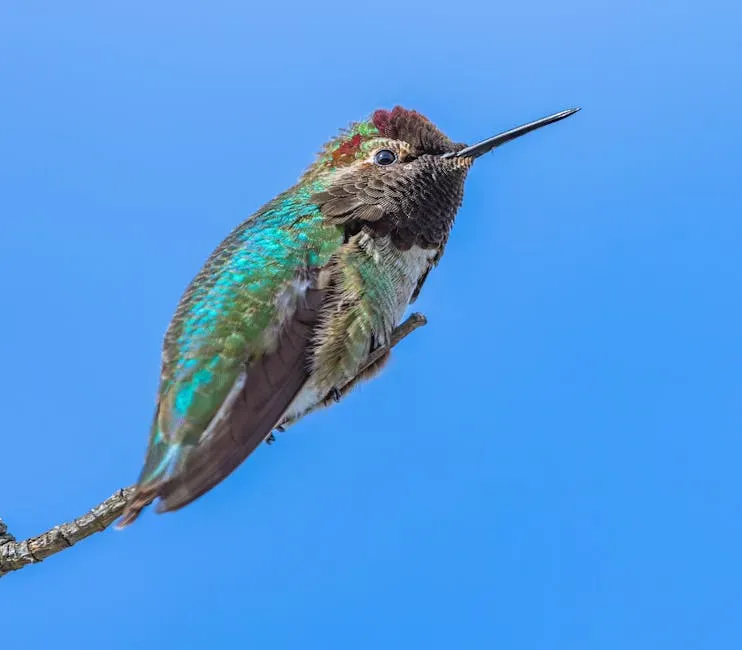
In northern and high-elevation areas, hummingbirds depend upon sap-wells of woodpeckers known as sapsuckers. The woodpeckers keep the sugary sap of trees flowing, and the hummingbirds sneak in to take advantage of the woodpeckers’ work. It’s opportunistic in the most brazen possible way.
This behavior is especially common during early summer when nectar sources are still establishing. Hummingbirds consume about half their body weight in bugs and nectar, feeding every 10 to 15 minutes and visiting enormous numbers of flowers throughout the day. In addition to nectar from flowers and feeders, these birds also eat small insects, beetles, ants, aphids, gnats, mosquitoes, and wasps. A sapsucker’s well is simply another buffet table.
They Hunt Insects in Midair Like Miniature Falcons
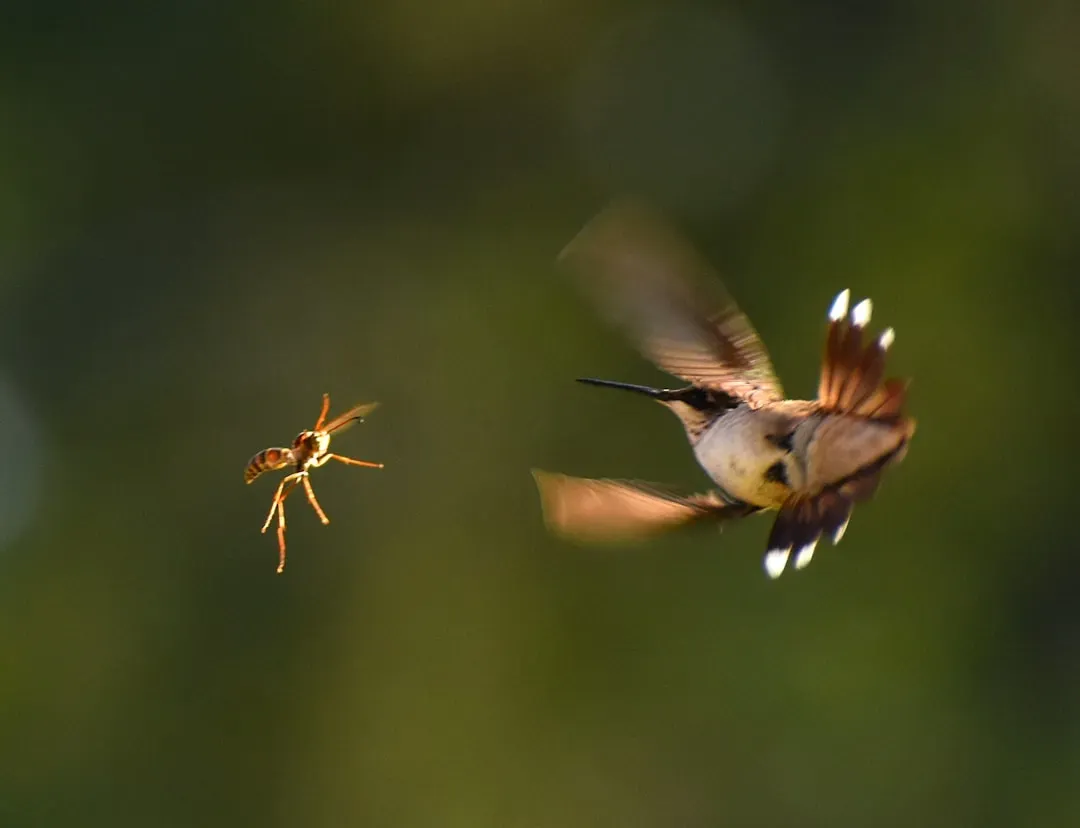
Hummingbirds don’t always depend entirely on flowers. During the breeding season, in particular, hummingbirds hover mid-air and catch small flying insects to eat and feed to their nestlings. Most gardeners never connect the hovering bird near their porch light to an active hunting session.
In addition to sipping nectar, hummingbirds can consume two to three times their body weight daily in small insects and spiders. That protein is critical during summer nesting. Without insects, nestlings simply can’t develop properly, which is one reason pesticide use in hummingbird gardens is genuinely counterproductive.
They Collect Spiderwebs With a Sweeping Dance
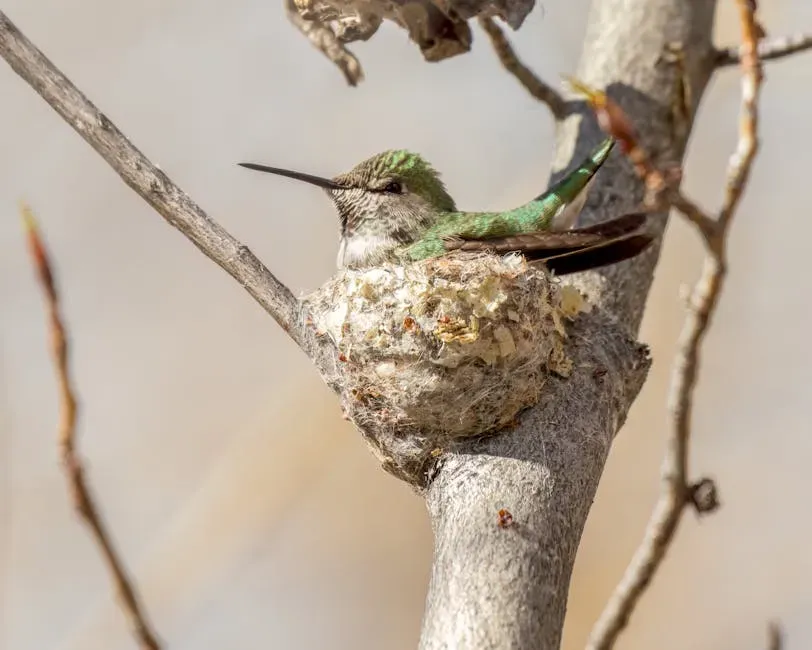
Female hummingbirds spend several days gathering spiderwebs and soft plant parts to build a tiny cup-shaped nest. When nearly finished, they adorn the outside with bits of gray-green lichen that camouflage the nest. When hovering around eaves or garden corners, a female is often collecting spiderwebs and possibly making a meal of the protein-rich spiders that made them.
Hummingbirds prefer gathering certain types of spider webs, specifically cribellate silk produced with a specialized comb-like organ that creates thousands of nano-scale silk fibers which stick together electrostatically. The female gathers spider webs in her beak with a kind of sweeping motion of her body. So that cobweb you almost swept away with a broom? It may have been someone’s future home.
They Build Nests That Expand Like Living Architecture
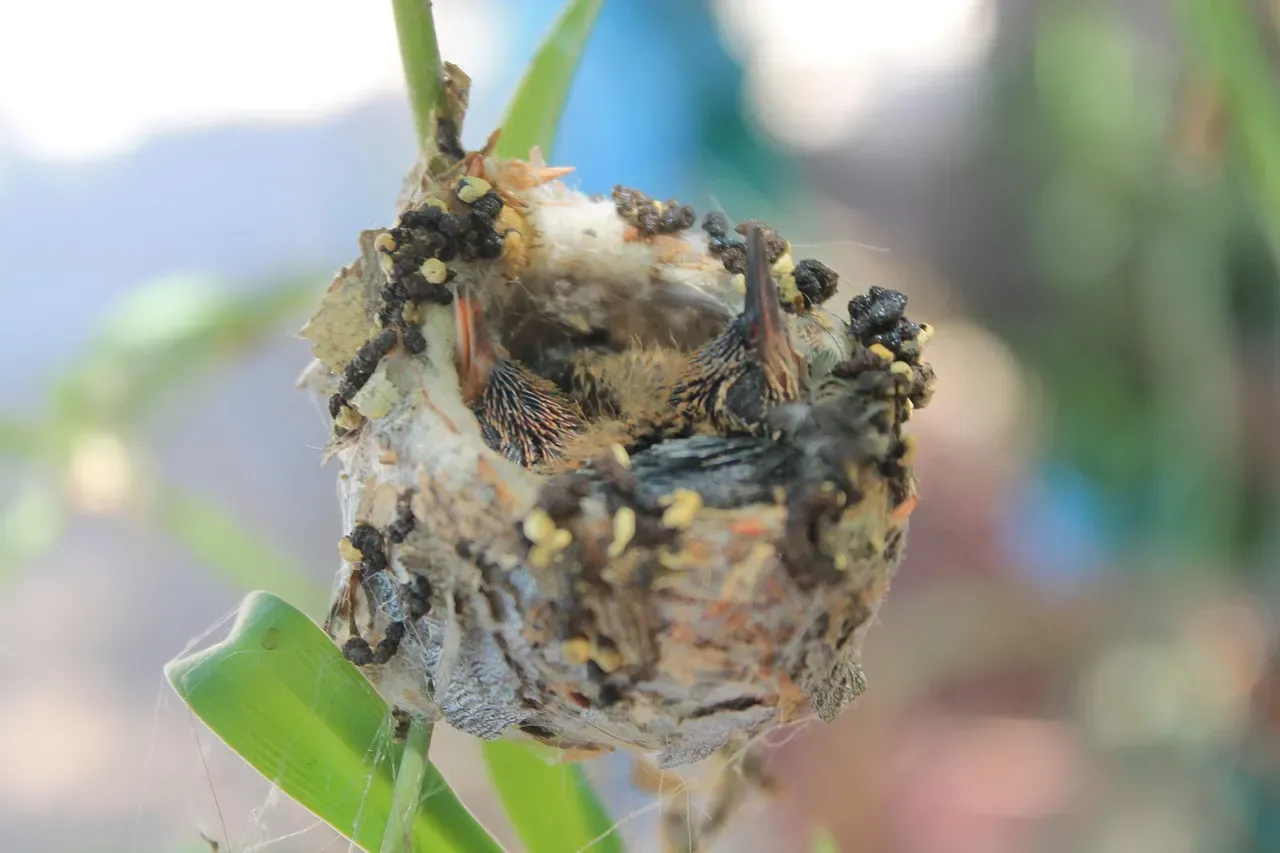
The female selects the nest site and builds a nest the size of a thimble within just a week. Common materials include moss and lichen, plant down, spider silk, cotton fibers, feathers, and fur or hair rubbed off on leaves. The result is remarkable craftsmanship from an animal with no hands.
Ruby-throated hummingbirds normally place their nest on a branch of a deciduous or coniferous tree; however, these birds are accustomed to human habitation and have been known to nest on loops of chain, wire, and extension cords. The spider silk that binds the nest actually stretches as the chicks grow, making it a structure that adapts to its occupants, not just a fixed container.
Their Iridescent Colors Are Technically an Optical Illusion
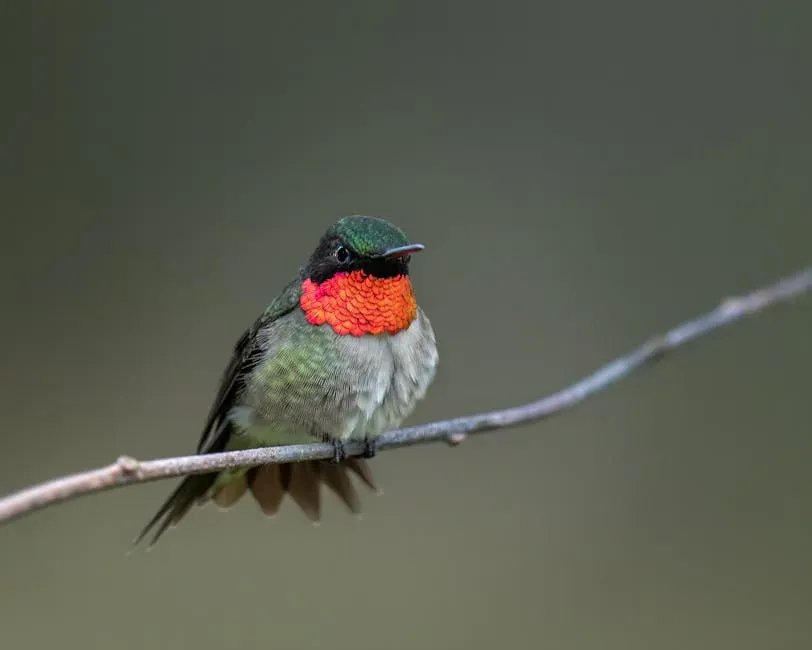
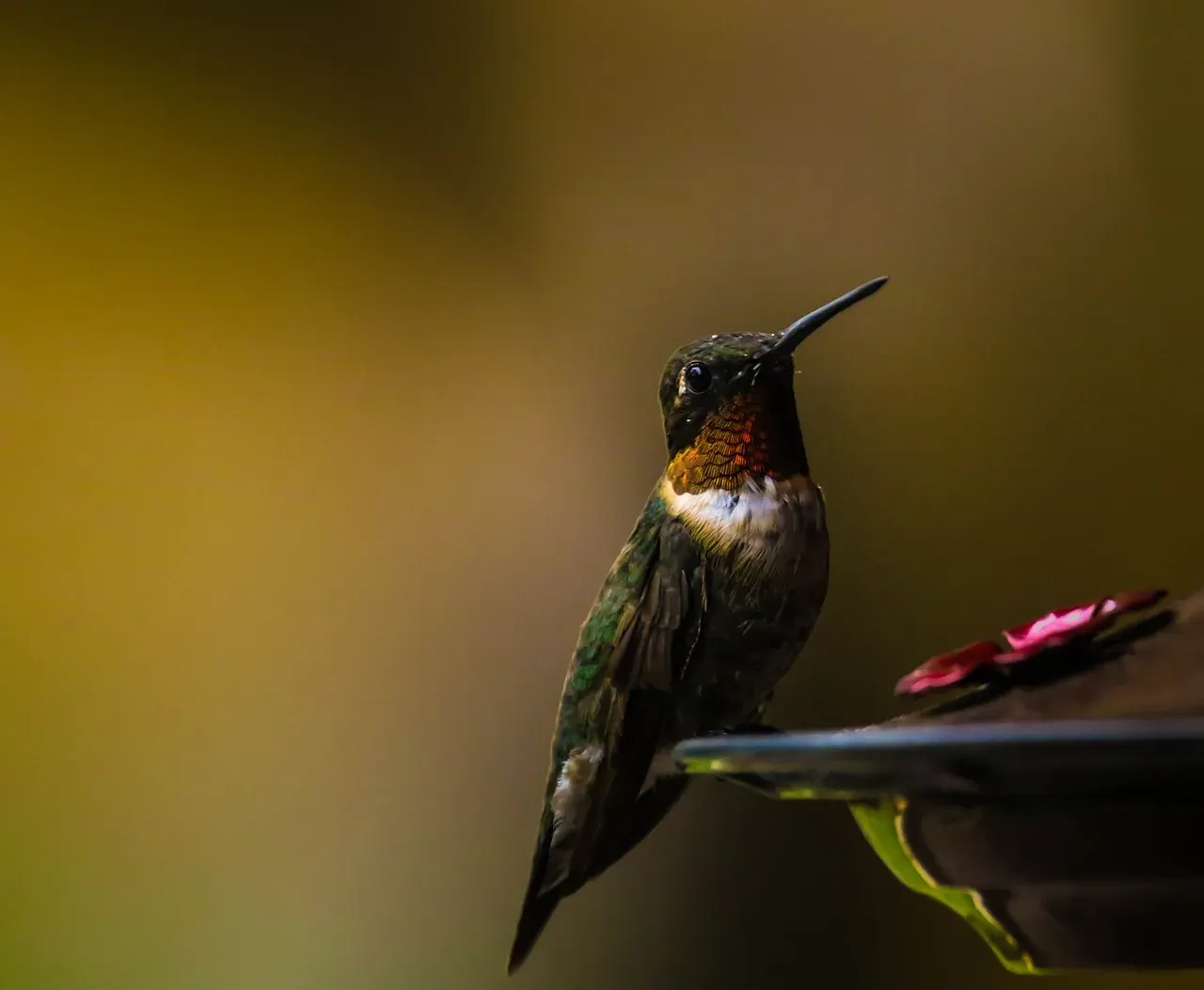
The male ruby-throated hummingbird was named because of the iridescent feathers on its neck which reflect sunlight at different angles. In spite of the jewel-like colors of hummingbirds, their visual beauty is actually an optical illusion. The feather pigments themselves are black, brown, and reddish brown, but a hummingbird’s feather can reflect light in a way that results in remarkable color.
Males, and occasionally females, often have a colorful gorget, which consists of small, stiff, highly reflective, colored feathers on the throat and upper chest. These shiny feathers and others around the head may look sooty black until a hummingbird turns its head to catch the sun and display an intense, metallic spectral color. One tilt of the head and dull black becomes fire red. It’s one of the most striking transformations in nature.
They Perform Theatrical Dive-Bomb Displays You Probably Mistake for Aggression
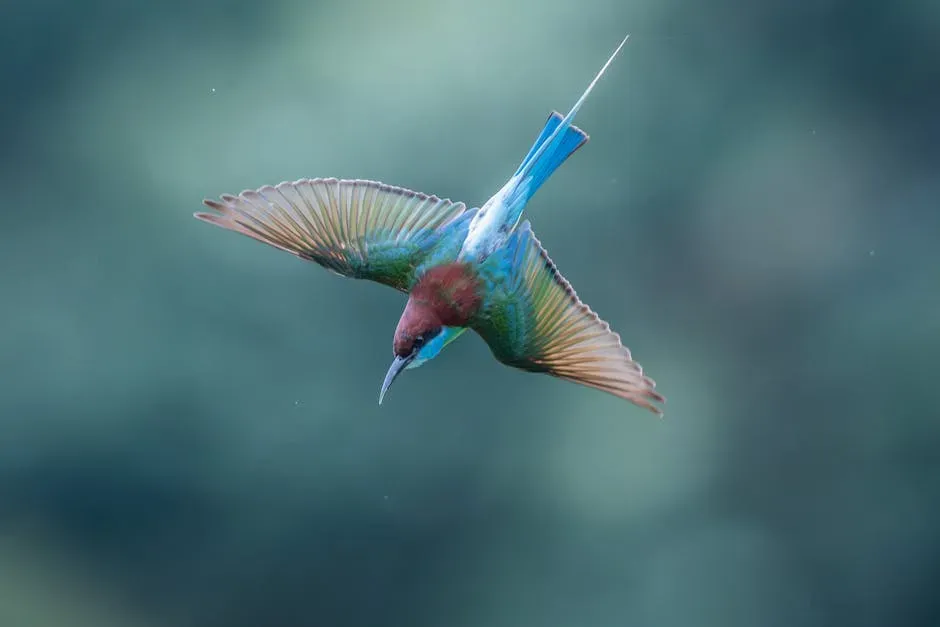
Males may engage in dive displays that are described as the most elaborate and spectacular dive displays of any North American hummingbird, with each dive lasting about 12 seconds. Most gardeners watching from a patio chair assume it’s just two birds having a disagreement.
Hummingbirds have been clocked at nearly 30 mph in direct flight and more than 45 mph during courtship dives. These swooping dives and flashy flights are meant to show off agility and charm. It is, in other words, one of the most athletic courtship performances in the entire bird world, and it unfolds right above your flower beds.
They Secretly Remember You, Your Feeder, and Exactly Where It Was Last Year
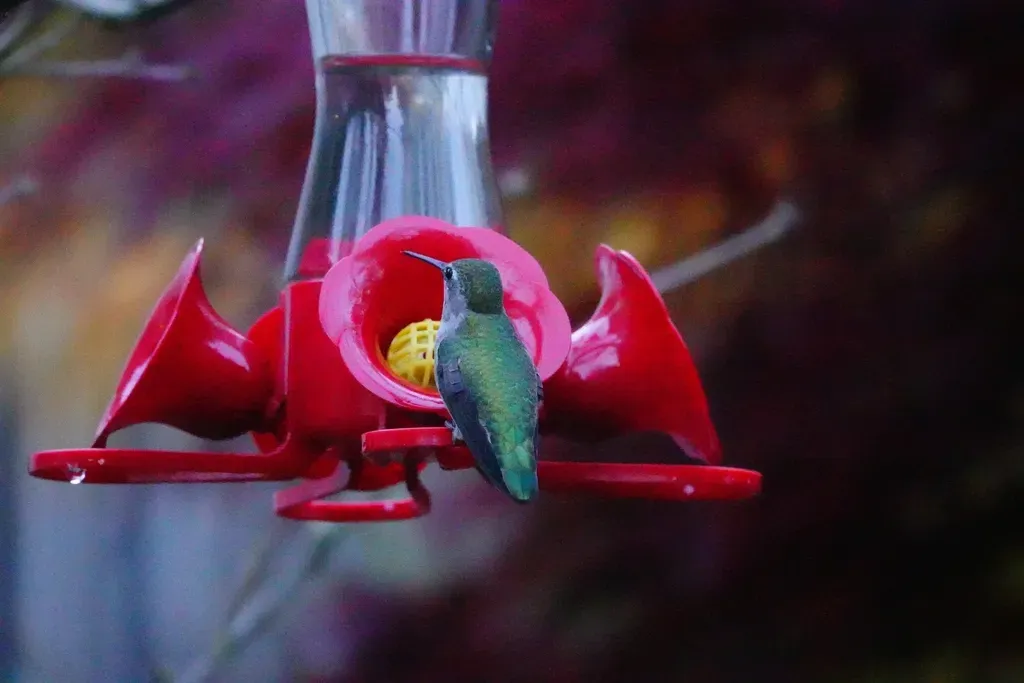
While many of us struggle to remember what we ate last week, hummingbirds can recall massive amounts of information about their food sources. Not only can they remember the locations of flowers they have visited, but also the nectar quality, the nectar content of each individual flower, and even the nectar refilling rate.
It is nothing less than amazing that these tiny birds may fly more than a thousand miles each way during migration and still manage to find the same location where they spent the preceding summer. Hummingbirds have great memories and can even recognize people who consistently feed them. If you move your feeder a few feet to the left, don’t be surprised when a small, very opinionated bird hovers right where it used to be.
They Spend an Unusual Amount of Time Preening and Wiping Their Bills
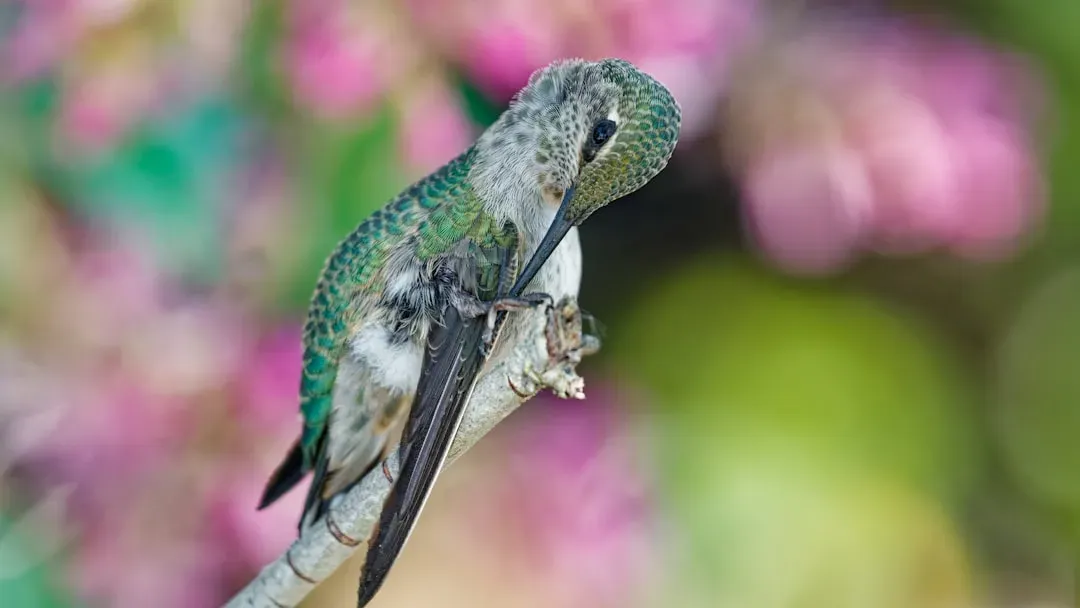
Hummingbirds spend an unusual amount of time cleaning and preening their feathers. The condition of a hummingbird’s feathers is essentially a life-and-death issue. They need to remain extremely light in order to achieve the flight dynamics that keep them alive. Every tiny feather matters at those speeds.
Bill-wiping serves several functions, most importantly keeping the bill clean, and in hummingbirds it keeps pollen from caking up on the bill and removes excess nectar or sugar water that might develop mold. Bill-wiping is also a displacement activity that birds do when they don’t know what else to do after unusual experiences, and it may even replace more violent interactions during territorial disputes. So that methodical little beak-cleaning session might actually be a standoff in disguise.
They See Colors That Are Completely Invisible to Human Eyes
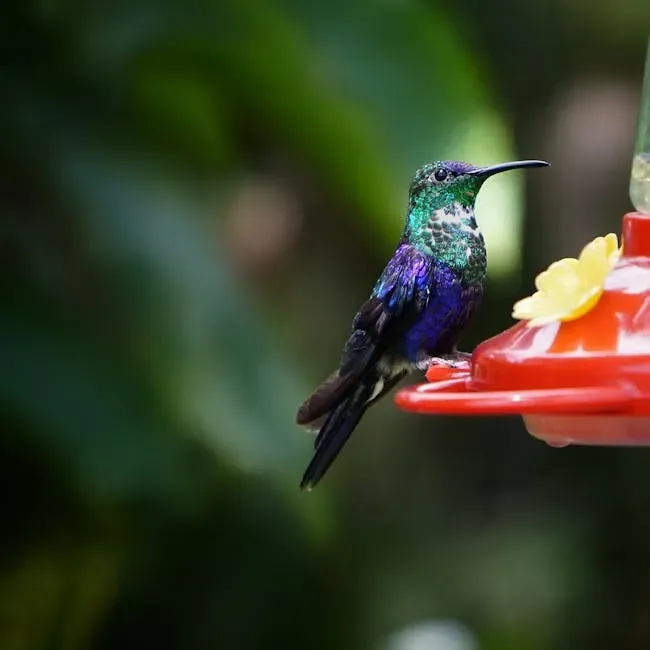
Hummingbirds have superb visual acuity and see color even better than we do, with their vision extending into the ultraviolet spectrum. Their eyes are adapted to see warm shades better than cooler shades. This ability to easily pick out orange, yellow, and red flowers amid a sea of cool green led to the long-held assumption that they prefer red over all other colors.
Scientists have since learned that the richness of the nectar matters more than the color of its source. The birds are quick learners, and it is nourishment they are after. Like many birds, hummingbirds have good color vision and can see into the ultraviolet spectrum, which humans simply cannot see. Gardens that look unremarkable to us may appear as vivid, almost neon landscapes to a hummingbird navigating through them.
Males Disappear Without Warning by Midsummer
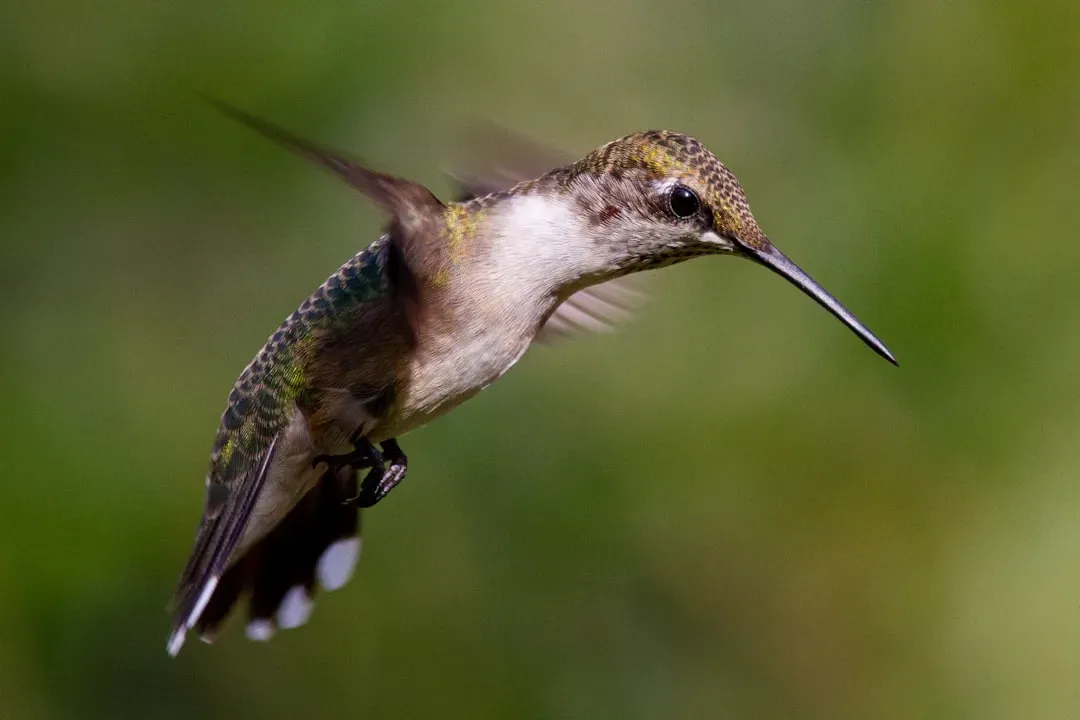
Male ruby-throated hummingbirds don’t stick around long. Pairs are together only long enough for courtship and mating, just a matter of days to weeks, and then the male is off on his own and may begin migration by early August. Most gardeners assume the males are simply hiding or resting nearby.
Males have somewhat different behavior throughout the season. They often perch higher so they can watch for rivals and visit feeders only briefly, while females spend a longer time at feeders while facing the demands of raising young without help. By late summer, adult males are far outnumbered by all the newly independent young hummers, which look almost the same as adult females. That sudden population shift at your feeder in August is not a mystery – the males have simply left the building.
They Shower Themselves in Garden Sprinklers for Pure Enjoyment
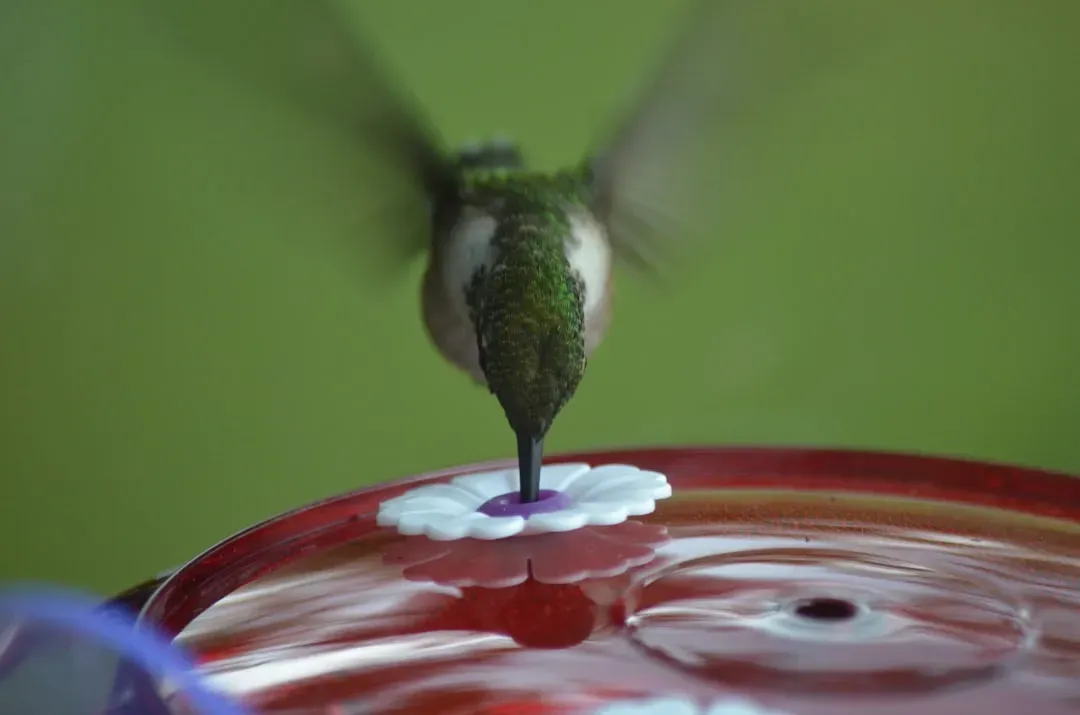
A birdbath with a small mister, bubbler, or sprayer attracts hummingbirds readily. It’s a rare sight, but they might even fly through the mist of lawn sprinklers. Hummers love to take a shower, or even a bath, using water to help clean their plumage, and they are attracted to gardens with water features, intentional or not.
This behavior is often dismissed as an accident or a bird simply passing through. In reality, it’s deliberate. Hummingbirds spend an unusual amount of time cleaning their feathers because the condition of those feathers is a life-and-death issue. A well-aimed garden sprinkler on a hot summer afternoon may well be the most exciting thing a hummingbird encounters all day.
Conclusion
Summer is the season when hummingbirds are most active, most visible, and, as it turns out, most bizarre. The behaviors described here are not exceptional events. They happen regularly, in ordinary gardens, to ordinary hummingbirds going about the business of survival.
The real shift isn’t in what the birds are doing. It’s in knowing what to look for. A hummingbird hanging upside down from a feeder, a female sweeping through cobwebs in the corner of the shed, a male vanishing in early August without a farewell – all of it makes more sense once you understand the science behind those tiny, relentless bodies.
Watching a hummingbird well is a quiet skill. Slow down near the feeder sometime. Stay still. You might find that the most astonishing wildlife display of summer has been unfolding a few feet from your back door all along.

- Your Dog Doesn't Love You for the Food – 14 Signs You're Its Whole World - July 21, 2026
- 10 Myths About Horses That Owners Keep Falling For - July 21, 2026
- 13 Ways a Shelter Dog Shows It Has Decided to Trust You for Good - July 21, 2026