

Everyone warns retirees away from dogs. Muddy paws, 3 a.m. zoomies, vet bills that outlast the pension check, the usual horror stories. That fear isn’t wrong. It’s just aimed at the wrong dogs.
There’s a whole other category that almost never gets talked about: dogs bred for centuries to do nothing but sit quietly, adore one person, and ask for almost nothing in return. Thirteen of them made a very specific cut here, and the one that landed at #1 is the same breed a king once let wander freely into Parliament.
13 – Basset Hound
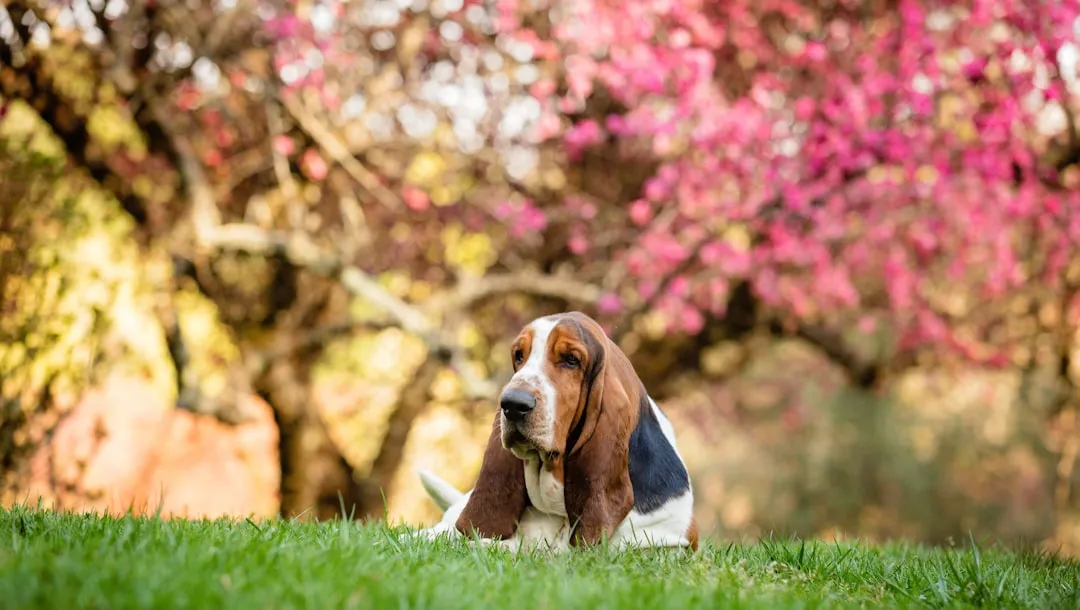
Basset Hounds look like they’re perpetually exhausted, and honestly, that’s kind of the whole appeal. They were bred to trail scent slowly through thick brush, not to sprint, so their entire nervous system runs on a different, slower clock than most dogs. Those droopy eyes and low center of gravity aren’t just for show; they’re the blueprint of a dog built to amble, not race.
For a retiree, that translates into a companion who’s thrilled by a short walk to the mailbox and just as thrilled to nap through the afternoon. Their ears do need regular cleaning to avoid infections, but that’s a small trade for a dog this devoted. Basset Hounds bond hard and stay loyal, the kind of quiet presence that makes an empty house feel a lot less empty. But that’s nothing compared to what’s waiting at #12.
Fast Facts
- Bred for centuries as a slow, methodical scent hound, not a sprinter
- Long, low-hanging ears help trap scent but need regular cleaning
- Typical lifespan: 10 to 12 years
- Best suited to short, leisurely walks rather than long hikes
12 – Pekingese
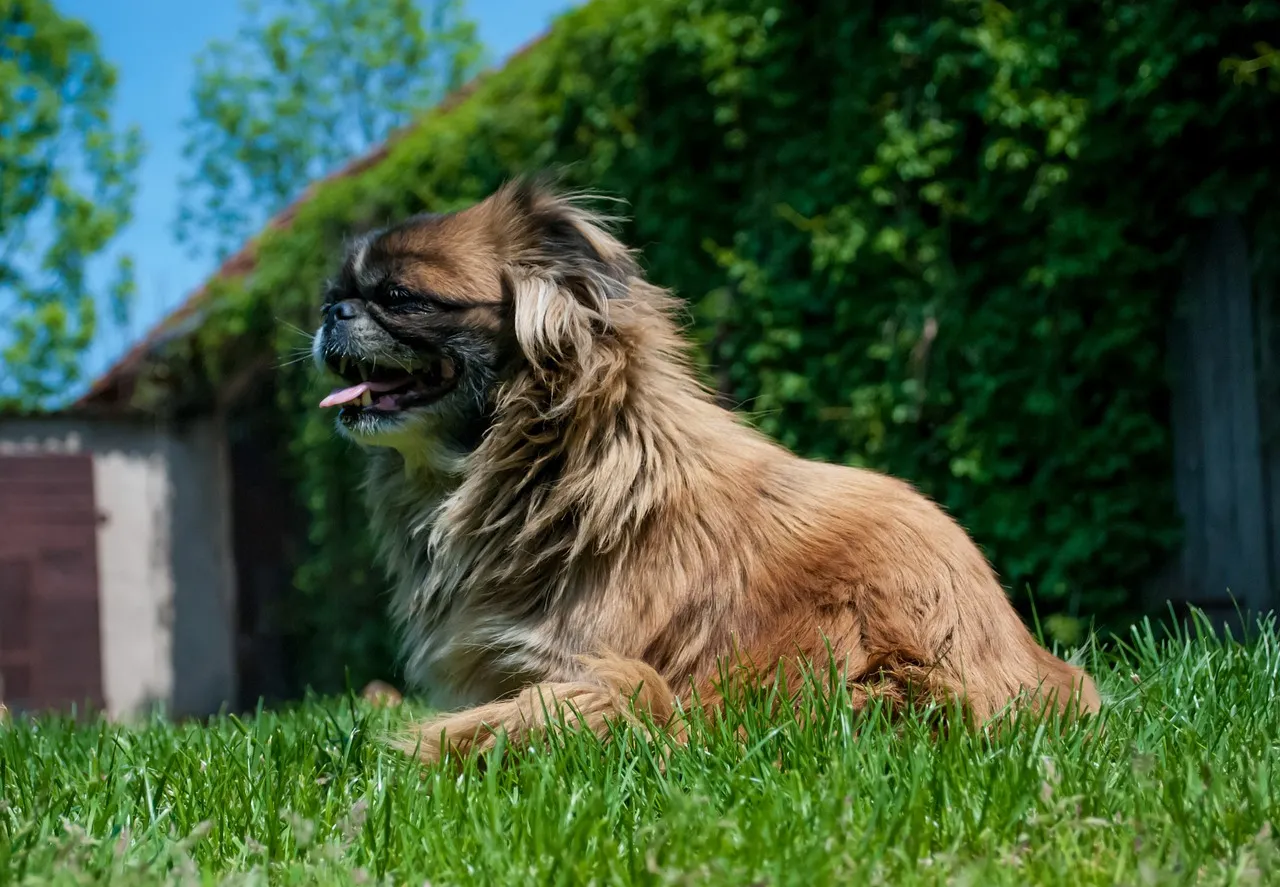
Pekingese dogs weren’t always household pets. In imperial China, they were considered sacred palace dogs, small enough to be smuggled inside a sleeve, and for a long time it was actually illegal for a commoner to own one. That history still shows up in their personality: dignified, a little aloof with strangers, but fiercely devoted once they’ve chosen their person.
They need almost nothing in the way of exercise, just short walks and plenty of couch time, which makes them a near-perfect match for a slower daily rhythm. Their coats are lush and do require regular brushing, though most owners describe that grooming time as genuinely relaxing rather than a chore. Pekingese also tend to be surprisingly protective for their size, offering a real sense of security to someone living alone. But that’s nothing compared to what’s waiting at #11.
11 – Pug
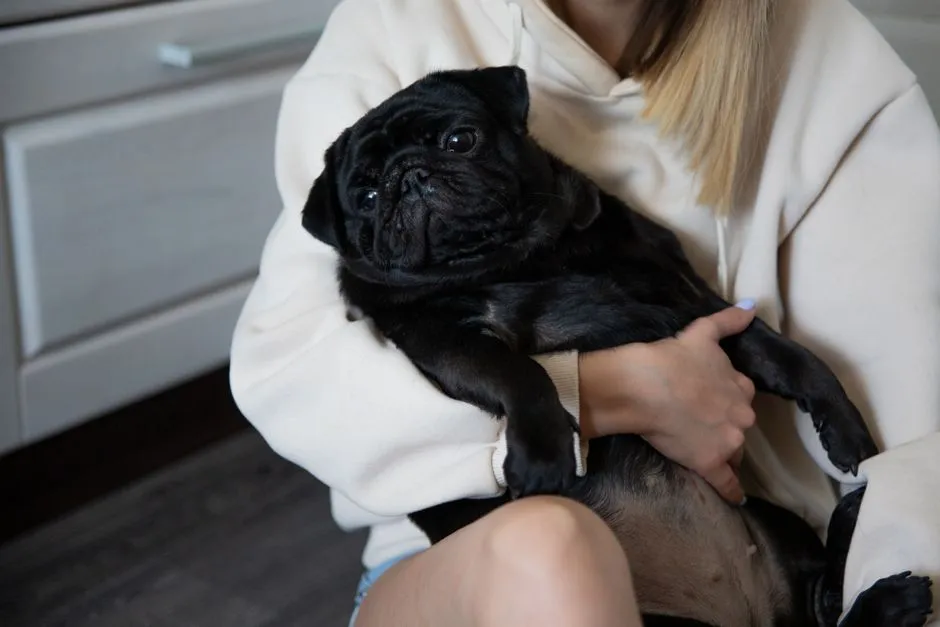
Pugs have been famous lap dogs since Queen Victoria fell hard for the breed in the 1800s, and that same clingy, affectionate streak survives intact today. They’re playful in short bursts and then completely content to flop next to you for the rest of the day, which is a rhythm most retirees will recognize in themselves.
One thing worth knowing upfront: their flat faces mean they overheat easily and can snore like a freight train, so summer walks need to happen early or late in the day. Their short coats are low-maintenance, and their friendly, almost clownish personality tends to win over even people who swear they’re “not dog people.” Pugs attach themselves to one person with startling loyalty. But that’s nothing compared to what’s waiting at #10.
10 – Havanese
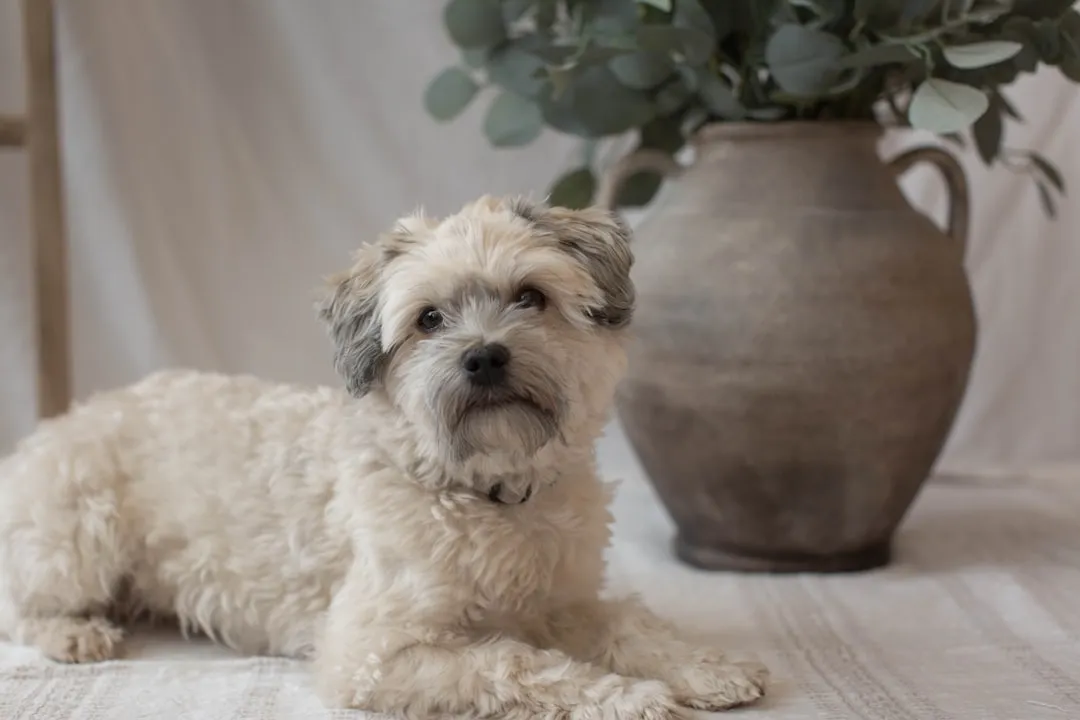
Havanese are Cuba’s national dog, and they earned that title by being endlessly sociable without being high-strung. Owners often call them “Velcro dogs” because they’ll follow you from room to room just to stay close, which sounds needy until you realize that’s exactly the companionship a lot of retirees are looking for.
They’re happy with short walks and indoor playtime, so bad weather or a smaller living space isn’t a dealbreaker. Their long, silky coats need regular brushing, but most owners find that ritual becomes a genuinely bonding part of the day rather than a hassle. Havanese form deep, almost shadow-like attachments to their people. But that’s nothing compared to what’s waiting at #9.
9 – Maltese
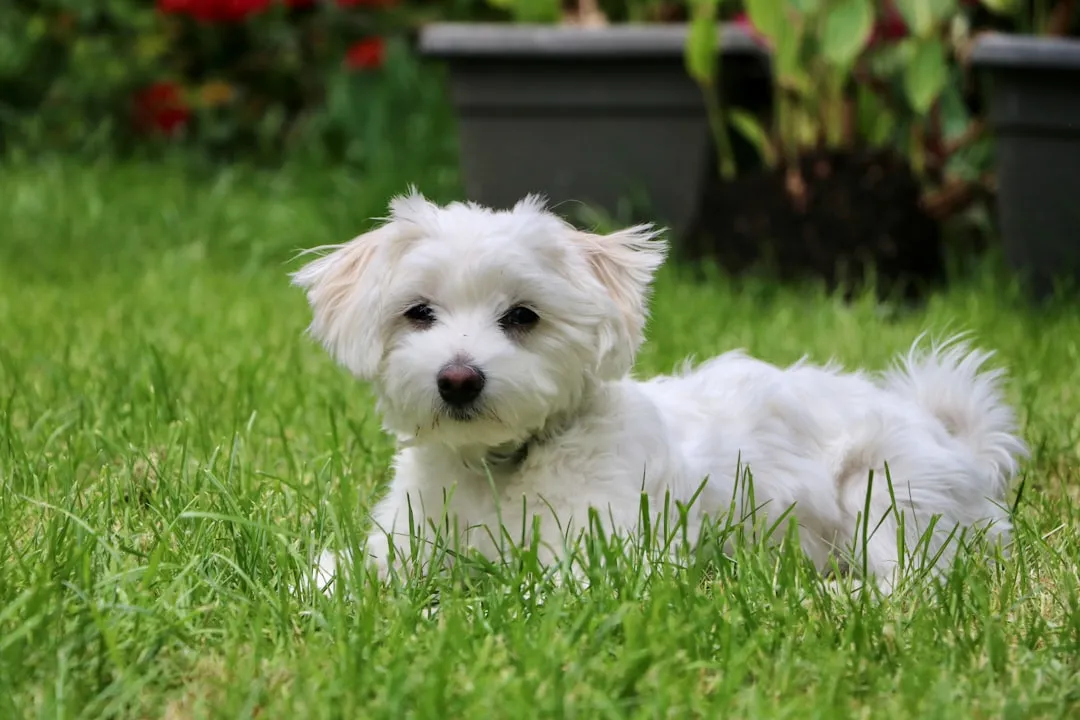
Maltese dogs have been pampered lap companions since Roman aristocracy carried them around over two thousand years ago, and they still carry themselves like they know it. Their calm, gentle temperament makes them remarkably easy to live with, especially for someone who wants affection without chaos.
Energy demands are low, short walks and lounging cover most of their needs, but their brilliant white coats do require consistent grooming to prevent matting. That upkeep is really the only “work” involved in owning one. Maltese dogs tend to form an intense, almost single-minded devotion to their owner. But that’s nothing compared to what’s waiting at #8.
At a Glance
- One of the oldest known toy breeds, with roots tracing back over 2,000 years
- Typical adult weight: under 7 pounds
- Coat sheds minimally but needs frequent brushing to stay mat-free
- Average lifespan: 12 to 15 years
8 – French Bulldog
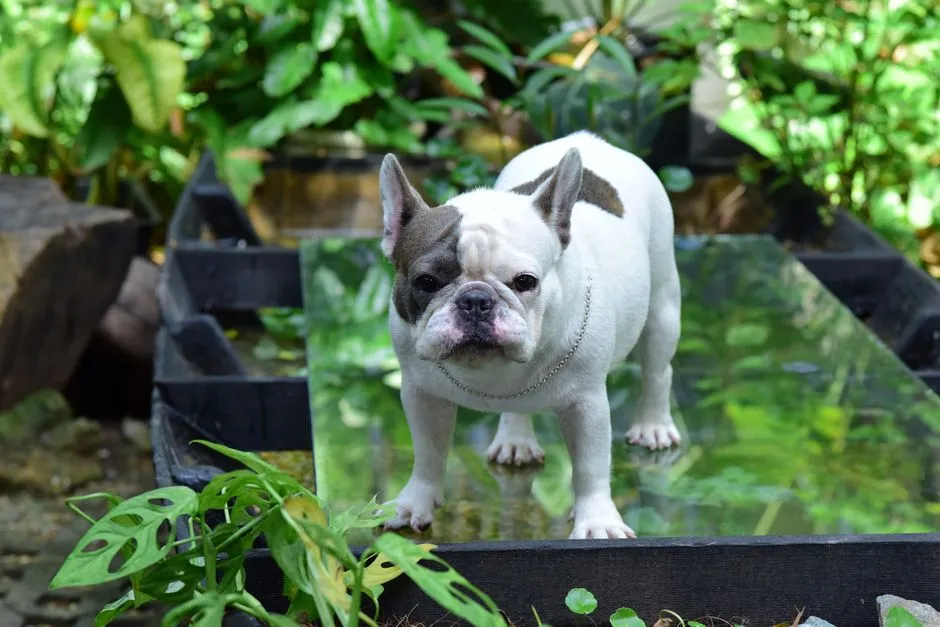
French Bulldogs have quietly become one of the most popular dogs in the entire country, and it’s not hard to see why once you’ve lived with one. They’re famously easygoing, low-energy, and perfectly happy in an apartment, which makes them a natural fit for someone who’s downsized after retirement.
Their exercise needs are minimal, short walks and lots of couch supervision, and their short coats barely need grooming at all. Like Pugs, their flat faces mean heat and humidity need extra caution, so summer walks should stay brief. French Bulldogs are famously affectionate and tend to shadow their favorite person around the house all day. But that’s nothing compared to what’s waiting at #7.
7 – Bichon Frise
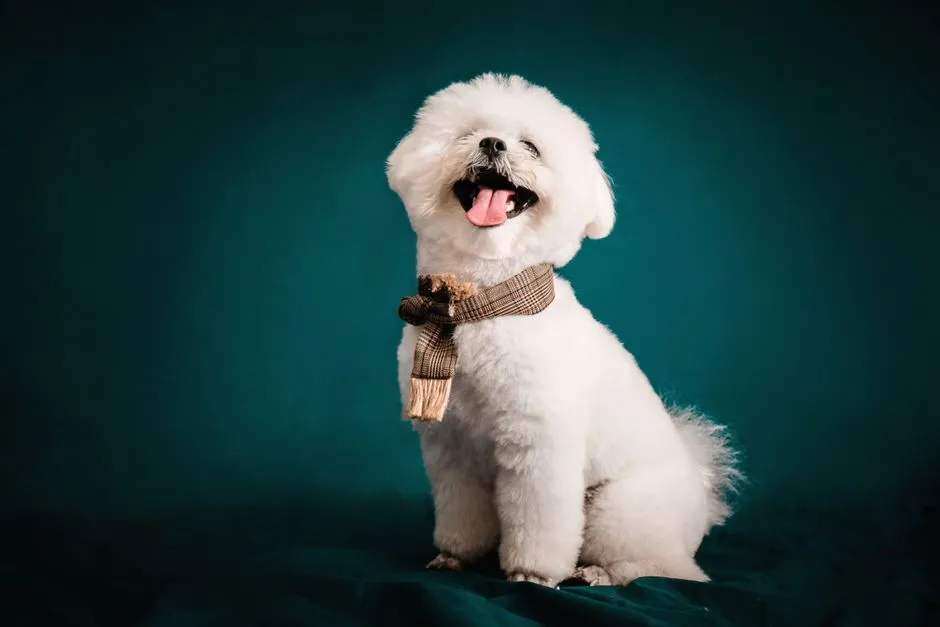
Bichon Frises were bred as companion dogs for French aristocracy, and their entire personality still seems built around one job: being cheerful and close to the people they love. They rarely shed, which is a quiet perk for anyone tired of vacuuming fur off the couch.
Moderate short walks and indoor play satisfy them fully, but their curly white coats need regular brushing to avoid matting. Most owners say the grooming becomes a comforting little routine rather than a burden. Bichon Frises are sociable, devoted, and genuinely seem to enjoy just being near their person. But that’s nothing compared to what’s waiting at #6.
6 – Shih Tzu
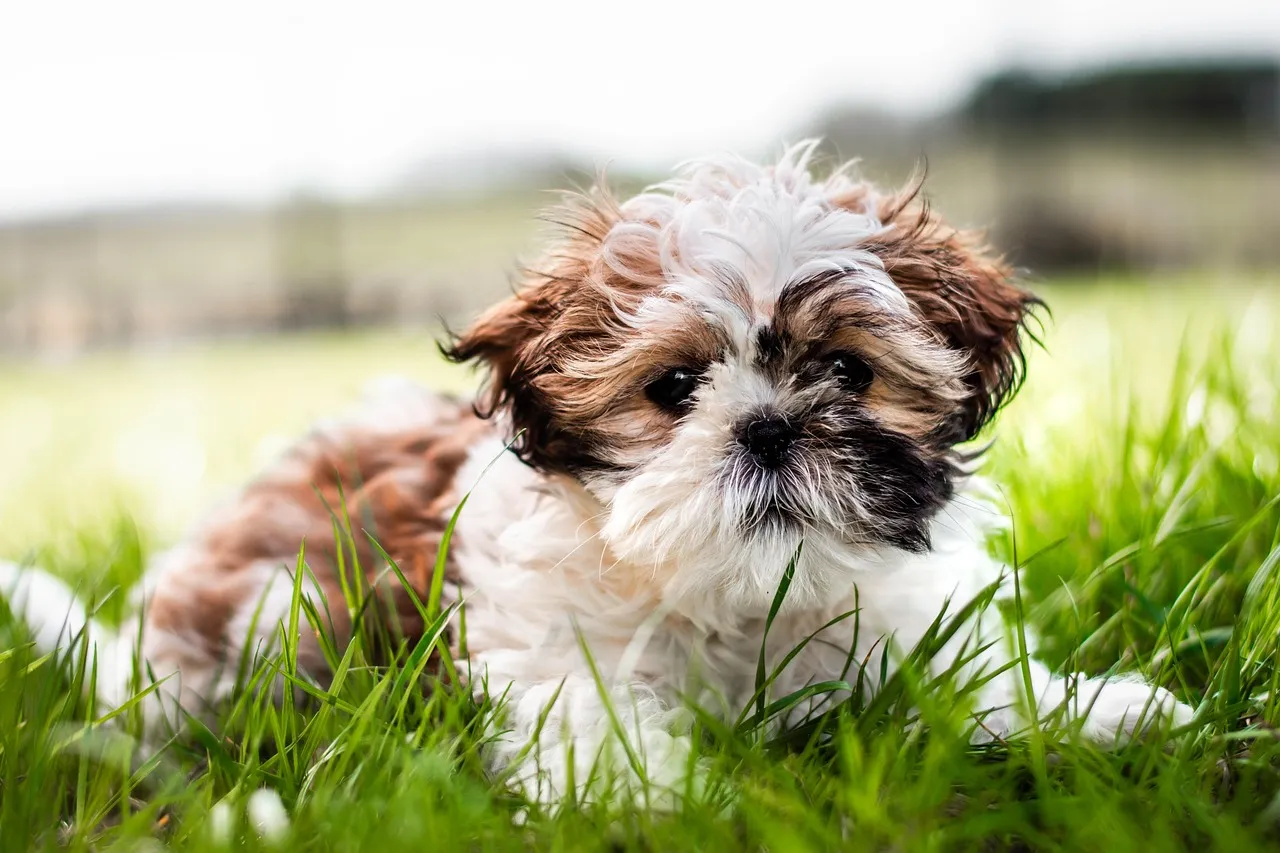
Shih Tzus were literally bred to sit in the laps of Chinese emperors, and somehow that job description never left their DNA. They’re calm almost to a fault, more interested in being close to you than exploring the backyard, which makes them one of the easiest breeds to keep up with physically.
Short walks and relaxed indoor time are all they really need. Their long, flowing coats do require regular grooming to stay tangle-free, but that upkeep is really the extent of the effort involved. Shih Tzus form strong, steady bonds and tend to settle into a household routine without fuss. But that’s nothing compared to what’s waiting at #5.
Why It Stands Out
- Built almost entirely for companionship, with little drive to roam or explore
- Physically low-maintenance despite the glamorous coat, thanks to minimal exercise needs
- Adapts quickly to a slower daily rhythm, ideal for retirement living
- Known for settling into small spaces, like apartments or condos, without fuss
5 – Pomeranian
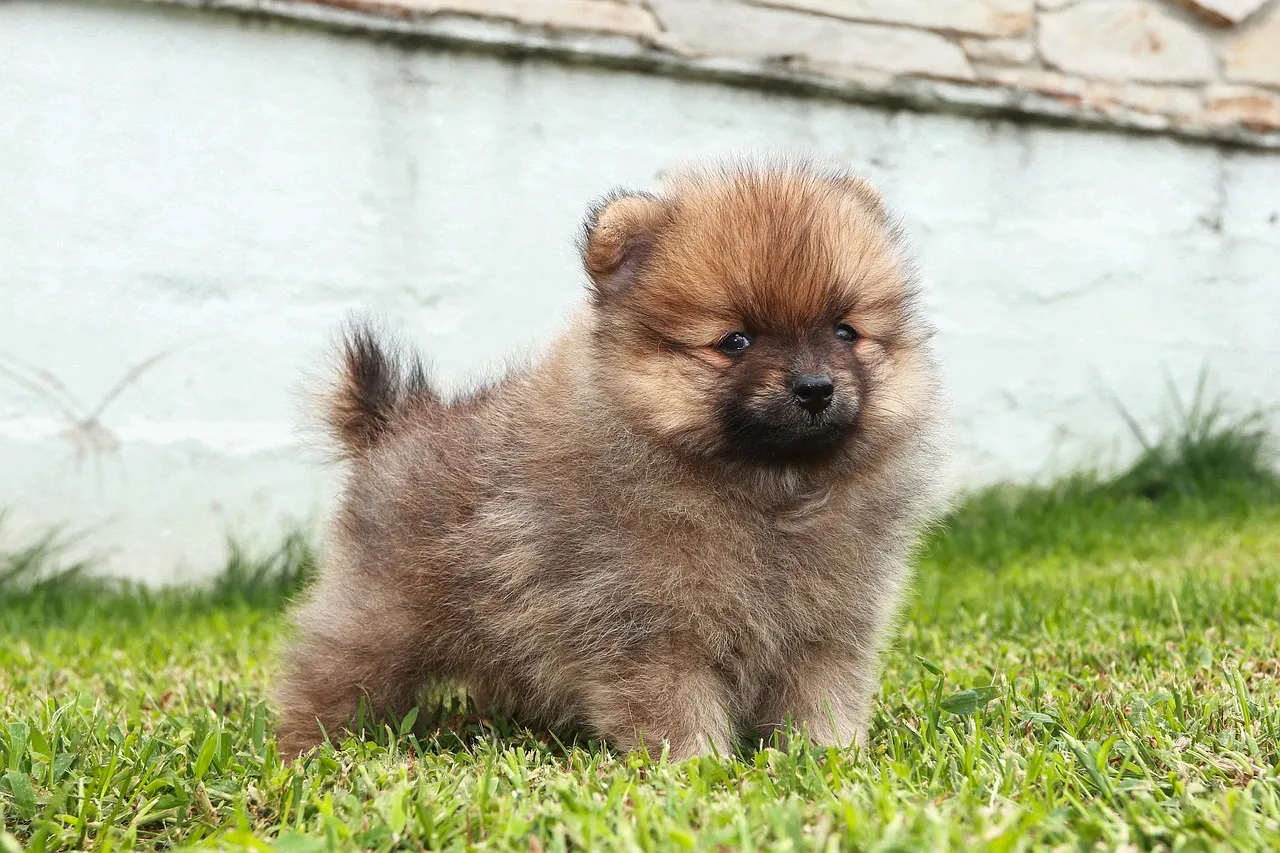
Pomeranians were bred down in size from much larger sled-dog ancestors, largely thanks to Queen Victoria’s fondness for smaller versions of the breed in the late 1800s. What’s left is a tiny dog with a surprisingly bold, confident personality packed into a fluffy, foxlike frame.
They’re lively in short bursts but settle quickly, making short walks and indoor play more than enough to keep them content. Their thick coats need regular brushing to prevent matting, especially around shedding season. Pomeranians tend to become deeply devoted, almost shadow-like companions to their one favorite person. But that’s nothing compared to what’s waiting at #4.
4 – Greyhound
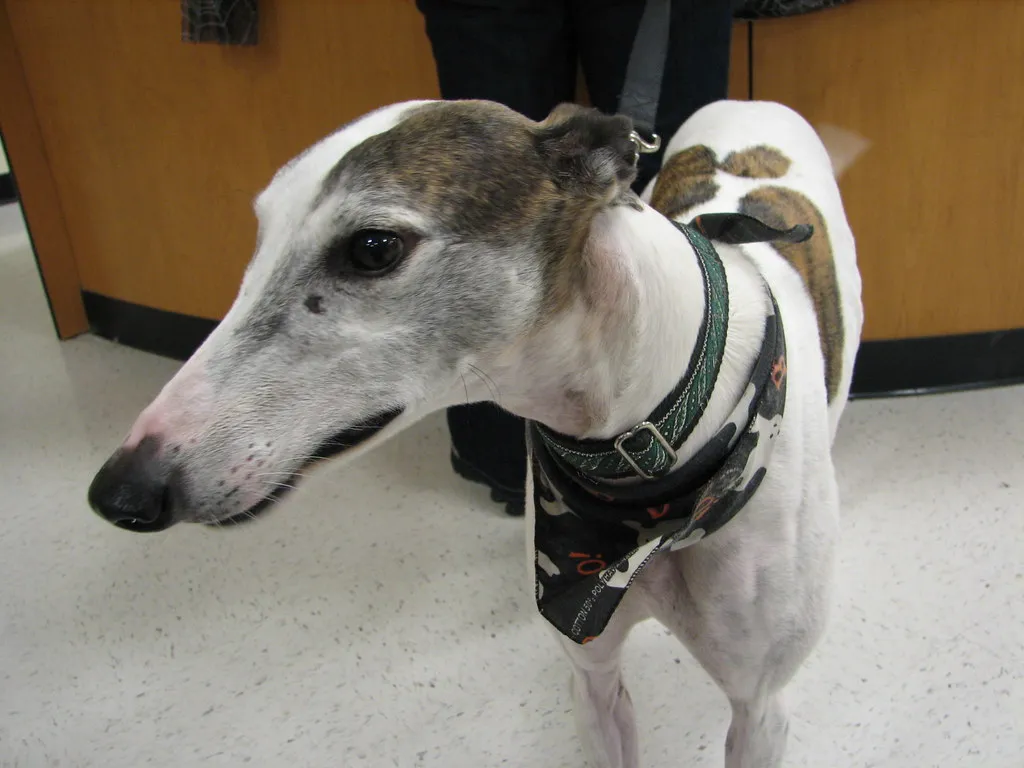
Greyhounds have a reputation as the fastest dog breed on Earth, which makes it almost funny how much of their day is spent doing absolutely nothing. Retired racing Greyhounds in particular are famous among adopters as “45-mph couch potatoes,” dogs that sprint hard for thirty seconds and then sleep for eighteen hours straight.
Their exercise needs are surprisingly modest for their size, a short walk or two is usually plenty, and their thin coats require almost no grooming. Despite their size, Greyhounds are gentle, quiet, and rarely bark, which makes them an unexpectedly good fit for someone living alone. Their calm devotion has a way of sneaking up on people who assumed they’d need a runner’s schedule to keep up.
There is no faith which has never yet been broken, except that of a truly faithful dog.
Konrad Lorenz
But that’s nothing compared to what’s waiting at #3.
3 – Lhasa Apso
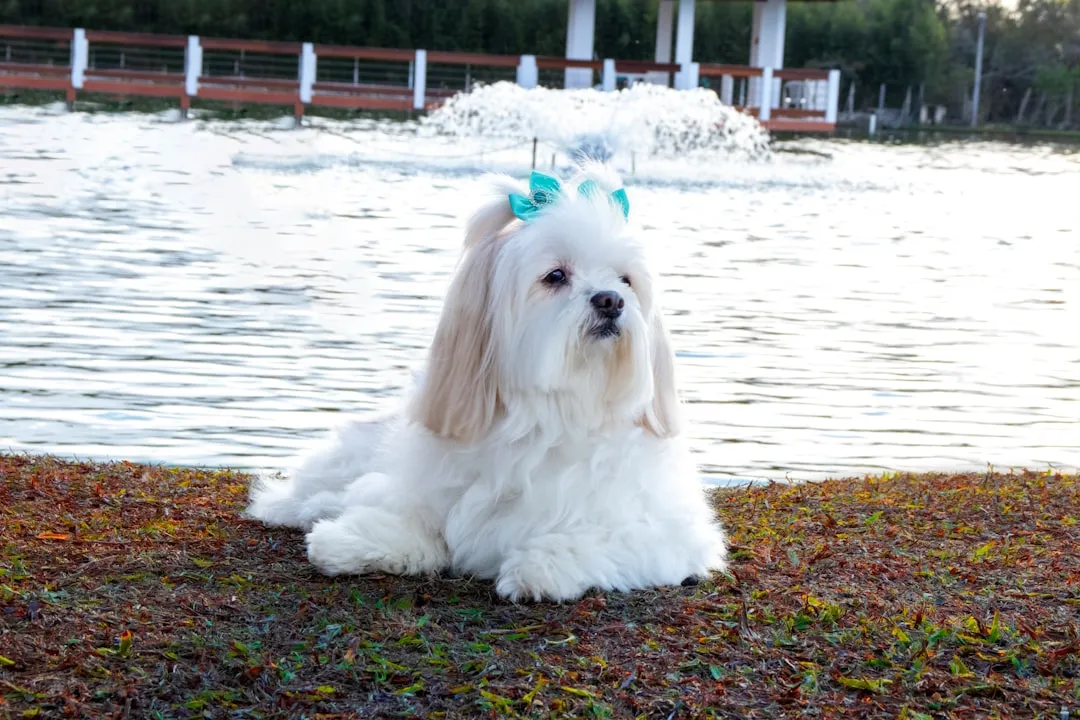
Lhasa Apsos were bred as sentinel dogs in Tibetan monasteries, trained to sit quietly by the door and only sound off when something was genuinely wrong. That instinct is still very much alive: they’re calm and independent day to day, but they’ll absolutely let you know if someone’s at the door.
Short walks and plenty of lounging cover their exercise needs completely, and they’re known for aging gracefully, many live well into their teens. Their long coat needs regular brushing, but their independent streak means they’re not the clingy type, which some retirees actually prefer. Lhasa Apsos offer alert companionship without demanding constant attention. But that’s nothing compared to what’s waiting at #2.
2 – English Bulldog
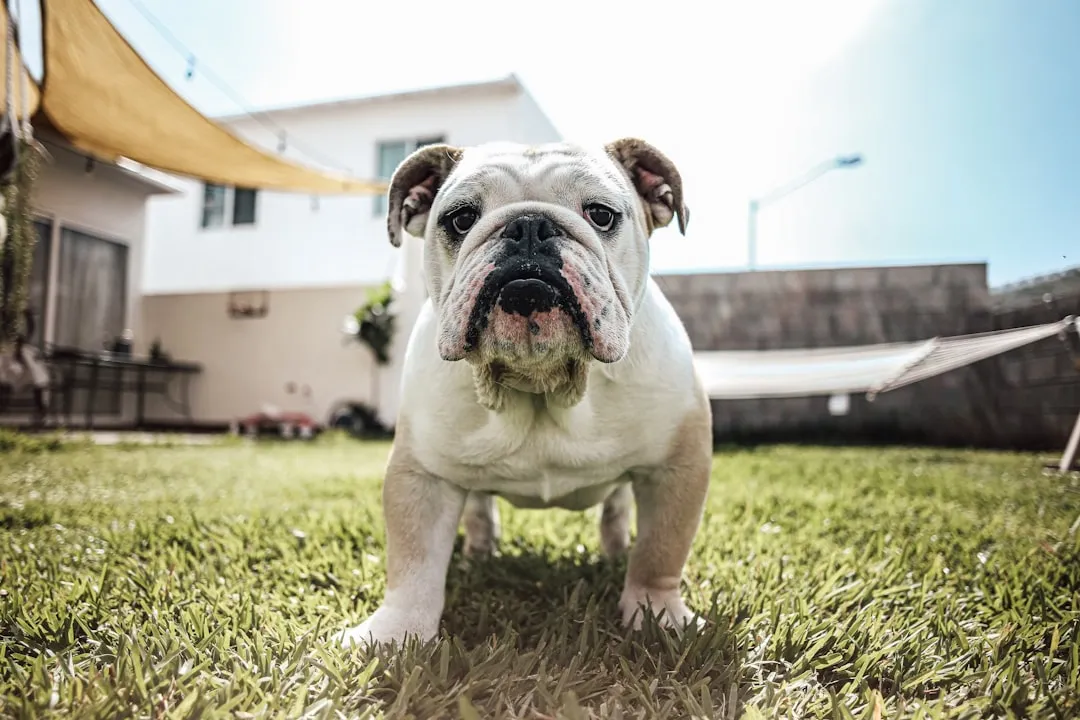
It’s a strange twist of history that a breed once used for bull-baiting in the 1600s has turned into the unofficial mascot of doing absolutely nothing. Modern English Bulldogs are famously lazy, content to sprawl across a cool floor for most of the day, which is exactly what makes them so easy to live with in retirement.
They need only short, gentle walks, ideally avoiding heat, since their flat faces make them prone to overheating and breathing strain. Their short coats are low-maintenance, though the folds in their skin need occasional cleaning. English Bulldogs are stubborn but deeply affectionate, forming a slow-burn loyalty that tends to run surprisingly deep. But that’s nothing compared to what’s waiting at #1.
1 – Cavalier King Charles Spaniel
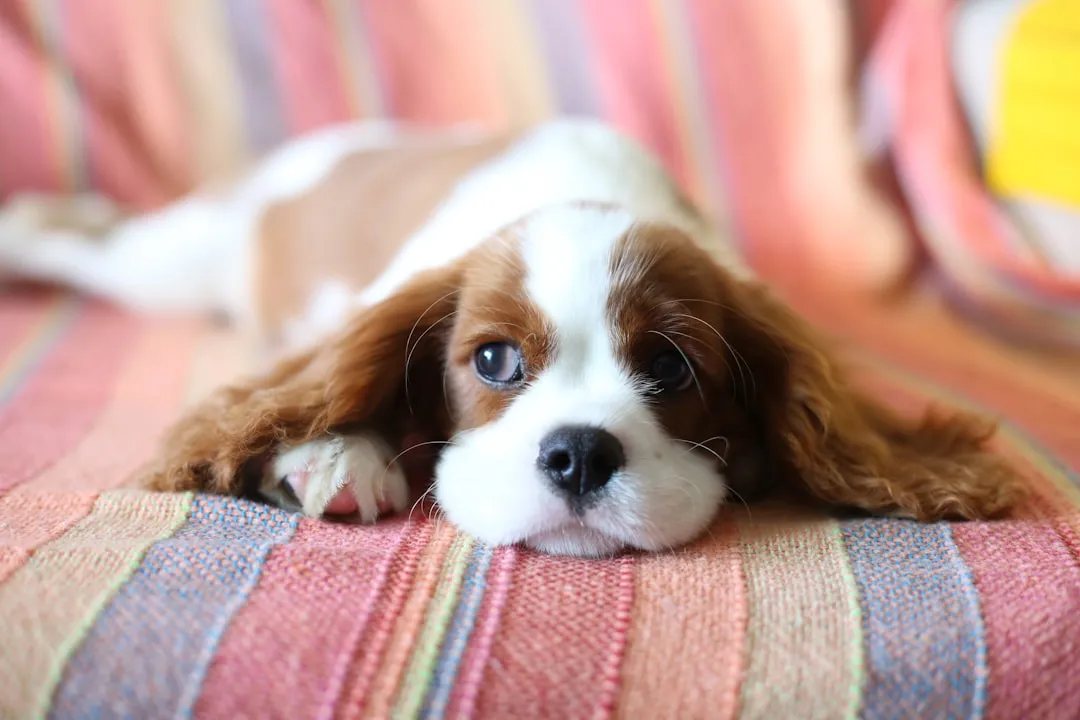
This breed is literally named after a king. Charles II was so obsessed with his spaniels that he reportedly let them roam freely through the halls of Parliament, and centuries later, that same warm, people-obsessed temperament has barely changed. Cavaliers exist almost entirely to be near someone, curled up in a lap, following from room to room, leaning against a leg while you read.
They’re gentle, easy to walk, easy to groom, and about as low-drama as a dog gets, which is exactly why they consistently top lists like this one. The one honest caveat: Cavaliers are prone to a heart condition called mitral valve disease, so regular vet checkups matter more with this breed than most. Even with that in mind, their combination of devotion, gentleness, and sheer eagerness to just be close to you is hard to beat for someone building a quiet life alone.
Worth Knowing
- Mitral valve disease is common in the breed, so annual heart checkups are essential
- Typical adult weight: 13 to 18 pounds, easy to lift and handle
- Average lifespan: 9 to 14 years
- Consistently ranked among the most affectionate toy breeds by breed guides
If there’s one honest takeaway here, it’s that the “perfect retirement dog” isn’t the one everyone assumes, some scrappy little yapper bred for a lap and nothing else. The real standouts on this list, the Greyhound sprawled on the couch, the Bulldog snoring on the tile, the Cavalier curled against a leg, all share the same quiet trait: they were never bred to need you constantly, just to genuinely enjoy being near you. That’s not a consolation prize. That’s the whole point.
