

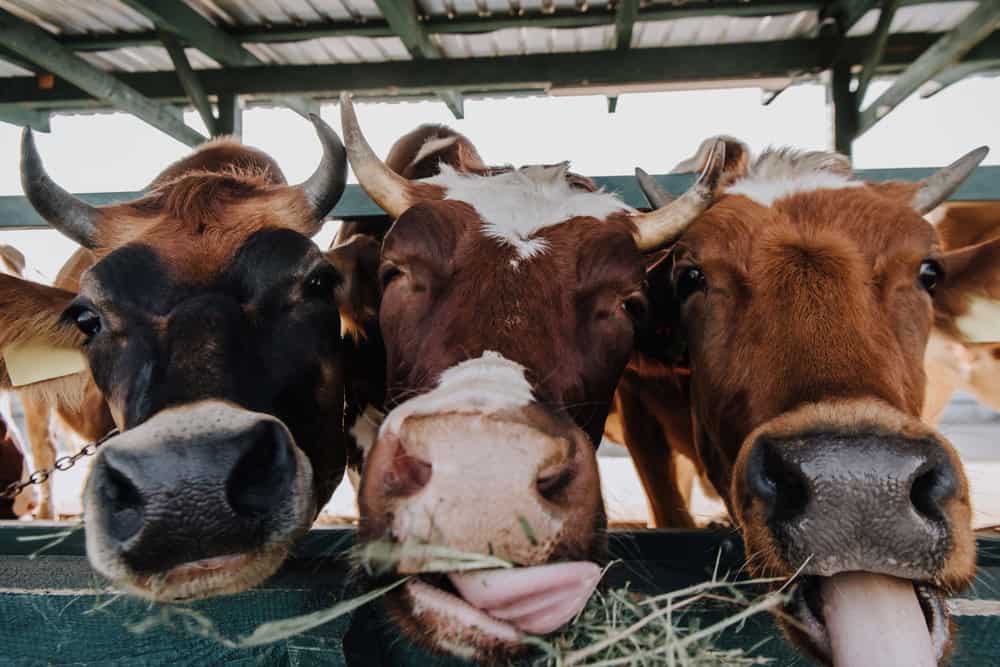
The consumption of beef, a dietary staple in many Western nations, is far from universal in its acceptance. Across the globe, numerous countries and cultures maintain strong taboos against eating beef, often rooted in religious beliefs, historical contexts, or philosophical traditions. These prohibitions range from strict legal bans to deeply ingrained cultural norms that discourage beef consumption without explicit laws. Understanding these taboos provides fascinating insights into how food practices intertwine with cultural identity, spiritual beliefs, and national history. From the sacred status of cows in Hinduism to Buddhist principles of non-violence and environmental concerns, the reasons behind beef taboos are as diverse as the cultures that uphold them. This article explores 13 countries where beef consumption faces significant cultural restrictions, examining the historical, religious, and social foundations of these dietary practices.
India The Sacred Cow
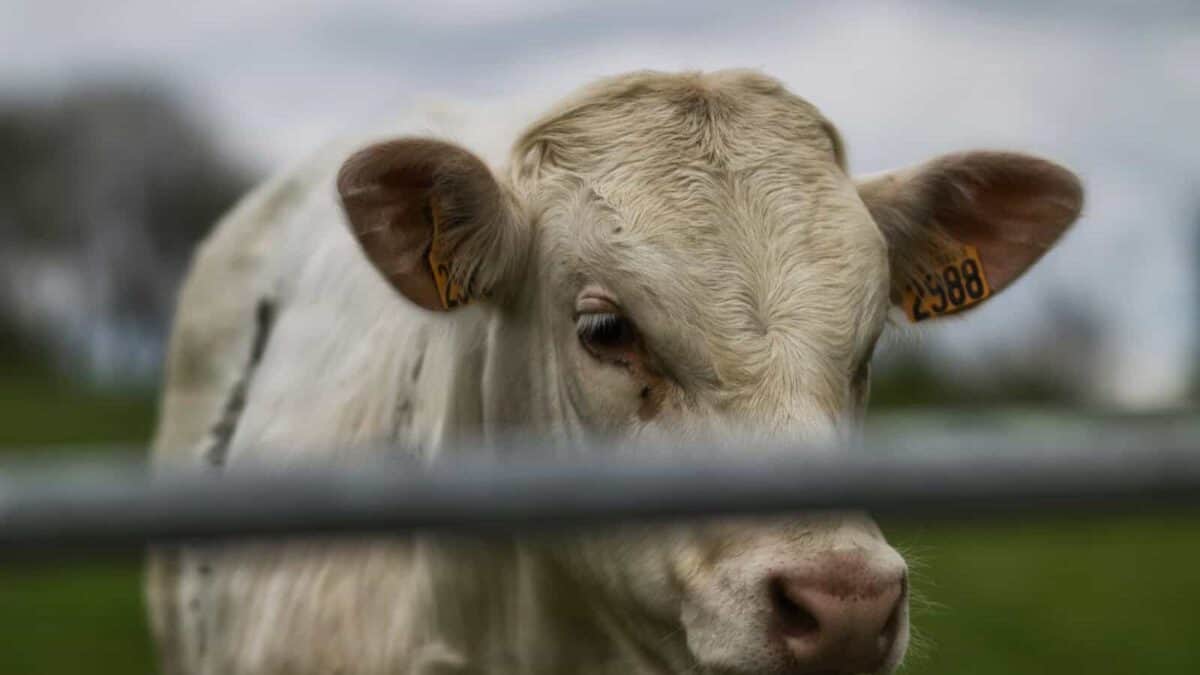
India stands as perhaps the most well-known country where beef consumption faces strong taboos. The cow holds sacred status in Hinduism, which is practiced by approximately 80% of India’s population. Cows are revered as symbols of wealth, strength, abundance, and maternal care, often associated with various deities, particularly Krishna and Shiva. Many Hindus refer to cows as “Gau Mata” or “Mother Cow,” highlighting their cultural importance as nurturing figures.
The legal status of beef consumption varies across Indian states. Currently, cow slaughter is banned in 20 out of 28 Indian states, with punishments ranging from fines to imprisonment. States like Gujarat, Maharashtra, and Uttar Pradesh have particularly strict laws, where penalties can include up to 10 years of imprisonment. The taboo is so powerful that incidents of violence against those suspected of slaughtering cows or consuming beef have occurred, particularly in rural areas. However, it’s important to note that beef consumption does occur among certain religious minorities and in states like Kerala and West Bengal, where restrictions are less severe.
Nepal Constitutional Protection for Bovines

Nepal, with its close cultural ties to India, maintains similar reverence for cows. The cow is Nepal’s national animal and holds a significant place in the country’s predominantly Hindu culture. The Nepalese constitution explicitly protects cows, making cattle slaughter illegal throughout the entire country. This prohibition isn’t merely cultural but enshrined in law, with penalties for cow slaughter that can include up to 12 years in prison.
The strength of this taboo is reflected in Nepal’s legal history, where even before the current constitution, laws protecting cows dated back to the 18th century. During Nepal’s monarchy, the country was officially declared a Hindu kingdom, further cementing the cow’s sacred status. While the country has since become a secular republic, the cultural and legal prohibitions against beef consumption remain firmly in place. For many Nepalese, especially in rural areas, the idea of consuming beef is not just illegal but profoundly sacrilegious.
Bhutan Buddhist Principles and Environmental Concerns

The Himalayan kingdom of Bhutan bases its beef taboo primarily on Buddhist principles rather than Hindu ones. Buddhism, the state religion practiced by about 75% of Bhutanese, emphasizes ahimsa (non-violence) toward all sentient beings. While not all Buddhists worldwide abstain from meat, Bhutanese Buddhism particularly discourages the killing of larger animals, including cattle, as they’re believed to have greater consciousness.
Interestingly, Bhutan’s stance on beef also aligns with its unique development philosophy of Gross National Happiness, which includes environmental conservation as a key pillar. The country recognizes that cattle farming, particularly for beef, has significant environmental impacts through deforestation and greenhouse gas emissions. Though Bhutan doesn’t have an outright legal ban on beef, strong cultural taboos and religious beliefs make beef consumption relatively rare, especially in traditional communities. When beef is consumed, it’s often imported from neighboring India (from states where cow slaughter is permitted) or from other countries.
Myanmar Buddhist Influence and Regional Variations

Myanmar (formerly Burma) presents an interesting case where beef consumption is discouraged primarily through Buddhist religious influence rather than explicit legal prohibitions. Approximately 90% of Myanmar’s population practices Theravada Buddhism, which emphasizes compassion toward all living beings. While Buddhism doesn’t universally prohibit meat consumption, many devout Buddhists in Myanmar consider the slaughter of larger animals particularly problematic from a karmic perspective.
The taboo against beef varies significantly by region and ethnicity within Myanmar. In urban areas like Yangon, beef is increasingly available, particularly in restaurants catering to tourists or international residents. However, in more traditional areas and among devout Buddhist communities, beef consumption remains uncommon and socially discouraged. Interestingly, during Myanmar’s colonial period under British rule, tensions sometimes arose around cattle slaughter, as the practice offended local religious sensibilities. Today, as Myanmar undergoes economic opening and cultural changes, attitudes toward beef consumption are gradually evolving, especially among younger urban populations.
Sri Lanka Religious Diversity and Beef Politics
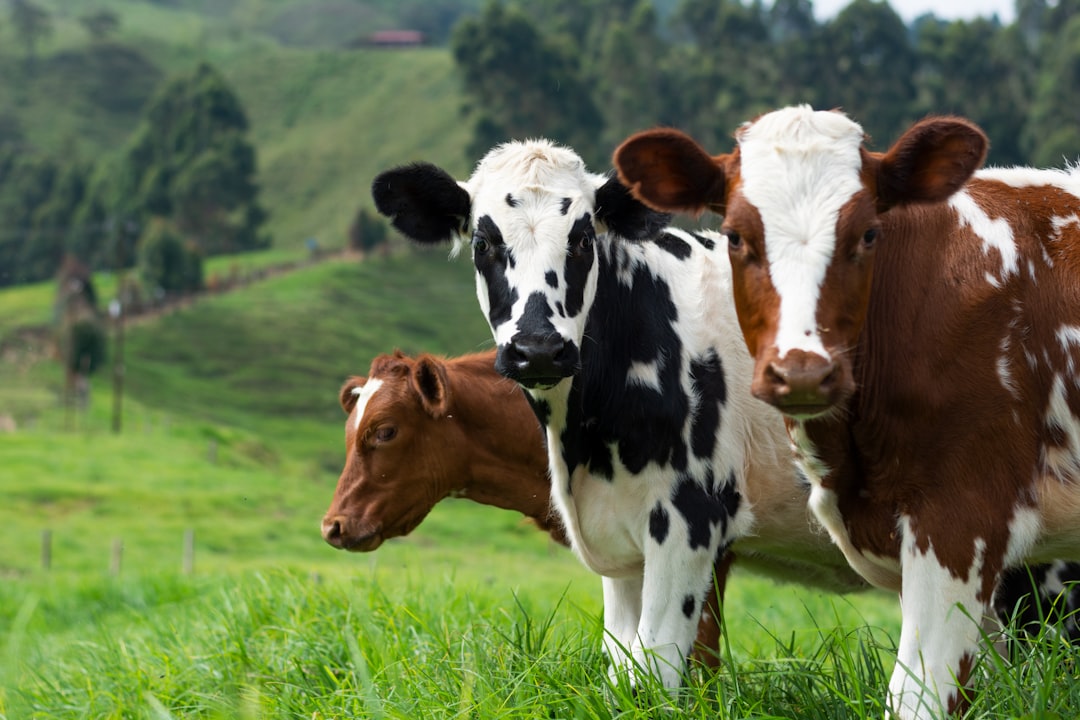
Sri Lanka presents a complex picture regarding beef taboos, reflecting its religious diversity. The country’s population is approximately 70% Buddhist, 12% Hindu, 10% Muslim, and 6% Christian. While Buddhism doesn’t explicitly forbid meat consumption, many Sri Lankan Buddhists avoid beef out of respect for life and due to cultural influences. The Hindu minority, similar to their Indian counterparts, generally considers the cow sacred and avoids beef consumption.
The politics surrounding beef in Sri Lanka have occasionally become contentious. Buddhist nationalist groups have periodically advocated for restrictions on cattle slaughter, viewing it as protecting Buddhist values and cultural identity. In recent years, proposals for nationwide bans on cattle slaughter have been debated but not fully implemented. Instead, there exist regional and periodic restrictions, particularly during Buddhist holy days. The Muslim community in Sri Lanka does consume beef as part of their dietary practices, which has sometimes created tensions with Buddhist nationalist groups. Overall, while beef is legally available in Sri Lanka, its consumption remains culturally sensitive and varies significantly across religious and regional communities.
Cambodia Buddhist Traditions and Emerging Changes

Cambodia’s relationship with beef consumption is primarily influenced by Theravada Buddhism, the religion practiced by approximately 95% of the population. Traditional Buddhist teachings emphasize compassion toward all sentient beings, and many devout Cambodians historically avoided consuming beef, particularly on holy days or during religious festivals. In rural Cambodia, cattle have traditionally been valued more as working animals for agriculture than as sources of food.
However, Cambodia represents an interesting case of changing attitudes toward beef. Unlike some other Buddhist-majority countries, Cambodia has no legal restrictions on beef consumption, and in recent decades, particularly in urban areas like Phnom Penh, beef has become increasingly common in the diet. This shift reflects both economic development and cultural changes following the traumatic Khmer Rouge period, which disrupted many traditional practices. Today, while some older and more religiously observant Cambodians maintain beef avoidance, younger generations and urban dwellers increasingly include beef in their diets. Traditional Cambodian cuisine still features less beef than neighboring countries like Vietnam or Thailand, with pork and fish historically being more prominent protein sources.
Egypt Ancient Reverence and Modern Practices

Egypt presents a fascinating historical case regarding beef taboos. In ancient Egypt, cows were sacred animals associated with the goddess Hathor, who was depicted with cow horns or as a cow herself. Hathor represented motherhood, fertility, and protection, making cows symbols of divine feminine energy. During certain periods of Egyptian history, the killing of cows was prohibited or highly regulated, particularly those with specific markings that indicated divine status.
In modern Egypt, the situation has evolved considerably. Today, approximately 90% of Egyptians are Muslim, and Islamic dietary laws permit beef consumption as long as the animal is slaughtered according to halal requirements. However, economic factors have created a de facto limitation on beef consumption. Beef remains expensive relative to other protein sources, making it unaffordable for many Egyptians on a regular basis. Additionally, some traditional Egyptian communities, particularly among Coptic Christians (about 10% of the population) and in rural areas, maintain certain cultural practices regarding when and how beef should be consumed. While not a strict taboo in contemporary Egypt, these historical and economic factors have shaped a distinctive relationship with beef consumption that differs from Western norms.
North Korea Scarcity and State Control

North Korea represents a unique case where beef avoidance stems not primarily from religious or cultural taboos but from extreme scarcity and state control. Under the highly centralized economic system, private ownership of cattle is prohibited, with all livestock technically belonging to the state. Cattle are considered valuable resources primarily as draft animals for agriculture and for their milk, rather than for meat production. The severe food shortages that have plagued North Korea since the 1990s have made beef an extraordinary luxury accessible primarily to the political elite.
While not a traditional cultural taboo, beef consumption has effectively become taboo for ordinary citizens through government policy and economic circumstances. The few cattle that exist in North Korea are considered state assets, and unauthorized slaughter can reportedly result in severe punishment. According to defectors’ accounts, most North Koreans go years or even lifetimes without tasting beef. On the rare occasions when beef is distributed, such as on national holidays like the birthdays of former leaders Kim Il-sung or Kim Jong-il, it’s in minimal quantities and considered a special gift from the regime. This situation has created a de facto beef taboo that, while different in origin from religious prohibitions, is perhaps even more strictly observed in practice.
Madagascar Ancestral Traditions and Cattle Reverence

Madagascar offers a distinctive perspective on beef taboos through the lens of ancestral traditions rather than major world religions. Various ethnic groups in Madagascar, particularly the Bara and Sakalava peoples, consider cattle (zebu) as symbols of wealth, prestige, and spiritual connection to ancestors. Rather than being primarily food sources, zebu cattle often serve ceremonial and social functions, including bride price payments and funeral sacrifices. In some communities, certain cattle with specific markings or characteristics are believed to have spiritual significance and are never slaughtered for consumption.
While beef consumption isn’t universally prohibited in Madagascar, complex cultural rules govern when, how, and by whom cattle can be slaughtered and consumed. For example, in some communities, only men may slaughter cattle, and consumption must follow specific rituals. Cattle theft remains a serious crime in rural Madagascar, sometimes punishable by death in traditional justice systems, indicating the animals’ immense cultural value. This relationship with cattle and beef represents a different type of taboo system—one based on ancestral traditions and social structures rather than codified religious prohibitions. As Madagascar undergoes urbanization and cultural change, these practices are evolving, but traditional attitudes toward cattle remain influential, particularly in rural areas.
Nigeria Ethnic Variations and Sacred Cattle

Nigeria, Africa’s most populous nation, displays significant regional and ethnic variations in attitudes toward beef consumption. Among certain groups, particularly in southern Nigeria, traditional religious practices include reverence for specific cattle. The Fulani people, one of Nigeria’s largest ethnic groups and traditionally nomadic cattle herders, maintain complex cultural relationships with their herds. While they do consume beef, specific cattle—particularly those with certain markings or those used for ceremonial purposes—may be exempt from slaughter.
In parts of southeastern Nigeria, among some traditional Igbo communities, white cattle were historically considered sacred and associated with deities like Amadioha (the god of thunder). Killing such animals outside of specific ritual contexts could be considered sacrilegious. Today, with approximately half of Nigeria’s population practicing Islam and about 40% identifying as Christian, these traditional taboos have diminished in influence but haven’t disappeared entirely. They persist alongside religious dietary guidelines, such as halal requirements for Muslims. The situation in Nigeria illustrates how beef taboos can exist on a spectrum, with certain cattle being protected while others are acceptable for consumption, and how these practices evolve alongside newer religious influences.
Taiwan Buddhist Influence and Vegetarian Traditions

Taiwan presents an interesting case where beef consumption, while not legally prohibited, faces cultural resistance influenced by Buddhist and traditional Chinese beliefs. Approximately 35% of Taiwan’s population identifies as Buddhist, and many practitioners follow vegetarian diets either permanently or on specific days of the lunar calendar. Beyond formal religious adherence, traditional Chinese beliefs that traveled to Taiwan include concepts of balance and proper conduct that sometimes discourage beef consumption.
Historically, cattle in Taiwan were valued primarily as working animals essential for agriculture, making their slaughter for food seem wasteful or disrespectful. This utilitarian view combined with Buddhist principles of compassion created a cultural preference for pork, chicken, and seafood over beef. While these attitudes have evolved with modernization and Western influences, some traditional restaurants in Taiwan still don’t serve beef or maintain separate preparation areas for it. Older generations, in particular, may maintain beef avoidance practices. Taiwan’s case demonstrates how beef taboos can exist as cultural preferences and traditions even without strict religious prohibitions, though these practices are gradually changing with generational shifts and globalization.
Tibet Buddhist Principles and Practical Considerations
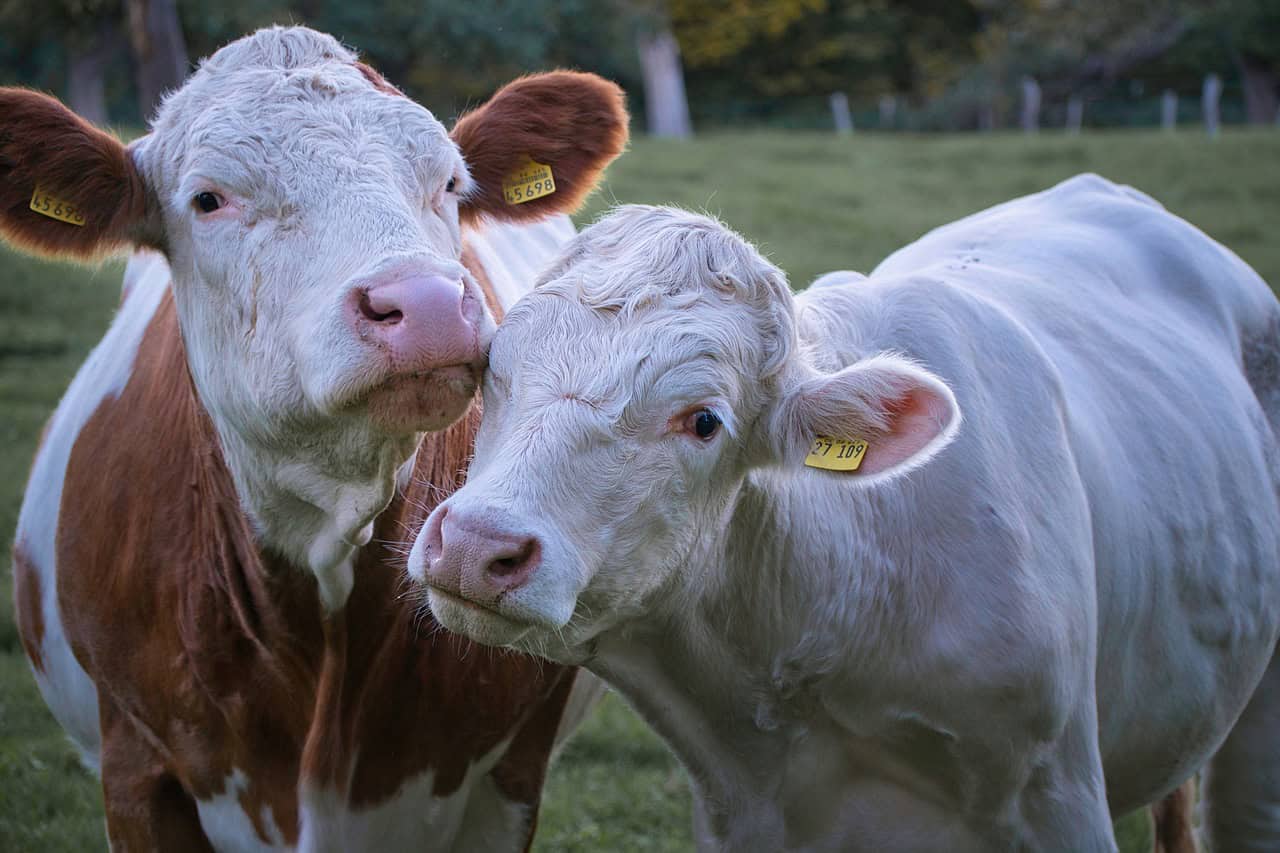
Tibet, now an autonomous region within China, maintains distinctive attitudes toward beef shaped by its Tibetan Buddhist traditions and high-altitude environment. Tibetan Buddhism emphasizes compassion toward all sentient beings, and many practitioners aim to minimize harm to larger animals with greater perceived consciousness. Historically, Tibetan religious authorities occasionally issued decrees prohibiting the slaughter of cattle for certain periods, particularly during important religious events or in times of crisis.
Paradoxically, while these Buddhist principles discourage animal slaughter, practical considerations in Tibet’s harsh mountain environment have made animal products, including beef and yak meat, essential for survival. Tibetans have developed a philosophical approach that acknowledges this contradiction: when animals must be slaughtered for food, it should be done with respect, gratitude, and prayers for the animal’s positive rebirth. Additionally, Tibetans traditionally practiced a form of efficient resource use where a single animal might provide food for an extended period, with nothing wasted. This approach—minimizing harm while acknowledging necessity—represents a nuanced form of beef taboo that doesn’t completely prohibit consumption but surrounds it with spiritual considerations and restraint. In contemporary Tibet, these traditional attitudes continue alongside changing dietary practices influenced by Chinese governance and modernization.
Conclusion: Understanding Global Perspectives on Beef
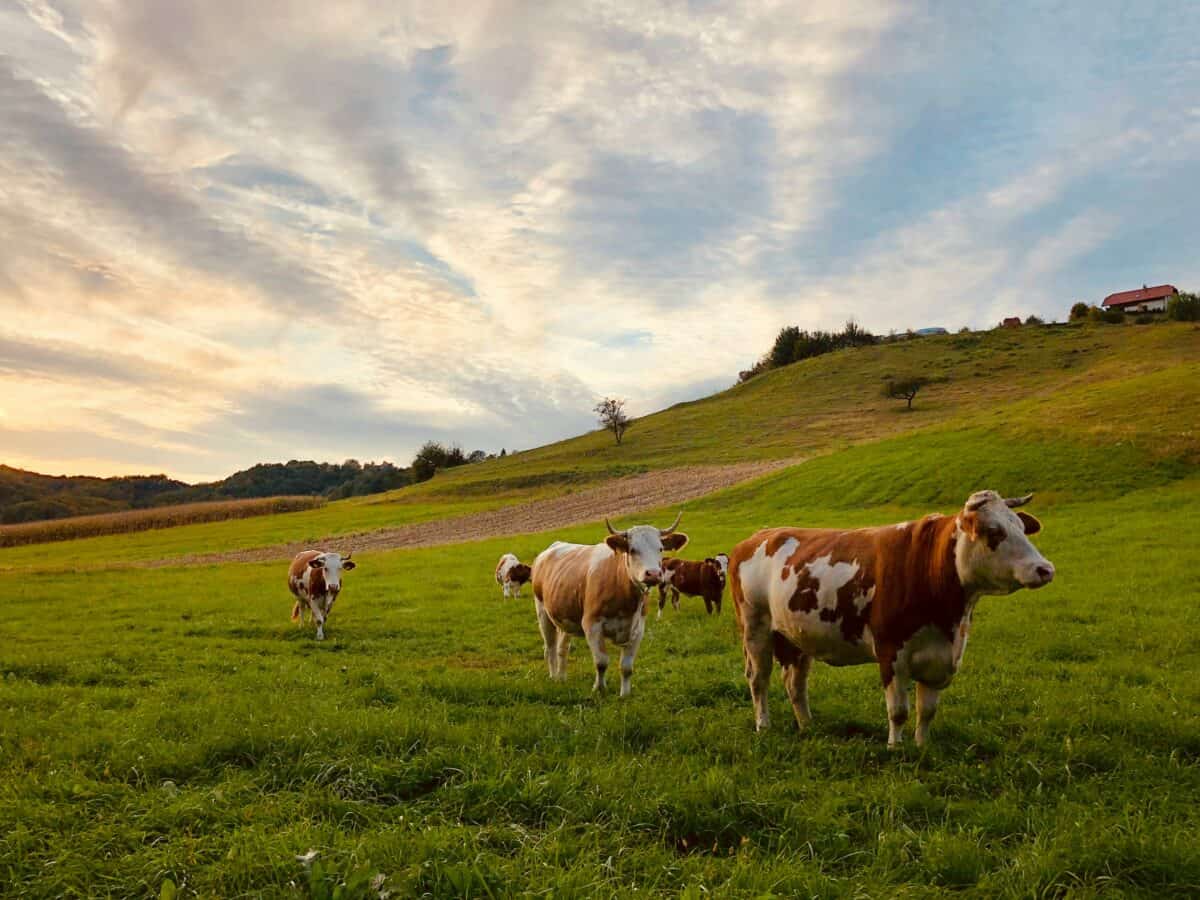
The varied approaches to beef consumption across these 13 countries reveal how deeply food choices are intertwined with cultural identity, religious beliefs, environmental conditions, and historical circumstances. From the strictly enforced legal prohibitions in India and Nepal to the more nuanced cultural discouragements in places like Cambodia and Taiwan, these beef taboos represent far more than dietary preferences—they embody fundamental worldviews about humanity’s relationship with animals and the natural world. Understanding these taboos provides valuable insights into cultural diversity and challenges the notion that any single approach to food is universal or “normal.”
As globalization continues to influence food systems worldwide, many of these taboos face new challenges and adaptations. Younger generations in traditionally beef-avoiding societies often adopt more international dietary patterns, while environmental and ethical concerns about industrial meat production create new forms of beef avoidance in previously beef-consuming nations. The economic development that makes beef more accessible sometimes conflicts with traditional values that discouraged its consumption. These tensions highlight how food choices remain powerful expressions of cultural values even in our increasingly interconnected world.
For travelers, immigrants, and international businesses, awareness of these beef taboos represents an important aspect of cultural competence and respect. What might seem like a simple menu choice in one context could be deeply offensive or inappropriate in another. By appreciating the complex religious, historical, and philosophical foundations of these beef taboos, we gain not just knowledge about dietary differences but deeper insight into diverse ways of understanding humanity’s place in the world and relationships with other living beings.
Finally, these varied approaches to beef consumption invite reflection on our own cultural assumptions about food. Every culture makes distinctions between what is considered food and what is not, between what is everyday fare and what is taboo. Recognizing the cultural contingency of our own food practices opens the door to greater cross-cultural understanding and reminds us that dietary choices are never simply about nutrition—they’re profound expressions of who we are and what we believe.

As a little kid, I fell in love with nature, wildlife, and animals. Living in the USA, South Africa, Italy, China and Germany gave me the opportunity to discover the world's Wildlife. My favorite animals are Mountain Gorillas, Siberian Tigers, and Great White Sharks.
I'm a certified PADI Open Water Diver, went to Everest Base Camp and Trekked Gorillas in Uganda. I hold a Master of Science in Economics and Finance.
Please send any feedback to feedback@animalsaroundtheglobe.com
- 11 Most Endangered Insects Buzzing in America Today - July 22, 2026
- 10 Most Frequently Googled Animal Birth Facts - July 22, 2026
- 10 Incredible Migration Journeys in the Animal Kingdom - July 22, 2026