
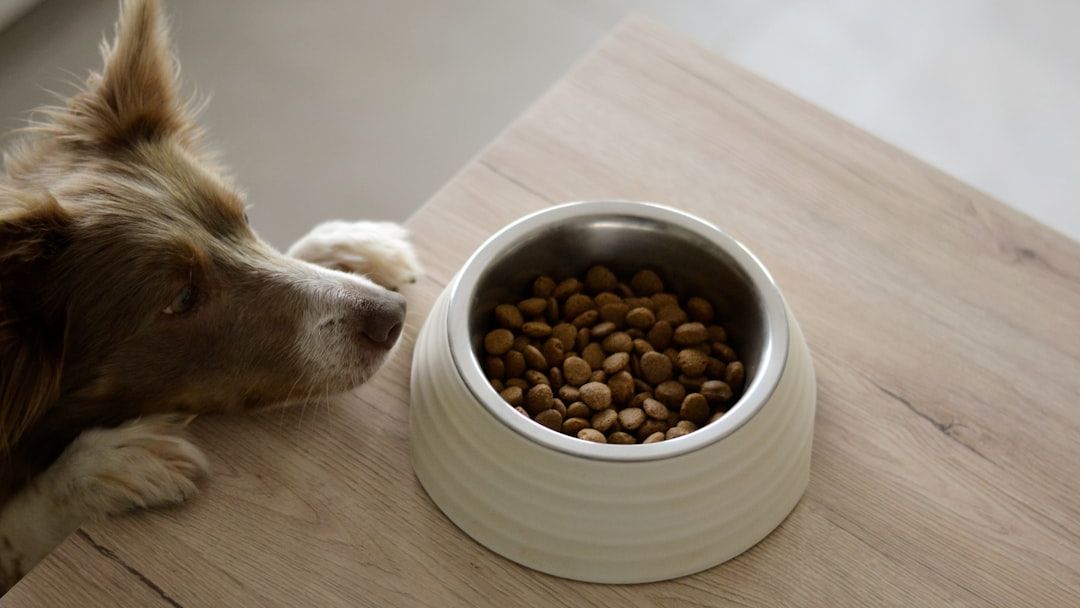
Many dog owners turn to raw diets hoping for shinier coats and more energy in their pets. Yet beneath the surface of those promises lie risks that often go unnoticed until something goes wrong.
The appeal feels straightforward at first. Fresh ingredients seem more natural than kibble processed in factories. Still, the reality involves more than just meal prep in the kitchen.
Bacterial Threats Lurking in Every Bite
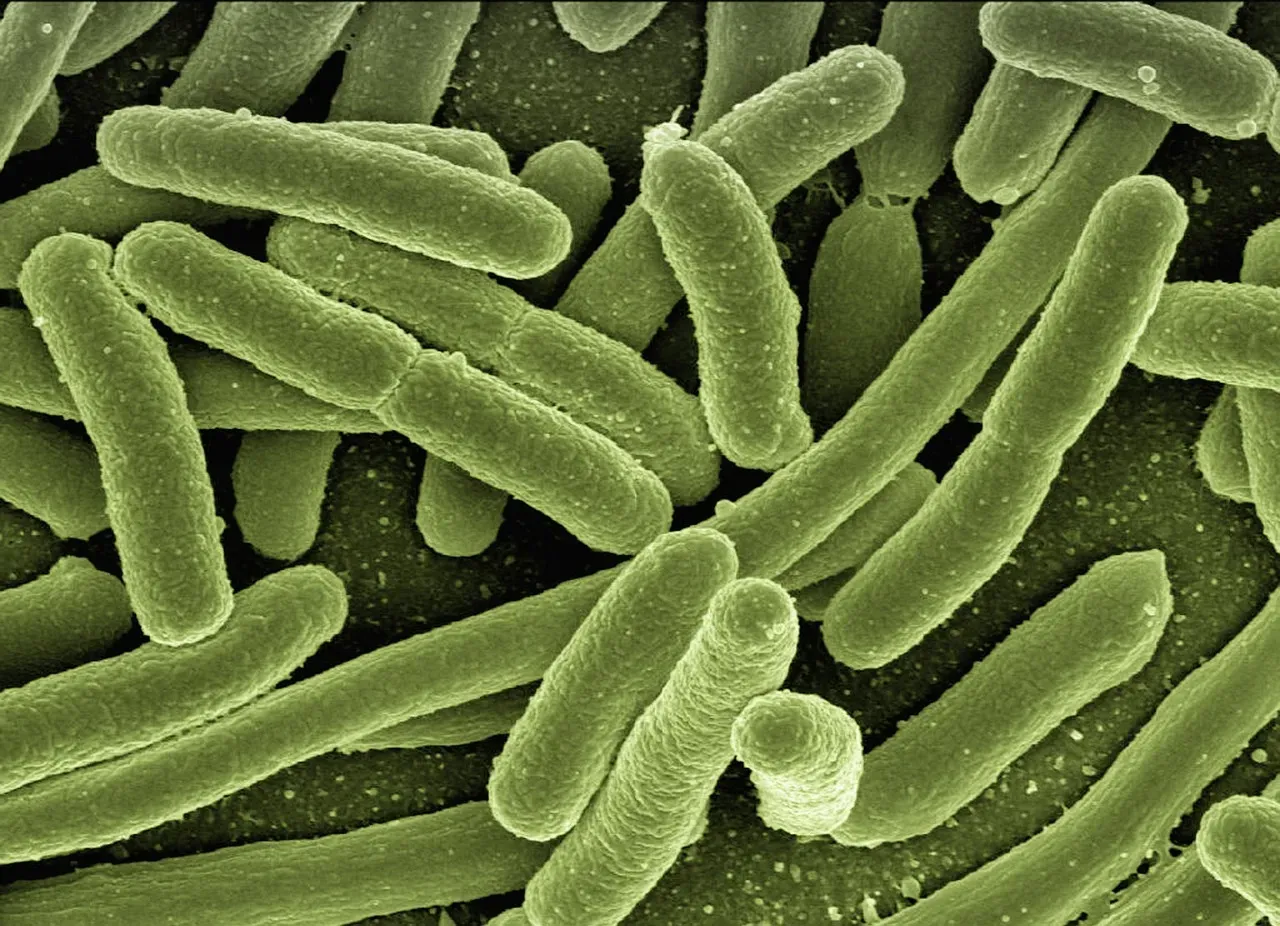
Raw meat carries bacteria such as salmonella and E. coli that survive without cooking. These pathogens can make dogs sick with vomiting or diarrhea that lingers for days. Owners sometimes overlook mild symptoms until the issue spreads further.
Household surfaces become contaminated easily during preparation. A single spill on the counter or floor can transfer germs to family members who touch those areas later. Young children and older adults face higher chances of serious infection from the same source.
Nutritional Gaps That Build Over Time
Raw recipes often miss key vitamins or minerals unless carefully balanced by experts. Calcium shortages appear in homemade versions that rely too heavily on muscle meat alone. Over months these shortfalls weaken bones and affect organ function in subtle ways.
Commercial raw products vary widely in quality and formulation. Some brands meet standards while others fall short on complete profiles. Regular bloodwork becomes necessary to catch deficiencies before they turn into visible health problems.
Physical Hazards From Bones and Chunks

Large bone fragments can splinter and cause internal injuries along the digestive tract. Even ground raw diets sometimes include small pieces that irritate the mouth or throat during chewing. Emergency vet visits rise when these incidents occur without warning.
Swallowing whole chunks poses another layer of risk for fast eaters. Blockages require surgery in severe cases and recovery stretches for weeks. Smaller dogs face greater danger because their systems handle less volume at once.
Cross Contamination in Daily Life
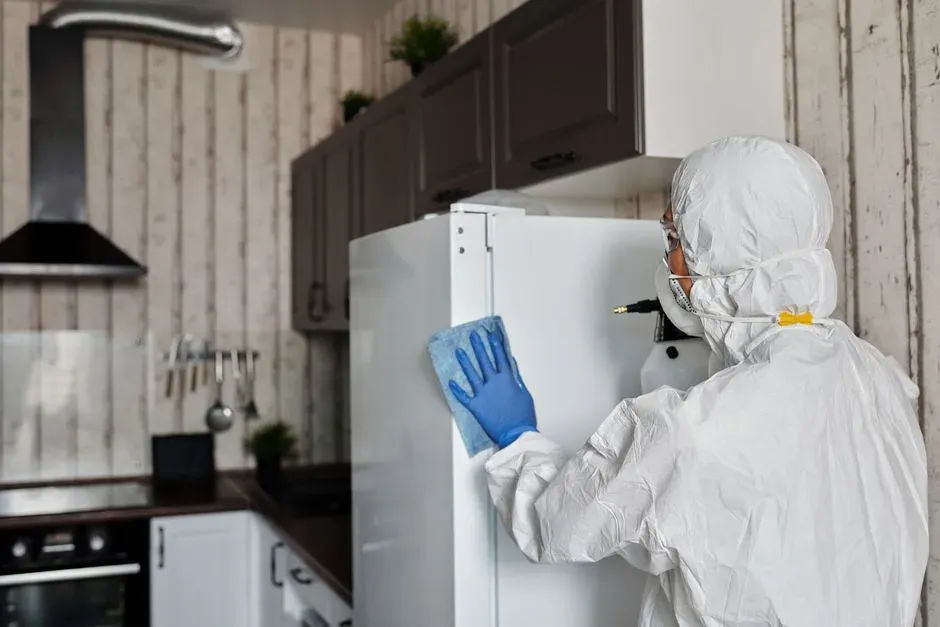
Raw food handling spreads bacteria beyond the bowl to leashes, toys, and furniture. Routine cleaning routines rarely eliminate every trace without targeted disinfectants. Families with multiple pets notice the problem compounds quickly across shared spaces.
Travel or boarding situations add extra exposure points. Kennels may not follow the same hygiene protocols owners use at home. A single contaminated item can affect several animals in close quarters.
Regulatory Gaps and Product Variability
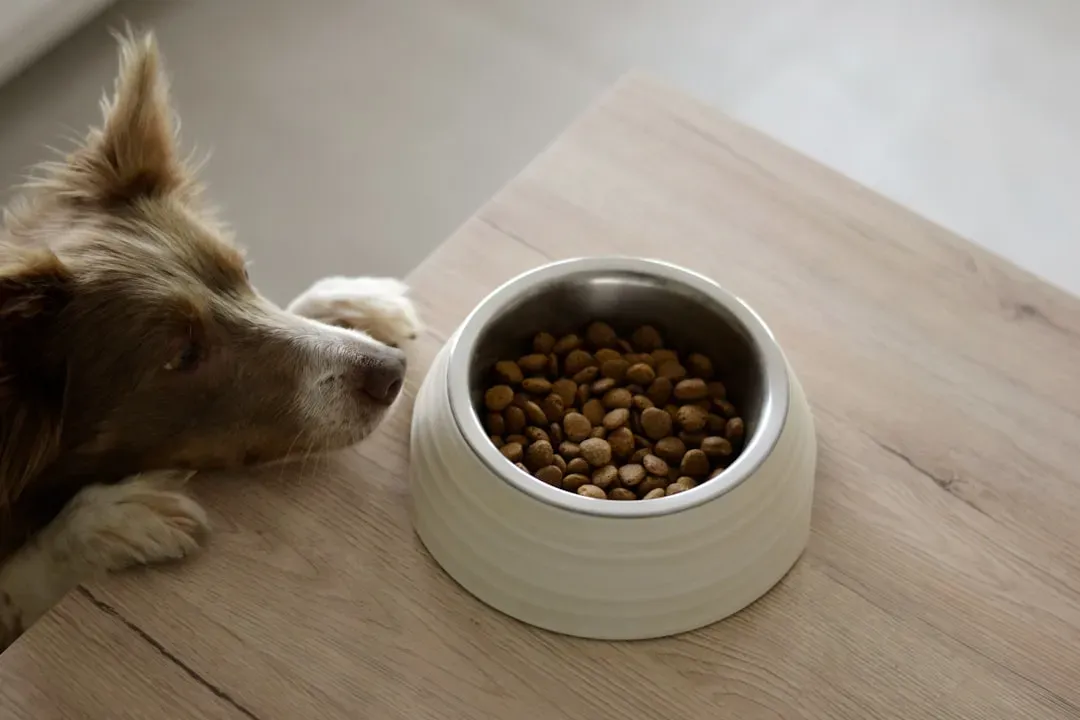
Raw pet food faces fewer mandatory safety checks than cooked commercial options in many regions. Recalls happen periodically when contamination clusters appear in certain batches. Tracking which products stay reliable requires ongoing attention from owners.
Ingredient sourcing differs between suppliers and seasons. Meat from one farm might carry higher pathogen loads than another. Without consistent oversight the final product quality remains unpredictable from purchase to purchase.
Effects on Immune and Digestive Systems
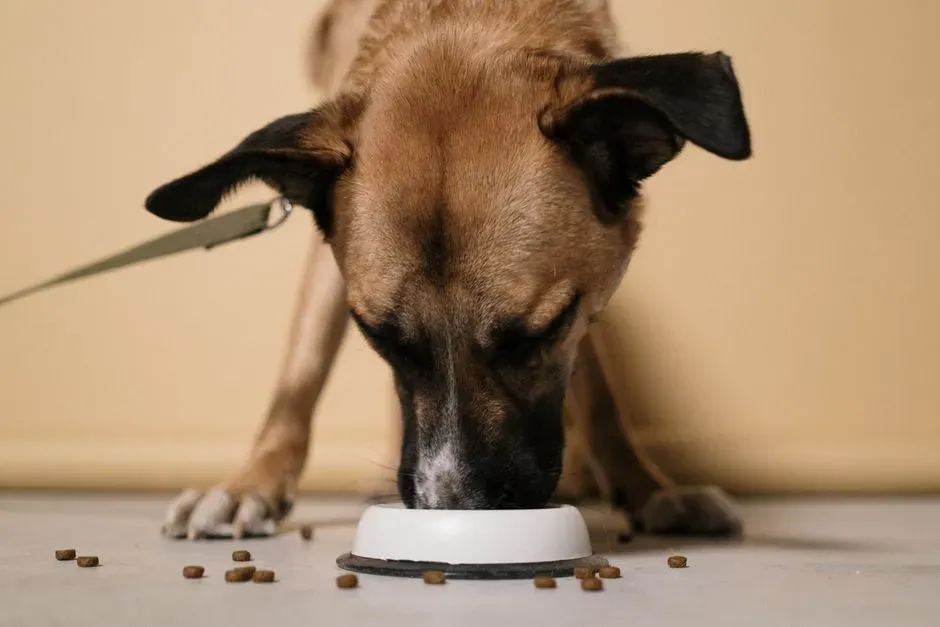
Repeated exposure to bacteria can stress a dog’s immune response over time. Some pets develop chronic gut issues that mimic allergies or sensitivities. Recovery often involves switching diets and additional medications to restore balance.
Long term data remains limited on how raw feeding influences overall lifespan. Short term improvements in energy sometimes mask slower developing concerns. Veterinary monitoring helps separate genuine benefits from temporary changes.
Cost and Lifestyle Tradeoffs

Raw diets demand freezer space, frequent shopping trips, and careful thawing schedules. The financial outlay exceeds standard kibble for most households once all components are tallied. Time spent on preparation adds another layer that busy owners must weigh.
Travel becomes more complicated when fresh or frozen meals must stay cold. Boarding facilities rarely accommodate raw feeding without extra fees or restrictions. These practical hurdles accumulate faster than many anticipate at the start.
After weighing the documented risks against the uncertain upsides, raw feeding looks like a choice best approached with professional guidance and strict safety measures. Most dogs thrive on well formulated commercial diets that avoid these hidden pitfalls altogether. The decision ultimately rests on individual circumstances, yet caution remains the wiser starting point for the majority of owners.
