


On April 26, 1986, reactor number four at the Chernobyl Nuclear Power Plant exploded, releasing radioactive material across what is now Ukraine, Belarus, and Russia. The catastrophic event forced the evacuation of nearly 350,000 people, creating a 30-kilometer Exclusion Zone that remains largely uninhabited by humans today. Yet, amid this human-made disaster, nature has found a way to persist and even thrive. The abandoned landscape has transformed into an inadvertent wildlife sanctuary where various species have established themselves in the absence of human activity. This article explores 13 remarkable creatures that continue to live in the Chernobyl Exclusion Zone today, offering a fascinating glimpse into nature’s resilience in one of the world’s most notorious disaster zones.
13. Przewalski’s Horses – The Return of the Wild Equids
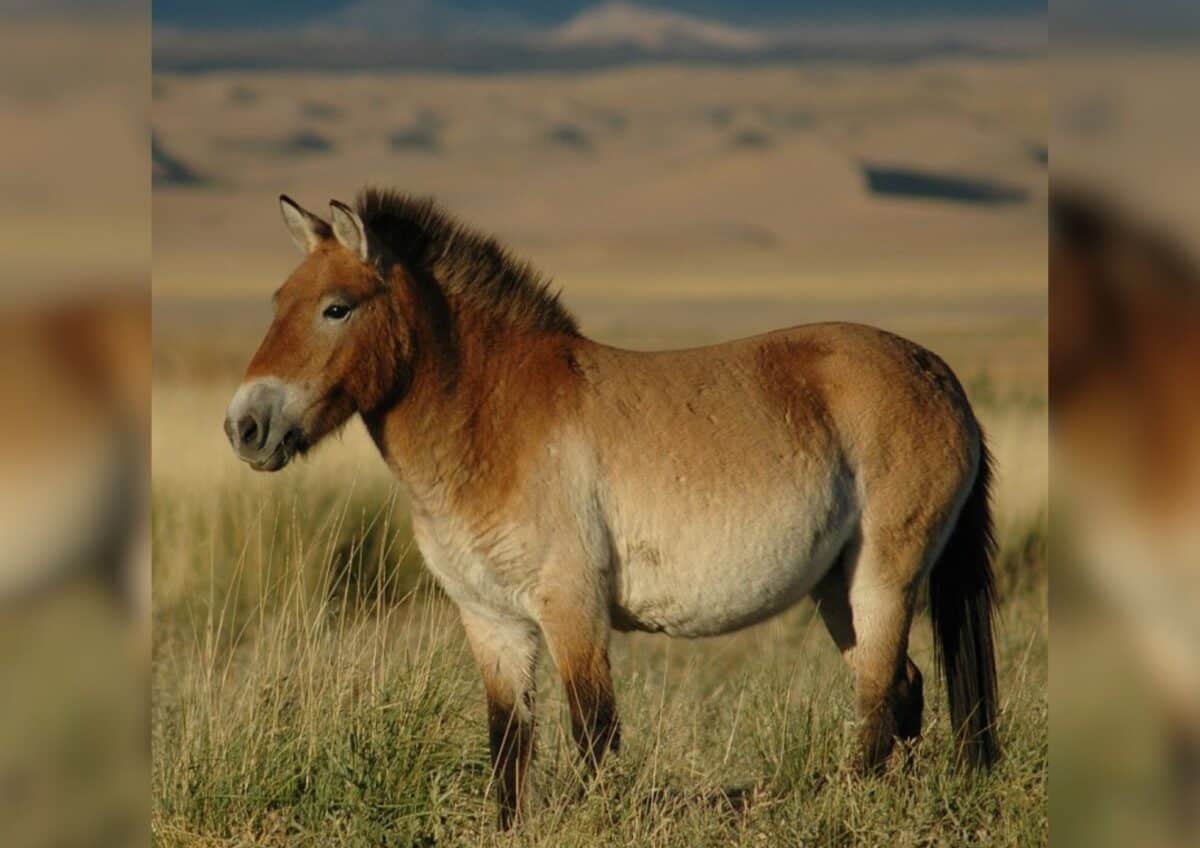
Przewalski’s horses, the last truly wild horses on Earth, have found an unlikely sanctuary in the Chernobyl Exclusion Zone. In 1998, scientists introduced 30 of these endangered horses to the area as part of a conservation experiment. Against all expectations, the population has not only survived but flourished. These stocky, muscular horses with distinctive erect manes now number over 150 individuals. Unlike domestic horses, Przewalski’s horses have never been domesticated and represent the last remaining subspecies of wild horse. Their presence in Chernobyl demonstrates nature’s remarkable adaptability, as they roam freely through meadows and forests once occupied by human settlements. Despite concerns about radiation exposure, these horses appear to be breeding successfully and maintaining healthy population dynamics, offering hope for this once nearly-extinct species.
12. European Bison – The Continent’s Largest Land Mammal

The European bison, once on the brink of extinction, has established a growing population within the Chernobyl Exclusion Zone. These massive herbivores, weighing up to 2,000 pounds, were first spotted entering the zone from neighboring Belarus around 2015. Their presence represents a significant conservation success story. European bison populations had dwindled to just a few dozen individuals in captivity by the early 20th century, but today, the Chernobyl herd comprises approximately 40-60 animals. These magnificent creatures thrive in the mosaic landscape of abandoned fields, meadows, and woodlands. Scientists monitoring the bison have observed healthy breeding patterns and normal social behaviors, suggesting that the radiation levels do not prevent these animals from establishing a viable population. Their successful return to these lands offers a powerful symbol of ecological recovery in a post-disaster environment.
11. Gray Wolves – Thriving Apex Predators
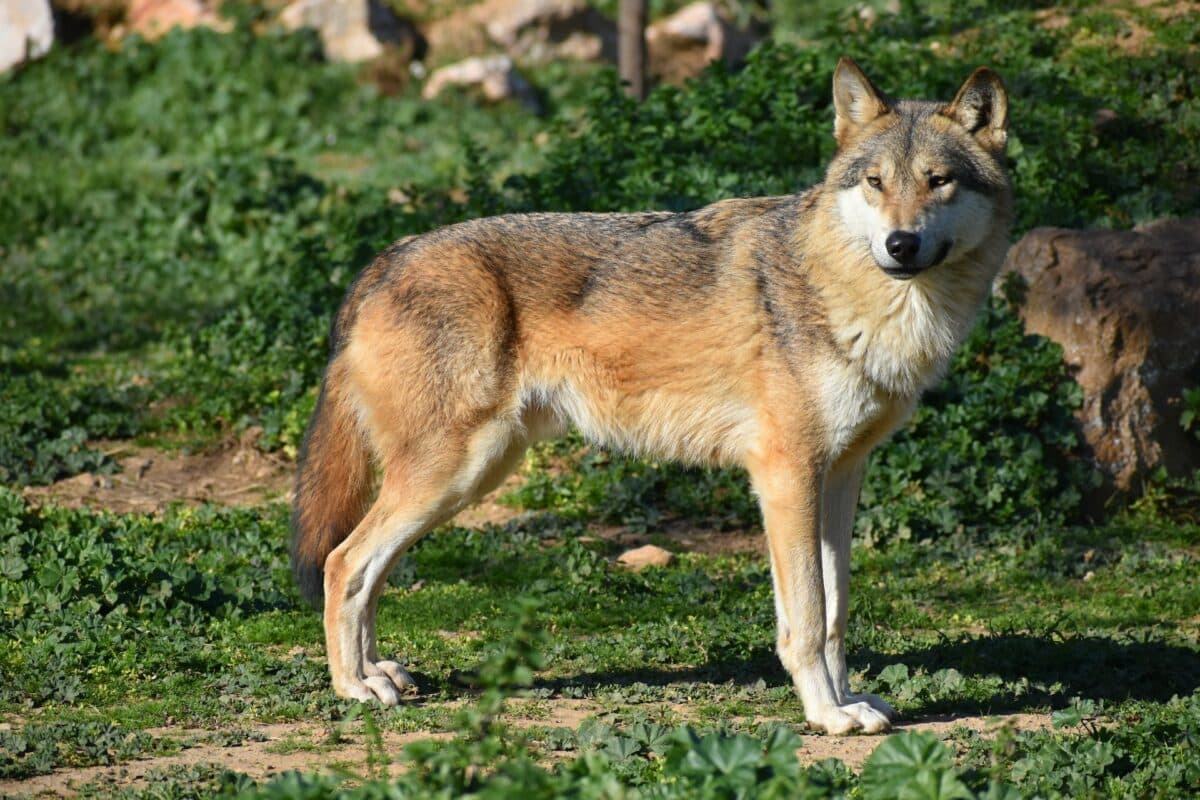
Gray wolves have become one of the most successful species in post-disaster Chernobyl, with population densities up to seven times higher than in surrounding nature reserves. Research indicates there are approximately 300 wolves within the Exclusion Zone, making it one of the densest wolf populations in Europe. Free from hunting pressure and human persecution, these apex predators have reclaimed their ecological niche. Utilizing abandoned buildings for dens and hunting in the open landscapes, wolves have benefited from the absence of humans and the abundance of prey species. GPS collar studies have shown that these wolves occasionally venture outside the zone but generally remain within its boundaries, seemingly adapted to life in this unique environment. Their success provides a rare glimpse of how large carnivores can thrive when human interference is removed from the equation, even in a radiation-affected landscape.
10. Eurasian Lynx – The Elusive Forest Cats
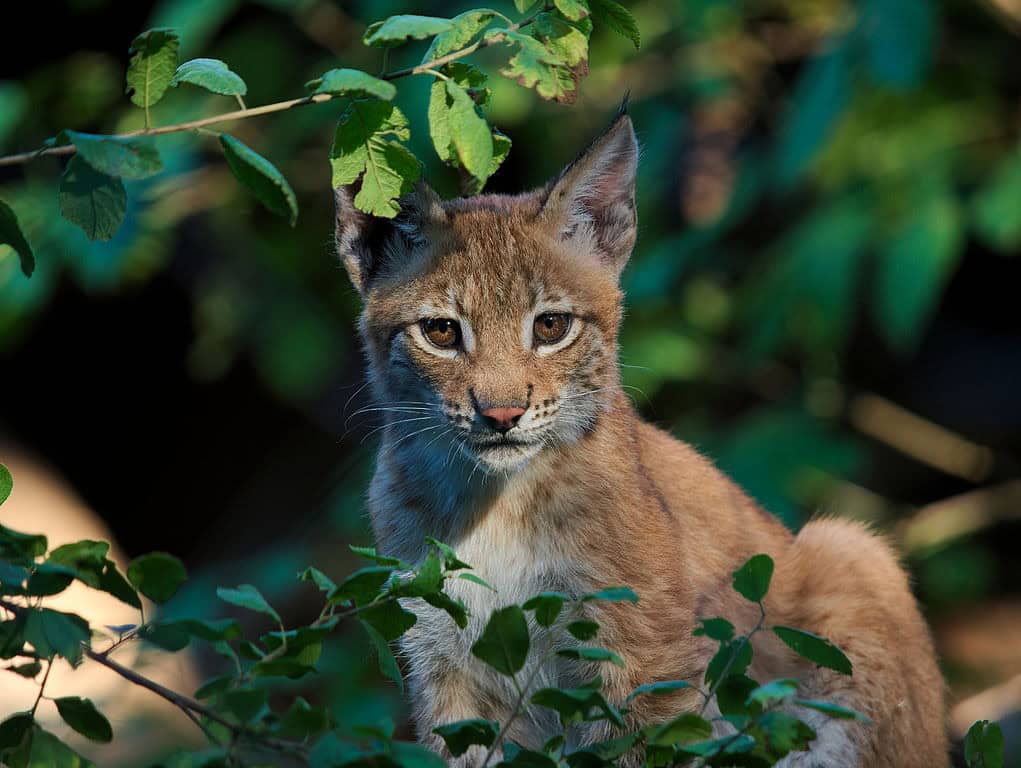
The Eurasian lynx, typically a shy and elusive predator, has established a strong presence in the forests of Chernobyl. These medium-sized wildcats with distinctive tufted ears and short tails are rarely seen in most of Europe due to habitat loss and hunting, but camera trap studies have confirmed multiple individuals residing within the Exclusion Zone. Scientists estimate a population of 80-120 lynx now inhabit the area. These solitary hunters primarily prey on roe deer and hares, maintaining healthy ecosystem balance. The lynx’s presence is particularly significant as they require large, undisturbed territories and serve as indicators of ecosystem health. Their ability to thrive in Chernobyl suggests that the benefits of human absence outweigh the potential negative effects of radiation exposure. Regular monitoring shows normal reproductive patterns and behavior, indicating that these secretive cats have successfully adapted to life in this unusual sanctuary.
9. Brown Bears – Returning Giants

Brown bears, absent from the region for decades before the disaster, have made a remarkable comeback in the Chernobyl Exclusion Zone. These massive omnivores, weighing up to 700 pounds, were first documented returning to the area in the early 2000s, likely migrating from more remote parts of Belarus. Wildlife cameras have captured numerous individuals, including mothers with cubs, suggesting a breeding population. Researchers estimate that 15-30 bears now inhabit the zone, utilizing the diverse landscape of forests, wetlands, and abandoned orchards for feeding and denning. The bears’ diet in Chernobyl consists of berries, insects, honey, and occasionally larger prey. Their return represents a significant ecological development, as these large carnivores typically require vast, undisturbed territories with abundant food resources. The presence of reproducing bears signals that the ecosystem has recovered sufficiently to support these apex omnivores, despite the lingering radiation.
8. European Elk (Moose) – Towering Browsers

The European elk, known as moose in North America, has become one of the most visible large mammals in the Chernobyl Exclusion Zone. These massive herbivores, standing over 6 feet tall at the shoulder, have established a robust population estimated at 1,200-1,500 individuals. Aerial surveys show they prefer the wetter areas of the zone, including marshlands and river valleys where they browse on aquatic vegetation, shrubs, and tree bark. The absence of hunting pressure has allowed these normally skittish animals to exhibit more relaxed behaviors, often visible during daylight hours. Research teams studying these elk have found generally normal reproduction rates, though some studies have noted subtle abnormalities in certain physiological parameters that may relate to radiation exposure. Nevertheless, the population continues to thrive, with healthy calves born each spring. The success of these impressive browsers demonstrates the resilience of large herbivores when human hunting pressure is removed, even in areas with environmental contamination.
7. Eurasian Beavers – Ecosystem Engineers

Eurasian beavers have dramatically transformed the waterways within the Chernobyl Exclusion Zone since human abandonment. These industrious rodents, weighing up to 70 pounds, have constructed numerous dams and lodges throughout the region’s rivers and streams. Researchers have documented over 150 beaver dams within the zone, creating an extensive network of wetlands that support diverse plant and animal communities. Free from human interference and trapping, the beaver population has expanded to an estimated 2,000 individuals. Their engineering activities have altered water flow patterns, created new habitat for fish and amphibians, and changed the vegetation composition along waterways. Interestingly, some studies suggest that beaver ponds may serve as radiation traps, with sediments behind dams showing higher concentrations of certain radioactive isotopes. Despite this, the beavers show no obvious signs of radiation sickness and continue to reproduce successfully, underscoring their adaptability to this unique environment.
6. Wild Boars – Radioactive Yet Resilient

Wild boars have become one of the most studied animals in the Chernobyl Exclusion Zone due to their unique relationship with radiation. These highly adaptable omnivores have established a booming population of approximately 10,000-15,000 individuals within the zone. Their rooting behavior, which involves digging in soil for food, exposes them to higher levels of radiation than many other mammals. Consequently, wild boars often show the highest cesium-137 contamination levels of any Chernobyl wildlife. Despite this exposure, the population continues to thrive, with large sounders (groups) commonly observed foraging in abandoned fields and forests. Their diet in Chernobyl includes roots, tubers, insects, small rodents, and agricultural crops growing in formerly cultivated areas. While some individuals show melanistic (abnormally dark) coloration, genetic studies have not conclusively linked these traits to radiation exposure. The success of wild boars in Chernobyl highlights the species’ remarkable adaptability to environmental challenges, including radioactive contamination.
5. Eurasian Otters – Aquatic Specialists

Eurasian otters have established a thriving presence along the waterways of the Chernobyl Exclusion Zone. These semi-aquatic mammals, recognizable by their sleek bodies and webbed feet, require clean water with abundant fish populations—conditions that have improved in Chernobyl’s rivers since human abandonment. Camera traps and field surveys indicate a healthy population of approximately 60-80 individuals distributed throughout the zone’s aquatic ecosystems. Researchers regularly find their distinctive spraints (droppings) along riverbanks, which analysis shows contain primarily fish bones but also remains of frogs, crayfish, and occasionally small mammals. The otters’ success is particularly noteworthy given their sensitivity to water pollution and habitat disturbance. Studies of otter tissues show they do accumulate some radioactive isotopes, but at levels that do not appear to impair reproduction or survival. Their presence serves as a positive indicator of ecosystem recovery in Chernobyl’s waterways, demonstrating that even sensitive species can thrive in this unusual environment when free from human disturbance.
4. Black Storks – Rare and Rebounding
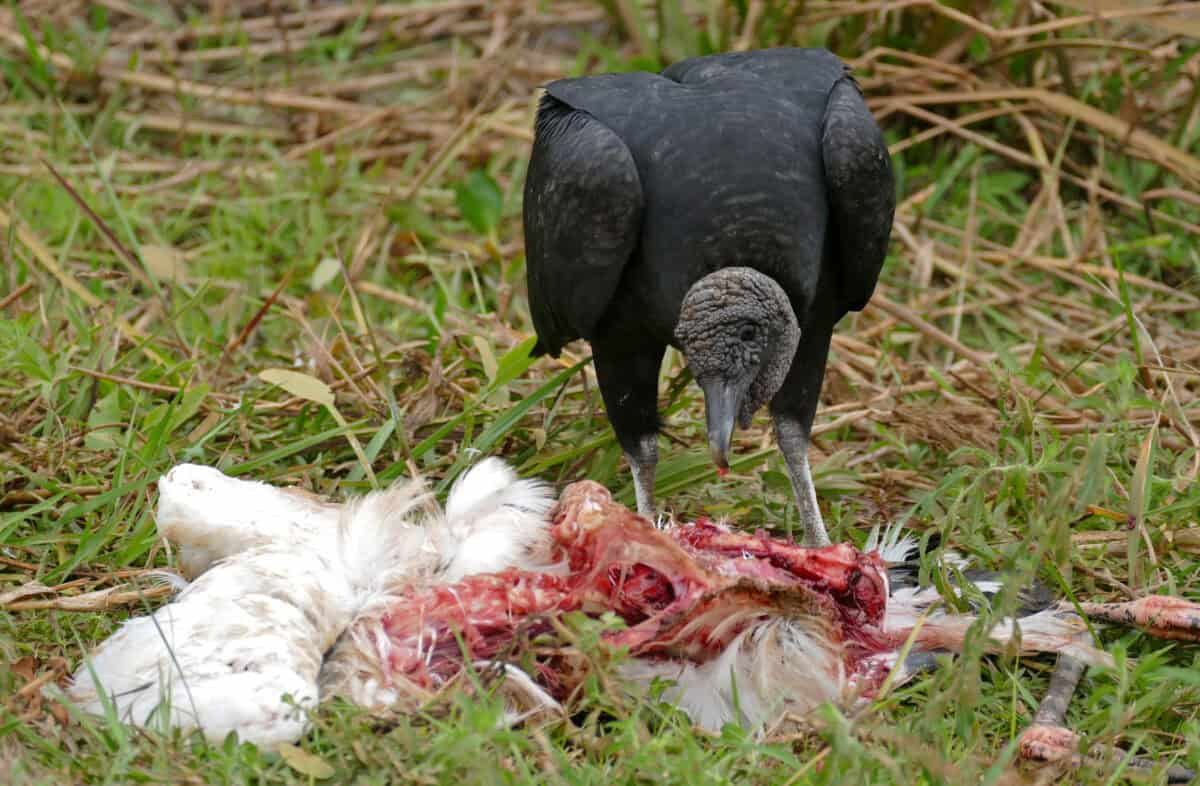
The black stork, a rare and secretive species throughout Europe, has found an unexpected sanctuary in the forests of the Chernobyl Exclusion Zone. Unlike their white stork cousins that often nest near human settlements, black storks require undisturbed old-growth forests with minimal human presence—conditions that have become increasingly available in post-disaster Chernobyl. Ornithologists have documented approximately 10-12 breeding pairs within the zone, representing one of the highest densities in Europe. These majestic birds, with their glossy black plumage accented by bright red bills and legs, build large stick nests high in mature trees, often returning to the same nest for multiple years. They feed primarily in shallow forest streams, hunting fish, amphibians, and aquatic invertebrates. Research teams monitoring these birds have observed normal breeding success, with pairs typically raising 3-4 chicks per season. The increasing black stork population in Chernobyl highlights how certain species, particularly those sensitive to human disturbance, can benefit when people are removed from the landscape, even following an environmental disaster.
3. Barn Swallows – Adapting Despite Mutations
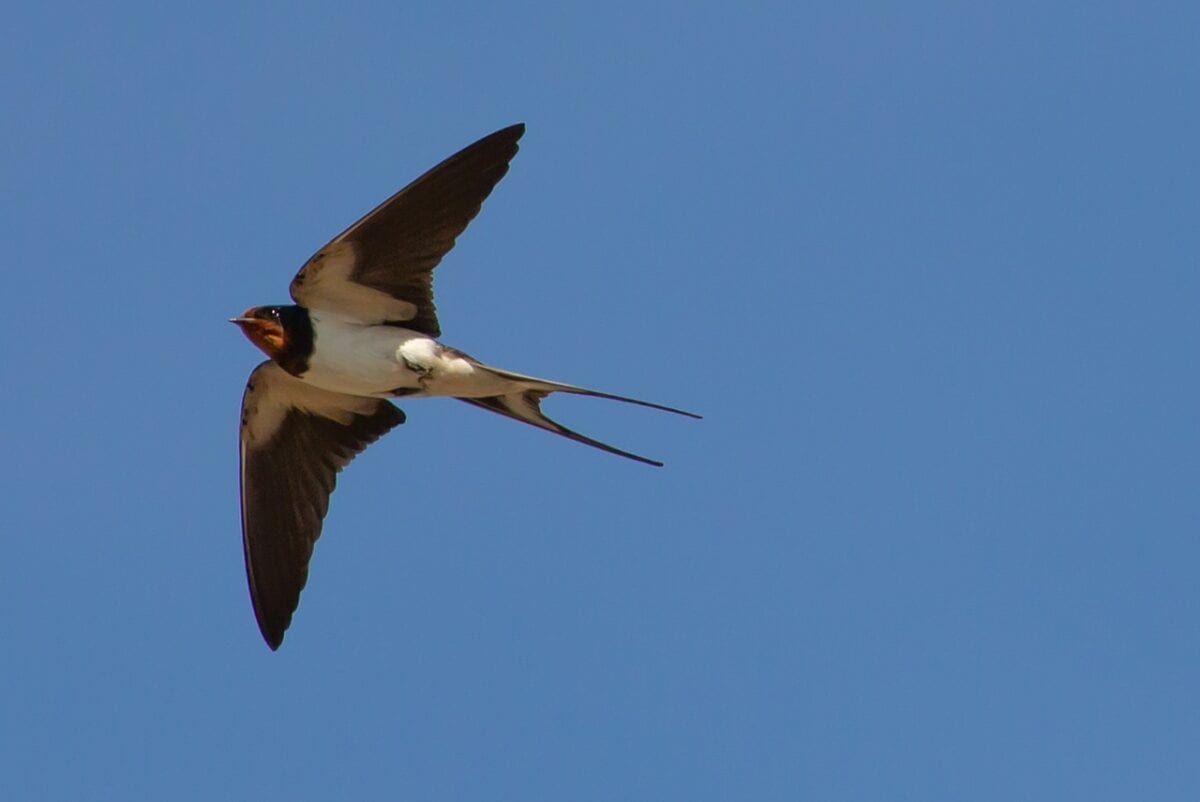
Barn swallows in the Chernobyl Exclusion Zone have become the subject of intensive scientific study due to documented radiation effects on their populations. These small, agile insectivores with distinctive forked tails continue to nest in abandoned buildings throughout the zone, but researchers have observed higher rates of albinism, partial albinism, and other plumage abnormalities compared to swallows in uncontaminated areas. Studies led by biologist Timothy Mousseau have documented reduced brain size, increased asymmetry in wing length, and higher rates of tumors in the Chernobyl swallow population. Despite these challenges, barn swallows persist in the zone, with approximately 1,000 breeding pairs returning each spring. Their ability to survive despite these physiological challenges makes them valuable subjects for understanding radiation’s long-term effects on wildlife. Unlike mammals, which appear to show fewer visible effects, these birds may be more sensitive to radiation damage or may experience different selection pressures. The swallows of Chernobyl provide important insights into adaptation and resilience in the face of environmental contamination.
2. European Tree Frogs – Amphibians in a Radioactive Landscape

European tree frogs have established robust populations in the wetlands and ponds of the Chernobyl Exclusion Zone, despite concerns about amphibian sensitivity to radiation. These small, bright green frogs with distinctive adhesive toe pads are vocal residents of the zone, with their chorus often dominating spring nights. Herpetologists studying these amphibians have found mixed evidence regarding radiation effects. Some research indicates abnormalities in certain populations, including unusual pigmentation patterns and asymmetrical development, while other populations appear largely unaffected. The frogs benefit from the increased wetland habitat created by beaver activity and the absence of drainage and development projects that typically reduce amphibian habitat elsewhere. Population surveys estimate approximately 15-20 tree frogs per hectare in suitable habitat within the zone, suggesting an overall population in the tens of thousands. Their ability to persist despite potential radiation exposure provides valuable data on amphibian adaptation and resilience. The presence of these sensitive bioindicators suggests that while radiation effects are present, they are not sufficient to prevent successful reproduction and population maintenance.
1. Red Foxes – Adaptable Opportunists

Red foxes have become one of the most frequently observed mammals in the Chernobyl Exclusion Zone, adapting remarkably well to life in this altered landscape. These medium-sized canids, known for their reddish fur and bushy tails, have reached population densities of approximately 6-7 foxes per square kilometer—considerably higher than in most European rural areas. Their success stems from their omnivorous diet and ability to utilize human-altered landscapes. Chernobyl’s foxes have become notably less fearful of humans, often approaching researchers and occasionally taking food offerings. This behavioral change has allowed for closer study, with some individuals becoming minor internet celebrities after interactions with documentary filmmakers. Research on fox populations shows they do accumulate radioactive isotopes in their tissues, particularly those individuals that feed heavily on contaminated rodents, but the population shows few obvious health effects. Their ability to adapt behaviorally and physiologically to this unique environment makes them excellent subjects for studying wildlife responses to anthropogenic disturbances and subsequent rewilding processes.
Conclusion: Nature’s Resilience in a Post-Apocalyptic Landscape

The thriving wildlife within the Chernobyl Exclusion Zone presents a profound paradox—a nuclear disaster that drove humans away has created an unintended wildlife sanctuary where numerous species now flourish. While radiation effects are documented in some species, particularly certain birds and amphibians, the overall picture reveals nature’s remarkable capacity for resilience and adaptation in the face of human-made catastrophe. The absence of human activities such as hunting, agriculture, and development has provided many species with advantages that appear to outweigh the challenges of radiation exposure. Chernobyl has become an accidental experiment in rewilding, offering scientists unprecedented opportunities to study ecosystem recovery and wildlife adaptation in a post-human landscape. As research continues, these 13 creatures and many others will provide valuable insights into the complex relationship between environmental contamination, human absence, and wildlife recovery—lessons that may prove invaluable as we face future environmental challenges on our changing planet.

As a little kid, I fell in love with nature, wildlife, and animals. Living in the USA, South Africa, Italy, China and Germany gave me the opportunity to discover the world's Wildlife. My favorite animals are Mountain Gorillas, Siberian Tigers, and Great White Sharks.
I'm a certified PADI Open Water Diver, went to Everest Base Camp and Trekked Gorillas in Uganda. I hold a Master of Science in Economics and Finance.
Please send any feedback to feedback@animalsaroundtheglobe.com
- 20 U.S. States With the Most Unique Wildlife - August 2, 2026
- 13 Cold Blooded Killers of the Animal Kingdom - August 2, 2026
- Trump Administration Proposes To Shut Down National Center For Atmospheric Research - August 2, 2026