

#1 Texas
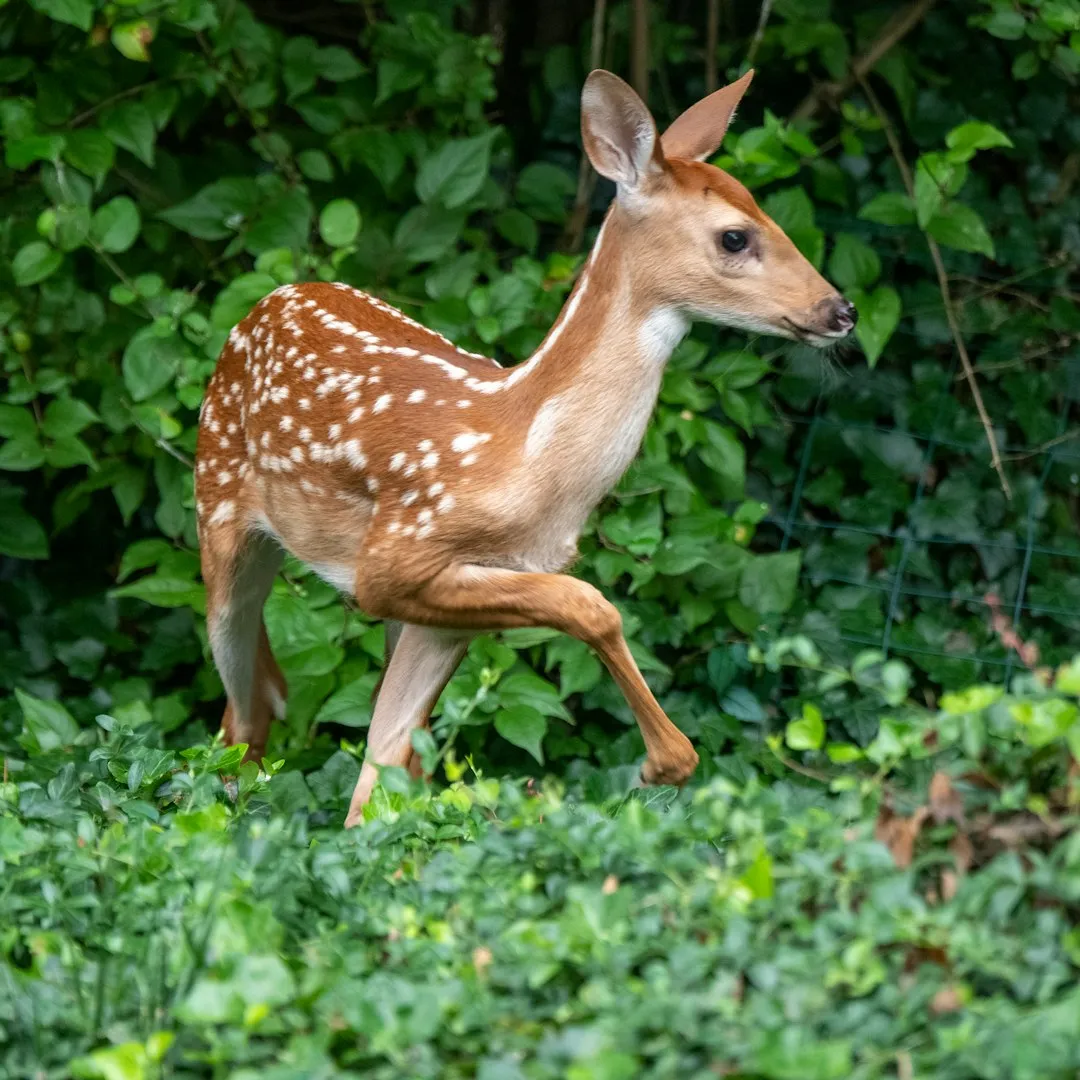
Texas holds the largest white tailed deer population of any state. Vast stretches of brush country and agricultural land provide year round food and cover. Hunters and landowners have worked together for decades to maintain healthy numbers through regulated seasons and habitat improvements.
Estimates place the herd well above five million animals. This scale supports both recreational hunting and a robust wildlife economy. The combination of private ranches and public areas keeps deer distributed across much of the state.
#2 Michigan

Michigan supports roughly two million white tailed deer. Northern forests and southern farmlands create diverse living conditions that suit the species well. State biologists monitor populations closely and adjust harvest rules to prevent over browsing in sensitive areas.
Winter severity can influence survival rates from year to year. Yet the overall trend remains stable thanks to supplemental feeding programs on some private lands and strong enforcement of antler point restrictions. These efforts help maintain a balanced age structure in the herd.
#3 Alabama
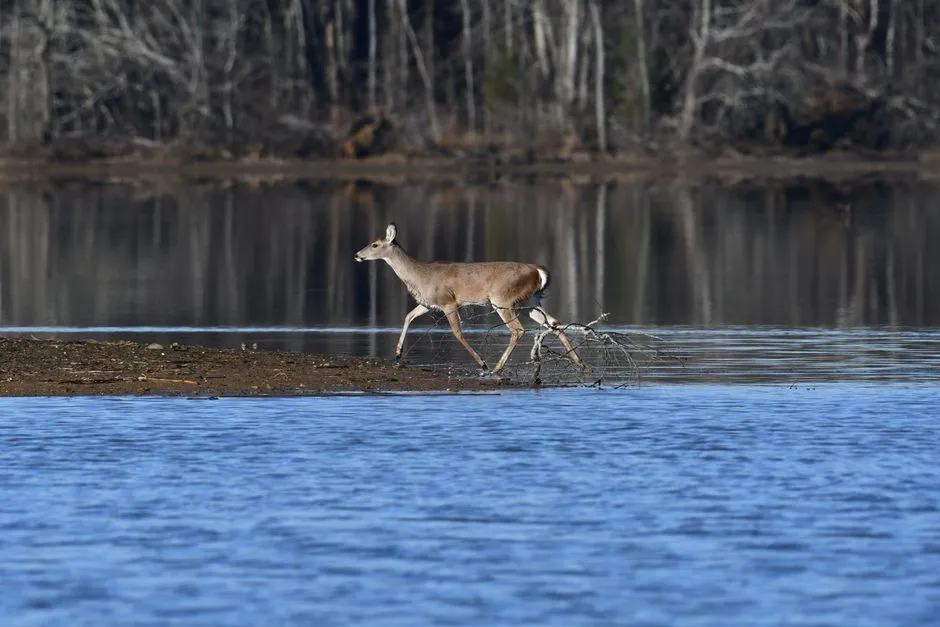
Alabama ranks high with an estimated 1.75 million deer. Pine plantations and hardwood bottoms offer excellent cover and mast crops. Wildlife agencies encourage food plot planting and controlled burns that improve forage quality across large portions of the state.
High hunter participation helps keep numbers in check while providing valuable data through harvest reporting. The southern climate allows for longer growing seasons that benefit fawn survival. As a result, the population has remained robust for many years.
#4 Mississippi
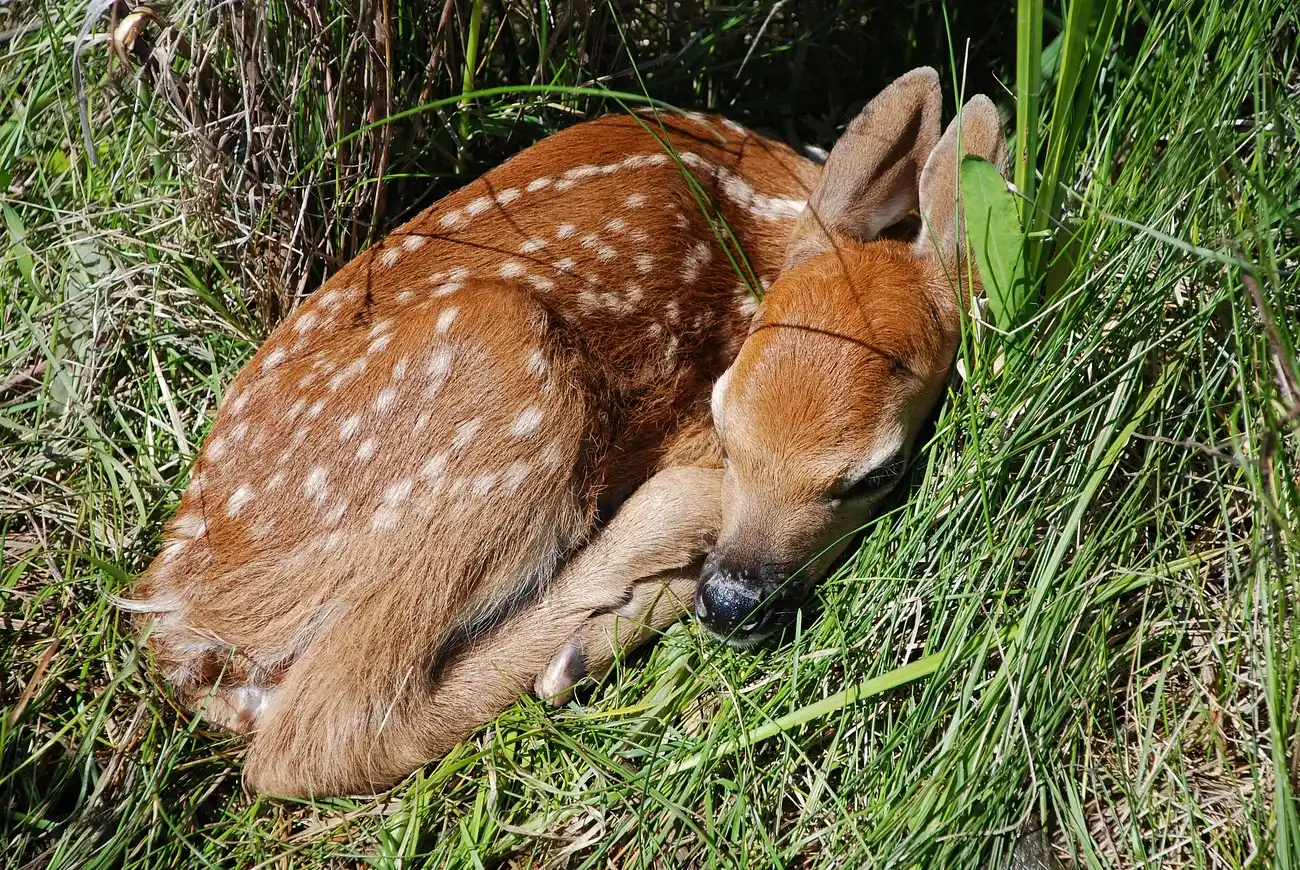
Mississippi also carries an estimated 1.75 million white tailed deer. River bottoms and agricultural fields supply abundant nutrition. Recent habitat work on both public wildlife management areas and private timberlands has further boosted carrying capacity.
Biologists track trends through camera surveys and hunter observations. These tools allow for timely adjustments in bag limits. The result is a stable herd that continues to draw visitors from neighboring states during the fall season.
#5 Wisconsin

Wisconsin maintains around 1.6 million deer. A long tradition of deer hunting shapes both culture and policy in the state. Mixed hardwood forests and farm country provide the right balance of food and shelter throughout the year.
Chronic wasting disease management remains an ongoing focus for officials. Despite that challenge, the herd has shown resilience. Youth hunts and antlerless permits help maintain ecological balance in areas where deer numbers run high.
#6 Pennsylvania
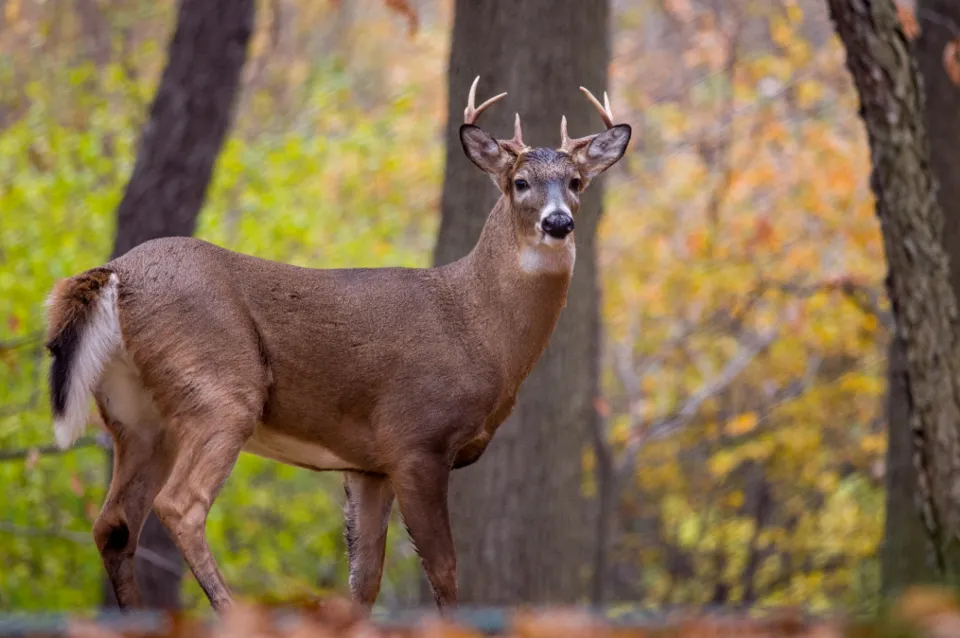
Pennsylvania supports approximately 1.5 million white tailed deer. Rolling hills and extensive public land holdings create widespread habitat. Decades of research into deer impacts on forest regeneration have guided modern management strategies.
Archery and firearms seasons stretch across several months. This extended opportunity spreads harvest pressure and improves hunter success rates. The state also invests in habitat projects that benefit both deer and other wildlife species.
#7 Missouri
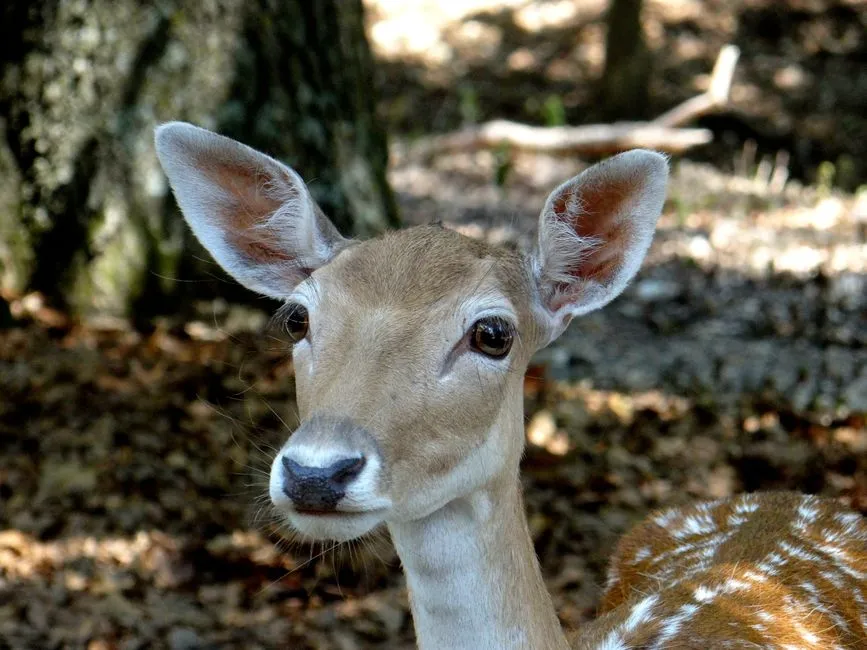
Missouri holds an estimated 1.4 million deer. Ozark forests and river valleys supply varied terrain and food sources. Partnerships between the conservation department and private landowners have expanded food plot programs and edge habitat.
Harvest data collected each season informs quota decisions. These measures help prevent localized overpopulation while preserving older age classes of bucks. The approach has earned the state a reputation for quality deer management.
#8 Georgia
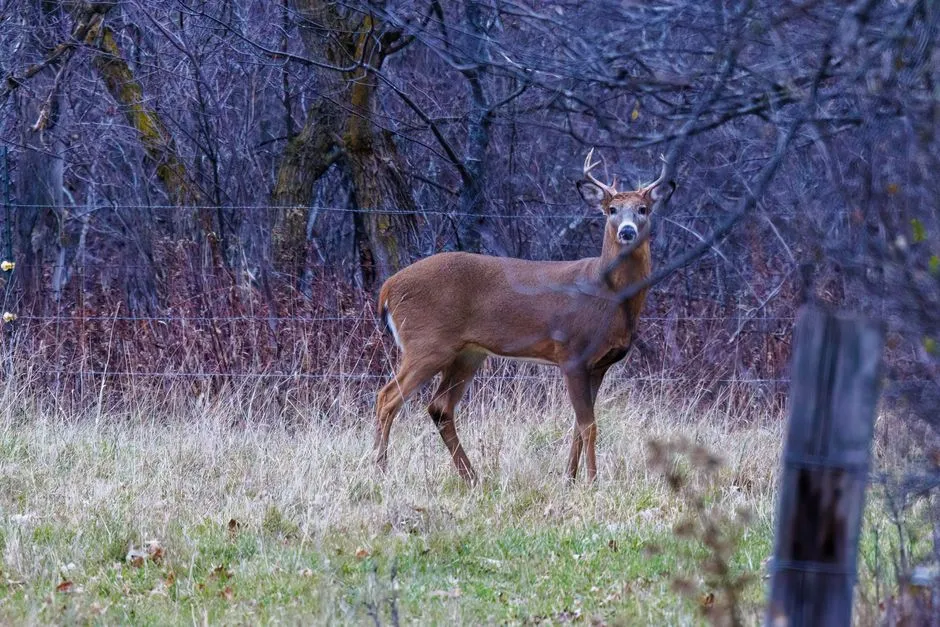
Georgia rounds out the list with roughly 1.27 million white tailed deer. Coastal plains and piedmont regions offer suitable cover and agriculture. State wildlife staff promote habitat practices such as prescribed fire that improve browse availability.
Urban expansion in some areas has created new challenges and opportunities. Deer adapt quickly to suburban edges, leading to increased human wildlife interactions. Education campaigns and targeted harvest help address these situations.
Looking Ahead
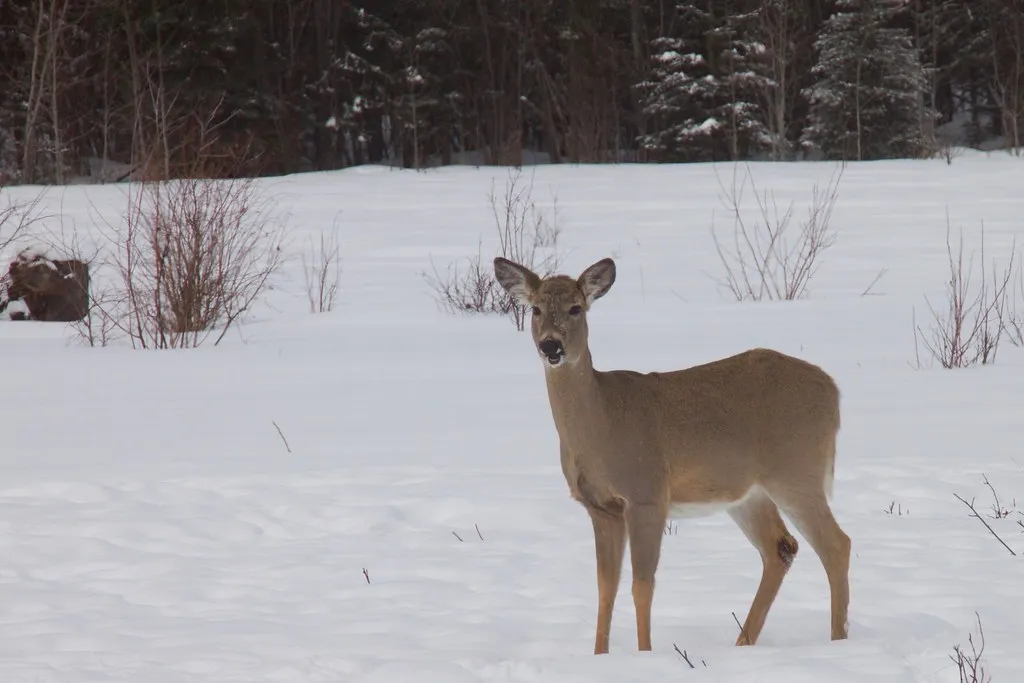
Population estimates can shift with weather patterns, disease outbreaks, and changes in land use. The states highlighted here demonstrate how thoughtful management sustains large herds while supporting hunting traditions and ecological health. Continued monitoring and habitat work will determine how these numbers evolve in the years ahead.
Ultimately, the presence of abundant white tailed deer reflects successful conservation across diverse landscapes. Each state brings its own mix of challenges and successes to the table. That ongoing effort keeps these animals an integral part of the American countryside.
