

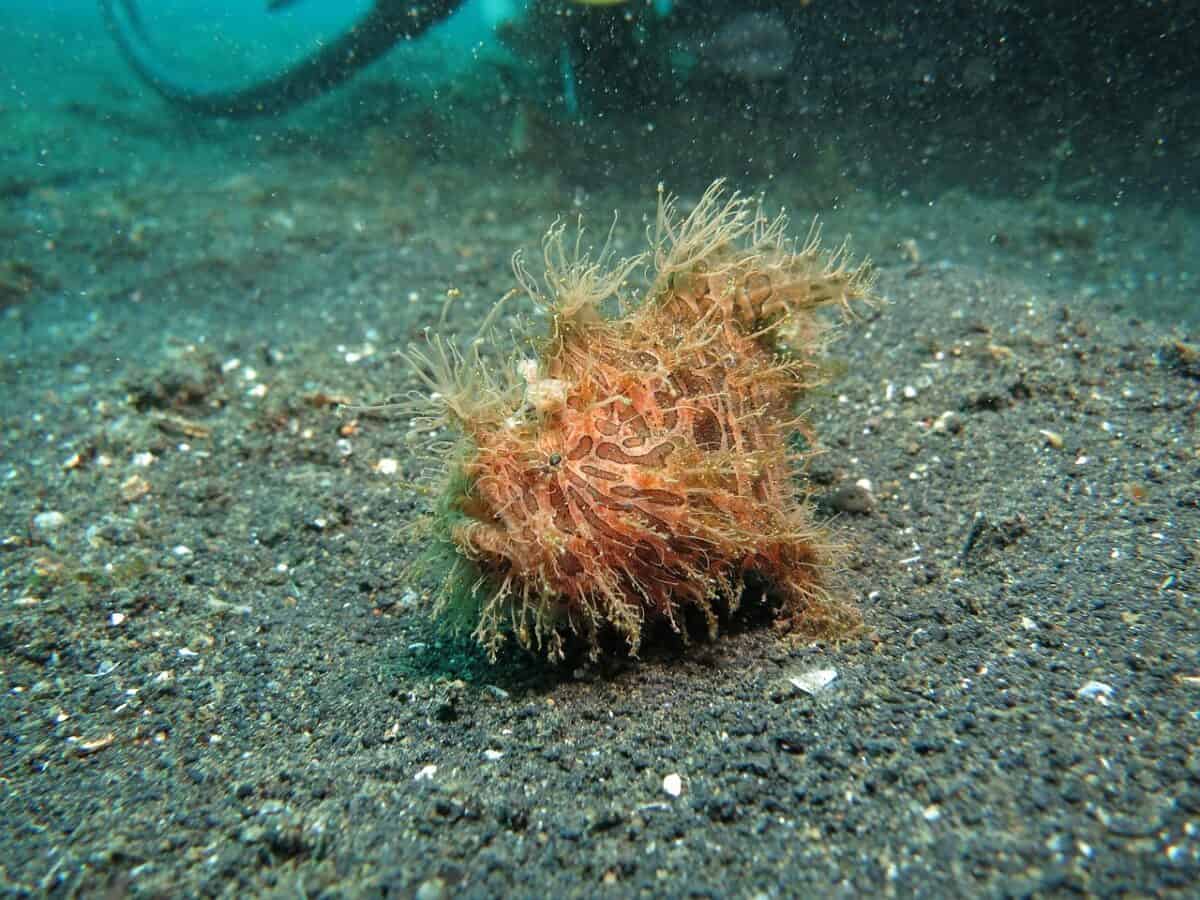
The mysteries of the deep sea are as captivating as they are perplexing. In the impenetrable depths of our oceans, incredible creatures thrive under conditions that would crush human life. These hardy inhabitants of the abyss have adapted to survive in one of the most extreme environments on earth, where pressures can reach more than 1,000 times that at sea level. Understanding these fascinating animals provides insight not only into the resilience of life but also into the broader intricacies of our planet’s ecosystems.
Deep Sea Gigantism The Colossal Squid

Among the most well-known of deep sea creatures, the colossal squid (Mesonychoteuthis hamiltoni) exemplifies the phenomenon of deep-sea gigantism. This squid can reach lengths up to 46 feet, living at depths of over 7,200 feet. Their massive size and unique adaptations, such as large eyes for spotting prey in the dark, help them survive in the crushing pressure of their deep-sea environment.
The Resilient Anglerfish

The anglerfish, infamous for their bioluminescent “lure” hanging from their heads, reside in deep ocean depths where sunlight never penetrates. These unique adaptations enable the anglerfish not only to attract prey in the pitch-black waters but also to withstand immense pressures, thanks to their flexible bones and low-density flesh.
Transparent Twilight The Barreleye Fish
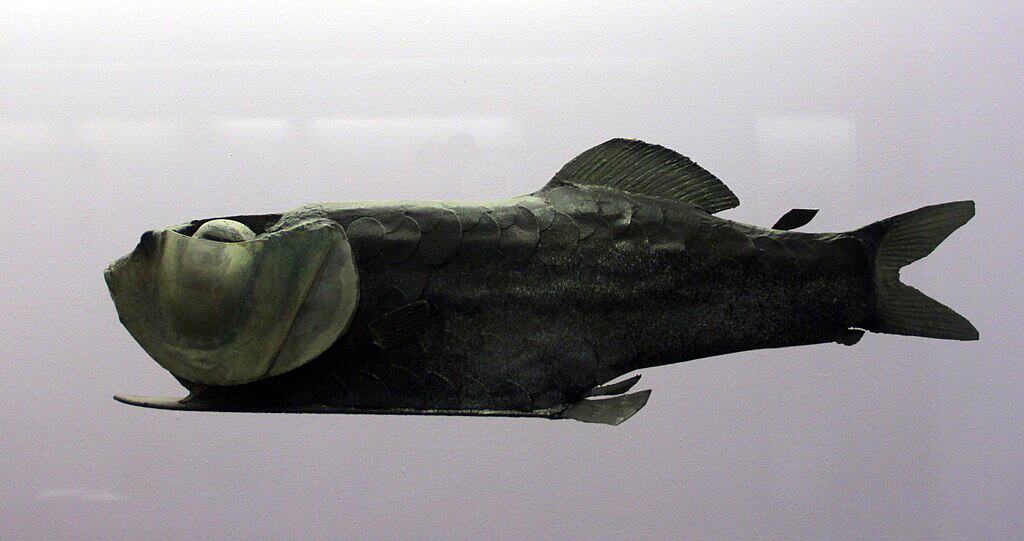
The barreleye fish is a master of adaptation, with a transparent head that allows its ultra-sensitive eyes to rotate and look upward through its clear dome. Living at depths of up to 2,600 feet, this fish’s unique physiology is specially designed to endure the heavy pressures of its habitat.
Ghostly Ambassadors The Deep-Water Octopus

Among the eeriest denizens of the deep, the deep-water octopus, such as the “Dumbo” octopus, inhabits the ocean at depths over 9,000 feet. Their gelatinous bodies and fins resembling elephant ears enable them to navigate the abyssal plains, where they adapt to an environment of intense pressure by altering their buoyancy.
Bizarre Adaptations of the Deep-Sea Dragonfish

The dragonfish is a fascinating example of deep sea adaptation. These fish, dwelling up to 6,500 feet below the surface, have developed photophores that emit light, deceiving prey and predators alike. Their bodies are structured to endure high pressure, and they possess oversized jaws and sharp teeth for capturing prey in the dark, pressurized depths.
Ethereal Elegance Comb Jellies
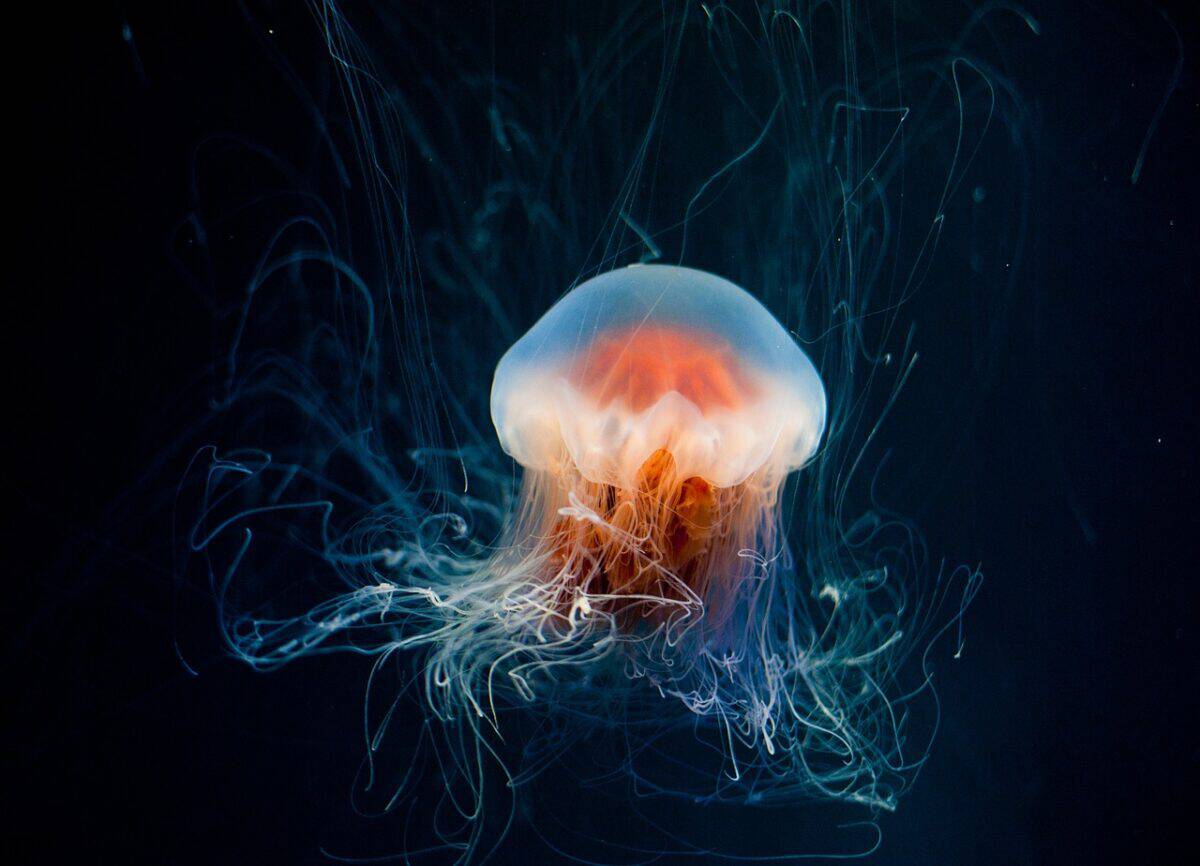
Comb jellies, residing in the deep ocean, are known for their beautiful, rainbow-colored cilia that refract light. These delicate creatures have a gelatinous composition, allowing them to survive substantial pressures in the ocean’s abyss. Their unique biology and soft bodies make them some of the most extraordinary drifters in the deep.
The Unyielding Life of the Sea Cucumber
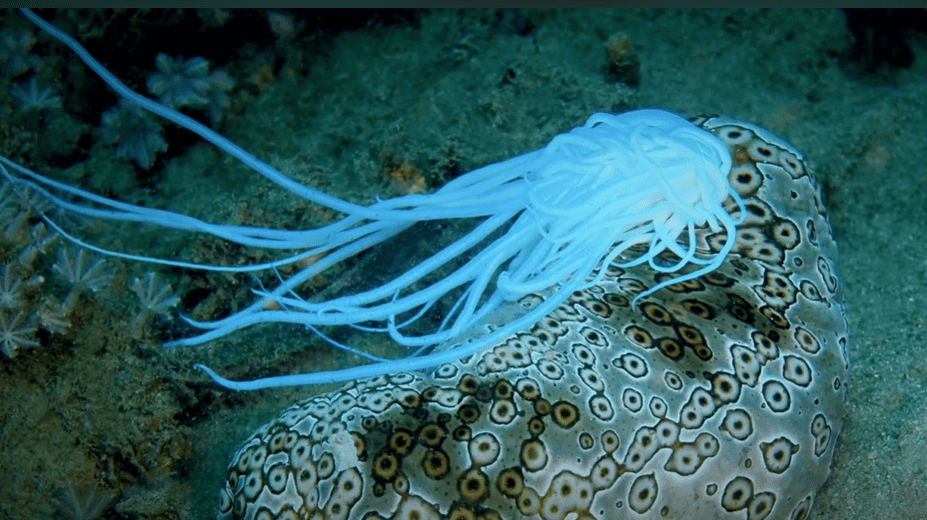
Sea cucumbers, the vacuum cleaners of the sea floor, thrive under the weight of the deep ocean. These echinoderms live at depths over 16,000 feet and have a remarkable ability to change the consistency of their collagen, allowing them to shed physical rigidity under pressure and endure the harsh environment.
Glass Sponges Life in Fragility

Glass sponges are enchanting creatures that thrive in the darkness and pressure of the deep ocean. Their silica-based skeletons contribute to a habitat within undersea ecosystems, providing surfaces for other organisms to cling to. Their skeletal structure uses glass-like spicules to withstand the high-pressure environment of the abyssal plains.
The Fierce Predators Deep-Sea Shrimp

Many species of shrimp adapt to the extreme conditions of deep water. Their hardy exoskeletons offer protection against the immense pressure, and some species can produce their own light using bioluminescence to communicate, attract prey, or ward off predators in the intense darkness of their habitat.
Crinoids Survivors from the Paleozoic Era
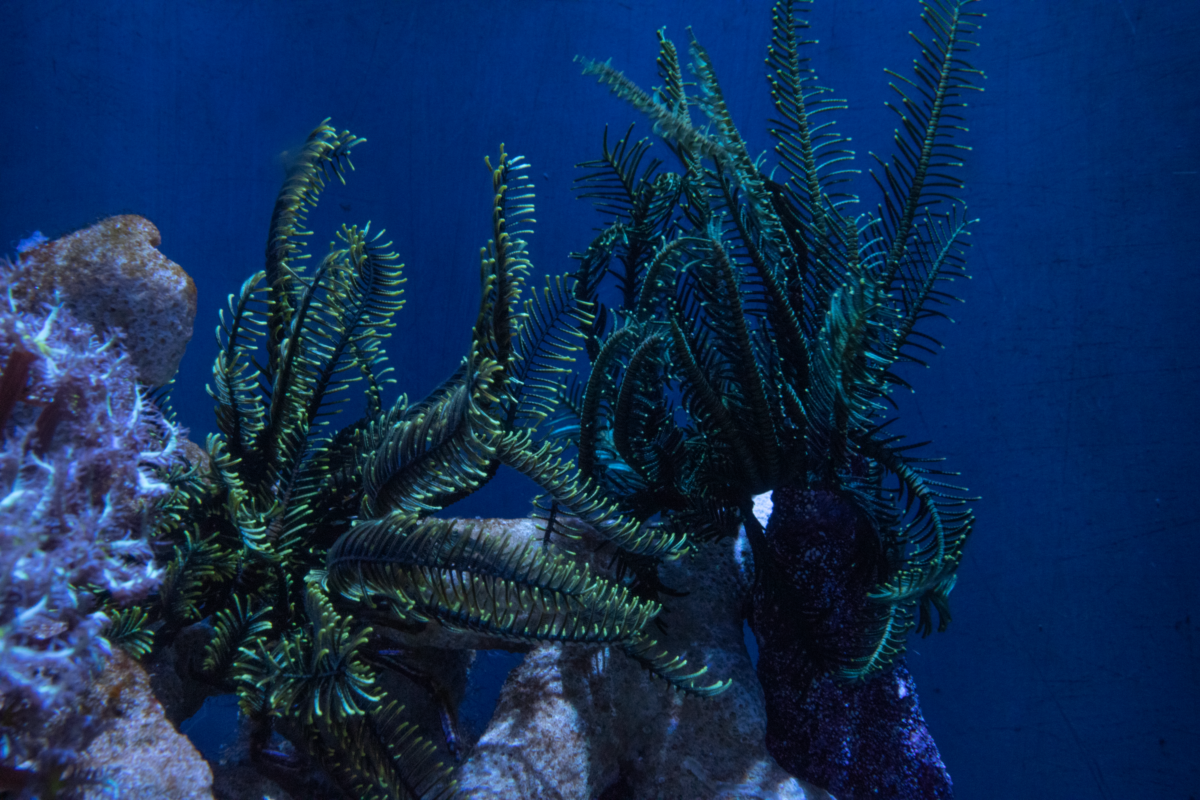
Also known as sea lilies, crinoids have graced the oceans for over 500 million years. Living primarily on the deep-sea floor, these animals have feathery arms that filter plankton from the water. Despite the crushing pressure of their environment, crinoids continue to persist due to their anchoring mechanisms and nutrient absorption abilities.
The Indomitable Coelacanth

The Coelacanth is a “living fossil” that thrives in deep ocean waters below 2,300 feet. Marine biologists once thought these creatures extinct until they were rediscovered in the 20th century. Their lobed fins and unique skull structure help them maneuver in the pressure-heavy marine environment, surviving where others cannot.
The Armored Militia Deep-Sea Isopods

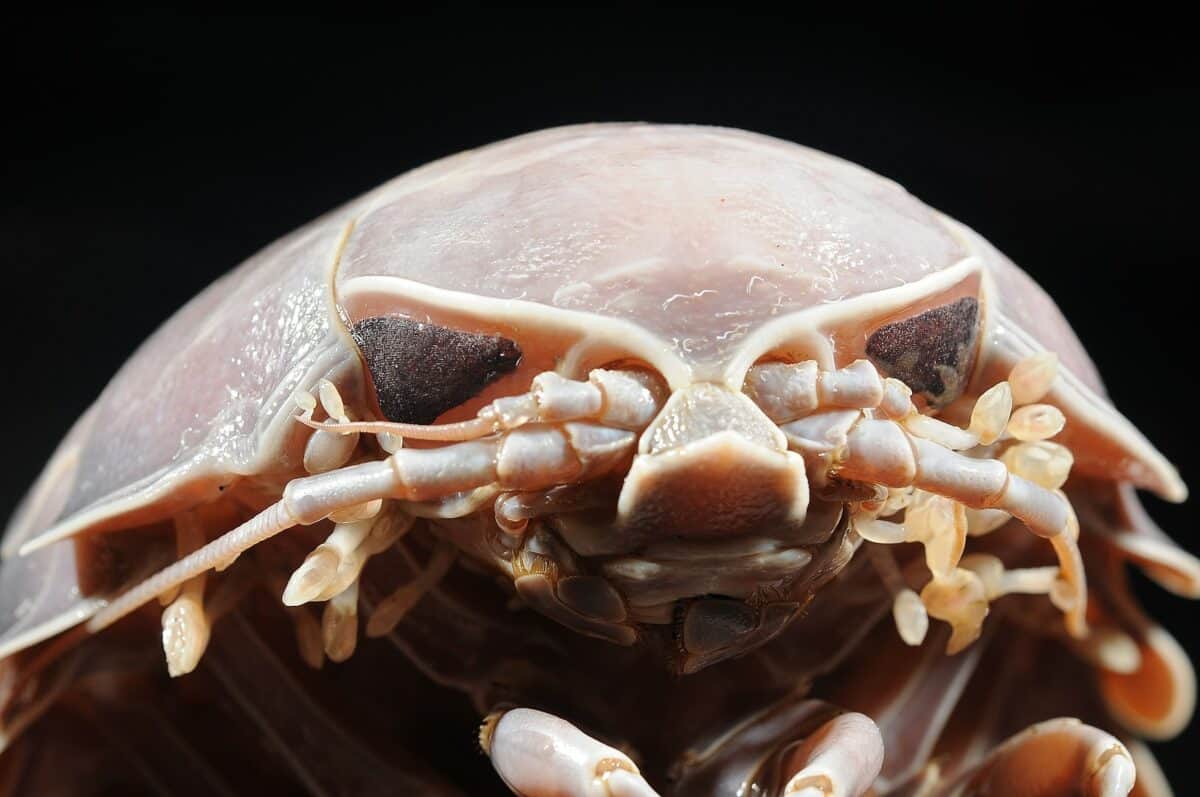
Giant deep-sea isopods dwell at depths of over 7,000 feet and are some of the ocean’s most formidable scavengers. Their hard exoskeletons protect them from the intense pressure, making them one of the most well-adapted creatures for life at great depths. They are known for their capacity to survive on scarce resources, sometimes going years without food.
The Extraordinary Zonation of Deep-Sea Creatures
Most deep-sea animals have developed unique adaptations that allow them to live comfortably in zones of the ocean where sunlight is non-existent. These adaptations, such as bioluminescence, pressure-resilient bodies, and enhanced sensory organs, allow them to exploit ecological niches that remain beyond the reach of most other forms of life.
Conclusion
In conclusion, the deep sea is home to some of the most remarkable, adaptive life forms on our planet. These creatures demonstrate the extremes to which life can persist, drawing a vivid picture of evolution and survival. Understanding these animals and their adaptations provides us with a greater appreciation of the delicate balance of marine ecosystems and the potential for life in other extreme environments beyond our Earth. As exploration continues to unlock the secrets of the deep, each discovery reflects the resilience and wonder of the natural world.

As a little kid, I fell in love with nature, wildlife, and animals. Living in the USA, South Africa, Italy, China and Germany gave me the opportunity to discover the world's Wildlife. My favorite animals are Mountain Gorillas, Siberian Tigers, and Great White Sharks.
I'm a certified PADI Open Water Diver, went to Everest Base Camp and Trekked Gorillas in Uganda. I hold a Master of Science in Economics and Finance.
Please send any feedback to feedback@animalsaroundtheglobe.com
- 15 Loudest Animals on Earth - June 27, 2026
- How the Gulf of Mexico Became a Hotspot for Hammerhead Sharks - June 27, 2026
- 12 U.S. Parks With Incredible Wildlife - June 27, 2026