
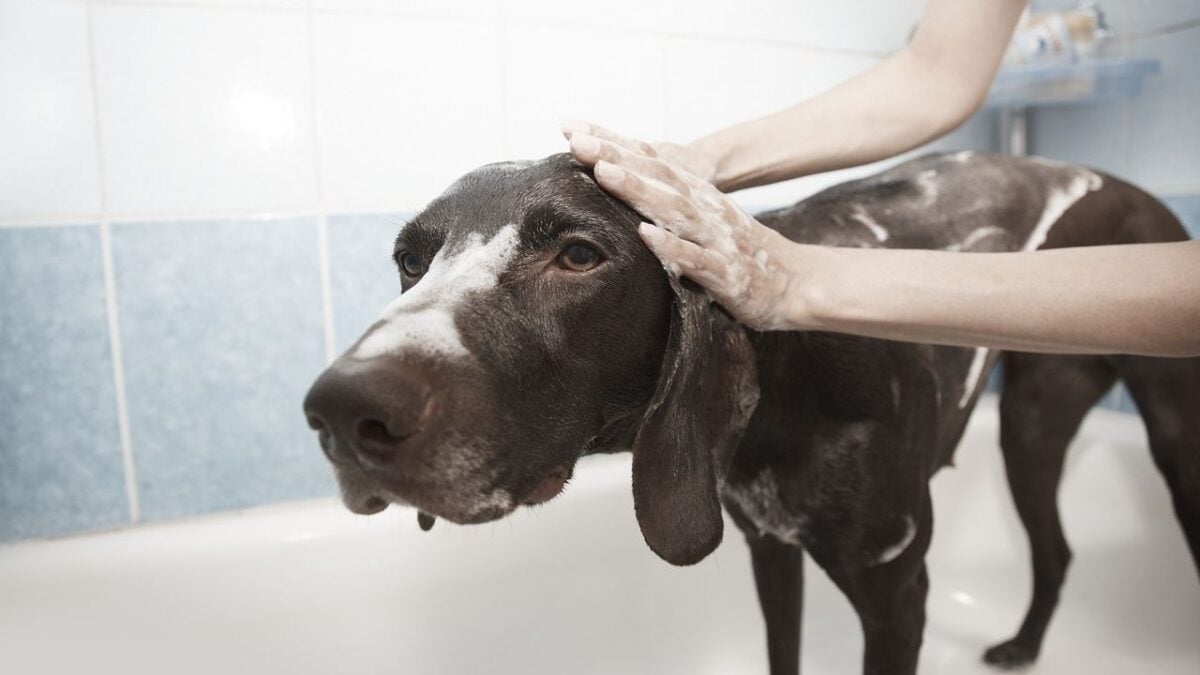
Walk into any professional grooming salon and ask the stylists which breeds break their hearts most – not because the dogs are bad, but because the families who brought them in had no idea what they were signing up for. These aren’t groomers who hate certain breeds. They’re the ones who’ve spent years watching couples cry at the grooming table, kids sobbing when a matted dog has to be shaved to the skin, and owners quietly surrendering animals they genuinely loved. The warning signs were always there. Nobody told them to look.
The breeds on this list aren’t dangerous or unlovable. Many are wildly popular, frequently photographed, and aggressively marketed to new pet owners. That’s exactly the problem. What the Instagram reels don’t show is the 6 a.m. brushing sessions, the $150 monthly grooming bills, the skin infections hiding under mats the size of your fist. Groomers see all of it – and more and more of them have quietly started steering first-time owners away from these thirteen breeds before the heartbreak has a chance to begin.
#1 – Lhasa Apso
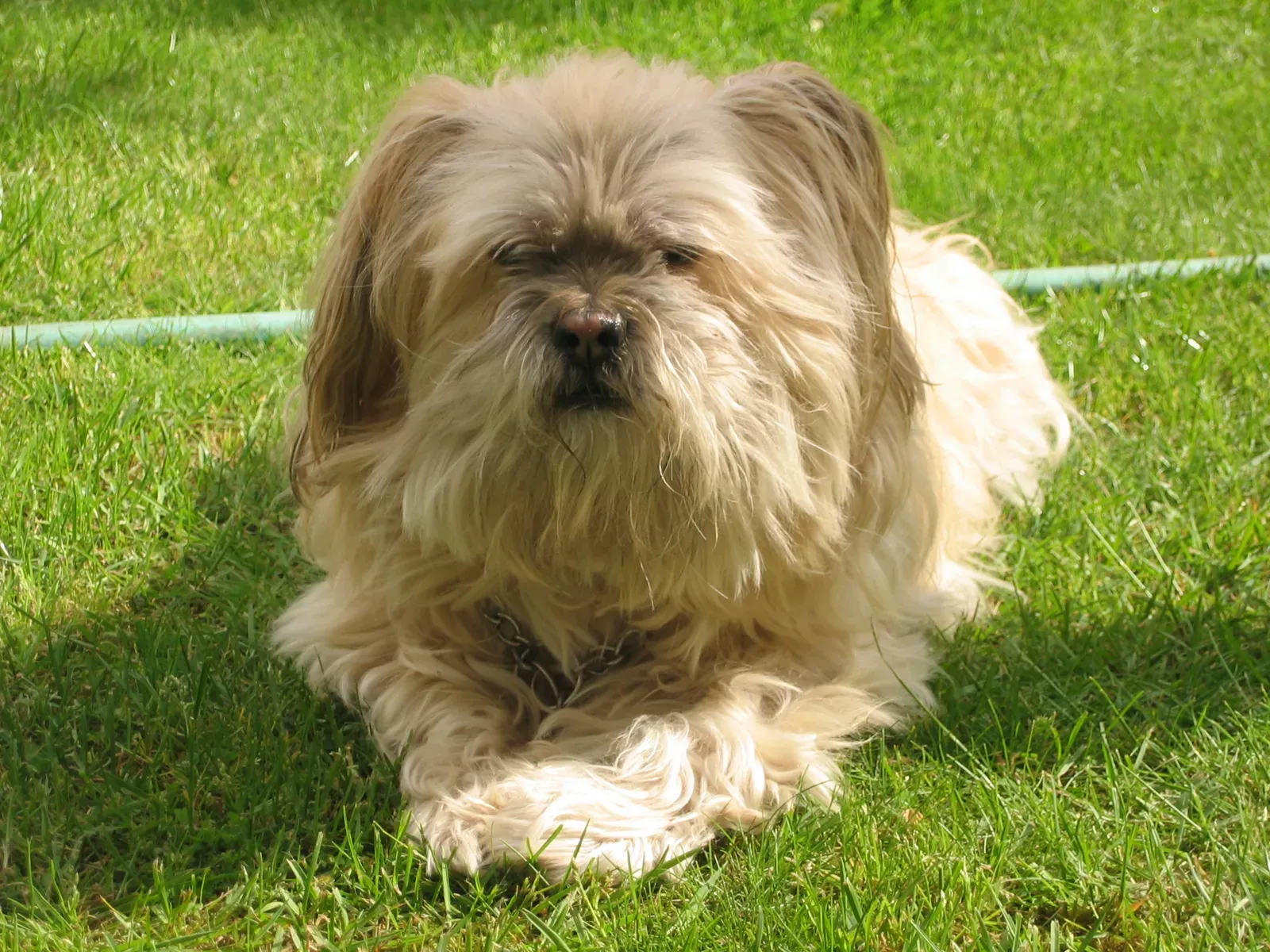
Groomers save this one for the top of the list because the gap between expectation and reality is almost cruel. The Lhasa Apso looks like a small, manageable apartment dog – silky-haired, quiet, and dignified. What new owners discover is a coat that mats within hours of being left unbrushed, growing continuously and requiring professional clipping every four weeks without exception. That small size is actually a trap: it makes people assume “small dog, small effort,” and that assumption has ended more than a few families’ first dog experiences.
Eye and ear problems develop rapidly under neglected mats, turning a minor missed brushing session into a vet visit within weeks. Groomers consistently rank Lhasas among the breeds they most dread seeing paired with first-time owners – not because the dogs are difficult to love, but because the surrender rate tied directly to coat neglect is staggering. The regal appearance in photos prepares no one for what daily commitment actually looks like. By the time most families figure it out, the dog is already suffering.
Fast Facts
- Professional grooming needed every 4 weeks – no exceptions
- Coat grows continuously and mats close to the skin, not just at the surface
- Eye discharge and ear infections are common consequences of missed brushing
- Daily at-home brushing with a slicker brush and metal comb is non-negotiable
- Often mistaken for a low-maintenance toy breed – one of the costliest assumptions in pet ownership
#2 – Bulldog

Bulldogs have been sold to the public as the ultimate low-maintenance companion – stocky, lazy, short-coated, and content to nap on the couch. The short coat part is technically true. Everything else is a carefully constructed myth. The real grooming issue with Bulldogs isn’t fur. It’s the skin folds: deep wrinkles that trap moisture, bacteria, and food debris every single day. Skip the fold cleaning for a few days and you get painful dermatitis that smells, bleeds, and requires veterinary treatment. Groomers have seen it happen to the most well-meaning owners imaginable.
Combine the fold maintenance with the breed’s well-documented breathing difficulties – which make stress during grooming sessions genuinely dangerous – and you have a dog that demands a level of daily vigilance most beginners never anticipated. The “chill lap dog” image isn’t wrong exactly, but it’s dramatically incomplete. Families who brought home a Bulldog expecting minimal upkeep are frequently the ones calling the groomer in a quiet panic three months later, overwhelmed and embarrassed they didn’t know sooner.
#3 – Siberian Husky
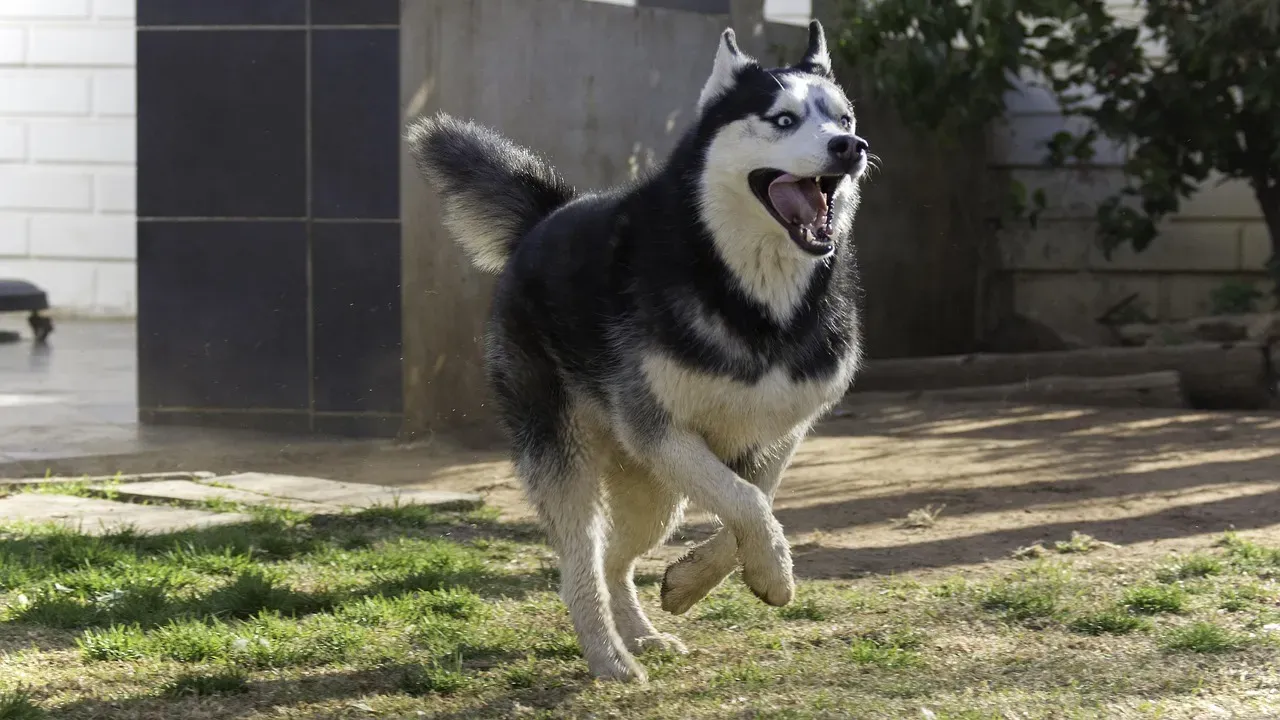
The Husky’s popularity has never been higher, and that’s a problem groomers talk about constantly. Movies, TV shows, and social media have turned this breed into a lifestyle accessory – all ice-blue eyes and wolf-like beauty. What those images never capture is the double coat that sheds so relentlessly it can fill a trash bag during a single grooming session. Year-round shedding is the baseline. Twice a year, during seasonal “coat blows,” the volume of fur is genuinely shocking to anyone who hasn’t experienced it firsthand.
Add the Husky’s high-energy personality, notorious escape artistry, and resistance to being handled during mat removal, and you have a dog that tests every first-time owner on multiple fronts simultaneously. Professional deshedding sessions aren’t optional – they’re necessary for skin health – yet many owners skip them until every piece of furniture in the house is buried in white and gray fur. Groomers report that Huskies rank among the most frequently surrendered breeds, and almost every story sounds the same: beautiful dog, completely overwhelmed family, nobody to blame but bad expectations.
At a Glance
- Double coat “blows” twice a year – shedding volume stuns first-time owners every single time
- Deshedding sessions at the salon can run $75–$150+ depending on coat condition and location
- High prey drive and escape instincts add a safety layer most beginners aren’t ready for
- Needs 1–2 hours of vigorous daily exercise – not a walk around the block
- Huskies are consistently among the breeds most frequently listed in breed-specific rescues nationwide
#4 – Samoyed
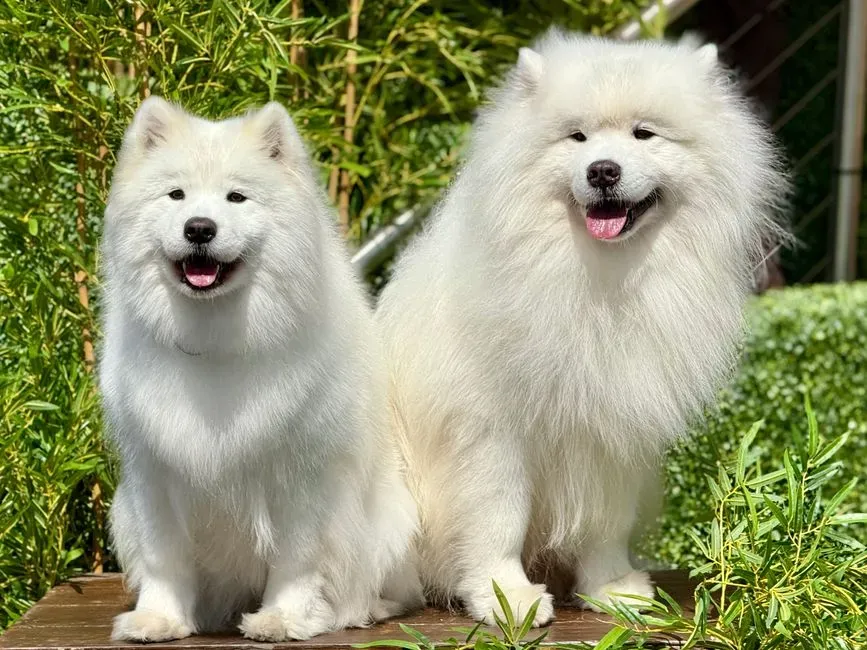
If the Husky’s shedding sounds bad, the Samoyed turns it into an art form. That famous fluffy white coat – the one that makes strangers stop you on the street to ask if your dog is a cloud – requires brushing sessions that can last over an hour just to stay mat-free. The coat blows twice a year in volumes that defeat most household vacuums and coat every dark surface in the home with a layer of white fur that seemingly defies gravity. Grooming bills pile up fast, and skipping professional sessions isn’t a budget option; it’s a health risk.
Groomers note that Samoyeds end up in breed-specific rescues at a heartbreaking rate, almost always traced back to owners who were seduced by the smile – and yes, Samoyeds have an actual upturned mouth that makes them look perpetually happy – without understanding that the coat care behind that smile is a near full-time commitment. The dog isn’t the problem. The mismatch is.
#5 – Chow Chow
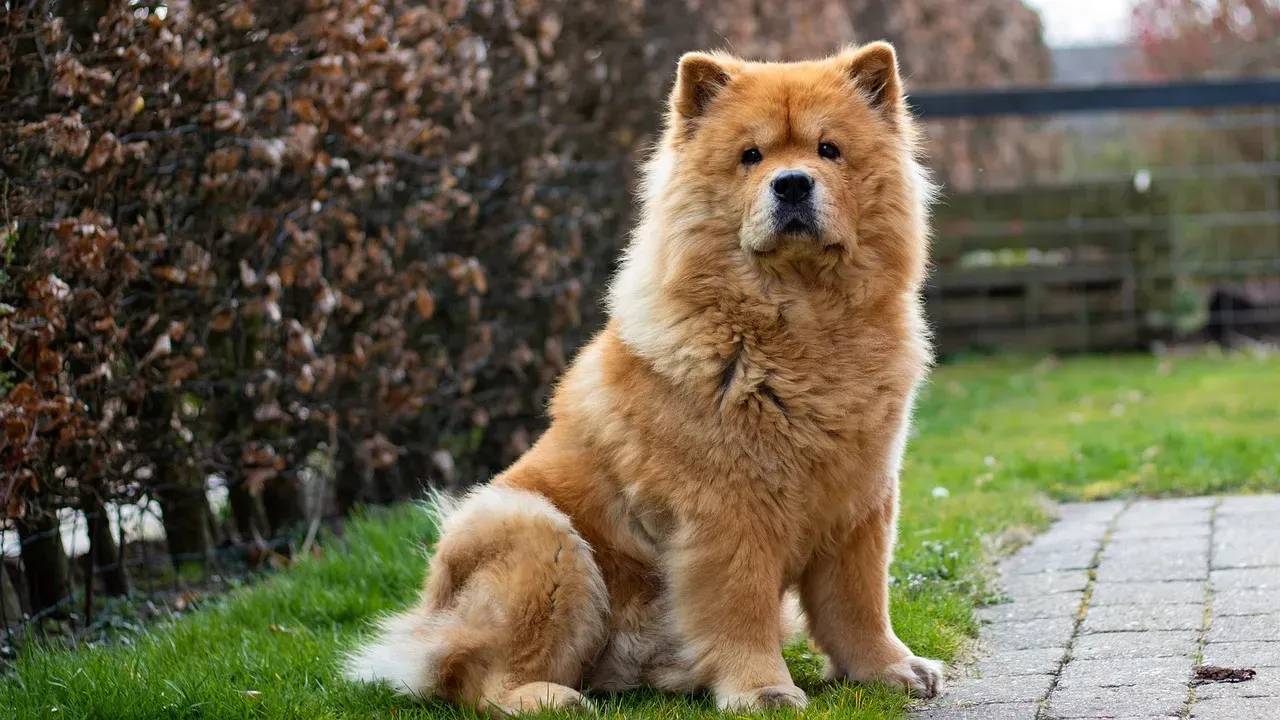
Chow Chows are ancient, dignified, and genuinely beautiful dogs. They are also one of the most grooming-intensive breeds a first-time owner could possibly choose, layered on top of a naturally aloof and strong-willed temperament that makes the grooming process itself a battle of wills. The thick double coat mats severely without brushing several times a week, and the dense fur is expert at hiding skin problems – hot spots, infections, and irritation – until they’ve become serious enough to require veterinary care.
The personality piece matters here in a way it doesn’t with every breed on this list. Many dogs will tolerate grooming even when they don’t love it. Chow Chows have a long history of deciding they’re simply done with a handling session, and a 60-pound dog that has made that decision is not easy to manage. The combination of demanding coat care and strong-willed resistance leads to rehoming cases that experienced groomers describe as some of the most predictable outcomes they witness. Families don’t fail these dogs out of cruelty – they fail them out of mismatch.
Quick Compare
| Challenge | Reality for First-Time Owners |
|---|---|
| Coat brushing | 3–4 times per week minimum; daily during shedding season |
| Grooming tolerance | Low – known for refusing handling mid-session |
| Hidden skin issues | Hot spots and infections masked by dense fur |
| Professional grooming | Every 6–8 weeks; longer sessions due to coat density |
#6 – Old English Sheepdog
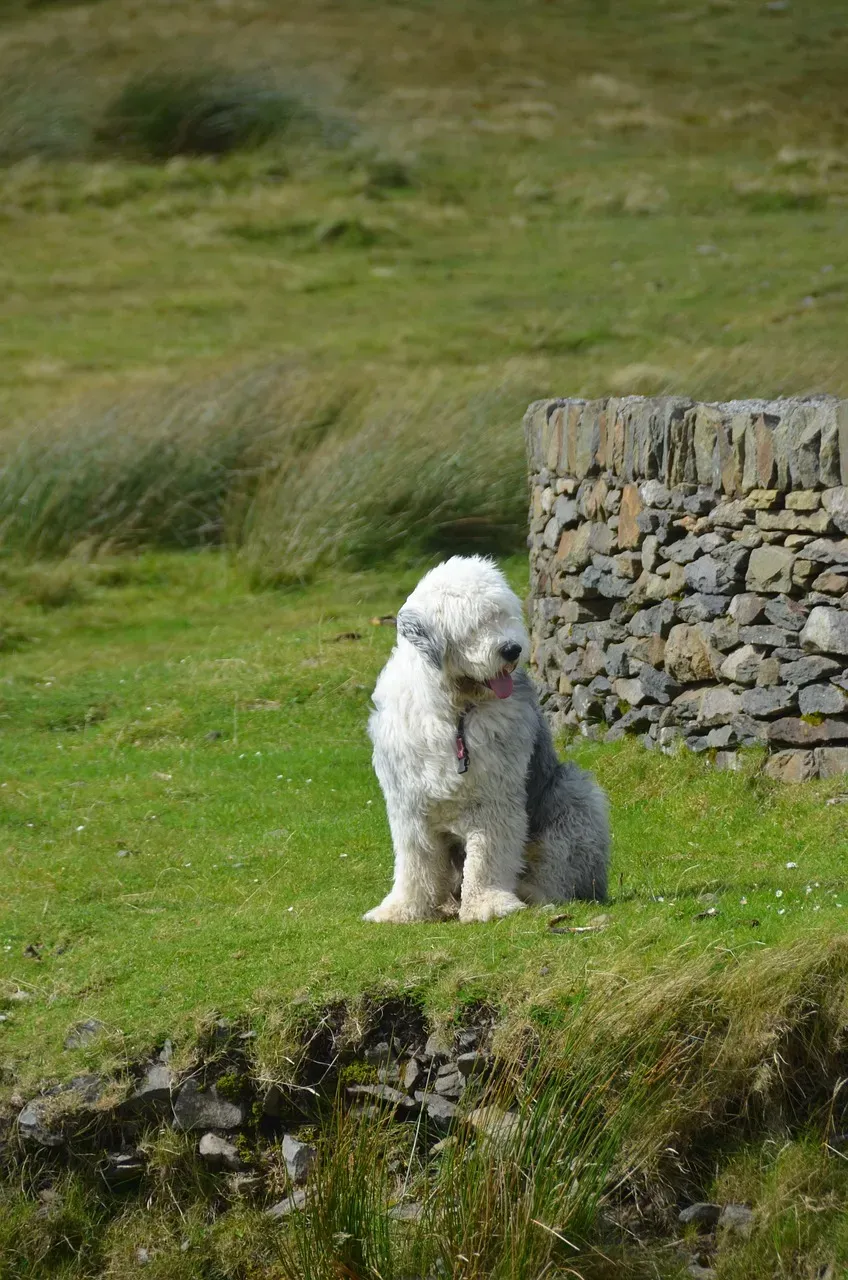
The Old English Sheepdog is one of those breeds that looks like a beloved children’s book character come to life – massive, shaggy, and endlessly huggable. New owners often don’t realize they’re adopting what is essentially a full-time grooming project until they’re already several months in and staring at a dog whose coat has matted all the way down to the skin. The dense undercoat traps moisture against the body, creating the conditions for hot spots and bacterial infections that can be both painful and expensive to treat.
The sheer size of the dog amplifies every grooming challenge. Brushing a small breed with a difficult coat is a workout. Brushing an Old English Sheepdog properly is a commitment that takes serious time, physical effort, and the right tools. Professional shearing – not just trimming, but full shearing – is often required seasonally, and the bills reflect it. Groomers report that many families surrender these dogs not out of a lack of love, but out of genuine exhaustion. The iconic look comes at a cost the photos never mention.
#7 – Afghan Hound
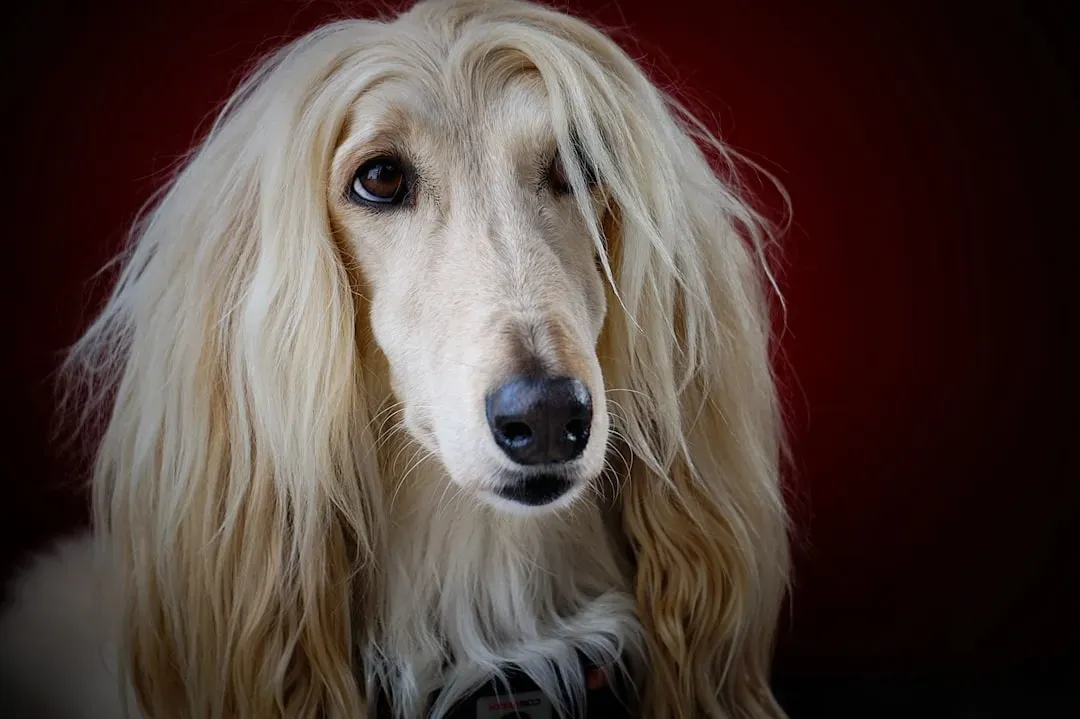
There may not be a more visually dramatic dog on this entire list. The Afghan Hound moves like a living painting – long, flowing coat, aristocratic posture, almost otherworldly elegance. That coat is also one of the most labor-intensive in the canine world, requiring hours of careful brushing each week just to stay tangle-free. It collects debris on every outdoor walk, mats easily along the legs and ears, and demands professional grooming that most first-time owners are completely unprepared to budget for.
The breed’s personality adds a layer that groomers rarely forget to mention: Afghan Hounds are famously independent and can be deeply resistant to handling, especially during the discomfort of mat removal. Families who imagined owning one of these dogs as a kind of living art piece quickly discover that the art requires constant restoration. The gap between the show-ring image and the daily reality is wide enough that groomers have started treating Afghan Hound ownership inquiries from beginners as a gentle intervention waiting to happen.
Worth Knowing
- One of the oldest dog breeds in existence – bred for harsh Afghan terrain, not apartment living
- Coat requires bathing and blow-drying weekly to prevent tangles from locking in permanently
- De-matting fees alone can add $10–$100 per session on top of standard grooming costs
- Independent temperament means bad grooming experiences are remembered – and resisted next time
- Show-quality coat maintenance is effectively a part-time job; even a “pet trim” demands serious upkeep
#8 – Poodle
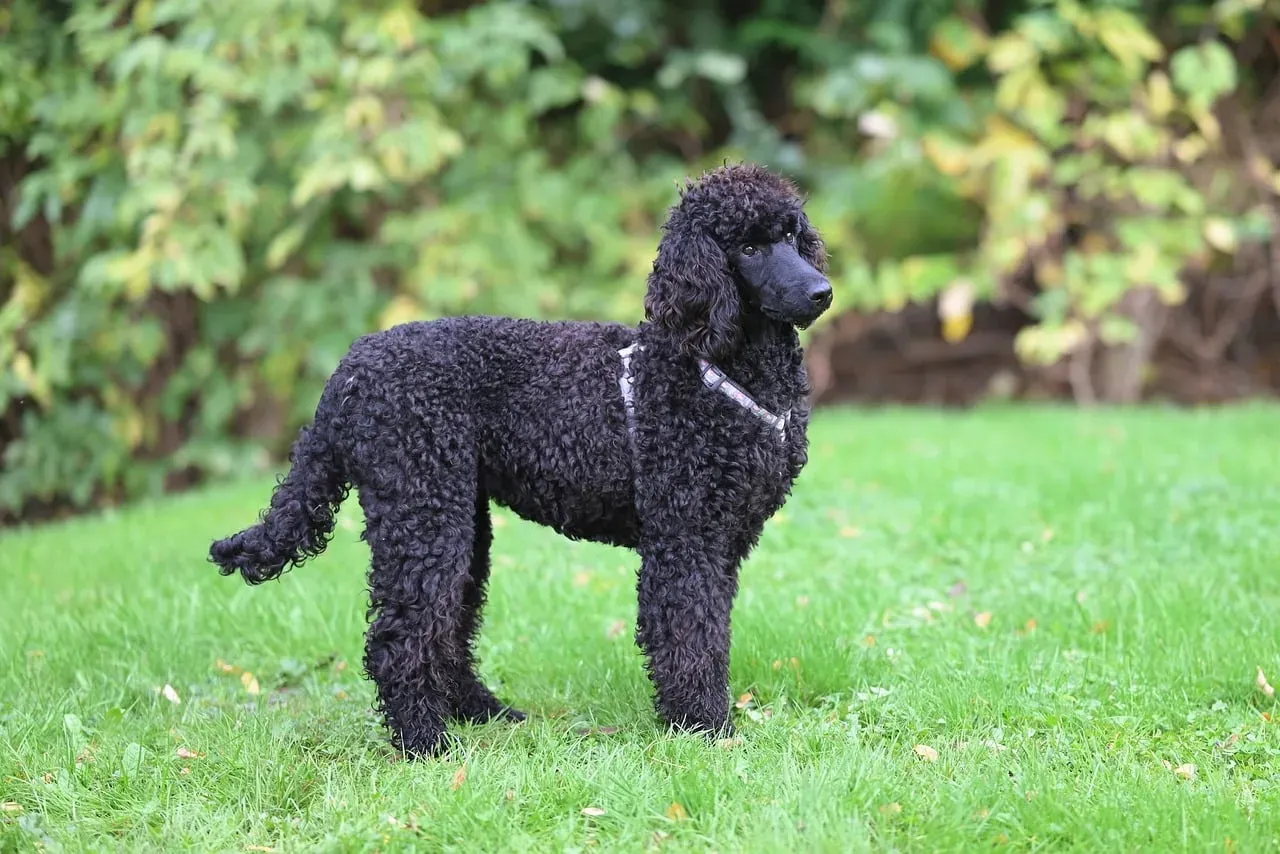
Poodles get recommended constantly – by breeders, by allergy-sufferer forums, by well-meaning friends – because they’re brilliant, trainable, and technically non-shedding. That last point is where the trouble starts. “Non-shedding” does not mean low-maintenance. It means the dead hair stays in the coat instead of falling to the floor, and if that coat isn’t clipped every three to four weeks, those trapped hairs felt together into mats that can become so dense they have to be shaved off completely – sometimes leaving the skin raw and the dog genuinely traumatized by the process.
Groomers quietly flag Poodles as one of the top breeds they hesitate to recommend to anyone without prior grooming experience, not because the dogs are flawed but because the hypoallergenic reputation actively misleads new owners into skipping professional maintenance. The intelligence that makes Poodles such wonderful companions also means they remember a bad grooming experience and can become increasingly difficult to handle over time. The expectation gap with this breed is particularly costly because it’s built on a half-truth that sounds completely reasonable.
“Breeds like labradoodles, goldendoodles, and other ‘doodle’ mixes are often surrendered to shelters. Many people underestimate the care they require.”
Dr. Newton, veterinary expert quoted by AZ Animals
#9 – Shih Tzu
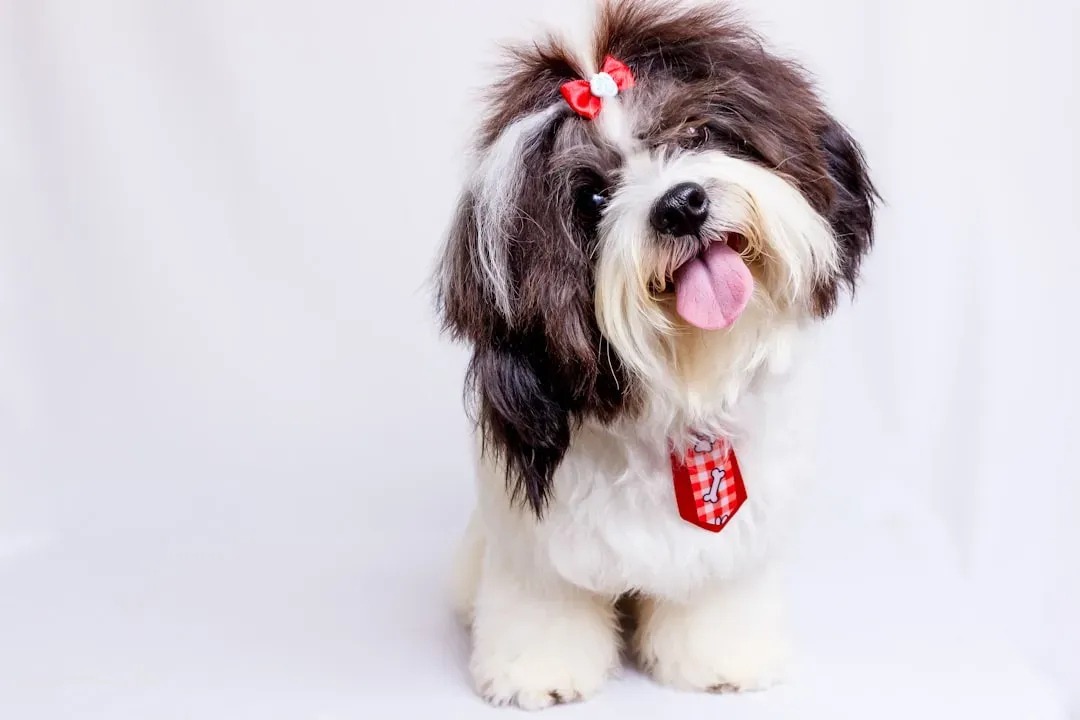
Shih Tzus have been a staple of the “perfect family dog” conversation for decades, and their sweet, affectionate personalities genuinely earn that reputation. The grooming reality is a different story entirely. Their double coat mats at the roots faster than most owners expect – not at the surface where you’d notice it during a casual pat, but deep down against the skin where mats can sit undetected for weeks. By the time they’re visible, they’ve often already caused skin irritation and, in some cases, restricted blood flow to the surrounding tissue.
The flat face that makes Shih Tzus so distinctive also creates grooming-specific problems: hair that grows toward the eyes can cause chronic irritation and damage if not trimmed and cleaned weekly. Groomers note that Shih Tzus consistently rank among the breeds most commonly returned to shelters specifically because of grooming-related health problems – problems that were entirely preventable with the right information upfront. The cute face on the adoption poster rarely comes with a realistic maintenance schedule attached.
Fast Facts
- Mats form at the skin level first – invisible to casual touch until damage is already done
- Facial hair must be trimmed and cleaned weekly to prevent chronic eye irritation
- Ear canals need regular cleaning – neglect leads to infections that can become serious fast
- Professional grooming every 4–6 weeks is the realistic minimum, not an optional upgrade
- Respiratory issues add veterinary costs that catch many first-time owners completely off guard
#10 – Yorkshire Terrier

The Yorkie’s reputation as a fashionable small dog has followed it for decades, and that reputation is doing serious damage. The “purse dog” image implies easy maintenance – a tiny dog you can carry around, occasionally style, and otherwise enjoy with minimal effort. What that image hides is a coat that rivals much larger working breeds in its care demands. Yorkies have fine, silky hair that grows continuously and mats so tightly without daily attention that it can actually cut off circulation to the skin beneath, causing bald patches and open sores.
First-time owners are routinely blindsided during their first professional grooming appointment when the groomer explains that the dog needs to come in every four to six weeks, minimum, and that the in-between brushing needs to happen at home almost every day. For families with busy schedules, travel commitments, or young children, that cadence is simply impossible to maintain. The surrenders pile up not because anyone stopped loving the dog, but because nobody told them what loving this particular dog actually required.
#11 – Maltese
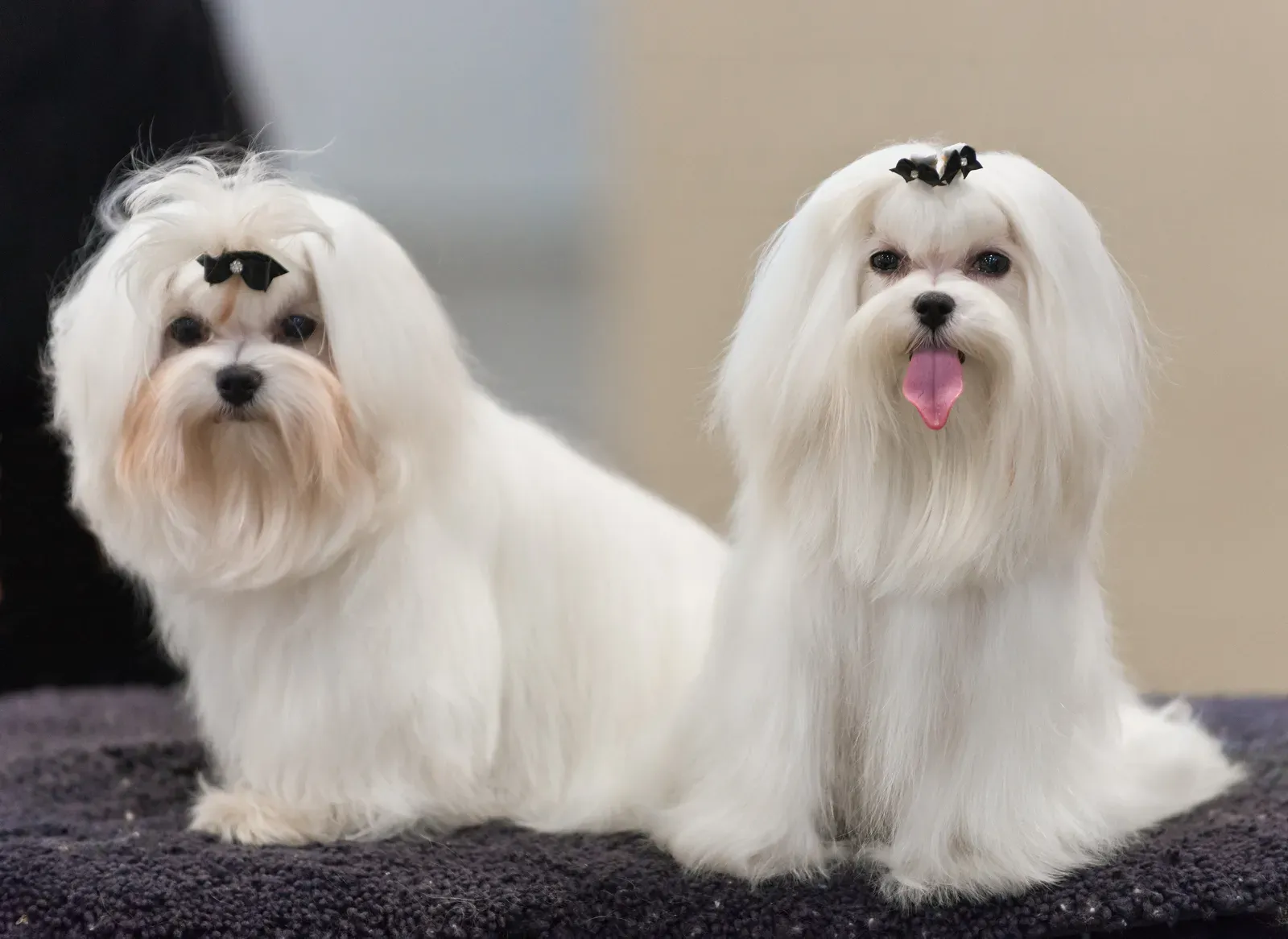
The Maltese appears in pet store windows and breeder websites like a tiny celebrity – snow-white coat, bright eyes, portable size. New owners see elegance and assume simplicity. What they get is long, silky hair that tangles into rock-hard mats almost overnight if not brushed to the skin every single day. Many novice owners try to manage at home with store-bought detanglers and wide-tooth combs, only to find themselves eventually cutting out chunks of knotted fur that leave the dog patchy, uneven, and visibly uncomfortable.
Groomers report that Maltese dogs frequently arrive at the salon with ear infections that have been quietly developing under matted hair for weeks – sometimes months – because owners never realized that cleaning floppy ears is a non-negotiable part of the care routine. The small size that makes the breed so appealing is exactly what creates the false confidence. Small dog, small problem – except the coat doesn’t know that. The grooming calendar for a Maltese looks nearly identical to a full-sized show dog, and most first-time owners aren’t prepared for that conversation.
Why It Stands Out
- Snow-white coat shows every stain, grass streak, and meal trace – constant cleaning is part of the deal
- Ear infections can develop silently for weeks or months under matted hair near the canal
- Daily brushing to the skin – not surface-level strokes – is the only way to stay ahead of mats
- Annual grooming costs for a Maltese in full coat can easily exceed $1,000–$1,500 at a professional salon
- The “toy dog” label is one of pet ownership’s most misleading marketing terms
#12 – Bichon Frise
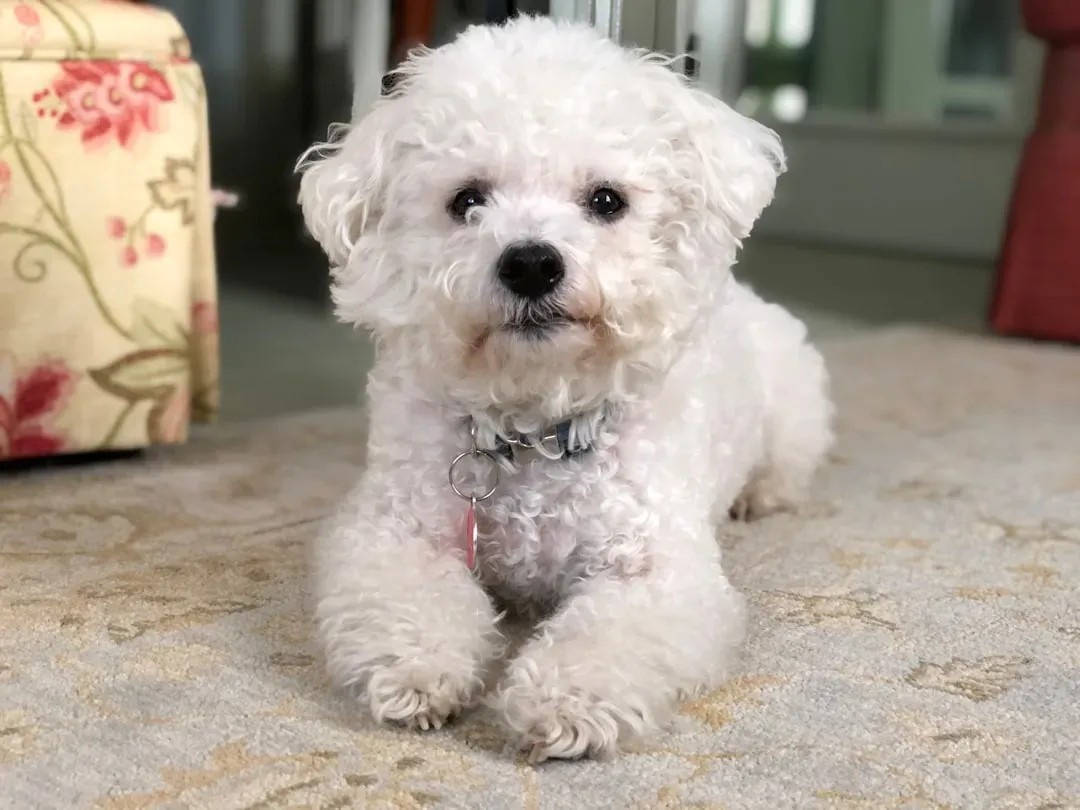
Bichons are sold hard on two claims: they’re hypoallergenic, and they’re cheerful little companions that fit any living situation. Both of those things are largely true. What the sales pitch leaves out is that the dense, curly coat that makes them allergy-friendly also mats within days – sometimes within 48 hours – if not brushed all the way to the skin. Not surface brushing. Skin-level brushing, every single day, with the right tools. Professional clipping every four weeks isn’t a luxury; it’s the difference between a healthy coat and a dog that’s essentially wearing a painful, infected fur cast.
The white coat compounds everything. Every grass stain, every muddy puddle, every meal leaves a visible trace that turns routine dog ownership into a constant cleaning exercise. Groomers see owners burn out on Bichons faster than almost any other breed because the gap between “low-shedding, hypoallergenic, easy companion” and the daily reality is enormous and hits all at once. The frustration isn’t with the dog. It’s with the version of the dog they were sold.
#13 – Cocker Spaniel
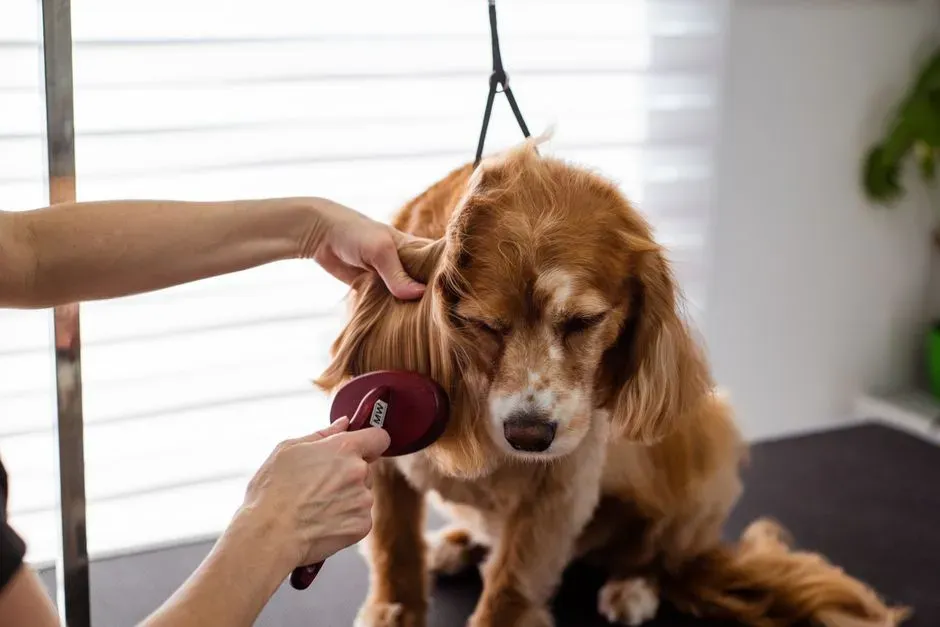
The Cocker Spaniel closes this list because in many ways it represents the original heartbreak – a breed so consistently marketed as the ideal family dog that generations of first-time owners have brought one home with complete confidence, only to find themselves overwhelmed within months. The silky ears and flowing coat look beautiful in photos and become a matting nightmare in real life. Those long ears trap moisture and debris, creating the perfect environment for chronic ear infections that are both painful for the dog and expensive to treat. Without professional grooming every four to six weeks and daily brushing at home, the coat deteriorates faster than most beginners can believe.
Groomers note that Cocker Spaniels account for a disproportionate share of surrender cases tied directly to coat neglect – families who simply didn’t know, didn’t plan, and eventually couldn’t keep up. The dog didn’t change. The expectation just never matched the reality. That mismatch, repeated across thousands of households every year, is exactly why experienced groomers have started having harder, more honest conversations with first-time owners before they fall in love with the wrong dog for the wrong reasons.
At a Glance
- Long, pendulous ears create a warm, moist environment – chronic ear infections are almost inevitable without weekly cleaning
- Grooming required every 4–6 weeks professionally, plus daily brushing at home
- Full grooming sessions for a Cocker Spaniel typically run $65–$120+ depending on coat condition
- Coat neglect progresses faster than owners expect – weeks of skipped brushing can mean a full shave-down
- One of the most beloved family breeds in U.S. history – and one of the most consistently misunderstood
The Hard Truth Groomers Wish More People Heard Before, Not After
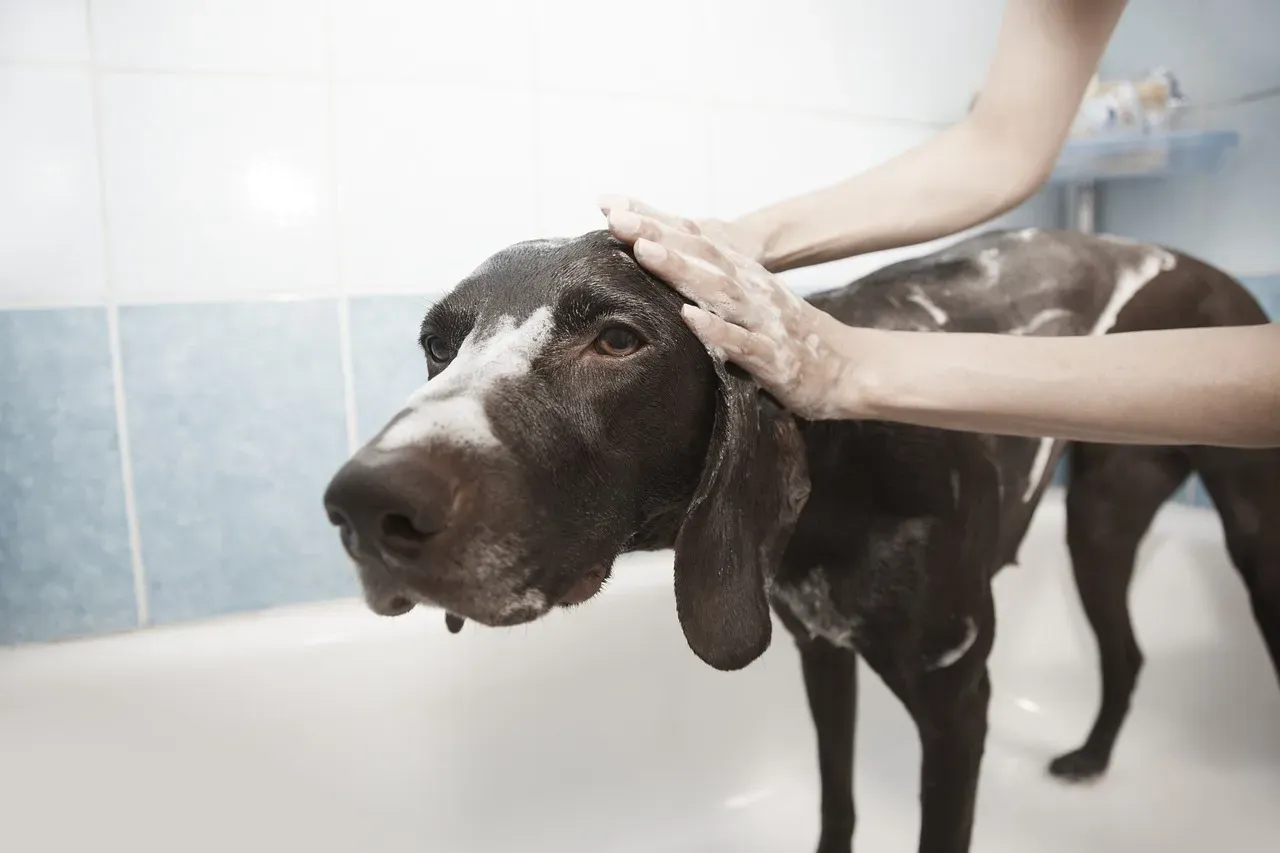
Here’s what stands out after looking at all thirteen of these breeds: not one of them is a bad dog. Every single breed on this list is loved deeply by experienced owners who went in with eyes open, the right tools, and a realistic budget. The problem has never been the dogs. It’s the mythology built around them – the carefully curated photos, the “low-shedding” marketing language, the breeder reassurances that any loving home will do. Groomers sit at the intersection of all of it, and they’re tired of being the ones who deliver the bad news six months too late.
If there’s an opinion worth stating plainly, it’s this: the pet industry has a financial incentive to match buyers with breeds that photograph well and sound manageable. Groomers have no such incentive. They’re the ones cleaning up the consequences – literally – and the ones who hold a crying owner’s hand while explaining that the mat removal is going to cost more than the dog did. That experience changes a person. It makes them speak up. And if one honest conversation about grooming reality stops one family from surrendering a dog they genuinely loved, every groomer on this list would say it was worth it.
Worth Knowing
- The average annual cost of dog ownership in 2024 is estimated at $4,512 – grooming is one of the most underestimated line items
- Professional grooming nationwide runs $40–$150+ per session depending on breed, coat, and location
- De-matting fees are charged on top of standard grooming – and can add $10–$100 per visit
- Waiting 6+ months between appointments dramatically increases cost and discomfort for the dog
- The right question to ask before choosing a breed: “What does this dog need every single week?” – not just “Is it a good family dog?”

- These 7 Historic US Battlefields Are Sacred Grounds Of Remembrance - August 2, 2026
- The JWST Found A Jekyll-and-Hyde Galaxy In The Early Universe - August 2, 2026
- 10 Heartwarming Ways A Chihuahua Shows They’ve Bonded With You - August 2, 2026