
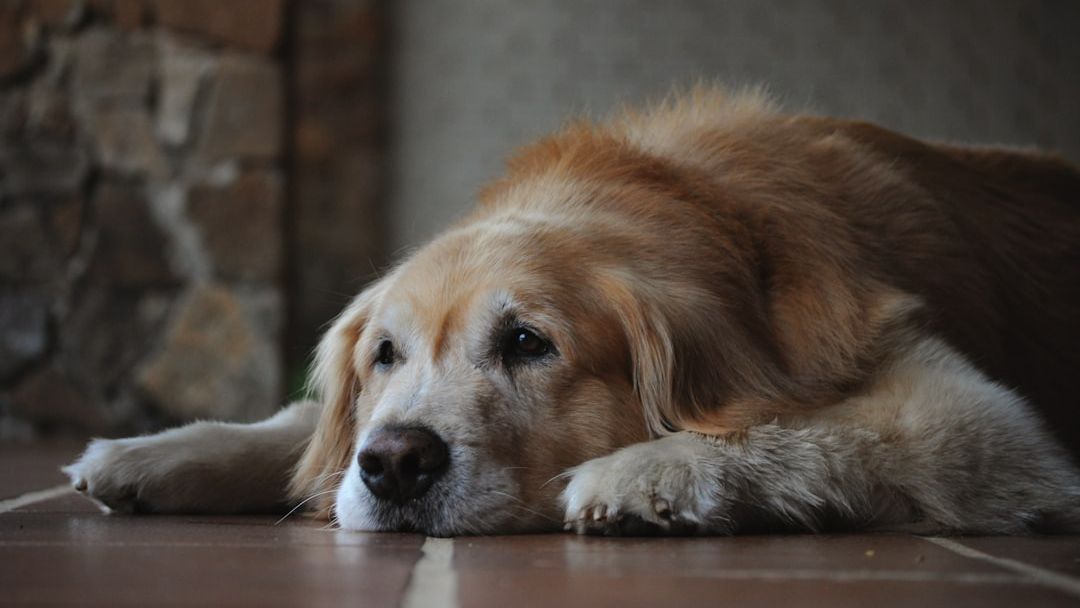
You’ve shared years, maybe a decade or more, with this dog. You know the sound of their nails on the floor, the way they sigh before sleep, the exact spot they always choose on the couch. So it feels almost impossible that the signs could be right in front of you and you’d still miss them. But hospice vets will tell you the same thing, quietly and consistently: most families don’t recognize what’s happening until the final days. Not because they weren’t paying attention. Because these signs don’t look like dying. They look like Tuesday.
What follows aren’t dramatic collapses or obvious emergencies. They’re the small, easy-to-dismiss shifts that start appearing weeks, sometimes months, before the end – behavioral whispers the body sends out long before it goes silent for good. Some of what’s on this list will stop you mid-scroll. A few might make you want to go check on your dog right now. That’s okay. That’s exactly the point.
#1 – A Quiet Peacefulness That Replaces All Previous Restlessness
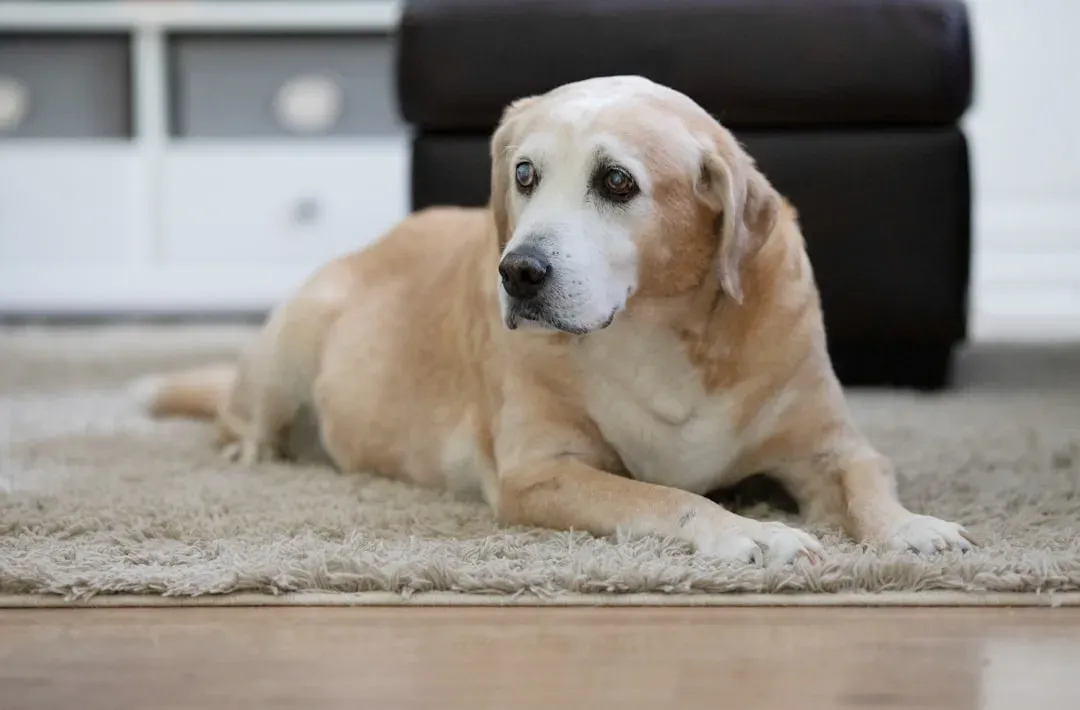
This one earns the top spot because it’s the most misread sign of all – and the most heartbreaking to miss. In the final days or even hours, many dogs reach a state of deep, almost eerie calm. The pacing stops. The nighttime waking stops. They simply rest, breathing steadily, no longer seeking anything or pulling away from anything.
Owners often feel relieved. Finally, some peace. What they don’t realize is that this stillness isn’t comfort – it’s completion. The body has finished its preparations. The dog may look up at you with the softest eyes you’ve ever seen, hold your gaze for a moment longer than usual, and then drift back to sleep. If your senior dog has suddenly gone from restless to perfectly, unnervingly still, don’t mistake the quiet for improvement. Sit with them. Stay close.
At a Glance
- Calm that replaces chronic restlessness is one of the most commonly misread late-stage signs
- The stillness often arrives days or even hours before the end – not weeks
- Dogs may hold eye contact longer than usual during this phase
- The shift can feel like relief to owners, making it especially easy to misinterpret
- Physical presence – sitting beside them, a hand on their side – is the most meaningful response
#2 – Delayed or Absent Response to Familiar Sounds and Touch
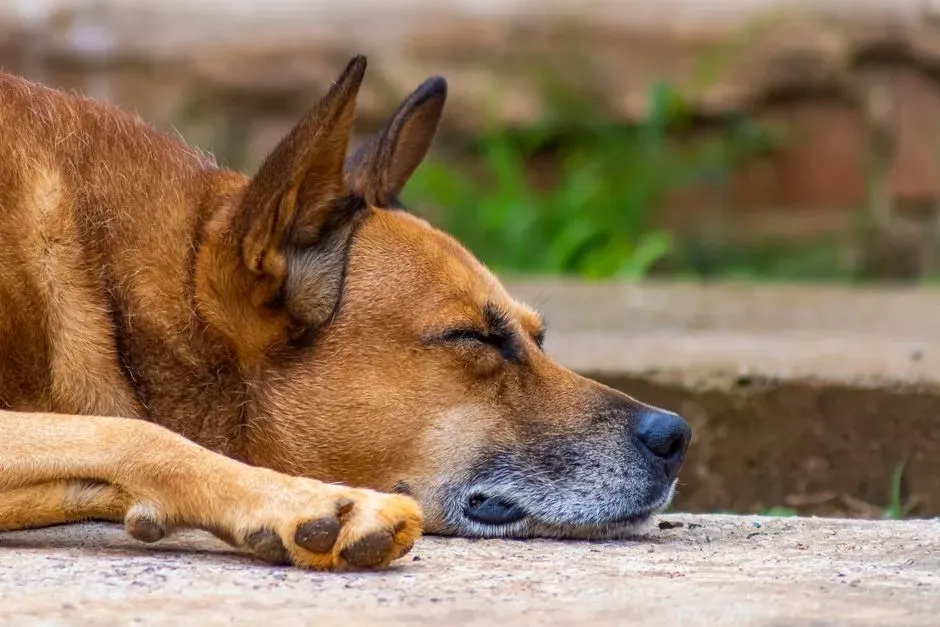
This is the dog who used to sprint to the kitchen the second you touched the treat bag – the one who could hear you reach for the leash from two rooms away. Now you walk in and nothing happens. You say their name and they don’t lift their head. You pet them and the tail barely moves.
Families almost always blame hearing loss or stubbornness. Sometimes it is. But when this reduced responsiveness appears alongside other signs on this list, it points to something more significant: the brain pulling resources away from awareness and toward basic survival. The outside world is getting quieter for them – not because their ears are failing, but because their brain is conserving everything it has left for the functions that keep the heart beating one more hour.
#3 – Cooler Paws and Ears That Feel Noticeably Chilly
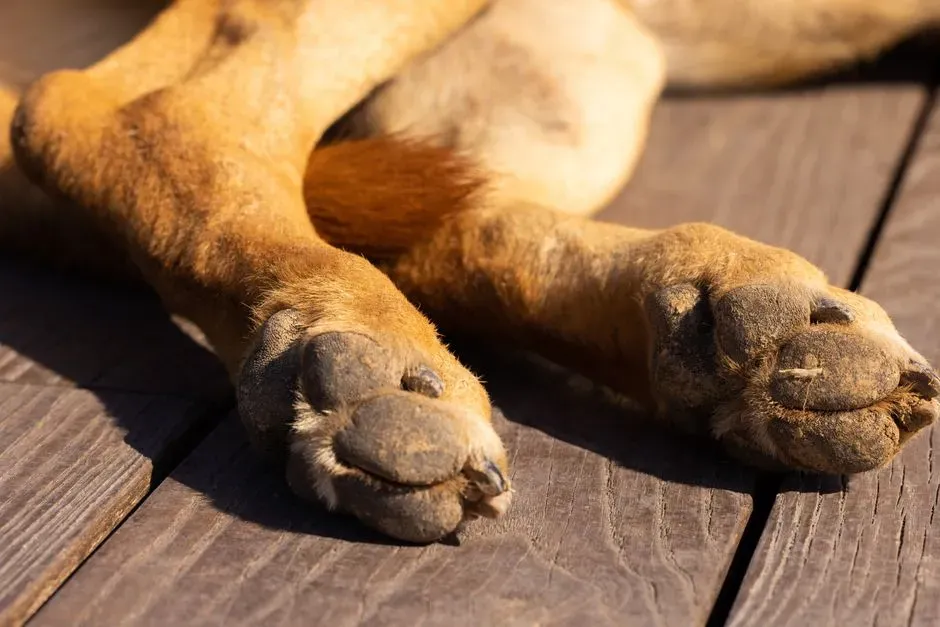
Run your hand along your dog’s ears or cup their paws in your palm. In a healthy dog, there’s warmth there. In a dog whose body is beginning to shut down, that warmth starts to disappear – even in a heated room, even under a blanket. The body is making a brutal prioritization: keep the vital organs warm and let the extremities cool.
Most owners notice this and blame the floor, the season, or a drafty window. It’s an easy miss. But cool, almost cold paw pads and ear tips in a dog who is also sleeping more, eating less, and withdrawing more are not a thermostat problem. They’re a circulation problem – and one of the most reliable late-stage physical markers that vets look for when assessing where a senior dog is in the process.
#4 – Gradual Weight Loss Even When Food Intake Seems Steady
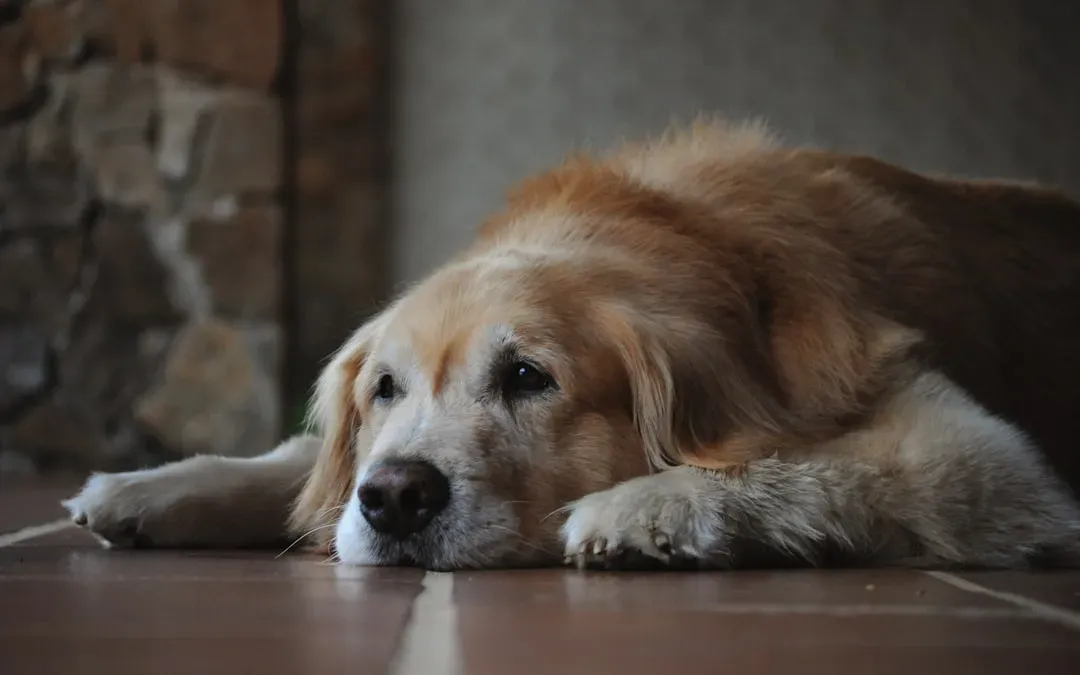
The bowl gets emptied. Or mostly emptied. So the weight loss doesn’t make sense at first. You’re not starving them. They’re eating. And yet the spine is more prominent than it was two months ago. The ribs show up under your fingertips in a way they didn’t before. The skin around their neck sits a little looser.
What’s happening is that the body has stopped absorbing nutrients efficiently – long before the appetite fully disappears. Muscle mass goes first, then fat. By the time the change is visible to the naked eye, the process is already well underway. This isn’t something a diet change will fix. It’s the body redirecting what little it can absorb toward keeping core functions running, and quietly letting everything else go.
Worth Knowing
- Weight loss in senior dogs often begins well before the end of life – it’s an early process, not a final one
- The body becomes less efficient at digesting and absorbing protein as it ages
- Muscle mass disappears before visible fat loss – run your hands along the spine and hips regularly
- A dog eating normally but still losing weight warrants a vet conversation, not just a diet switch
- Warming food, adding broth, or hand-feeding can help short-term but won’t reverse the underlying arc
#5 – Preference for New or Unusual Sleeping Positions

Your dog has slept the same way for years – curled tight, or sprawled flat on their side, or tucked under the coffee table. Then one day you notice something different. They’re sleeping with their neck stretched out and chin on the floor. Or they’re draped half off the edge of their bed, chest down, back legs splayed behind them like a frog. It looks awkward. It looks uncomfortable. But they keep choosing it.
These positions aren’t accidents. When the heart and lungs begin struggling, lying fully flat on the side can actually make breathing harder. The new postures open the airway slightly, reduce pressure on the chest, and make the next breath a little easier to take. Families often respond by buying a new orthopedic bed, assuming the old one is the problem. The bed isn’t the problem. Watch the breathing while they rest in these positions – that’s where the real information is.
#6 – Subtle Trembling Without Obvious Cold or Pain

These aren’t the dramatic full-body shakes you’d see during a seizure or after a cold bath. These are quiet, fine tremors – a faint vibration in the hind legs while the dog is lying still, or a subtle trembling in the jaw with no obvious trigger. The dog doesn’t yelp. They don’t seem distressed. The trembling just comes and goes, almost like a shimmer.
Most people assume the dog is cold or anxious. But these tremors often persist in warm rooms and fade only when the dog drops into a deeper sleep. They’re typically tied to electrolyte imbalances and reduced circulation – the muscles receiving inconsistent signals as the body’s communication systems begin to falter. If you’re seeing this in a senior dog who is also showing two or three other signs on this list, it’s worth a quiet, honest conversation with your vet.
#7 – Unexpected Clinginess That Feels Out of Character
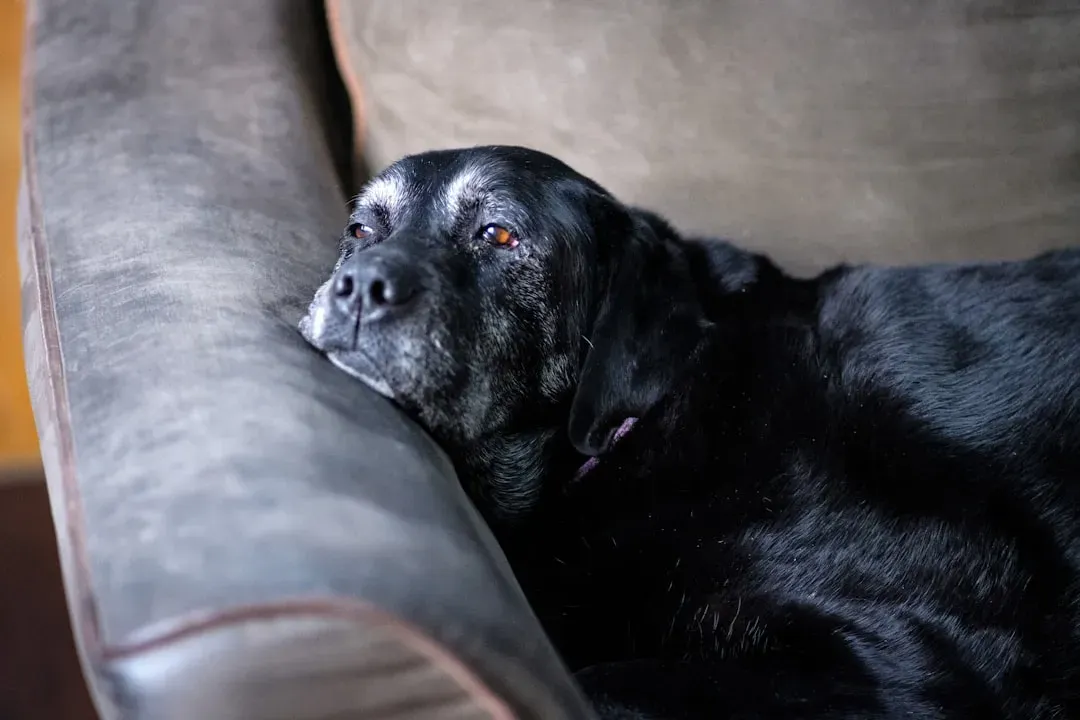
Some dogs do the opposite of withdrawing. The dog who spent a decade being fiercely independent – happy on their own bed, unbothered by your comings and goings – suddenly wants to be touching you at all times. They lean into your legs. They follow you to the bathroom. They climb into your lap for the first time in years and just stay there, heavy and warm and oddly still.
It’s easy to welcome this and not question it. Who wouldn’t want more cuddle time with their old dog? But this late surge in physical closeness often happens as the dog’s senses begin to fade – touch and scent becoming their most reliable anchors to the world they’re slowly leaving. The clinginess frequently alternates with periods of withdrawal, creating a confusing back-and-forth that most owners don’t recognize as end-stage behavior. If your famously aloof senior dog has suddenly turned into a shadow, take it as a gift – and pay attention to everything else happening alongside it.
Quick Compare
- Normal senior clinginess: Gradual, consistent, tied to routine changes or new anxiety
- End-stage clinginess: Sudden onset, alternates with withdrawal, dog seems to seek scent and touch above all else
- Normal independence: Dog chooses their own space but still greets you and responds enthusiastically
- End-stage withdrawal: Dog retreats to unusual spots, responds minimally, prefers stillness and quiet
#8 – Loss of Interest in Once-Favorite Rituals
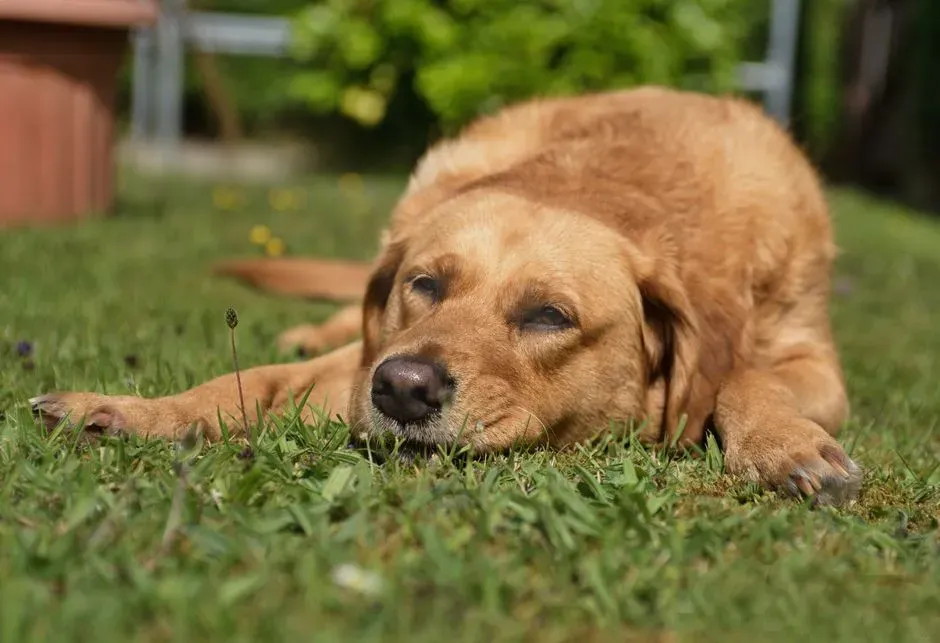
The leash comes off the hook. Nothing. The treat jar rattles. The dog looks up briefly, then looks away. You pull out the toy they’ve carried around since puppyhood and they sniff it once and walk off. It’s not that they don’t recognize these things anymore. They do. They just can’t muster the response that used to be automatic, the joy that used to fire instantly.
This emotional flatness is one of the earliest internal signals that something significant is shifting – and one of the easiest to rationalize away. Owners try harder. Different toys. More exciting treats. Shorter walks that feel more manageable. Sometimes that works briefly, and the dog perks up, and hope floods back in. But when the spark keeps fading no matter what you offer, the honest explanation is usually that the body no longer has surplus energy to spend on pleasure. It’s keeping every reserve for the work of simply staying alive.
“When a sick or elderly dog can no longer enjoy three or more of their favorite things, it is time to consider an end-of-life plan.”
Elite Veterinary Care
#9 – Nighttime Restlessness That Disrupts Everyone’s Sleep

It starts small. The dog gets up at 2 a.m., circles, lies back down. Then it’s every hour. Then it’s whimpering softly at the wall, or staring at the corner of the room like something is there. You let them out. They don’t need to go. You bring them water. They don’t drink. You call them to bed. They come, settle for twenty minutes, then start again.
This nocturnal restlessness is easy to write off as a UTI, anxiety, or cognitive dysfunction – and sometimes it is one of those things. But when it becomes a nightly pattern in a dog who is also losing weight and withdrawing during the day, it usually reflects a combination of physical discomfort and a failing internal clock. The dog settles most reliably when someone is physically present, a hand on their side, a voice in the dark. That need for contact in the middle of the night isn’t random. They’re asking for something most of us are glad to give, even if we don’t yet understand why they’re asking.
#10 – Occasional Accidents That Aren’t Just Bladder Control Issues
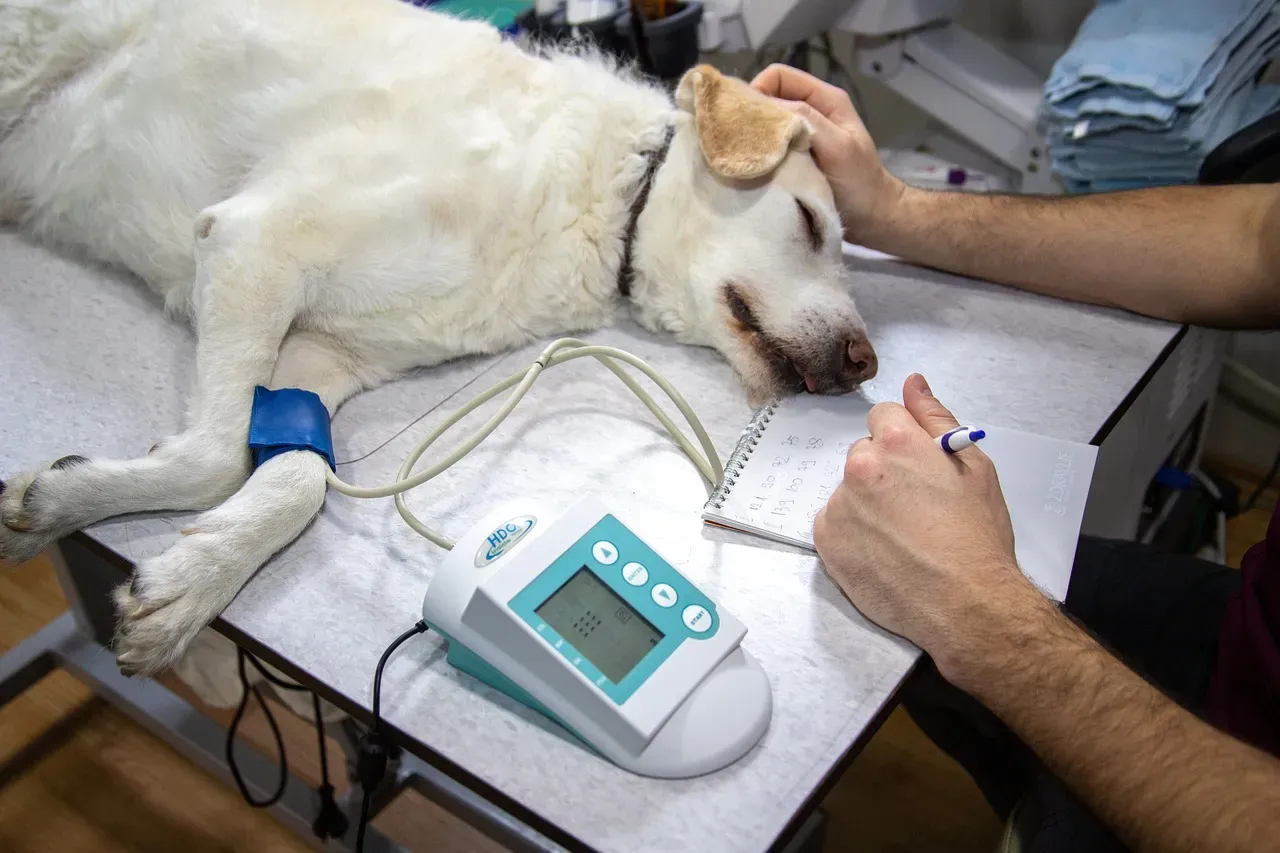
One accident. Then fine for a week. Then two accidents in two days. Then fine again. The inconsistency is what tricks people – because a dog with a real infection or a real bladder problem tends to show more consistent symptoms. This intermittent pattern is different. It reflects a body that’s losing the ability to prioritize non-essential functions, the awareness that signals “I need to go” arriving too late, or not arriving at all.
The natural response is to treat it: more frequent outdoor trips, medication, a vet visit to rule out infection. All of that is reasonable and worth doing. But when the accidents cluster alongside other signs from this list and the vet finds nothing structurally wrong, what you’re often seeing is the nervous system beginning to release its grip on the signals it has been managing for years. It’s not a plumbing problem. It’s a systems problem – and it’s worth understanding the difference.
#11 – Breathing That Changes When They’re Completely Still

Most owners monitor breathing when a dog seems distressed – panting after a walk, struggling after excitement. The sign that gets missed is what happens when the dog is completely at rest. Lying on their side, apparently asleep, a normal dog takes between 15 and 30 breaths per minute. A resting rate consistently above 30 is considered abnormal by veterinary cardiologists – and above 35 to 40 warrants prompt attention.
Watch the chest rise and fall next time your senior dog is deeply asleep. Count for 30 seconds and double it. If the number feels high – shallow and rapid without any obvious cause, no heat, no dream, no noise – it’s worth noting. This elevated resting respiratory rate is one of the clearest physiological signals that the cardiopulmonary system is struggling. In many cases, it appears weeks before any other obvious distress, making it one of the few signs on this list you can actually measure with nothing more than a watch.
Fast Facts
- Normal resting respiratory rate for dogs: 15 to 30 breaths per minute
- Consistently above 30 bpm at rest = abnormal and worth flagging to your vet
- Above 35 to 40 bpm = seek veterinary attention promptly
- How to check: count chest rises for 30 seconds, multiply by 2 – do this only while your dog is calm and asleep
- For senior dogs or those with heart conditions, vets often recommend checking this daily
- A rising rate can precede visible symptoms of heart failure by days or even weeks
#12 – Brief Moments of Confusion That Look Like Simple Forgetfulness
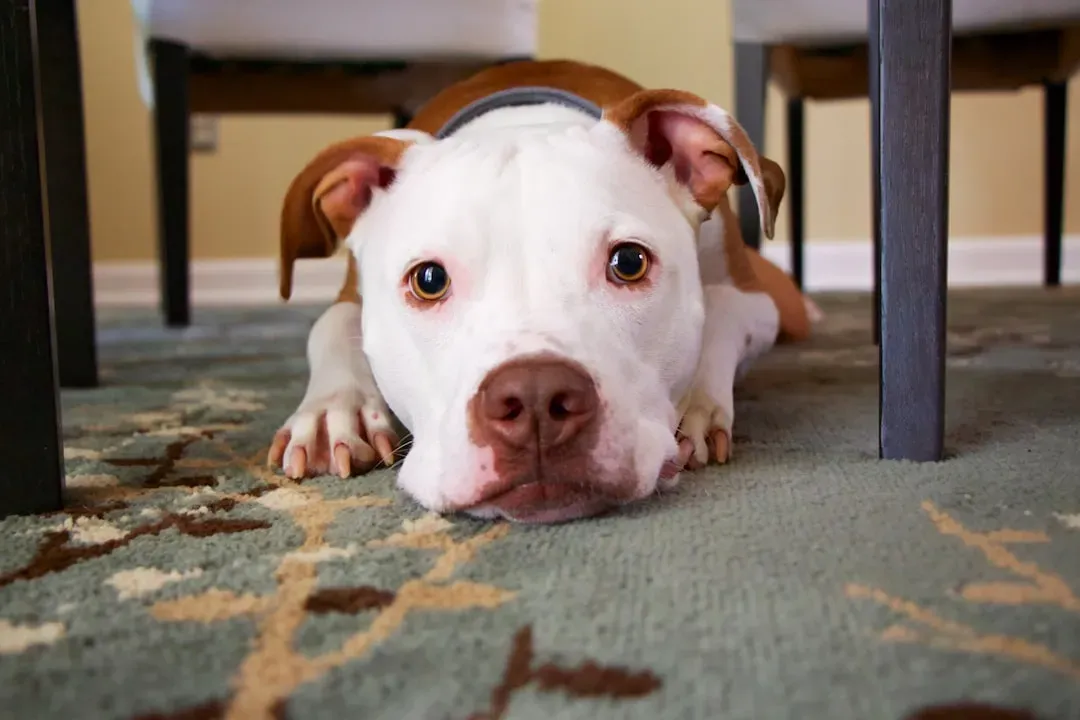
They stand in the middle of the kitchen staring at the wall. They walk to the water bowl, then stop two feet short of it and just stand there. They come to find you, then seem to forget why. Each episode lasts only a minute or two before they shake it off and seem fine. It’s tempting to call it a senior moment and move on.
But these disorientation spells – especially when they worsen in the evening, a pattern vets sometimes call “sundowning” – often signal neurological decline that goes beyond standard canine cognitive dysfunction. The brain isn’t receiving consistent blood flow and oxygen, and the lapses show up as momentary disconnects from reality. Some dogs also pace tight circles before settling, or forget routes around furniture they’ve navigated for years. On their own, these moments are easy to dismiss. As part of a larger pattern, they’re one of the clearest neurological red flags on this list.
#13 – Quiet Withdrawal to Corners Most Families Misread as Independence
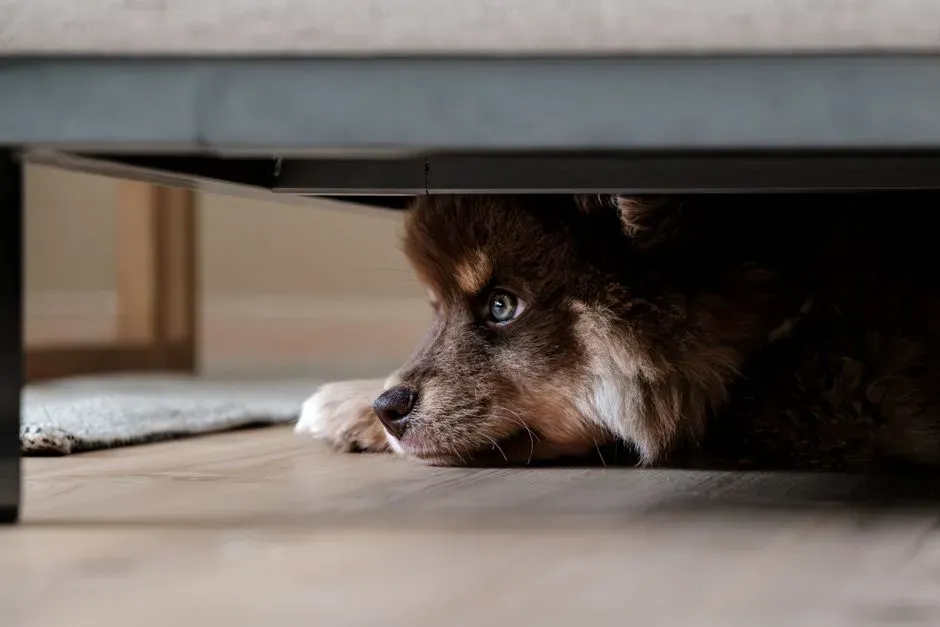
The dog stops coming to the living room in the evenings. You find them behind the couch, or in the back of a closet, or under a bed they’ve never slept under before. The spots they choose tend to be darker, more enclosed, and harder to reach – places they previously walked past without a second glance. It feels like rejection. Like they’re asking to be left alone.
They’re not angry. They’re not punishing you. This behavior is rooted in an ancient instinct – the same pull that once sent sick or injured animals into dens to rest undisturbed. As their world narrows and sensory input becomes overwhelming, the small, enclosed space feels safe in a way the open family room no longer does. They still respond to your voice. They still want to know you’re near. They just can’t manage the full noise and light and movement of the household the way they once did. Go to them. Sit on the floor beside wherever they’ve chosen. That’s all they need.
#14 – Appetite That Flickers Instead of Vanishing Overnight
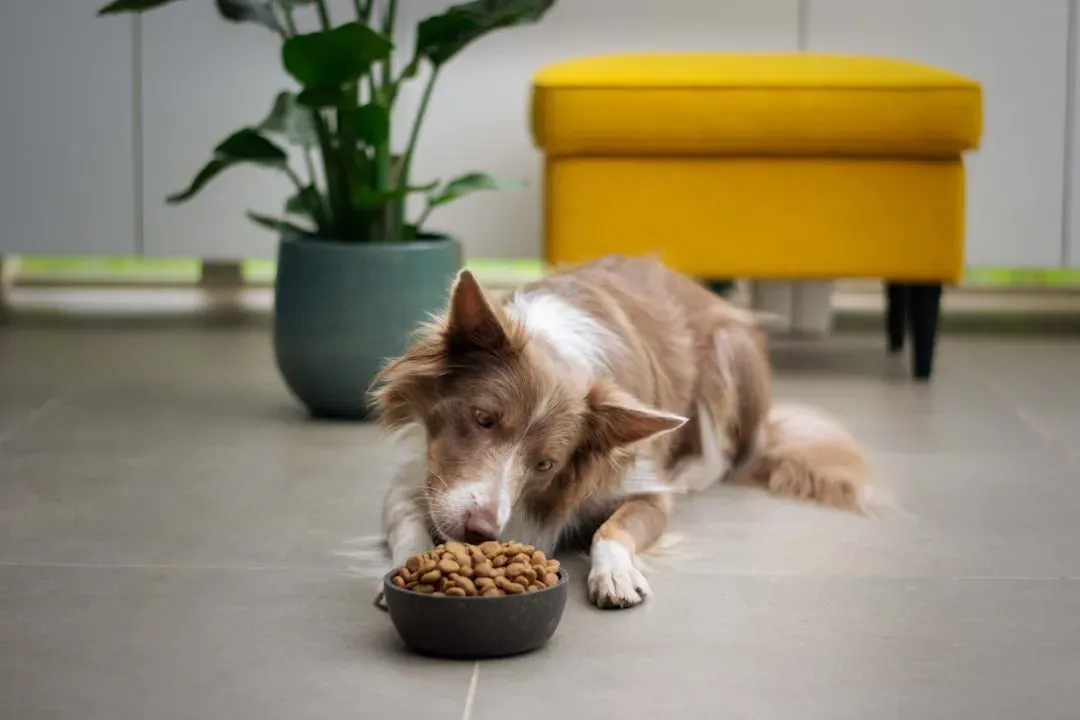
Everyone pictures the end of a dog’s life as a clean break – the day they simply stop eating. But that’s rarely how it starts. What actually happens first is inconsistency. Monday they devour their food before you’ve even stepped back from the bowl. Tuesday they walk over, sniff, and walk away. Wednesday they eat half. Thursday, nothing. Friday, they clean the bowl again and wag their tail and you exhale with relief.
That relief is understandable – but that flickering pattern is the real signal, not the days when the bowl gets emptied. The digestive system is winding down unevenly, hunger signals misfiring, interest coming and going as organ function fluctuates. Owners respond with new foods, warming the bowl, hand-feeding, all of it loving and well-intentioned. And sometimes those things help for a while. But the overall arc – across weeks, not days – is what matters. If the good days are getting shorter and the off days are getting longer, that arc is telling you something important.
Worth Knowing
- Flickering appetite – not total refusal – is usually the first digestive signal something is shifting
- Track the pattern across weeks, not individual meals; good days can mask a worsening overall trend
- Warming food or adding low-sodium broth can encourage eating but won’t reverse the underlying cause
- A vet can prescribe appetite stimulants or anti-nausea medication to improve comfort during this phase
- When bad days begin outnumbering good days consistently, it’s time for an honest conversation with your vet
#15 – The Sudden Need for Extra Sleep That Isn’t Just Old Age

A senior dog sleeping 12 to 14 hours a day is normal. A senior dog sleeping 18 to 20 hours, waking only briefly to drink or be let outside, and dropping back into heavy sleep within minutes – that’s different. The shift often happens gradually enough that families don’t notice the change until they look back and realize their dog has been essentially absent from daily life for weeks.
This isn’t laziness, and it isn’t just arthritis slowing them down. It’s the body implementing a brutal energy budget – cutting everything that isn’t essential, redirecting every calorie and every drop of oxygen toward keeping the heart beating and the lungs moving. The dog that used to meet you at the door now lifts their head when you come in, holds eye contact for a moment, and lays it back down. Not because they don’t love you. Because that small gesture is genuinely the most they can give right now. Let it be enough. It means more than you know.
What This All Means – And What To Do With It
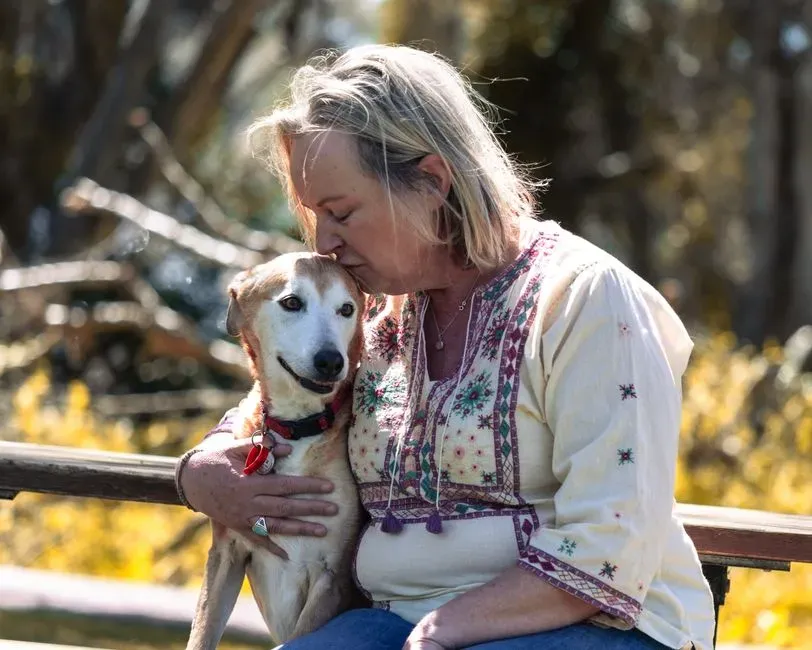
Here’s the hard truth: these 15 signs rarely show up all at once. They arrive one at a time, spaced out, easy to explain away individually – which is exactly why most families miss the full picture until the final stretch. The body sends these signals slowly and quietly, like it’s trying not to alarm anyone. And the people who love these dogs the most are often the least equipped to see them clearly, because love has a way of finding the most optimistic explanation available.
Recognizing these patterns isn’t about preparing to give up. It’s about giving your dog the most important thing you can in the time that’s left: your full presence, without denial getting in the way. Talk to your vet honestly. Ask the hard questions. Sit on the floor with your dog more than you think you need to. Because one day – and none of us ever feels ready for that day – you’ll look back and be so grateful you didn’t miss it.
Fast Facts
- Veterinarians often suggest making a list of your dog’s five favorite things – when three or more are no longer possible, it’s time to discuss end-of-life options
- Dr. Alice Villalobos’ widely used Quality of Life Scale scores seven categories from 1 to 10; an overall score above 35 suggests acceptable quality of life
- Hospice and in-home end-of-life vet services are available in most U.S. cities – your dog doesn’t have to spend their final hours in a clinic
- Keeping a simple daily journal of good days vs. bad days gives your vet far more useful information than memory alone
- You don’t have to have all the answers – honest, regular conversations with your vet are the single most important thing you can do right now

- 13 Odd Hummingbird Habits Ornithologists Say Still Puzzle Them After More Than Four Decades of Study - August 2, 2026
- 18 Dog Breeds Older Vets Remember Treating Constantly That Younger Vets Have Never Once Seen - August 2, 2026
- 17 Small Things Your Old Cat Starts Doing When It Knows the End Is Coming Closer - August 2, 2026