


When choosing a dog to bring into your home, one of the most important personality traits to consider is how they interact with new people. Some breeds have never met a stranger—greeting everyone from the mail carrier to new neighbors with enthusiastic tail wags and kisses. Others take their time warming up, preferring to stay reserved around unfamiliar faces. Understanding these inherent tendencies can help you select a dog that matches your lifestyle, whether you frequently entertain guests or prefer a loyal guardian who’s selective with their affection. In this comprehensive guide, we’ll explore 13 dog breeds known for their outgoing, people-loving personalities, as well as 3 breeds that typically maintain a more cautious approach to new acquaintances.
The Science Behind Dog Sociability

A dog’s tendency to welcome strangers or remain aloof isn’t simply random—it’s influenced by both genetics and breeding history. Dogs were selectively bred for specific purposes over thousands of years, with some developed specifically for roles requiring them to work closely with humans beyond their immediate family. Research from the University of Arizona’s Canine Cognition Center suggests that certain breeds display genetic predispositions toward social behavior with unfamiliar humans.
Modern studies using MRI scans have shown that more sociable breeds experience stronger activation in the reward centers of their brains when interacting with new people. This biological response explains why some dogs seem to find meeting strangers inherently rewarding, while others may feel indifferent or even anxious. Early socialization experiences during the crucial developmental window (between 3-14 weeks of age) also play a significant role in shaping adult behavior, regardless of breed tendencies.
Golden Retrievers The Ultimate People Pleasers

Golden Retrievers consistently rank among the most people-friendly dogs in the world, with a seemingly endless capacity for human connection. Originally bred as hunting companions who needed to work closely with humans, they’ve evolved into dogs who genuinely thrive on social interaction. Their friendly disposition is so reliable that they’re often chosen as therapy dogs, service animals, and family pets for first-time dog owners. The American Kennel Club describes their temperament as “friendly, reliable, and trustworthy,” traits that extend to virtually everyone they meet.
What makes Goldens particularly special is their intuitive understanding of human emotions. They often adjust their behavior based on the situation, offering exuberance during playtime and gentle comfort during moments of distress. Their patience with children, welcoming attitude toward house guests, and general approachability make them ambassadors of canine friendliness. However, this social nature means they don’t thrive when left alone for long periods, as they genuinely need human connection to remain emotionally healthy.
Labrador Retrievers Enthusiastic Greeters

America’s most popular dog breed for three decades running, the Labrador Retriever has earned its reputation as an enthusiastic greeter of friends and strangers alike. Labs were developed to work alongside fishermen in Newfoundland, retrieving nets and escaped fish, which required close cooperation with humans. This working heritage translates into a modern-day dog that genuinely enjoys human company in almost any form. Their stable temperament means they typically approach new situations and people with confidence rather than fear or aggression.
Labs are particularly noted for their adaptability in social situations. Whether at a crowded dog park, a family reunion, or meeting a new neighbor, they tend to approach interactions with a balanced enthusiasm that rarely crosses into overexcitement. Their people-oriented nature makes them excellent therapy dogs and family pets, though it also means they require significant social interaction to stay happy. A bored or lonely Lab may develop destructive behaviors, as their desire for companionship is deeply ingrained in their personality.
Beagles Friendly and Curious Companions
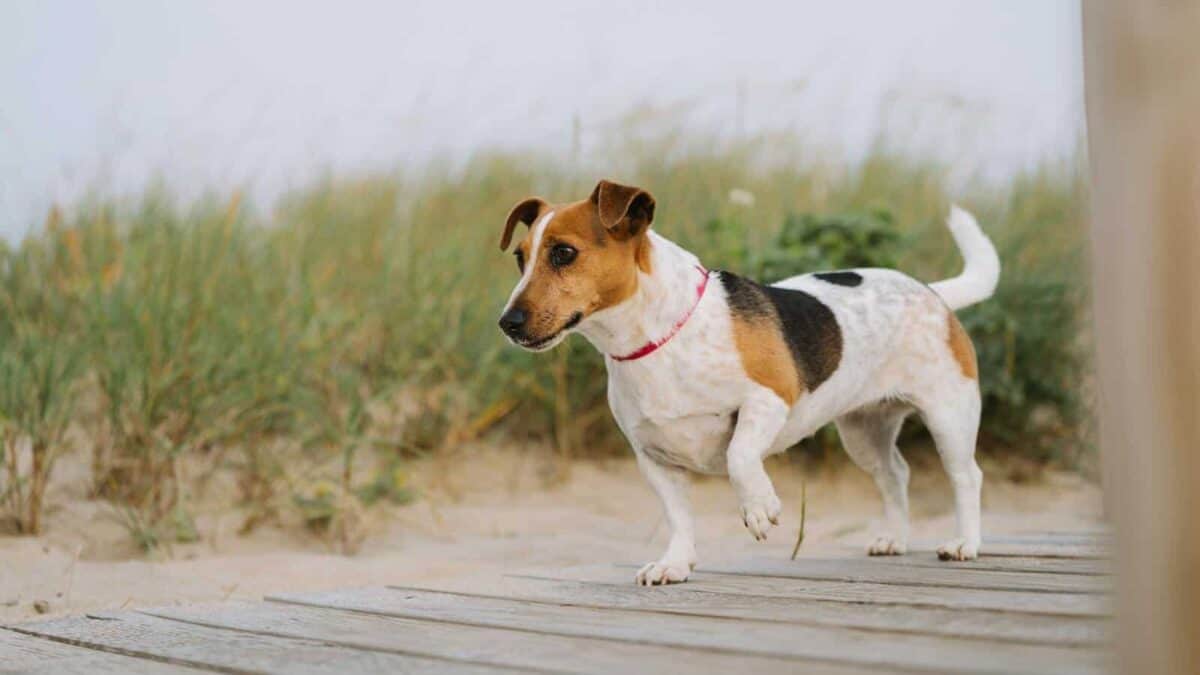
Beagles combine a friendly disposition with an insatiable curiosity that makes them naturally inclined to investigate new people. Originally bred to hunt in packs, these scenthounds developed a sociable nature that extends beyond their canine companions to humans. Their expressive faces, complete with soulful eyes and floppy ears, seem designed to make connections with people. The National Beagle Club describes them as “merry” dogs, a term that perfectly captures their generally happy approach to life and interactions.
What distinguishes Beagles in their social approach is their democratic friendliness—they rarely play favorites and instead offer their cheerful personality to virtually everyone they meet. This makes them poor guard dogs but excellent companions for households that receive frequent visitors. Their moderate size (typically 13-15 inches tall) makes them less intimidating to people who might be nervous around larger breeds. However, their strong scenting instincts can sometimes distract them from social interactions if an interesting smell captures their attention.
Cavalier King Charles Spaniels Born Lap Dogs

Few breeds embody the concept of a companion dog more completely than the Cavalier King Charles Spaniel. Bred specifically to be the lapdogs of royalty and nobility, these elegant spaniels have a genetic predisposition toward human affection that extends to virtually everyone they meet. Their silky coats and gentle expressions invite petting, and they genuinely enjoy being handled by people. The breed standard explicitly states that shyness or aggression are serious faults, underscoring how central friendliness is to the breed’s identity.
Cavaliers approach new people with a gentle enthusiasm that’s particularly appealing to those who might be overwhelmed by more exuberant breeds. They have an intuitive understanding of appropriate behavior, often adjusting their energy level to match the situation. This adaptability makes them excellent therapy dogs and companions for elderly individuals, while their patience and gentle nature make them ideal family pets. Their desire for closeness means they commonly develop strong attachments to their families but will typically welcome visitors with a wagging tail and soft eyes.
Irish Setters Gregarious Redheads

With their flowing mahogany coats and boundless energy, Irish Setters bring both beauty and enthusiasm to social interactions. Originally developed as bird dogs, they worked in close partnership with hunters but were also bred to be companionable at home. The Irish Setter Club of America describes them as “demonstrably affectionate,” a trait that extends beyond their immediate family to include virtually everyone they meet. Their outgoing nature makes them natural socialites in the dog world.
Irish Setters approach life with a youthful exuberance that persists well into adulthood. Their greeting style tends toward the enthusiastic—expect animated tail wagging, perhaps some jumping if not properly trained, and an unmistakable joy at meeting someone new. This spirited friendliness makes them poor guard dogs but excellent companions for active families who enjoy hosting gatherings. Their sociability needs to be balanced with proper training, as their excitement can sometimes translate into boisterous behavior that needs channeling into appropriate outlets.
Collies Sociable and Sensitive
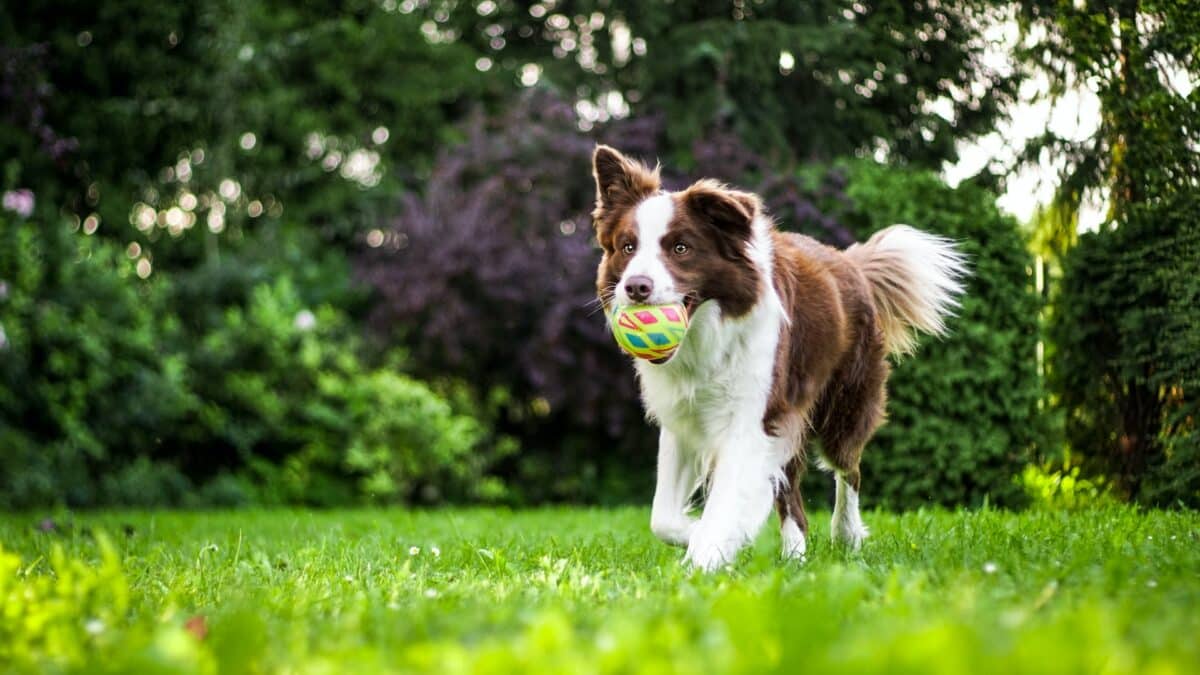
Made famous by the character Lassie, Collies combine intelligence with a genuinely friendly disposition toward humans. These herding dogs were developed to work closely with shepherds, requiring a temperament that was both responsive to human direction and naturally good-natured. The Collie Club of America notes that the breed standard calls for them to be “naturally responsive to humans,” without showing “shyness, fear, or hostility.” This balanced approachability makes them excellent family dogs who typically extend their friendly nature to guests and strangers.
What distinguishes Collies in their social interactions is their remarkable sensitivity to human emotions and social cues. They often approach new people with a dignified friendliness rather than overwhelming enthusiasm, seeming to assess the situation before determining the appropriate response. This perceptiveness makes them particularly good with children and elderly individuals. While they form strong bonds with their families, they typically welcome visitors with alert interest and gentle warmth. Their herding heritage may occasionally manifest as a tendency to gather family members together, reflecting their inherent desire to keep their “flock” safe and unified.
Boxers Playful and People-Oriented

Despite their sometimes imposing appearance, Boxers are known for their exceedingly friendly and playful approach to human interactions. Originally developed in Germany as working dogs, they’ve evolved into family companions who thrive on human connection. According to the American Boxer Club, they are “exuberant and demonstrative” with their families and typically extend that friendly disposition to visitors. Their expressive faces, with wrinkled foreheads and soulful eyes, make their emotions particularly easy to read.
Boxers often approach new people with a combination of curiosity and playfulness that endears them to most visitors. They maintain a puppy-like enthusiasm for play well into adulthood, often inviting interaction through playful bows or bringing toys to visitors. Their protective instincts are balanced by good judgment—they typically assess situations before reacting, making them discerning but not suspicious. Proper socialization is particularly important for Boxers, as their natural exuberance needs to be channeled appropriately, but a well-socialized Boxer is among the most people-friendly of the medium-to-large breeds.
Bichon Frises The Canine Extroverts

The cotton-ball appearance of the Bichon Frise perfectly matches their fluffy, light-hearted personality. Originally bred as sailing companions and circus performers, these small dogs have a history that required them to be adaptable and friendly with various people. The Bichon Frise Club of America describes their temperament as “gentle mannered, sensitive, playful and affectionate,” traits that make them naturally inclined to approach new people with interest rather than suspicion. Their history as performers seems reflected in their apparent enjoyment of being the center of attention.
Bichons typically approach new people with a cheerful confidence that’s difficult to resist. Their small size (generally under 12 pounds) makes them non-threatening, while their animated expressions and playful demeanor actively invite interaction. They’re particularly adept at winning over people who might not consider themselves “dog people,” as they combine friendliness with good manners when properly trained. Their sociability extends to other dogs and pets as well, making them versatile companions for multi-pet households or frequent dog park visitors. Their desire for human connection means they don’t do well when left alone for extended periods.
Poodles Sophisticated Socialites
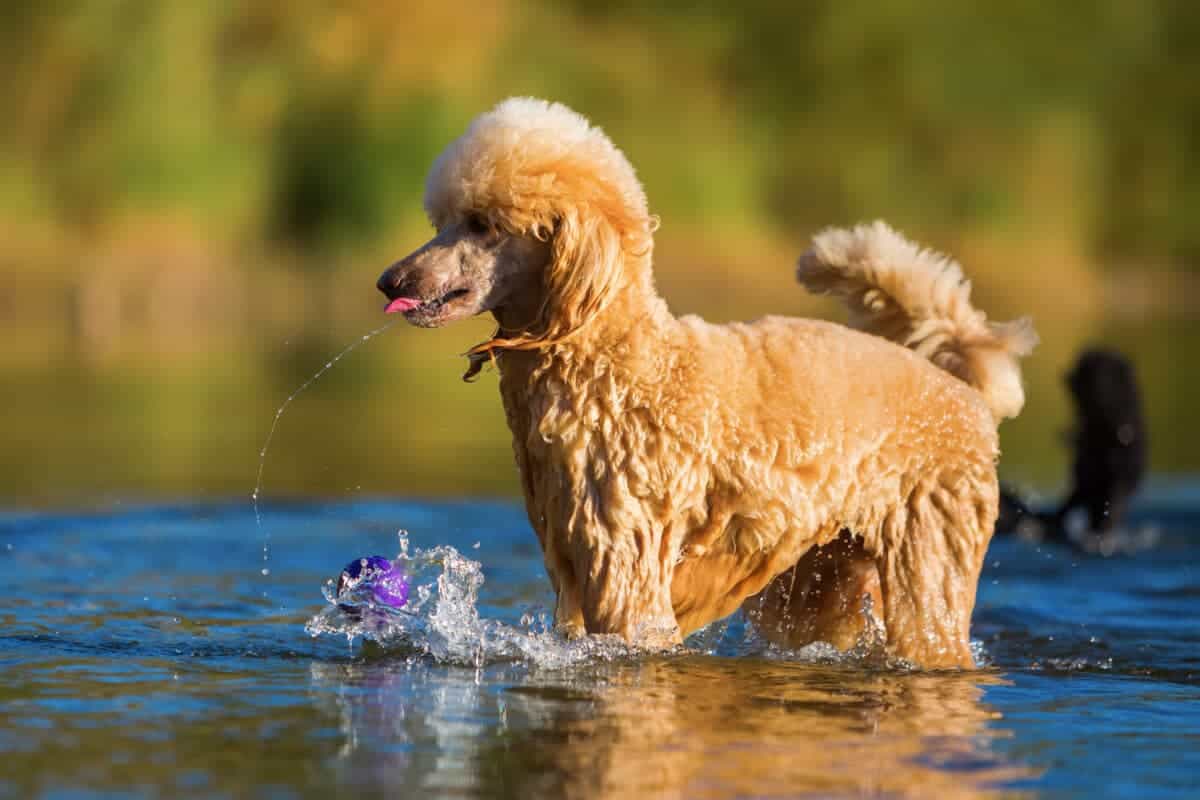
Beneath the Poodle’s elegant appearance lies a deeply social and people-oriented temperament. Available in three sizes (Standard, Miniature, and Toy), all Poodles share a heritage as working retrievers and later as circus performers, roles that required close cooperation with humans. The Poodle Club of America describes them as “alert, intelligent, loyal, trainable, and well-mannered,” qualities that translate into a dog that genuinely enjoys human interaction. Their high intelligence allows them to quickly assess new people and situations, typically responding with friendly interest.
Poodles approach social interactions with a dignified enthusiasm that sets them apart from more boisterous breeds. They tend to be discerning but not suspicious, offering friendship to those who interact with them respectfully. Their intelligence means they’re particularly responsive to the emotional states of humans, often adjusting their behavior accordingly. While they form strong bonds with their families, well-socialized Poodles typically welcome visitors with alert interest and affectionate responses to attention. Their non-shedding coats make them particularly popular with visitors who might have mild allergies to other breeds.
Bulldogs Surprisingly Social Sweethearts

Despite their sometimes intimidating appearance, Bulldogs are among the most sociable and people-oriented breeds. Their squared stance and serious expression belie a personality that’s typically friendly and affectionate toward virtually everyone they meet. Originally bred for the now-outlawed sport of bull-baiting, today’s Bulldogs have been selectively bred for generations to eliminate aggression and enhance companionability. The Bulldog Club of America describes them as “equable and kind, resolute and courageous,” with a “pacific and dignified” demeanor that makes them excellent family companions.
Bulldogs typically greet new people with a calm friendliness that’s endearing in its restraint. Unlike more exuberant breeds, they rarely overwhelm visitors with excessive energy, instead offering a steady presence that’s comforting in its stability. Their tolerance for handling makes them particularly good with children and elderly individuals. Despite their history, they make poor guard dogs because of their general fondness for humans. Their moderate exercise needs and tendency toward laziness make them ideal companions for less active households, though their social nature means they shouldn’t be left alone for extended periods.
Boston Terriers The American Gentlemen

Nicknamed “The American Gentleman” for both their tuxedo-like markings and their mannerly disposition, Boston Terriers are naturally sociable dogs who typically welcome new people with enthusiasm. Developed in the United States as companions rather than working dogs, their primary purpose has always been to provide friendship to humans. The Boston Terrier Club of America describes them as “friendly and bright,” with an “excellent disposition” that makes them versatile companions for diverse household situations. Their compact size (generally under 25 pounds) makes them non-threatening even to people who might be intimidated by larger breeds.
Boston Terriers generally approach new people with a bright-eyed curiosity and friendly demeanor that quickly wins admirers. Their expressive faces, with prominent eyes and alert expressions, make their emotions easily readable to humans. They typically balance friendliness with good manners, rarely becoming overwhelming in their greetings when properly trained. While they form strong bonds with their families, they usually extend their affectionate nature to visitors and even strangers encountered on walks. Their adaptability makes them suitable for various living situations, from apartments to large homes, as long as they receive the human interaction they crave.
Newfoundlands Gentle Giants with Open Hearts

Few breeds combine imposing size with exceptional gentleness as effectively as the Newfoundland. Originally bred as working dogs for fishermen, these massive dogs (often weighing 100-150 pounds) needed to be both cooperative with humans and naturally good-natured. The Newfoundland Club of America describes their temperament as “sweetness of temperament” that is “the hallmark of the breed,” noting that this extends to “a friendly disposition toward humans.” Their history of water rescue work required them to approach strangers with helping instincts rather than suspicion.
Newfoundlands typically greet new people with a calm, gentle interest that belies their massive size. They rarely display the overexcitement seen in some smaller breeds, instead offering a steady, reliable friendliness that’s particularly comforting. Their patience is legendary, making them excellent companions for children and ideal therapy dogs. Their size alone provides a sense of security, though they’re more likely to welcome an intruder than deter one. Their sociable nature means they flourish in households where they’re included in family activities and not left alone for extended periods.
Australian Shepherds Energetic and Engaging
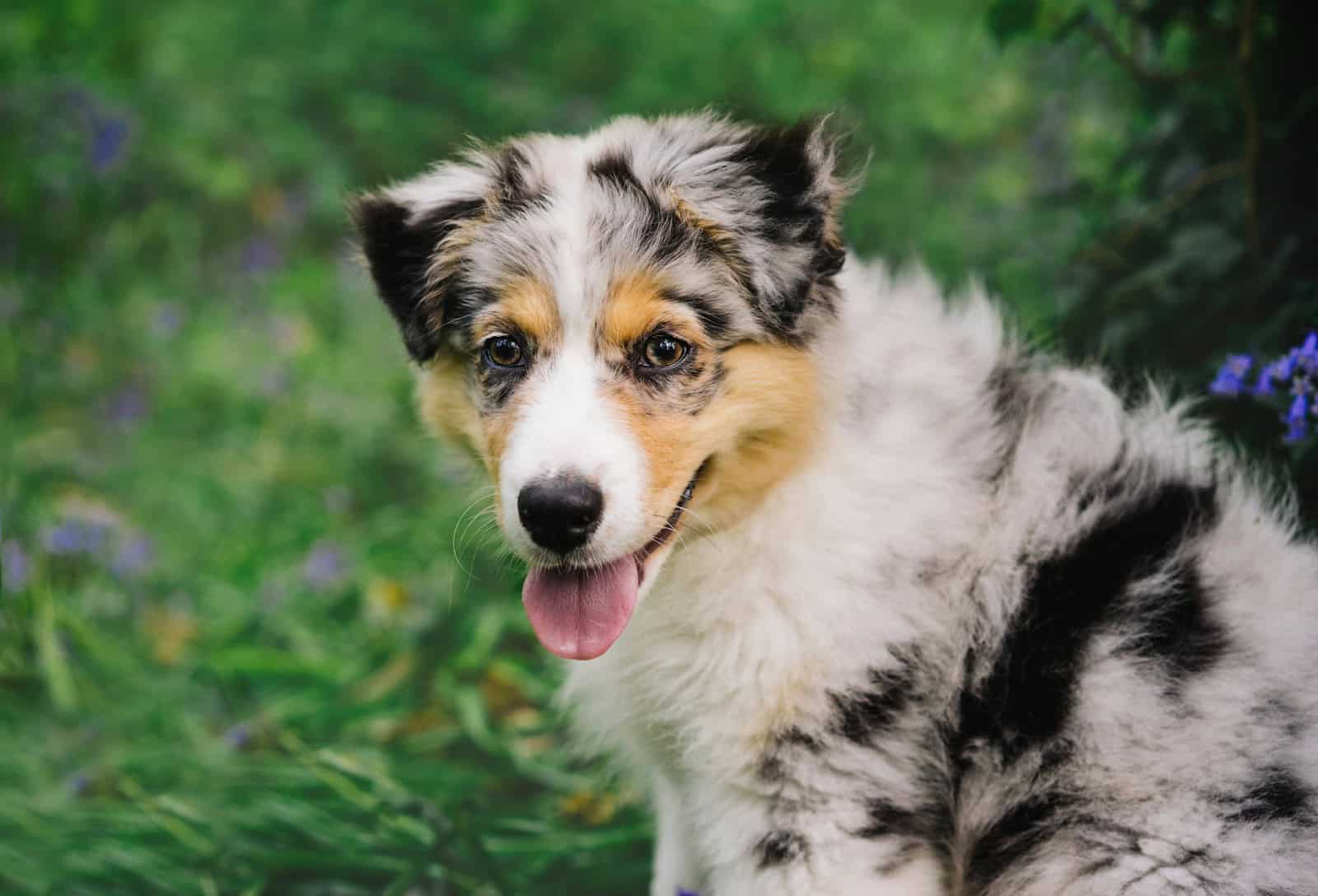
Australian Shepherds combine high intelligence with an engaging personality that typically includes friendliness toward people, though with more discernment than some of the consistently outgoing breeds. Despite their name, these dogs were developed in the western United States as ranch dogs, requiring them to work closely with humans while maintaining some protective instincts. The United States Australian Shepherd Association describes them as “intelligent, active, and friendly” but notes they may show “guarding instincts” that make them more discerning about new people than breeds like Golden Retrievers.
Well-socialized Australian Shepherds typically approach new people with alert interest rather than immediate affection, taking cues from their owners about how to respond. Once they’ve determined someone is welcome, they often engage enthusiastically, offering playful interaction and seeking attention. Their herding heritage may occasionally manifest as a tendency to circle or even gently herd visitors, especially children. Their high energy and intelligence mean they need both physical exercise and mental stimulation to be at their best in social situations. With proper training and socialization, they balance friendliness with appropriate alertness, making them versatile companions for active households.
Conclusion:

Whether you’re looking for a friendly greeter or a loyal companion who takes their time warming up, knowing a dog’s social tendencies can make all the difference. Outgoing breeds like the Golden Retriever, Labrador, and Boxer often thrive in social settings, happily welcoming strangers with wagging tails and eager energy. These dogs tend to be natural extroverts, making them ideal for busy households, therapy work, or families who love meeting new people.
On the other hand, more reserved breeds like the Akita or Shiba Inu aren’t necessarily unfriendly—they’re simply more cautious and selective with their trust. Understanding and respecting these differences helps set up both dog and owner for success. Whether your dog is the life of the party or a quiet observer, each temperament comes with its own charm and strengths. Ultimately, it’s about building a bond rooted in patience, trust, and mutual respect.

As a little kid, I fell in love with nature, wildlife, and animals. Living in the USA, South Africa, Italy, China and Germany gave me the opportunity to discover the world's Wildlife. My favorite animals are Mountain Gorillas, Siberian Tigers, and Great White Sharks.
I'm a certified PADI Open Water Diver, went to Everest Base Camp and Trekked Gorillas in Uganda. I hold a Master of Science in Economics and Finance.
Please send any feedback to feedback@animalsaroundtheglobe.com
- 13 Cat Breeds That Get Along with Dogs - July 20, 2026
- The 12 Largest Dog Breeds That Still Love to Cuddle - July 20, 2026
- 12 Pet Habits That Secretly Mean They Love You - July 20, 2026