

#1. Lavender
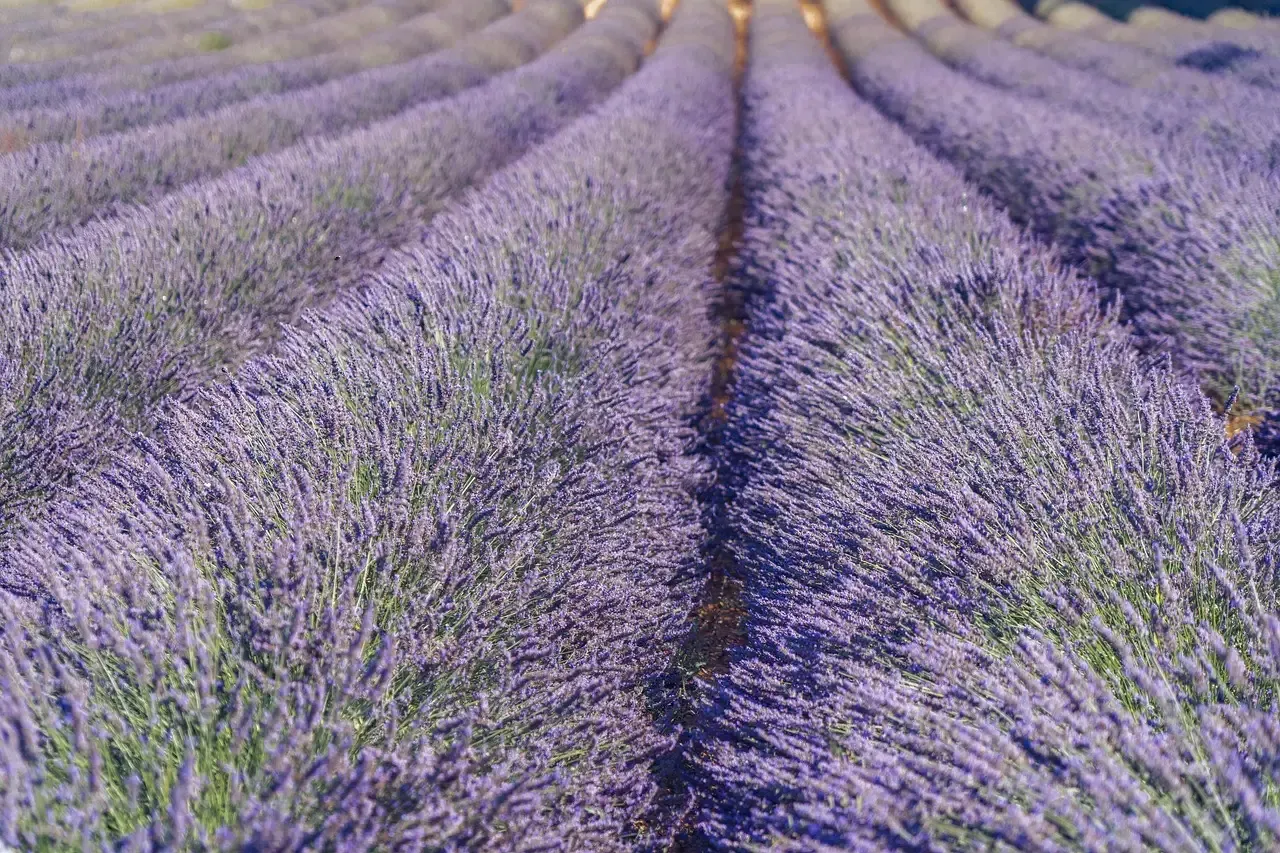
Few plants earn their place in a garden as completely as lavender does. It’s fragrant, long-blooming, and almost effortlessly beautiful in full sun. Lavender is a fragrant perennial prized for its richly colored purple flower spikes and aromatic foliage, and it’s an ideal plant for gardens prone to rabbit visitors, since it drives away pests with its intense fragrance while attracting pollinators.
All parts of lavender contain aromatic oils, compounds, and camphor that give it a strongly pungent scent and flavor, which deters rabbits and other wildlife from nibbling its branches and flowers. Lavender thrives in hot, sunny spots with quick-draining soil low in fertility, and once established it is extremely drought tolerant, requiring little care beyond pruning dead branches. It’s essentially a plant that takes care of itself while quietly keeping the rabbits at bay.
#2. Salvia
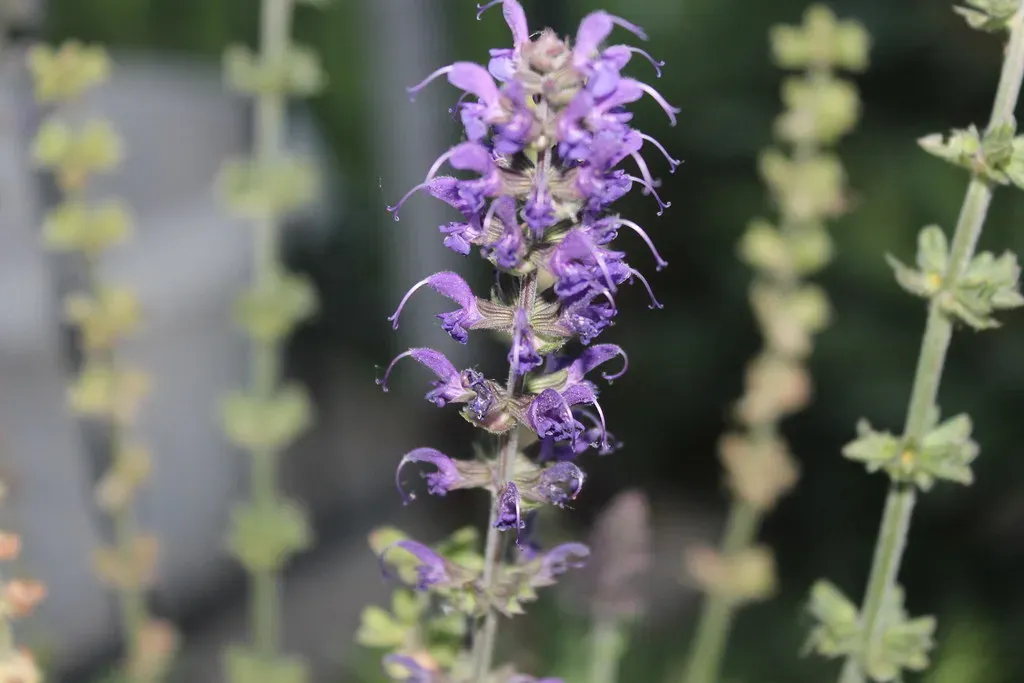
Salvia is a staple perennial loved for its slender, aromatic leaves and elegant tubular flowers that bloom vigorously through summer, coming in red, pink, purple, blue, and white. Deer and rabbits tend to leave it alone. That combination of long bloom time and pest resistance makes it one of the most practical choices for a mixed border.
Salvia contains compounds like terpenoids and tannins that make its foliage and flowers incredibly bitter and distasteful, causing grazing pests like deer and rabbits to steer clear. If you rub a salvia leaf and put it to your nose, you’ll notice a minty scent, which isn’t surprising since salvia belongs to the mint family. That same strong scent that seems pleasant to humans actually keeps the animals away.
#3. Marigolds
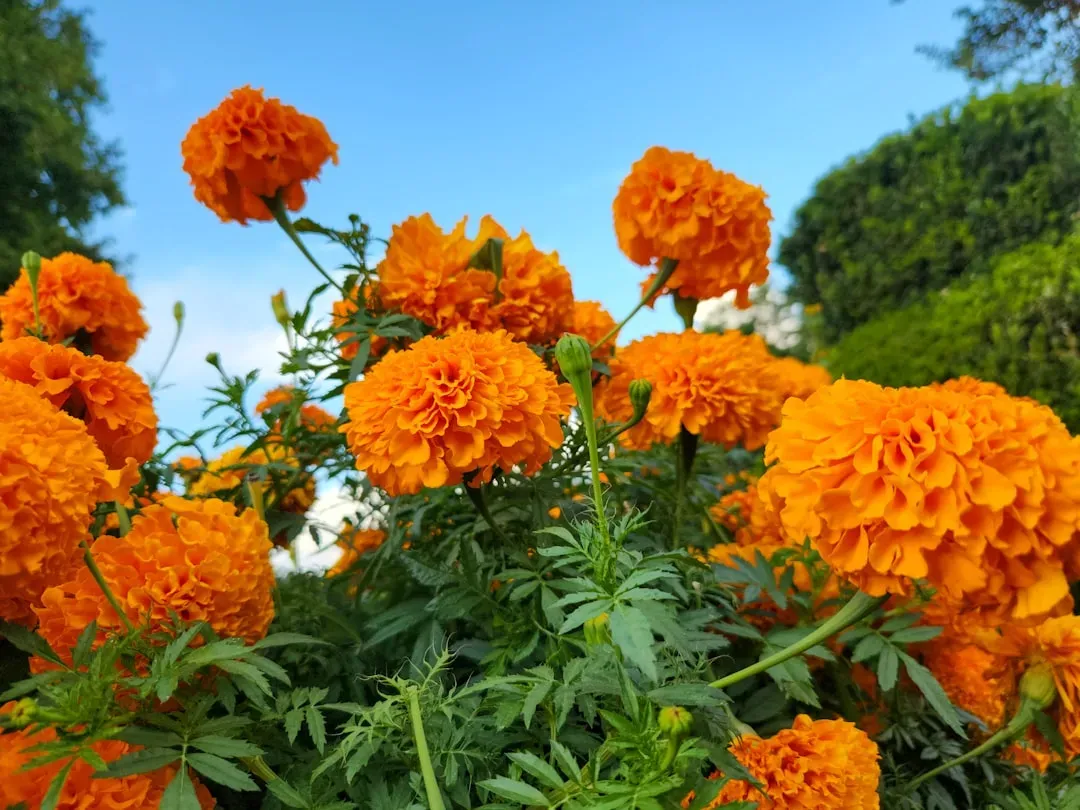
Marigolds are the classic choice for deterring rabbits. Their pungent aroma is unappealing, and their foliage has a bitter edge that rabbits quickly reject. These cheerful flowers come in warm shades of yellow, orange, and red, brightening borders and beds all summer, and beyond their rabbit resistance, marigolds pull double duty as companion plants.
They repel aphids and nematodes, making them excellent partners for vegetables like tomatoes and peppers. With their long blooming season and sun-loving nature, marigolds are a must-have annual. Plant them as a border around more vulnerable flowers, and they’ll work as a natural, colorful buffer that most rabbits won’t bother crossing.
#4. Catmint
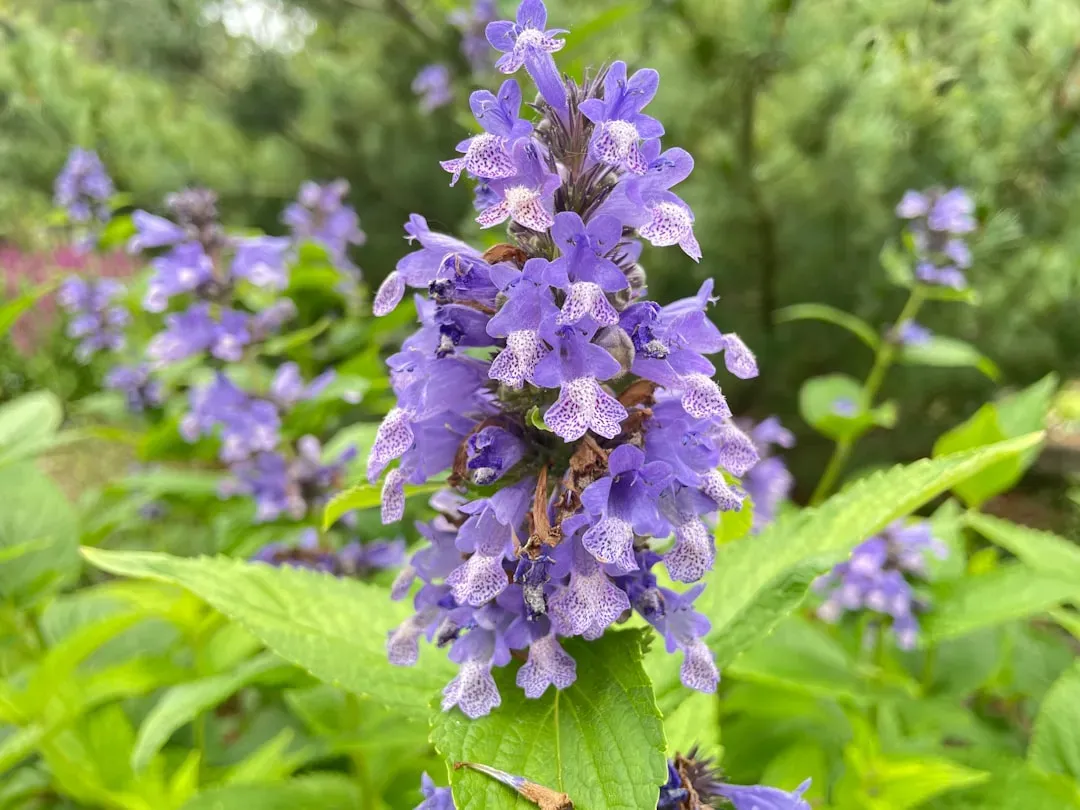
Catmint is related to culinary mint, with a pungent scent and taste that rabbits dislike. This carefree herbaceous perennial produces gray-green foliage and tubular flowers that bloom for months during the growing season, and it works well in a mixed border, waterwise landscape, or rock garden.
Catmint’s aromatic foliage deters rabbits, and the long-blooming flowers are a favorite of pollinators. It has a relaxed, flowing habit that softens the edges of pathways and garden beds beautifully. The nasty compounds in most mint-family plants are quite distasteful to rabbits, and catmint, along with nepeta, monarda, and salvias, is rabbit-proof and very attractive to pollinators.
#5. Foxglove
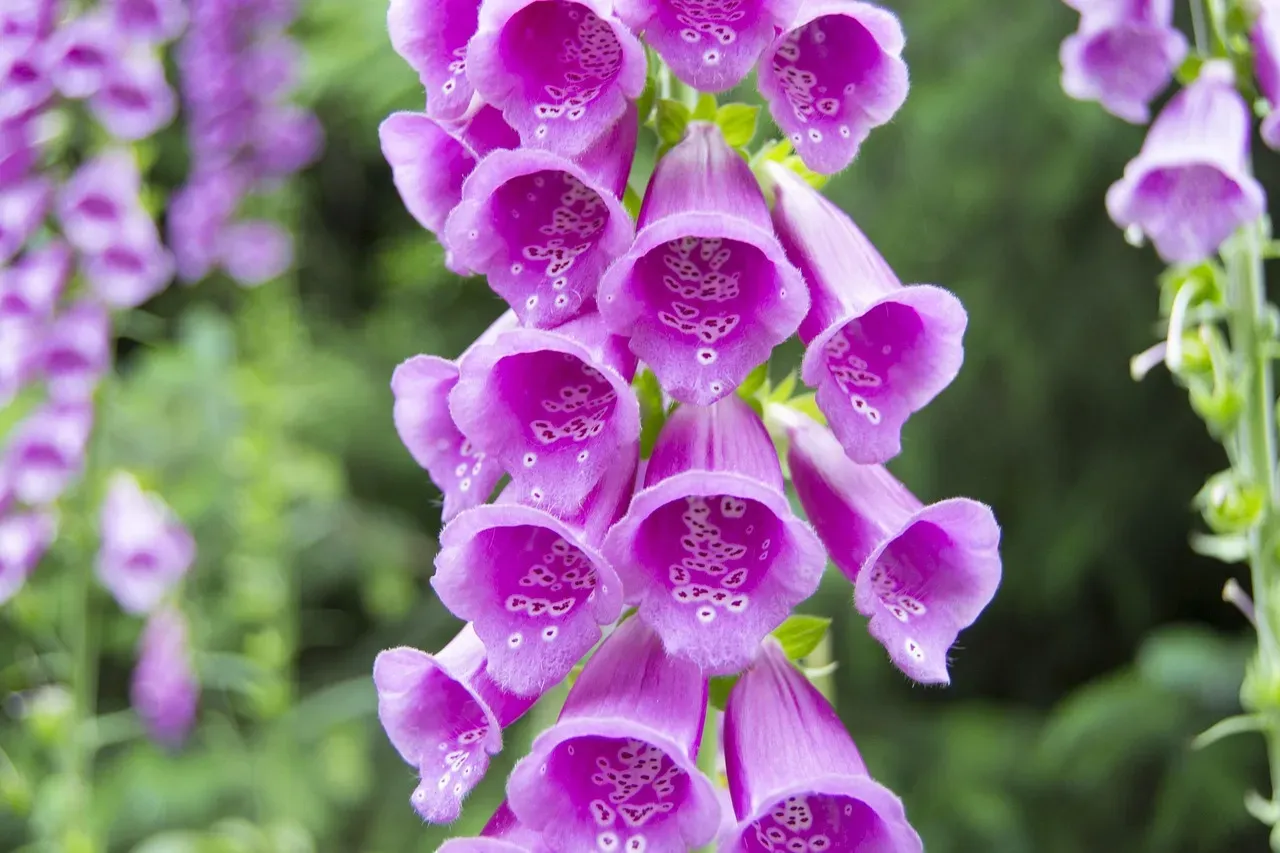
With its statuesque spikes covered in tubular flowers, foxglove makes a striking garden statement. The flowers come in a variety of vibrant hues, including white, pink, lavender, yellow, red, and purple. An easy-care biennial or short-lived perennial, foxglove self-seeds readily once established, so gardeners can enjoy years of towering color.
Foxglove contains cardioactive glycosides that make ingesting any part of the plant extremely toxic, and for this reason foxgloves are avoided entirely by wildlife seeking edible plants. It’s worth noting that this toxicity extends to humans and pets, so it’s best placed away from areas where children and animals roam freely. Foxglove is completely poisonous and animals are simply too smart to eat it. Most varieties are biennial, meaning their life cycle takes two years with foliage the first year and flowers the second.
#6. Geraniums (Cranesbill)
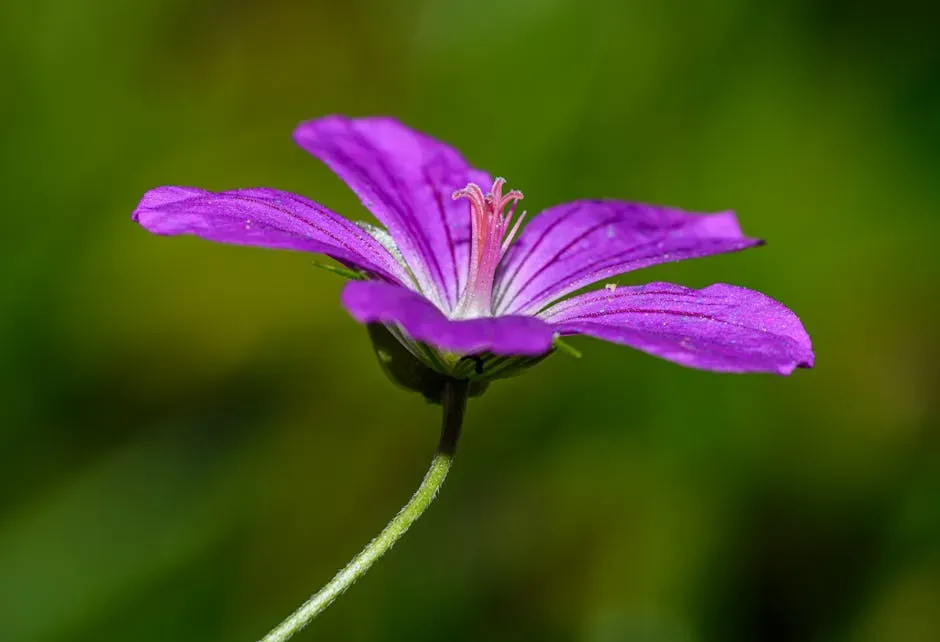
Geraniums are thought to deter rabbits with their pungent smell, although gardeners enjoy varieties with a citrus, rose, or other appealing fragrance. That’s the pleasant paradox of this plant: it smells lovely to us and deeply off-putting to rabbits. Zonal geraniums are bushy plants that typically bear soft, rounded leaves marked with a dark band, and they grow best in full sun with faded flowers removed to encourage re-blooming.
Rabbits tend to leave cranesbill alone due to mildly toxic compounds, an unpleasant taste, and the rough or hairy texture of the leaves. The hardy cranesbill varieties are especially versatile, thriving in conditions ranging from full sun to partial shade. Many gardeners bring their plants inside to overwinter, where they’ll continue to produce flowers if they get enough sun.
#7. Zinnia
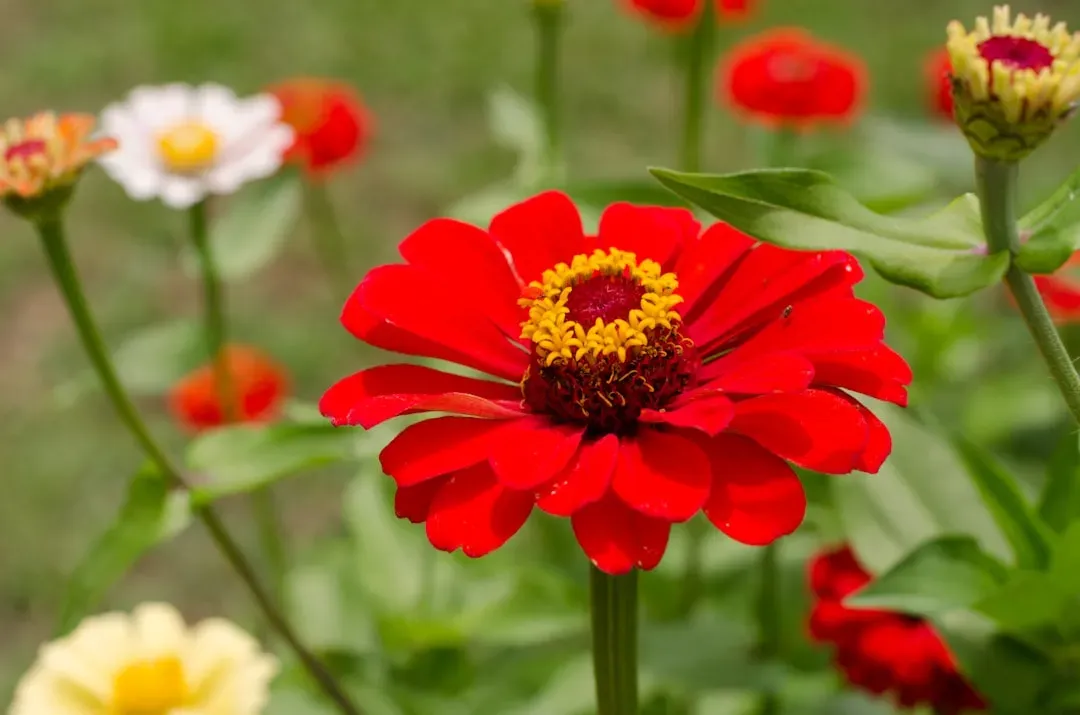
Rabbits dislike the stiff, coarse foliage of zinnias, leaving their vivid blooms to shine without interference. Zinnias are beginner-friendly and quick to grow from seed, offering endless color combinations and flower forms, and they’re a magnet for pollinators, especially butterflies.
Zinnias have a rough leaf texture and taste that rabbits dislike. This quintessential summer annual adds cheerful color to the border, with long-lasting brightly colored blooms, and its tall upright or low mounding habit is useful in containers, as bedding plants, in cottage-style borders, or as edging. They’re one of those rare plants that deliver maximum visual impact with minimal maintenance, and the rabbits won’t touch them once they’re established.
#8. Bee Balm
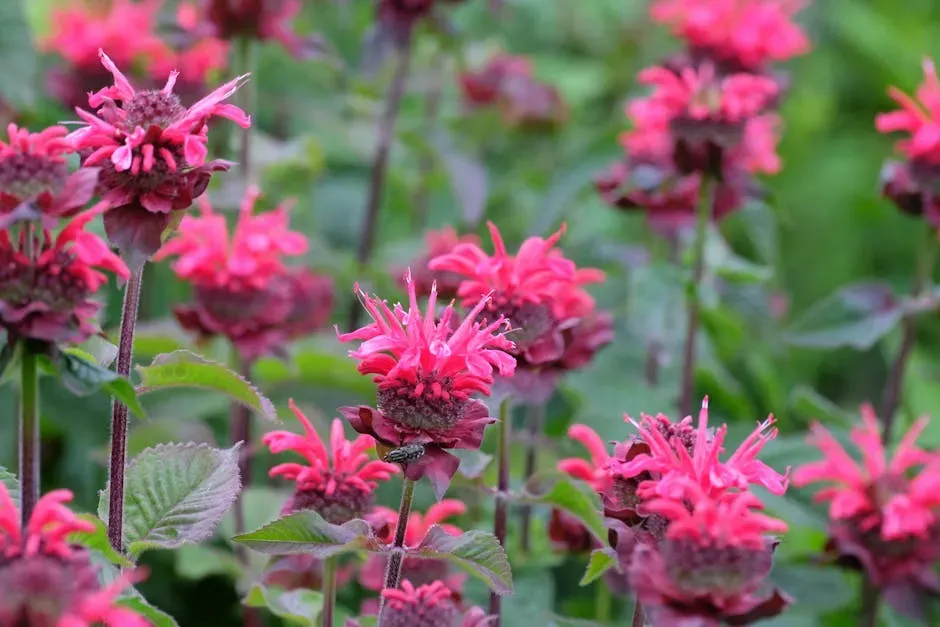
The pungent minty scent and taste of bee balm is off-putting to rabbits. Bee balm is a herbaceous perennial related to mint, with pointed green leaves and whorls of tubular flowers in summer, and it’s one of the best plants for attracting a wide range of pollinators, useful in mixed borders, native landscapes, and cottage-style gardens.
There’s something genuinely satisfying about a plant that draws bees and hummingbirds while simultaneously sending rabbits in the other direction. The nasty compounds in most mint-family plants are quite distasteful to bunnies, and bee balm is no exception. It blooms in bold reds, pinks, and purples through midsummer, forming clumps that fill empty space in a border with real authority.
#9. Hellebore
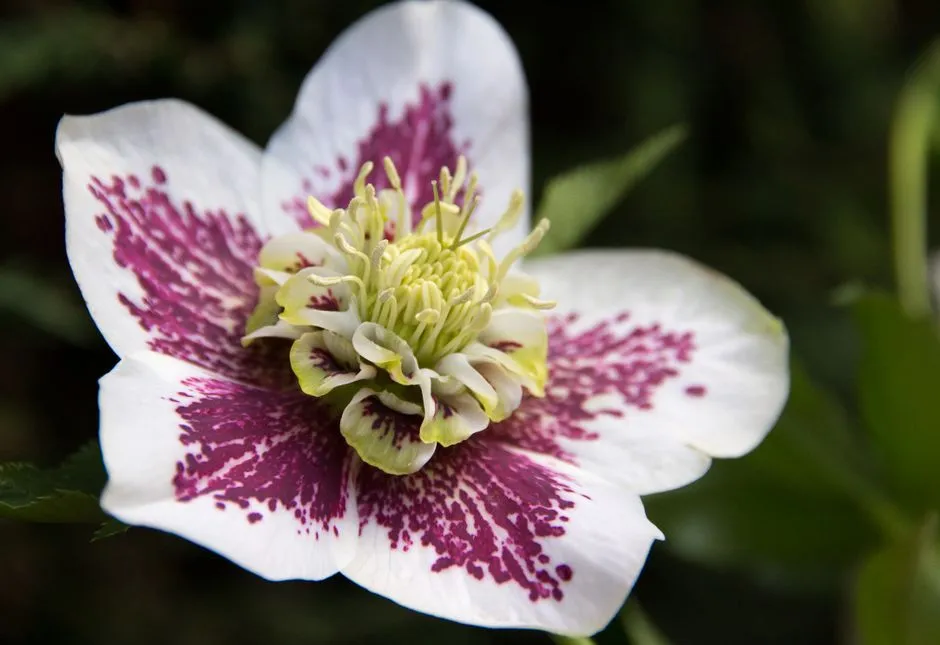
Hellebore, also known as Lenten Rose, is gaining popularity at a rapid pace and for good reason. These hardy thick-leaved perennials will keep their foliage throughout the winter and will not be touched by any critter. They bloom in late winter or very early spring and hold their flowers for many months. A shade lover that naturalizes and provides winter interest, it’s a fantastic addition to any garden.
The hellebore, aptly named Christmas rose, is a long-lived, early-blooming alternative that rabbits avoid. It fills a genuine gap in the garden calendar, offering color when almost nothing else is blooming. Plants contain essential oils and compounds that can be mildly toxic, with a pungent smell and taste that repels rabbits. For shaded corners where other plants struggle, hellebore is almost unbeatable.
#10. Daffodil
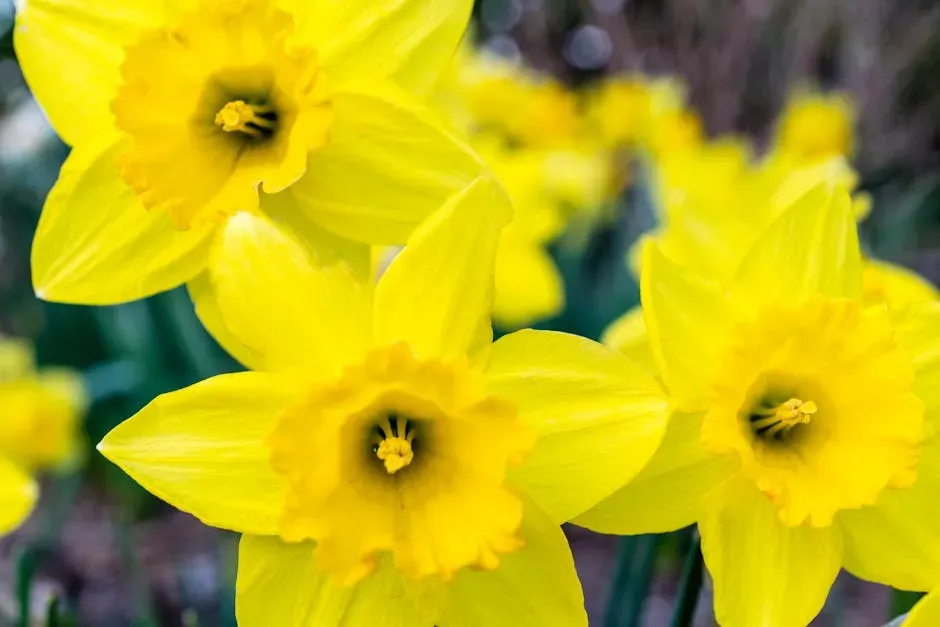
Daffodils are among the first blooms to emerge in early spring. They contain lycorine, a toxic substance that can cause rabbit health issues, and rabbits tend to avoid them. This bulb plant, also called narcissus, grows as a perennial in the right zones, particularly USDA zones 4 to 8.
Daffodils include over 50 different species. As with many bulb plants, they will continue to bloom year after year, almost indefinitely, making them a fantastic addition to established gardens where a permanent planting has been cultivated. Plant them in autumn, forget about them through winter, and come spring they’ll push up through cold soil while nearby tulips get devoured. It’s one of nature’s tidiest arrangements.
#11. Cleome (Spider Flower)
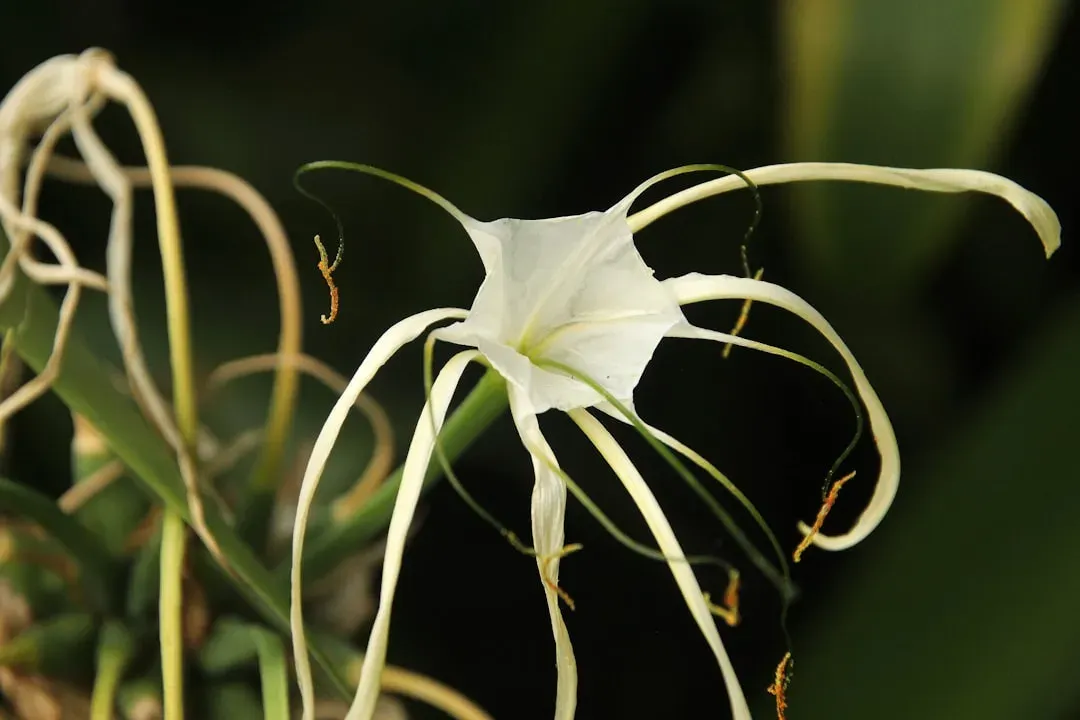
Cleome’s prickly stems may discourage rabbits from eating them, along with their strong scent. Some gardeners say the plants smell pleasantly minty, while others complain of a skunk-like or catty odor. Native to the southern United States and South America, cleomes bear large flower clusters from midsummer until frost.
Cleomes are indigenous to the southern United States and South America and bear large flower clusters from summer until frost. Unlike marigolds, cleomes do not bloom until they are well-established in their growing space. Once the flowers emerge, though, they require very little care. Their tall, airy form gives garden beds a wildflower feel, and the combination of spiny stems and polarizing scent tends to keep rabbits at a respectful distance.
#12. Globe Thistle
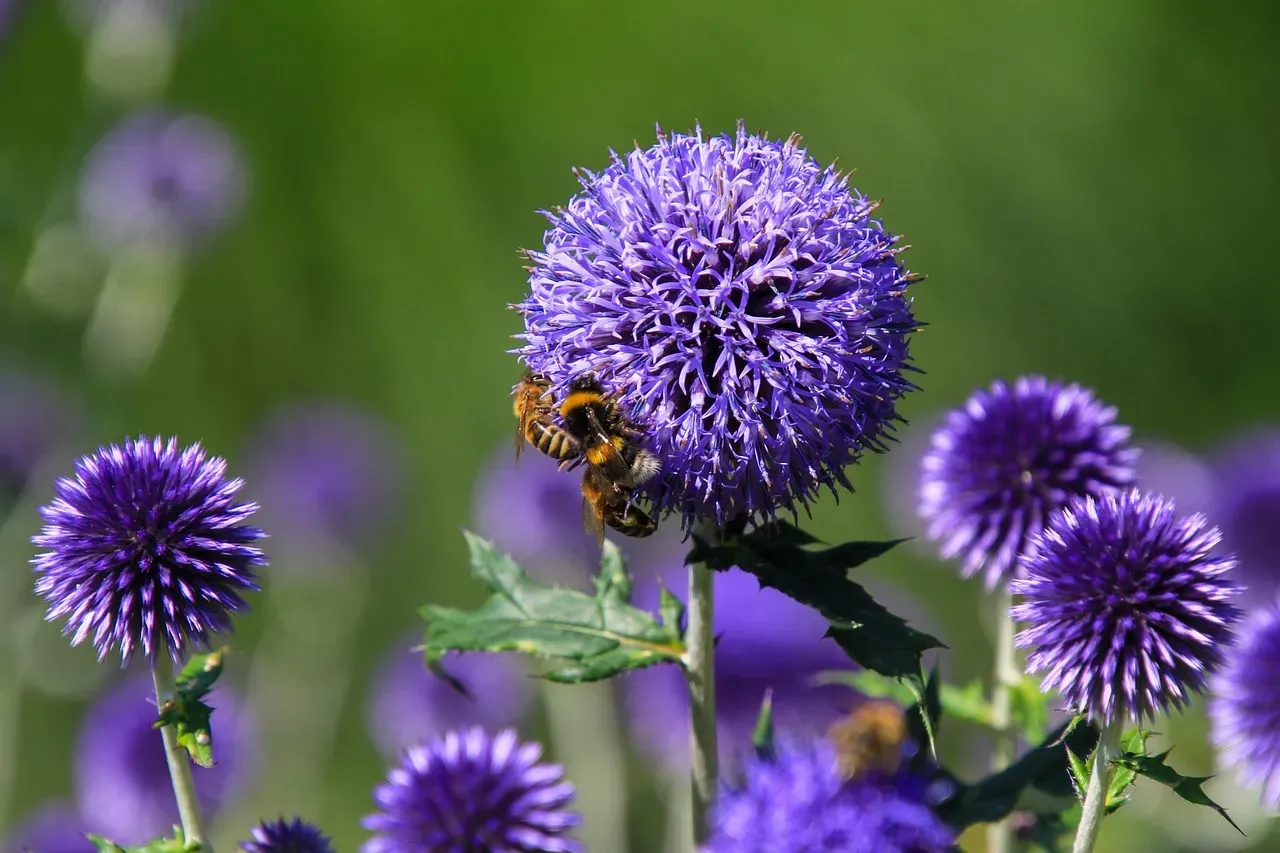
Globe thistle, or Echinops, is a contemporary-looking flower with furry gray stems and remarkable spiny, gray-green leaves. Rabbits tend to avoid these flowers because of their hairy stems and leaves. The steel-blue spherical blooms are genuinely striking in a border, offering a geometric contrast to soft, billowing plants like salvia or catmint.
Globe thistle blooms and leaves last for a long time and make perfect candidates for a cut flower garden. Rabbits also avoid plants that have strong scents, prickles, spines, and leathery leaves, and globe thistle delivers on nearly all of those fronts. It’s drought tolerant, tough as nails, and blooms reliably without much fussing.
#13. Snapdragons
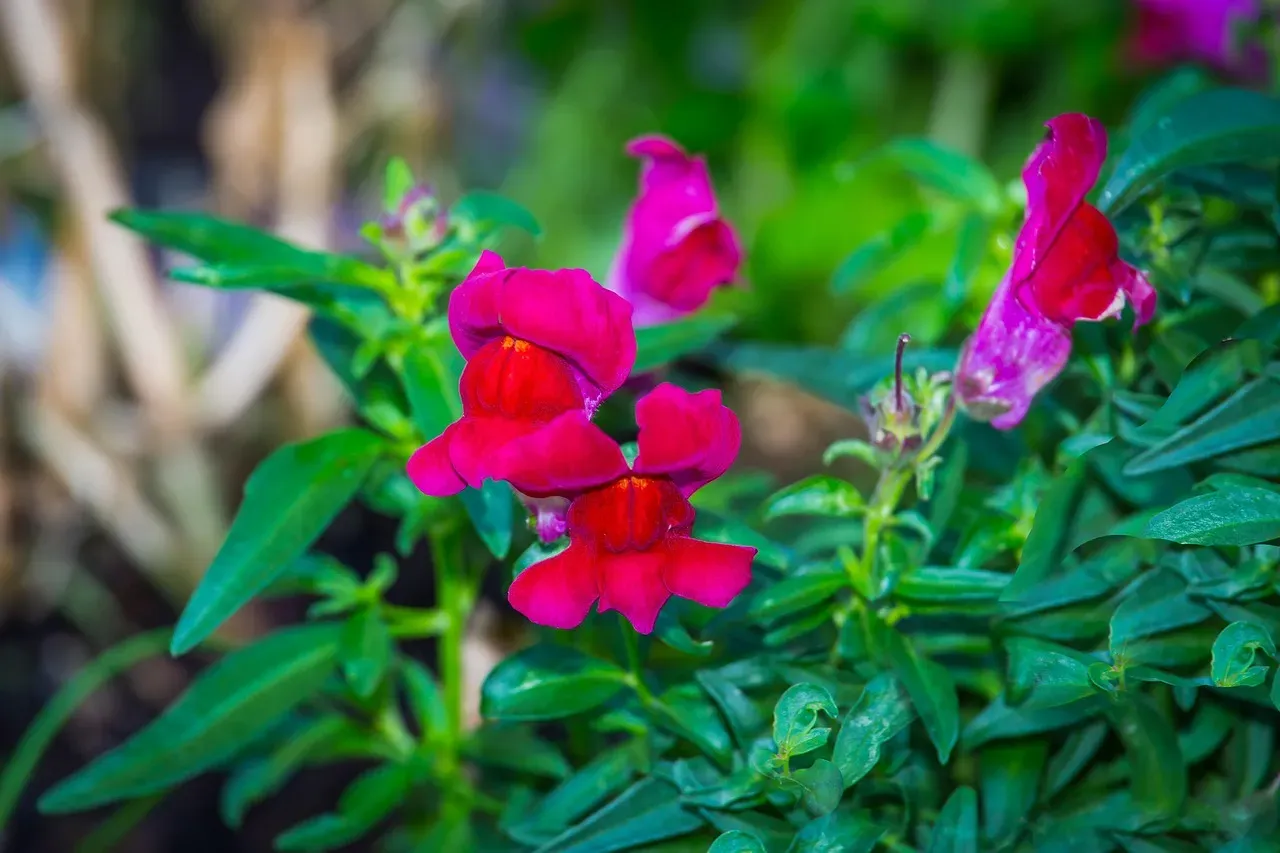
At first glance, snapdragons seem to fit the profile of a rabbit-pleasing plant, but the bitter or just plain unpleasant taste of Antirrhinum turns rabbits away, and the plants are deer-resistant too. Snapdragons are celebrated for their unique blossoms that can be squeezed at the tip to open like a dragon’s mouth, with markings that resemble teeth and a forked tongue. They come in a vast array of colors, typically blooming in cooler weather, and tend to attract friendly bumblebees.
Ageratum, cleome, flowering tobacco, snapdragons, and verbenas appear on several rabbit-resistant plant lists, and snapdragons earn their place consistently. They thrive in the cooler temperatures of spring and fall, filling beds with vertical color right when many other plants are just warming up. Their bitter taste is enough to send most rabbits looking elsewhere, which means those cheerful spires stay exactly where you planted them.
A Few Honest Words Before You Plant
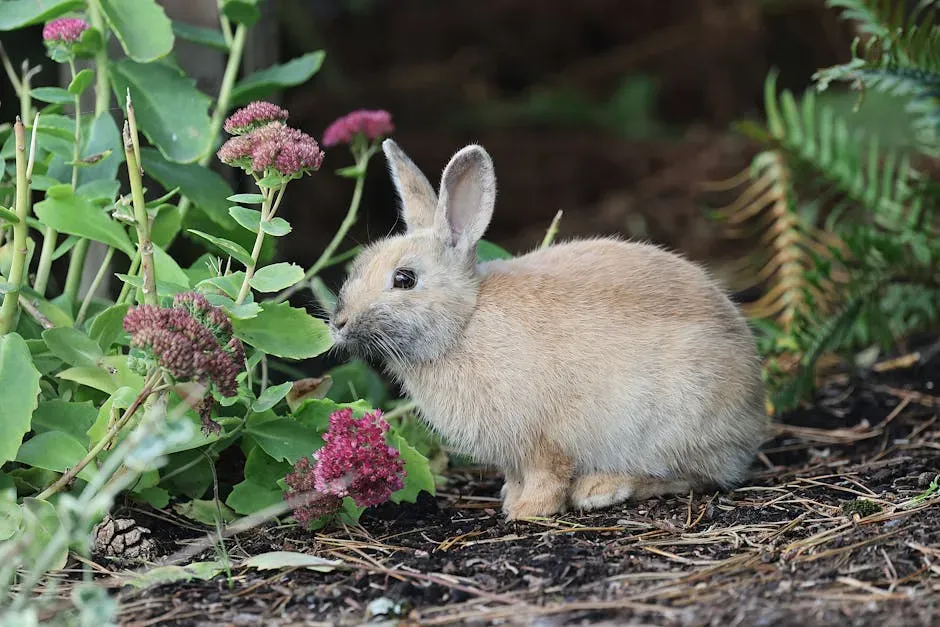
No plant is guaranteed to be completely rabbit-proof. There’s always that youngster who will eat anything, at least once. If forage is in short supply, or a drought or extra-rainy season is killing off preferred food sources, rabbits may chomp on anything to survive.
Fragrant, strong-smelling plants like lavender overwhelm a rabbit’s sensitive nose. Rough, spiny, fuzzy, or leathery foliage makes chewing uncomfortable. Some plants also contain compounds that are mildly toxic, which discourages nibbling. Leaning on a combination of these traits, across multiple plant varieties, gives you the strongest defense.
Experiment with companion planting, for example surrounding tasty plants with a border of pungent flowers like nasturtiums or verbena. Varying your textures and scents creates a multi-sensory garden defense that’s both beautiful and effective. The goal isn’t to wage war on wildlife. It’s simply to make your garden a little less interesting to them, one well-chosen bloom at a time.

- 12 Architectural Wonders From The Ancient World That Inspire Us Today - July 18, 2026
- 6 Beautiful Ancient Cities That Time Forgot (But Shouldn’t) - July 18, 2026
- 6 Common Animal Behaviors That Are Often Misunderstood by Humans - July 18, 2026