

North America is a continent teeming with diverse ecosystems, from sprawling forests to arid deserts. Within these landscapes reside an array of formidable predators that play crucial roles in their environments. Understanding these predators is not only intriguing but also essential for appreciating the ecological balance they maintain and recognizing their potential threats. This article delves into the 13 most dangerous predators in North America, exploring their behaviors, habitats, and unique characteristics.
13. Grizzly Bear

The grizzly bear, a subspecies of the brown bear, is one of North America’s most iconic predators. Found primarily in Alaska and Western Canada, grizzlies are known for their immense strength and impressive size, with adult males weighing up to 1,500 pounds. They are omnivores with an incredibly adaptable diet, ranging from nuts and berries to large mammals. Grizzly bears are fiercely territorial, and while attacks on humans are rare, they can be dangerous when they feel threatened or surprised.
12. Mountain Lion

Also known as cougars or pumas, mountain lions are stealthy hunters that primarily inhabit the forests and mountainous regions of western North America. These solitary predators are highly adaptable and can even be found near urban areas. With their powerful limbs and acute sense of sight, mountain lions often hunt at dusk and dawn, preying on deer, coyotes, and other mammals. Though they generally avoid humans, encounters can be perilous if the animal feels cornered.
11. American Alligator

American alligators inhabit the southeastern United States, thriving in the freshwater environments of swamps, marshes, and rivers. These reptiles can grow up to 13 feet long and weigh as much as 1,000 pounds. Known for their strong bite force and remarkable agility, alligators are apex predators that primarily feed on fish, birds, and mammals. While they seldom attack humans, they can become dangerous if provoked or if people inadvertently enter their territory.
10. Gray Wolf
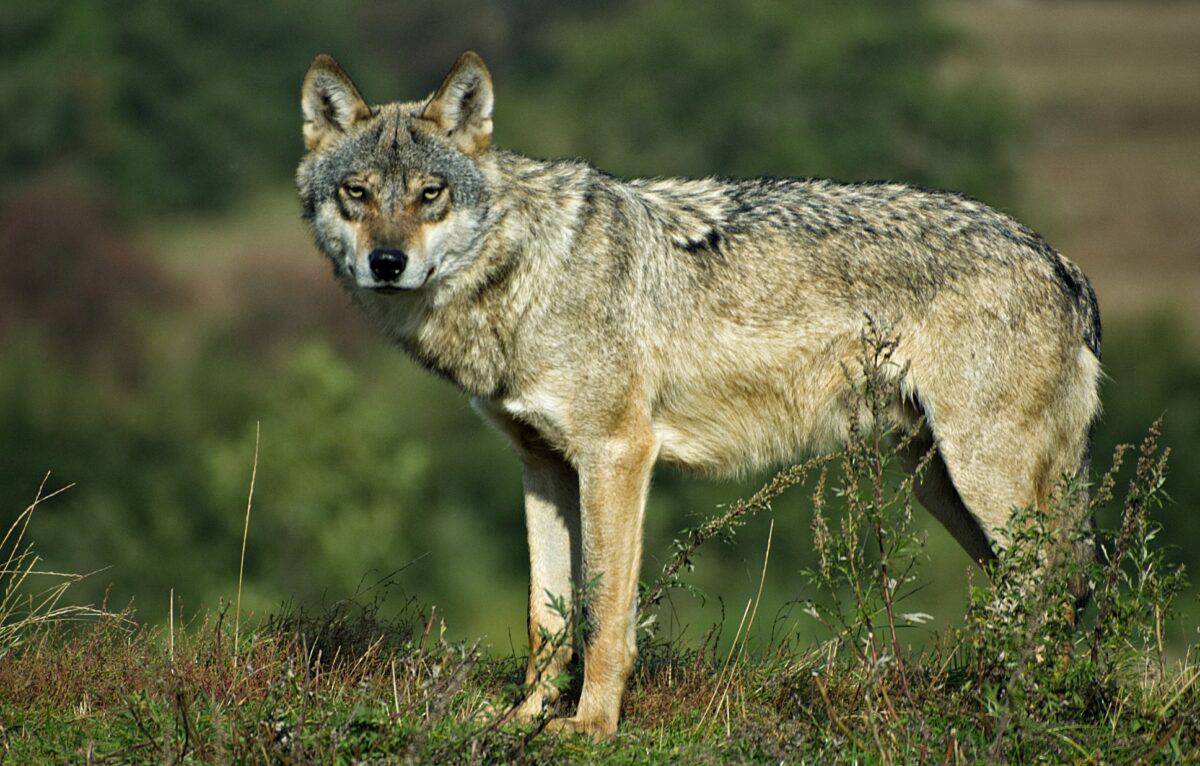
The gray wolf, a social predator known for its pack dynamics, roams various parts of North America, from the tundra to temperate forests. Packs are intricately structured and work together to hunt large prey such as elk, deer, and sometimes livestock. Although fears of wolf attacks are often exaggerated, wolves are skilled hunters, and their presence affects prey populations and other predators in complex ways.
9. American Black Bear
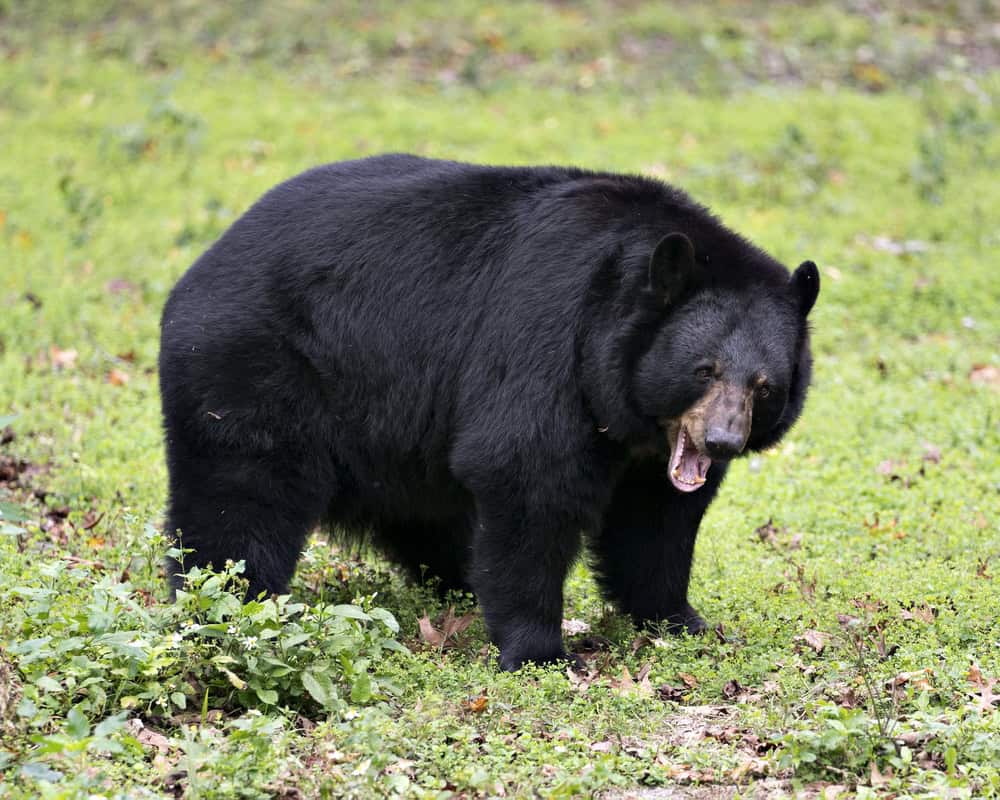
American black bears are highly adaptable creatures that inhabit a wide range of habitats across North America, including forests, mountains, and wetlands. Despite their name, they come in a variety of colors, from black to brown and even cinnamon. Black bears are opportunistic feeders, consuming a diet of fruits, nuts, insects, and small mammals. Attacks on humans are uncommon, but they can occur if bears are surprised or protecting their young.
8. Bobcat

Smaller than some of America’s other big cats, bobcats are nonetheless formidable predators found throughout North America, particularly in wooded areas. These nocturnal hunters are known for their incredible stealth, preying primarily on rabbits, birds, and rodents. Bobcats are solitary and territorial, marking their boundaries with scent markings. While not as dangerous to humans as larger predators, they can pose a threat to domestic animals if their territories overlap with human settlements.
7. Eastern Diamondback Rattlesnake

The largest venomous snake in North America, the eastern diamondback rattlesnake, is found in the southeastern United States. Recognizable by its distinctive diamond pattern, this snake prefers dry, sandy, and warm environments, such as pine forests and coastal areas. Though shy by nature, eastern diamondbacks will defend themselves vigorously if threatened, delivering a potent venom that can be fatal if untreated. Awareness and caution are key when inhabiting areas known for snake activity.
6. Polar Bear

Native to the Arctic, polar bears are the largest land carnivores in the world. They are powerful swimmers and primarily hunt seals on ice-covered waters. Although they live far from most human settlements, climate change and melting ice habitats increase the potential for human-polar bear encounters, especially as they venture further south in search of food. Polar bears are highly dangerous due to their size, strength, and predatory skills.
5. Coyote

Coyotes are highly adaptable canids found across North America, from rural to urban areas. Known for their resilience and intelligence, coyotes have a varied diet that includes rodents, birds, reptiles, and even fruits. Typically depicted as cunning, they present a danger to pets and livestock, particularly when in search of food and space encroachment by human developments. Learning to coexist through secure waste management and livestock protection is essential.
4. American Crocodile
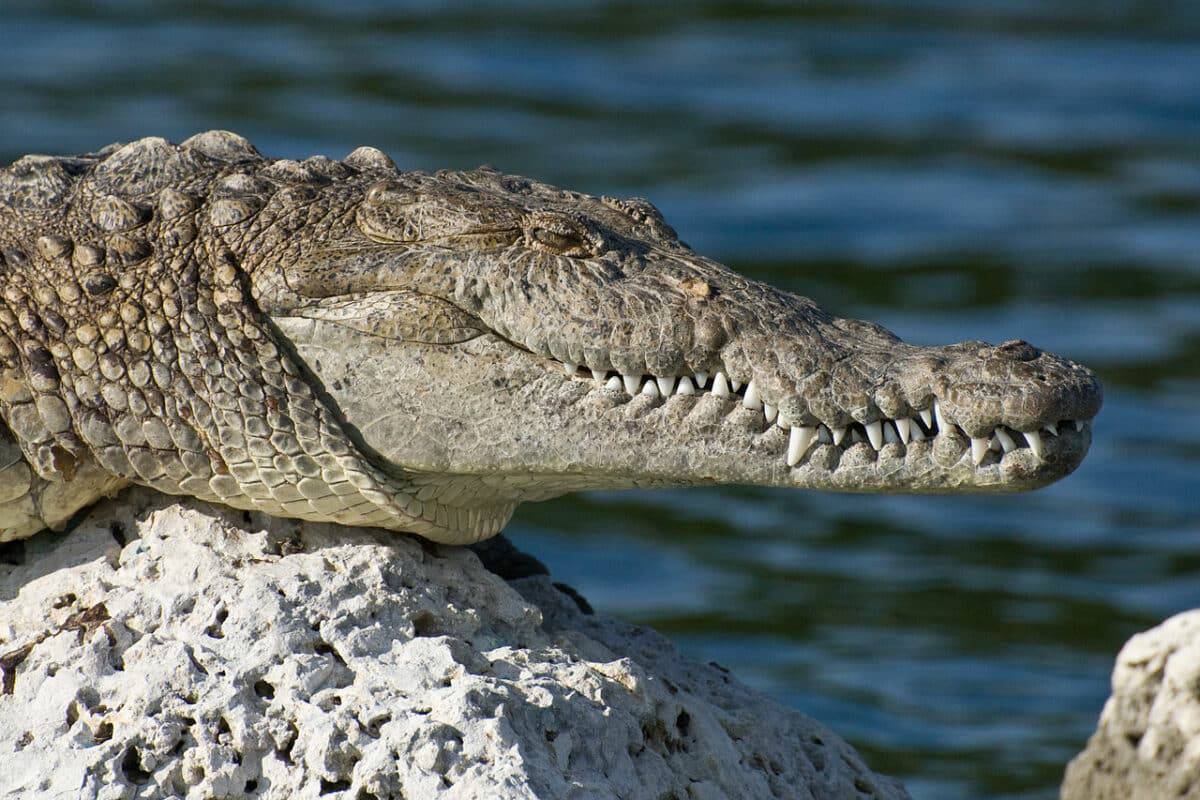
Inhabiting the coastal areas of southern Florida, the American crocodile prefers warm, brackish waters. They are shy reptiles but can be aggressive if provoked. American crocodiles can grow up to 20 feet in length, feeding on fish, birds, and small mammals. Encounters with humans are rare; however, their presence serves as a reminder of the ecological divide between developed and wild environments.
3. Great White Shark

Dwelling off the coasts of North America, particularly around California, Hawaii, and northeastern shores, the great white shark is a top marine predator. With a reputation often exaggerated by the media, these magnificent predators use stealth and powerful bites to hunt seals and fish. Although attacks on humans are infrequent, shark-infested waters demand respect for their capabilities and a responsible approach to ocean activities.
2. Bald Eagle

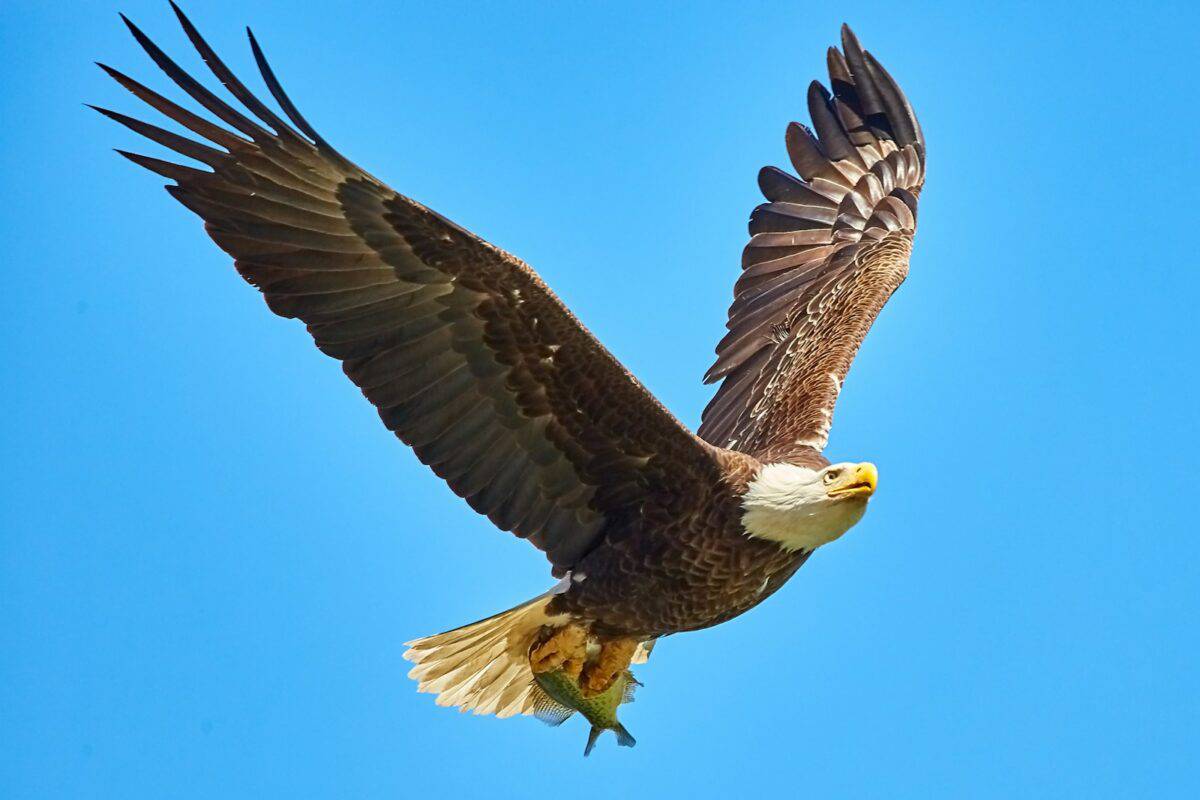
The bald eagle, while not a direct threat to humans, is a dominant bird of prey in North America. With a diet predominantly of fish, these eagles showcase impressive hunting skills and are symbolic of strength and freedom. Although not dangerous, their talons and beaks are formidable weapons that enable them to capture and kill prey efficiently. The bald eagle serves as a reminder of the awe-inspiring power of nature and the importance of preserving these iconic raptors.
1. Wolverine
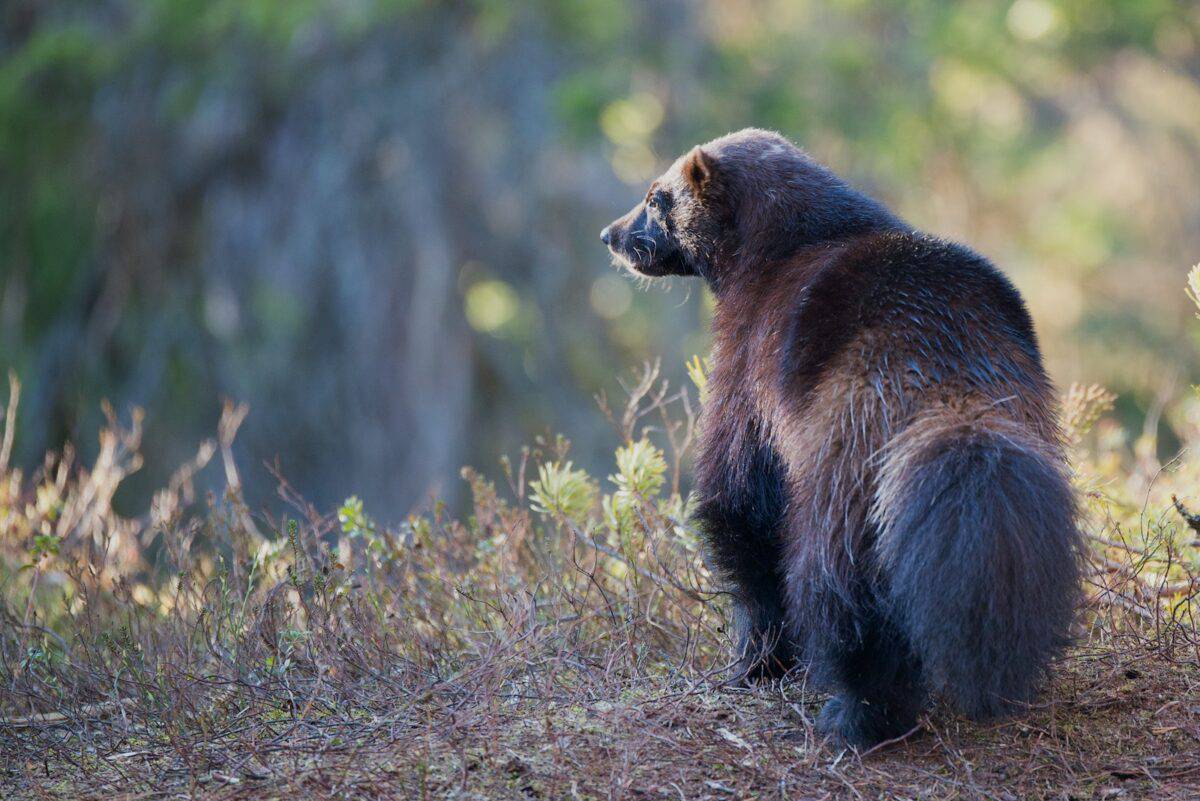
Renowned for their ferocity relative to their size, wolverines are powerful predators found in the northern boreal forests. They are highly elusive and known for their endurance and strength, hunting small to medium-sized mammals and scavenging larger carcasses. Wolverines are solitary and have large territories, making sightings rare. While generally avoiding humans, these animals can be dangerous if cornered or threatened.
Conclusion:

The diversity and magnificence of North America’s dangerous predators offer a profound understanding of ecological dynamics and the necessity for coexistence. While these predators can pose a risk to humans and domestic animals, it is important to respect and learn about them to mitigate potential threats. Conservation efforts and increased awareness are key to ensuring these species continue to play their essential roles in their ecosystems while also safeguarding human interests.

As a little kid, I fell in love with nature, wildlife, and animals. Living in the USA, South Africa, Italy, China and Germany gave me the opportunity to discover the world's Wildlife. My favorite animals are Mountain Gorillas, Siberian Tigers, and Great White Sharks.
I'm a certified PADI Open Water Diver, went to Everest Base Camp and Trekked Gorillas in Uganda. I hold a Master of Science in Economics and Finance.
Please send any feedback to feedback@animalsaroundtheglobe.com
- 13 Cat Breeds That Get Along with Dogs - July 20, 2026
- The 12 Largest Dog Breeds That Still Love to Cuddle - July 20, 2026
- 12 Pet Habits That Secretly Mean They Love You - July 20, 2026