

The American wilderness is home to a rich tapestry of wildlife, each species specially adapted to survive in its unique environment. From the scorching deserts to the frigid tundra, these creatures thrive in some of the continent’s harshest conditions. This article explores some of the most daring animals that navigate these treacherous landscapes, showcasing their remarkable adaptations and survival strategies.
13. The Resilient American Bison

The American bison, once nearly driven to extinction, symbolizes strength and perseverance on the Great Plains. This massive mammal can weigh over a ton and withstand bitter winters and scorching summers. Its thick, woolly coat provides insulation, while its muscular build allows it to roam vast distances and forage for food even under the snow.
12. Pronghorn: The Swift Survivor

Pronghorns are North America’s fastest land animals, reaching speeds up to 60 mph. Found predominantly in the American West, these creatures have evolved large lungs and lightweight bodies for sprinting great distances, evading predators with remarkable speed and agility.
11. American Alligator: The Apex Predator of Wetlands

Dominating the swampy ecosystems of the Southeast, the American alligator is an adaptive carnivore. With its powerful jaws and camouflage abilities, it remains an apex predator. It can hold its breath underwater and enter a state of dormancy during colder months to conserve energy.
10. Mountain Goat: Conqueror of Cliffs

Mountain goats inhabit the rugged terrains of the Rockies and other mountainous areas. With distinctive cloven hooves and a strong grip, they expertly navigate steep, rocky cliffs. Their thick fur insulates against frigid temperatures, allowing them to thrive in harsh alpine conditions.
9. The Crafty Coyote

Coyotes are highly adaptable creatures found throughout North America. Known for their intelligence and resourcefulness, they easily adjust to various habitats, from urban areas to deserts. Their varied diet and acute senses contribute to their resilience and survival success.
8. Painted Desert’s Gila Monster

The Gila monster, native to the Southwestern deserts, is one of the few venomous lizards in the world. Despite its slow movement, it uses its potent venom to subdue prey. This reptile conserves water efficiently and spends much of its time in burrows to escape extreme heat.
7. Arctic Fox: Master of the Ice

The Arctic fox, with its striking white coat, is a master at surviving frigid temperatures. Inhabiting the tundra, it possesses sleek winter fur that changes color for camouflage in different seasons. These foxes have excellent hunting skills, preying on small mammals and scavenging.
6. Elusive Snowshoe Hare

The snowshoe hare thrives in the boreal forests and mountainous regions of North America. Known for its seasonal coat color change and large hind feet adapted for moving over snow, this hare uses speed and camouflage to elude predators effectively.
5. Rattlesnake: The Desert Dweller

Rattlesnakes, with their distinctive rattle and venomous bite, are well-adapted desert dwellers. They regulate their body temperature by basking in the sun and sheltering in burrows, using their sensory pits to detect prey in the arid landscapes they call home.
4. Moose: Giants of the Northwoods
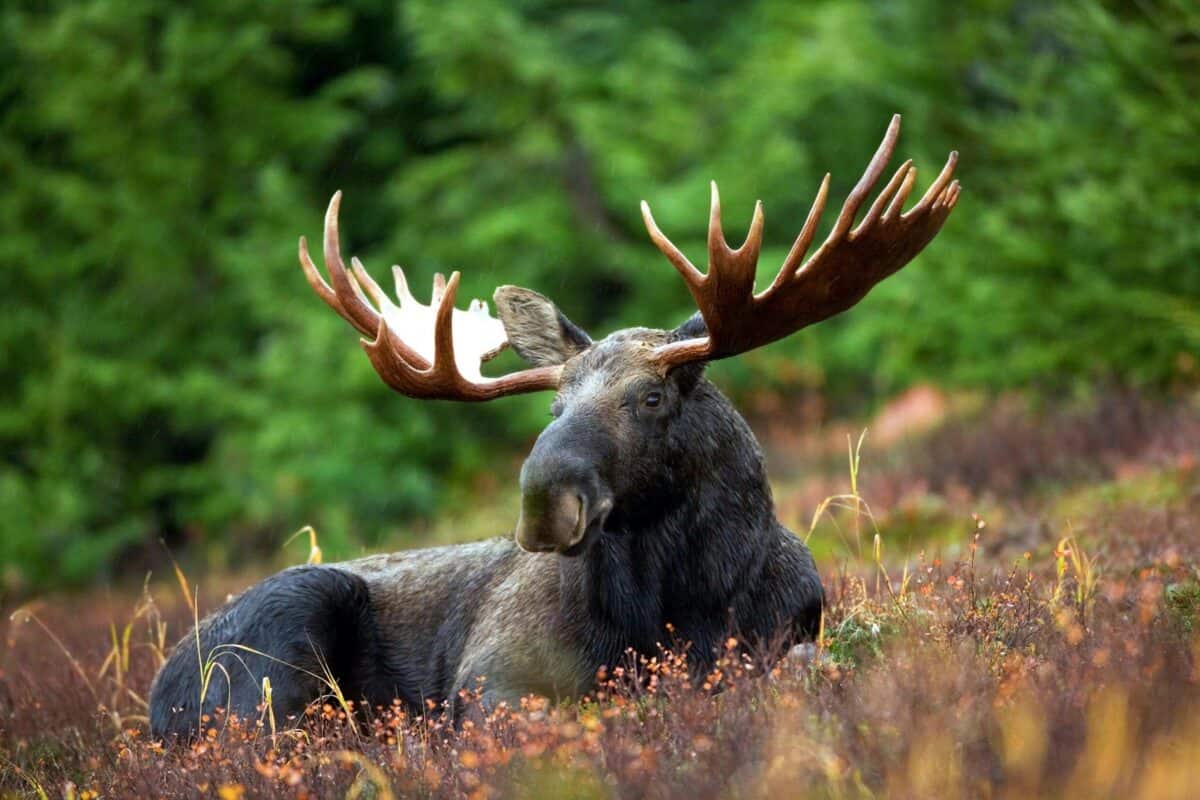
Moose are towering residents of North America’s forests and wetlands. These solitary giants possess long legs for wading through deep snow and water, and are equipped with large, sensitive ears to detect predators and communicate over long distances.
3. Pika: Sentinel of the Alpine Zones
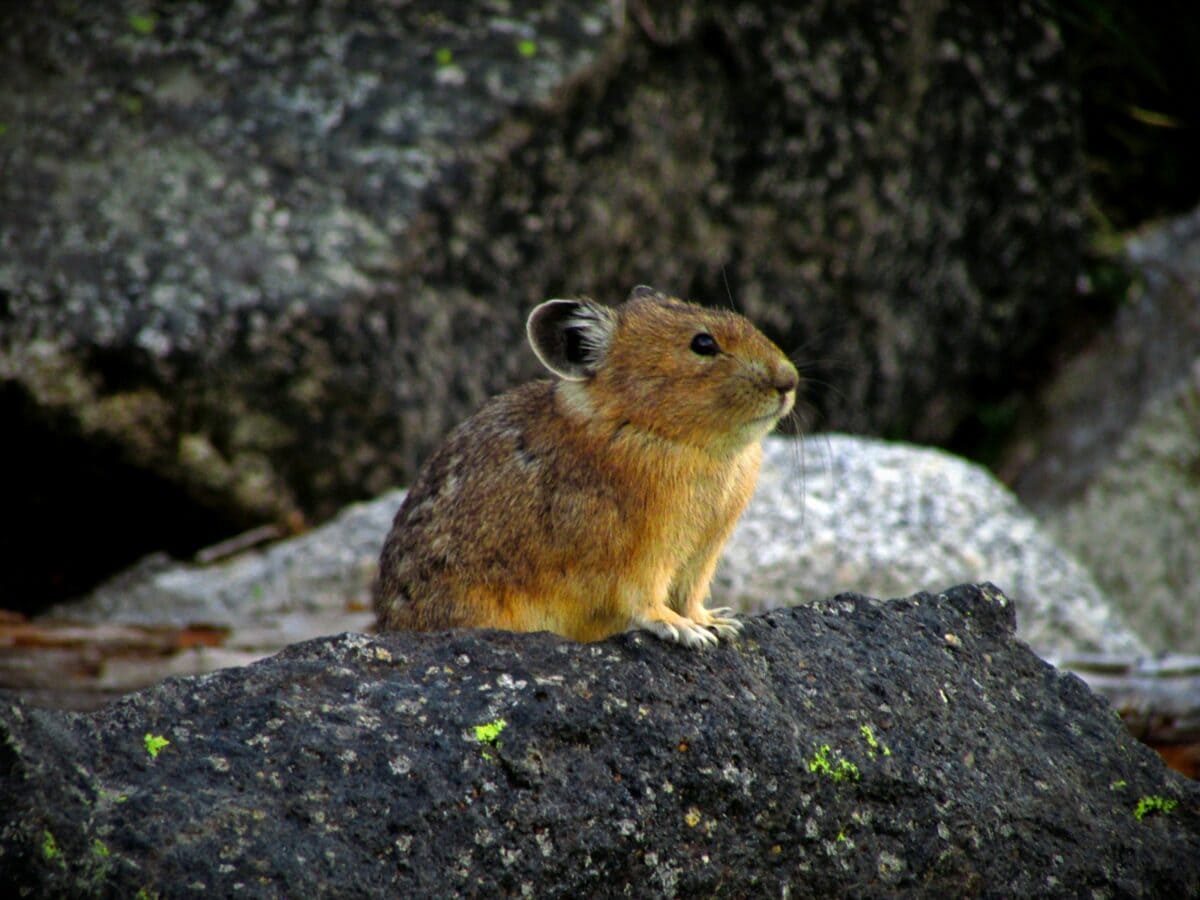
Pikas, small relatives of rabbits, are adapted to life at high elevations in rocky mountain areas. They stockpile food in the summer to survive harsh winters and use their high-pitched calls to maintain social contact and warn of predators nearby.
2. The Hardy Bald Eagle

As America’s national bird, the bald eagle reigns over the wilderness with impressive wingspan and hunting prowess. It thrives near large bodies of open water, where it fishes expertly. Conservation efforts have helped the bald eagle recover from near extinction, symbolizing hope and national pride.
1. Lynx: The Elusive Feline

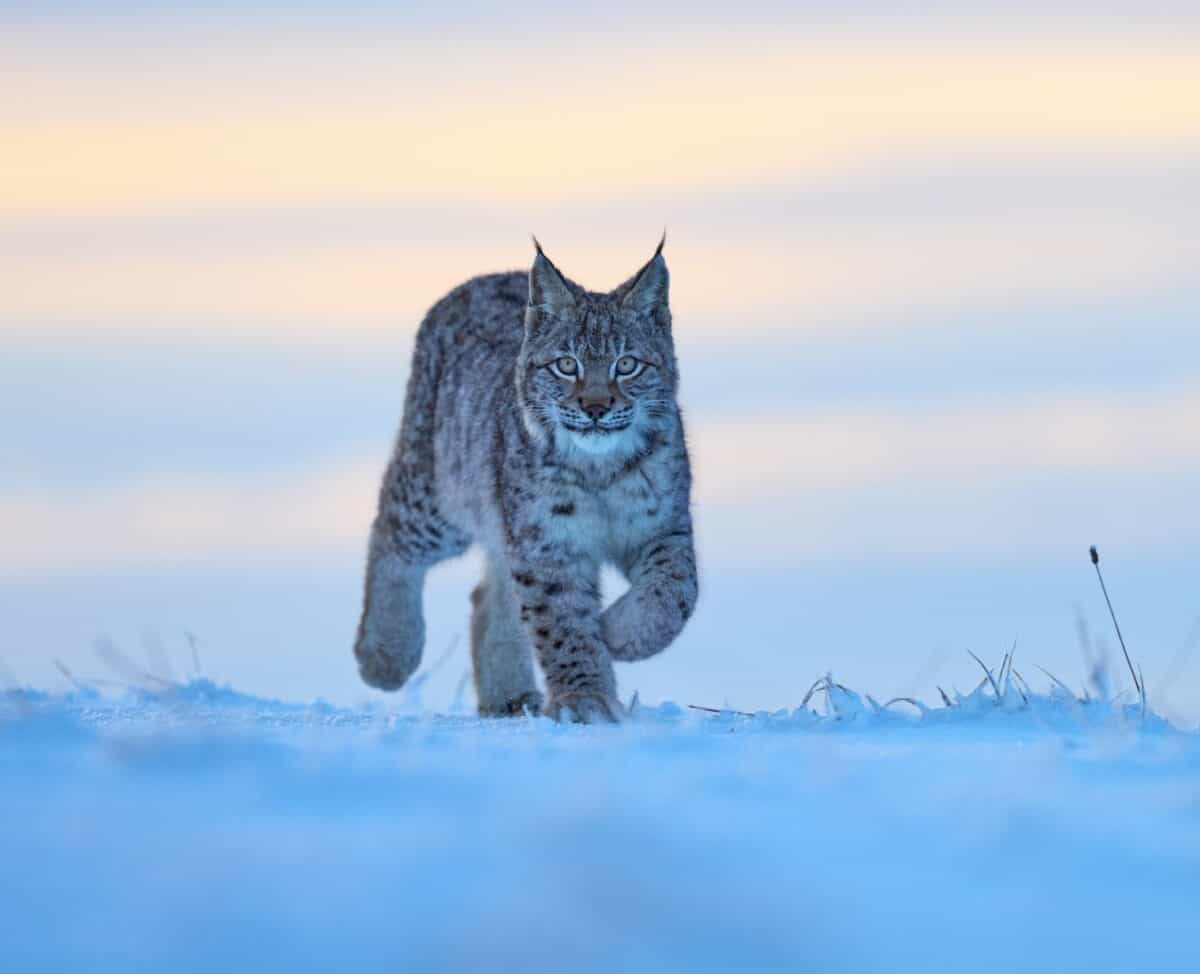
The Canada lynx prowls through the dense Northern forests, hunting snowshoe hares. Known for its thick fur and tufted ears, this elusive feline is perfectly adapted to cold, snowy environments. Its large paws act like snowshoes, allowing it to move quietly in pursuit of prey.
Across America’s diverse landscapes, these daring animals showcase extraordinary adaptations that portray the beauty and complexity of natural survival. From the speed of the pronghorn to the resourceful coyote and the enduring strength of the bison, each of these creatures exemplifies resilience. Their stories highlight the importance of conservation to ensure these awe-inspiring animals continue to roam America’s wildest places, reminding us of the delicate balance within our ecosystems.

- 13 Most Daring Animals That Survive America’s Wildest Places - July 22, 2026
- How Scientists Track Endangered Animals Using Clues - July 22, 2026
- The U.S. State with the Most Natural Disasters - July 22, 2026
Leave a comment
You must be logged in to post a comment.