
You begged your parents for one as a kid. You’ve seen it in a hundred movies, on a thousand Instagram feeds, sitting pretty in someone’s lap at the dog park like it invented charm. But popularity and suitability are not the same thing, and some of America’s most beloved breeds are quietly wrecking wallets, backs, and lungs once the cute puppy phase fades.
What follows isn’t a hit piece on good dogs – it’s a reality check. From the breed vets privately dread seeing walk through the door, to the scrappy underdogs nobody talks about but everybody should, this list might just change whose leash you pick up next.
13 – French Bulldog: The Trendy Breed Vets Dread Treating
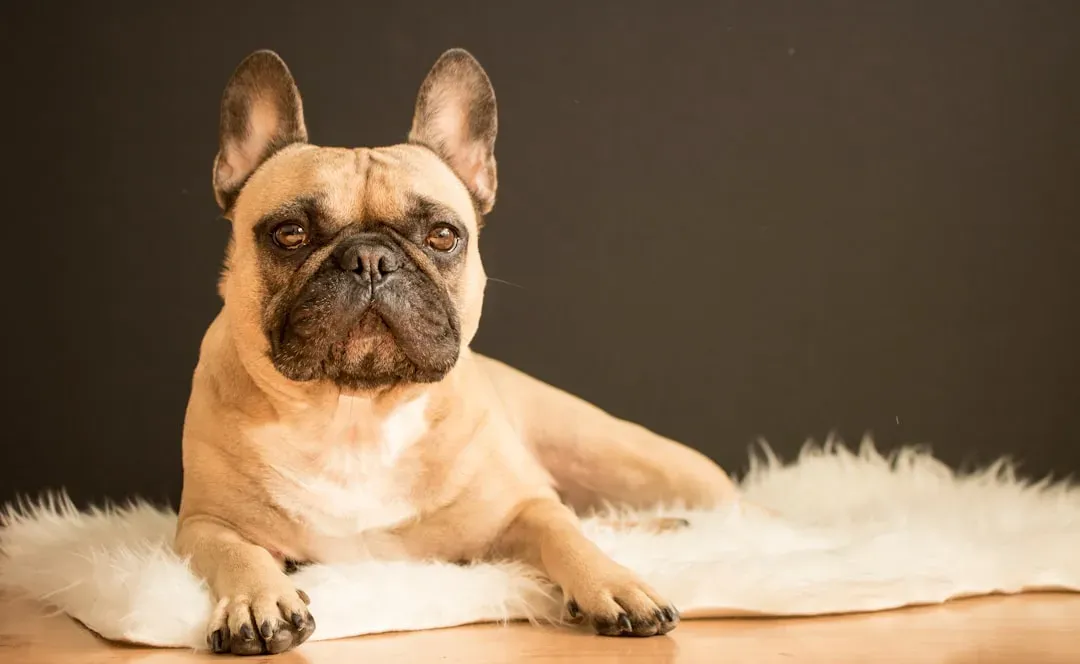
French Bulldogs have rocketed to the top of America’s most-wanted list, and it’s easy to see why. That squashed face, those bat ears, the couch-potato energy – it’s an Instagram algorithm’s dream. But that same flat-faced structure that makes them so photogenic also makes it genuinely hard for them to breathe.
Overheating, collapsed airways, and surgery bills that can run into the thousands are the quiet cost of owning a Frenchie. If you love the size and the personality but want a dog that can actually catch its breath on a summer walk, the Boston Terrier is your answer. Nicknamed the “American Gentleman,” it’s compact, sociable, and built with far fewer of the structural problems that plague its French cousin.
“Frenchies are playful, adaptable, loyal, and outgoing.”
Gina DiNardo, American Kennel Club Executive Secretary
12 – Labrador Retriever: America’s Favorite Family Dog With a Not-So-Perfect Backend
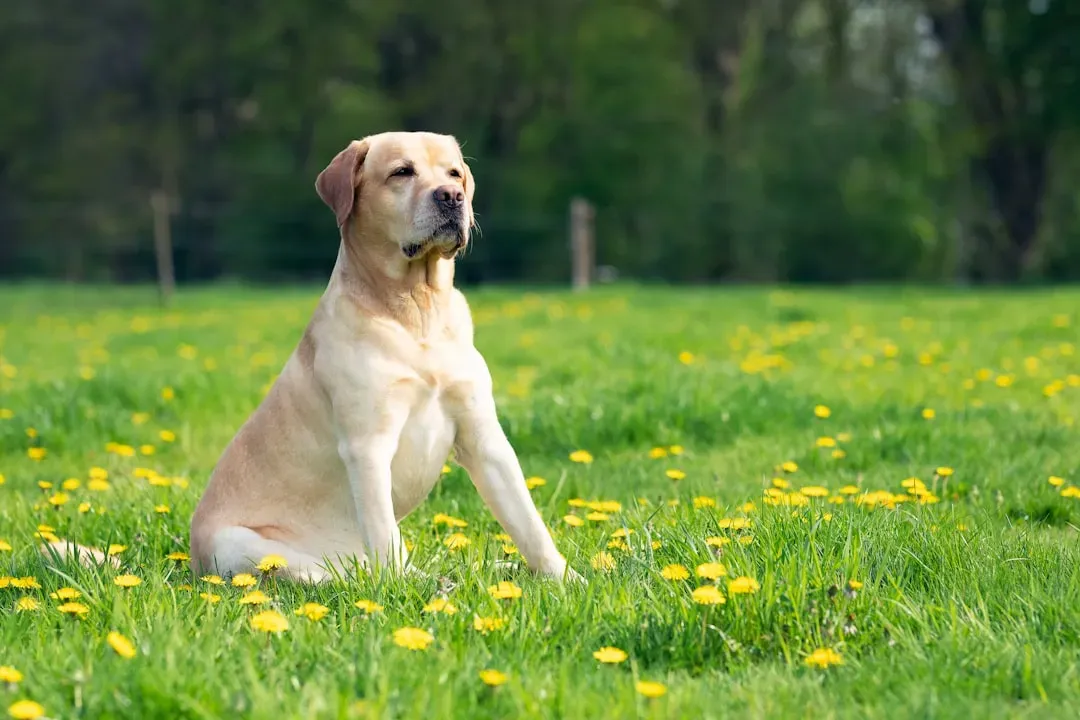
Labs have been America’s most popular breed for over three decades, and their friendly, food-obsessed personalities are genuinely wonderful. The problem is that decades of overbreeding to meet demand have packed the gene pool with hip dysplasia, obesity, and joint issues that show up earlier than owners expect.
Add in an energy level that can feel like a full-time job, and the “easy family dog” reputation starts to crack. The Curly-Coated Retriever rarely gets mentioned, which is a shame – it’s just as loyal and biddable, with a distinctive curly coat and a hardier build that’s held up better against the health issues plaguing its more famous cousin.
11 – Golden Retriever: The Gentle Giant Hiding a Cancer Crisis
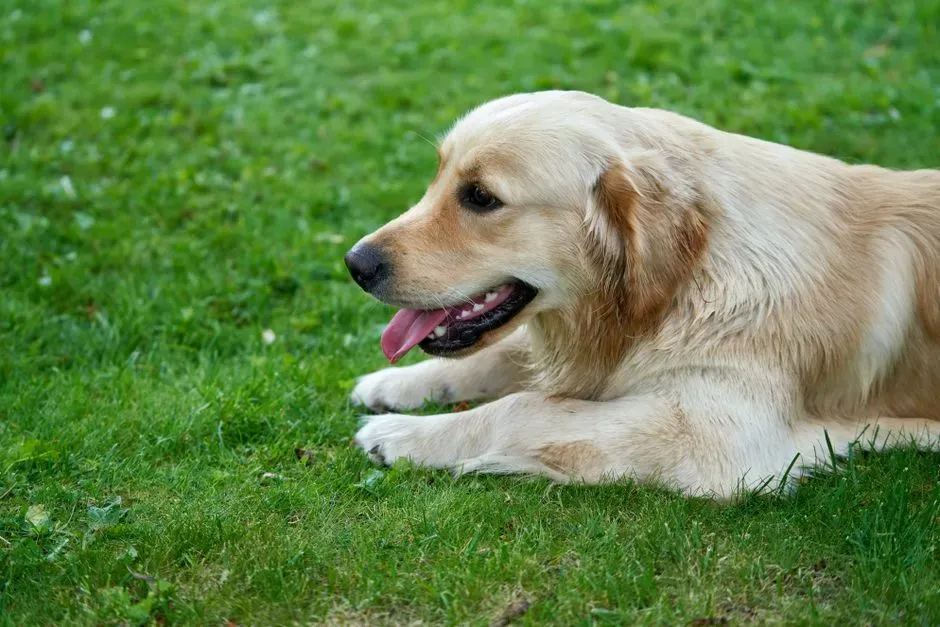
Ask anyone to picture the perfect family dog and odds are they’ll describe a Golden Retriever. Sweet, patient, endlessly photogenic – the reputation is earned. But the breed’s popularity has come at a steep cost: Golden Retrievers now have one of the highest cancer rates of any breed, along with chronic hip and joint problems.
Their gorgeous coat also means near-constant brushing and shedding that never really stops. The Flat-Coated Retriever offers nearly the same cheerful, people-pleasing temperament, but tends to live longer and dodge some of the cancer risk that’s become almost synonymous with the Golden name.
Fast Facts
- Up to 60-65% of Golden Retrievers will develop cancer at some point in their lifetime
- Hemangiosarcoma and lymphoma are consistently the two most common cancer types diagnosed in the breed
- Average lifespan has slipped from roughly 16-17 years in the 1970s to about 10-12 years today
- Cancer remains the leading cause of death among Golden Retrievers
10 – German Shepherd: The High-Maintenance Protector
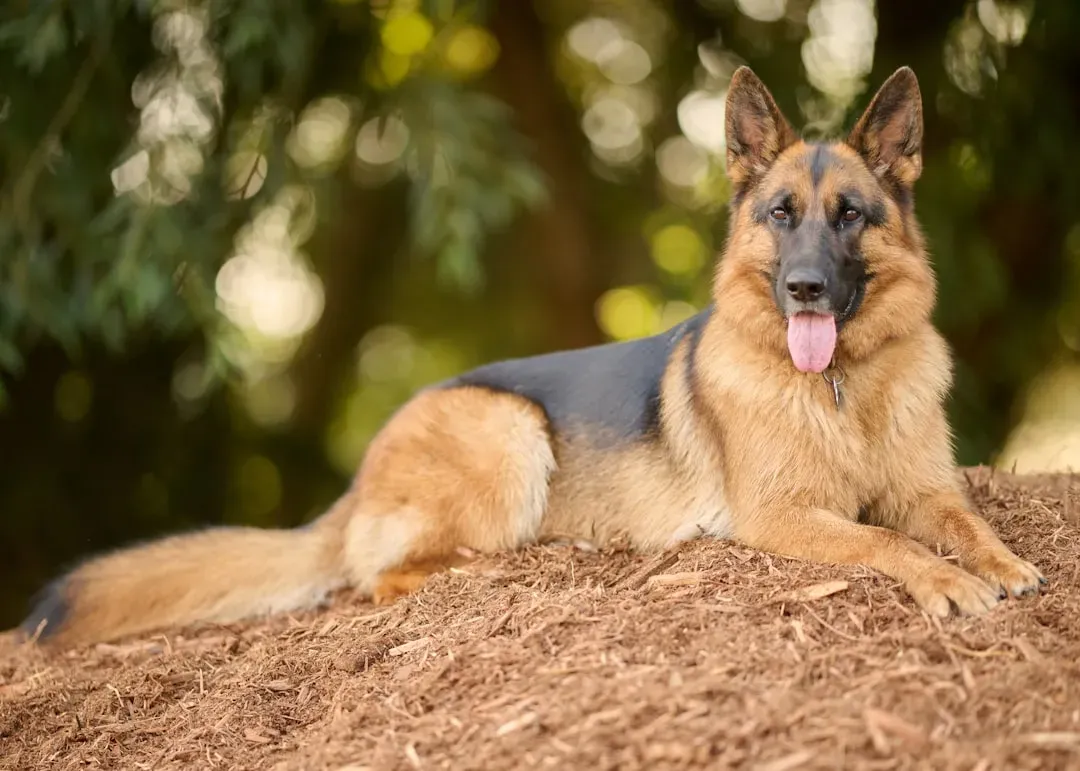
German Shepherds are brilliant, which is exactly why they’re used in police and military work worldwide. But that same intelligence and protective drive turns into a serious liability in the wrong hands – under-stimulated or poorly trained Shepherds can become reactive, anxious, or outright aggressive.
This isn’t a dog you can leave in the backyard and call it a day. If you want the loyalty and the working-dog drive without quite as steep a learning curve, the Belgian Malinois delivers similar trainability and protective instinct, often with a slightly more manageable temperament for experienced owners.
9 – Poodle: The High-Maintenance Aristocrat
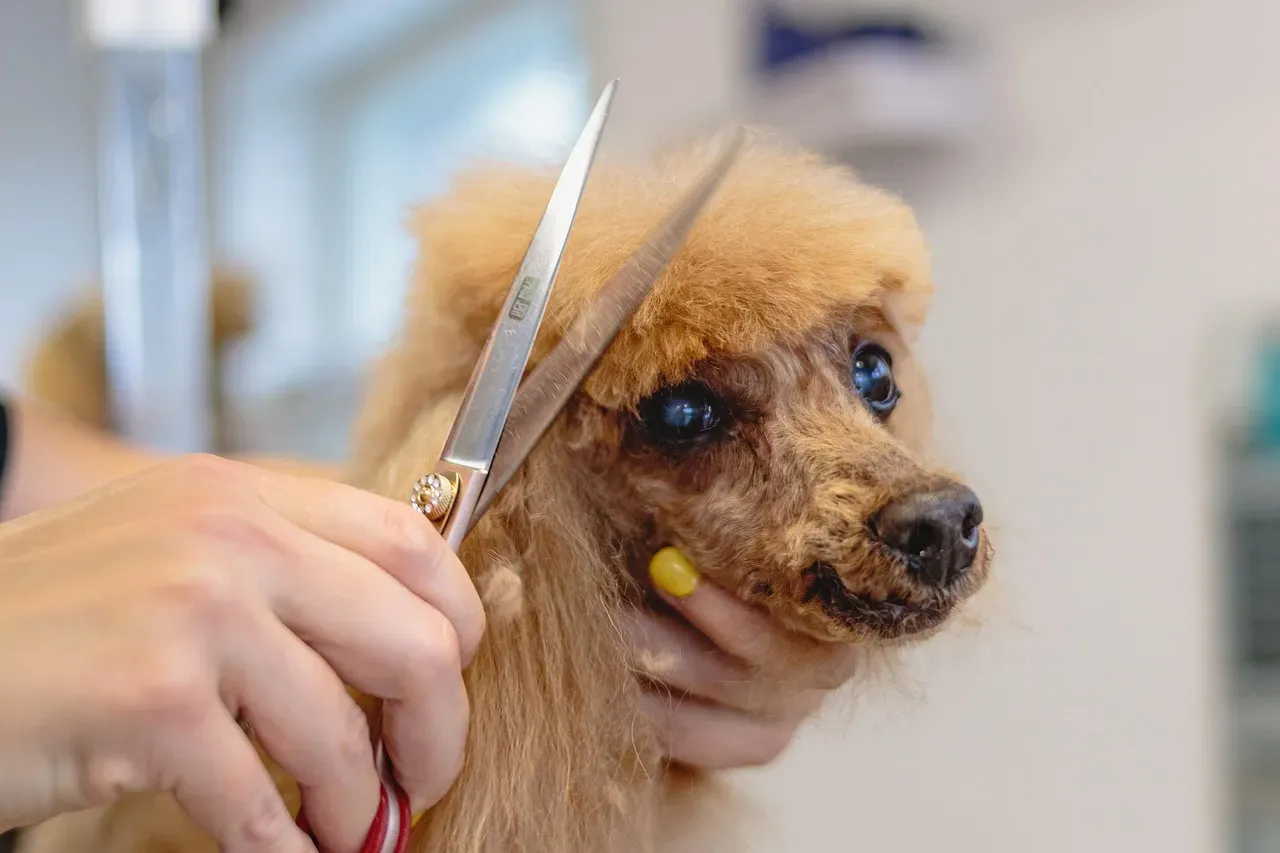
Poodles have a reputation for being fussy show dogs, and honestly, the grooming bills back that up. Between the regular clips, the coat maintenance, and the sheer amount of mental stimulation these dogs need to stay sane, owning a Poodle is more of a lifestyle commitment than most people realize.
The Portuguese Water Dog gives you that same hypoallergenic coat and sharp intelligence, but with noticeably lower grooming demands. Bred to work alongside fishermen, they’re happiest with a job to do – which makes them a rewarding trade-up for anyone tired of poodle salon fees.
8 – Dachshund: The Cute Breed With a Fragile Spine

That long, low silhouette is undeniably charming, and it’s exactly what makes Dachshunds so vulnerable. Their elongated spine puts them at serious risk for disc disease, and a wrong jump off the couch can mean an emergency vet visit or worse. Add in their famously stubborn streak, and training can turn into a battle of wills.
The Corgi offers similar size and personality with a sturdier build behind it. Bred for centuries as working herders, Corgis are just as affectionate but noticeably more resilient – and a lot more responsive when you actually try to teach them something.
7 – Chihuahua: The Pocket-Sized Bundle of Nerves
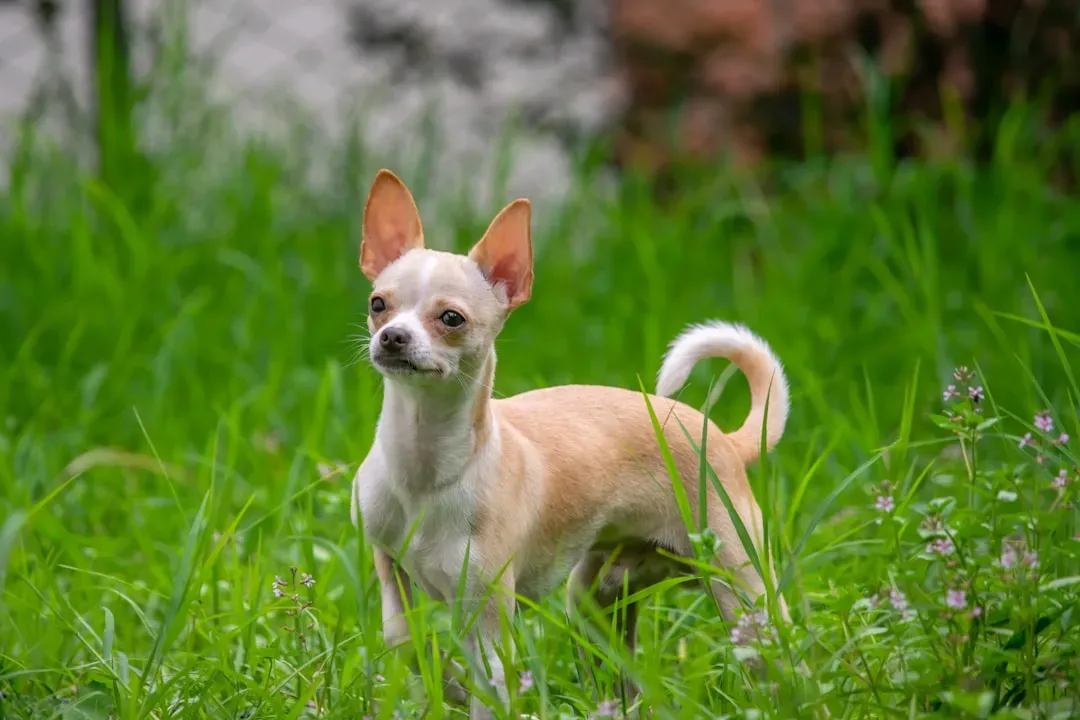
Small enough to fit in a purse, Chihuahuas are chosen for convenience as much as anything. But that tiny frame comes with tiny nerves – anxiety, trembling, and snappishness are common, and their fragile bodies make them a poor match for households with young kids who don’t yet understand “gentle.”
The Papillon gives you a similarly small package with a noticeably steadier temperament. Despite their delicate, butterfly-eared appearance, Papillons are surprisingly sturdy and consistently rank among the most trainable toy breeds around.
Quick Compare
- Chihuahua: Anxious, trembly, quick to snap; fragile around rough play
- Papillon: Same tiny size, steadier nerves, sturdier than it looks
- Trainability: Papillons rank among the most trainable of all toy breeds
- Best fit: Papillon is the safer pick for homes with young kids
6 – Siberian Husky: The Beautiful Breed That Will Test Your Fences
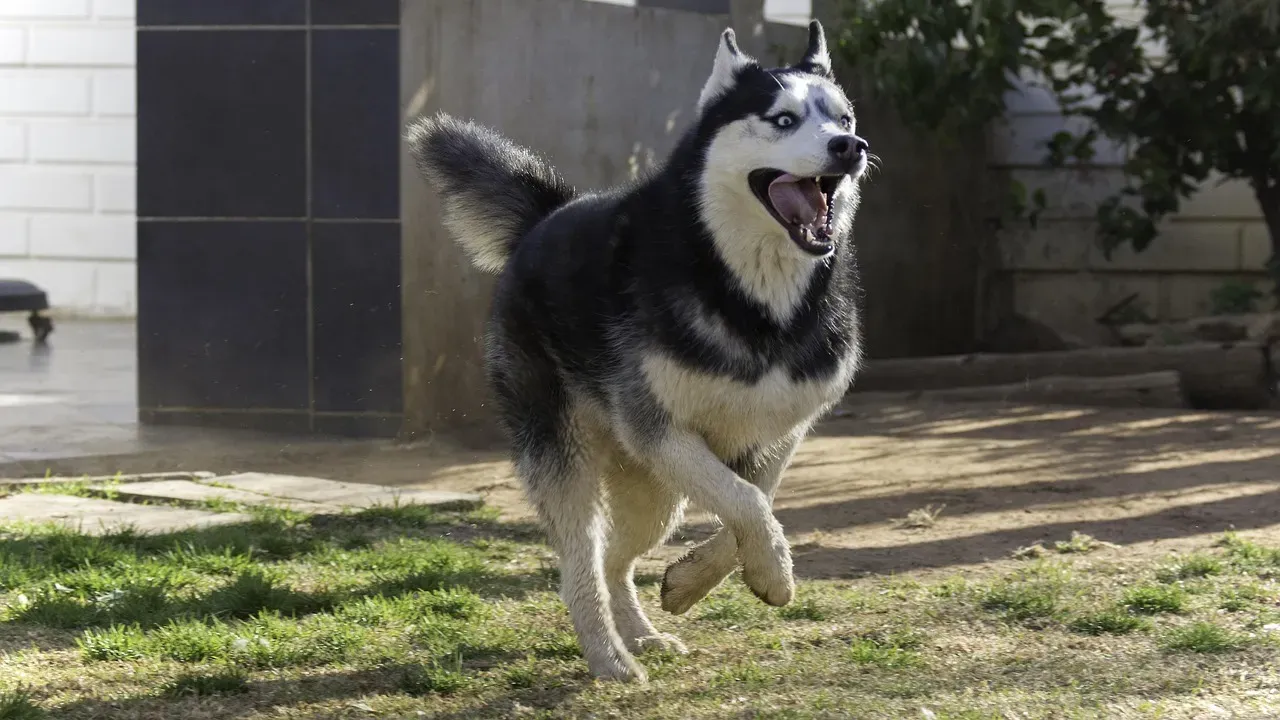
Those ice-blue eyes and wolfish good looks make Huskies one of the most photographed breeds on the internet. What doesn’t photograph as well is the escape artist behind the eyes – Huskies are bred to run for miles, and their prey drive means small pets aren’t always safe around them.
Inexperienced owners often find themselves outmatched. The Alaskan Klee Kai gives you that same striking Husky look in a smaller, slightly calmer package, with exercise needs that fit more realistically into an average household’s routine.
5 – Shih Tzu: The Pampered Pup With Hidden Breathing Trouble
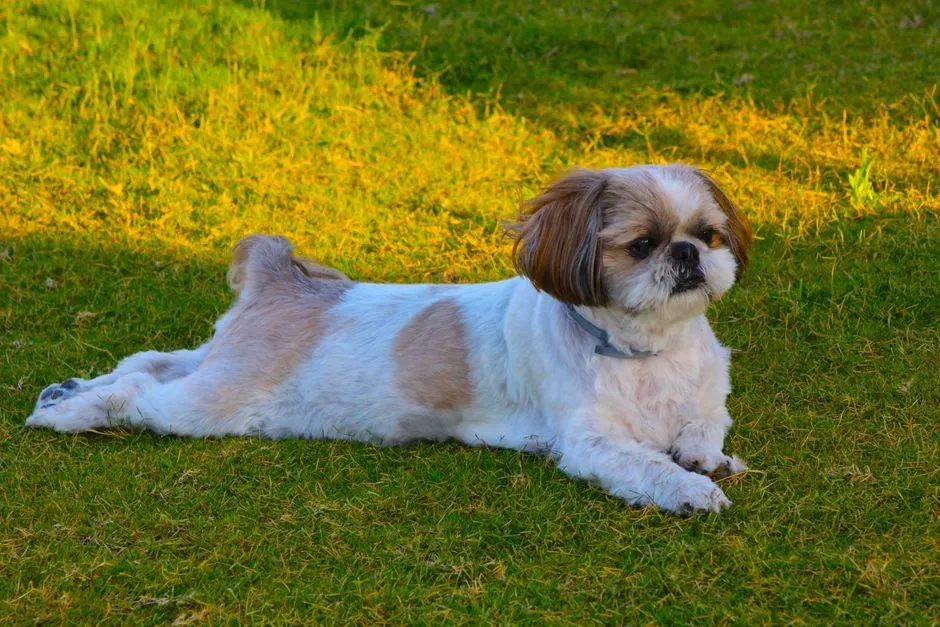
Shih Tzus were bred for centuries to be lapdogs for royalty, and they still act the part – affectionate, low-key, happy to just sit with you. The catch is their flat face, which comes with the same brachycephalic breathing struggles that plague French Bulldogs, plus a coat that demands near-daily grooming to avoid painful matting.
The Lhasa Apso shares that same devoted, cuddly nature and similar size, but tends to come with fewer respiratory complications. If you love the lapdog lifestyle without the constant worry over your dog’s breathing, this is the swap worth making.
4 – Beagle: The Family Favorite That Will Sniff Its Way Out of Your Yard
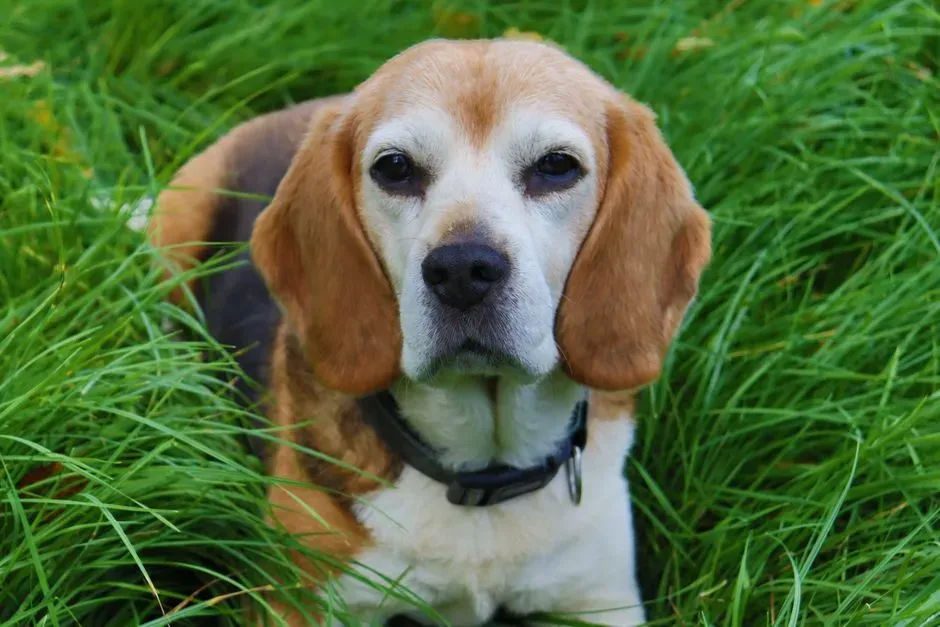
Beagles are friendly, curious, and undeniably good with kids – which is exactly why they’ve stayed a family favorite for generations. But that legendary nose comes with a price: Beagles will follow a scent trail straight through an open gate and keep going, and their loud, persistent bay isn’t exactly apartment-friendly.
The Treeing Walker Coonhound offers that same easygoing, kid-friendly temperament in a calmer package indoors. Bred to work all day and relax at night, they tend to settle down at home far more readily than a scent-obsessed Beagle ever will.
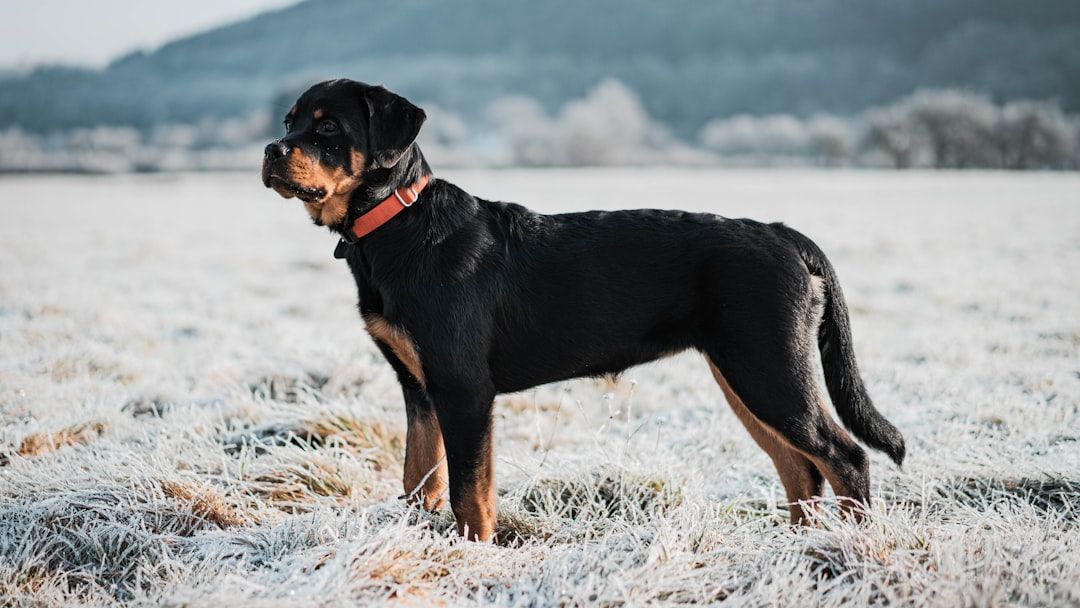
3 – Rottweiler: The Powerful Protector That Demands an Expert Hand

Rottweilers are loyal, confident, and capable of serious devotion to their families. But their size and strength mean mistakes in training or socialization carry real consequences, and breed-specific legislation in many cities reflects just how seriously that risk is taken.
This isn’t a first-time-owner breed, full stop. The Bullmastiff offers a similarly imposing, naturally protective presence but with a notably calmer, more laid-back disposition day to day – a guard dog that doesn’t require quite the same level of expert handling to stay safe and steady.
2 – Yorkshire Terrier: The Tiny Diva With Big Vet Bills
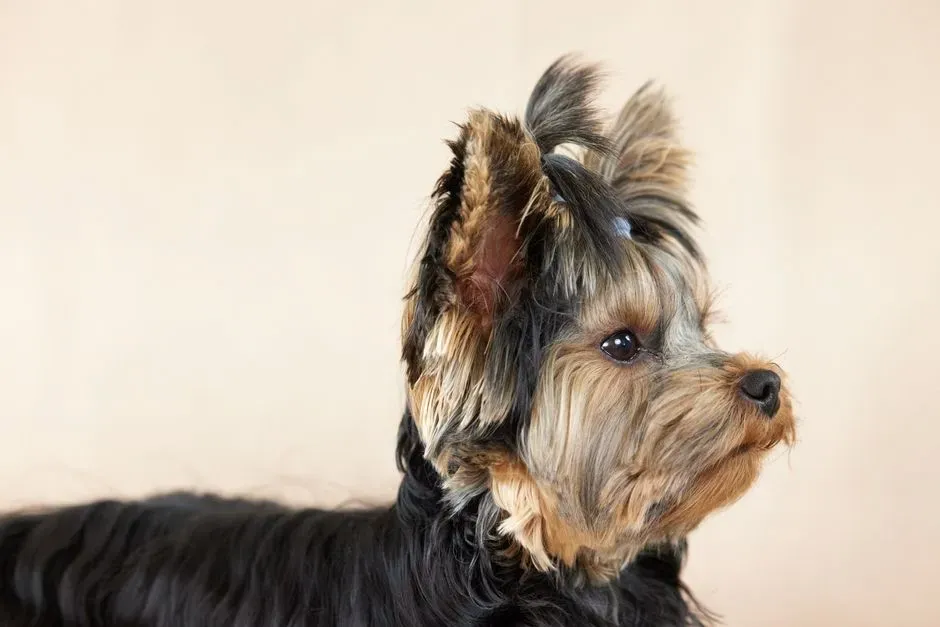
Yorkies are undeniably glamorous, but that silky coat requires daily brushing and regular professional grooming to avoid painful mats. Their tiny mouths are also notoriously prone to dental disease, and their fragile size means injuries from something as simple as a jump off the bed aren’t rare.
The Cairn Terrier – yes, the breed behind Toto in The Wizard of Oz – gives you similar spunk and personality in a sturdier, lower-maintenance body. Bred originally to work outdoors chasing vermin, they’re tougher than they look and considerably easier on your grooming budget.
1 – Great Dane: The Gentle Giant Whose Time With You Is Too Short
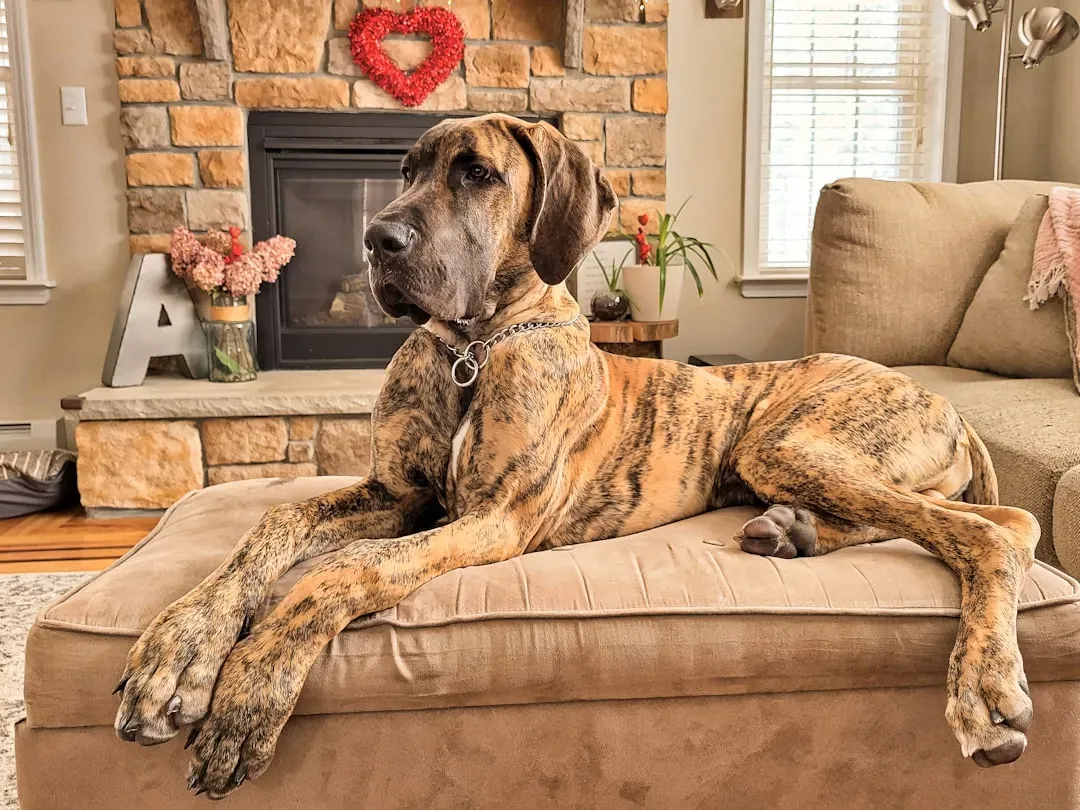
There’s something heartbreaking about the Great Dane’s story. Sweet-natured, patient, and famously gentle despite their size, they’re also one of the breeds most prone to bloat – a sudden, life-threatening condition – and their massive frame simply wears out fast, with many Danes gone by age eight.
Loving a Great Dane means bracing yourself for a goodbye that comes too soon. The Greyhound offers that same calm, gentle-giant energy in the house – despite their racing reputation, they’re famous couch potatoes – but with a longer lifespan and considerably less risk of losing them in their prime.
At a Glance
- Great Danes typically live just 7 to 10 years
- Bloat (gastric dilatation-volvulus) is a leading cause of death in deep-chested giant breeds
- Greyhounds, by comparison, often live 10 to 14 years
- Both breeds share the same famously calm, couch-potato temperament indoors
None of this means these popular breeds are bad dogs – plenty of them are wonderful, beloved, once-in-a-lifetime companions to the people who own them. But “popular” was never the same thing as “right for you,” and the dog world has quietly built an entire underclass of overlooked breeds that do the job better, longer, and with fewer trips to the emergency vet. The best dog isn’t the one everyone else is posting on Instagram. It’s the one whose problems you actually know about before you bring it home.

- The Pet Your Zodiac Sign Would Rescue Without Hesitation - August 16, 2026
- 7 US States Where Mountain Lions Are Closer Than You Think - August 16, 2026
- 10 US States With the Highest Black Bear Populations - August 16, 2026