


Bison are majestic symbols of the American wilderness, roaming the plains and national parks as living reminders of our country’s natural heritage. However, these magnificent creatures are not the gentle giants many tourists mistake them for. Each year, numerous visitors to national parks like Yellowstone suffer injuries from bison encounters, often resulting from the misguided belief that these wild animals are approachable or domesticated. Despite their sometimes calm demeanor, bison remain unpredictable wild animals that demand respect and distance. This article explores thirteen crucial reasons why approaching a wild bison is a dangerous decision that could have life-threatening consequences.
13. They’re Surprisingly Fast

Don’t let their massive size fool you—bison can reach speeds of 35-40 miles per hour. This makes them significantly faster than the average human, who typically runs at 8-12 miles per hour. Their surprising agility means that if a bison decides to charge, you cannot outrun it. Many visitors underestimate this speed differential and find themselves in dangerous situations with no escape route. Bison can also maintain these high speeds for extended periods and can quickly pivot and change direction despite their bulky appearance. This combination of speed and maneuverability makes them particularly dangerous when they feel threatened.
12. They Weigh Up to 2,000 Pounds

The American bison is North America’s largest land mammal, with males (bulls) weighing up to 2,000 pounds and standing 6 feet tall at the shoulder. Females (cows) are smaller but still impressive at approximately 1,000 pounds. When an animal of this size collides with a human, the results are predictably catastrophic. The sheer mass of a charging bison creates an impact force that can cause severe injuries including broken bones, internal damage, and life-threatening trauma. To put this in perspective, being hit by a bison is comparable to being struck by a compact car—except this “vehicle” has horns and the instincts of a wild animal.
11. They Have Poor Eyesight but Excellent Hearing and Smell

Bison have evolved with sensory adaptations that make them particularly reactive to perceived threats. While their eyesight is relatively poor, they compensate with highly developed senses of hearing and smell that can detect visitors long before humans notice the bison. This sensory imbalance creates a dangerous situation where people might approach what appears to be a calm animal, unaware that the bison is already monitoring them and potentially feeling threatened. Bison can detect odors from several miles away and hear subtle sounds that humans cannot perceive. These heightened senses make them hyperaware of their surroundings and quick to react to any unusual stimuli, including approaching tourists.
10. They’re Extremely Territorial

Bison exhibit strong territorial behaviors, particularly during specific seasons. Bulls become especially aggressive during the July-August rut (mating season), when they compete for dominance and access to females. Cows are most defensive in late spring and early summer when protecting their vulnerable calves. Approaching bison during these periods drastically increases the risk of an aggressive response. Even outside these peak times, bison maintain a strong sense of personal space and will defend their territory against perceived intrusions. Their territorial nature is an essential survival mechanism that has evolved over thousands of years, making them inherently defensive and potentially dangerous to humans who violate these invisible boundaries.
9. They Give Warning Signs Before Charging
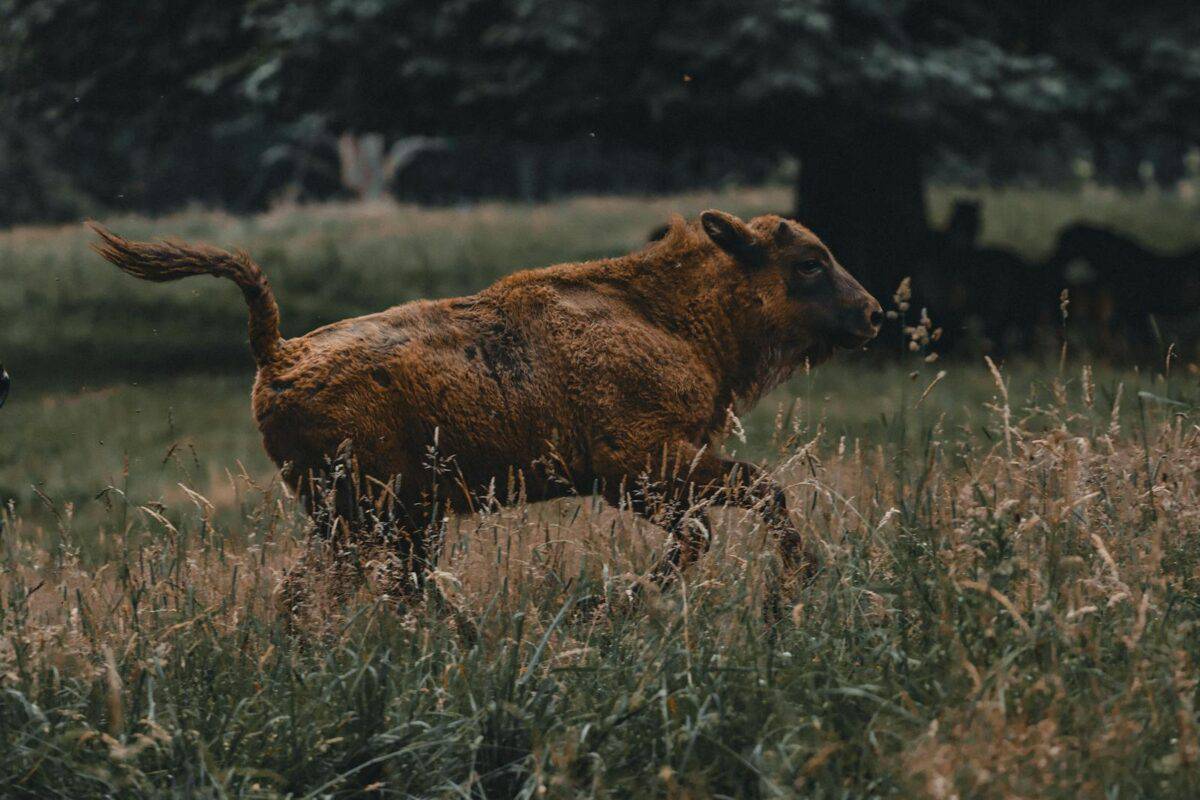
Bison communicate their discomfort through a series of escalating warning signs that many visitors fail to recognize. Initial signs include raised tails, pawing the ground, head bobbing, and snorting or grunting. As their agitation increases, they may bluff charge (running forward but stopping short) before committing to a full attack. Understanding these warning signals could save your life, but the safest approach remains maintaining proper distance in the first place. Wildlife experts emphasize that once a bison begins displaying these warning behaviors, it’s often too late to retreat safely. The progression from calm to charging can happen within seconds, especially if the animal feels cornered or threatened.
8. They Cause More Injuries Than Any Other Animal in National Parks

According to National Park Service statistics, bison are responsible for more human injuries in U.S. national parks than any other animal, including bears and snakes. At Yellowstone National Park alone, bison have injured more visitors than all other wild animals combined. Between 2000 and 2015, at least 25 people were gored by bison in Yellowstone, with numerous additional incidents involving charges and other aggressive behaviors. Most of these injuries occur when visitors approach too closely for photographs or out of curiosity. These statistics highlight that bison attacks are not rare occurrences but predictable consequences of human behavior that disregards wildlife safety guidelines.
7. They’re Wild Animals, Not Park Attractions

Despite living in managed parks and preserves, bison remain completely wild animals with natural instincts and unpredictable behaviors. They are not trained performers or domesticated livestock accustomed to human interaction. Many visitors mistakenly anthropomorphize bison or compare them to cattle, leading to dangerous misconceptions about their temperament. This fundamental misunderstanding—treating wild animals as approachable park features—underlies many dangerous encounters. Conservation efforts specifically aim to maintain the wild nature of bison populations, meaning they retain all the behaviors and instincts that make them potentially dangerous to humans who fail to give them appropriate space.
6. Their Vision Makes Movement Threatening

Bison have evolved with visual systems that are highly sensitive to movement, which helps them detect predators in their natural environment. When humans move quickly or unpredictably near bison, this can trigger defensive reactions based on deeply ingrained survival instincts. Even seemingly innocent behaviors like running, cycling, or allowing children to move erratically near bison can be interpreted as threatening actions. Research on ungulate visual perception indicates that their eyes are particularly attuned to detecting motion in their peripheral vision, making approaching humans—especially from the side—particularly likely to trigger defensive responses.
5. They Can Use Their Horns With Surgical Precision
Both male and female bison possess sharp, curved horns that can span up to two feet in length. These aren’t merely defensive features—bison can use their horns with remarkable precision to gore perceived threats. When charging, they often aim to hook upward with their horns, potentially causing devastating injuries to human abdomens, chests, or groins. The curved shape of their horns can also trap victims, allowing the bison to toss people into the air or drag them across the ground. Medical reports from bison attack victims frequently describe puncture wounds, lacerations, and internal injuries consistent with the precise and powerful use of these natural weapons.
4. They Don’t Fear Humans

Unlike many wild animals that have learned to fear and avoid humans, bison in protected areas often show limited concern about human presence—until their personal space is violated. This lack of obvious fear can create a false sense of safety among visitors who interpret the animals’ calm demeanor as tameness or acceptance. In reality, bison tolerate humans at a distance but still maintain clear boundaries that, when crossed, can trigger aggressive responses. Their size and relative safety from predators in protected areas have reduced their natural wariness, making them more likely to stand their ground rather than flee when approached—a dangerous combination for unwary tourists.
3. They’re Most Dangerous in Groups

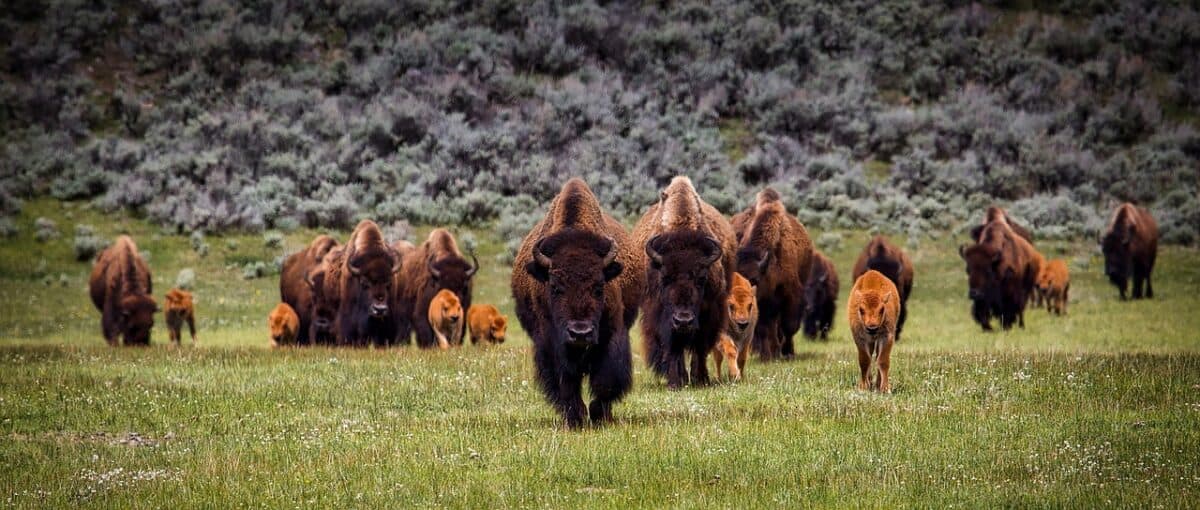
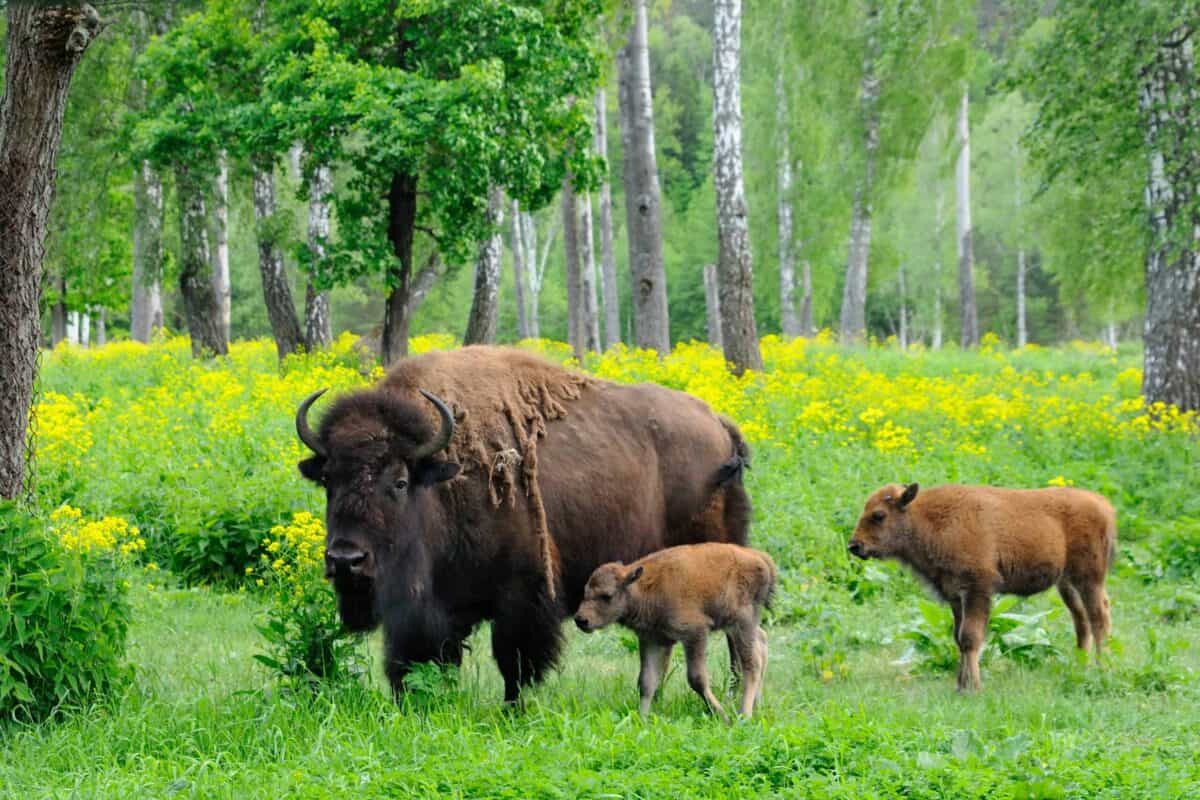
While individual bison are dangerous, their behavior becomes even more unpredictable when they’re in herds. Group dynamics can amplify defensive reactions, with the agitation of one animal quickly spreading to others. Herds with calves present additional risks, as mothers are intensely protective and other herd members may respond defensively to perceived threats to young. The herd mentality can also lead to unexpected movements or reactions that put humans in danger, such as sudden stampedes or coordinated defensive posturing. Visitors should be especially cautious around groups of bison and maintain even greater distances than they would from solitary animals.
2. National Parks Require Minimum Safe Distances

The National Park Service explicitly mandates that visitors maintain a minimum distance of 25 yards (75 feet) from bison at all times. This isn’t an arbitrary guideline but a science-based safety measure established through studying bison behavior and attack patterns. Unfortunately, visitors frequently ignore these regulations, often approaching within feet of bison to take photographs or selfies. Park records show that nearly all bison-related injuries occur when humans violate these minimum distance requirements. Rangers actively enforce these rules through citations and fines, but the vast territories and limited staffing make comprehensive enforcement challenging, placing the responsibility for safety primarily on visitors themselves.
1. Your Selfie Isn’t Worth Your Life
Social media’s influence has created a dangerous trend of visitors seeking close-up wildlife photographs or selfies with bison. This phenomenon, sometimes called “wildlife selfie syndrome,” has been directly linked to increased bison attacks in recent years. Park rangers report regularly observing visitors approach dangerous animals while looking at their phones rather than monitoring the animal’s behavior. The desire for impressive social media content has led to severely impaired risk assessment among some visitors, who prioritize photography over personal safety. Wildlife management experts emphasize that no photograph is worth the potential consequences of a bison attack, which can include life-altering injuries or even death.
Conclusion: Respect Leads to Safe Wildlife Viewing

Encountering a wild bison can be one of the most memorable experiences of visiting America’s national parks and preserves, but these experiences should always be enjoyed from a safe and respectful distance. The 13 reasons outlined above demonstrate that bison are powerful, unpredictable wild animals deserving of space and respect rather than close approaches or interactions. By following park guidelines, remaining vigilant, and prioritizing safety over photography, visitors can enjoy the majesty of these iconic animals while avoiding potentially life-threatening situations. Remember that responsible wildlife viewing isn’t just about personal safety—it also supports conservation efforts by minimizing stress on these remarkable animals and preserving their natural behaviors for future generations to witness and appreciate.

As a little kid, I fell in love with nature, wildlife, and animals. Living in the USA, South Africa, Italy, China and Germany gave me the opportunity to discover the world's Wildlife. My favorite animals are Mountain Gorillas, Siberian Tigers, and Great White Sharks.
I'm a certified PADI Open Water Diver, went to Everest Base Camp and Trekked Gorillas in Uganda. I hold a Master of Science in Economics and Finance.
Please send any feedback to feedback@animalsaroundtheglobe.com
- 14 Facts About Animal Memory That Will Shock You - June 17, 2026
- 12 Historic Horses That Changed the World - June 17, 2026
- 15 Dogs That Love Water More Than Land - June 17, 2026