


Sharks often swim in the realm of human imagination as ferocious predators, thanks to sensationalized media portrayals. While most sharks pose little threat to humans, there are some species whose potential danger is underestimated. This article delves into 13 shark species that are more menacing than one might presume, backed by fascinating insights into their nature and behavior.
Great White Shark

The Great White Shark, often at the forefront of fearsome shark tales, is more dangerous than many realize. Known for their size, power, and speed, they are responsible for the most unprovoked shark bites on humans. Despite their reputation, attacks are often a result of curiosity rather than predation.
Tiger Shark

With their striking dark stripes, Tiger Sharks are known as the “garbage cans of the sea” due to their indiscriminate feeding habits, which can include anything from fish to discarded refuse. These opportunistic hunters are second only to Great Whites in the number of recorded attacks on humans.
Bull Shark

Bull Sharks are notorious for their aggression and unique ability to thrive in both salt and freshwater environments, which expands their potential interactions with humans. Their propensity for shallow, warm waters makes encounters more likely, leading to occasional attacks on swimmers.
Oceanic Whitetip Shark
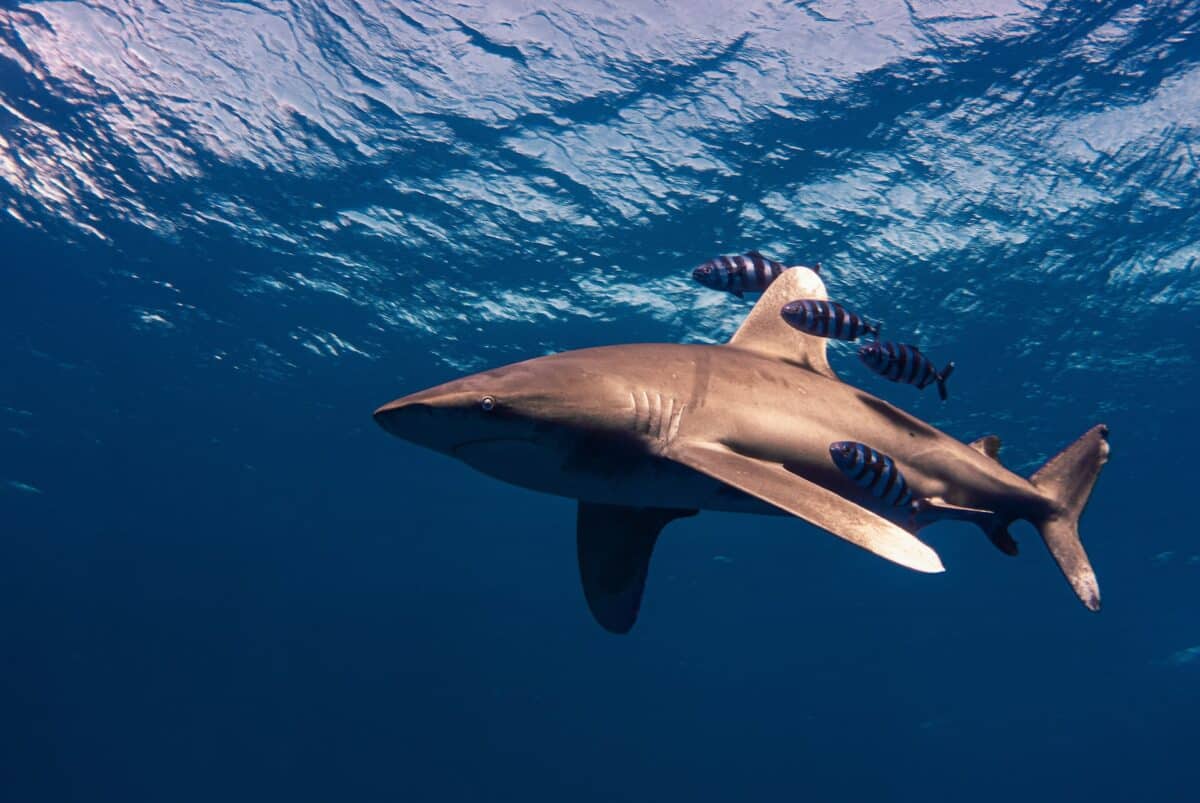
Often overshadowed by more famous species, the Oceanic Whitetip Shark is a formidable predator known for its territoriality and adaptability. This shark is blamed for many attacks on shipwrecked sailors and downed airmen, reflecting its opportunistic nature.
Shortfin Mako Shark

The Shortfin Mako is the fastest shark species, capable of bursts of speed up to 45 miles per hour. This agility makes them efficient hunters, and although less frequently encountered by humans, their speed and aggression pose a significant risk.
Hammerhead Shark

Recognizable by their distinct head shape, Hammerhead Sharks include species like the Great and Scalloped Hammerhead, some of which are more aggressive and have been involved in attacks on humans. Their unique sensory adaptations make them skilled hunters of prey hidden in the ocean floor.
Sand Tiger Shark
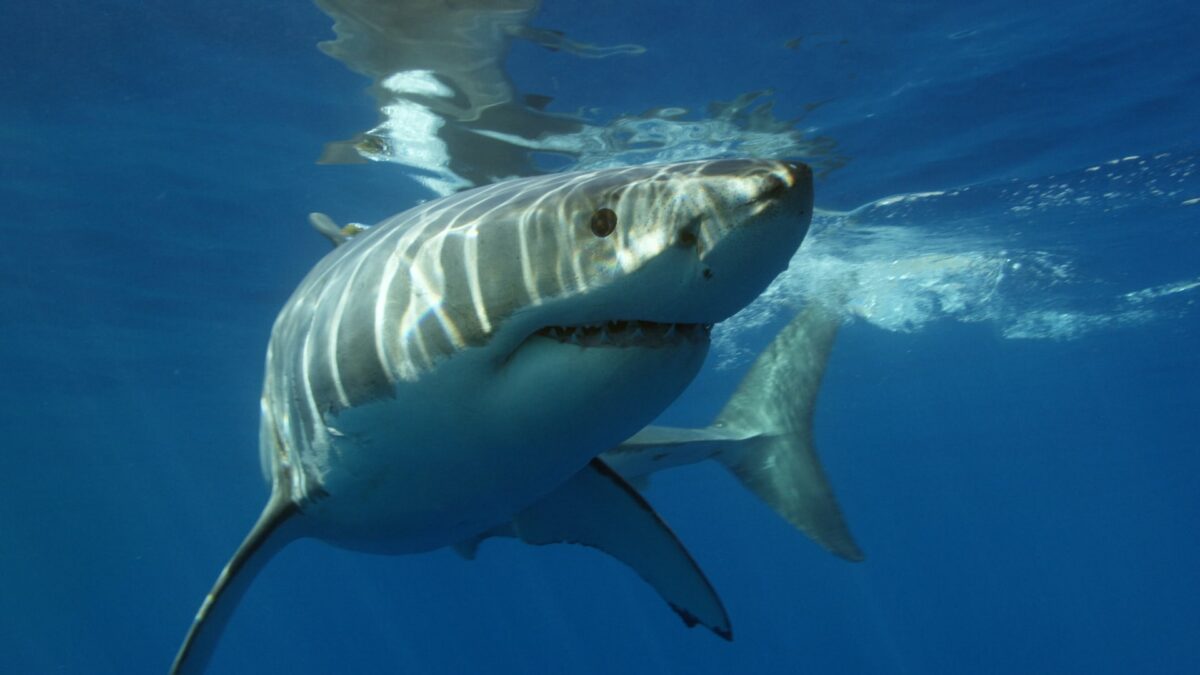
Despite their fearsome name and appearance, Sand Tiger Sharks are generally not a threat to humans. However, their powerful jaws and willingness to approach divers lend them an intimidating presence, leading to unfounded fears.
Nurse Shark
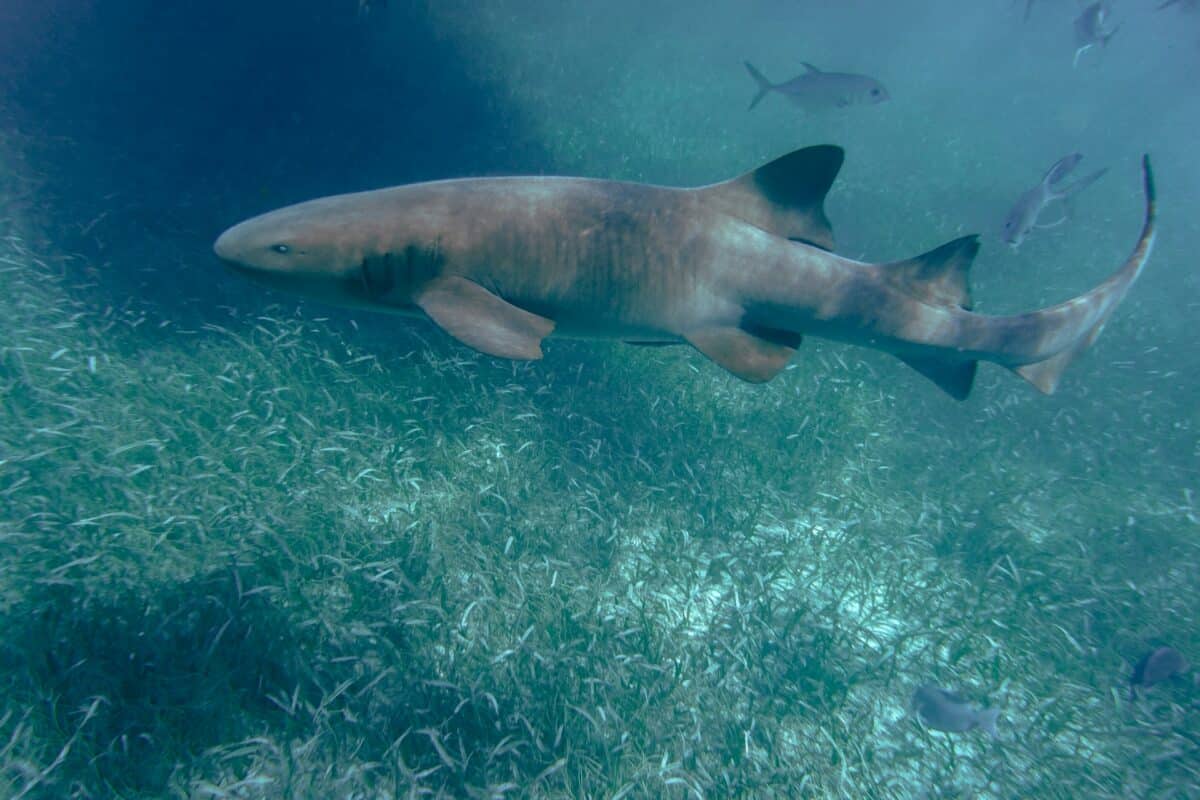
Typically docile bottom dwellers, Nurse Sharks can become dangerous if provoked. Their powerful bites can inflict serious injury, particularly when humans approach them in shallow waters where they may rest.
Silky Shark
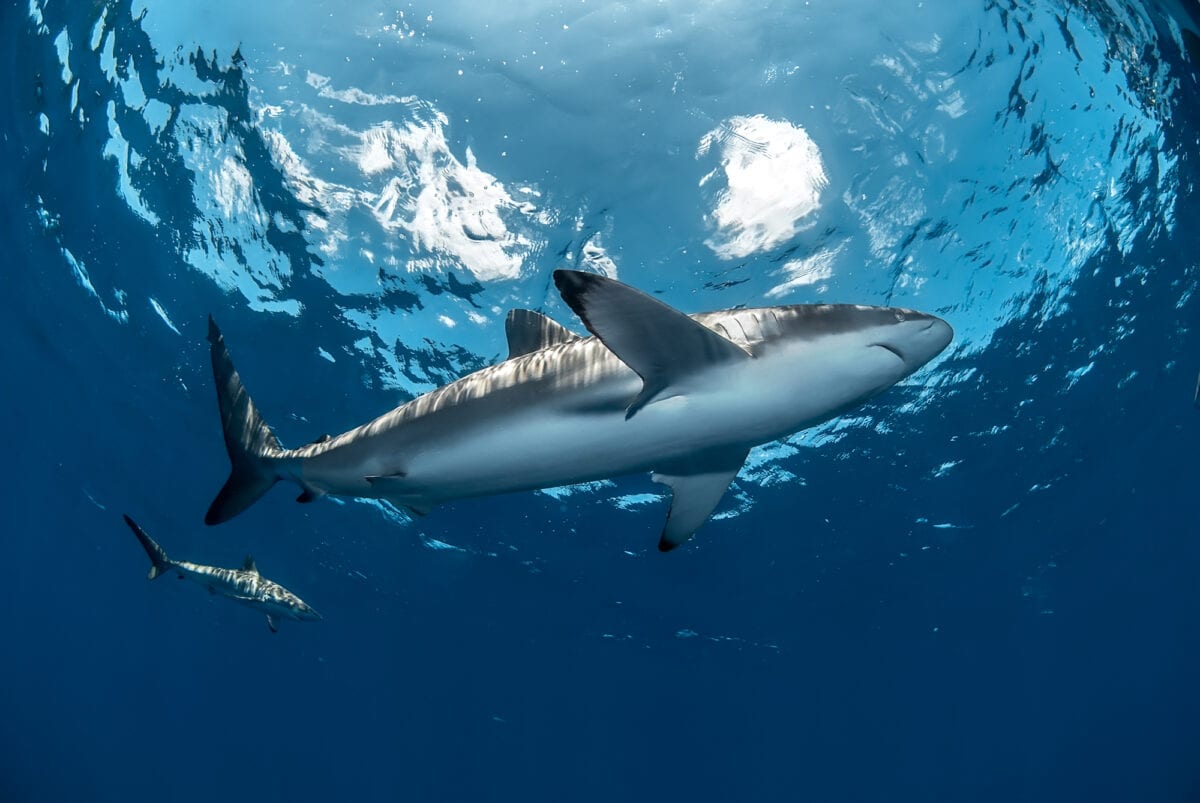
Named for its smooth skin, the Silky Shark is known for its curiosity and persistence when approaching intruders in its territory. They have been implicated in several attacks on swimmers and divers.
Blue Shark

Blue Sharks, though generally indifferent to human presence, can be unpredictable. Their migratory patterns bring them into frequent contact with humans, and their powerful bites can pose a hazard if they feel threatened.
Whale Shark

The Whale Shark is the largest fish in the ocean and poses minimal danger due to its docile nature. However, its sheer size requires respect and distance to avoid accidental harm in close encounters, emphasizing a different kind of danger.
Blacktip Shark

Often inhabiting shallow coastal waters, Blacktip Sharks are known for leaping out of the water in pursuit of fish. These behaviors, coupled with their proximity to swimming areas, can occasionally result in unintentional interactions with humans.
Conclusion

While sharks are often labeled unjustly as man-eaters, understanding the behaviors and characteristics of these 13 species reveals the true nature of their threat. Respecting these creatures can greatly diminish risks, reinforcing the importance of coexisting peacefully with the ocean’s apex predators and appreciating the crucial role they play in marine ecosystems.

As a little kid, I fell in love with nature, wildlife, and animals. Living in the USA, South Africa, Italy, China and Germany gave me the opportunity to discover the world's Wildlife. My favorite animals are Mountain Gorillas, Siberian Tigers, and Great White Sharks.
I'm a certified PADI Open Water Diver, went to Everest Base Camp and Trekked Gorillas in Uganda. I hold a Master of Science in Economics and Finance.
Please send any feedback to feedback@animalsaroundtheglobe.com
- The 12 Largest Dog Breeds That Still Love to Cuddle - July 20, 2026
- 12 Pet Habits That Secretly Mean They Love You - July 20, 2026
- 13 Creatures That Rule the Night - July 20, 2026