
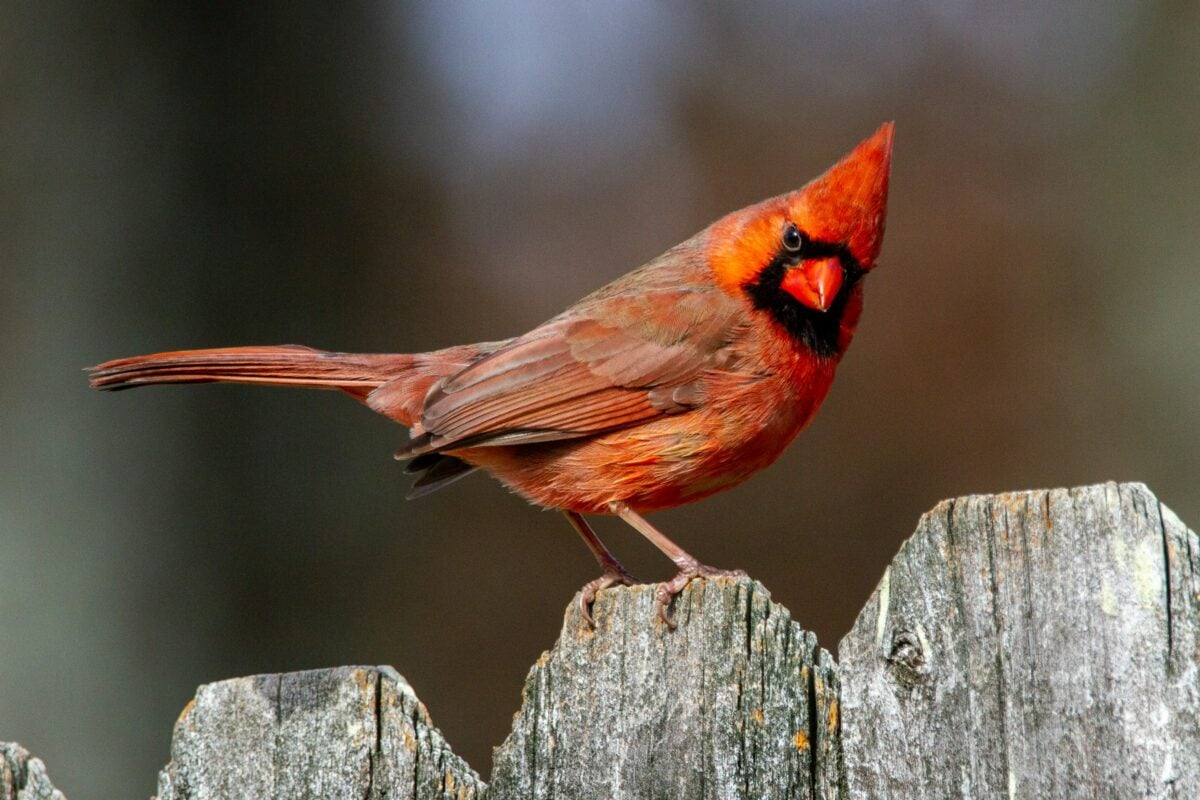
Most people assume wild birds never really trust a human – that fear is just baked into their wiring and stays there. That’s only half true, and the other half is a lot more interesting than most backyard birdwatchers realize.
Once a bird decides you’re not a threat, its whole behavior quietly rewrites itself. It lands closer. It calls differently. It picks a different perch the second you walk outside. These aren’t random quirks – they’re trust signals hiding in plain sight, and once you know what to look for, you’ll never watch your feeder the same way again.
#13 – They No Longer Flee the Second You Open the Door
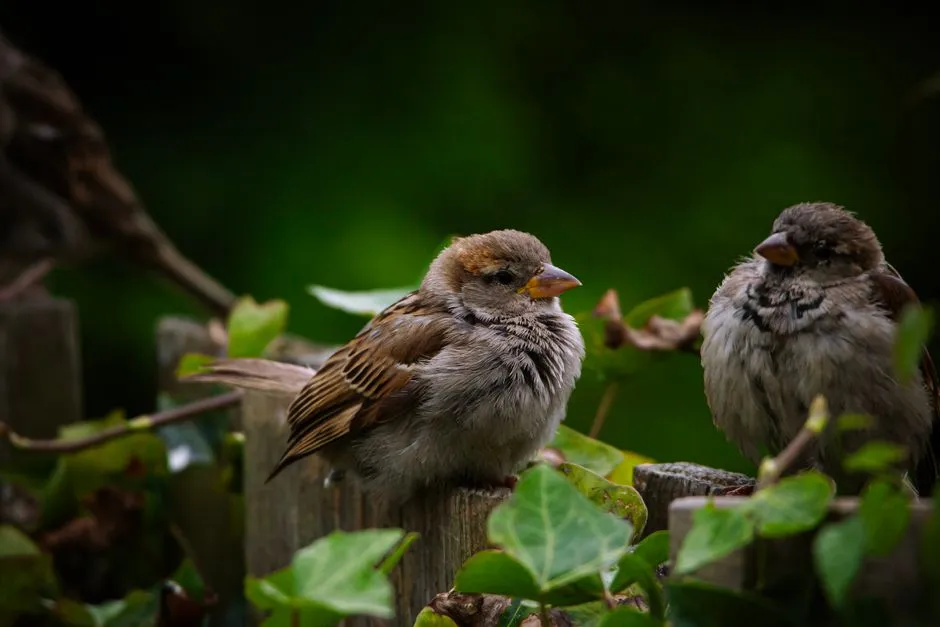
When birds see you as a threat, they vanish at the tiniest movement – a door hinge, a shadow, a footstep. When they start seeing you as safe, that reflex is the first thing to change.
If you can open your back door without sending every sparrow, finch, and dove exploding into the sky, you’re already on their “not dangerous” list. Skittish birds survive by overreacting, so when they merely pause, glance your way, and go back to eating, that hesitation is a real behavioral upgrade. Watch the timing closely: if they used to bolt at the sound of your doorknob but now wait until you’re actually standing outside – and sometimes don’t leave at all – that’s a classic trust marker.
#12 – They Land Again Quickly After Being Spooked
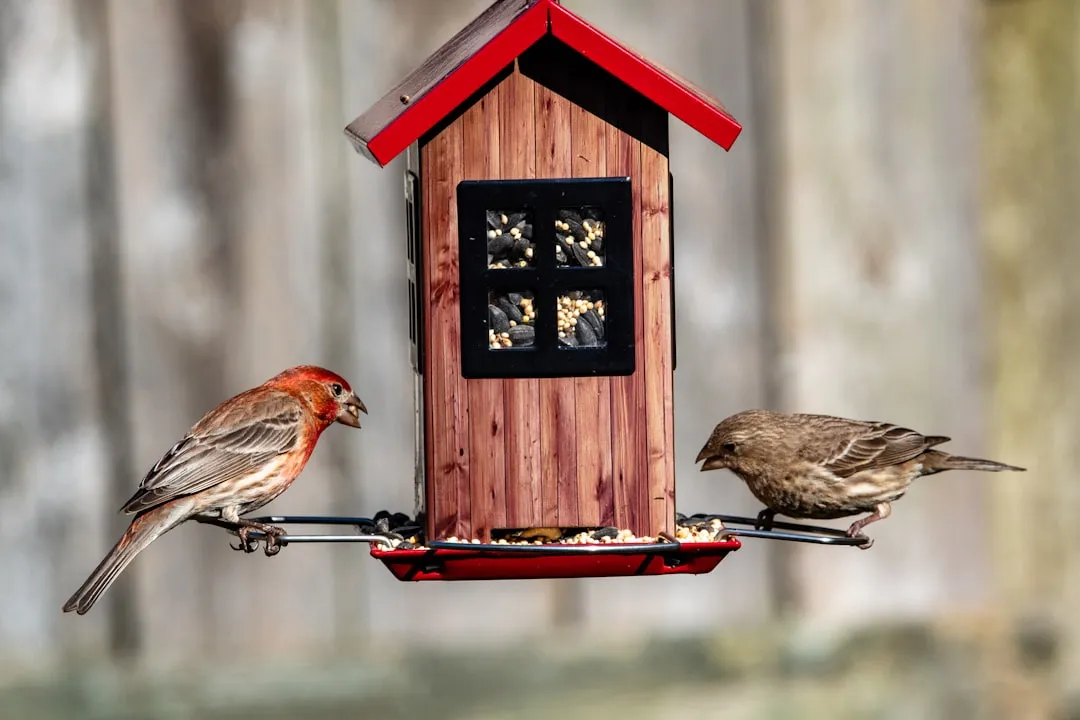
Wild birds will always spook sometimes. The real tell isn’t whether they flee – it’s how fast they come back.
Birds that feel unsafe stay away for long stretches, circling from a distance or picking a totally different spot. Birds that feel safe with you tend to reappear on the same feeder or branch within a minute or two, even while you’re still outside. You may notice a pattern forming over time:
- They flush when a car door slams, but not when you shift your chair.
- They circle once, then land right back in front of you.
That shrinking “recovery time” is one of the clearest signs their fear is being slowly replaced by familiarity.
#11 – They Start Feeding While You’re Still Standing Nearby
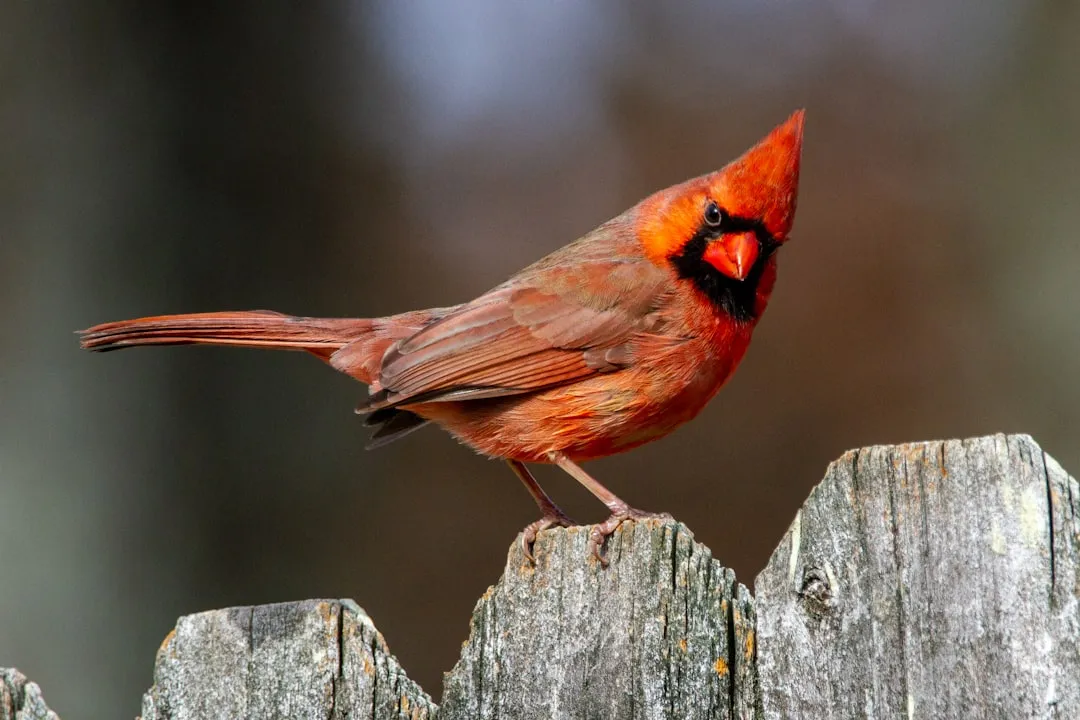
Most backyard birds insist on distance while they eat. When that rule quietly disappears, something has shifted.
Feeding is one of the most vulnerable moments in a wild bird’s day – head down, guard lowered, senses distracted. If they’ll eat while you’re out there watering plants, reading, or just standing a few feet away, you’ve been filed under “safe background object,” not “possible predator.” You might notice them foraging at your feet as you fill the feeder, or staying put on the tray while you walk slowly past. Hand-feeding gets all the social media attention, but this quiet willingness to eat in your presence is often the more honest sign of trust.
#10 – They Perch Lower and Closer to Ground Level Around You
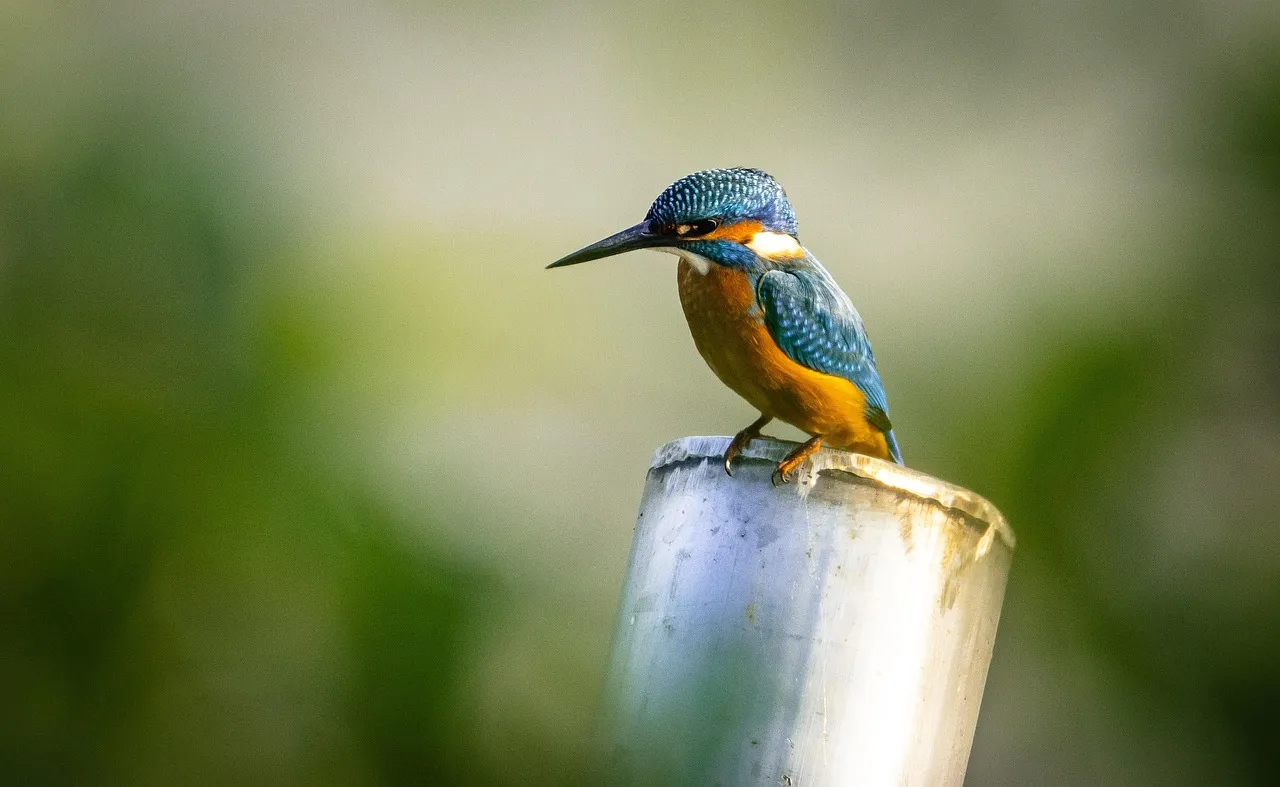
Nervous birds love the high branches and power lines – places with a clear view of danger and an easy escape route. Birds that trust you start coming down from there.
When they settle onto waist-high rails, chair backs, tomato cages, or low shrubs near where you’re sitting, they’re announcing that your presence doesn’t require maximum security anymore. Lower perches are riskier, so choosing one near you is a small gamble on your good behavior. Watch for the progression: first they watch from the treetop, then the fence, then the back of a chair just a few feet away. That “perch creep” is one of the easiest trust signals to actually see.
Worth Knowing
- Treetops and power lines give wary birds a full view of approaching danger from any direction.
- Ground-level and shrub perches leave far less reaction time, so choosing one is a real gamble for a bird.
- Perch height usually drops in stages – canopy, then fence line, then arm’s-length branches.
- A bird settling at chair height near a person is prioritizing comfort over instinctive caution.
#9 – They Vocalize Calmly Instead of Sounding the Alarm
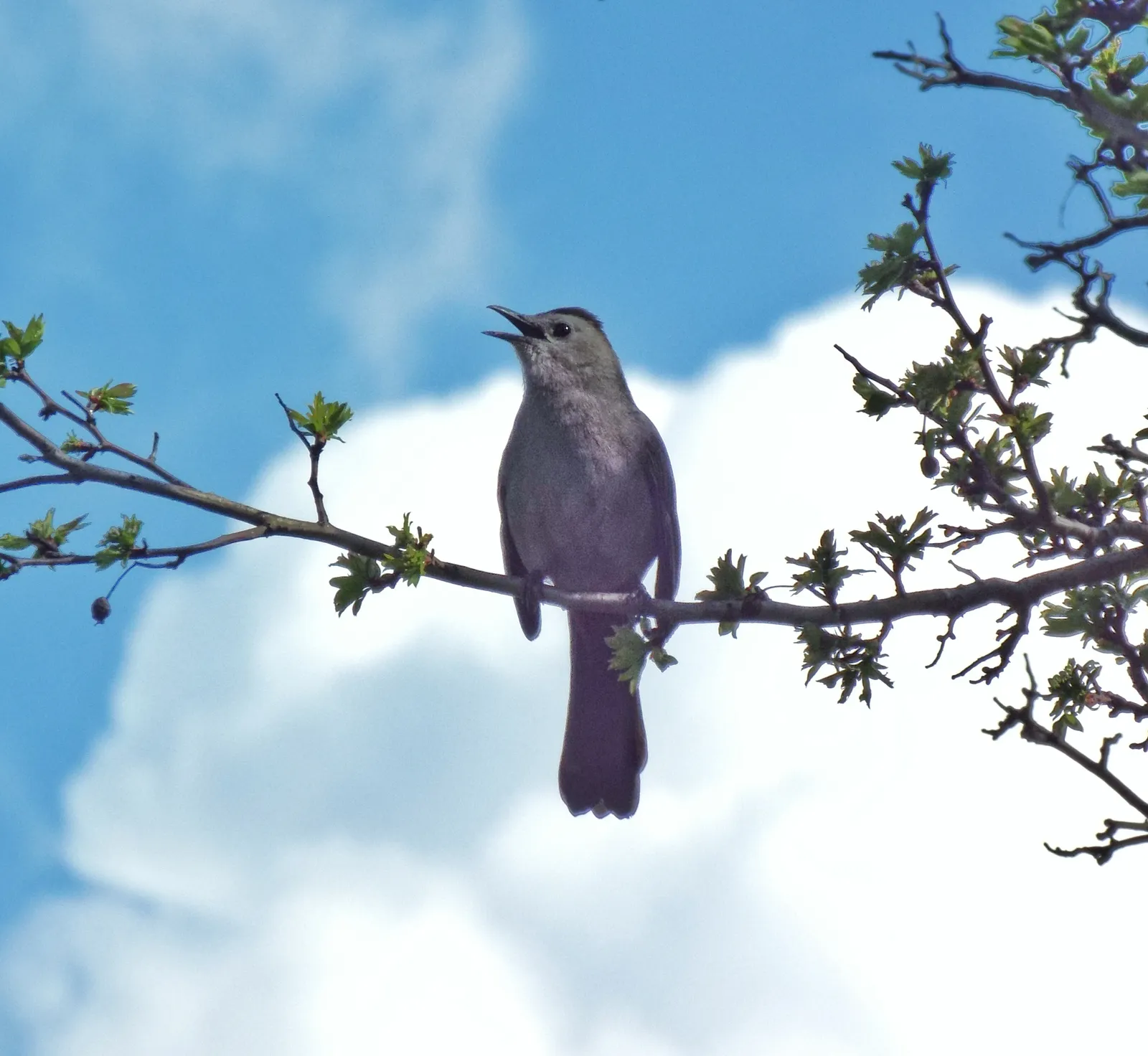
Birds don’t just watch you – they narrate you. And the soundtrack changes completely once you’re trusted.
When a hawk shows up, you hear sharp, repetitive alarm notes and frantic scolding. When you walk outside and your birds keep up soft contact calls and relaxed song instead, that’s their version of a shrug. Notice if the yard goes dead silent when a cat slinks by but stays noisy when you appear, or if a bold individual keeps singing from a visible perch while watching you. Once their vocal language stops marking you as danger, you’ve crossed an invisible line in their social map of the yard.
#8 – One or Two Bolder Birds Always Show Up First
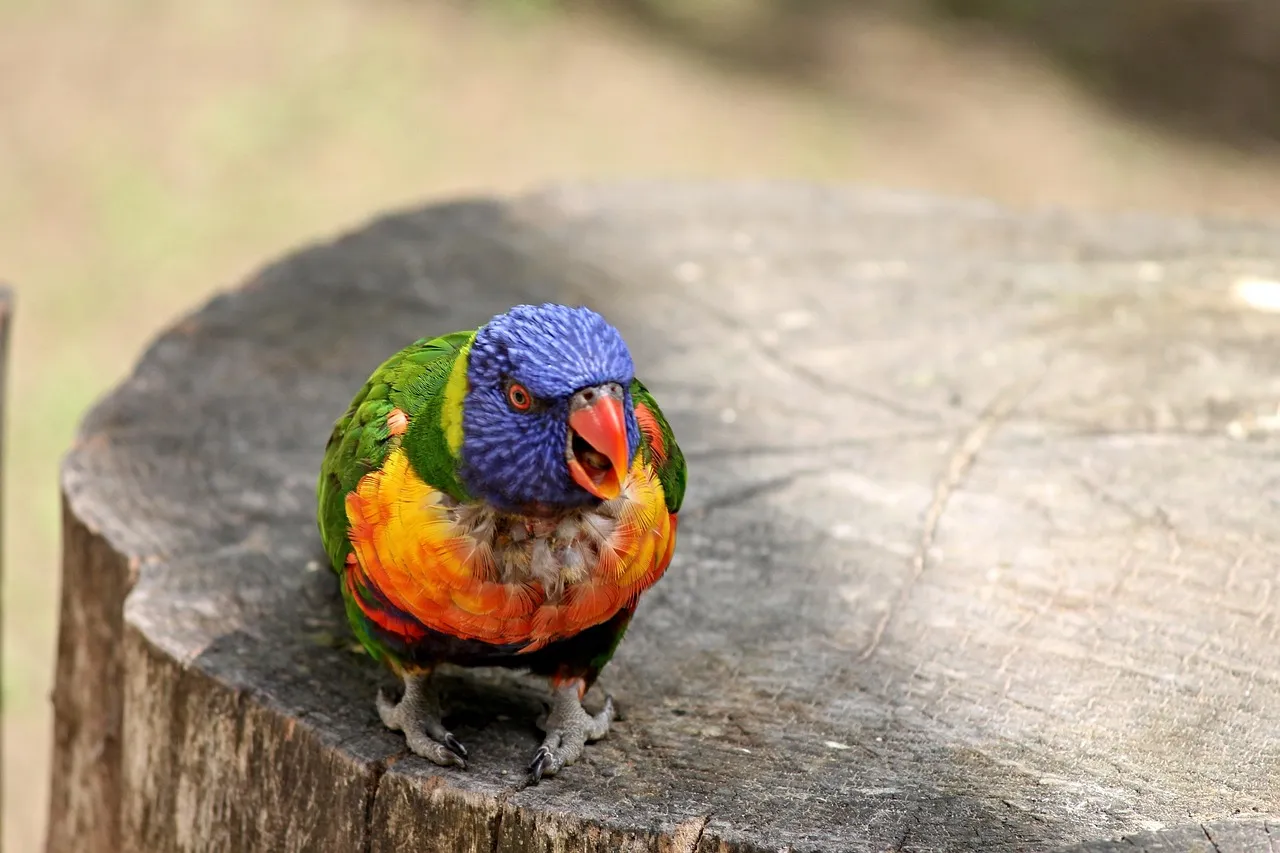
Every bird community has its scouts and risk-takers, whether we notice them or not. There are almost always one or two individuals who test everything first – the first to try new seed, the first to land after a scare, the first to approach when you step outside.
When those birds keep choosing to be near you and the rest of the flock starts copying them, that’s social proof doing the work for you. Birds learn safety from each other’s risk-taking as much as from you directly. You might see a single chickadee land on the feeder while others hang back, or a bold titmouse grab food the moment you walk away, then get joined by the group. Once the flock’s “leaders” decide you’re safe, the cautious ones usually aren’t far behind.
#7 – They Choose to Bathe in Front of You
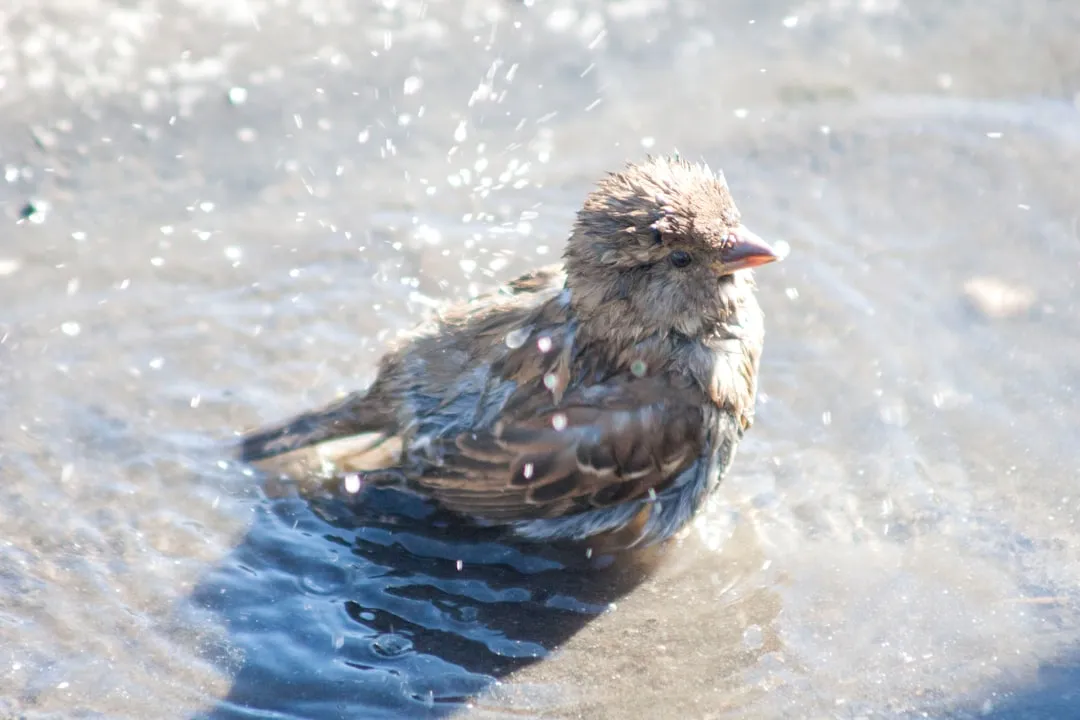
Bathing is one of the riskiest things a wild bird ever does. Doing it in full view of a human is never an accident.
A bird in a birdbath is soaked, distracted, and slow to fly – the exact opposite of how it wants to be near danger. So when you watch them splashing happily in your birdbath while you sit just a few yards away, that’s a massive vote of confidence. Look for relaxed, repeated dips and wing flicks instead of quick, nervous splashes, or birds lingering on the rim to preen while you’re still there. Bathing birds have decided that in your yard, at least, they can afford to drop their guard completely.
Why It Stands Out
- Wet feathers slow a bird’s takeoff, making bathing one of its riskiest daily routines.
- Most birds bathe in short, cautious bursts close to cover, not long soaks out in the open.
- Choosing a birdbath near a person over a hidden puddle signals genuine comfort.
- Lingering afterward to preen in plain view only deepens how vulnerable – and trusting – the moment is.
#6 – They Show Up When They Hear or See You, Not Just the Feeder
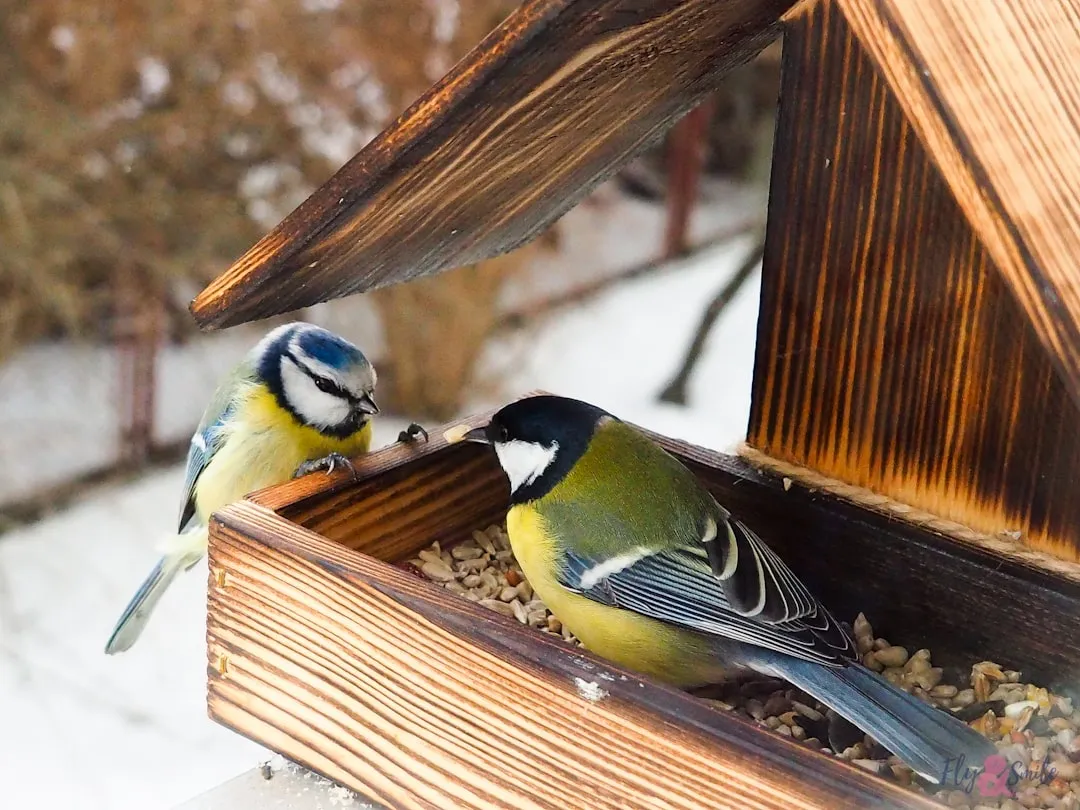
This is where it stops being about the food and starts being about the person. If the flock materializes when they hear your back gate, your footsteps on the deck, or even your voice, that timing isn’t random.
Wild birds are perfectly capable of learning individual humans by routine, sound, and silhouette. When your appearance becomes the “meal bell,” that’s a learned association built over time, not a coincidence. Watch for it: the yard looks empty, you step out with a seed scoop, and birds arrive within seconds – or they ignore other people in your house but react specifically to you. Many people write this off as “they just know it’s feeding time,” but that’s precisely the point: they trust that when you appear, nothing bad follows.
#5 – They Face You Instead of Always Angling to Flee
Body orientation says more than most people notice. A nervous bird keeps its body angled toward an escape path – side-on, feet already aligned for takeoff.
Birds that feel safer will sometimes turn their chest toward you, cock their head, and watch you directly, even while staying put. It’s a subtle shift, but it signals curiosity replacing panic – they’re choosing to monitor you, not scramble from you. You might see a sparrow on the feeder squarely facing you for long stretches, or a cardinal that turns to look, then resumes its posture instead of hopping away. If you walk into the yard and see several birds relaxed and facing different directions instead of all pointed away and ready to launch, you’re in trusted-visitor territory.
#4 – They Bring Their Young Into Your Yard
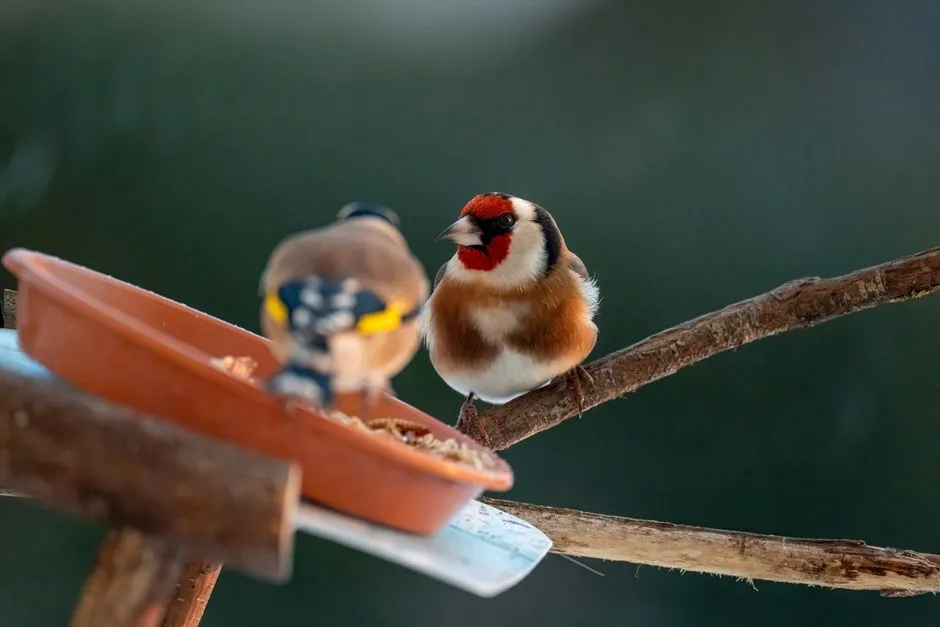
This is the quiet compliment most people completely miss. During breeding season, many species become extra secretive and cautious about everything.
If, even then, they choose to lead fledglings or juveniles to your feeders, water, or shrubs, that’s a profound sign your yard has been labeled “safe enough for kids.” You’ll notice clumsy young birds begging loudly while parents calmly feed right in your view, or adults demonstrating how to use the feeder by hopping back and forth. Some people insist this is purely about the food, but that’s only half of it – parents don’t bring vulnerable young into spaces where they regularly feel hunted.
Birds are not our brothers, they’re not our friends, but they can teach us so much.
Jennifer Ackerman
#3 – They Ignore Slow Movements and Only React to Sudden Ones
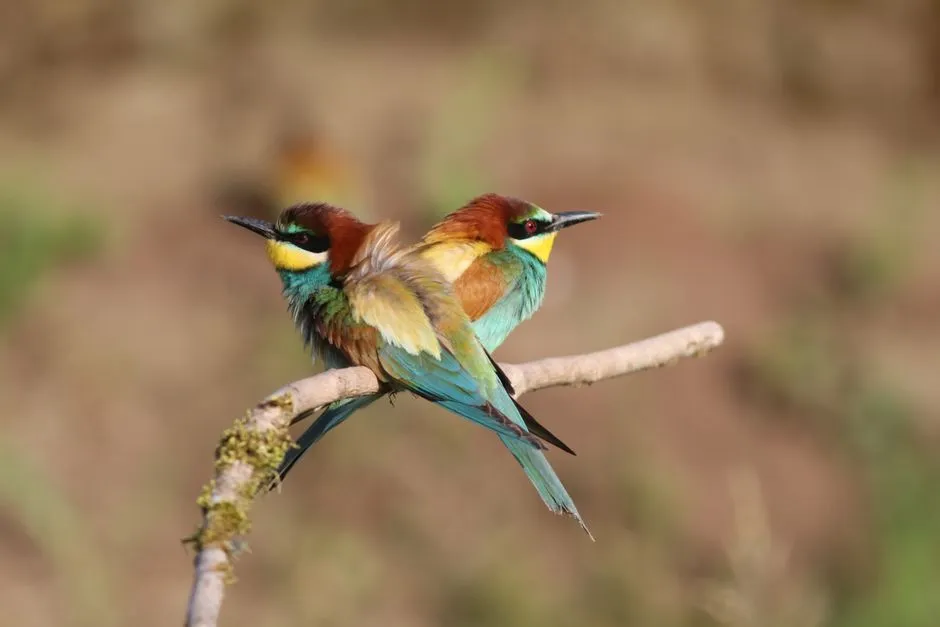
This is where your own behavior starts to “program” their responses. Truly fearful birds overreact to everything – a hand shift, a head turn, a step forward.
Birds that see you as safe get more selective about what actually scares them. They may still flush at a sudden arm swing or a dropped object, but calm, predictable movement stops triggering a mass exodus. You can raise binoculars or a camera slowly without sending them flying, or adjust a chair and water plants while they keep right on feeding. If your normal state is low-drama and steady, they’ll start treating you more like moving furniture than an approaching predator.
#2 – They Approach You on Their Own, Even Without Food Visible
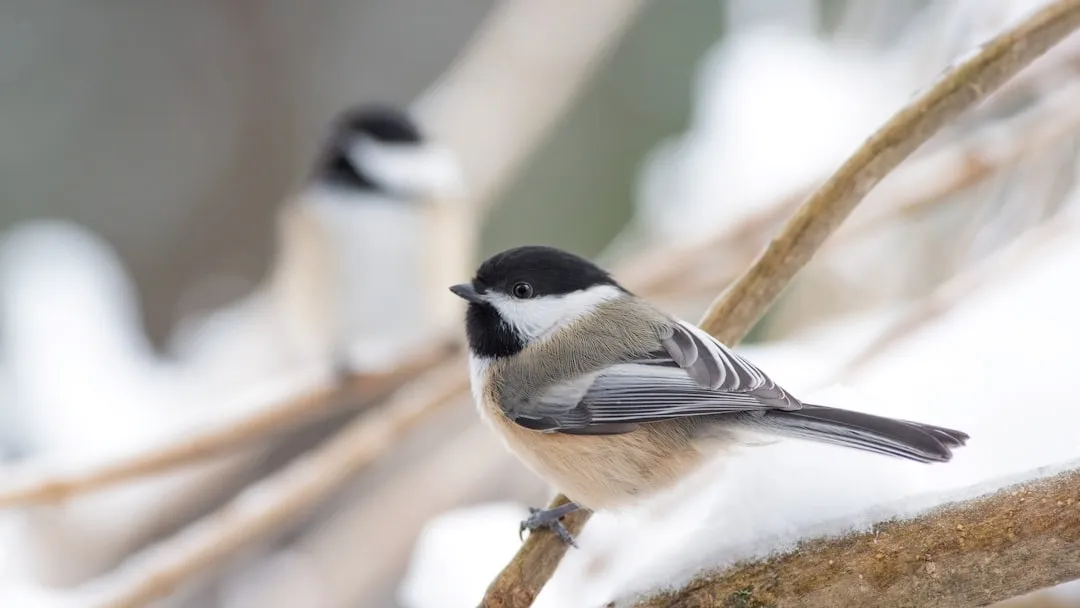
At some point, curiosity wins out over caution. When birds start flying in to perch near you on purpose – a nearby branch, the fence beside your chair, the railing a few feet away – even with your hands completely empty, that’s a different kind of interaction entirely.
They’re choosing proximity outside of any feeding context, which means you’ve become part of the familiar landscape they’re comfortable exploring. Watch for a chickadee hopping closer branch by branch while you sit still, or a wren inspecting the chair right behind you. This doesn’t make them pets, and pretending it does is where a lot of people go wrong – but voluntary approach driven by curiosity rather than hunger is one of the clearest signs you’ve become predictable instead of scary.
Quick Compare
- Food-driven approach: The bird arrives only when a feeder is filled or food is visible in hand.
- Curiosity-driven approach: The bird lands nearby with empty hands and no feeder activity in sight.
- Food-driven approach: The bird leaves the instant the food runs out.
- Curiosity-driven approach: The bird lingers, watches, or explores the space around you.
#1 – They’ll Take Food from Your Hand or Right Beside It
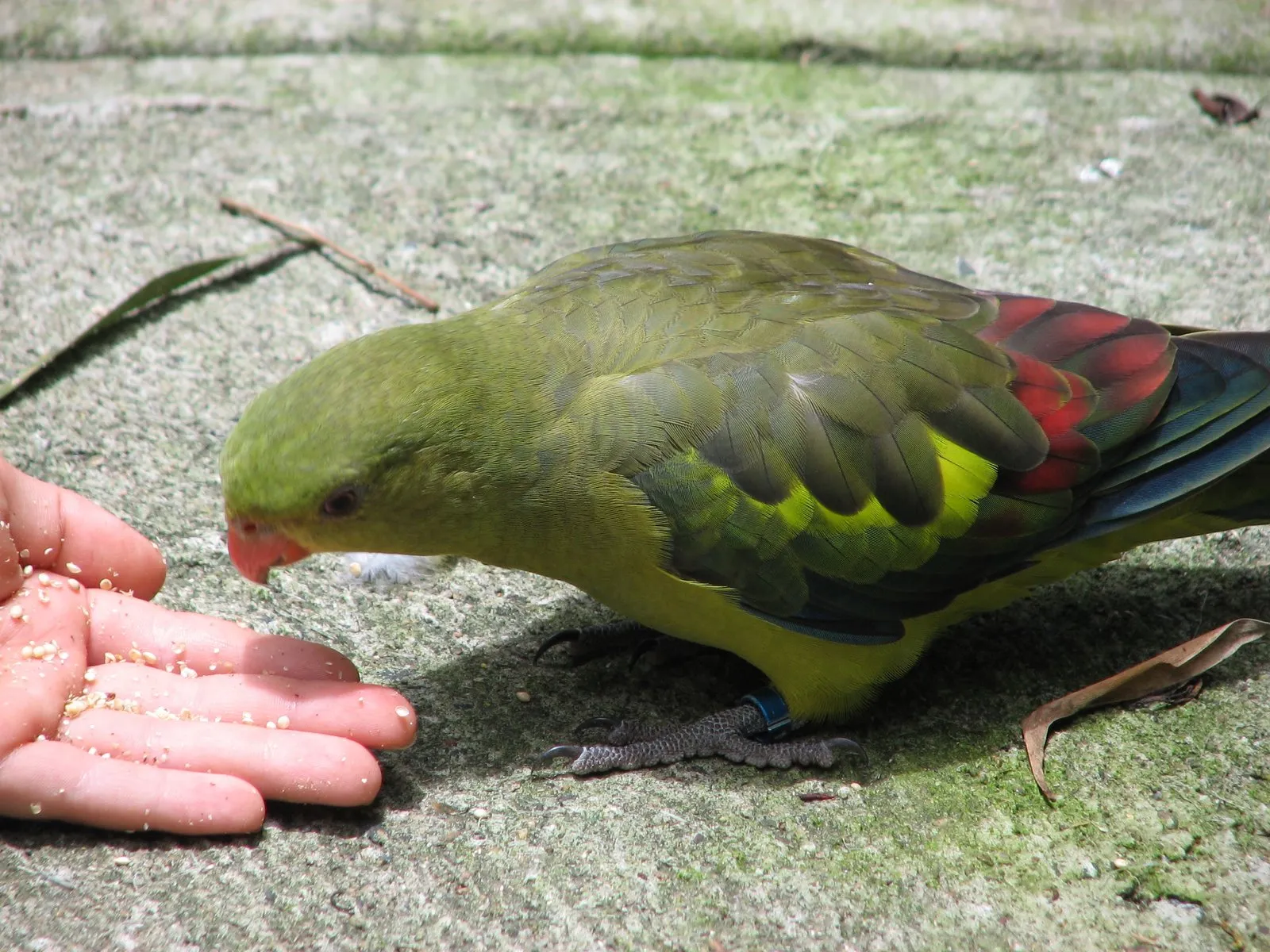
This is the trust milestone most backyard bird lovers quietly dream about, and it’s rare for good reason. Hand-feeding wild birds isn’t about taming them – it’s about them deciding, after dozens or hundreds of safe encounters, that your hand is just another neutral surface.
When a bird lands on your fingers or the rim of your palm to snatch seed from inches away, it’s overriding millions of years of instinct that say a large moving creature equals danger. That doesn’t happen because you’re special – it happens because you were consistent. Not every species will ever do this, even if they trust you completely, and pushing too hard for it can backfire fast. If a few bold chickadees or titmice in your yard have reached this point, you’re not just “safe” in their mental file – you’re basically a fixture, like a reliable old tree.
The Bottom Line
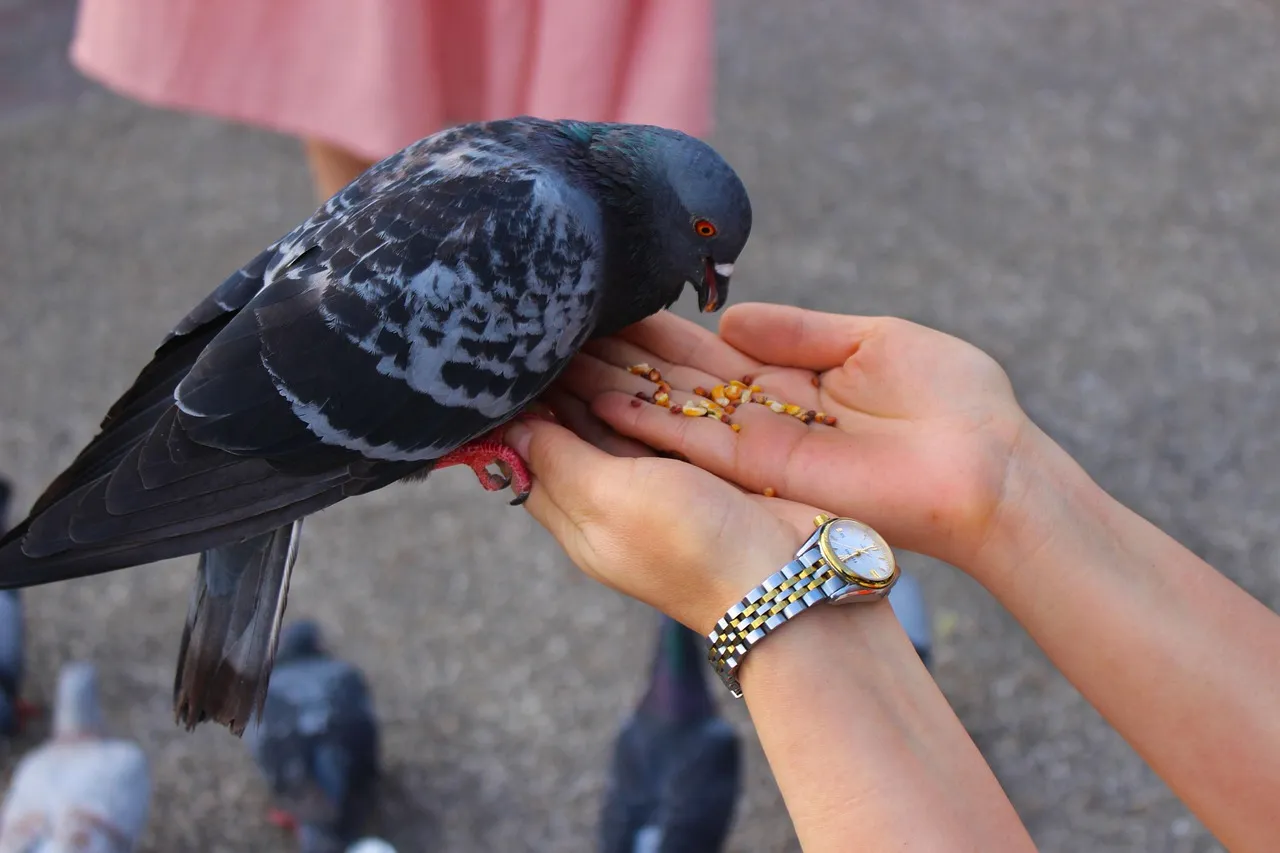
If any of these behaviors are showing up in your yard, the birds aren’t just tolerating you – they’ve quietly reclassified you from “possible predator” to “mostly harmless background,” and that’s not a small thing to earn from a wild animal.
The truth isn’t mystical, it’s behavioral: day after day of calm, predictable, non-threatening actions slowly rewires how these birds respond to you. They feed closer, bathe in front of you, bring their young, and sometimes even eat from your hand. I think both extremes people reach for miss the point – it’s not “they love me,” and it’s not “they only care about the seed.” It’s something more honest than either: their trust is practical, it’s earned one calm afternoon at a time, and it’s fragile enough that a few careless moves can undo it. If your birds are acting like you’re safe, you’ve already done more right than most people with a feeder ever will.
Fast Facts
- Trust builds through repeated, calm, low-drama encounters – never a single lucky moment.
- Feeding, bathing, and perching close to you are some of the clearest, most visible signals to watch for.
- Bringing young into your yard is one of the strongest trust markers a bird can show.
- Hand-feeding is the rarest milestone of all, and it should never be forced.

- How Storms and Hurricanes Disrupt Marine Life - July 24, 2026
- What Backyard Animal Are You According to Your Zodiac Sign - July 24, 2026
- The 7 Greatest Cosmic Threats to Life on Earth - July 24, 2026