


Worried about unexpected vet bills?
Pet insurance can cover thousands in unexpected vet costs. Get a free quote from Lemonade in under 2 minutes.
Get My Free Quote →Sponsored · Opens Lemonade.com
Hedgehogs have become increasingly popular as exotic pets, captivating owners with their unique appearance and charming personalities. These small mammals, with their distinctive quills and button noses, require attentive care to ensure they remain happy and healthy. Unlike dogs or cats who might wag their tails or purr to express contentment, hedgehogs communicate their well-being through more subtle behaviors and physical indicators. Understanding these signs is crucial for any hedgehog owner who wants to provide the best possible care for their spiny companion. This comprehensive guide explores thirteen key indicators that your hedgehog is thriving, from their physical appearance to their behavioral patterns, helping you ensure your prickly pet enjoys a fulfilling life.
13. Active Exploration During Evening Hours

Hedgehogs are naturally nocturnal creatures, meaning they’re most active during the evening and night hours. A happy, healthy hedgehog will eagerly explore its environment once darkness falls. You should observe your hedgehog moving around its enclosure, investigating different areas, playing with toys, and using its exercise wheel regularly. This nighttime activity indicates that your hedgehog feels secure in its surroundings and is exhibiting natural behaviors. If your hedgehog remains active for several hours each night, typically between 8 PM and 4 AM, this is a positive sign of good health and contentment. Conversely, a hedgehog that shows little interest in exploration or remains inactive during its natural waking hours might be experiencing health issues or environmental stress.
12. Healthy Appetite and Regular Eating Habits
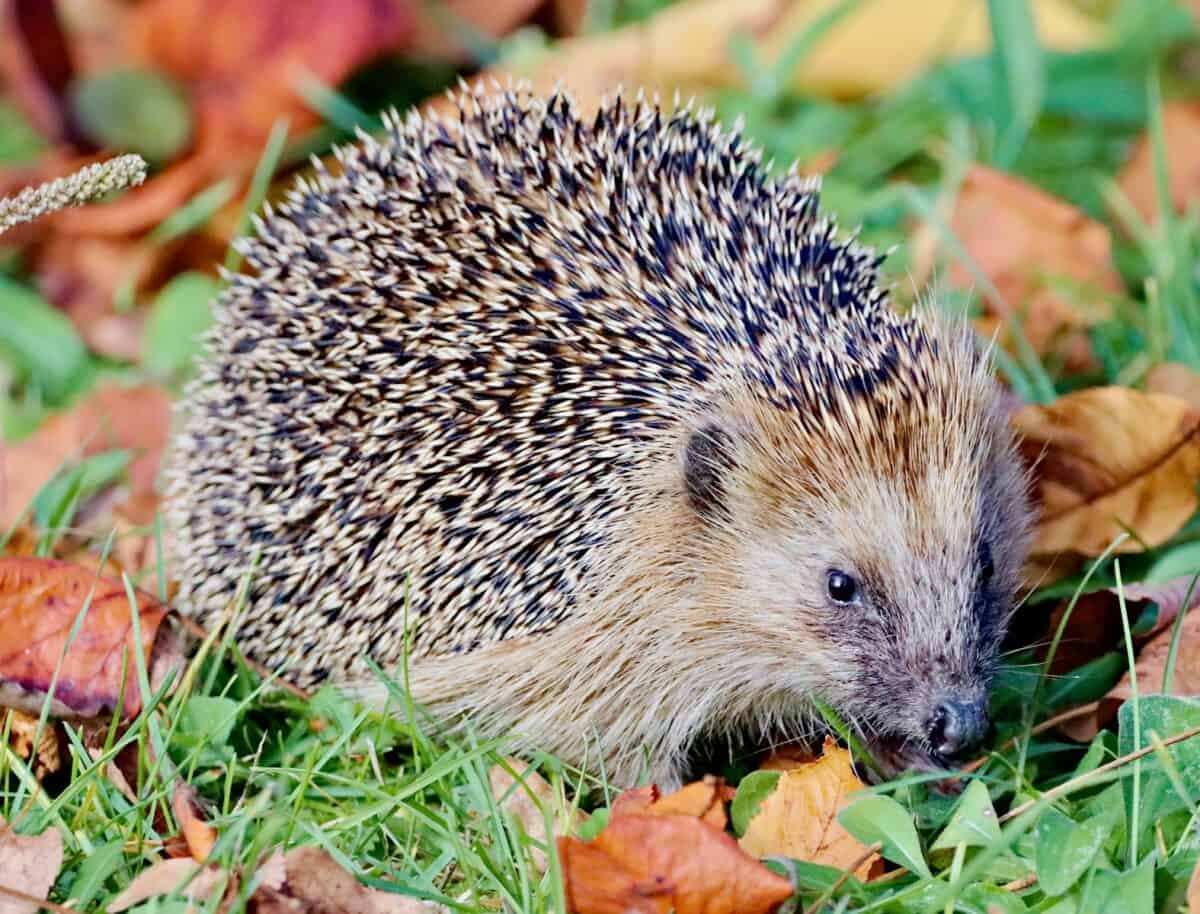
A consistent appetite is one of the most reliable indicators of a hedgehog’s well-being. Healthy hedgehogs maintain regular eating patterns and show enthusiasm for their food. They typically consume between 2-3 tablespoons of high-quality hedgehog kibble or cat food daily, supplemented with appropriate insects and occasional fruits or vegetables. You should notice your hedgehog’s food bowl becoming emptier overnight, and their weight should remain stable, typically between 250-600 grams depending on age, sex, and individual factors. A sudden decrease in appetite or refusal to eat for more than 24 hours could signal illness and warrants immediate veterinary attention. Maintaining a food journal can help you track your hedgehog’s eating habits and quickly identify any concerning changes.
11. Bright, Clear Eyes

The condition of your hedgehog’s eyes can reveal volumes about their overall health status. Happy, healthy hedgehogs have bright, clear, alert eyes without any discharge, crusting, or excessive watering. Their eyes should be symmetrical in appearance and fully open when they’re awake. Hedgehogs naturally have small black eyes that should look shiny and attentive. Any squinting, cloudiness, or discharge could indicate potential health problems such as infections, injuries, or more serious conditions. Regular gentle observation of your pet’s eyes during handling sessions can help you catch any changes early. Some hedgehogs may have slightly crusty eyes upon waking, which is normal as long as it clears up quickly and doesn’t persist throughout their active periods.
10. Clean, Smooth Skin and Well-Maintained Quills
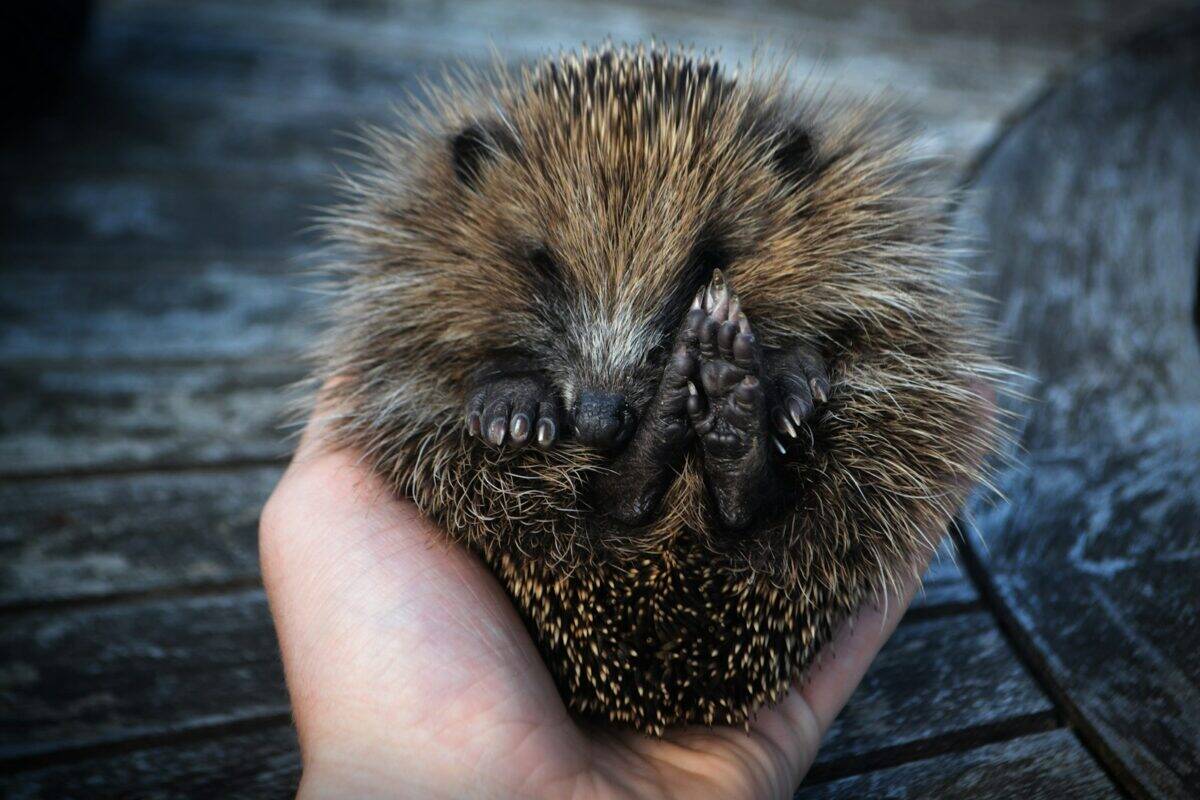
A healthy hedgehog will have clean skin and well-maintained quills. Their skin should appear smooth, hydrated, and free from flakes, redness, or irritation. The quills should be firmly attached, evenly distributed across the back, and without bare patches. Normal quill loss does occur, particularly during “quilling” periods when young hedgehogs replace their baby quills with adult ones (typically at 4-6 weeks, 8-12 weeks, and sometimes around 6 months of age). However, excessive quill loss or development of bald spots can indicate mites, fungal infections, or nutritional deficiencies. The base of the quills should be clean, without buildup of oils or debris. Healthy hedgehogs also keep themselves clean through self-grooming, though occasional foot baths may be necessary to clean dirty paws.
9. Regular Bowel Movements

Monitoring your hedgehog’s bathroom habits provides important insights into their digestive health. Healthy hedgehogs typically produce firm, dark brown feces daily. The consistency should be well-formed but not too hard or too soft. A regular schedule of bowel movements indicates that your hedgehog’s digestive system is functioning properly. Changes in color, consistency, frequency, or the presence of mucus or blood in the stool can signal potential health problems such as parasites, bacterial infections, or dietary issues. Additionally, healthy hedgehogs urinate regularly, with clear to pale yellow urine. Green-tinged urine is occasionally normal but should not persist. Keeping track of your hedgehog’s elimination habits helps establish what’s normal for your specific pet and makes it easier to detect concerning changes that might require veterinary attention.
8. Consistent Weight and Body Condition

A healthy hedgehog maintains a relatively stable weight appropriate for its age and build. Adult hedgehogs typically weigh between 250-600 grams, with females generally being smaller than males. The ideal hedgehog should feel solid but not overly plump or too thin. When viewed from above, a healthy hedgehog should have a teardrop shape, tapering from a wider rear to a more pointed nose, with no visible ribs but also without fat rolls. Regular weighing (weekly or bi-weekly) using a digital kitchen scale helps track subtle changes that might otherwise go unnoticed. Weight loss can indicate illness or dental problems, while rapid weight gain might suggest overfeeding or insufficient exercise. A healthy hedgehog can roll into a tight ball when necessary, which requires good muscle tone and appropriate body condition.
7. Positive Response to Handling

While hedgehogs are naturally somewhat shy and defensive animals, a happy, well-socialized hedgehog will gradually show positive responses to careful handling. Initially, they may raise their quills and roll into a ball when approached, but a content hedgehog will usually relax within a few minutes of being held by their familiar owner. Signs of comfort during handling include lowering their quills, extending their head forward to sniff and explore, and willingly walking around on your hands or lap. Some particularly comfortable hedgehogs may even fall asleep while being held. Regular, gentle handling sessions of 20-30 minutes daily help build trust and allow you to monitor your pet’s physical condition. A hedgehog that consistently refuses to unball or shows signs of stress during handling might be uncomfortable, ill, or in need of more gradual socialization.
6. Self-Anointing Behavior

Self-anointing is a peculiar but completely normal behavior in healthy hedgehogs. When a hedgehog encounters a new or interesting smell, it may respond by producing foamy saliva and contorting its body to spread this saliva onto its quills. This behavior, while somewhat strange-looking to owners, is a natural instinct and actually indicates that your hedgehog is engaging with its environment in a normal way. The exact reason for self-anointing isn’t fully understood, but theories suggest it might be a self-defense mechanism, a way to mask their scent, or simply a response to novel stimuli. Most hedgehogs self-anoint occasionally, particularly when introduced to new foods, scents, or objects. This fascinating behavior demonstrates that your hedgehog’s sensory systems and natural instincts are functioning properly.
5. Regular Use of Exercise Wheel

A healthy hedgehog will regularly use its exercise wheel, typically running several miles each night. This natural behavior helps them maintain proper weight, muscle tone, and mental stimulation. You’ll know your hedgehog is using its wheel by either catching them in action, hearing the wheel spin at night, or noticing droppings on or around the wheel in the morning. Hedgehogs may run for several hours nightly, covering impressive distances of 3-8 miles in captivity. The wheel should be solid-surfaced (not wire) with a diameter of at least 12 inches to prevent back problems. A sudden decrease in wheel usage can indicate joint pain, illness, or injury. Some owners use odometers attached to wheels to track their hedgehog’s activity levels, which can help monitor changes in exercise patterns that might signal health concerns.
4. Healthy Sleep Patterns

As nocturnal animals, healthy hedgehogs sleep soundly during daylight hours, usually for about 12-14 hours daily. A content hedgehog will establish a comfortable sleeping area, often burrowing under soft bedding or hiding in a sleeping hut. During sleep, they should appear relaxed, breathing steadily and evenly. When sleeping, hedgehogs often curl into a loose ball with their quills partially relaxed. They shouldn’t be easily disturbed during their deep sleep phase, though they may wake briefly if there’s significant noise or movement nearby. Erratic sleep patterns, such as excessive daytime activity or frequent waking, might indicate stress, pain, or illness. Some hedgehogs may snore softly or make gentle huffing sounds while sleeping, which is typically normal unless accompanied by signs of respiratory distress like wheezing or labored breathing.
3. Curious and Inquisitive Behavior

Healthy hedgehogs display natural curiosity about their surroundings during their active periods. This manifests as sniffing, exploring, and investigating new objects or changes in their environment. A happy hedgehog will use its sensitive nose to explore thoroughly, moving around its enclosure with purpose and interest. They may push toys around, dig in certain areas of bedding, or investigate new scents with enthusiasm. This inquisitive behavior indicates good mental health and appropriate environmental enrichment. You can encourage this natural behavior by occasionally rearranging toys or adding new safe objects to explore. A hedgehog that shows little interest in its surroundings or appears apathetic about exploration might be bored, under-stimulated, or potentially unwell. Regular introduction of new textures, smells, and objects helps maintain cognitive function and prevents behavioral issues related to boredom.
2. Healthy Skin and Foot Condition

The condition of your hedgehog’s feet and belly skin provides important health information. Healthy hedgehogs have clean, pink feet with intact pads and properly trimmed nails. The belly skin should be clean, slightly pink, and free from redness, flaking, or irritation. Problems like dry, cracked foot pads or reddened skin can indicate improper humidity levels, allergic reactions to bedding, or fungal infections. The nails should wear naturally with exercise but may require occasional trimming if they become overgrown. Hedgehogs prone to developing “dry skin syndrome” benefit from small amounts of flaxseed oil added to their food (1-2 drops, 2-3 times weekly). Regular inspection of the feet during handling sessions helps catch early signs of problems like bumblefoot, a painful bacterial infection that can develop on the feet. Maintaining appropriate cage humidity (around 40-70%) and providing proper bedding materials helps prevent skin and foot issues.
1. Calm, Non-Defensive Vocalizations

Hedgehogs communicate through various vocalizations, and the types of sounds they make can indicate their emotional and physical state. A content hedgehog typically makes gentle huffing or snuffling sounds during exploration, which represent normal breathing patterns combined with active sniffing. During peaceful activities or when relaxing, they may remain relatively quiet. Happy hedgehogs rarely emit high-pitched squealing, excessive hissing, or screaming sounds, which typically indicate pain, fear, or extreme stress. Some hedgehogs make soft chirping or purring sounds when particularly content, especially during favored activities or handling sessions with trusted owners. Learning your individual hedgehog’s vocal patterns helps you understand their communication style and quickly identify when unusual sounds might signal discomfort or illness. Consistent loud or distressed vocalizations always warrant further investigation into possible causes of pain or stress.
Conclusion: Ensuring Your Hedgehog’s Wellbeing
Recognizing the signs of a happy, healthy hedgehog requires attentive observation and understanding of their natural behaviors. By regularly monitoring your hedgehog’s appetite, activity levels, physical appearance, and social responses, you can ensure they remain in optimal health and quickly address any potential problems. Remember that individual hedgehogs, like humans, have unique personalities and baseline behaviors, so becoming familiar with your specific pet’s normal patterns is essential for accurate health assessment. Establishing a relationship with an exotic pet veterinarian experienced in hedgehog care provides invaluable support for maintaining your pet’s wellbeing through regular check-ups and prompt attention to any concerning changes. With proper care, environmental enrichment, and attentive monitoring of these thirteen health indicators, your hedgehog can enjoy a fulfilling life span of 4-7 years as a cherished and thriving companion.
Worried about unexpected vet bills?
Pet insurance can cover thousands in unexpected vet costs. Get a free quote from Lemonade in under 2 minutes.
Get My Free Quote →Sponsored · Opens Lemonade.com

As a little kid, I fell in love with nature, wildlife, and animals. Living in the USA, South Africa, Italy, China and Germany gave me the opportunity to discover the world's Wildlife. My favorite animals are Mountain Gorillas, Siberian Tigers, and Great White Sharks.
I'm a certified PADI Open Water Diver, went to Everest Base Camp and Trekked Gorillas in Uganda. I hold a Master of Science in Economics and Finance.
Please send any feedback to feedback@animalsaroundtheglobe.com
- 15 Most Researched Marine Mammals by U.S. Students - June 7, 2026
- 15 Dog Breeds Perfect for Apartment Living - June 7, 2026
- 8 Fastest Creatures in the Air Water and on Land - June 7, 2026
Leave a comment
You must be logged in to post a comment.