
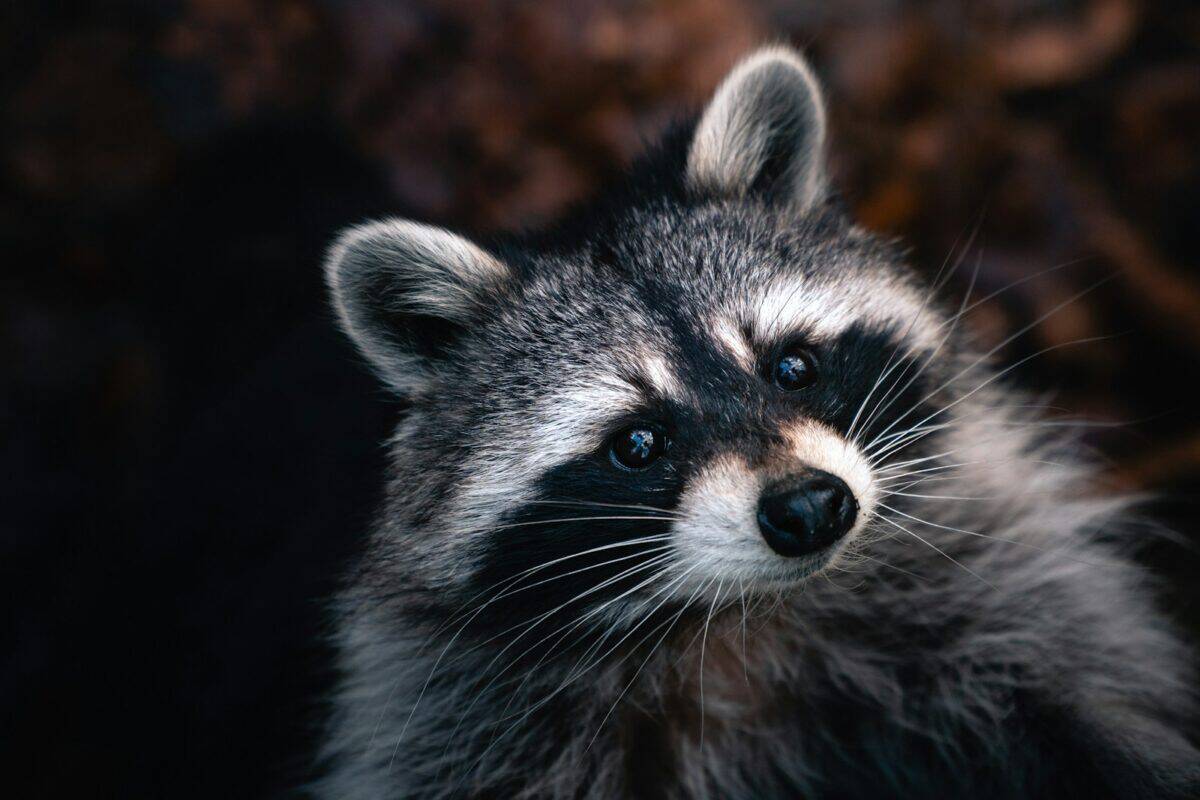
Wild raccoons’ quirky behavior of “washing” their food may have captured your attention. Often observed dipping their meals in water, these masked bandits seem to engage in what looks like a scrubbing ritual. But why do raccoons perform this intriguing act? In this article, we’ll delve into the science and folklore behind this unique behavior, offering insights into the lives of these fascinating creatures.
The Raccoon

Raccoons are nocturnal mammals known for their cunning intelligence and adaptability. Native to North America, these animals are recognizable by their distinctive black-masked faces and ringed tails. They thrive in diverse environments, from the thick woods to urban landscapes, demonstrating remarkable versatility in their diets and habits.
The Origins of the Food-Washing Myth

The myth that raccoons wash their food likely stems from their scientific name, *Procyon lotor*, with “lotor” meaning “washer” in Latin. Observations of captive raccoons often feeding near water further reinforce this image, thus solidifying the washing stereotype. However, the reality behind this behavior is more complex.
Understanding the Nature of Raccoon Feeding Habits
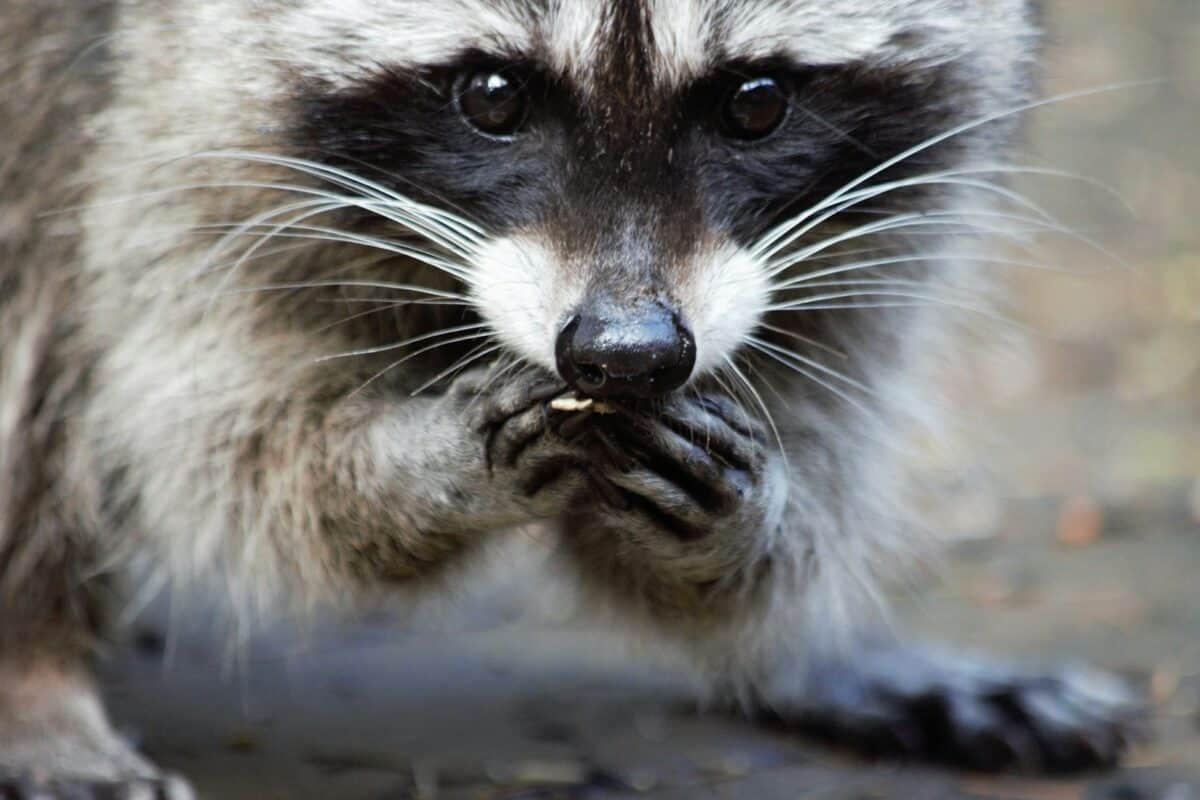
Raccoons are omnivores with a keen palate for a variety of foods, including fruits, vegetables, insects, and small animals. Their opportunistic diets necessitate adaptable foraging behaviors, which naturally extend to exploring different textures and tastes. This adaptability is crucial to their survival in both natural and urban settings.
Do Raccoons Really Wash Their Food

Despite their reputation, raccoons don’t actually wash their food in the traditional sense. The so-called “washing” behavior is more accurately described as a tactile exploration. Raccoons have highly sensitive and dexterous paws that they use to feel and manipulate food items, often near water.
The Role of Water in Raccoon Behavior
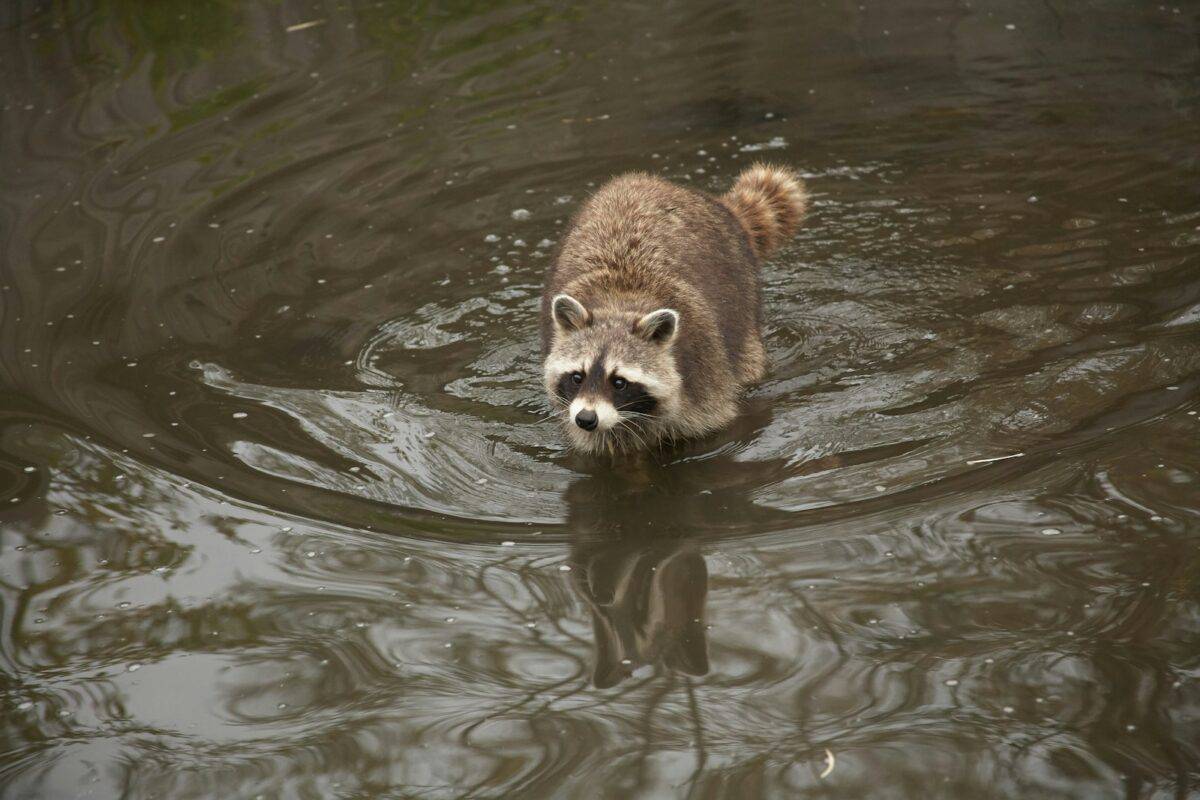
Raccoons aren’t specifically drawn to water for cleansing purposes. Instead, their natural habitats often include streams or ponds where they search for aquatic prey. The presence of water appears to enhance their sense of touch, allowing them to identify and manipulate food more efficiently.
The Scientific Explanation
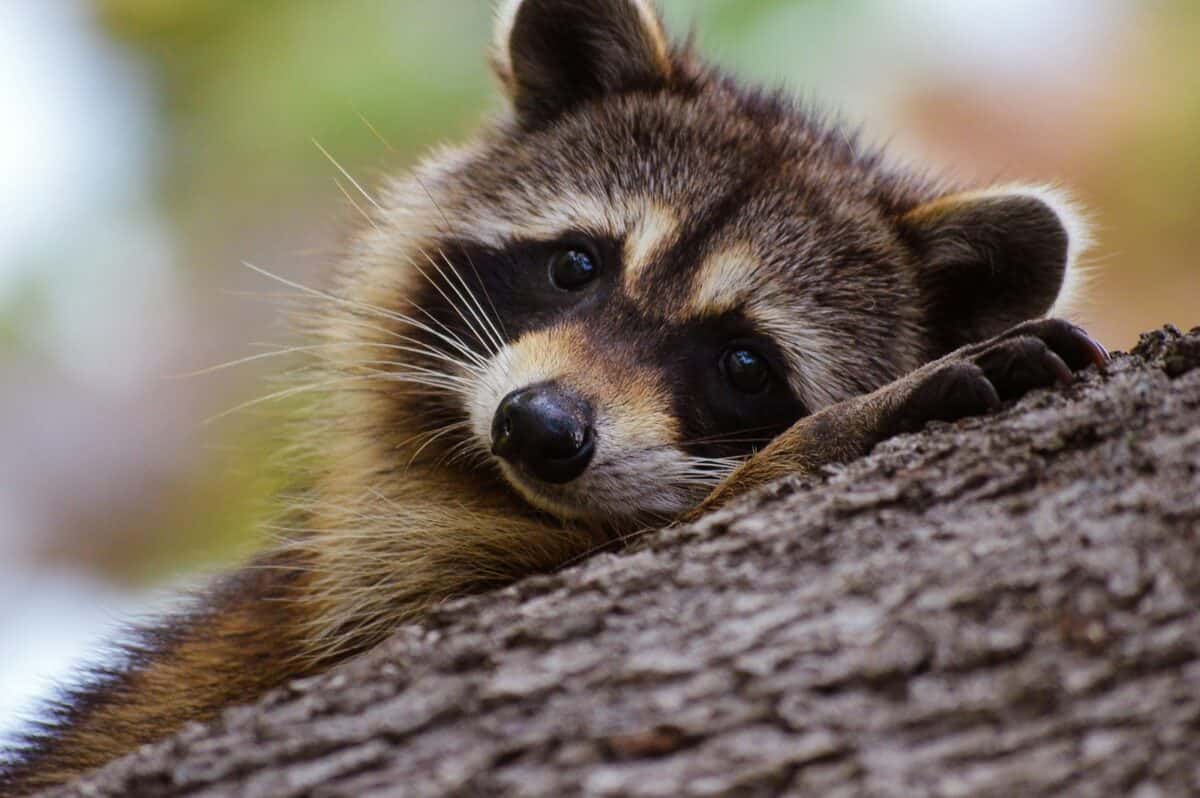
A raccoon’s paws are incredibly sensitive, containing a high concentration of sensory receptors. This tactile prowess enables them to gather detailed information about objects through touch. Handling food in water may amplify sensory input, explaining why raccoons often engage in the behavior that looks like washing.
The Adaptability of Raccoons in Urban Areas

In cities and suburbs, raccoons have learned to exploit human resources. Their so-called washing is observed less frequently here, as food remnants like trash and discarded food items often don’t require tactile manipulation to identify. However, the occasional water-dependent behavior reveals their adaptability and exploration instincts.
Folklore and Cultural Interpretations

Raccoons have long figured in various cultural narratives, often depicted as clever tricksters. Indigenous American folklore, in particular, attributes the raccoon with traits of cunning and intelligence. The food-washing myth enhances their enigmatic allure, contributing to rich storytelling traditions.
Comparative Behaviors in Other Animals

Other animals, like some species of birds and primates, also engage in behaviors that seem to involve cleaning or manipulating food. These actions usually involve problem-solving techniques to access food or enhance its palatability, offering similarities to raccoon behavior.
Conservation and the Role of Raccoons in Ecosystems
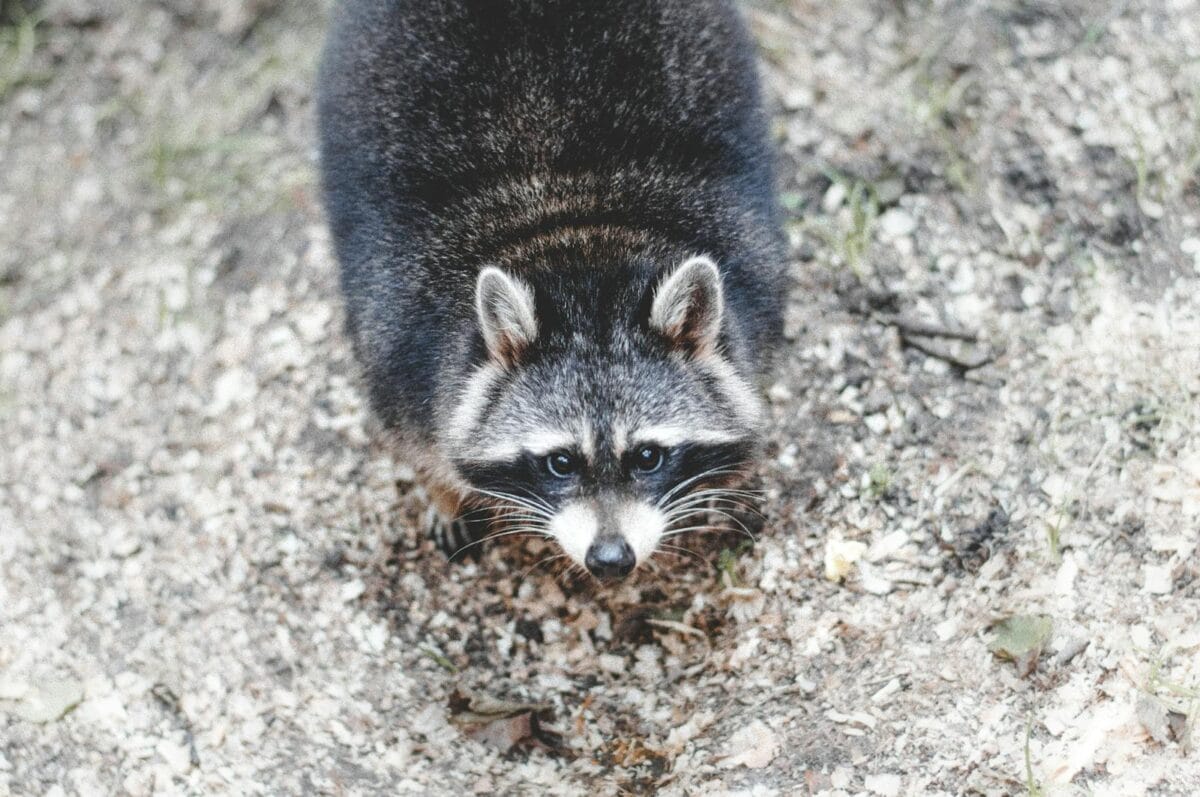
Raccoons play vital roles in their ecosystems as both predators and scavengers. They help control insect and rodent populations, while also facilitating seed dispersal through their foraging. Their versatility highlights their importance and the need for a balanced coexistence with human developments.
Observing Raccoon Behavior Safely
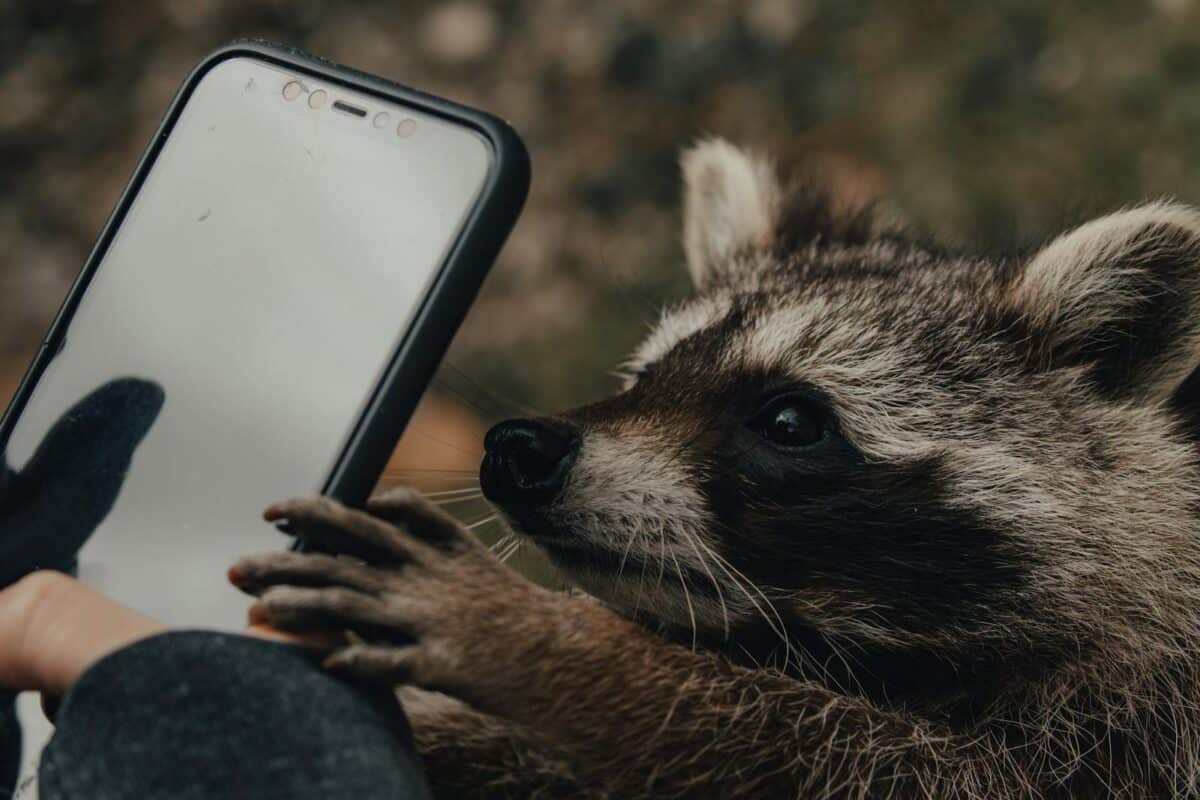
If you’re lucky enough to spot a raccoon, it’s essential to maintain a respectful distance. Observing these creatures in their natural setting can be rewarding, showcasing their intelligence and unique behaviors like tactile exploration. Always remember not to feed or provoke wildlife, promoting a safe environment for both humans and raccoons.
The Myth and Mystery of Raccoon Behavior

Raccoons continue to captivate us with their resourcefulness and seemingly odd habits. While their “washing” behavior isn’t truly about cleanliness, it reveals their exceptional ability to interact with their environment. Understanding this behavior deepens our appreciation for these adaptable creatures, reminding us of the complex natural world around us.
By exploring the fascinating behaviors of raccoons, we uncover not only the truth behind their antics but also the resilience and ingenuity of wildlife in adapting to changing environments. In doing so, we grow closer to understanding the delicate balance of ecosystems and the importance of every creature within.

- 13 Ways a Senior Cat Says It Wants Only You in Its Last Quiet Weeks - July 23, 2026
- 14 Quiet Ways a Horse Tells You It Has Bonded to You Alone - July 23, 2026
- 14 Quiet Signs Your Dog Knows Its Time Is Near and Wants You Close - July 22, 2026