


You probably picture summer as the easiest season to own a dog. Long walks, open windows, backyard naps in the sun – what could go wrong? Vets will tell you a very different story, because emergency rooms fill up faster between June and September than almost any other stretch of the year.
The scary part isn’t that these dangers are exotic or rare. They’re hiding in your yard, your driveway, and your cooler full of hot dog buns. Keep reading, because the very last one on this list is the one vets call the most preventable killer of them all – and it happens in under ten minutes.
#13 – Sunburn Hits White-Coated Dogs Hardest

Nobody thinks to grab sunscreen on the way out the door for a dog, yet pale-coated and thin-furred breeds burn just like fair-skinned people do. The nose, the ear tips, and the exposed belly skin take the worst of it, turning pink, then raw, after just one long beach day or afternoon nap in a sunny window.
Owners rarely connect the dots until the skin starts peeling or scabbing, and by then the damage is already done. Vets say the fix is almost embarrassingly simple: a pet-safe SPF applied before outdoor time, reapplied the way you would on a toddler.
Here’s the part that should worry light-coated dog owners specifically – repeated sunburns over the years measurably raise the risk of skin cancer, not just discomfort. A five-minute habit now prevents a much bigger problem down the road.
#12 – Lawn Chemicals Linger Longer Than You Think

That freshly treated lawn smell might mean danger for your dog long after the truck has left the neighborhood. Fertilizers and weed killers don’t evaporate overnight, and dogs are experts at licking their own paws after a walk across treated grass.
The symptoms show up fast – vomiting, diarrhea, drooling – and owners are often blindsided because they assumed the chemicals had already broken down. Vets see a predictable wave of these cases every weekend right after neighborhood lawn services finish their rounds.
Even products labeled “pet-safe” aren’t automatically harmless if they’re over-applied or still wet when your dog walks through them. Reading the label twice, and waiting the recommended re-entry time, is the difference between a normal Saturday and an emergency vet bill.
#11 – Discarded Fishing Gear Creates Silent Emergencies

Lakes and rivers pull in crowds all summer, and where there are anglers, there’s leftover tackle. Hooks buried in sand, tangled fishing line half-hidden in the shallows – dogs find it with their mouths before their owners ever see it.
What follows can be a sliced paw pad, a hook lodged in the lip, or worse, a swallowed hook that needs surgery to remove. Most owners never think to scan the shoreline before letting their dog off leash to swim.
Vets treat this almost like clockwork every summer, and the frustrating part is how avoidable it is. A single embedded hook can mean days of hospitalization and expensive imaging just to find where it landed inside the dog.
#10 – Overexertion Drains Even Fit Dogs Fast

A long hike or an extended game of fetch feels like good exercise, right up until your dog’s body hits a wall it can’t recover from in the heat. Brachycephalic breeds like bulldogs and pugs, along with overweight dogs, struggle to cool themselves no matter how much water is nearby.
The trouble is that owners keep pushing for “one more throw” while missing the early warning signs – heavy panting, slowing pace, a dog that suddenly wants to lie down in the shade instead of chase the ball. Vets say those cues appear well before collapse, but only if someone’s watching for them.
Fast Facts
- Normal dog body temperature runs 101 to 102.5 degrees Fahrenheit
- Heat stroke risk climbs sharply once body temp passes 104 degrees
- Early red flags: heavy panting, bright red gums, drooling, slowing pace
- Emergency signs: vomiting, wobbly legs, collapse, disorientation
Heat and exertion don’t just add up, they multiply. A dog that could handle a 90-degree afternoon fine on its own can crash fast once you throw hard exercise into the mix. Shorter sessions with real shade breaks aren’t optional in summer, they’re the whole strategy.
#9 – Blue-Green Algae Turns Water Toxic Overnight

A pond that looked perfectly fine last week can turn deadly by the weekend once warm temperatures trigger a toxic algae bloom. It doesn’t always look dramatic either – sometimes it’s just a faint green tint that owners write off as normal.
Dogs that drink from or swim through contaminated water can start vomiting or seizing within the hour, and severe cases progress to liver failure. Vets consistently push the same warning: check local water advisories before you let your dog near any still or slow-moving water in summer.
The unsettling truth is that it doesn’t take a full swim to cause harm. Even small amounts of contaminated water, licked off fur during a quick dip, have been enough to kill a dog within hours.
#8 – Fireworks Spark Hidden Panic and Poisoning

The boom of fireworks doesn’t just scare dogs, it sends some of them running blindly into traffic or through fences trying to escape the noise. Anxiety spikes hard around the Fourth of July and other summer celebrations, and plenty of dogs are left unsupervised in yards during the chaos.
There’s a second danger owners rarely think about: chewed-up firework wrappers and casings can contain heavy metals that cause poisoning if swallowed. Vets see both trauma injuries and toxin ingestion cases spike on the same weekends every single year.
A secure indoor space, away from windows and loud vibrations, along with a vet-approved calming aid, prevents most of this. The dogs who panic worst are usually the ones who had no safe place to retreat to when the noise started.
#7 – Mosquitoes Spread Heartworm Faster in Warm Months

A single mosquito bite is all it takes to transmit heartworm larvae, and warm, humid summers are exactly when mosquito populations explode. The larvae mature quietly inside the heart and lungs, causing damage long before any symptoms appear.
Here’s where owners get tripped up: some assume the risk drops once winter meds run out, or they figure summer is short enough to skip a dose. Vets report a noticeable jump in positive heartworm tests every single warm season, almost always traced back to a lapse in prevention.
One missed dose can be enough to allow an infection that costs thousands of dollars to treat later, if it’s even treatable at that stage. Staying consistent, month after month, is genuinely cheaper and safer than reacting after the fact.
#6 – Bee Stings Trigger Severe Allergic Reactions
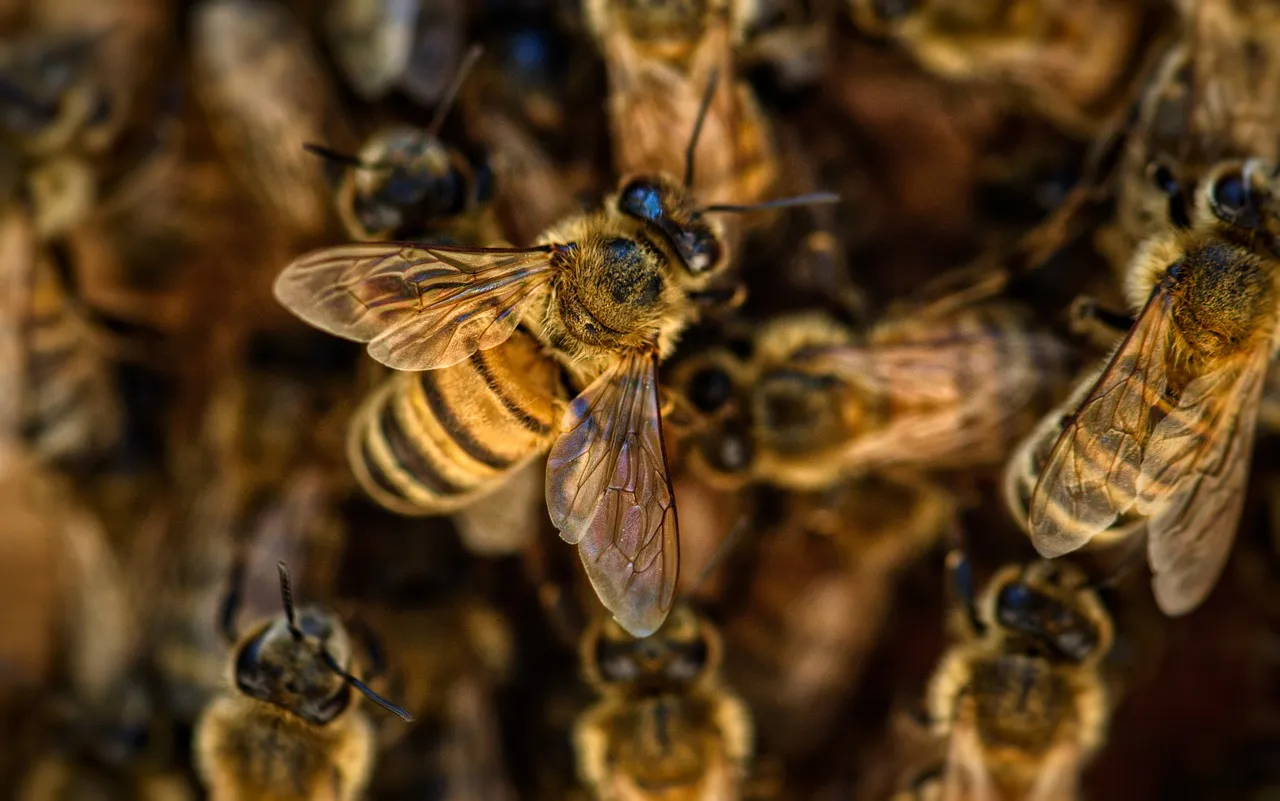
Dogs investigate the world nose-first, which means a curious sniff at a flower bed or a snap at a buzzing insect ends with a sting more often than you’d think. For most dogs it’s just a painful bump, but for sensitive dogs, swelling and anaphylaxis can set in within minutes.
Most owners don’t carry antihistamines or have any plan in place when it happens, which turns a manageable situation into a frantic drive to the emergency vet. The dogs to watch closest are the ones who’ve been stung before – sensitivity tends to build with repeated exposure, not fade.
Quick Compare
- Mild reaction: small local swelling, brief whining, licking at the spot
- Severe reaction: facial or muzzle swelling, hives, vomiting, trouble breathing
- Mild cases usually settle within a few hours on their own
- Severe cases can escalate within 20 to 30 minutes and need immediate care
Rapid breathing changes, facial swelling, or sudden weakness after any outdoor sting are the signs that mean don’t wait and see. A basic emergency kit in your summer bag has genuinely saved dogs’ lives in that narrow window before symptoms spiral.
#5 – Toxic BBQ Scraps Cause Widespread GI Crises

Cookouts drop a minefield of food on the ground that no dog can resist – onions, grapes, corn cobs, fatty trimmings – and most of it gets swallowed before anyone even notices it’s missing. “Just a little bit” is exactly the phrase vets hear right before describing a pancreatitis case or emergency surgery.
Corn cobs deserve their own warning here. They don’t break down in a dog’s stomach, and they rank among the most common objects surgeons pull out of dogs every single summer.
Never underestimate what a determined dog will eat off the ground when nobody’s watching.
Common veterinary emergency room saying
Vets see predictable waves of these cases every holiday weekend, which tells you it’s not bad luck, it’s a pattern. Keeping plates elevated and scraps in a covered bin is the one house rule that actually prevents it.
#4 – Fleas and Ticks Explode in Population

Warm weather doesn’t just bring out more bugs, it speeds up their entire life cycle, meaning a small flea problem can become a full infestation within weeks. Backyard dogs suffer the most because prevention often lapses right when families are busiest packing for vacation.
Left unchecked, fleas and ticks cause anemia, skin infections, and disease transmission that can take months to fully resolve. Vets say the dogs who end up worst off are almost always the ones whose owners assumed “it’s just a few bugs, no big deal.”
Worth Knowing
- Flea eggs can hatch within days in warm, humid conditions
- A single female flea can lay dozens of eggs per day
- Fleas can reach adulthood in as little as two to three weeks in summer heat
- Ticks generally need 24 to 48 hours attached before disease transmission risk rises sharply
The math is genuinely alarming: a single infestation can spiral from a handful of fleas to hundreds in under a month. Staying consistent with monthly prevention is far less work than fighting an established infestation later.
#3 – Hot Pavement Burns Paws in Minutes
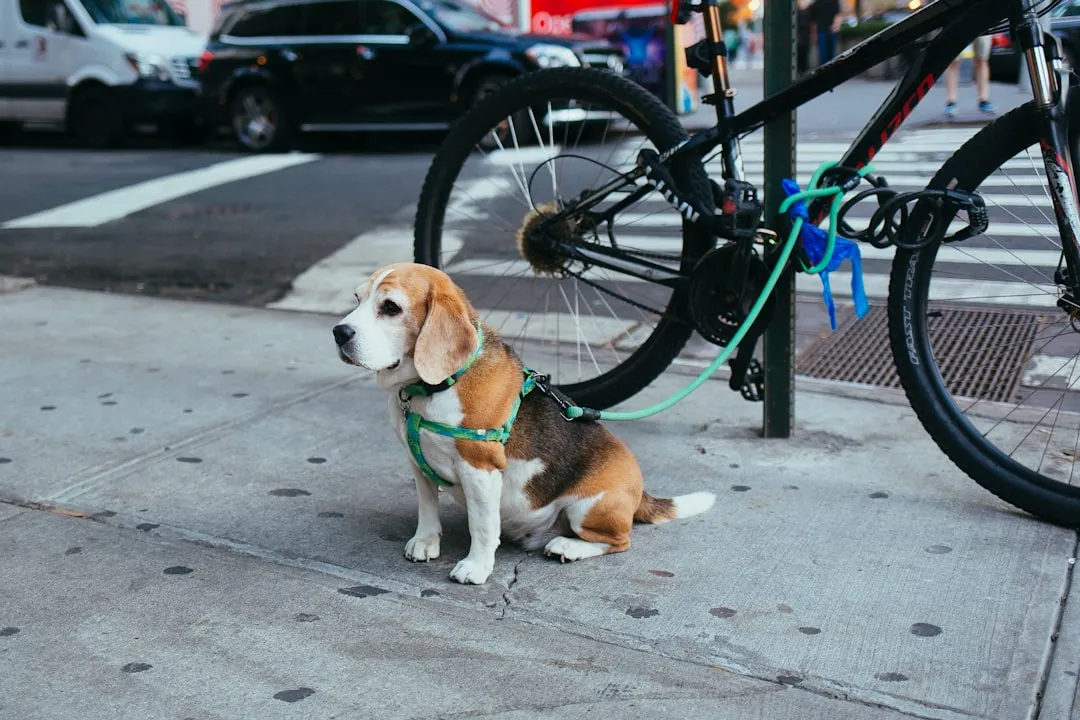
Asphalt and concrete soak up heat well beyond the air temperature around them, turning a sidewalk into something closer to a stovetop by midday. Owners test the ground with their hand for a second and assume that means it’s safe, but a dog’s paw pad against hot pavement for the length of a full walk is a very different exposure.
Vets treat blistered, peeling paw pads on a weekly basis once summer really sets in, and the injuries are often worse than owners expect. Early morning or after-sunset walks avoid the worst of it entirely, and they’re often more pleasant for the dog anyway.
The most unsettling part is that pads can sustain third-degree burns before a dog shows any obvious limping. Dogs are stoic about pain in their feet, which means the damage is frequently already severe by the time anyone notices something’s wrong.
#2 – Dehydration Sneaks Up During Routine Outings

Panting burns through fluids far faster than most owners realize, especially on humid days when sweat-based cooling barely works for dogs at all. “There’s shade, they’ll be fine” is one of the most common assumptions vets hear right before a dog comes in with kidney strain from quiet, ongoing dehydration.
The warning signs are subtle at first – darker urine, slightly tacky gums, a little less energy than usual – easy to miss unless you’re specifically watching for them. Portable water and frequent stops aren’t just nice extras on a summer outing, they’re the actual difference-maker.
Older dogs have the least room for error here. Mild dehydration escalates to real organ damage much faster once a dog’s kidneys are already working with less reserve, which is exactly why carrying water changes the whole risk calculation.
#1 – Hot Cars Remain the Deadliest Summer Trap

This is the one vets call completely preventable, and it’s still the top killer every single season. The inside of a parked car can climb to lethal temperatures in under ten minutes, even with the windows cracked, even parked in what looks like decent shade.
Owners still tell themselves the same story every year – it’s just a quick errand, it’s not that hot outside, I’ll leave the AC running. None of that reliably protects a dog once a car starts trapping heat, and by the time symptoms show, organ damage may already be underway.
At a Glance
- Interior car temperature can jump roughly 20 degrees within the first 10 minutes
- Most of the temperature spike happens in the first 30 minutes parked
- Cracked windows have minimal measurable cooling effect
- Even mild outdoor temps can push a car’s interior past 110 to 120 degrees
Here’s the number that should stop anyone from ever trying it again: internal car temperatures can exceed 120 degrees while it feels only mildly warm outside. Leaving your dog home, or paying for a pet sitter for that one errand, isn’t overly cautious. It’s just the math working in your dog’s favor instead of against it.
The Bottom Line

These 13 dangers dominate summer vet logs for the same reason every year: they combine ordinary, easy-to-miss moments with damage that escalates fast. Heat-related emergencies top the list, with toxins and parasites close behind, all of them thriving in exactly the conditions we associate with fun.
If there’s one hard truth in all of this, it’s that dogs rarely signal trouble in time for a casual response. By the time the panting turns desperate or the limp becomes obvious, the window for an easy fix has usually already closed. Treating summer like a season that demands more attention, not less, is the only real defense – and honestly, it’s the least our dogs deserve after how much slack they cut us the rest of the year.
Did one of these hit closer to home than you expected? Tell us which one in the comments.

- 12 Architectural Wonders From The Ancient World That Inspire Us Today - July 18, 2026
- 6 Beautiful Ancient Cities That Time Forgot (But Shouldn’t) - July 18, 2026
- 6 Common Animal Behaviors That Are Often Misunderstood by Humans - July 18, 2026