
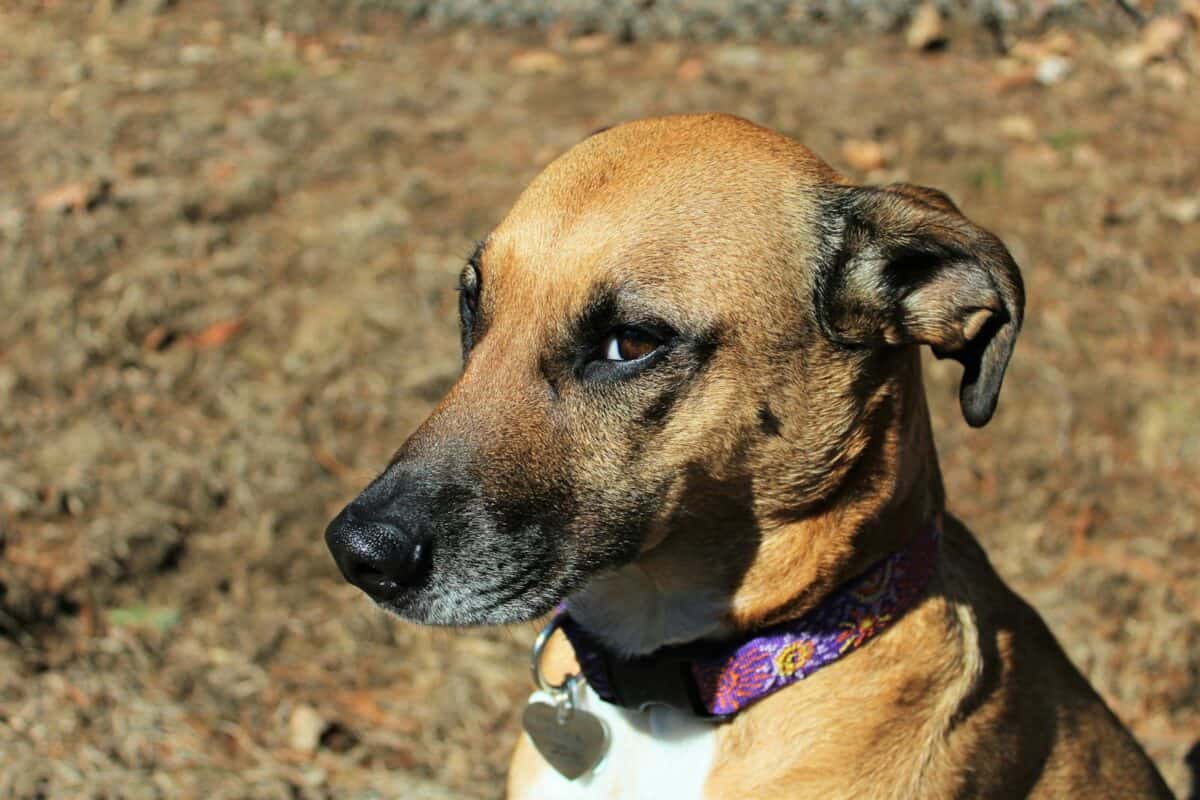
Dogs have long been cherished companions for humans, often celebrated for their loyalty and emotional sensitivity. But could our beloved pets harbor feelings akin to human jealousy? Recent research and observational studies suggest that dogs do indeed exhibit behaviors that reflect jealousy. Whether it’s the arrival of a new family member or sharing attention with another pet, these heartfelt pooches have their unique ways of expressing envy. In this article, we will explore 14 surprising ways dogs show jealousy, shedding light on canine emotions and deepening our understanding of our four-legged friends.
Barking for Attention

One of the most common signs of jealousy in dogs is excessive barking. When a dog feels that they are losing out on their owner’s attention, they may start barking more than usual. This behavior is their way of calling you back, hoping to reclaim your undivided love and focus.
Interrupting Affection
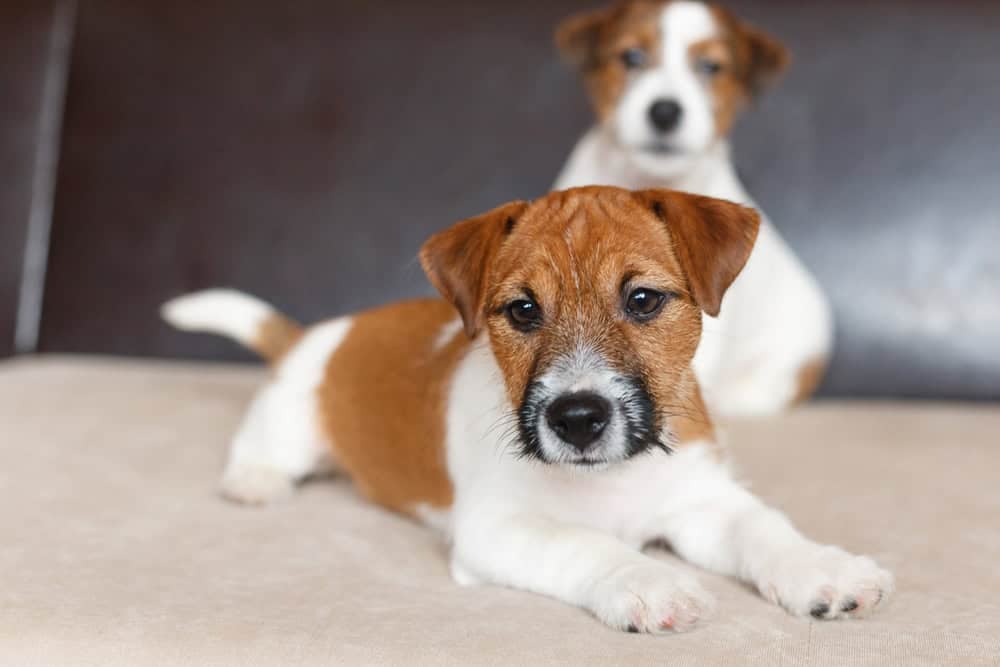
If you’ve ever noticed your dog nudging their way between you and another person or pet, they might be showcasing jealousy. Interrupting affection by pawing at you or wedging themselves into snuggle time signals that your canine companion wants to ensure they’re still a priority.
Sulking or Withdrawing
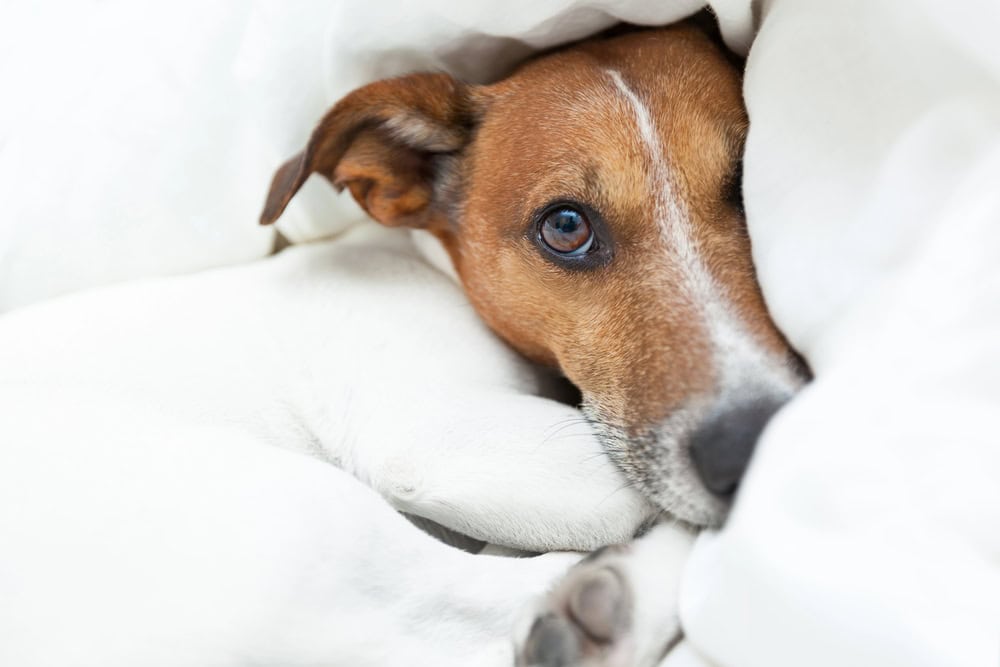
Just like humans, dogs can sulk when they feel jealous. A normally playful pooch might retreat to a corner or turn their back on you to express their disappointment. This withdrawal is their way of showing you that they feel left out and are yearning for your attention.
Avoiding Eye Contact
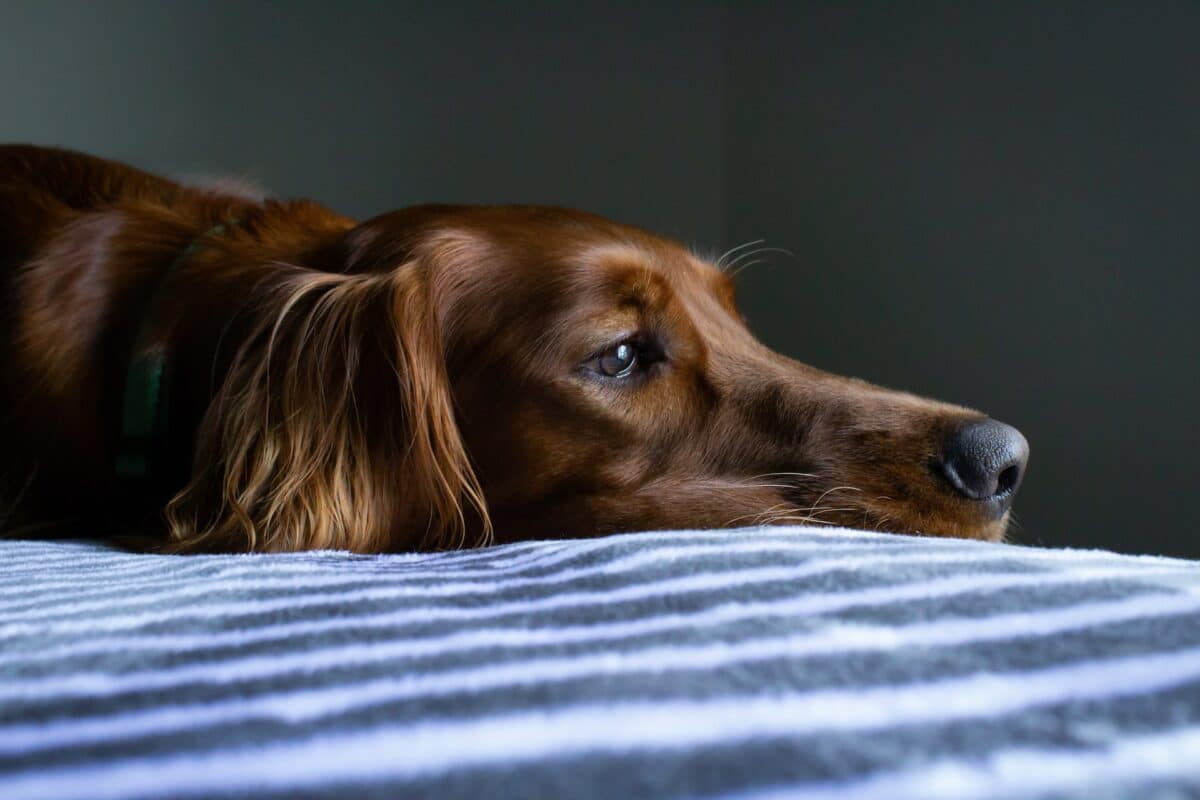
Another clear sign of jealousy is when a dog avoids making eye contact. Dogs are typically eager to communicate through their eyes, so when they avert their gaze, it could indicate that they’re upset about sharing your attention with someone else.
Destructive Behavior
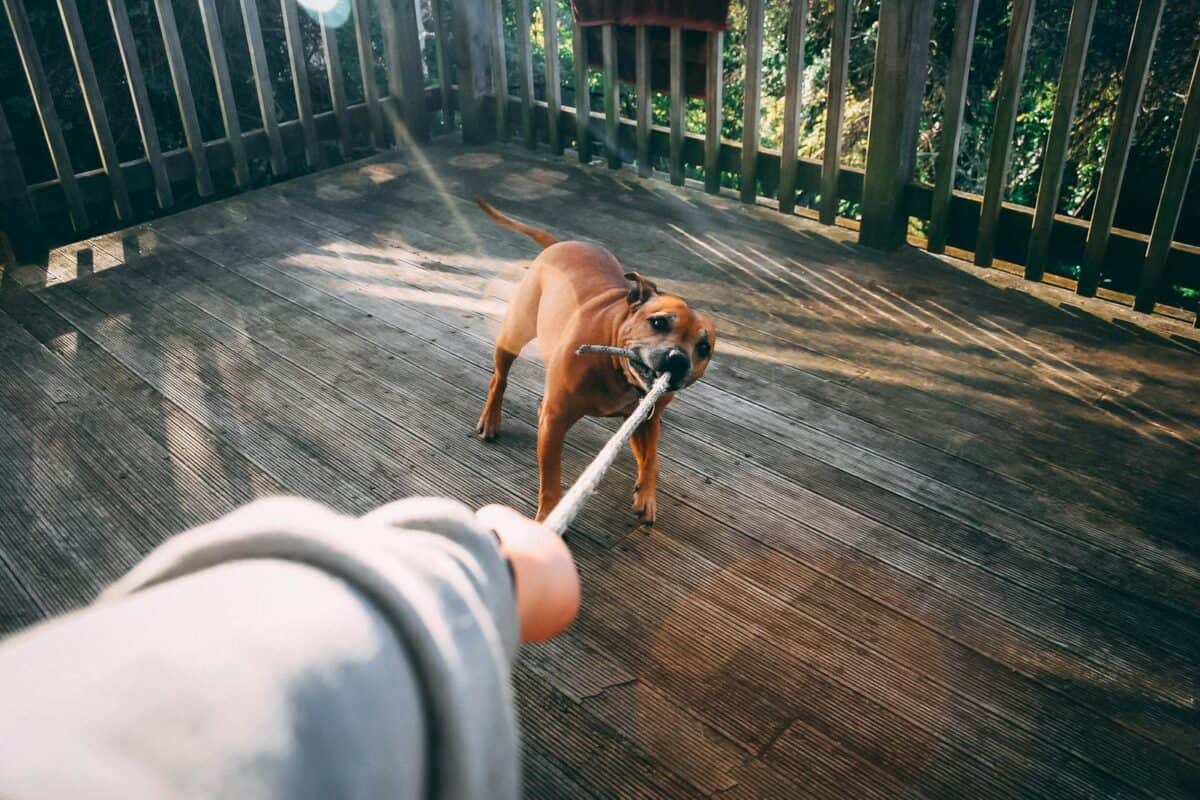
At times, jealousy in dogs can manifest in destructive behaviors such as chewing furniture or tearing up household items. Such behaviors are often cries for attention, signaling their distress over perceived neglect.
Clinginess

On the flip side of withdrawal, some dogs become more clingy when they’re feeling jealous. They may follow you from room to room or seek constant physical contact, as if to confirm that their bond with you remains unbroken.
Urinating Indoors

The stress of sharing affection can sometimes trigger inappropriate bathroom habits in dogs. Urinating indoors, particularly in areas that smell like the competing pet or person, is a clear sign of marking their territory due to jealousy.
Pushing or Nudging Objects

Jealous dogs may push or nudge objects with their nose as a way to distract you from the other pet or person. This behavior is akin to them saying, “Look at me instead!” and is a playful yet insistent gesture for regaining attention.
Guarding Behavior

Sometimes jealousy may prompt a dog to exhibit guarding behavior, such as standing protectively in front of you or growling softly. This behavior is their instinctual way of warding off competition and securing their place in your heart.
Ignoring Commands
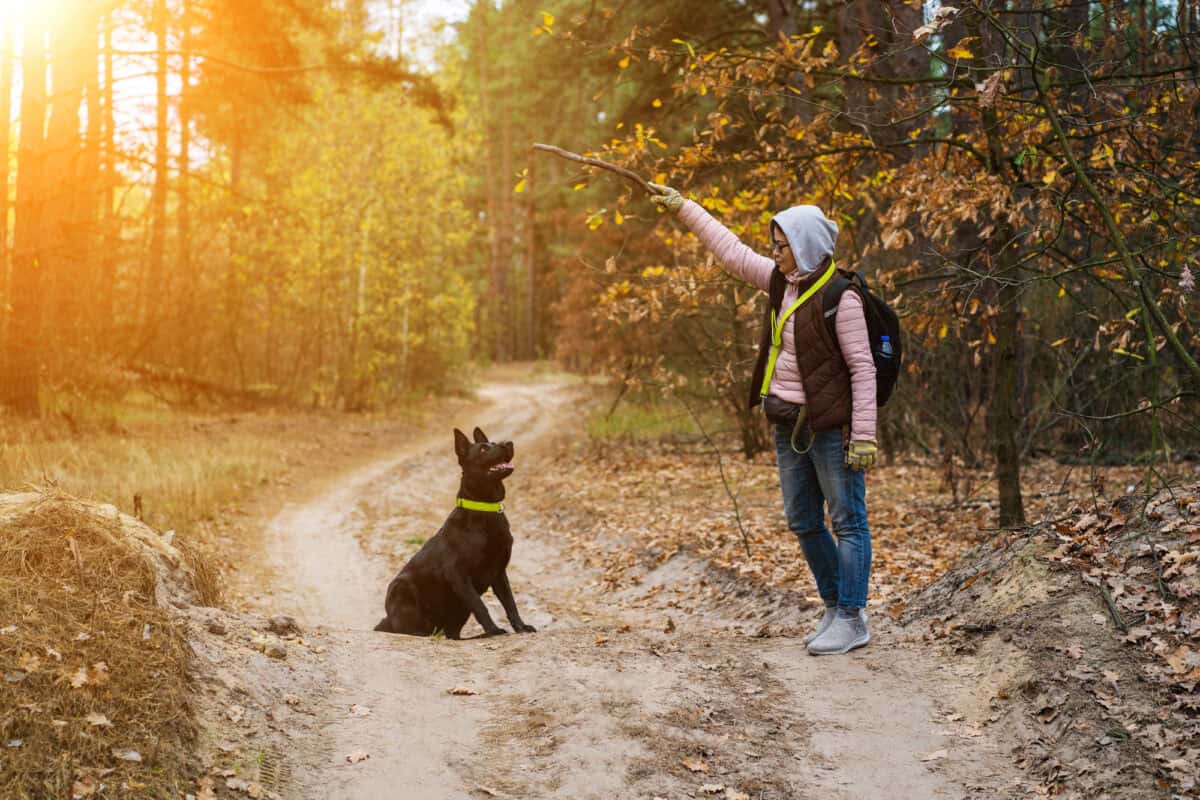
Jealousy can make an otherwise obedient dog act out by ignoring commands. This defiance might be a form of protest against what they perceive as unfair division of your attention.
Attention-Seeking Tricks

Dogs are remarkably intelligent and may resort to their usual charming repertoire of tricks in an effort to lure your attention back. Whether it’s fetching a toy or executing a flawless sit, these tricks are employed to refocus your attention on them.
Food-Guarding
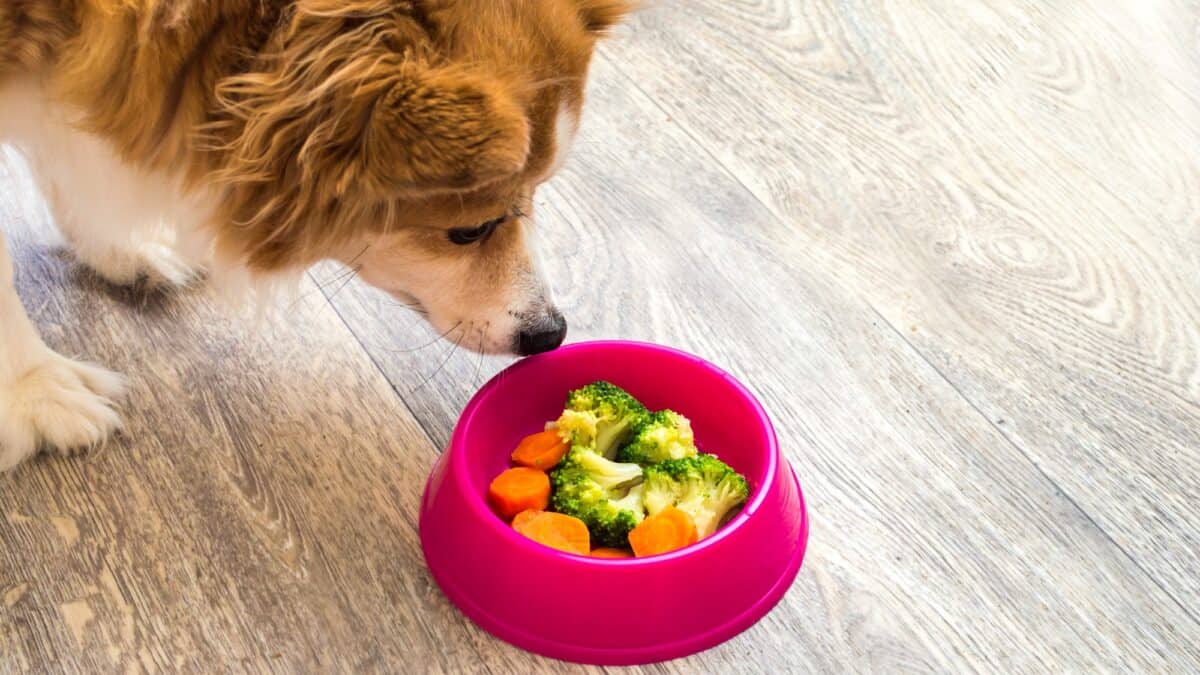
In multi-pet households, a jealous dog might start guarding their food more aggressively. This behavior is an attempt to assert dominance and ensure that they’re not going unnoticed amid other pets.
Ears Pinned Back

The position of a dog’s ears can convey a lot about their emotional state. If your dog’s ears are pinned back while in the presence of a competing attention magnet, they may be displaying signs of jealousy.
Summary: Understanding and Addressing Canine Jealousy
Recognizing the subtle (and not-so-subtle) ways dogs show jealousy helps us appreciate the depth of their emotions. Dogs, like people, need reassurance and love to feel secure. By understanding their behaviors, we can better address their needs. Making sure each pet receives individual attention, maintaining consistent routines, and providing mental stimulation are effective ways to mitigate jealousy. Ultimately, fostering an environment where every pet feels secure and valued is essential to maintaining a harmonious home.

- The Story of the Arctic Fox’s Incredible Seasonal Transformation - July 18, 2026
- 10 Most Venomous Snakes in US National Parks - July 18, 2026
- The Moth That Drinks Blood - July 18, 2026