
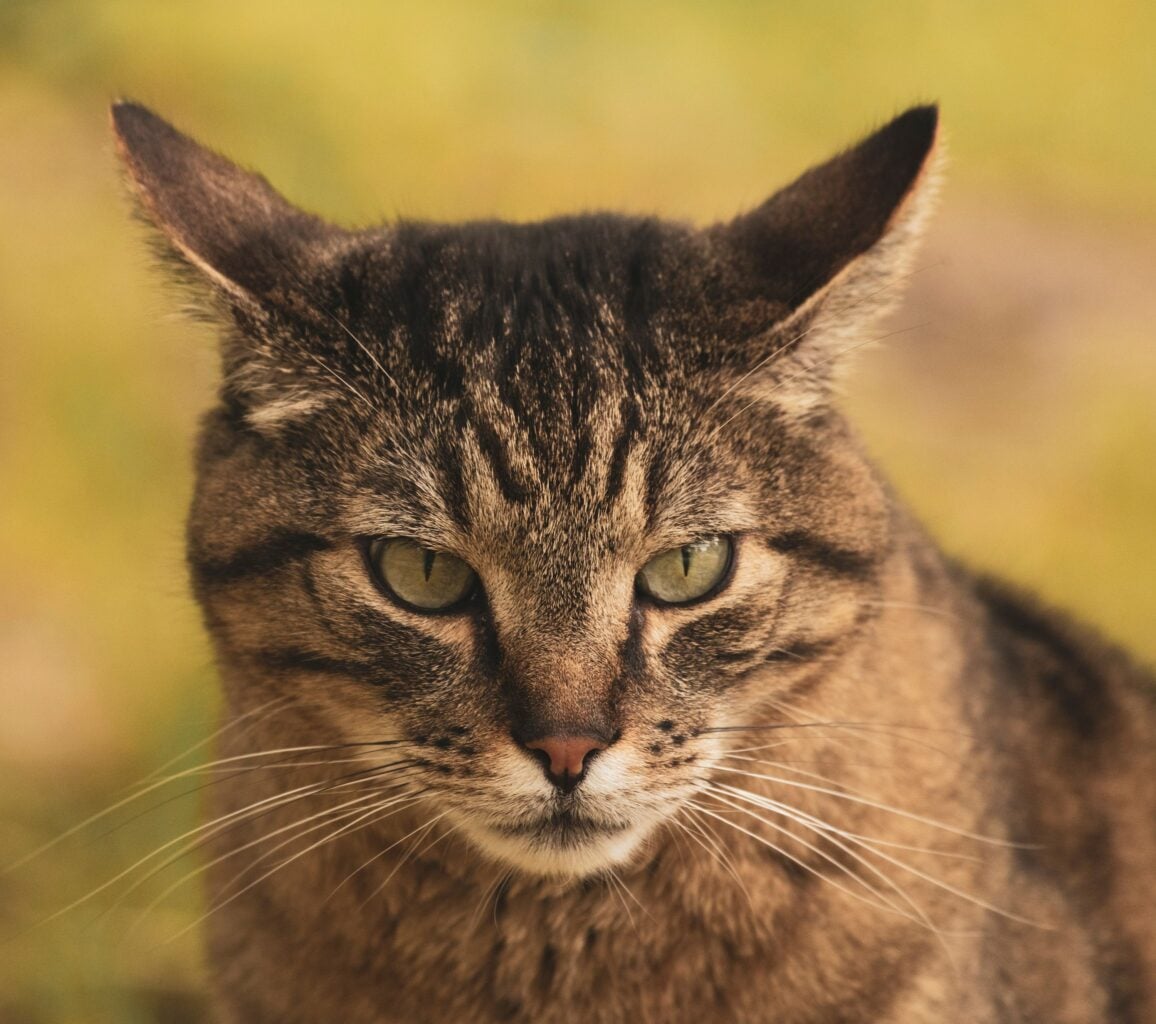
There’s a particular look a cat gives right before things go sideways. It’s subtle, almost polite, and most people miss it entirely because they’re too busy enjoying the moment to notice the warning signs stacking up. Cats aren’t secretive creatures by nature, they’re actually broadcasting their moods constantly. The problem is that most of us never learned to read the signal.
The Tail Tells on Them First
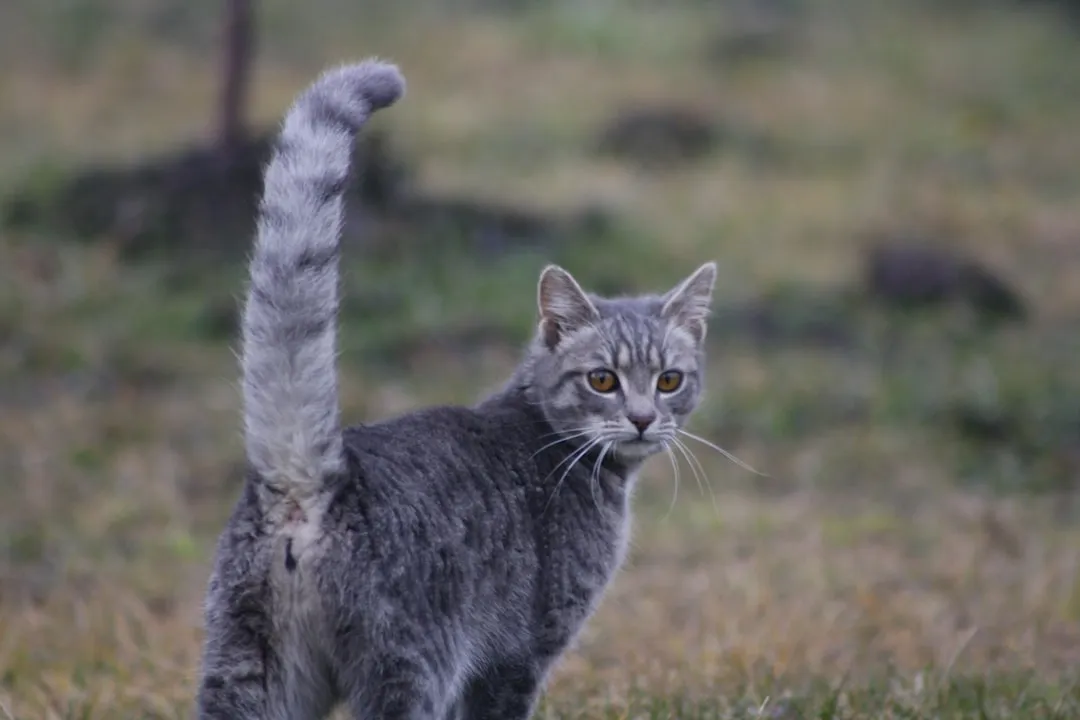
If you want an early read on a cat’s mood, skip the face and watch the tail. The tail serves as perhaps the most reliable barometer of a cat’s emotional state, and its movements become more pronounced and agitated compared to a relaxed baseline. A slow, gentle swish while your cat watches a bird outside means something completely different from a sharp, rapid flick while you’re mid-pet.
Context is everything here. A flicking tail when the cat is not stalking something most likely means that the cat is annoyed. If the flicking escalates into full thrashing or thumping against furniture, that’s not indecision anymore, that’s a cat telling you, in fairly unmistakable terms, to knock it off.
Airplane Ears: The Universal Back Off Signal
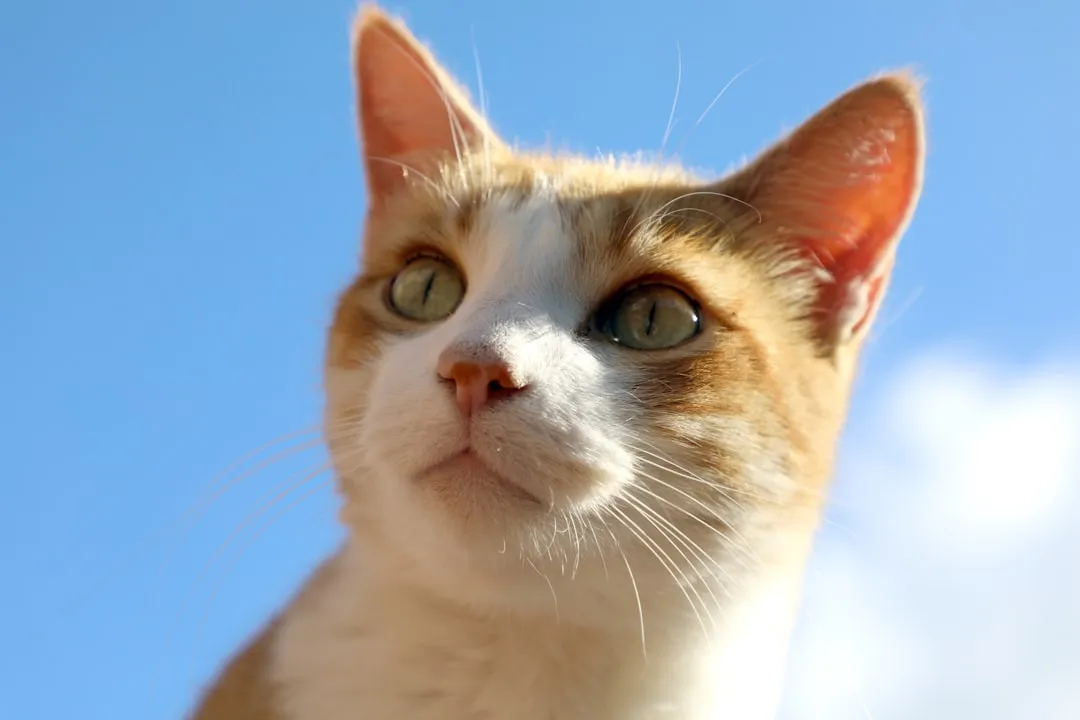
Cat ears rotate almost like tiny satellite dishes, and that mobility makes them one of the most honest parts of a cat’s body. Sideways ears serve as a warning sign indicating annoyance, fear, or potential aggression, and when a cat’s ears are sideways it is best to remove any potential stimulus causing discomfort and give the cat space. Owners often call this the “airplane ears” look, and once you’ve seen it a few times, you can’t unsee it.
The degree of rotation actually matters. When a cat flattens their ears until they push out to the sides like airplane wings, the cat is feeling uncomfortable, and the more the ears flare out, the more threatened the cat feels. Full flattening against the skull is a step beyond simple annoyance, it usually means the cat has moved from irritated to genuinely defensive.
The Sudden Skin Ripple and Swat
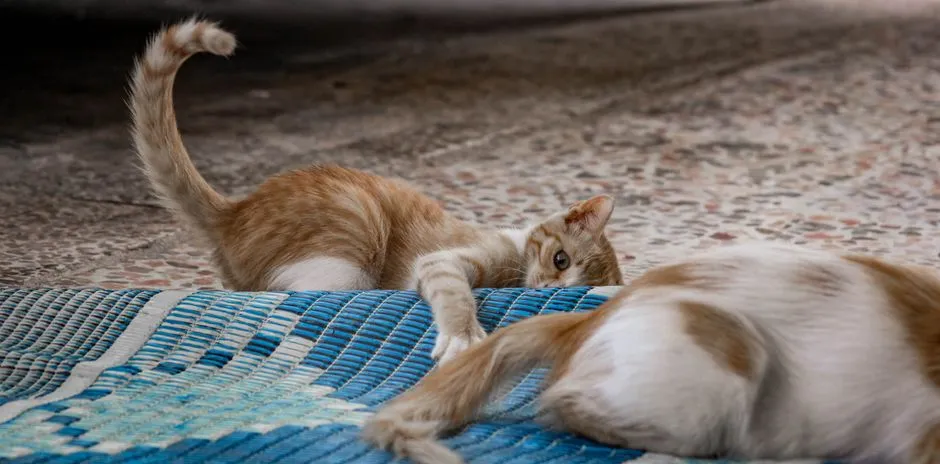
This one catches a lot of people off guard because it looks almost involuntary, and in a sense, it is. A cat being petted a little too long might suddenly develop a visible ripple or twitch running along its back, right before it swats at your hand or gets up and walks off. It’s the physical version of a person’s shoulders tensing when someone won’t stop talking.
Veterinary behaviorists refer to this pattern as overstimulation, and it’s one of the more common reasons cats seem to “turn” on affectionate owners mid-pet. The cat isn’t being unpredictable or ungrateful. It’s simply reached its sensory limit, and the skin twitch is often the last polite warning before teeth or claws get involved.
Turning Their Back (or Head) On You
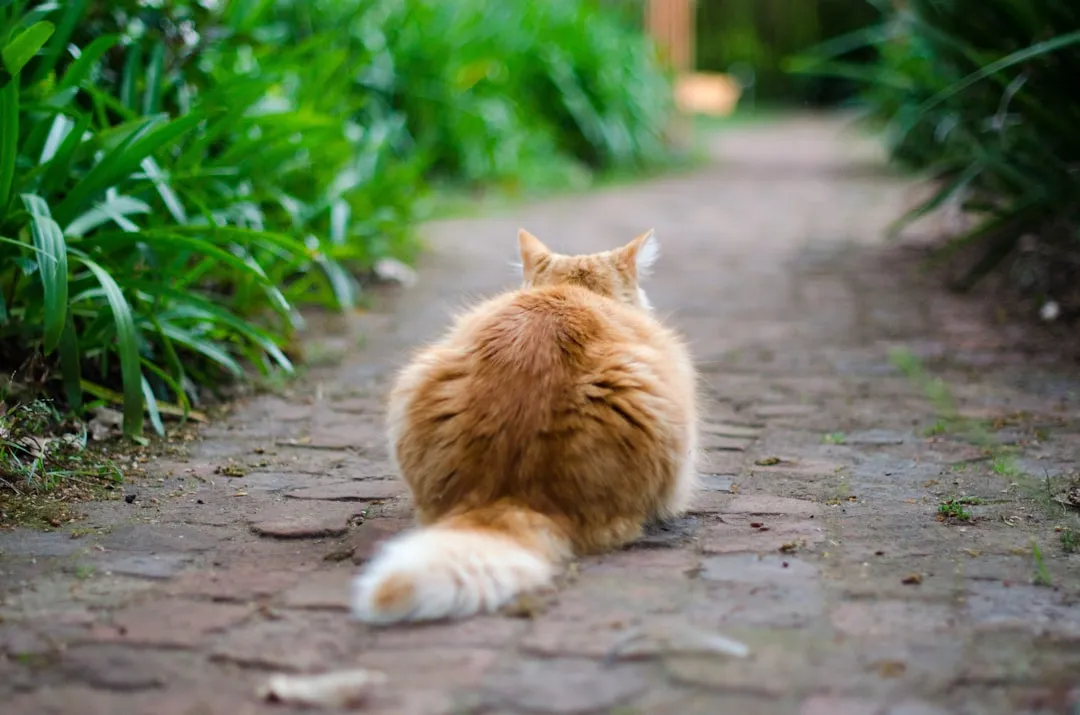
Cats are subtle communicators, and sometimes the clearest message is the absence of engagement. If a cat is not enjoying something, such as a belly rub, they may turn their head away in protest. It’s a small gesture, but it’s deliberate, and it’s easy to miss if you’re focused on finishing the interaction the way you intended.
A full body turn, walking away mid-pet, or hopping off a lap without warning tends to follow the same logic. Cats don’t always give much warning before letting us know they’re bothered, and an irritated cat’s body language communicates that they want you to stop what you’re doing. Respecting that exit, rather than following the cat or trying to coax it back, tends to build more trust over time than persistence ever does.
Overgrooming and Other Displacement Behaviors
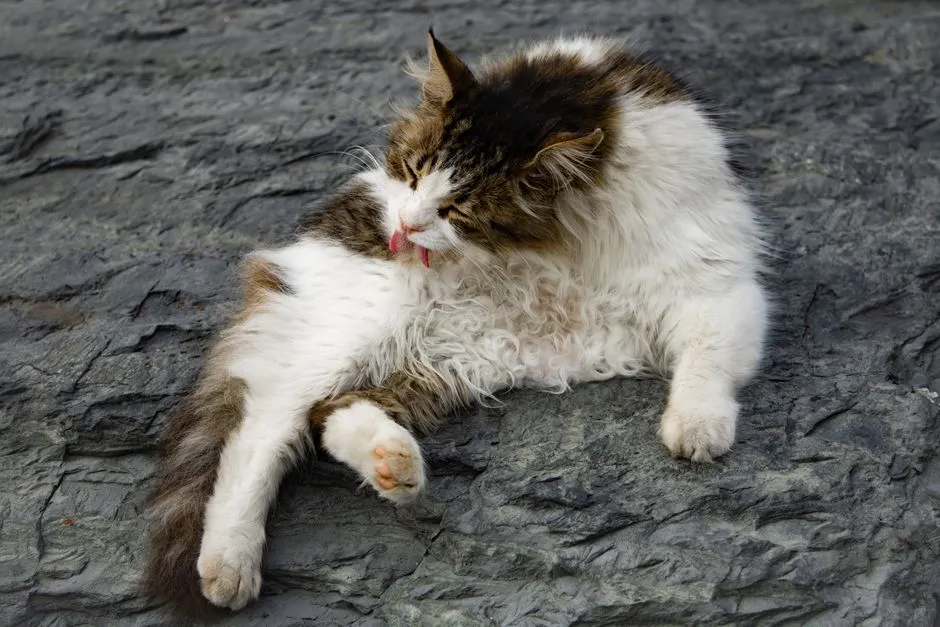
Sometimes annoyance doesn’t show up as an obvious protest at all. Instead, a cat redirects its irritation into a completely unrelated activity, something behaviorists call a displacement behavior. A stressed or irritated cat may engage in normal behaviors, such as licking their lips, scratching, grooming, and yawning, performed out of context as a way to cope with underlying tension.
This is easy to misread as the cat simply being fastidious or sleepy. In reality, sudden grooming right after a tense moment, like being picked up against its will, is often a cat’s way of processing discomfort rather than expressing contentment. If the grooming becomes repetitive or focused on one spot, it’s worth paying closer attention, since excessive grooming that leads to localized hair loss can be a sign of ongoing stress rather than a passing irritation.
The Fixed, Narrow-Eyed Stare
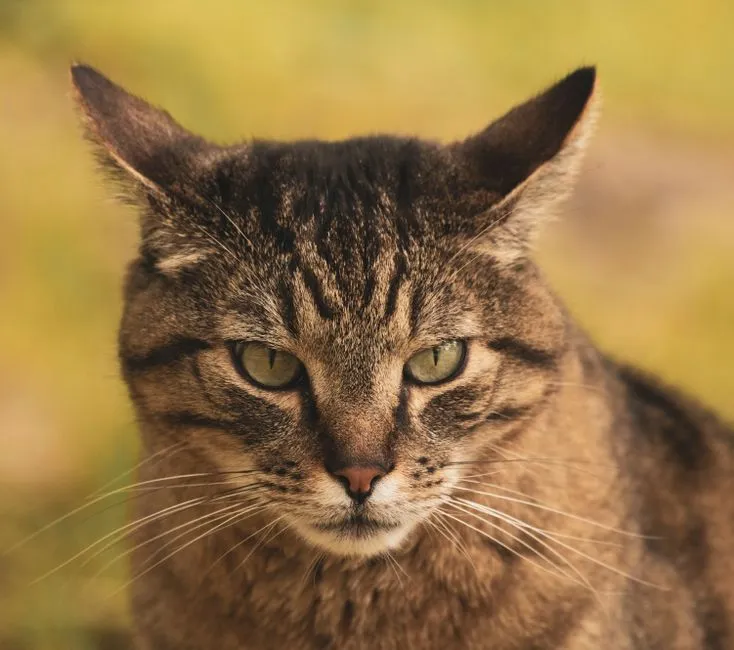
Eyes are one of the more nuanced signals cats send, largely because the same dilated pupils can mean excitement, fear, or irritation depending on everything else happening around them. Dilated pupils can mean excitement, fear, or arousal depending on context, while narrowed pupils often indicate irritation or aggression. A relaxed cat’s gaze tends to be soft and unfocused, almost sleepy, which makes a hard, narrow stare stand out by comparison.
The absence of a slow blink is another clue worth noticing. Cats that trust and feel comfortable around someone will often offer slow, deliberate blinks as a kind of relaxed acknowledgment. When a cat locks onto you with an unblinking, narrowed gaze instead, especially paired with stiff posture, it’s generally not affection you’re looking at, it’s a cat keeping close tabs on something it isn’t thrilled about.
The Silent Treatment: Ignoring You on Purpose
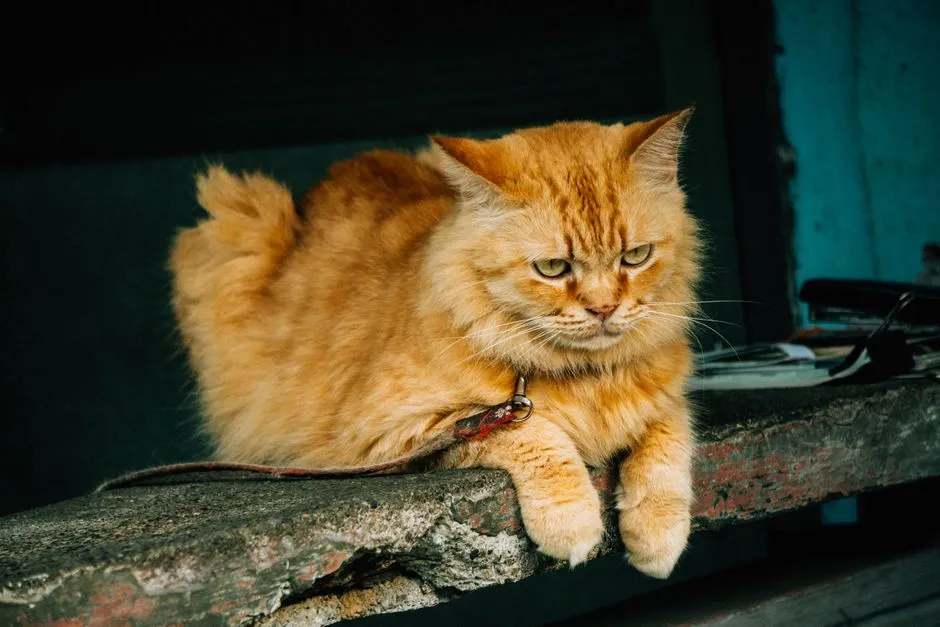
Cats are excellent at pretending you don’t exist when they’ve decided they’re unhappy with you, and this isn’t just anthropomorphizing on our part. Research has noted that the human-cat bond is a complex interspecies dynamic, and cats can show reduced social engagement in response to their environment or interactions they find unpleasant. A cat that suddenly avoids the room you’re in, or refuses to acknowledge a treat offered right after a disagreement, is making a choice, not forgetting you’re there.
This withdrawal tends to be more common after specific triggers, like a vet visit, an unwanted bath, or being scolded for scratching furniture. It rarely lasts long, and it’s not vindictive so much as self-protective, a cat giving itself space the same way it would from any other source of stress. The good news is that this particular grudge is usually short-lived, and a little patience on your end typically restores things without much effort.
Final Thoughts
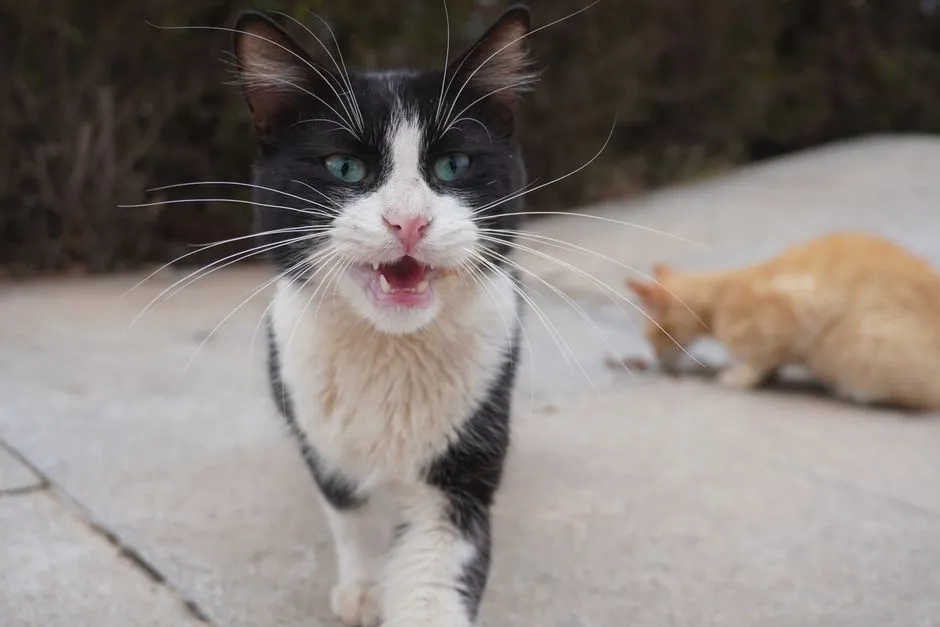
None of these behaviors are dramatic on their own, and that’s exactly the point. Cats rarely escalate to hissing or scratching without a string of quieter signals beforehand, and most of those signals get overlooked simply because they’re easy to miss if you’re not paying attention. Learning to notice a tail flick or a sideways ear isn’t about walking on eggshells around your cat, it’s closer to basic courtesy.
My honest opinion after digging into how cats actually communicate is that we give dogs far too much credit for being expressive and cats far too little. Cats are constantly telling us how they feel, we just haven’t bothered to learn the language. Once you do, the relationship genuinely improves, not because the cat changes, but because you finally start listening to what it’s been saying all along.

- 6 Exotic Bird Species You Can Spot in U.S. National Parks - July 19, 2026
- 11 Iconic American Birds Facing New Challenges and How You Can Help - July 19, 2026
- 10 Friendliest Animals in the World - July 19, 2026