
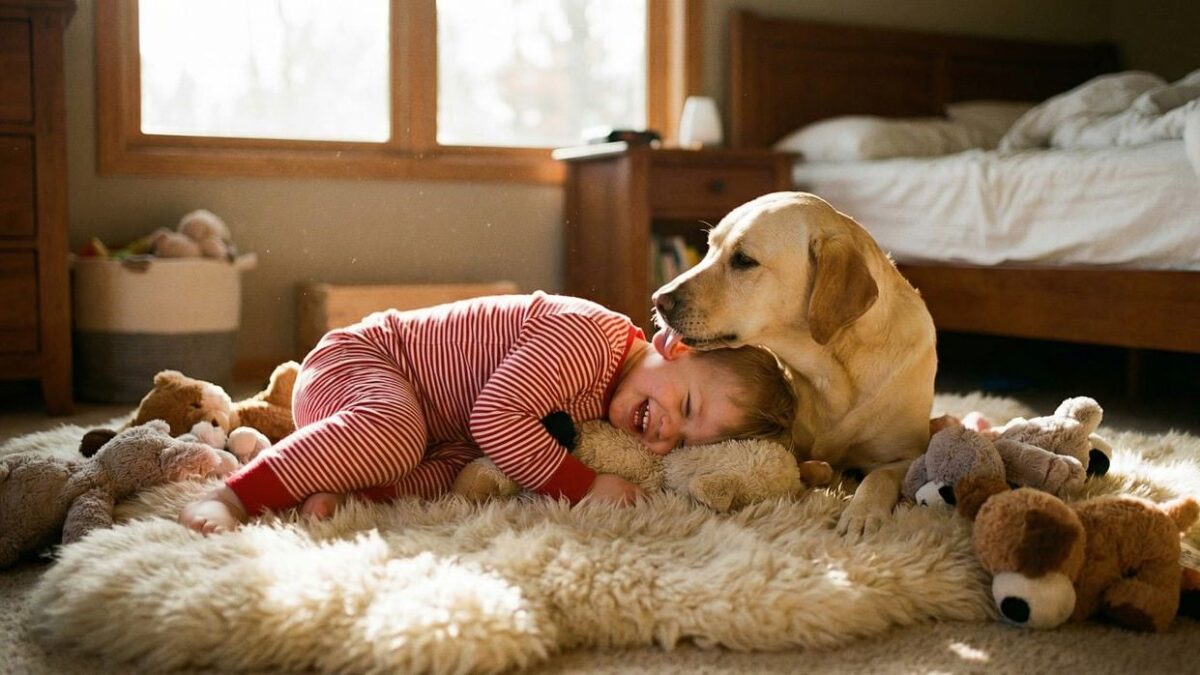
Most people expect a dog’s final days to be quiet, gradual, and distant. A slow fade. But owners who have actually lived through it describe something completely different. They describe a dog who seemed, in some ways, more present than ever – choosing spots deliberately, making eye contact that didn’t feel like coincidence, and doing things that seemed impossible for a body that was shutting down.
Veterinarians and animal hospice caregivers have documented these patterns across thousands of cases. What they’ve found is that dogs don’t just drift away. They communicate. And the things they do in those final days tend to stay with their owners for the rest of their lives. Some of these will surprise you. A few might break your heart. But every single one is worth knowing before you ever have to face it.
#13 – Seeking Out the Strangest Resting Spots
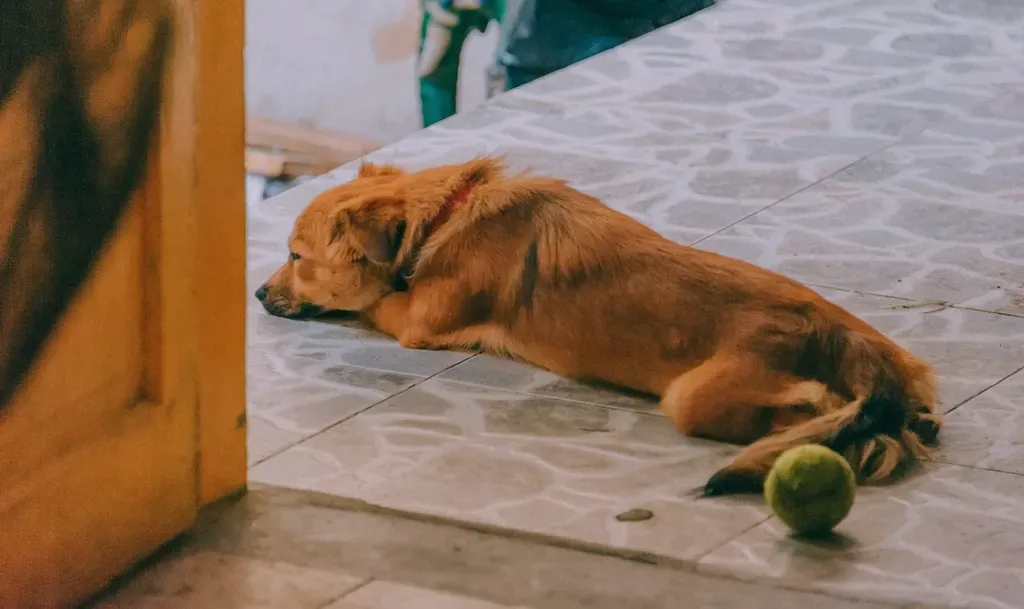
Dogs nearing the end will often abandon their beds – the ones they’ve slept in for years – and choose a cold tile floor, a shadowed corner, or the middle of a hallway. It seems random. It isn’t. The behavior reflects a deep instinct to find a space that feels secure and protected as their body weakens, somewhere with minimal foot traffic but still enough proximity to the household to feel safe.
What stays with owners is the specificity of it. Not just that the dog moved, but where it moved to – and how deliberate it looked. Many people can still picture that exact spot years later. The dog who spent a decade on the couch suddenly choosing a patch of floor near the back door. That image tends to become one of the first things the mind replays.
Fast Facts
- Dogs most commonly relocate to cool, hard surfaces – tile, hardwood, or concrete – as body temperature regulation becomes difficult near end of life.
- Most dogs live between 10 and 13 years, meaning owners often share a decade or more of daily habits before these changes appear.
- Small breeds tend to live 10–15 years; giant breeds average just 8–10 years, making their final-stage behaviors arrive sooner.
- The chosen spot is often within sight or scent range of the owner’s most-used room – proximity without pressure.
- Veterinarians note behavioral end-of-life changes can begin as early as three months before death.
#12 – Following You From Room to Room Without Rest

Some dogs become relentless shadows in their final days. They trail their owner everywhere, even when movement clearly costs them something – pausing at doorways, leaning heavily against legs, resting for a moment before continuing the follow. It stands in sharp contrast to the independence most dogs carry for most of their lives, and it catches owners off guard.
Vets note this clinginess intensifies precisely when mobility is declining the fastest, which is what makes it so striking. The dog is spending its last reserves of energy to stay close. Owners describe it as both comforting and quietly devastating – comforting because the dog is right there, devastating because you know exactly why. That constant warm presence at the edge of every room is something people describe missing in an almost physical way afterward.
#11 – Turning Away From Once-Favorite Foods

A dog that has stolen food off counters, begged shamelessly at every meal, and inhaled every treat you’ve ever offered – suddenly walking away from its bowl. This is one of the earliest and most consistent end-of-life signals veterinarians document, and it still manages to feel personal every single time. Owners find themselves cycling through favorite treats, homemade meals, anything, only to watch the dog sniff once and turn away.
The refusal isn’t preference. It’s usually tied to nausea, organ slowdown, or a simple lack of energy to process food. But knowing that doesn’t make it easier to watch. Families often remember the exact last thing their dog accepted – a small piece of chicken, half a biscuit – and the memory of that final meal carries a weight that’s hard to explain to anyone who hasn’t been there.
Worth Knowing
- Loss of interest in food and water is one of the most consistent and early end-of-life signals vets document across breeds.
- Warming food slightly or hand-feeding can sometimes encourage a few more accepted bites – and those moments matter.
- A dog may still accept high-value treats like small pieces of chicken or cheese even after refusing their regular bowl entirely.
- Appetite loss is often tied to nausea or organ slowdown, not a preference change – it’s physical, not personal.
#10 – Sleeping Through the Day Yet Waking Restless at Night
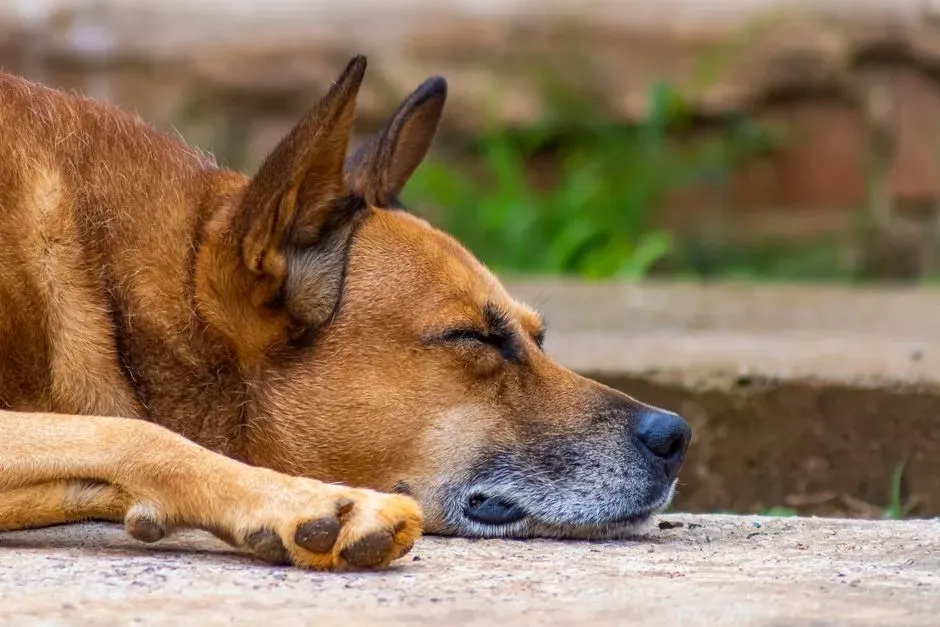
The dog sleeps through the afternoon almost untouchably still, then wakes at 2 a.m. pacing, whining, or circling. This reversal disrupts the whole household, and it signals something deeper than ordinary senior sleep changes. Caregivers note the nighttime restlessness often peaks when the house goes quiet – when there’s no ambient noise, no movement, no distraction from whatever discomfort the dog is managing.
What surprises owners is the remedy. The restlessness often settles almost immediately the moment they sit with the dog. Not medication. Not a different sleeping spot. Just presence. People carry that detail – that they were the thing that helped – and it’s both a comfort and a responsibility they feel long after the dog is gone.
#9 – Staring at Walls or Into Empty Space
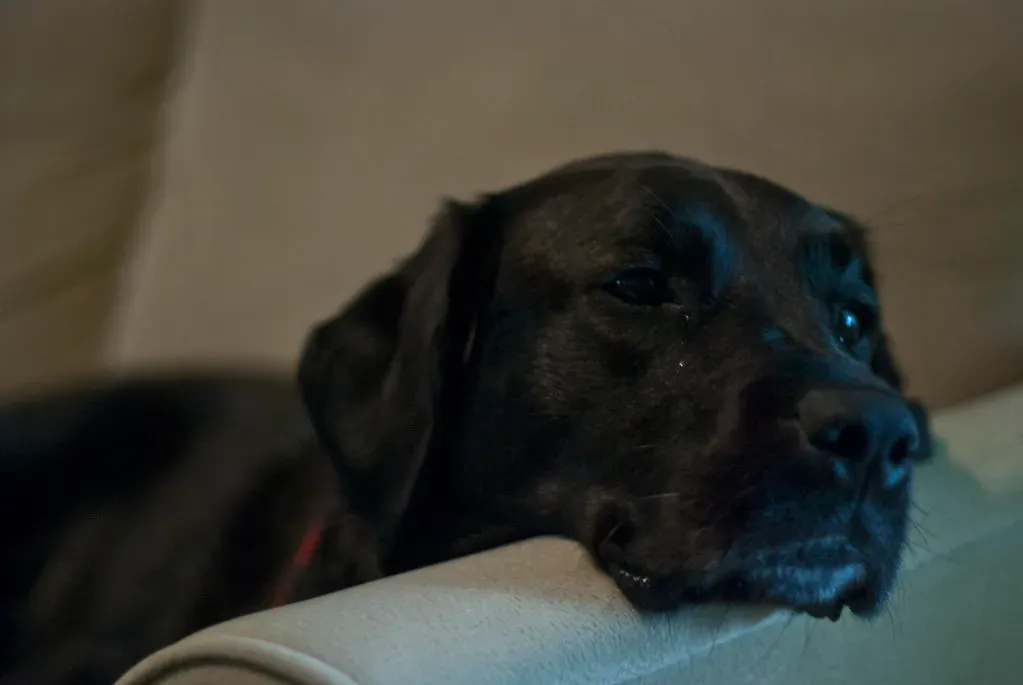
It usually starts with the owner noticing the dog is looking at something that isn’t there. A blank wall. A corner of the ceiling. A fixed point in the middle of the room. The gaze is sustained – not a distracted glance, but a long, locked stare – and it’s one of the behaviors that unsettles families the most because it replaces something they loved: the dog’s alert, responsive, curious eyes always tracking them.
Veterinarians link this to cognitive changes and sensory decline common in the final stage of life. The brain is no longer processing the world the way it once did. Owners often try to redirect the dog, call its name, wave a hand in front of its face, and watch the stare return the moment they stop. The image of those eyes fixed on nothing is one that tends to stay.
#8 – Pacing Short Distances Without Clear Purpose
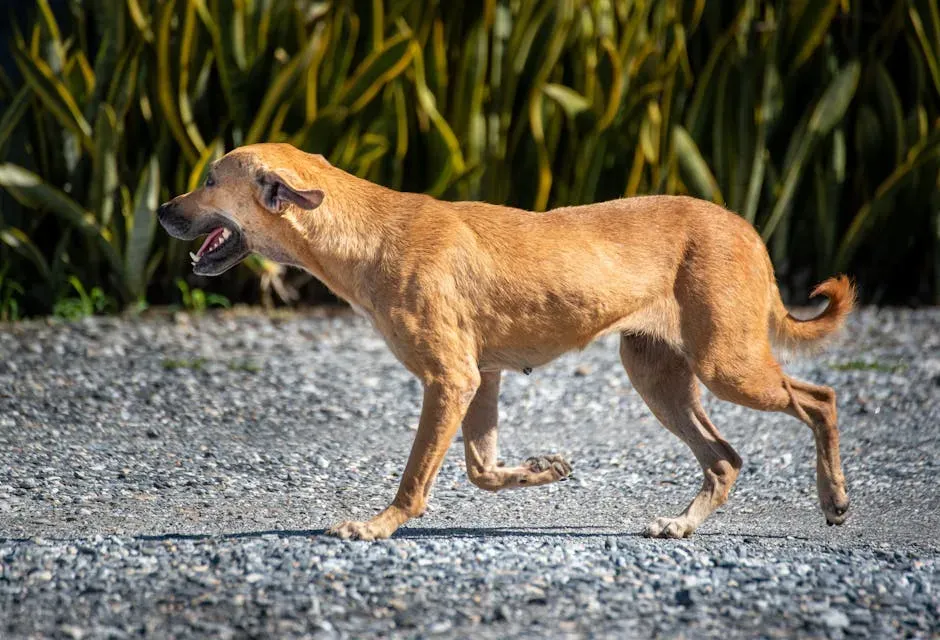
This isn’t the pacing of a dog that needs to go outside or wants a walk. It’s small, looping, back-and-forth movement – a few steps in one direction, a pause, a few steps back. There’s no obvious trigger, no window to look out, no door to scratch at. The pacing reflects physical discomfort and an instinct to find relief that the dog’s body can no longer locate.
Owners describe watching it with a specific kind of helplessness. You can’t fix it. You can’t explain it away. What many people discover is that gentle touch or soft, low talking can ease it – the dog settles, leans in, stops moving. That moment of stopping, of the dog finally going still against its person, is something families carry as one of the tenderest memories of those last days.
At a Glance: What Nighttime Restlessness & Pacing Can Signal
- Pain or discomfort — the dog seeks a position that doesn’t hurt and can’t find one
- Canine Cognitive Dysfunction (CCD) — similar to human dementia; pacing and nighttime waking are among its earliest signs
- Anxiety — when the world grows quieter and less familiar, the dog’s nervous system responds with movement
- The calming signal — a gentle hand or a low voice is often more effective than any environmental change
#7 – Withdrawing From Other Pets or Family Members
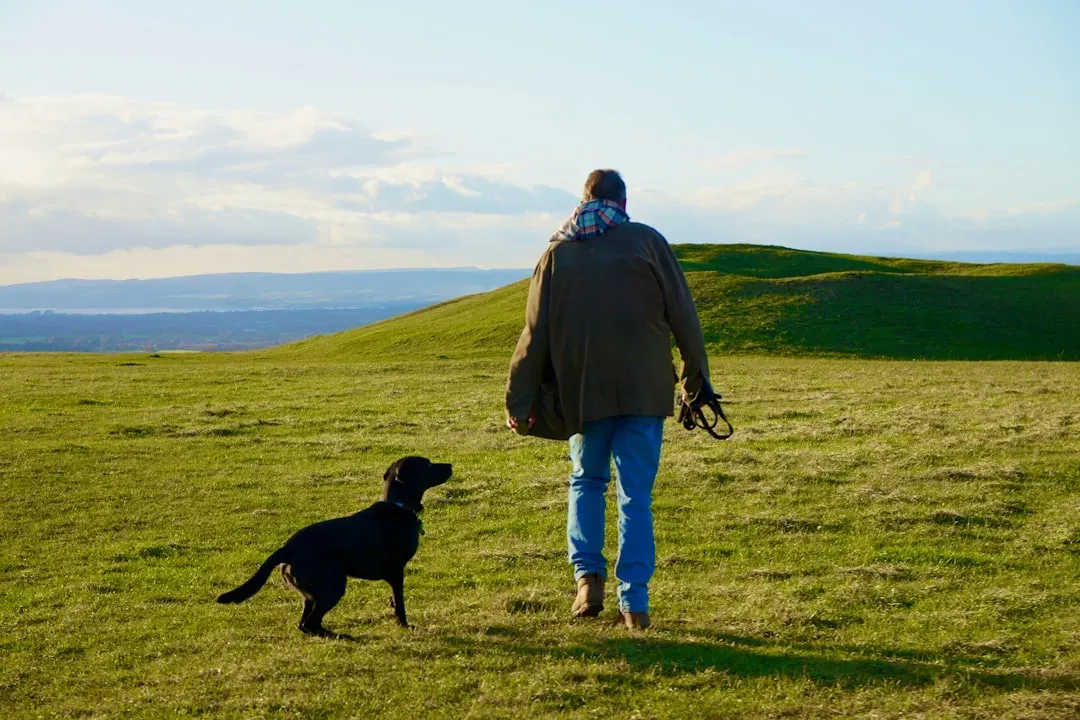
The family dog that once greeted everyone with equal enthusiasm begins choosing. It tolerates others but seeks one person. It withdraws from the other pets it used to sleep next to. This selective retreat can feel like rejection at first – especially to children in the household – until you understand it as an energy decision. The dog is spending what it has left where it matters most to them.
Hospice caregivers who work with animals note how quickly and clearly this preference crystallizes in the final week. What the behavior reveals, almost accidentally, is the dog’s truest attachment hierarchy – who it turned to when it had nothing left to give. For the person chosen, that knowledge is something they carry quietly for the rest of their lives.
#6 – Making Soft, New Sounds That Weren’t Typical
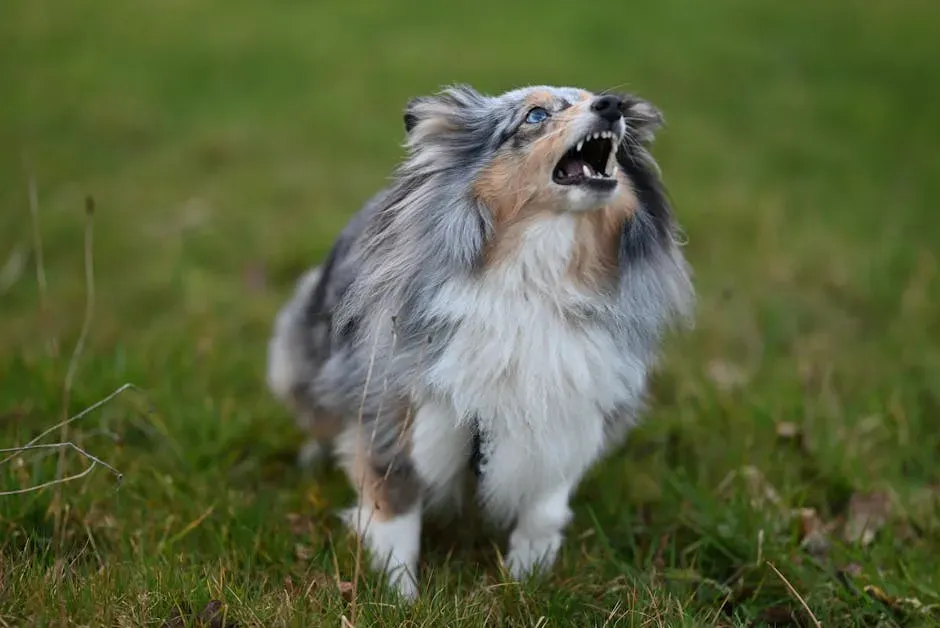
Low whines that don’t match any previous behavior. Long, slow sighs. Unusual moans that occur during rest or when the dog shifts position. These sounds are different from the yelps of an earlier injury, different from the bark demanding dinner, different from every vocalization the owner learned to decode over years. They’re quieter. And somehow more communicative.
Owners remember the exact tone because of how sharply it contrasted with everything that came before. What lingers most is the sense that these sounds were directed – not random discomfort noise, but something aimed at the person nearby. Whether or not that interpretation is scientifically exact, it’s what families consistently describe. The dog spoke in a language it had never used before, and only toward the end.
#5 – Ignoring Toys and Walks They Once Demanded
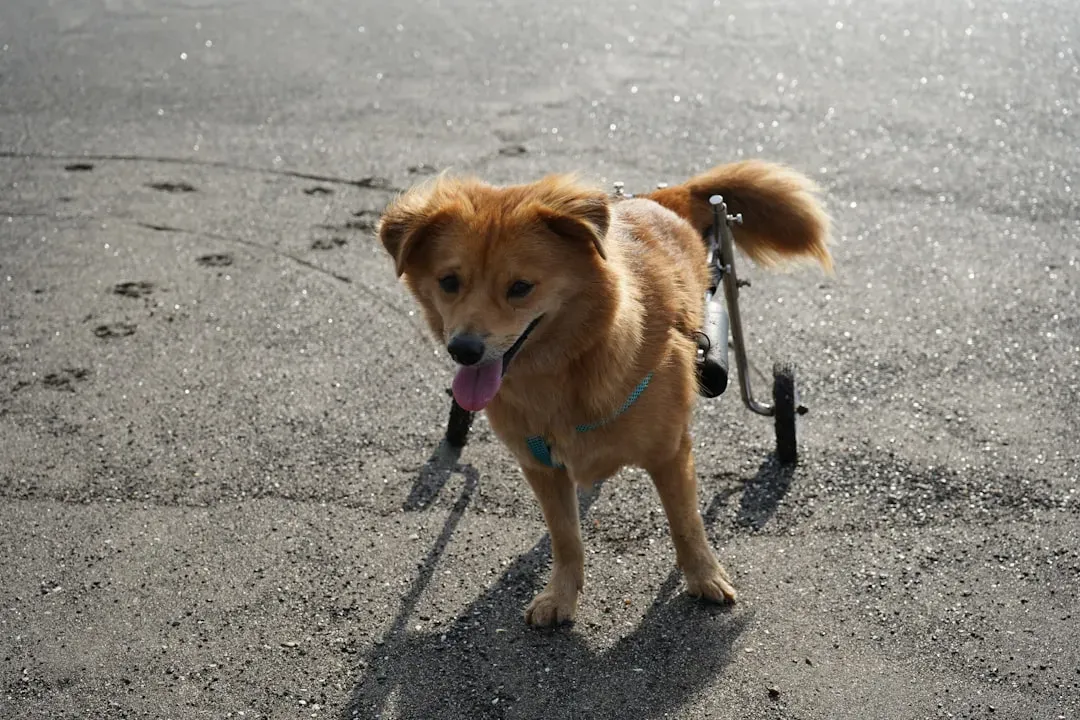
The leash hangs by the door and the dog doesn’t move. A favorite toy lands two feet away and the dog watches it without reacting. For a dog that once lost its mind at the sound of a leash clip or the squeak of that exact toy, the stillness is louder than any noise. It’s not tiredness. It’s something that sits heavier than that – a complete departure from the personality that defined the dog for years.
Many owners describe trying one last time. One last walk around the block. One last throw of the ball. What they carry afterward isn’t the failure of the attempt – it’s the grace with which the dog declined. No frustration, no longing look at the toy. Just rest, chosen deliberately. The dog had moved on from those joys before the owner was ready to let them go.
Quick Compare: Then vs. Now
- The leash: Once triggered wild excitement → now ignored entirely
- The favorite toy: Once obsessively carried → now watched without reaction
- Meal times: Once the highlight of the day → now met with indifference or a single sniff
- Greeting arrivals: Once a full-body celebration → now a slow lift of the head, or nothing at all
#4 – Pressing Its Body Against You for Long Periods
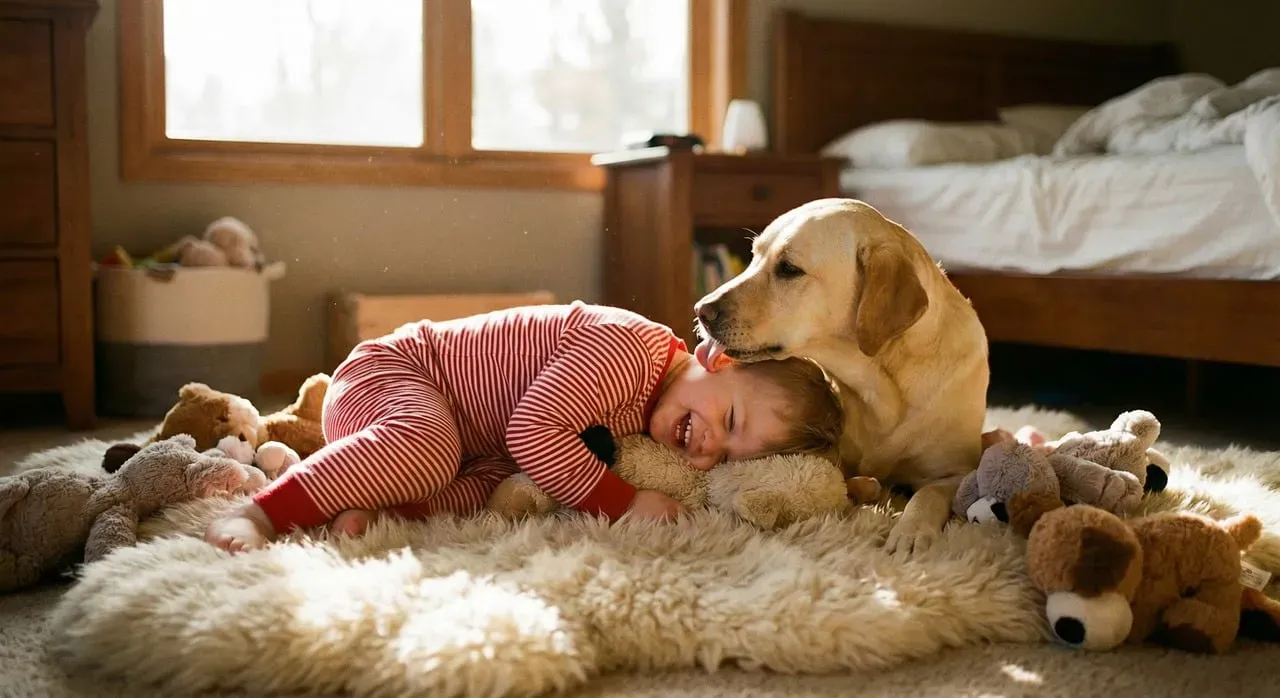
Not the brief lean of a dog asking for a scratch. Something longer, heavier, and stiller than that. The dog presses its full weight against its owner’s leg, or settles into a lap and stays there – not sleeping, just resting against the warmth of a person. The contact seems to provide something essential. Stability. Reassurance. Something that can’t be found anywhere else in those final days.
Until one has loved an animal, a part of one’s soul remains unawakened.
Anatole France
What makes this behavior so memorable is the continuation of it. The dog presses closer even as breathing grows labored. Even when the effort of staying pressed against someone should be too much. Owners describe the weight and warmth of that contact as something they physically miss afterward – not just emotionally, but in a bodily sense, like a pressure that left and didn’t return.
#3 – Having Accidents Indoors Without Apparent Distress
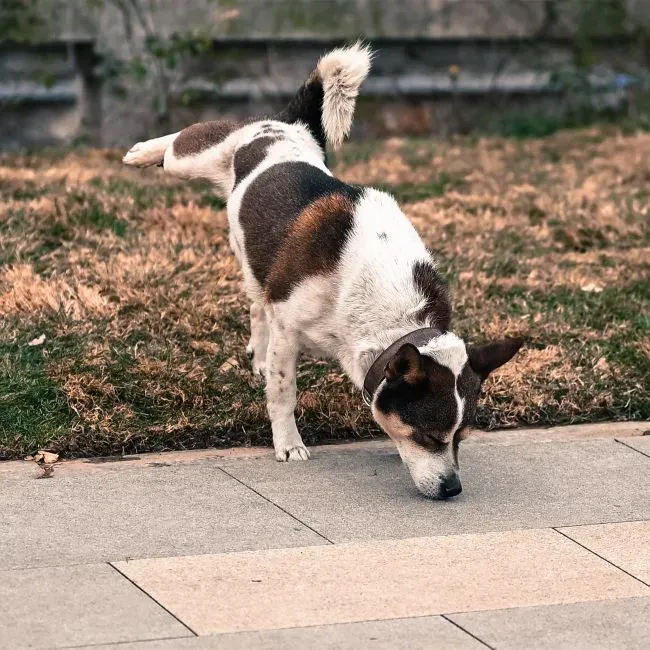
A dog that was reliably house-trained for ten or twelve years simply goes where it stands, without warning, without the usual signs of shame. No crouching low afterward. No avoiding eye contact. No anxious circling. Just – stillness. The accident happened, and the dog seems neither aware nor concerned. This isn’t regression. It’s muscle weakness and the body losing control of systems it once managed automatically.
What families describe carrying from this moment isn’t embarrassment or frustration – it’s the realization. The quiet recognition that this was no longer a training issue, no longer something fixable, no longer a behavior at all. It was the body announcing something the heart wasn’t ready to hear. And the dog’s peaceful acceptance of it, that absence of distress, is what stays with owners most. The dog wasn’t ashamed. It had let go of something humans hold onto far longer.
#2 – Breathing in Irregular Patterns That Owners Notice Immediately

You don’t need a medical background to recognize when breathing has changed. Shallow pulls of air. Long pauses followed by a deep, slow exhale. A rhythm that used to be invisible – you never noticed it because it was steady – suddenly impossible to ignore. Owners find themselves sitting awake listening to it, counting the intervals between breaths without meaning to, holding their own breath during the pauses.
Veterinarians emphasize monitoring these changes for comfort decisions, but what families describe is something more personal than clinical. The breathing becomes the most honest thing in the room. It doesn’t pretend, doesn’t mask, doesn’t have good days. People describe recognizing it as the clearest signal they received – a countdown delivered in sound, in the dark, in the quiet hours when the rest of the world was asleep and it was just them and their dog.
Worth Knowing: Breathing Changes to Watch For
- Shallow, rapid breaths at rest — a sign the body is working harder than it should be to stay oxygenated
- Long pauses between breaths — known as agonal breathing in final hours; can be alarming but is a natural part of the process
- Open-mouthed breathing while lying still — not panting from heat or play; different in rhythm and quality
- Audible exhales during rest — the long, slow sigh that owners often describe as the sound they hear most in memory
- When breathing changes feel significant, a hospice vet can help assess comfort and guide next steps — you don’t have to interpret it alone.
#1 – Looking Directly Into Your Eyes With Unusual Intensity
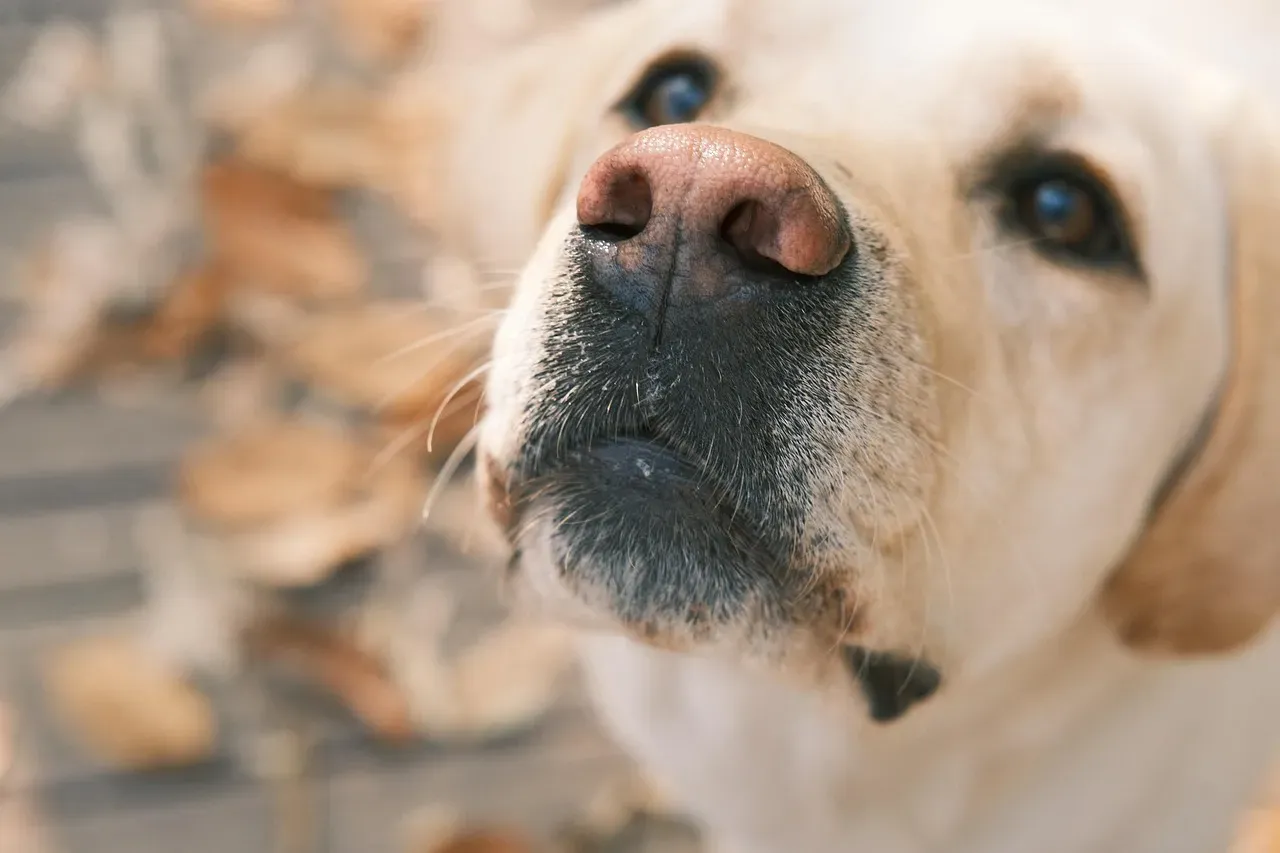
In the final hours or days, something shifts in the way a dog looks at its owner. It’s not the casual glance asking for dinner, not the excited lock before a walk. It’s sustained, direct, and still. The dog holds your gaze longer than it ever did during the ordinary years – and the look lands differently. Caregivers who have sat with hundreds of dogs in their final days describe this moment as the one that never gets easier to witness, no matter how many times they’ve seen it.
Families report it as the single image they return to most, sometimes years later. That gaze. The dog was calm during it, breathing slower, body still. Whatever the dog was doing in that moment – communicating, releasing, just being present one last time – the owner on the other end felt it completely. Not as something they interpreted later, but something they knew in real time. This was the goodbye. And it was given directly, and deliberately, eye to eye.
What These 13 Moments Actually Mean
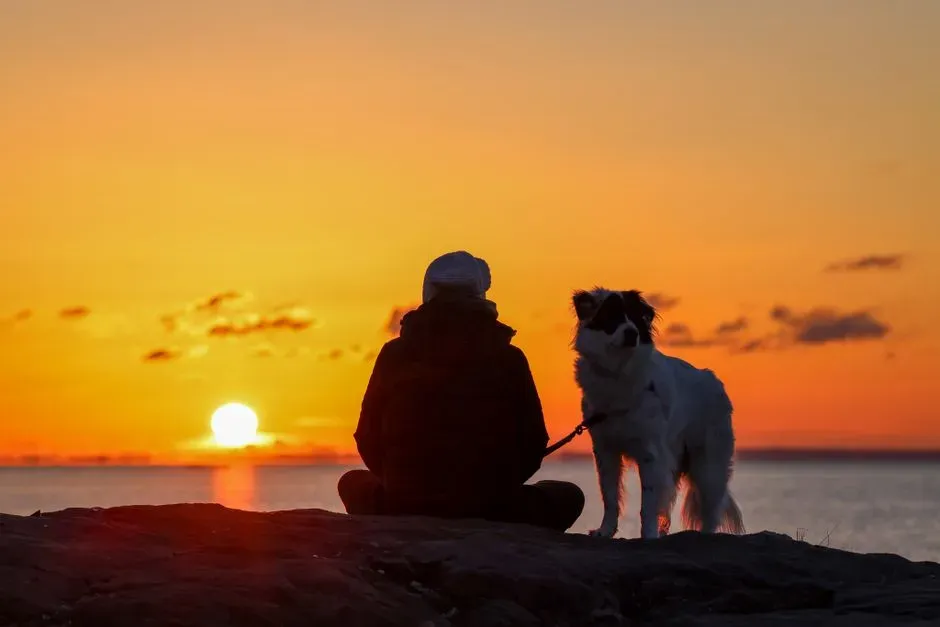
Dogs don’t slip away silently. They communicate all the way to the end – in chosen resting spots, in pressed weight, in sustained eye contact, in the sounds they never made before. These aren’t random behaviors. They’re a language that most owners only learn to read in hindsight, which is exactly why so many people wish they had known it sooner.
The honest truth is this: your dog’s final days are not just a medical event to manage. They are a relationship completing itself. Every odd behavior on this list is the dog doing what it has always done – orienting toward you, communicating with you, choosing you. The grief that follows isn’t just loss. It’s the evidence of something real that was built over years. The behaviors in those last days aren’t warning signs to dread. They’re the last chapter of a story worth knowing by heart.

- 10 Ancient Survival Strategies Animals Still Use Every Day - August 4, 2026
- 6 Things Never to Do When A Shark Approaches You - August 3, 2026
- 8 Astounding Animal Migrations That Defy All Scientific Explanation - August 3, 2026