
You did the research. You visited the litter twice. You bought the crate, the organic kibble, and the monogrammed collar. You felt ready. But experienced breeders – the ones who’ve placed hundreds of puppies and fielded thousands of panicked phone calls – will tell you privately that the owners who walk out most confident are often the ones they worry about most.
What follows isn’t the standard puppy checklist your vet hands out. These are the things breeders bite their tongue on at pickup because they don’t want to scare you off – but desperately wish you knew before that puppy crossed your threshold. A few of them will genuinely surprise you. At least one might change how you think about the next decade of your life.
#1 – You’re Not Getting a Puppy. You’re Getting a 10-to-15-Year Commitment Most People Dangerously Underestimate

Every breeder has a version of the same heartbreak story. A family falls completely in love with an eight-week-old ball of fluff, brings it home to pure joy – and then, three or four years later, a job change happens, or a move, or a new baby, and suddenly that dog is listed on a rehoming site. Not because it did anything wrong. Because nobody planned past the puppy phase.
The senior years are where the real cost – emotional and financial – lands hardest. Arthritis medications, specialist visits, mobility aids, and the specific grief of watching a healthy dog age are things almost no first-time owner visualizes at pickup. Breeders who’ve been doing this for decades say the single most useful question they wish every buyer would answer honestly is this: What does my life look like in twelve years, and is this dog still in it? Choosing the right dog means planning for the grey muzzle from the very first day.
At a Glance: The Real Numbers
- Dog ownership costs $1,390 to $5,295 per year, depending on size and health needs
- Lifetime costs range from roughly $19,840 for a small breed to $58,875 for a large breed
- Many new owners initially estimate only about $8,158 in total lifetime expenses – a significant undercount
- One in three pet parents say they could not cover an emergency vet visit without going into debt
- End-of-life care alone can run $570 to $1,005 or more
#2 – The Puppy You Picked Isn’t Always the One You Should Take Home

Almost every new owner gravitates toward the boldest pup – the one climbing over its littermates, charging the fence, staring you down with those ridiculous confident eyes. It feels like a sign. Breeders see it as a potential mismatch in the making. That puppy is often a handful that needs an equally experienced, structured owner to thrive. In a busy household with no prior dog experience, that same boldness becomes chaos within six months.
The pup sitting calmly at the back of the pen, watching everything with quiet curiosity? That’s frequently the one a good breeder gently steers people toward. More biddable, more adaptable, less likely to run the household by Christmas. Breeders will sometimes flat-out redirect a buyer at the last minute based on what they’ve observed over eight weeks – and owners who trust that guidance almost always thank them for it later. Picking with your heart instead of your head is one of the most common and most fixable mistakes in the whole process.
#3 – Training Methods That Work for One Line Can Completely Fail for Another
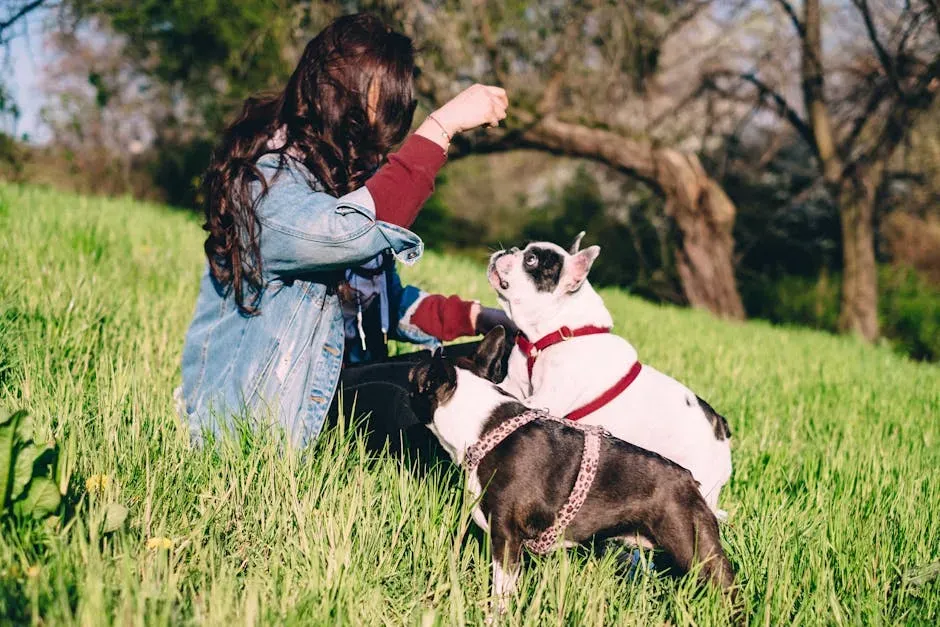
The internet has decided that one method – typically all-positive, treat-heavy reinforcement – works for every dog, full stop. For many breeds and temperaments, it absolutely does. But breeders who work with high-drive herding lines, protection breeds, or deeply independent northern breeds will tell you quietly that some dogs find pure positive training confusing, underwhelming, or simply too soft to register as communication. Those dogs don’t shut down because they’re broken. They shut down because the method doesn’t match their wiring.
The bigger problem is that following a single popular trainer online, without accounting for your specific dog’s line and temperament, can create weeks of frustration and actual behavioral regression. Breeders tailor their early guidance to the individual puppy – because they’ve watched that bloodline’s patterns for years. When you get home, the best move isn’t to Google a training philosophy. It’s to call your breeder first and ask what actually works for dogs from that specific program. That context is worth more than any viral training reel.
#4 – Health Testing Papers Don’t Come With a Guarantee Attached
OFA certifications, Embark panels, CAER eye exams – reputable breeders run all of it, and buyers have started arriving at pickup treating those documents like a factory warranty. Breeders find this quietly alarming. The tests cover known markers at a specific point in time. They don’t cover every possible genetic variant, they don’t account for environmental triggers, and they certainly don’t promise the dog won’t develop something unexpected at age seven.
Even two health-tested, cleared parents can produce a carrier puppy for a condition that isn’t yet fully mapped in the breed’s genetic database. Science is constantly catching up to reality in canine genetics. What health testing actually signals is that the breeder is serious, paying attention, and making responsible selections – not that the puppy comes problem-free. Owners who understand that distinction go into the relationship more prepared, more financially ready for the unexpected, and less devastated when real life shows up.
Worth Knowing: What Health Testing Actually Covers
- OFA hip and elbow certifications reflect a dog’s joint health at the time of evaluation – not a lifetime promise
- DNA panels (like Embark) test for known mutations – new variants are identified regularly as research advances
- CAER eye exams must be renewed annually because certain conditions can develop or change over time
- A dog can be carrier-clear on current panels and still carry unmapped variants in emerging research areas
- Health testing is a sign of breeder integrity, not a product warranty – plan financially for the unexpected regardless
#5 – Exercise Requirements Are Almost Always Underestimated – Especially for “Medium-Energy” Breeds

Small-breed owners assume a backyard covers it. Owners of “medium-energy” dogs assume a daily walk does the job. Breeders watch both assumptions collapse around months four through eight, right when adolescence kicks in and the destructive behavior starts. A chewed baseboard or a dug-up garden isn’t a personality flaw. It’s a dog telling you, loudly and creatively, that its brain isn’t being used.
Many working breeds and sporting lines don’t just need exercise – they need purposeful activity. Short, focused sessions of nose work, structured retrieve, or even basic obedience games can drain a dog faster than an hour of aimless running. Breeders know this because they’ve watched what happens when dogs from their lines don’t get it. If your breeder bred for a specific function – even generations removed – that function left a mental blueprint in the dog. Ignoring it doesn’t make it go away. It just makes it louder.
#6 – “Hypoallergenic” Is a Marketing Word, Not a Biological Fact

Families with allergies spend months researching doodle mixes and low-shedding breeds, convinced they’ve found the solution. Breeders of those very dogs watch the calls come in – the child is still reacting, the partner’s eyes are still swelling, the dream didn’t work out. The hard truth is that human allergic reactions are typically triggered by the protein Can f 1 found in dog saliva and dander, not by the coat itself. No breed produces zero of it. Some individuals produce less – but that varies dog to dog, not breed to breed.
The step most families skip entirely is spending real, extended time with the specific puppy before finalizing anything. Not an hour at the breeder’s facility. Actual contact – touching the puppy, having the allergic family member interact with it directly – over multiple visits. Some breeders will accommodate this if asked. It won’t eliminate all risk, but it gives you real data instead of a breed profile’s hopeful wording. No legitimate breeder wants a dog returned because of a problem that could have been identified before pickup.
#7 – Grooming Needs Start the Day You Bring Them Home, Not the Day They Look Messy
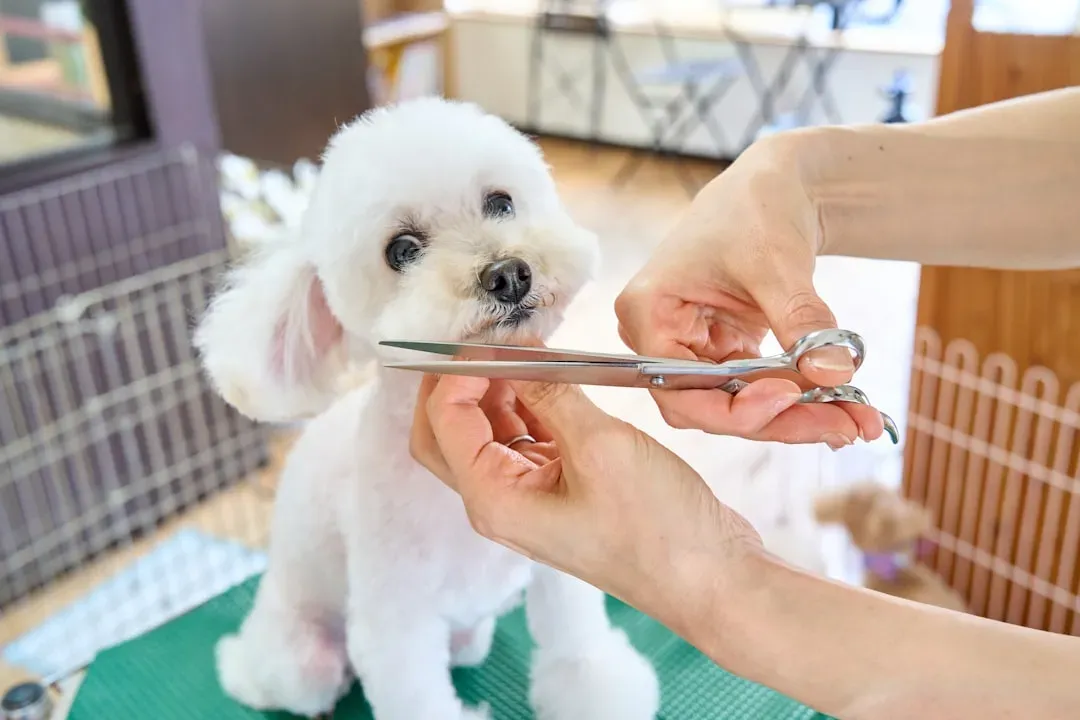
New owners book the first grooming appointment when the coat starts to look shaggy, which is usually around four or five months. By then, the puppy has already missed its most important desensitization window, and the groomer meets a dog that’s never had its paws handled, its ears touched, or a brush dragged across its face. What follows is a stressful experience that the dog remembers. Some never fully recover from it – and those are the dogs that end up needing sedation for routine grooms as adults.
The fix is almost laughably simple, and breeders will swear by it: five minutes a day from week one. Handle the paws. Touch the ears. Run a soft brush over the coat. Let the puppy experience the sound of nail clippers near its feet before they ever make contact. None of this requires skill or equipment – it just requires consistency. The puppy that grows up associating grooming with calm daily contact becomes the dog that sits like a statue at the salon. The one that doesn’t becomes the groomer’s most dreaded appointment.
Fast Facts: Grooming by the Numbers
- High-maintenance breeds typically need professional grooming every 8 to 12 weeks
- Annual professional grooming for coat-heavy breeds can run $300 to $975 per year
- Owners who start daily handling at week one report dramatically calmer grooming behavior through adulthood
- Sedation grooming – the outcome of missed desensitization – adds significant cost and health risk at every appointment
- Five minutes of daily touch from day one costs nothing and prevents one of the most common adult dog behavior problems
#8 – Separation Anxiety Is Usually Built by the Owner, Not Born Into the Dog

“He’s just a velcro breed” is something breeders hear constantly when owners call about a dog that can’t be left alone for twenty minutes without destroying the living room. And yes – some breeds are genetically wired toward closeness. But breeders trace most severe separation anxiety cases back to the first two weeks at home, not to genetics. Carrying the puppy everywhere, sleeping with it from night one, never letting it experience a single minute of solitude: these aren’t signs of love. They’re the groundwork for a genuine anxiety disorder.
The fix, started immediately, is almost painless. Short, structured absences. A crate or a safe room. Leaving before the puppy escalates and returning before it panics – then gradually extending the gap. Even the clingiest breed can learn that being alone is survivable when the routine is established early and consistently. Breeders who see this pattern know that the owners who struggle most with it usually aren’t the ones who loved their puppy too little. They’re the ones who loved it in exactly the wrong way at exactly the wrong time.
#9 – The Socialization Window Closes Way Earlier Than Most Owners Realize

The common advice – wait until all vaccines are complete before socializing – sounds responsible. Breeders wince at it. The critical socialization window runs roughly from weeks eight to sixteen. If an owner waits for full vaccination clearance before exposing a puppy to the world, that window is already closing by the time they start. The experiences a dog doesn’t have during those weeks don’t just leave gaps – they leave fear. Unfamiliar sounds, surfaces, people, and situations encountered for the first time at six months can genuinely frighten a dog that’s past its most receptive developmental stage.
Good breeders expose puppies to controlled, varied stimuli from day one in the whelping box – different textures underfoot, household sounds, calm handling by strangers. They’re already building the foundation before you arrive. Your job is to continue it carefully, not wait for a vet to give you a green light that comes too late. And here’s the piece most people miss: not every dog needs the dog park. Forced, chaotic interaction with unknown dogs can actually create reactivity rather than prevent it. Quality of exposure beats quantity every single time.
Quick Compare: Socialization Done Right vs. Done Wrong
- Right: Gradual, positive exposure to new surfaces, sounds, and people between weeks 8–16
- Wrong: Waiting for full vaccine clearance at 16–18 weeks – the window has largely closed by then
- Right: Puppy classes, calm neighbor visits, and controlled car rides during the critical period
- Wrong: Off-leash dog parks – too unpredictable and can create fear or reactivity rather than confidence
- Right: Letting the puppy observe and retreat at its own pace; never forcing interaction with a fearful dog
#10 – Raw and Homemade Diets Require Real Expertise, Not a TikTok Recipe
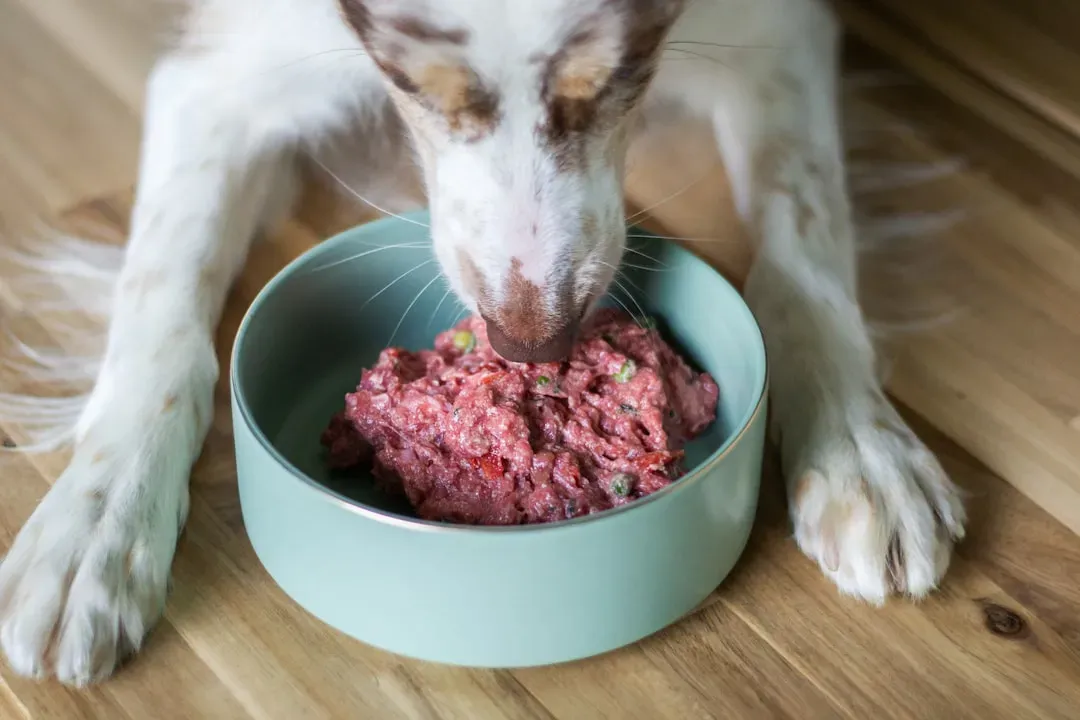
Raw feeding has passionate advocates, and some of the most experienced breeders in the country swear by it. The ones who do it successfully also have balanced recipes developed with a veterinary nutritionist, run bloodwork regularly, and have years of practical knowledge behind them. What breeders quietly dread is the new owner who switches to raw within the first week because they read that “breeders do it” – armed with nothing but a Facebook group recommendation and some chicken thighs from the grocery store.
Unbalanced homemade diets, particularly for large and giant breed puppies, can cause skeletal development problems that aren’t visible until the damage is already done. Rapid growth in big breeds requires tightly controlled calcium-to-phosphorus ratios and specific calorie management – not just “real food” and good intentions. If you want to feed raw or homemade, your breeder will often point you toward resources, ratios, and professionals who can help you do it properly. The goal isn’t to talk you out of it. The goal is to keep that puppy’s bones and organs developing the way they should.
#11 – Crate Training Isn’t Cruelty. For Most Lines, It’s the Kindest Thing You Can Do
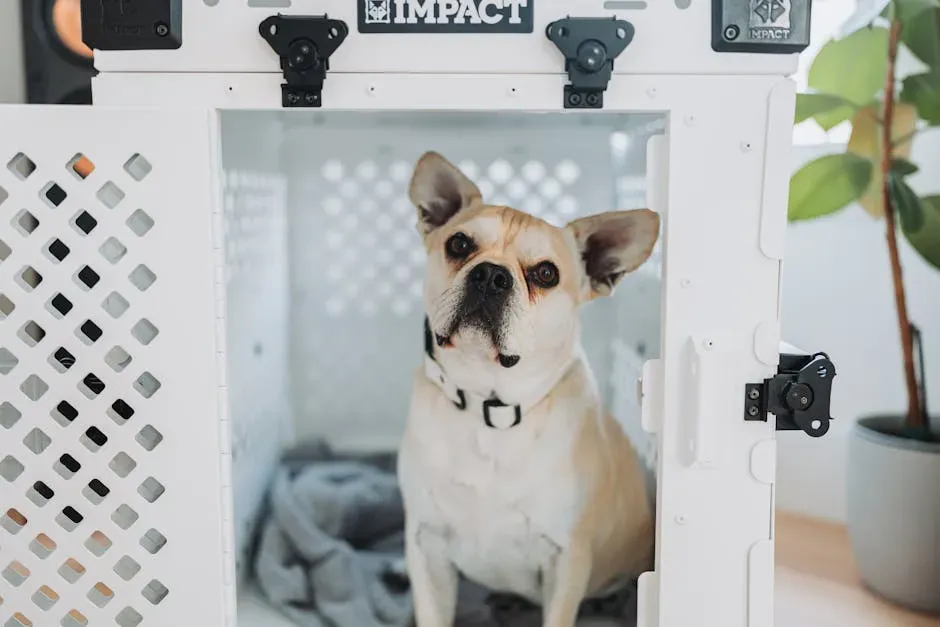
Breeders hear this one constantly: “We just couldn’t bring ourselves to put him in a cage.” It comes from a good place. It usually ends with a dog that can’t self-regulate, can’t travel safely, can’t be boarded, and panics in any confined space – including a veterinary recovery kennel after surgery. The crate isn’t a punishment. When introduced correctly, it becomes the puppy’s den: the place where the world gets quieter, the overstimulation stops, and rest actually happens.
Puppies from working and high-drive lines in particular benefit enormously from having a space that’s entirely their own. The key is association and timing. Short sessions, calm energy, the crate door open and inviting before it’s ever closed. Meals fed inside it. Favorite chews offered inside it. A puppy that learns the crate means safety will settle faster, sleep better, and cause less destruction in its first year than one that’s left to free-roam and bounce off the walls until it finally crashes. Most breeders crate-rest puppies from birth onward in some form – they know what it does for a dog’s nervous system.
#12 – The Breed Profile You Read Online Is a Best-Case Average, Not a Guarantee

“Low-shedding.” “Great with kids.” “Easy to train.” Breed profiles are written about idealized representatives of the standard – not about the actual genetic expression in a specific litter from a specific line with specific parents. Breeders know that a supposedly low-shedding breed can still bury your sofa if the genetics lean a certain direction in that bloodline. They know that “great with kids” describes a well-socialized adult, not a teething eight-week-old with needle-sharp puppy instincts.
The bigger trap is personality. Even within a single litter, energy levels, prey drive, noise sensitivity, and social confidence can vary dramatically from puppy to puppy. A buyer who’s locked in on the textbook version of their chosen breed – and gets something that looks right but acts differently – often assumes something’s wrong with the dog. Nothing is wrong with the dog. The expectation was just built on a profile rather than a real animal. The best breeders will tell you exactly what their specific line tends to produce, warts and all, because matching a real dog to a real lifestyle is the whole point.
Why It Stands Out: What to Ask Your Breeder Instead of Trusting the Profile
- “What does your specific line tend to be like at age two?” – adolescence often looks nothing like the breed standard description
- “Which pups in this litter have the highest prey drive or noise sensitivity?” – breeders observe this daily; most buyers never ask
- “What’s the most common challenge owners of your dogs call you about?” – the honest answer tells you everything
- “Have any dogs from your program been rehomed, and why?” – a breeder with real answers is a breeder worth trusting
#13 – Your Puppy’s First Vet Visit Might Not Need to Be Tomorrow Morning

Breeders watch new owners pull out of the driveway and head directly to the veterinary clinic – sometimes before the puppy has even had a chance to drink water or find its footing in a new environment. The impulse is completely understandable. But maternal antibodies are still actively protecting that puppy for several weeks after weaning, and stacking early vaccinations too aggressively can actually interfere with how the immune system builds its own defenses. Many experienced breeders recommend letting the puppy settle for a few days first and then booking a wellness exam rather than an immediate full vaccine series.
That’s not anti-veterinary advice – it’s a nuanced conversation that doesn’t always happen at a standard first appointment. A puppy from health-tested, well-managed parents often arrives with more protection than the clinic’s default schedule assumes. Ask your vet about titer testing. Ask what’s actually due versus what’s being offered out of protocol. Most good vets welcome that conversation. The goal isn’t to avoid care – it’s to make sure the care your puppy receives is calibrated to what that specific dog actually needs, not just what the intake form suggests for every dog that walks through the door.
Here’s the honest opinion that experienced breeders rarely say out loud but universally feel: most of the heartbreak they witness – the rehomings, the behavioral disasters, the dogs that never reach their potential – isn’t caused by bad owners. It’s caused by a gap between what new owners are told and what they actually need to know. The puppy industry, well-intentioned as it often is, hands people an eight-week-old animal and a care sheet, when what they really need is a frank, two-hour conversation about the next fifteen years. If your breeder is willing to have that conversation – even the uncomfortable parts of it – hold onto them. They’re not trying to scare you. They’re trying to set up both you and that puppy to actually make it.

- 14 Quiet Signs Your Dog Knows Its Time Is Near and Wants You Close - July 22, 2026
- 10 Falcon Facts That Will Blow Your Mind - July 22, 2026
- 5 Incredible Migratory Journeys Animals Make Every Year - July 22, 2026