
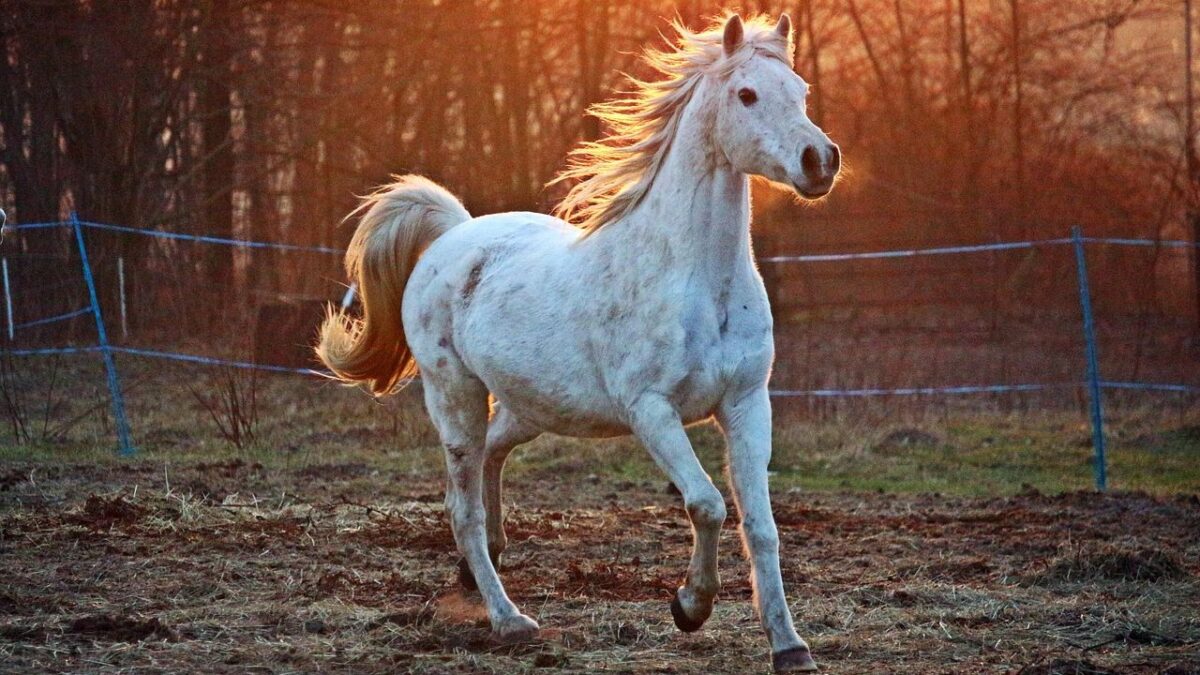
You pictured trail rides at golden hour and a horse that nuzzles your shoulder every morning. What you got instead was a vet bill before the first month was over, a horse with a completely different personality than the one you test-rode, and a jaw-dropping realization that nobody – not the breeder, not the boarding barn, not the horse forums – had actually leveled with you. The first year of horse ownership hits differently than any other pet or livestock experience, and the gap between what you imagined and what actually happens is wider than most people admit out loud.
The good news: every single thing on this list is survivable, and experienced owners who made it through year one say it was worth every exhausting, expensive, humbling moment. The catch is that knowing what’s coming makes the difference between becoming a confident horse person and quietly listing your animal on a Facebook sale group six months in. These are the thirteen things seasoned owners wish someone had told them before they signed the papers – in order, saving the two most shocking for last.
#1 – Farrier Bills Sneak Up Faster Than Expected
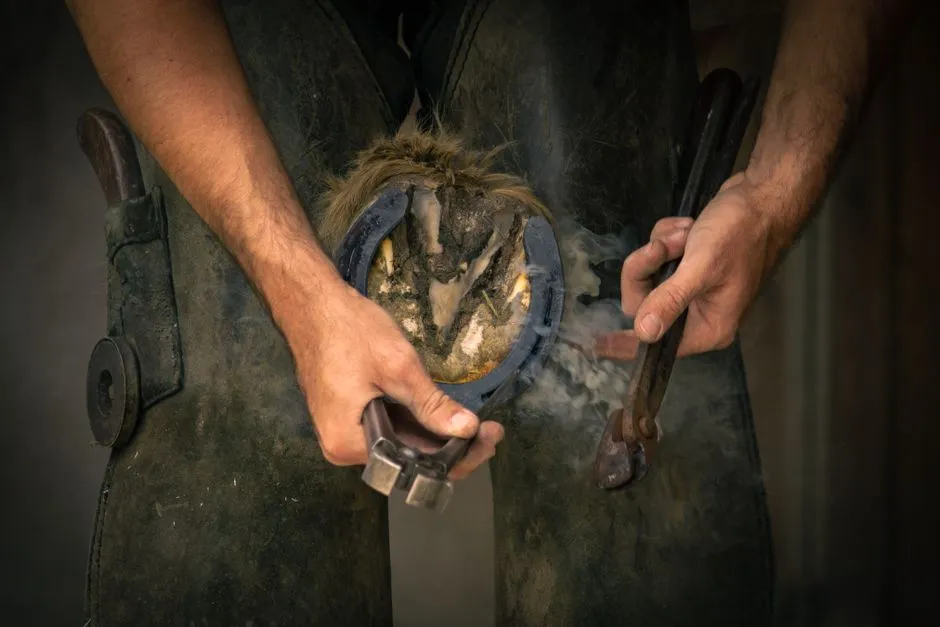
Most new owners sketch out a budget that includes shoes or trims and call it done. What they miss is the frequency. Every six to eight weeks, without fail, a farrier is standing in your barn – and if your horse throws a shoe on a Friday afternoon or develops an abscess mid-winter, that becomes an emergency call with emergency pricing. Corrective shoeing for any conformation quirk, club foot, or previous injury stacks costs that simply weren’t in the original math.
Here’s the part that genuinely shocks people: for horses with any hoof irregularity at all, farrier expenses can exceed feed costs in the first twelve months. The horse that seemed perfectly sound at the sale barn may need angle adjustments, pads, or specialty shoes the moment a knowledgeable farrier gets a good look. This isn’t failure – it’s just the reality of an animal that lives and dies by the quality of its feet. The old saying exists for a reason: no hoof, no horse.
Fast Facts
- Basic trims run $30–$75 per visit nationally; a full set of shoes averages $120–$190 at the national median.
- The national median for a full set of shoes rose 12% between 2023 and 2025.
- Annual farrier costs range from $804 to $1,710 per year, according to a recent Synchrony survey.
- Therapeutic or specialty shoeing (navicular, laminitis) can reach $350 or more per visit.
- Farrier visits recur every 6–8 weeks, year-round, without exception.
#2 – Daily Chores Consume More Hours Than Anyone Advertises
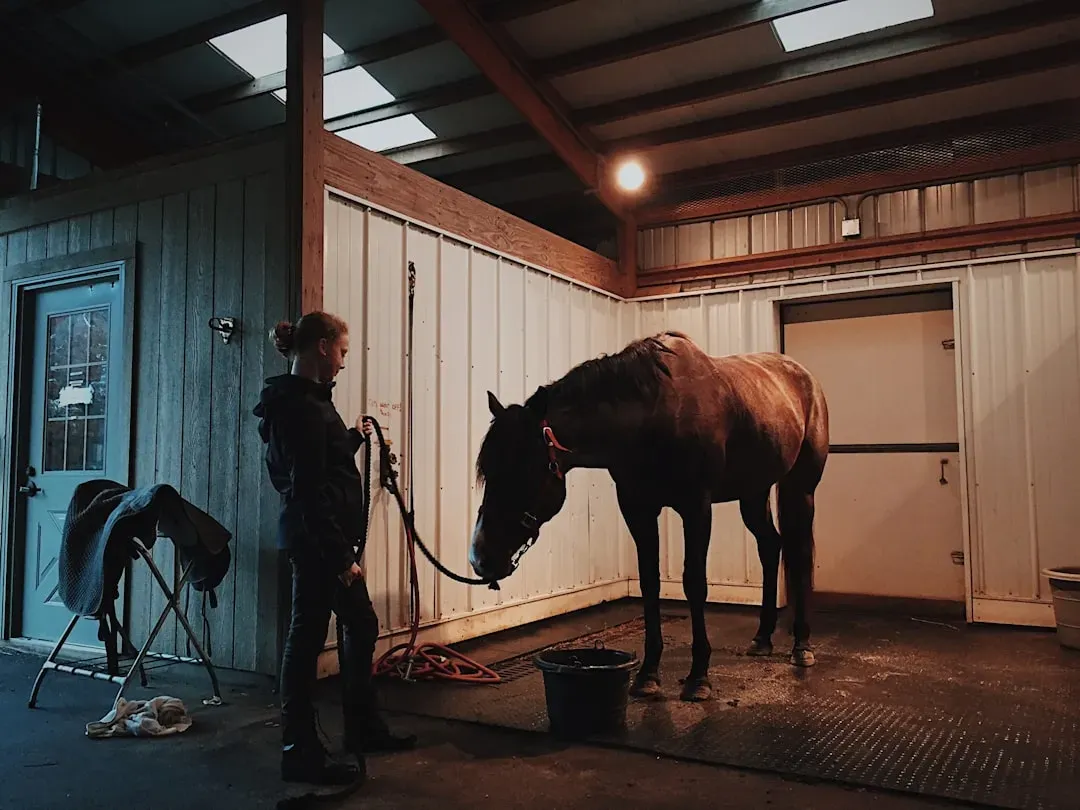
The romantic vision goes like this: pour some grain, toss some hay, give a pat, done. The actual version looks more like this: haul water buckets when the automatic waterer freezes, muck stalls before work, check the fence line after last night’s wind, monitor manure for signs of colic, and then do it all again at dusk regardless of what else you had planned. Even with partial boarding help, most owners log two to three hours of hands-on horse time every single day – and that number climbs when weather turns ugly.
What experienced owners understand that newcomers don’t is that horses are creatures of rigid routine. Miss a feeding time by an hour and some horses pace, weave, or begin showing early stress behaviors. Ignore a subtle change in manure consistency and you’re staring down a colic call at midnight. The work isn’t glamorous, it isn’t flexible, and it doesn’t take holidays. Part-time jobs, kids’ schedules, and spontaneous weekends away all eventually collide with this non-negotiable rhythm – and the horse always wins.
#3 – Behavioral Changes Emerge After the Honeymoon Phase
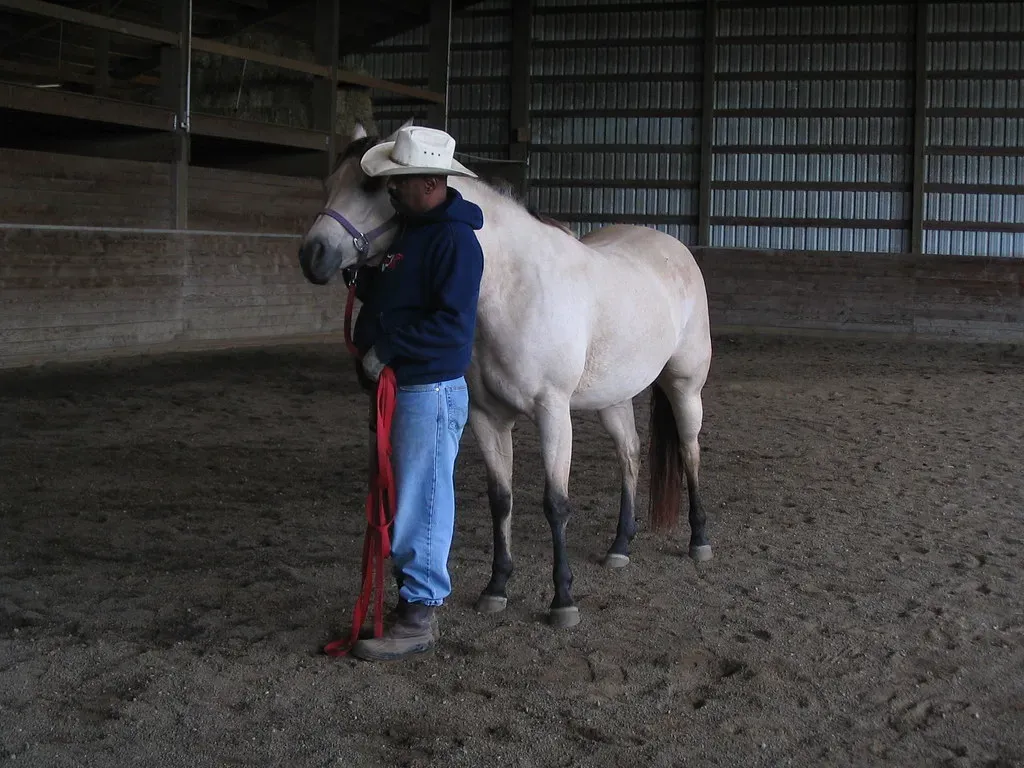
That calm, agreeable horse you tried at the seller’s barn? He was on his best behavior in a familiar environment, surrounded by his herd, eating his usual feed. Transport him to a new property, mix him into a new social order, change his hay, and give him a few weeks to figure out who you are – and a completely different animal may surface. Nipping, bolting, sudden spookiness, pinned ears during grooming: none of it means you bought a bad horse. It means he’s testing the new world around him, and you’re part of that test.
Seasoned owners track the first ninety days as an adjustment window and resist the urge to panic or over-correct. The most overlooked detail is how quickly a previously “bombproof” horse will locate and push every single boundary once he’s learned your habits and figured out what you’ll tolerate. The horses that seem to regress in month two aren’t broken – they’re just smart. Consistent boundaries, calm energy, and a predictable routine do more to resolve these behaviors than any retraining program money can buy.
Worth Knowing
- Most equine behaviorists consider the first 60–90 days in a new home a true adjustment window, not a reflection of a horse’s permanent personality.
- Sudden changes in herd rank, feed, and footing all compound stress simultaneously after a move.
- Behaviors like weaving, cribbing, or stall walking can emerge or intensify during this period and may fade with consistent management.
- Resistance at the mounting block or during grooming is often a communication attempt, not defiance.
#4 – Pasture and Land Maintenance Brings Hidden Headaches
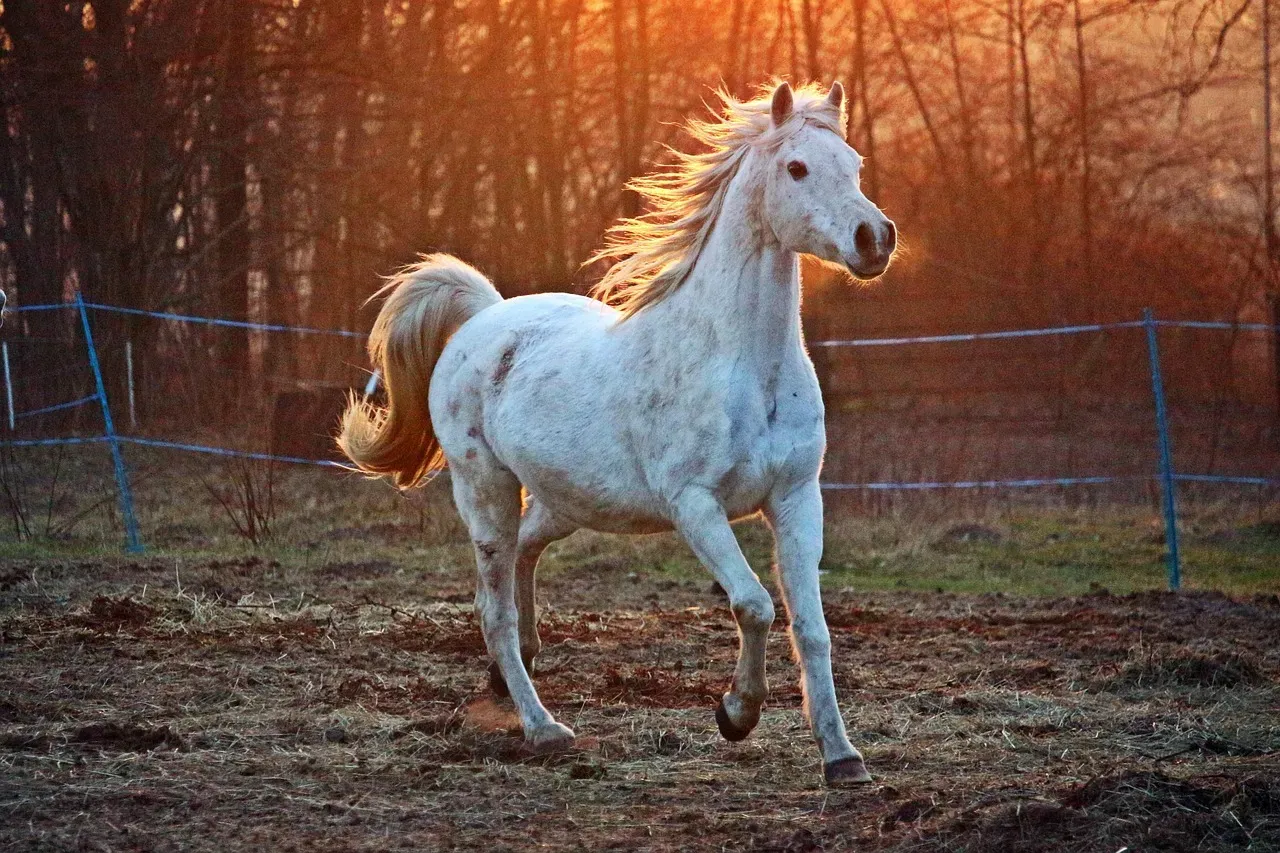
Owning acreage for your horse sounds idyllic right up until the first hard rain turns your paddock into a knee-deep mud pit, the fence board snaps under a spooked horse at 10 p.m., or you realize the back pasture is full of buttercups that are quietly toxic. Managing land for horses is a discipline of its own – rotational grazing to prevent overgrazing, weed identification, footing repair, drainage management – and none of it comes with the property deed.
Some experienced owners will tell you, controversially, that boarding a horse at a well-run facility is actually less stressful than managing your own small acreage, at least in the first few years. The liability exposure alone from a broken gate or a neighbor’s dog getting into your pasture can erase months of careful savings. The owners who thrive on their own land are the ones who budgeted for professional help early and treated property maintenance as a separate line item – not an afterthought.
#5 – Emergency Vet Funds Get Drained Surprisingly Often
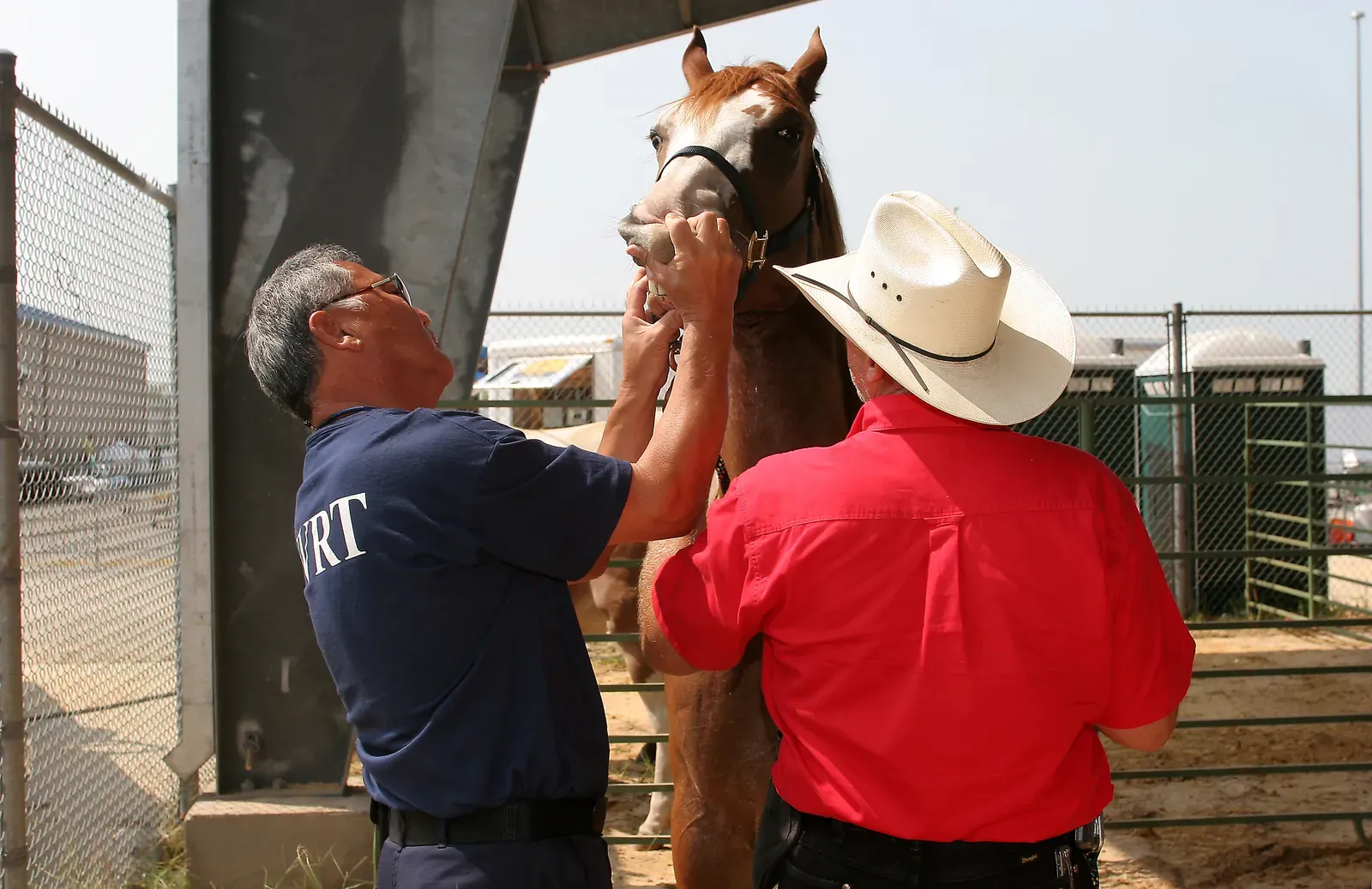
Colic does not care that it’s a holiday weekend. Lacerations don’t wait for business hours. A sudden onset of lameness before a planned show is not a scheduling suggestion – it’s a demand. First-year owners are frequently blindsided not by the existence of vet emergencies but by how often they happen and how fast the invoices accumulate. Diagnostics, sedation, imaging, after-hours fees: a single significant event can cost anywhere from several hundred to several thousand dollars before you’ve even confirmed a diagnosis.
The owners who come out of year one financially intact almost universally did one thing differently: they opened a dedicated emergency account before they needed it, not after. Basic insurance helps with the catastrophic end, but out-of-pocket costs for diagnostics and follow-up care hit even insured horses regularly. The sobering insider truth is that a meaningful percentage of first-year horses – especially those relocated under stress – experience at least one event requiring sedation or imaging that nobody flagged during the pre-purchase exam.
At a Glance: Emergency Vet Cost Reality
- A mild colic treated on-farm (after hours) typically runs $400–$600, including emergency fees.
- Colic surgery and aftercare can easily reach $8,000–$10,000 or more.
- Surgical repair of joint or tendon lacerations averages $3,000–$4,000, before rehabilitation.
- Experts recommend setting aside $1,000–$2,500 per year as a dedicated emergency buffer.
- Only about 14% of horse owners maintain a dedicated medical savings account; nearly 80% carry no equine insurance.
#6 – Tack and Equipment Replacements Happen Constantly
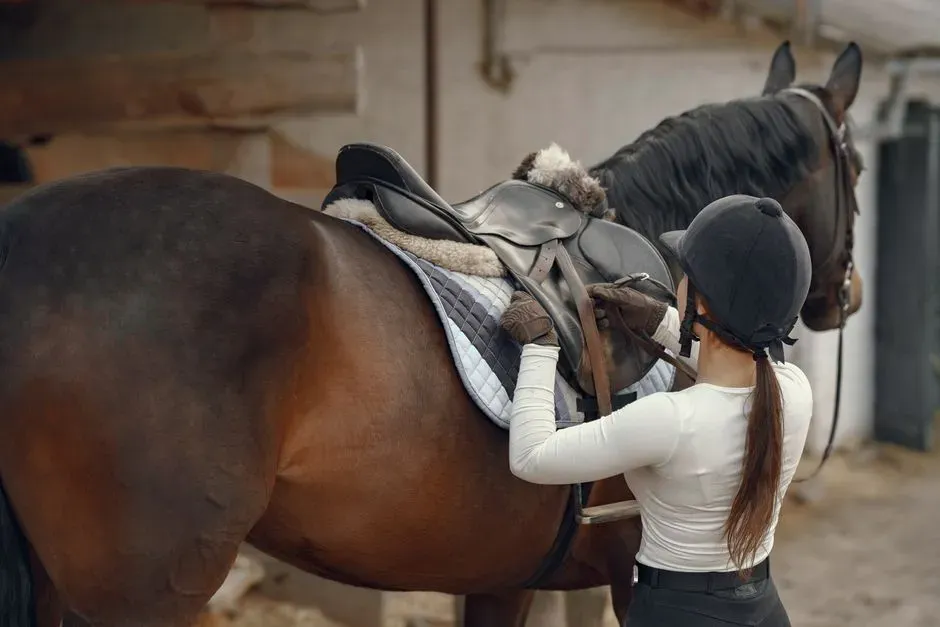
You bought the saddle. It fit beautifully at the time of purchase. Six months of consistent work later, your horse’s topline filled in, his back changed shape, and now that same saddle is bridging and creating pressure points that explain the pinned ears every time you tack up. Horses are not static. Their bodies shift with conditioning, season, age, and diet – and gear that fit perfectly in October may not fit at all by March. This catches nearly every first-year owner off guard.
The insider truth that experienced owners pass along quietly is this: ill-fitting tack is responsible for a surprising number of behavioral problems that get blamed on the horse. Before assuming your horse is difficult, resistant, or “bad under saddle,” a saddle fitter’s assessment is often the fastest path to resolution. The upfront cost of quality, well-fitted equipment – or the time investment of sourcing quality used gear from reputable sellers – nearly always costs less in the long run than the vet visits and training hours that stem from discomfort.
#7 – Nutrition Balancing Requires Real Trial and Error
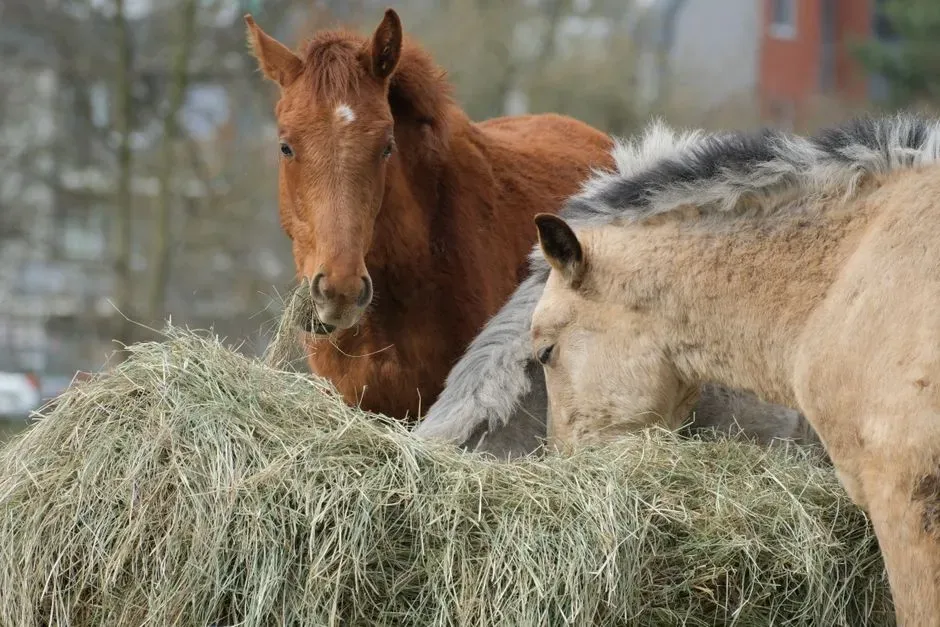
The feed program that worked at the previous barn operated under completely different conditions – different hay quality, different pasture, different stress levels. Transport alone disrupts gut flora and creates a window of vulnerability that many new owners don’t account for. Switch feeds too fast, add supplements without testing, or change hay sources without a gradual transition, and you’re looking at digestive upset, weight swings, a dull coat, or worse.
What surprises most first-year owners is how reactive many horses prove to common supplements people add with good intentions – biotin, joint formulas, calming aids – without any baseline understanding of what the horse actually needs. A proper forage analysis, a blood panel, and a conversation with an equine nutritionist (not just the feed store rep) can save months of expensive guesswork. The horses that thrive in year one are usually the ones whose owners treated nutrition as a science project, not a shopping list.
Quick Compare: Nutrition Approaches
- Feed store advice alone: Fast and cheap up front – often leads to supplement stacking and unexplained weight or coat issues.
- Forage analysis + blood panel: Adds modest upfront cost – removes guesswork and pinpoints actual deficiencies.
- Equine nutritionist consult: Best investment for horses with metabolic conditions, poor condition, or mystery behaviors.
- Gradual feed transitions (over 10–14 days): Dramatically reduces colic and digestive upset risk when changing hay or concentrate sources.
#8 – True Bonding Takes Longer and Looks Different Than Expected
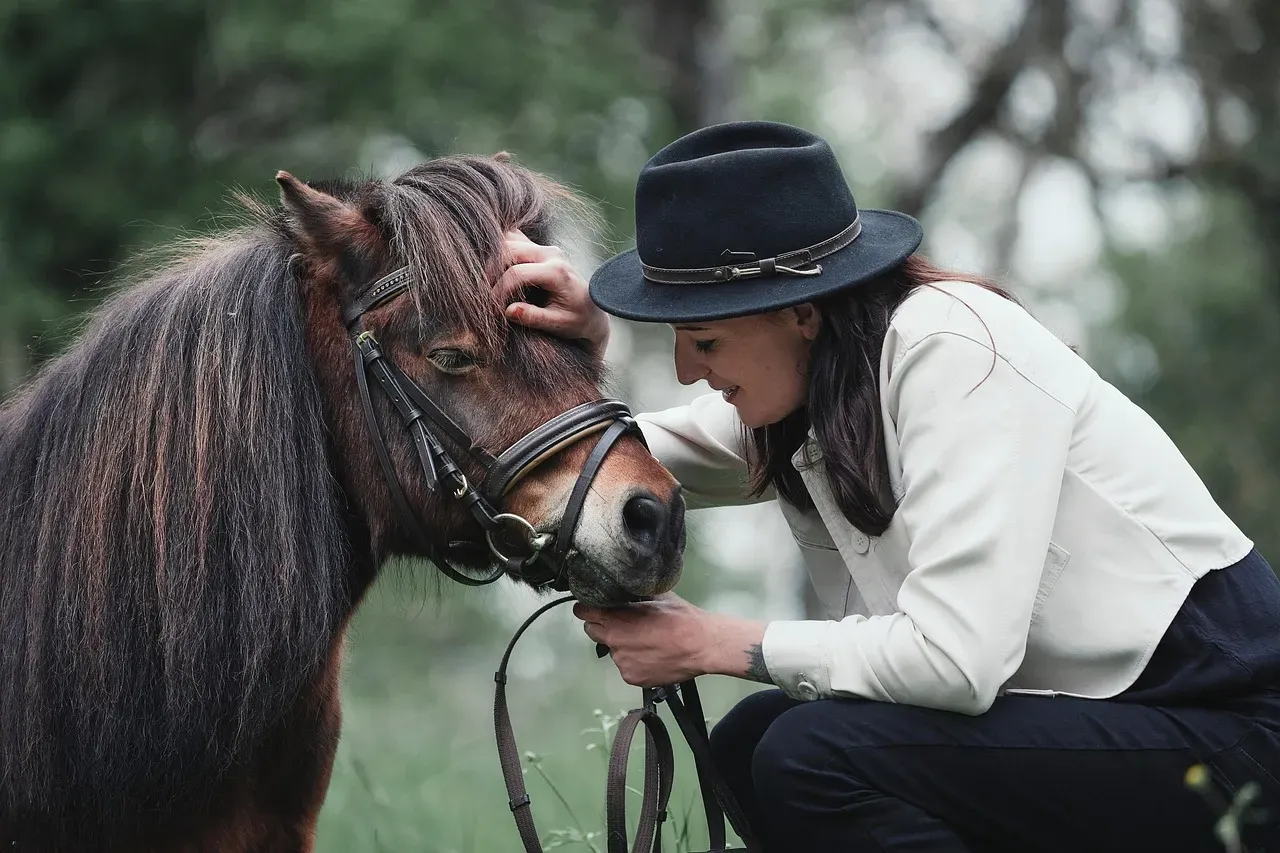
Social media has done horse ownership no favors. The algorithm surfaces the highlight reel: the horse who comes running across the field, who falls asleep during grooming, who presses his forehead against his person’s chest. What it doesn’t show is the six months of quiet, patient, sometimes awkward groundwork sessions that preceded those moments. Many first-year owners feel a private, embarrassing worry that their horse simply doesn’t like them – because the animal is polite and cooperative but emotionally distant.
Experienced owners are nearly unanimous on this point: forcing affection actively delays the partnership. Constant treats, pressured hugging, and intensive riding schedules in the name of “bonding” often create the opposite of connection. The horses that develop deep trust respond to owners who show up consistently, move calmly, and ask without demanding. The relationship that emerges from that kind of patience is sturdier than anything that develops in the first excited weeks – and when it finally arrives, it’s unmistakable.
#9 – Insurance Policies Contain Fine Print That Bites

Mortality and major medical coverage sound like a safety net until you’re sitting across from a denial letter explaining why your specific situation falls outside the policy’s language. Pre-existing conditions, activities not listed under covered use, waiting periods, and reporting deadlines are the four places where first-year claims most commonly hit a wall. Most owners don’t read the full policy document before purchasing – and that oversight becomes expensive in exactly the moment when they need coverage most.
The lesson experienced owners pass on is blunt: shop multiple carriers, read every exclusion clause, and understand what “major medical” actually covers before you need to find out the hard way. The lowest premium is almost never the best value for a horse that is actively being ridden, trained, or competed. Insurance should be treated as a financial instrument, not a formality – and the owners who treat it that way are the ones who actually benefit from it when something goes wrong.
#10 – Weather Extremes Affect Care More Than Anticipated
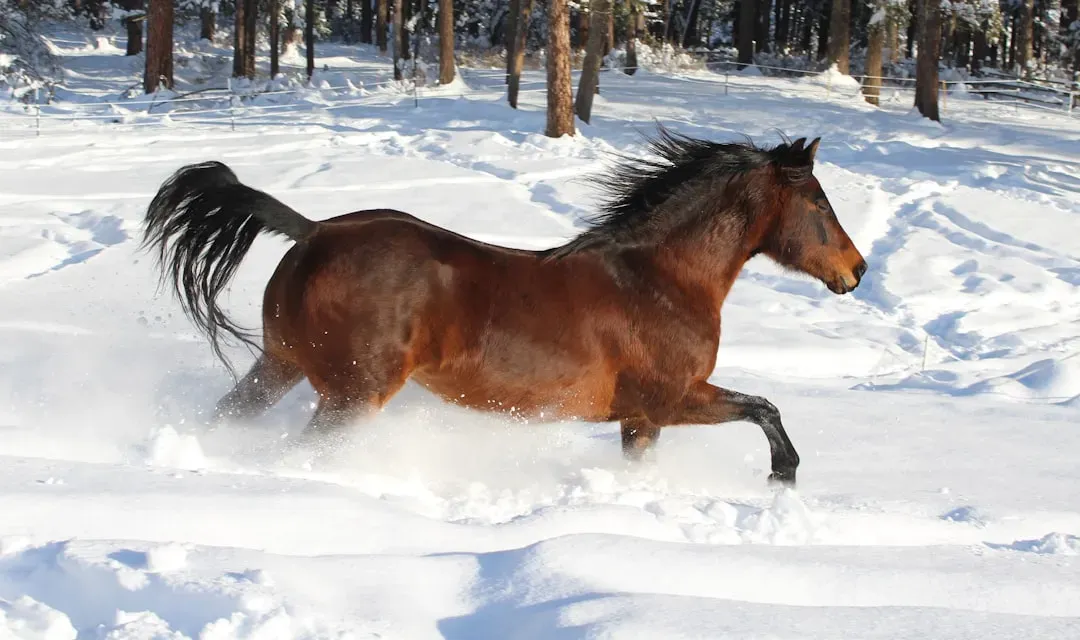
Every region has its version of this problem. In cold climates it’s blanketing decisions, frozen water lines, and icy footing that can turn a normal turnout into an injury risk overnight. In hot, humid climates it’s heat stress, anhidrosis, and skin conditions that flare without warning. In either case, the experienced owner learns quickly that standard routines don’t survive extreme weather – the forecast becomes something you check obsessively, and every seasonal shift demands a management adjustment.
The most overlooked truth is how rapidly minor weather-related stress escalates into vet calls. A horse kept in a poorly ventilated barn during a heat wave develops respiratory issues faster than most owners expect. One hard freeze that compromises water access can trigger colic within hours. The mental load of weather monitoring – not just the physical labor it creates – adds a layer of vigilance to horse ownership that nobody mentions in the brochure. Experienced owners build weather contingency plans the same way they build emergency funds: before they need them.
#11 – Consistent Training Demands More Structure Than Casual Riding
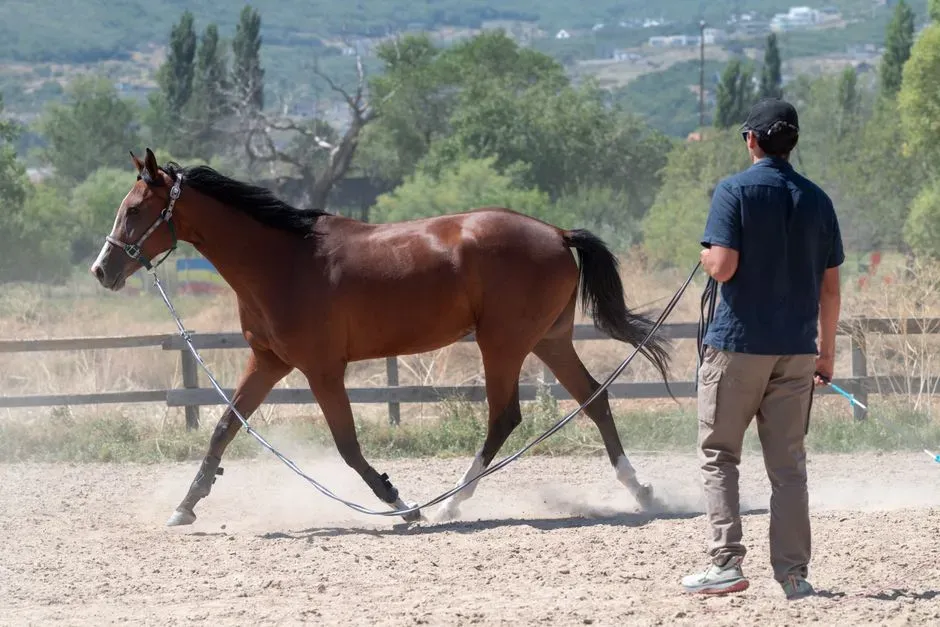
A horse who gets ridden whenever the schedule allows – three times one week, none the next, twice the week after – is not getting trained. He’s getting confused. Horses learn through repetition and pattern; inconsistency doesn’t just slow progress, it actively creates problems. Year one has a way of exposing every gap in an owner’s skill set, usually at the worst possible moment – a spook on the trail, resistance at the mounting block, a refusal that wasn’t there six weeks ago.
The opinion that experienced owners hold, sometimes controversially, is that self-taught methods between green horse and green rider is one of the most reliable ways to manufacture a problem horse. Professional lessons and clinics aren’t optional extras for the ambitious – they’re error correction for everyone. The owners who document their sessions, track what works, and bring in outside eyes regularly are the ones whose horses make real, measurable progress. The ones who wing it are the ones quietly searching for answers on forums at midnight.
Why It Stands Out: The Case for Structured Training
- Horses ridden fewer than 3 consistent sessions per week rarely build the physical fitness or mental pattern-recognition that training requires.
- A single clinic or professional lesson can identify and correct an issue that months of solo riding reinforced.
- Keeping a simple training log – even notes on a phone – reveals patterns invisible to the naked eye session by session.
- Horses ridden inconsistently are statistically more likely to be listed for resale within the first two years of ownership.
#12 – Subtle Health Issues Like Ulcers or Allergies Surface Quickly
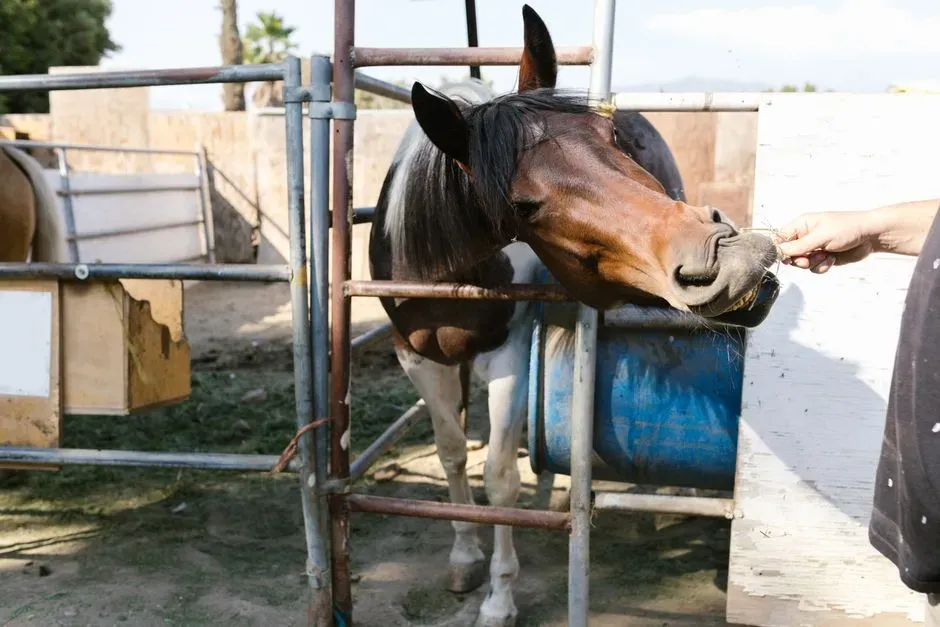
The horse that pins his ears when girthed, loses weight despite eating well, seems dull and disengaged under saddle, or develops mysterious coughing fits isn’t necessarily difficult or out of shape. He may have gastric ulcers – a condition that affects a striking percentage of performance and recently relocated horses – or a seasonal allergy that nobody thought to test for. These low-grade conditions are chronic, uncomfortable, and remarkably good at disguising themselves as behavioral or training problems.
What changes everything for first-year owners who figure this out early is the realization that management adjustments – more frequent small meals, reduced stress turnout, dietary changes, antihistamines – often produce dramatic improvements without massive expense. Scoping for ulcers and a basic allergy workup pay for themselves when you consider the training hours, vet visits, and tack changes that otherwise get burned trying to solve a problem that was medical all along. The owners who learn to read the subtle flags early become the best diagnosticians in the barn.
Fast Facts: Gastric Ulcers in Horses
- Gastric ulcers affect an estimated 50–90% of horses overall, with the highest rates in performance animals.
- Show and sport horses in active work have a reported ulcer prevalence of approximately 60%.
- Stress from trailering, new environments, and inconsistent feeding schedules are among the top triggers.
- Classic signs include girthiness, unexplained weight loss, dull coat, low energy, and mild recurring colic.
- Omeprazole (FDA-approved for horses) is the primary treatment – but management changes are equally critical for prevention.
#13 – The Emotional Highs and Lows Create an Attachment Nobody Fully Describes
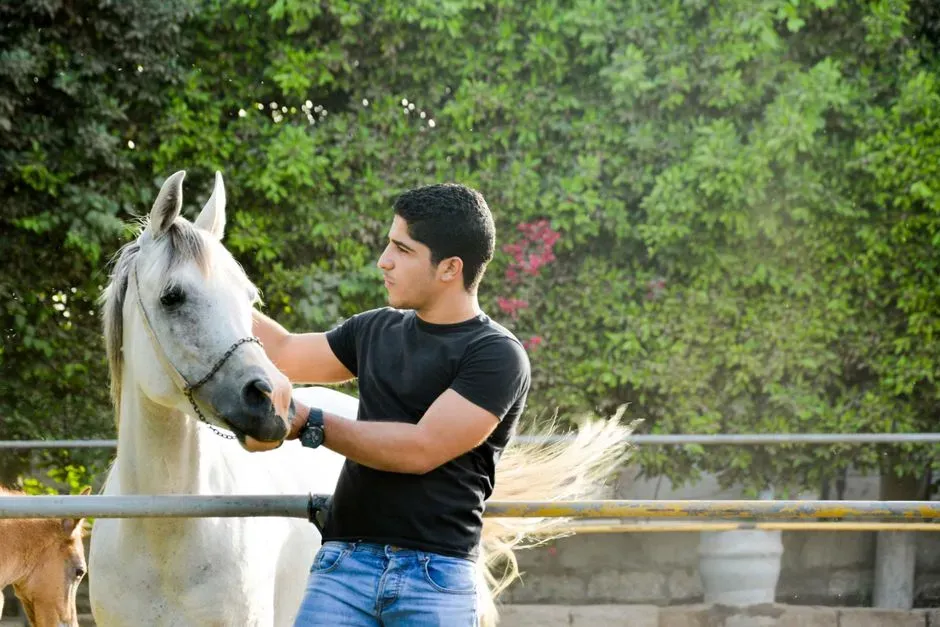
Nothing in the purchase process prepares you for the first time your horse colics seriously and you spend four hours in a dark barn waiting to find out if he’s going to be okay. Nothing prepares you for the specific grief of a first injury, the irrational guilt of a bad ride, or the overwhelming pride of a small breakthrough after weeks of frustration. Horses do not stay in the “hobby” category for people who show up every day and do the work. They migrate, quietly and completely, into the family category.
The raw truth that experienced owners share with a kind of rueful honesty is that this attachment makes every future decision harder than logic says it should be. Retirement, rehoming, and end-of-life choices land with a weight that most people are genuinely unprepared for. But it’s also this bond – forged specifically through the difficult first year, through the bills and the mud and the 5 a.m. barn checks – that makes horse ownership unlike anything else. The people who come out the other side of year one don’t just own a horse. They’ve been changed by one. And almost every single one of them will tell you, without hesitation, that they’d do it again.
“The horse you thought you bought and the horse you actually have are often two very different animals – and the one you actually have is almost always better.”
Common wisdom among experienced horse owners
Year one isn’t a test you pass or fail – it’s a recalibration. The riders who thrive past it are the ones who stopped expecting horse ownership to look like what they imagined and started paying attention to what it actually is: expensive, exhausting, occasionally heartbreaking, and completely, stubbornly worth it. If any of these hit home, drop your own first-year surprise in the comments – the ones nobody warned you about are almost always the best stories.
