
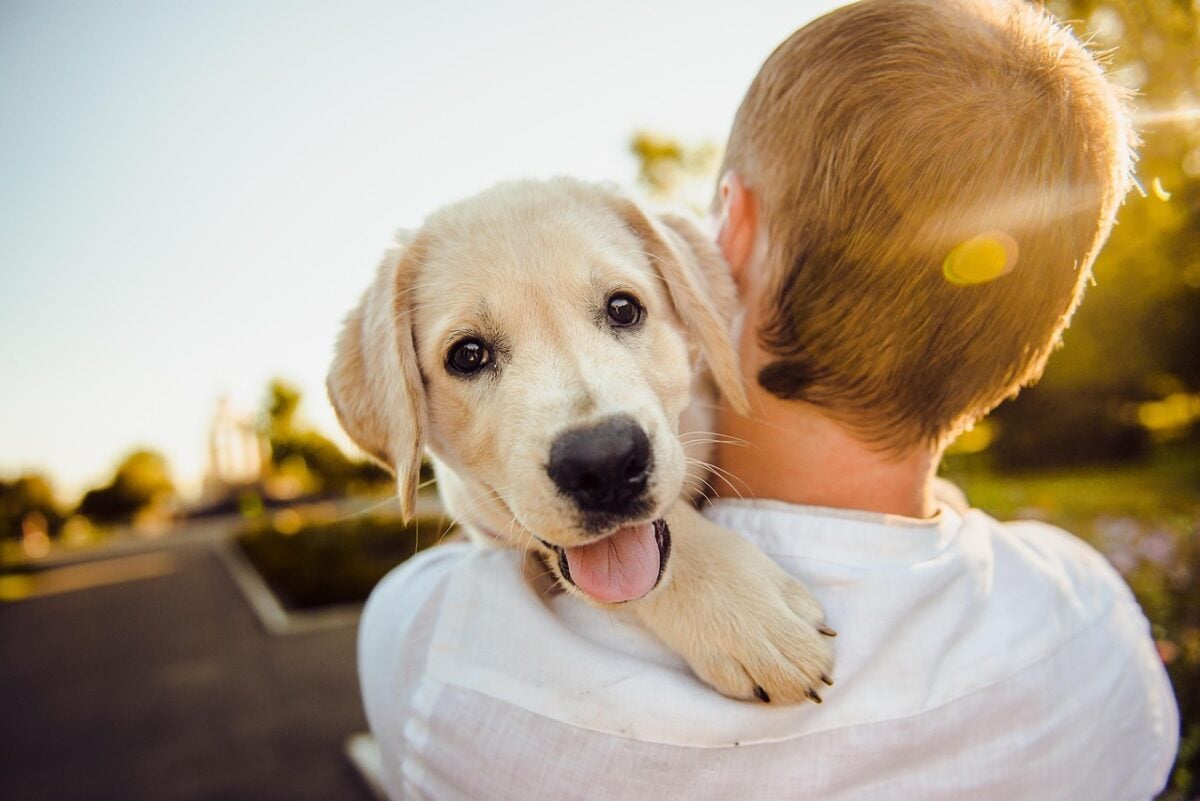
Ask a room full of Lab owners and most will say the same three things. The dog will “settle down” after a year. The stolen sandwiches are just bad manners. And a well-fed Lab is a healthy Lab. Then the second birthday passes, and the real story starts to look very different.
The truth is stranger. Genetics, coat colour, and a slow-motion brain all shape life with a Lab in ways that don’t show up until the early chaos is over. Some of it is predictable, and much of it is fixable. A few of these discoveries, especially the ones waiting in #12 and #6, are things many owners wish they’d known on day one. Here’s what the data and the experts actually say, counting down from #13.
#13 – The “Puppy Phase” Secretly Lasts Years Longer Than You Were Told
🔥 Would you like to save this?
We'll email this post to you, so you can come back to it later!
Your Lab will look like an adult long before it acts like one.
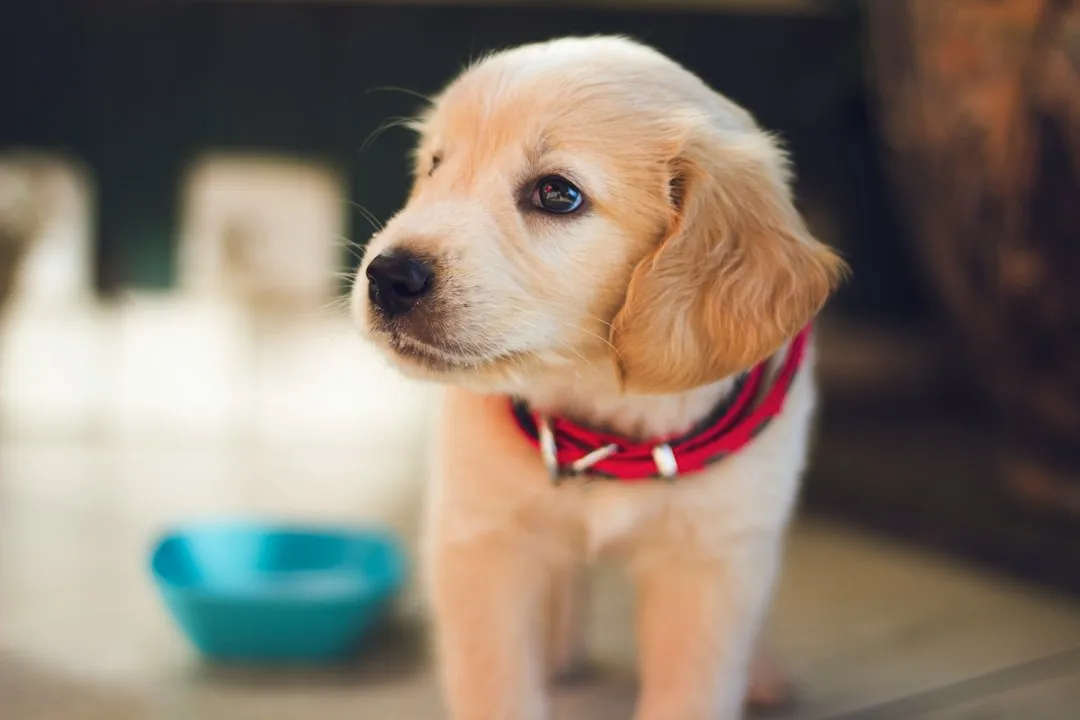
Most people expect calm at the one-year mark, and it’s easy to see why. Labs usually reach adult size around then, so the dog looks finished. The brain didn’t get the memo.
Many trainers and behaviourists describe Labs as slow-maturing. Expect bouncy, mouthy, easily distracted behaviour well into the second year, and often into the third. That’s not a training failure. It’s the normal timeline for a big, social, high-drive retriever.
The mistake is easing off training at 12 months because the dog seems “grown.” That’s exactly when adolescent selective hearing kicks in. A dog that was reliable at four months suddenly acts like it has never heard the word “come.”
- Keep rewarding good behaviour well past puppyhood
- Practise recall in new places, not just the backyard
- Expect mood swings and plenty of limit-testing
- Keep sessions short and upbeat so the dog stays keen
Stay consistent through this stretch and the payoff comes later. A calm adult Lab is usually built during the awkward teenage months, not in puppy class.
But that’s nothing compared to what science found about #12…
#12 – The Food Obsession Isn’t Bad Manners. It’s Partly Genetic.
🔥 Would you like to save this?
We'll email this post to you, so you can come back to it later!
Your Lab may be wired to feel hungry even when it’s full.
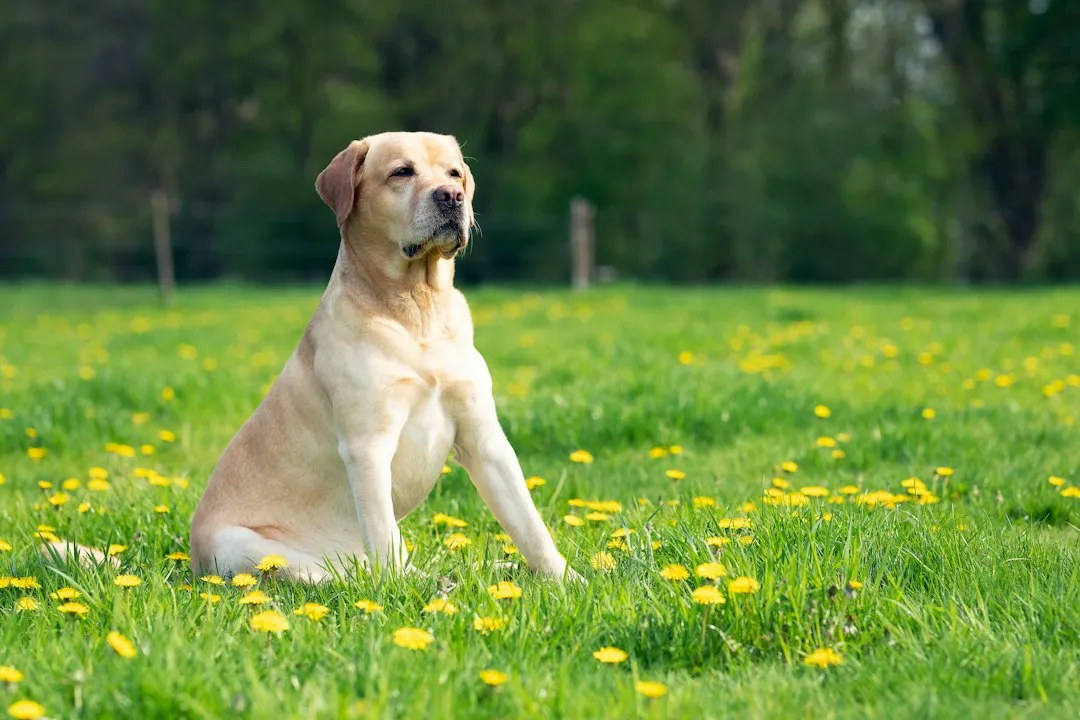
Every Lab owner has a stolen-sandwich story. Researchers at the University of Cambridge now offer a biological explanation. They found that roughly 1 in 4 Labrador retrievers carry a genetic mutation linked to excessive hunger.
The mutation sits in a gene called POMC. It disrupts the signals that normally help switch off hunger after a substantial meal, so affected dogs can feel hungry even when they’ve eaten enough.
The effect shows up on the scale. Each copy of the deletion was associated with roughly 1.86 kg more body weight, along with higher food motivation. The deletion turned up in 76 percent of the assistance Labradors in the study.
That’s a plausible twist. Dogs that work hard for food rewards may be more likely to succeed in service-dog training, though the researchers had no initial reason to expect that difference.
A dog that begs isn’t necessarily spoiled. It may simply be built to want more. That doesn’t excuse overfeeding, but it does explain why willpower alone rarely works on a Lab, and why a measuring cup beats a soft heart.
Next up is something you can’t vacuum your way out of, as #11 shows…
#11 – The Shedding Never Actually Stops
🔥 Would you like to save this?
We'll email this post to you, so you can come back to it later!
You will find Lab hair in places that make no logical sense.
Labs have a dense double coat. A short, tough outer layer sits over a soft undercoat. Together they insulate the dog and help it shrug off water.
Owners often assume shedding is seasonal. In reality, it’s a year-round event with two heavy “blowouts,” usually in spring and autumn. Many owners joke about finding hair in their food, their car, and their laundry, and some say it keeps turning up long after a dog has passed away.
Brushing is the only real defence. A few sessions a week during heavy shedding removes loose undercoat before it lands on your sofa.
- Use a rubber curry brush or undercoat rake
- Brush outdoors when you can
- Never shave a Lab. The coat protects against heat and cold
Here’s the contrarian take: many groomers argue frequent bathing makes shedding worse. It can strip natural oils and dry the skin. Brush first, bathe only when needed.
And yet the most surprising Lab habit is about to be explained in #10…
#10 – The Mouth Is Always Busy for a Reason
🔥 Would you like to save this?
We'll email this post to you, so you can come back to it later!
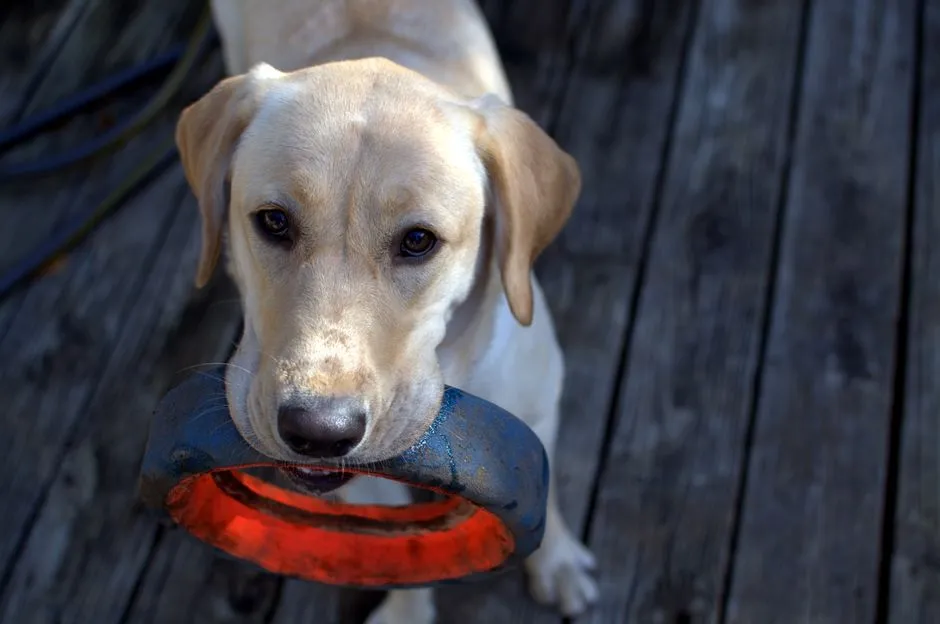
That shoe in your dog’s mouth is not an act of rebellion.
Labradors were bred as retrievers. The job was to pick up game and carry it back without damaging it. A strong urge to carry things is built into the breed.
That’s why so many Labs greet you at the door with a toy, a sock, or a slipper. They’re not stealing. They’re doing what generations of selection told them to do, and they’re thrilled to see you.
Many Labs will carry something in their mouths for comfort, especially when excited. Think of it as a built-in stress toy.
The trouble starts when mouths meet the wrong objects. Socks, corn cobs, and toy parts can cause dangerous blockages, and vets commonly see retrievers needing surgery for swallowed items. Repeated vomiting, loss of appetite, or a hunched, painful belly after a suspicious disappearance means an urgent vet visit.
- Offer sturdy retrieve toys on a rotation
- Teach a solid “drop it” early
- Keep socks and small items out of reach
Give the mouth a job and the chewing mellows. Take away the job and your furniture pays the price.
Wait until you hear what vets say about ears in #9…
#9 – Ear Trouble Is the Most Common Problem
🔥 Would you like to save this?
We'll email this post to you, so you can come back to it later!
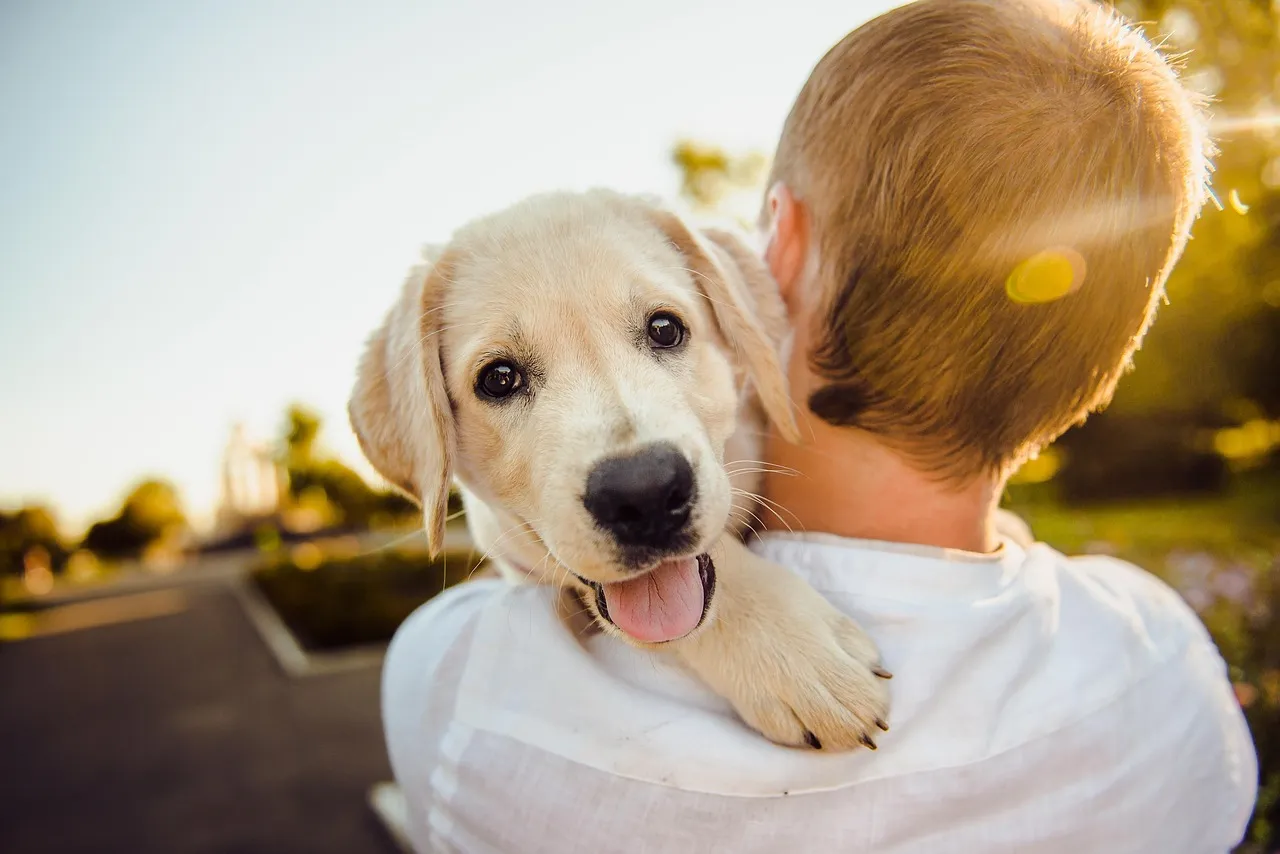
The most frequent Lab health issue isn’t hips. It’s ears.
Most owners brace for joint problems. A large UK study of Labradors from the Royal Veterinary College found something else. Ear infections were among the most commonly recorded disorders in the breed.
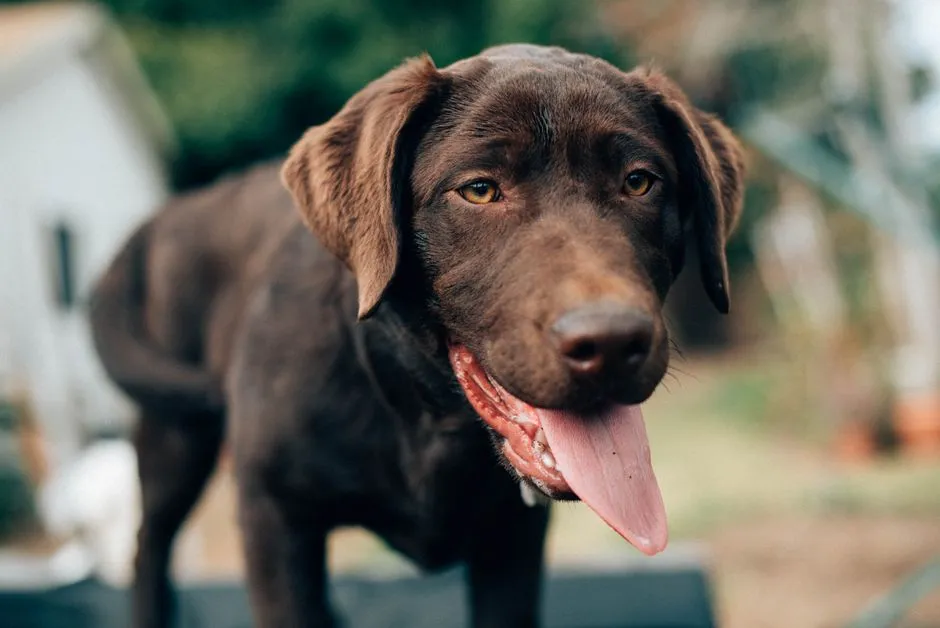
Colour made a difference. Chocolate Labradors suffered most. That’s nearly double the rate between chocolate and black dogs.
Quick Compare
- Chocolate Labs: 23.4% affected
- Yellow Labs: 17% affected
- Black Labs: 12.8% affected
Labs love water, and warm, wet, folded ears are a perfect environment for yeast and bacteria. Swimming, bathing, and humid weather all raise the risk, and underlying skin allergies can keep the problem coming back.
Watch for these early signs:
- Head shaking or scratching at the ears
- A sour or yeasty smell
- Redness or dark discharge
Don’t dig around with cotton buds. Many vets argue that over-cleaning does more harm than good. Ask your vet which method suits your dog.
Speaking of colour, what you’re about to read in #8 divides breeders…
#8 – Coat Colour Is More Than Cosmetic

🔥 Would you like to save this?
We'll email this post to you, so you can come back to it later!
Your dog’s colour may say something about its health odds.
Most buyers pick a colour by taste. Researchers say that’s worth a second thought. In the same RVC research, chocolate Labradors had a median lifespan of 10.7 years, 1.4 years shorter than black or yellow Labradors.
The data came from a large pool. The UK study examined veterinary records of 33,320 Labradors of all colours.
The likely cause isn’t pigment itself. Chocolate is recessive, so both parents must carry the gene for puppies to be chocolate. Researchers suspect that breeding heavily for the colour can narrow the gene pool.
The overall median lifespan across all Labradors in the database was 12 years. Remember, these are averages. Plenty of chocolate Labs live long, healthy lives.
Still, here’s the edgy opinion: many experts argue colour should be the last thing you choose in a puppy, after health testing and temperament.
Next, the exercise myth almost every owner believes, in #7…
#7 – A Long Walk Doesn’t Tire a Lab Out

🔥 Would you like to save this?
We'll email this post to you, so you can come back to it later!
Physical exercise alone often makes the problem worse.
You walk for an hour and your Lab still bounces off the walls. Sound familiar? That’s because stamina is part of the breed’s design.
Labs were built to work all day. A leash walk at human pace barely registers. Mental effort tires them out faster than miles do, and the more you add miles, the fitter and more energetic the dog can become.
Try swapping some walks for brain work:
- Scent games and hide-and-seek with treats
- Retrieve drills with a “sit and wait” first
- Food puzzles and snuffle mats
Ten minutes of nose work can leave a Lab calmer than a long, mindless walk. Many trainers say so, though every dog differs.
One more caution. Some Labs carry a genetic variant linked to exercise-induced collapse, a condition where intense exertion can cause sudden weakness. Ask your vet whether testing is relevant for your dog, especially if you plan on hard exercise.
But the real danger is quieter, and it’s waiting in #6…
#6 – You’re Probably Overestimating Your Lab’s Health
🔥 Would you like to save this?
We'll email this post to you, so you can come back to it later!
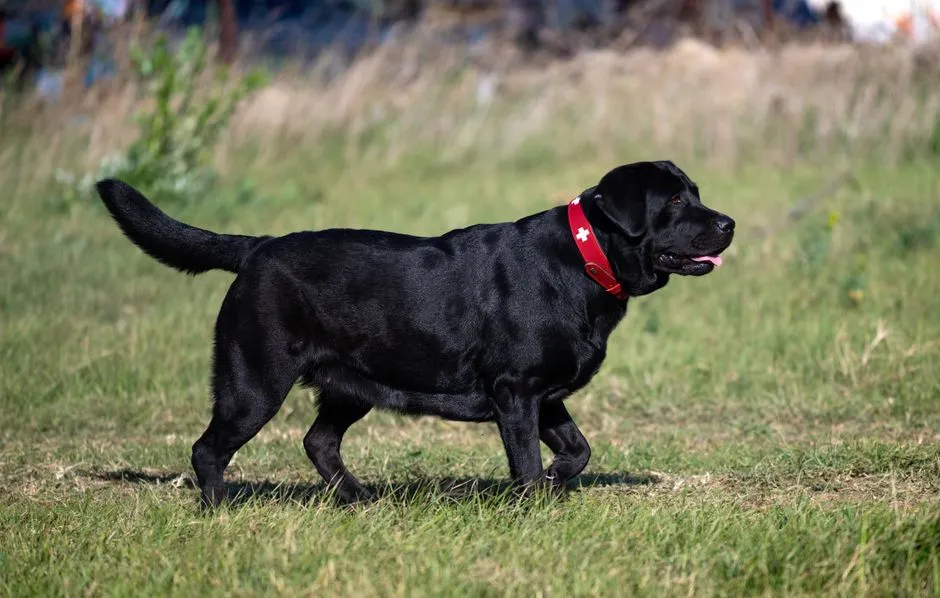
Obesity is the quiet epidemic nobody at the dog park admits to.
A Lab that “looks normal” is often overweight. Owners see so many heavy dogs that the shape starts to feel average.
The numbers back this up. Nearly 9% of the Labradors in the Royal Veterinary College study had an obesity diagnosis. Real rates in pet dogs may be higher, since many cases are never recorded.
Obesity can shorten a Labrador’s lifespan by up to two years. Extra weight also loads stress onto hips, elbows, and knees.
Fast Facts
- A well-known long-term study followed 48 Labrador littermates from seven litters
- The leaner group was fed about 25% less food throughout life
- Median lifespan was roughly 13 years for lean dogs versus about 11.2 for their heavier siblings
- That’s a gap of about 1.8 years, simply from the feeding bowl
Here’s a simple home check. You should be able to feel the ribs under a thin layer of padding. From above, you should see a waist behind the ribcage.
Many vets argue that free-feeding is the single worst habit an owner can have with a Lab. Measure meals. Count treats. Adjust as the dog ages.
Weight isn’t the only thing that sneaks up on owners. The emotional side of this breed does too, in #5…
#5 – Labs Hate Being Left Out
🔥 Would you like to save this?
We'll email this post to you, so you can come back to it later!
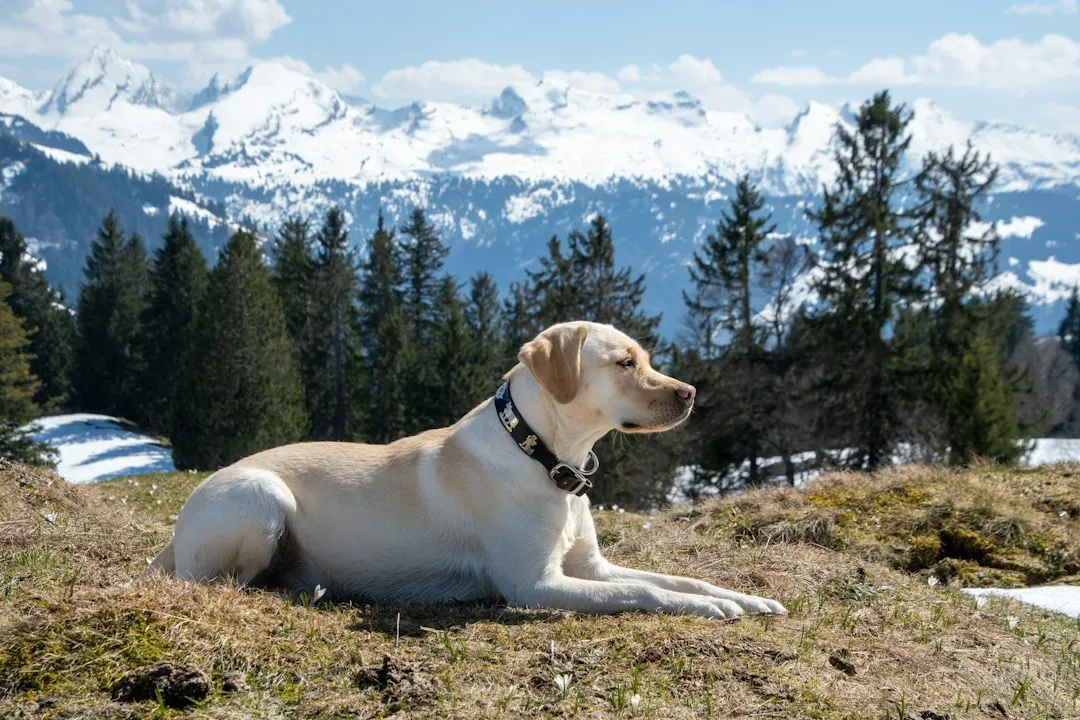
This “easy” breed can be surprisingly clingy.
Labs are bred to work closely with people. They’re social, affectionate, and often shadow their owners from room to room, right down to waiting outside the bathroom door.
That’s a wonderful trait on weekends. On workdays, it can turn into trouble. Many Labs struggle with long periods alone, and the result is chewing, barking, or digging.
Many owners are surprised to find that their “friendly” Lab makes a poor guard dog. Most Labs greet strangers like long-lost friends. Don’t expect protection.
- Build alone-time gradually from puppyhood
- Provide chews and puzzle feeders when you leave
- Consider a walker or daycare for long days
Separation problems can be genuine anxiety, not stubbornness. If your dog panics when you leave, talk to a vet or qualified behaviourist rather than adding punishment, which tends to make anxious dogs worse.
A confident Lab is one that learned early that being alone is safe and temporary.
The biggest training secret comes next in #4…
#4 – Food Is Your Best Training Tool and Your Biggest Trap
🔥 Would you like to save this?
We'll email this post to you, so you can come back to it later!
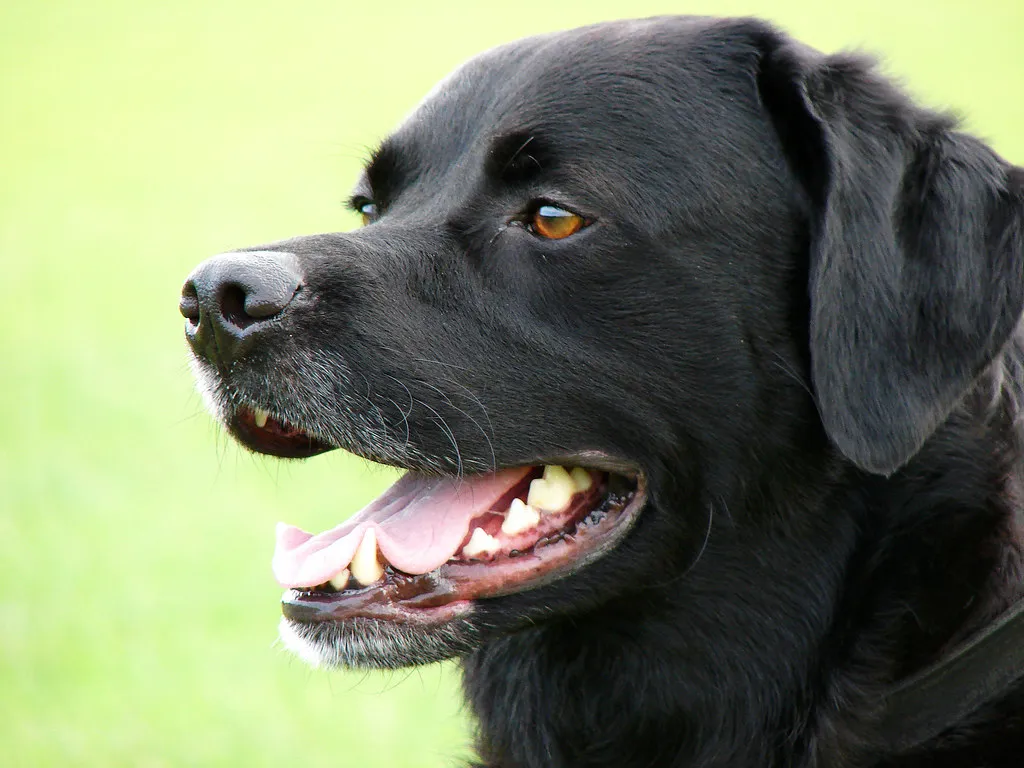
The same hunger that makes your Lab a thief makes it very trainable.
Food rewards sit at the centre of modern dog training. A dog that will work hard for a small piece of food is easier to teach, and Labs are a natural fit.
The trap is calories. Treats add up fast for a breed that gains weight easily. Ten treats a day can quietly undo a careful diet, and a common vet guideline is to keep treats to around 10% of daily calories.
Smart owners do two things:
- Use part of the daily meal as training rewards
- Choose tiny, soft treats rather than large biscuits
Many Labs will work for plain kibble if the training is fun. Save high-value treats for harder tasks like recall around distractions.
Some trainers argue dog parks are overrated for Labs. Excited, unpredictable play can reinforce bad habits like jumping and ignoring recall. A structured outing often does more good.
Next, a trait that has nothing to do with food, in #3…
#3 – The Water Obsession Is Built Into the Body
🔥 Would you like to save this?
We'll email this post to you, so you can come back to it later!
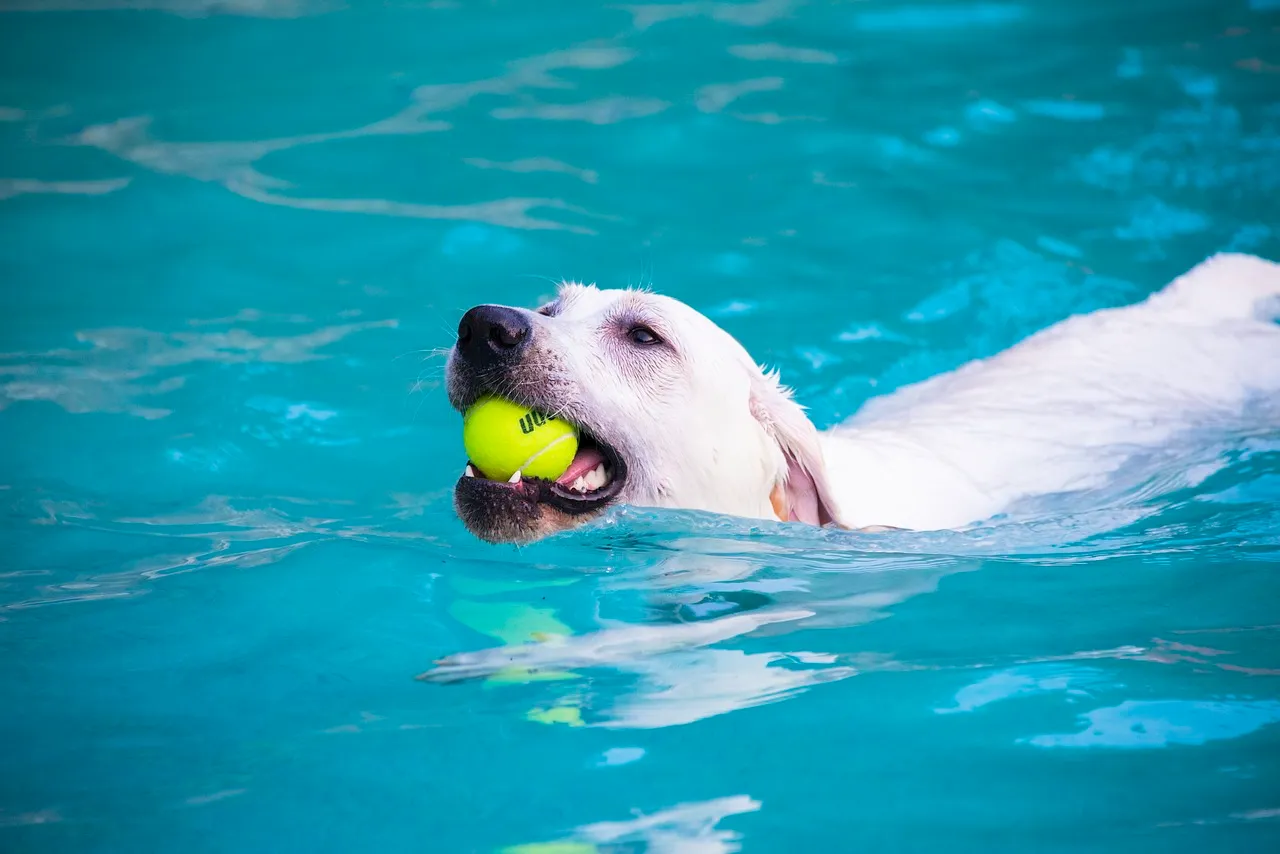
Your Lab didn’t learn to love water. It inherited it.
The breed’s early history was tied to working with water and fishermen’s catches. A dog that happily jumped into cold water was valuable.
The body reflects that history. Labs have a thick, water-shedding coat, webbed toes, and a thick, tapering “otter” tail that acts like a rudder.
Many Labs will jump into any water they see, including mud, ponds, and fountains. Don’t take it personally. Do keep an eye out for stagnant water.
Not every Lab swims right away, though. Some need gentle introductions. Never throw a nervous dog in.
Watch out for hazards. Cold water, strong currents, and blue-green algae in ponds can all be dangerous. A wet Lab also needs drying afterward, especially in the ears and skin folds.
The quietest problem of all is in #2…
#2 – Labs Hide Pain Better Than You Think
🔥 Would you like to save this?
We'll email this post to you, so you can come back to it later!
By the time your Lab limps, the problem has usually been there a while.
Labs are famously tough. They’re also eager to please, and that means many keep going despite discomfort. A dog that still brings the ball back isn’t necessarily a dog that feels fine.
Joint disease is a known concern in the breed. Hip and elbow problems are well documented, and extra weight makes them worse. In the large RVC study, the most common causes of death were musculoskeletal disorders and neoplasia.
Worth Knowing
- Hip and elbow dysplasia are the best-known joint conditions in Labradors
- In the U.S., the Orthopedic Foundation for Animals (OFA) offers hip and elbow evaluations
- Final OFA results are generally issued from 24 months of age, right around your Lab’s second birthday
- Ask any breeder for joint-screening results on both parents
Many owners miss the early signs because they look like ordinary ageing. Watch for subtle changes:
- Slower to rise after naps
- Hesitating at stairs or the car
- Less enthusiasm for retrieving
- Licking or chewing at a joint
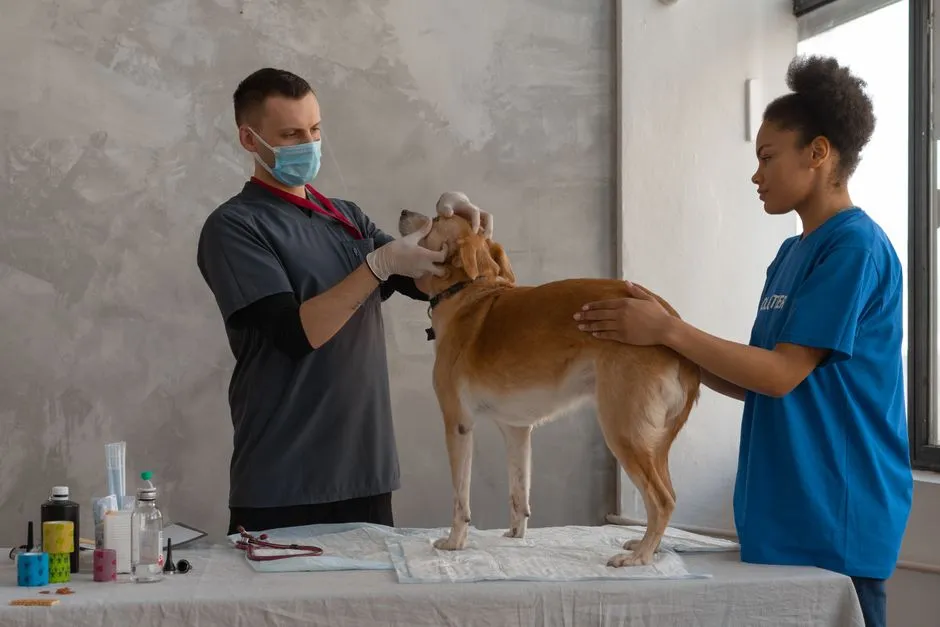
Don’t wait for a clear limp. A vet can check joints, discuss pain relief, and suggest weight or exercise changes. Early action tends to give better outcomes.
Keep in mind, this isn’t pessimism. It’s the reason annual checkups matter more for Labs than most owners realize.
Which brings us to the thing nobody warns you about in #1…
#1 – The First Two Years Are Just the Warm-Up
🔥 Would you like to save this?
We'll email this post to you, so you can come back to it later!
The bond you think you’ve built is only the beginning.
Two years in, you’ve survived chewed shoes, midnight toilet trips, and stolen dinners. It feels like the hard part is done.
In truth, you’re only about a sixth of the way through. The median lifespan for all Labradors in the study was 12 years. Some live longer. Some, sadly, don’t.
Many owners say the best years come after the chaos ends, somewhere around age three to eight. The dog is calmer, trained, and fully attuned to you.
That’s why the first two years matter so much. The habits you build now, from measured meals to ear care to patient training, shape the next ten.
Here’s our blunt view. The single most important habit is measuring every meal. It’s boring and it’s unglamorous, but it protects joints, lifespan, and your bond. A gene may be driving the hunger, with 1 in 4 Labs carrying it, yet the cup in your hand still decides the outcome.
The rest follows the same pattern. Ears fail more often than hips, colour may be linked to lifespan, and Labs hide pain, crave company, and act like puppies long after their first birthday. Love the dog you have, but plan for the dog the data describes.

- 7 Everyday Habits That Can Make Your Senior Dog Happier - November 5, 2026
- 10 Enigmatic Structures That Continue to Puzzle Scientists Today - November 5, 2026
- 10 Strange Ruins in the Americas That Challenge What We Know About Early History - November 5, 2026