
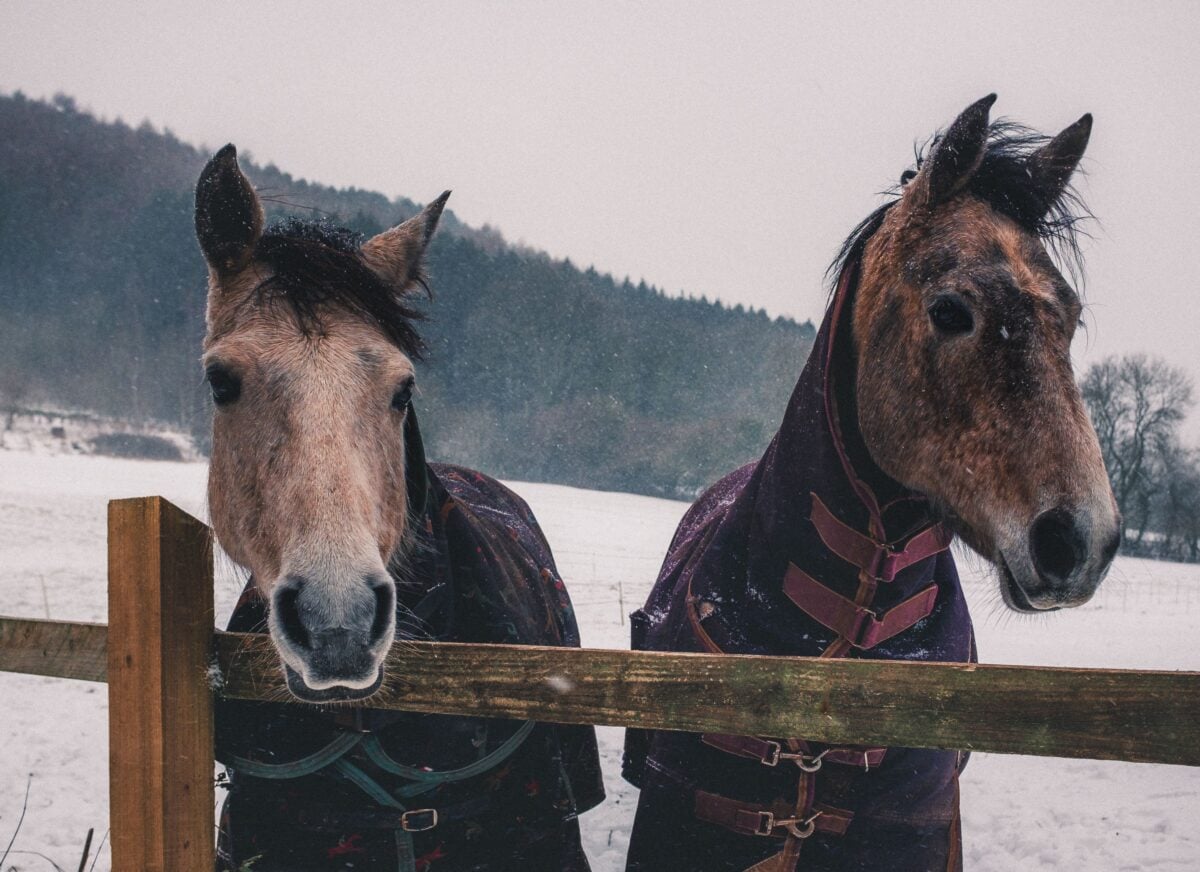
Most people think mucking out a stall on a freezing morning is the worst job on the farm. Turns out, it may be the most revealing. Before the coffee kicks in and the sun clears the fence line, whoever picks up that fork first gets a stream of information the horse can’t put into words.
Some of it is steamy, some of it is social, and some of it is a warning. The first clue is the one everybody notices. The one that matters most is easy to walk right past, and we’ll count down to it.
#11 – The Steam Rising Off the Stall Is a Live Readout of Your Horse’s Internal Furnace
🔥 Would you like to save this?
We'll email this post to you, so you can come back to it later!
That cloud of steam isn’t just cold air meeting manure. It’s a visible sign of a heating system most people never think about, one that runs all night while you sleep.
Horses carry a built-in furnace in the hindgut. Microbes there ferment fibrous roughage, and the process gives off heat as a byproduct. Hay takes longer to break down than grain, so the more forage moving through, the longer the burn.
A horse eating enough forage can get a major share of its daily heat from gut fermentation. Whoever mucks first is looking at the leftovers of that process, still warm in freezing air. Most people never realize the horse is heating itself from the inside out.
This is why winter feeding advice centers on hay, not grain. A horse with hay in front of it overnight has a slow-burning stove running until morning.
- Winter weather can increase the hay a horse needs by 30 to 50%.
- Grain digestion doesn’t produce as much heat as microbial fermentation of forage.
- A horse kept outside will likely need more hay than a horse kept in a barn.
But the steam is the least useful thing you’ll notice. What the horse does next, in #10, tells you far more…
#10 – The Nicker at the Stall Door Is a Social Signal, Not Just a Request for Breakfast
🔥 Would you like to save this?
We'll email this post to you, so you can come back to it later!
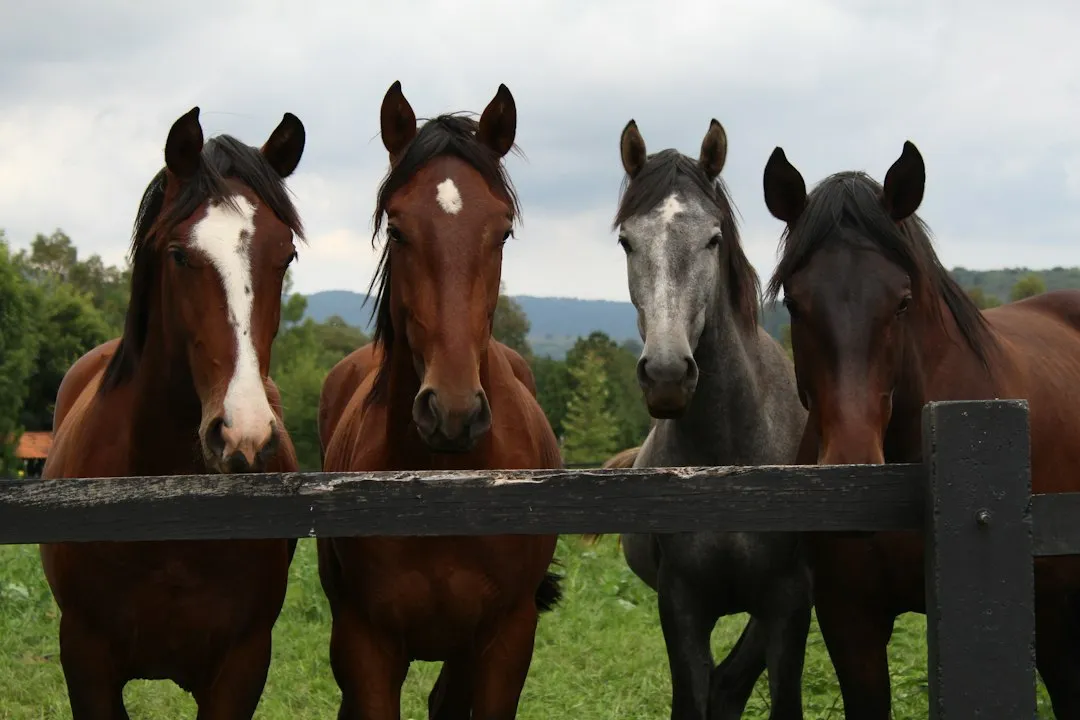
Most people assume a horse’s greeting is pure hunger. The truth is messier than that.
Horses are herd animals. Many give a low, soft nicker when a familiar person shows up, and it’s often tied to feeding time. Hunger plays a part. Still, it’s nearly impossible to separate affection from anticipation, and anyone who claims to know exactly is guessing.
Cold weather adds a twist. Horses seek shelter from cold and wind, or huddle together to cut heat loss. A horse alone in a stall has lost its huddle partners, so the person arriving at dawn may be its main source of company.
Here’s the controversial part. Plenty of owners insist the nicker means “I love you.” Skeptics say it means “where’s the bucket?” The honest answer is probably both, and that’s fine.
What matters for you is the baseline. Learn what your horse’s normal morning looks like:
- Ears relaxed and tilted toward you
- How quickly it comes to the door
- Whether it shows interest in food at all
A horse that ignores breakfast deserves a closer look. And what you check next matters even more than the greeting. It’s waiting in #9…
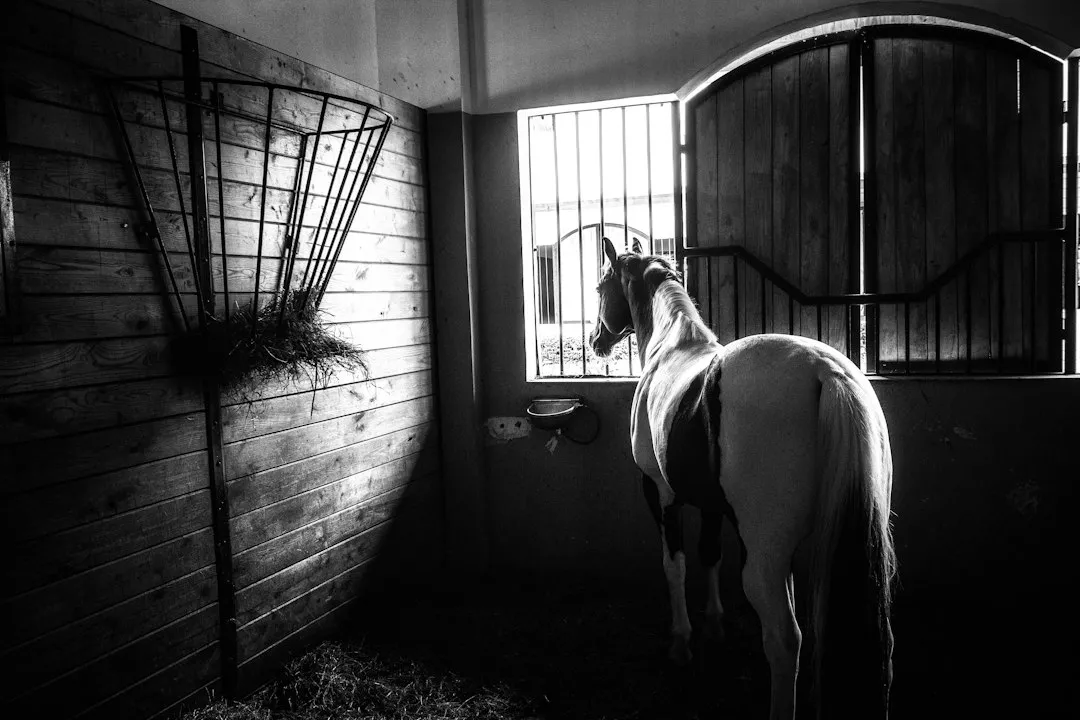
#9 – The Manure Is the Earliest Health Report on the Farm, and the First Mucker Reads It First
🔥 Would you like to save this?
We'll email this post to you, so you can come back to it later!
It’s not glamorous, but overnight output is one of the most honest clues you’ll get all day.
Amount, texture and consistency all tell a story. A change from your horse’s normal is the signal, which is why knowing “normal” matters more than any textbook number. The first person with the fork is the only one who sees the stall before it’s disturbed. Once it’s tossed into the barrow, the evidence is gone.
Winter raises the stakes. Dehydration is a major winter risk and can lead to impaction colic. Noticeably less manure, or drier, harder piles, can be an early clue that something is off.
None of this replaces a vet. It just gets you to the phone sooner.
- Noticeably less than usual
- Unusually dry or hard
- Different smell or consistency
- Any of the above plus dullness or poor appetite means call your vet
Speaking of buckets, the next one hides a mistake many barns make every day, in #8…
#8 – The Water Bucket Hides a Quiet Winter Mistake Many Barns Make Every Single Day
🔥 Would you like to save this?
We'll email this post to you, so you can come back to it later!
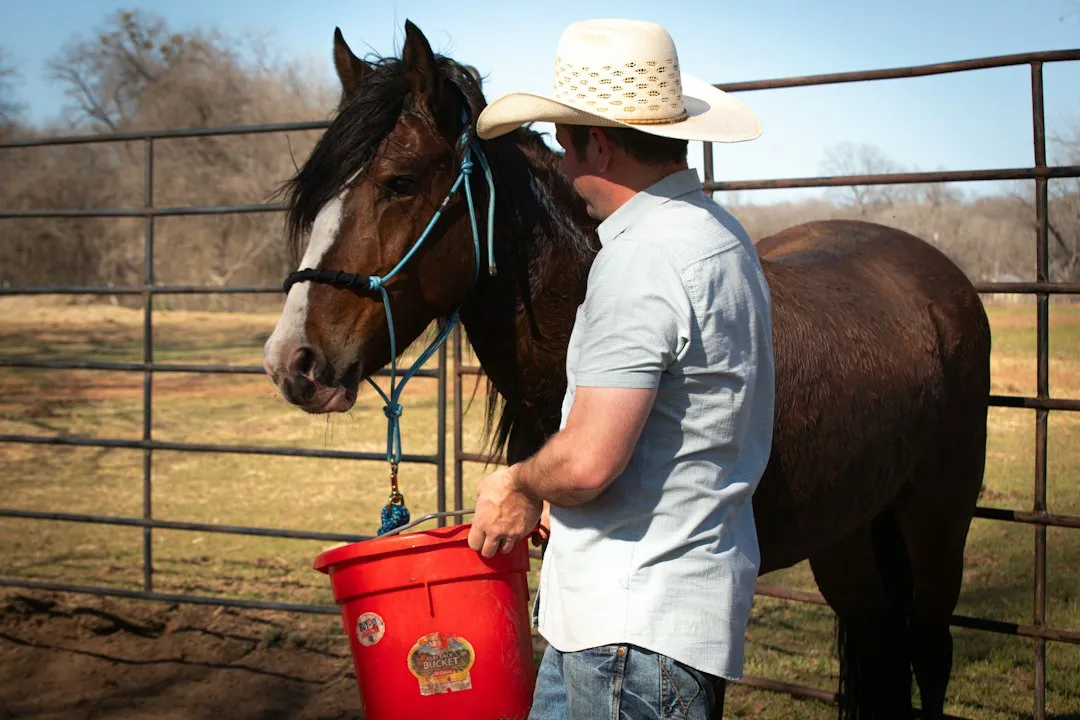
A bucket that looks full can be hiding a horse that barely drank.
Horses tend to avoid very cold water, and adding some warm water can encourage them to drink more. Add a skin of ice on top and intake can drop without anyone noticing. An average adult horse is commonly said to drink somewhere around 5 to 10 gallons a day, so a few skipped sips can add up.
The problem compounds. Horses eating dry hay usually need more water than horses on fresh pasture. Colder weather means more hay, which means more water. The gap between what a horse needs and what it actually drinks is exactly where winter colic risk grows.
The first mucker can close that gap. Compare the level in the bucket with last night’s fill. It’s a free intake measurement.
Fast Facts
- Water temperature matters: many horses seem to prefer it cool rather than icy, often cited as roughly 45 to 65°F.
- A 1,000-pound horse typically needs about 1 ounce of salt a day, which helps drive thirst.
- Quick hydration check: pinch the skin on the point of the shoulder. It should flatten again within a second or two.
- A slow rebound, tacky gums or a dull attitude are all reasons to phone your vet.
Some barn managers call heated buckets a luxury. We’d argue they’re closer to insurance, though budgets and setups vary.
Ways to nudge a horse toward drinking:
- Offer slightly warmed water
- Use loose salt instead of block salt, since horses may not want to lick a cold block
- Try soaked hay cubes, soaked beet pulp, or a warm mash made from a feed the horse already tolerates
But the bedding tells an even more surprising story, in #7…
#7 – The Bedding Shows What Happened Overnight, and Most Owners Never Learn to Read It
🔥 Would you like to save this?
We'll email this post to you, so you can come back to it later!
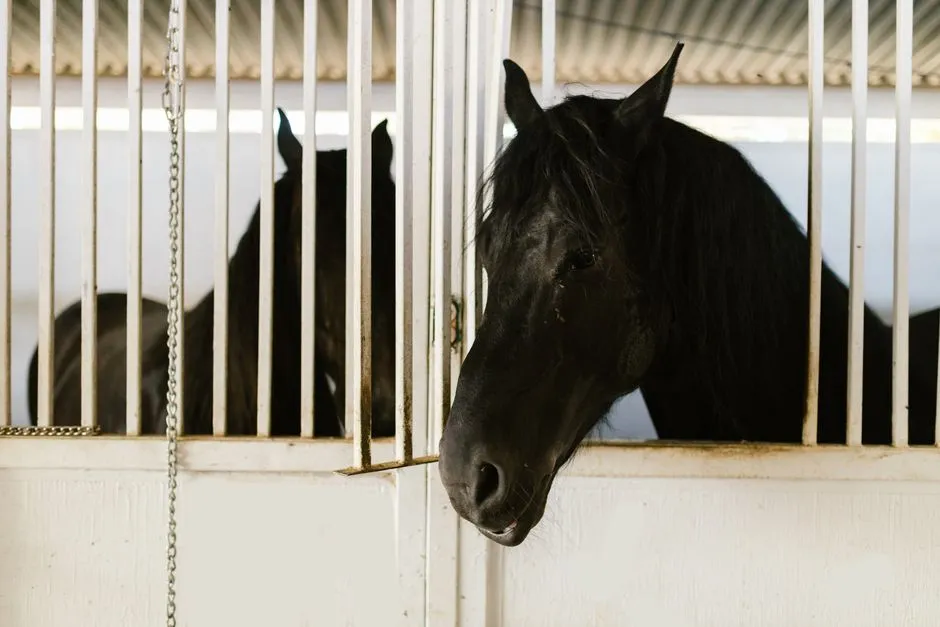
Your horse can’t tell you how the night went, but the straw and shavings can.
Look at the layout before you dig in. A flat, tidy hollow suggests a horse that lay down and rested. Horses can doze on their feet, but they need to lie down for deep sleep, so a used-looking bed is often a good sign. Churned, scattered bedding, or heavy marks around the walls, can point to restlessness, pawing or rolling.
One messy night isn’t a diagnosis, but a repeated pattern is worth a conversation with your vet.
Then check the hay. Energy intake is the most critical factor in how readily a horse develops cold tolerance. If a horse doesn’t eat enough to offset heat loss to the cold, it loses weight. Untouched hay or an empty rack both mean something.
- Flattened, even hollow: likely good rest
- Churned or banked bedding: note it, watch for a pattern
- Hay barely touched: check appetite and mouth
- Rack stripped bare early: it may need more forage
And what’s growing on your horse’s body may be even more revealing, as #6 shows…
#6 – The Winter Coat Is a Weather Station, and the First Look Each Morning Matters Most
🔥 Would you like to save this?
We'll email this post to you, so you can come back to it later!
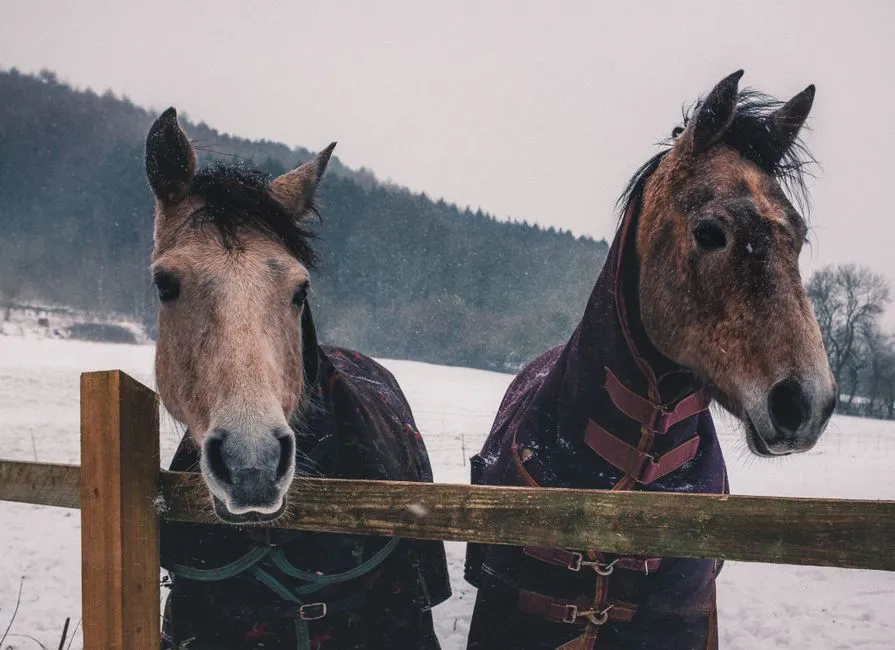
That fluffy horse isn’t just fuzzy. Its coat is a working insulation system.
As daylight shortens, horses grow a thicker winter coat. In the cold, the hair stands up, trapping and holding body heat. A puffed-up horse on a frosty morning is doing exactly what it’s designed to do.
The weak spot is moisture. A wet or muddy coat reduces insulation and may increase heat loss, and even a little sweat can make cold weather feel much colder. A damp horse in wind is in a very different situation from a dry horse in deeper cold.
Now the trap: judging condition by eye. A thick coat hides everything, and underconditioned horses have less insulation and lose more heat in the cold. Eyes lie in winter. Hands don’t, so run them over the ribs and topline.
- Dry or damp?
- Fluffed up or flat?
- Ribs felt by hand, not just seen
The coat is only half the story. The legs have their own secret in #5…
#5 – Horse Legs Have Almost No Muscle Below the Knee, Which Changes How You Check Them
🔥 Would you like to save this?
We'll email this post to you, so you can come back to it later!
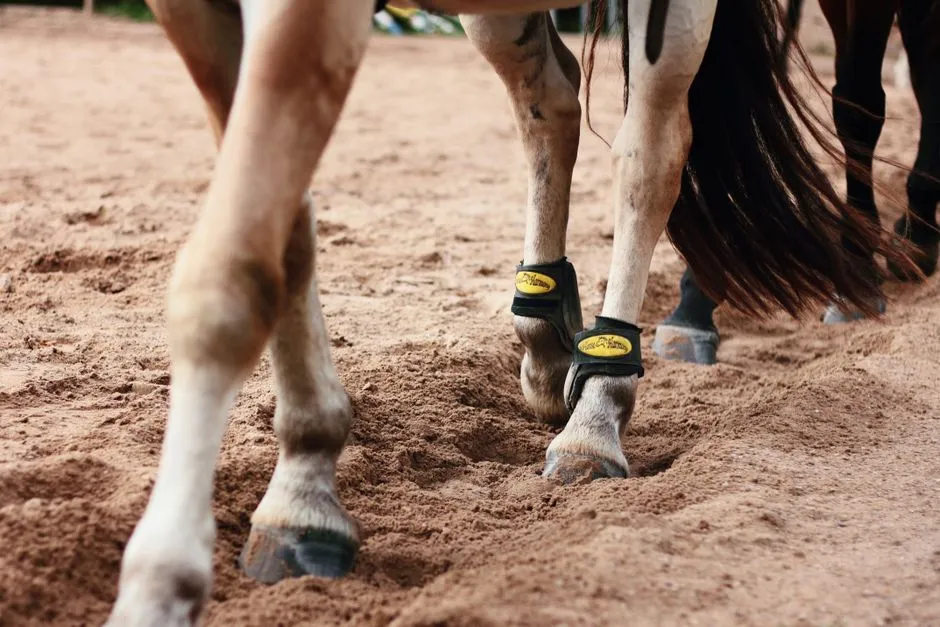
Those thin, bony lower legs are built so differently from yours that cold barely bothers them.
An equine internal medicine professor at the University of Illinois points out that horses do not have muscle masses below the knee or hock. Another veterinary expert notes that the shunting mechanisms in horses’ feet also help in cold weather. That’s why a horse can stand in snow without the frostbite-style trouble you’d expect.
In simple terms, legs made mostly of tendon, ligament and bone don’t need much blood flow. There’s less heat to lose.
But cold-hardy doesn’t mean problem-proof. The morning mucker is also the person best placed to catch small changes before they grow. Heat, swelling or a horse standing oddly are easiest to notice when you’re already beside the animal, fork in hand.
Worth Knowing
- A faint pulse at the fetlock is normal. A strong, bounding one can point to hoof trouble such as an abscess or laminitis.
- Mild “stocking up” in a stalled horse’s legs is common overnight and often eases once the horse moves around.
- Heat or swelling in just one leg is the pattern to take seriously.
- Packed snow can ball up in the hooves and change how a horse walks.
A quick routine:
- Run a hand down each leg and compare left to right
- Pick out the hooves and look for packed snow, ice or stones
- Watch the first few steps when the horse moves off
The next one will start an argument in any barn aisle, and it’s waiting in #4…
#4 – The Blanket Debate Gets Barns Heated, and the Evidence Is More Mixed Than Either Side Admits
🔥 Would you like to save this?
We'll email this post to you, so you can come back to it later!
Few topics split a barn aisle faster than whether a horse really needs that rug.
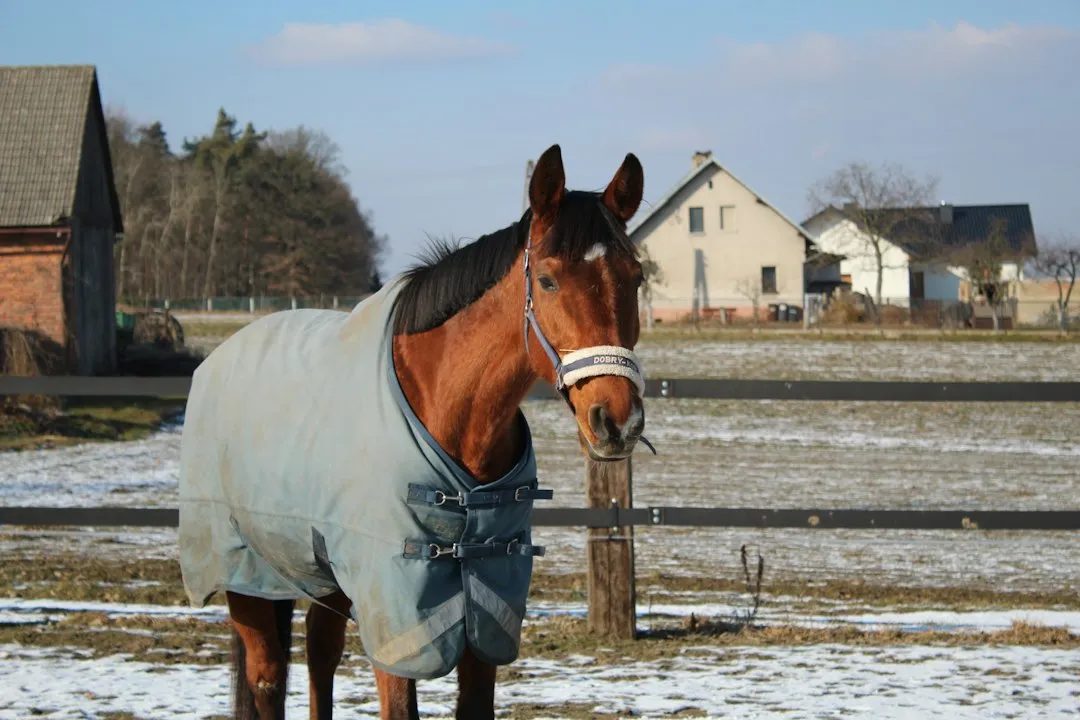
Horses with a full, healthy winter coat can often tolerate cold without a blanket. Yet a horse with a good coat and condition may still benefit, since a blanket can reduce the hay needed to stay warm. Both statements are true, which is exactly why the argument never ends.
Some horses clearly need more help. Horses over 20 generally tolerate cold less well, and clipped, senior or medically vulnerable horses lose some natural protection. The blanket question is really about the individual horse, not the thermometer.
Here’s the friction. The blanket-everything crowd calls bare horses neglected. The never-blanket crowd calls rugged horses spoiled. Both are overgeneralizing.
- Blanketing is more likely to help: clipped, senior, thin or unsheltered horses
- Often unnecessary: healthy, full-coated horses with shelter and plenty of hay
And if you think the blanket debate is heated, wait until you hear the stall myth in #3…
#3 – The Stall Isn’t Automatically the Warm Choice, and It May Be the Most Misunderstood Winter Rule
🔥 Would you like to save this?
We'll email this post to you, so you can come back to it later!
Most owners assume inside means safer. The research is more nuanced.
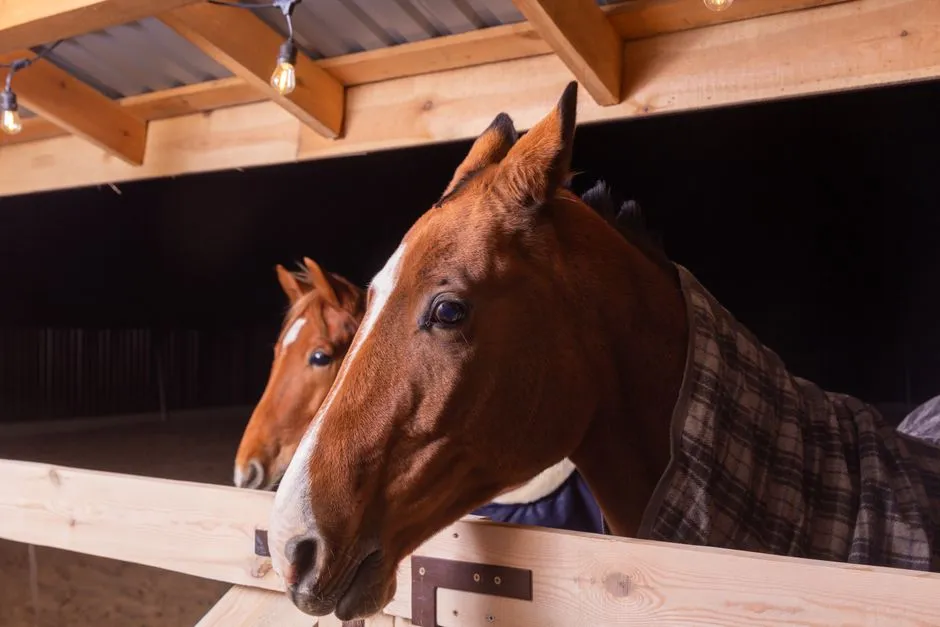
University of Minnesota Extension notes that horses acclimated to cold temperatures often prefer and are better off outdoors. With access to shelter, healthy, acclimated horses can tolerate temperatures as low as -40°F. The key word is shelter, not walls.
The numbers back up a simple shed. Horses conserve up to 20% more body heat in a shed than in an open, exposed area. The real enemies are wind and wetness, not temperature alone.
Here’s the opinion that splits barns. Many owners treat a closed stall as a kindness. For a healthy, acclimated horse, some extension guidance suggests it may be the less natural option.
Stalls still have their place. Clipped, senior or medically vulnerable horses may need more stall time or controlled turnout to stay warm and healthy.
- Wind and wet matter more than the number on the thermometer
- Every horse outdoors needs a dry shelter it can reach
But the next point isn’t about the horse at all. It’s closer to home, in #2…
#2 – The Mucking Itself Is a Surprisingly Honest Workout, and the Routine Is Part of the Reward
🔥 Would you like to save this?
We'll email this post to you, so you can come back to it later!
Forking out a stall in the cold is secretly a full-body job.
Lifting, bending, pushing a loaded barrow. It all adds up. Muscle contraction produces heat, which is why horses may run around in cold weather. People are no different. Don’t be surprised if you’re shedding layers by the time the barrow is full.
Then there’s the rhythm. Showing up at the same time, doing the same steps, in the same order, builds a predictable morning for the animal. Predictability is a quiet cornerstone of good horse care.
We won’t oversell mucking as therapy, and we don’t have data on it specifically. But we’d argue that daily, unhurried time beside your horse is exactly how owners notice small changes.
- Movement keeps you warm
- A steady routine gives the horse a predictable start to the day
- Slow time near the animal sharpens your eye
Now put every clue together, because the real answer to the headline is in #1…
#1 – What the Horse Actually Gives Whoever Mucks First: The Earliest, Most Honest Report on Its Health
🔥 Would you like to save this?
We'll email this post to you, so you can come back to it later!
The real answer isn’t a greeting or a steaming pile. It’s a head start.
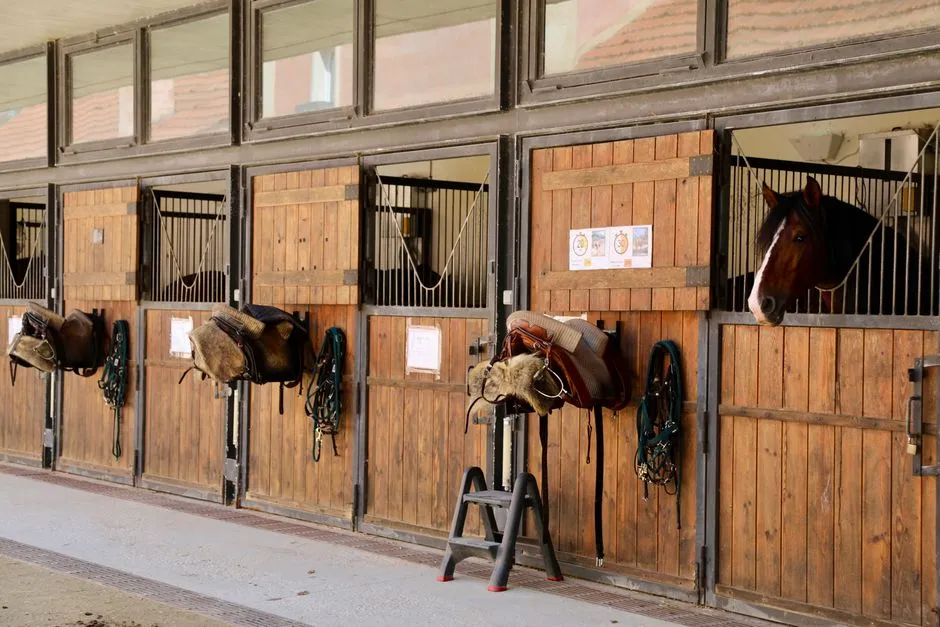
Horses are prey animals, and many hide discomfort until it’s hard to miss. They can’t say “I didn’t drink last night” or “I felt off at 3 a.m.” The stall says it for them, and only the first person through the door can read it undisturbed.
Add up everything above and you get a complete morning scan:
- Heat: how much hay was eaten overnight
- Greeting: interest, energy and mood
- Manure: amount and consistency
- Water: how much was actually drunk
- Bedding: how the horse rested
- Coat and legs: dryness, condition, heat or swelling
The payoff is time. Spotting a change at 6 a.m. instead of 6 p.m. can mean an earlier call to the vet and a better chance of a simple fix. That’s worth far more than a few extra minutes in bed.
At a Glance
- Typical resting temperature for an adult horse: about 99 to 101.5°F
- Typical resting heart rate: roughly 28 to 44 beats per minute
- Typical resting breathing rate: roughly 8 to 16 breaths per minute
- Your own horse’s normal matters most, so record it on a calm day.
We’d go further. The first person to muck out should never be the one in a rush. The horse is handing over its day’s first report, and only a careful reader gets all of it.
The Bottom Line
🔥 Would you like to save this?
We'll email this post to you, so you can come back to it later!
Mucking out first is not the short straw. It’s the best seat in the barn. You get the warm evidence of a horse’s internal furnace, the earliest read on its hydration, rest, appetite and coat, and a quiet chance to notice what’s changed.
Blankets and stalls get all the argument, but the daily check is the thing that actually protects a horse. Our view is that the person with the fork should be the most trusted observer on the property, not the most junior.
Who mucks out first at your barn, and what’s the most telling thing the stall has ever shown you?

- 10 Enigmatic Structures That Continue to Puzzle Scientists Today - November 5, 2026
- 10 Strange Ruins in the Americas That Challenge What We Know About Early History - November 5, 2026
- Beyond the Bark: Decoding Your Dog’s 12 Most Common Vocalizations - November 5, 2026