
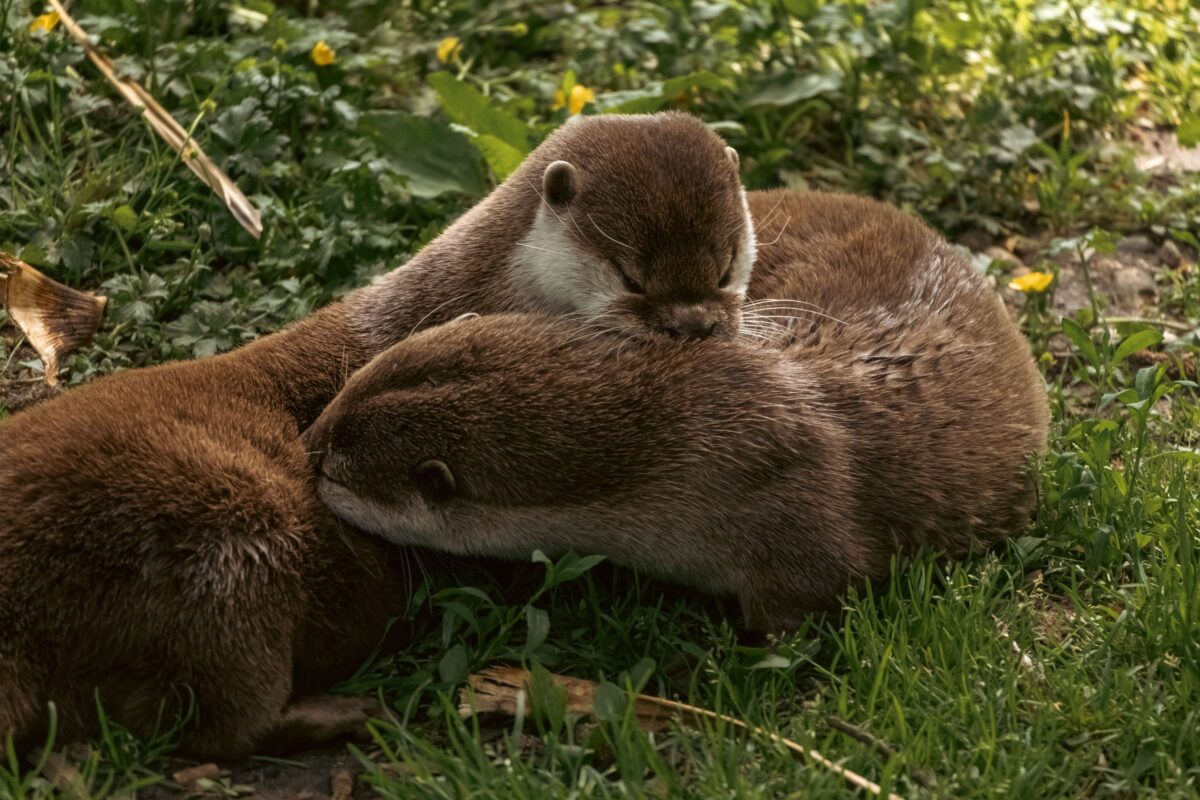
Everybody thinks they’ve got otters figured out: slippery little clowns that hold hands while they nap and chase minnows for a living. That’s the postcard version. The real one, pieced together from GPS collars, underwater drones, and years of patient camera-trap work, is stranger, sneakier, and honestly a little unsettling.
Biologists who spent decades studying these animals kept running into behavior that shouldn’t have been there – coordinated hunting tricks, personality-driven food hoarding, even something that looks suspiciously like teaching. Some of it reads like animal culture. Some of it just reads like otters are having way more fun down there than anyone gave them credit for. Here are 13 things river otters do that caught the experts off guard – counted down to the strangest discovery of all.
#13 – “Surfing” Fast Currents Like a Water Park
🔥 Would you like to save this?
We'll email this post to you, so you can come back to it later!
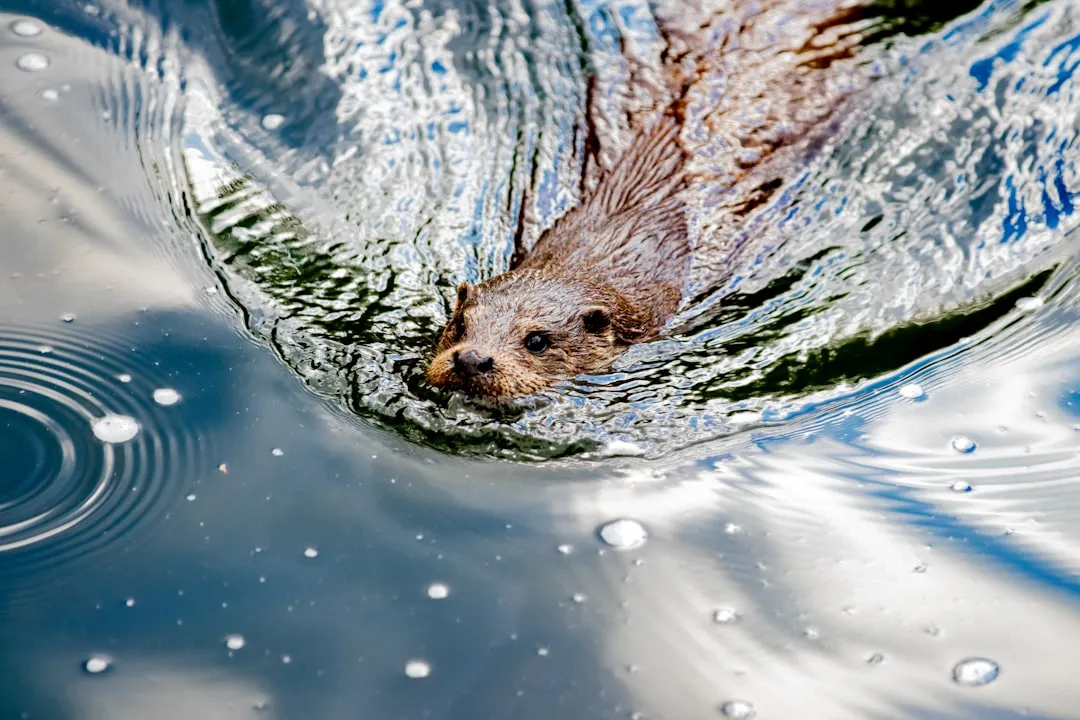
Otters don’t just swim downriver – they actively hunt out the roughest, fastest sections and surf them. Field biologists tracking GPS-tagged otters on mountain rivers expected the animals to avoid dangerous rapids to save energy. Instead, they watched otters climb onto smooth rocks or muddy banks, then launch themselves belly-first into the current like it was a waterslide.
They’d scramble out, run back up, and do it again – sometimes for half an hour with zero feeding payoff. Researchers first wrote it off as random play, until they noticed the pattern: surf sessions spiked in seasons with plenty of food and low predation risk. That’s not desperation behavior. That’s leisure. Juveniles even seem to copy the exact lines adults take down a chute, as if they’re learning river hydraulics for fun first, survival second. But that’s nothing compared to what’s happening at #12.
Fast Facts
- River otters can swim up to 6 mph in short bursts, using powerful tail strokes to punch through fast water.
- They can hold their breath for up to eight minutes, giving them time to ride out rough currents without surfacing.
- An adult typically weighs 11 to 30 pounds and stretches three to four feet from nose to tail.
- The tail alone makes up about a third of an otter’s total length, acting like a built-in rudder in whitewater.
#12 – Building “Slide Highways” That Reshape Riverbanks
🔥 Would you like to save this?
We'll email this post to you, so you can come back to it later!
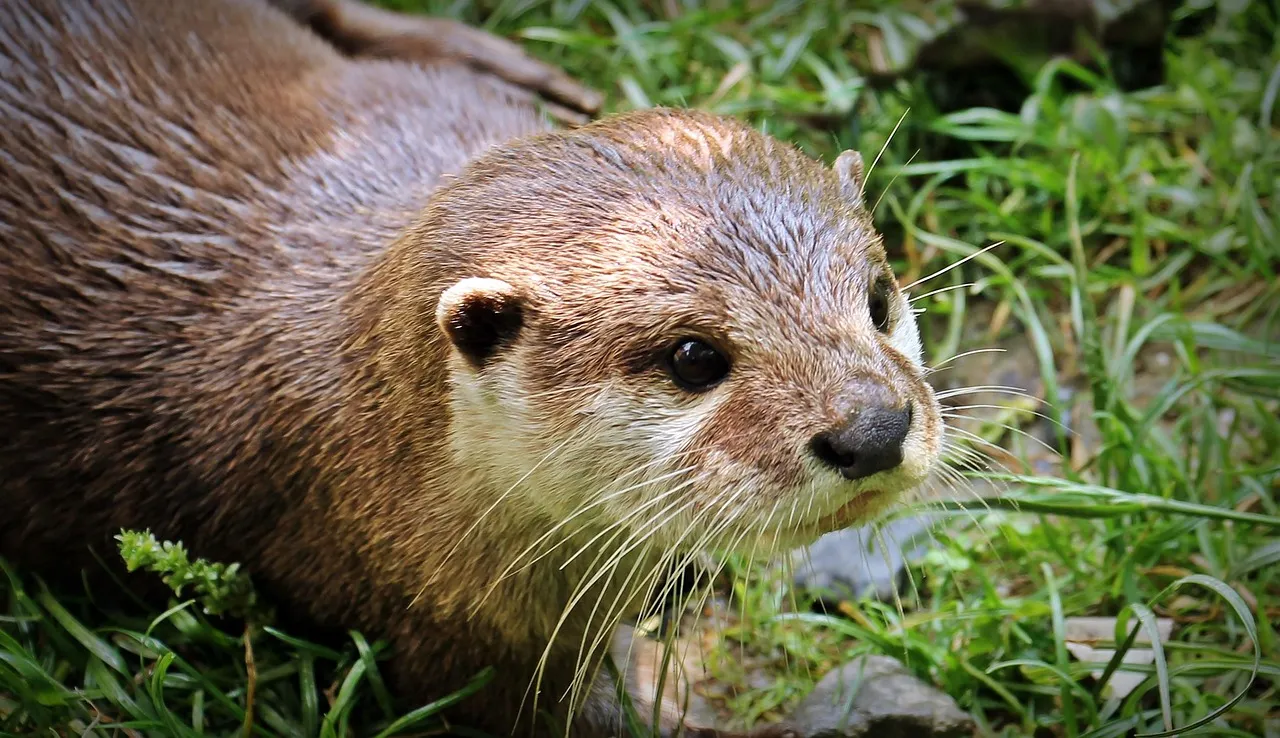
Everyone has seen the viral clips of otters sliding down snowy or muddy slopes. What biologists didn’t expect was to find long-term, engineered slide networks along certain river stretches. At several well-studied sites, otters return to the same muddy banks day after day, year after year, carving out smooth, polished ramps that connect resting spots, hunting pools, and escape routes.
These aren’t random trails. Some slides form actual intersections, where two or three routes meet at a flat “decision point” above the waterline. Others angle precisely to drop an otter into slow eddies or behind boulders where fish and crayfish hide. Repeated use compacts the soil, changes the vegetation, and shifts micro-erosion patterns – otters unintentionally engineering mini-highways into the riverbank itself. Some ecologists now argue otters deserve the same “ecosystem engineer” label as beavers, a claim not everyone in the field is ready to accept. That debate looks tame next to what happens in the slide-fed clubbing spots at #11.
#11 – Hosting Nighttime “Social Clubs” in Quiet Pools
🔥 Would you like to save this?
We'll email this post to you, so you can come back to it later!
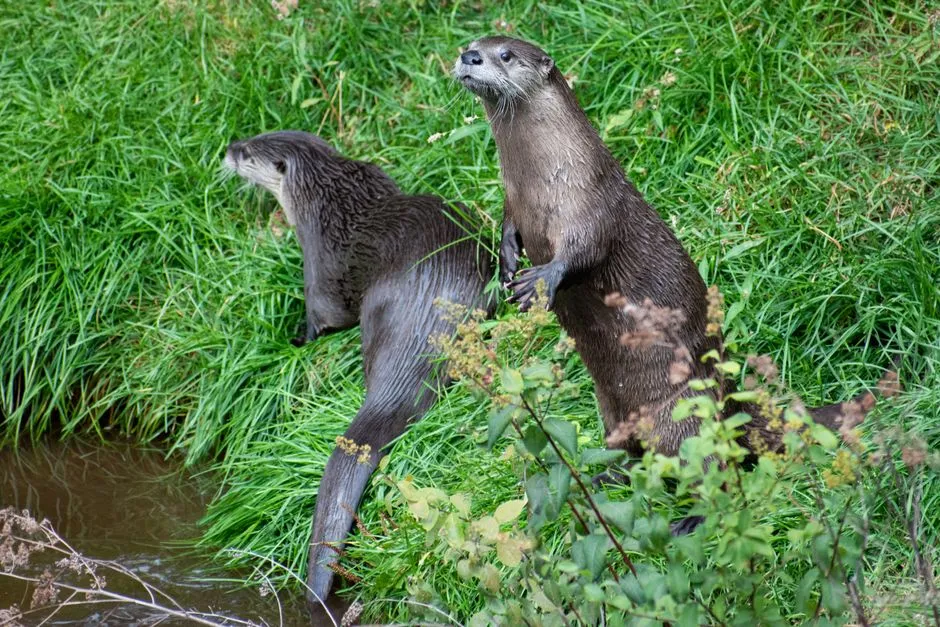
Otters were long painted as mostly solitary, or living in small family units, especially in rivers with patchy food. Camera traps changed that story fast. In multiple regions, researchers discovered unexpected nighttime gatherings – four, six, even ten otters meeting in the same calm pools, not to hunt, but to wrestle, vocalize, groom, and drift together in loose circles.
What shocked biologists wasn’t just the numbers – it was the regularity and location. These “social clubs” formed at the same sheltered pools week after week, often fed by those well-worn slides higher up the bank. Otters from different territories tolerated neighbors they’d normally chase off in daylight, and some mixed-age groups let unrelated juveniles practice hunting moves on patient adults. Textbooks still describe river otters as territorial and antisocial – this flexible nightlife makes that description look outdated. Wait until you see how picky they got about their river bathrooms at #10.
#10 – Running “Toilet Stations” That Double as Message Boards
🔥 Would you like to save this?
We'll email this post to you, so you can come back to it later!
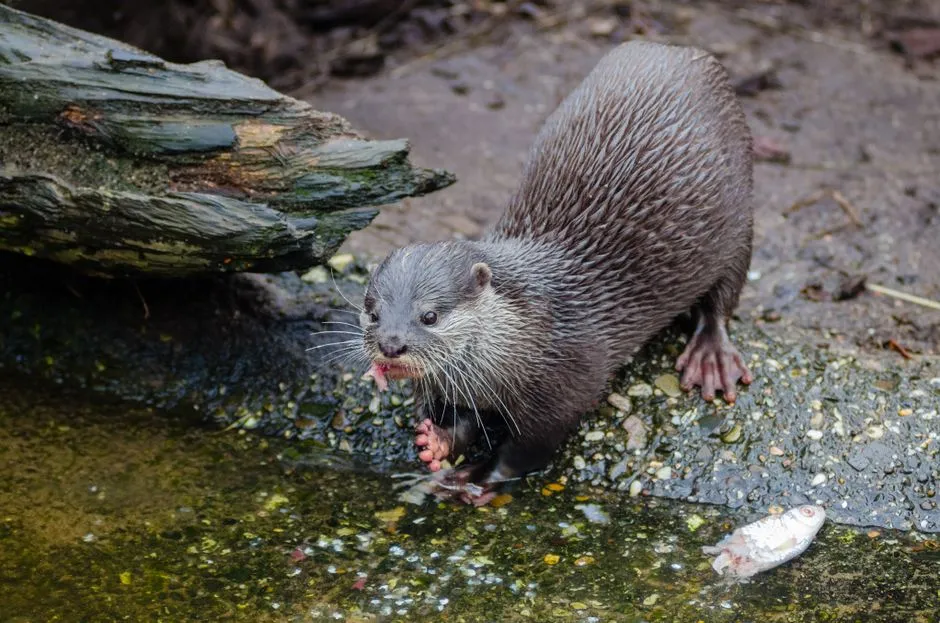
Biologists always knew otters used communal latrines, called spraints, on rocks and sandbars. What they didn’t expect was how strategic and ritualized these river toilets actually are. In many systems, otters bypass perfectly good resting spots and travel extra distance just to defecate and scent-mark on high, exposed rocks at river bends, confluences, or narrow choke points.
These spots function like visual billboards and chemical bulletin boards. Piles of fish scales, crushed crayfish shells, and oily scent-gland residue broadcast who’s been through, what they ate, and whether females are breeding. In some rivers, otters hit the same “posting sites” right after major events – territory disputes, food booms, a new individual showing up. Stranger still, some otters change their latrine routes entirely when new neighbors move in, as if renegotiating borders in real time. That same network might be where the strangest hunting hack of all first spread – see #9.
#9 – Herding Fish with “Bubble Walls” and Body Blocks
🔥 Would you like to save this?
We'll email this post to you, so you can come back to it later!
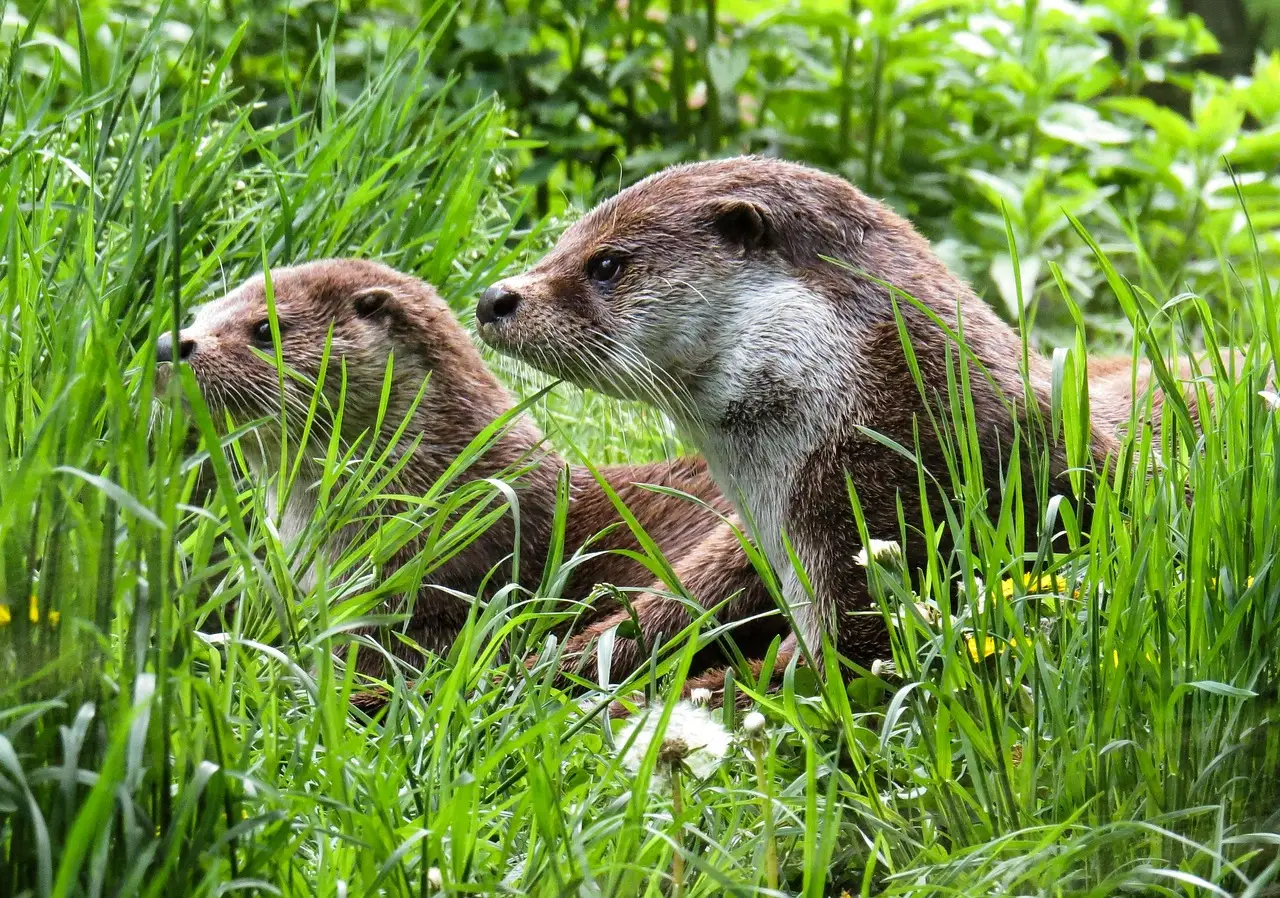
Textbooks say otters mostly ambush or chase individual fish one at a time. Underwater cameras in clear rivers caught something far more organized: otters herding fish into dense, panicked balls using coordinated movement and bubble streams. In some sequences, a pair swims in a rough semicircle, exhaling hard to create a visual “fence” of bubbles while another darts in behind the confused school.
Even solo otters show a miniature version of this – driving small fish against submerged roots or undercut banks, then circling back to snap up stragglers. One especially strange move: an otter parking its body sideways in the current, using its own bulk as a physical wall while flicking its tail to spook fish back toward its jaws. That’s spatial manipulation, not mindless thrashing. Nobody expected a freshwater cousin of the coordinated “bubble-net feeding” famous in whales – yet here it is, scaled down to river size. And otters don’t stop at bodies and bubbles. Sometimes they bring tools into it, as #8 shows.
Quick Compare
- Whales: Blow rings of bubbles at the surface to trap fish, then rise through the middle with mouths wide open.
- River otters: Exhale short bursts underwater to build a “bubble fence” in current, pinning fish against banks or other otters.
- Shared trick: Both use bubbles as a barrier rather than a bite, squeezing prey into a smaller, easier target.
- Key difference: Whales need open water and numbers; otters manage it solo or in loose pairs, in water barely deep enough to swim in.
#8 – Using Rocks and Logs as Improvised River Tools
🔥 Would you like to save this?
We'll email this post to you, so you can come back to it later!
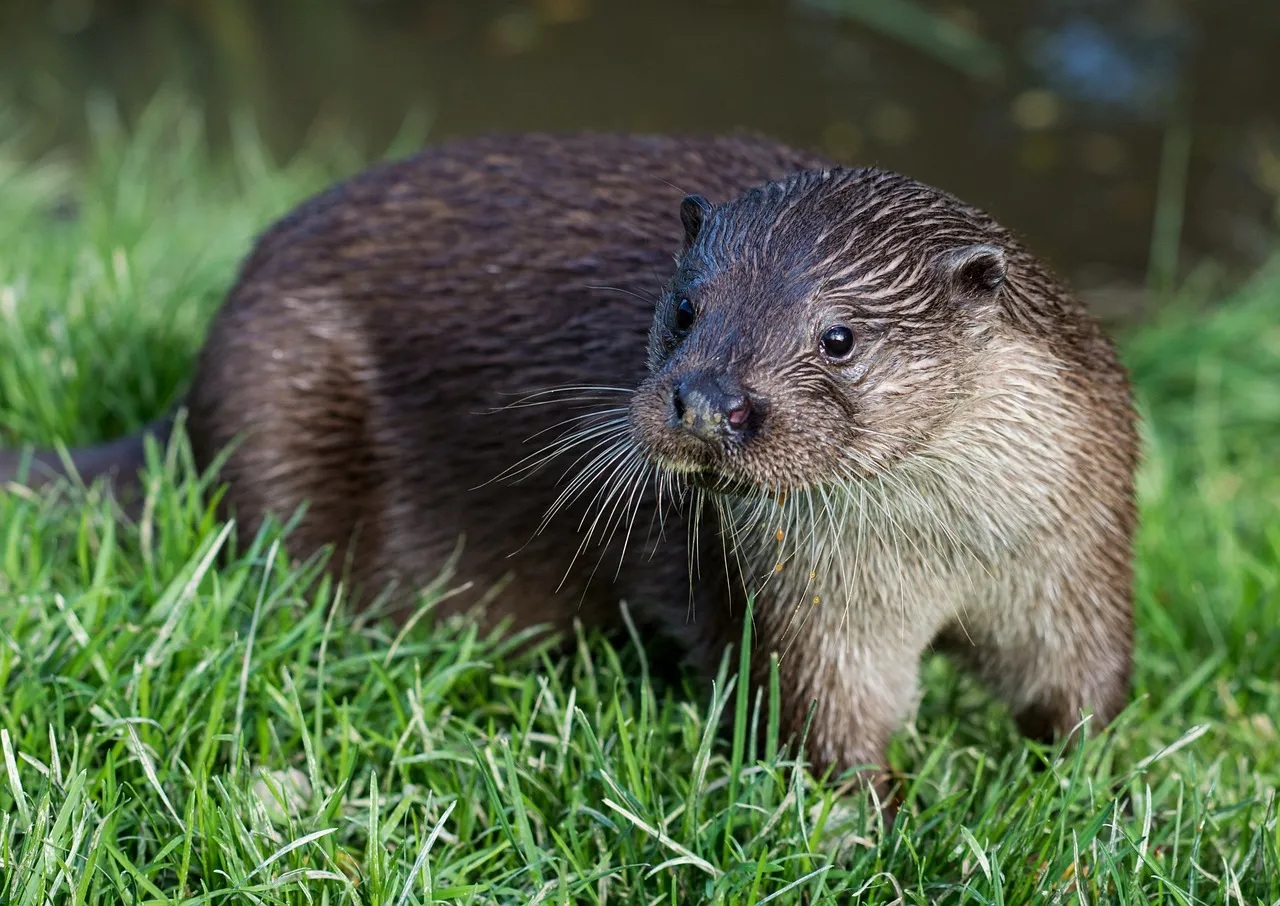
Sea otters are famous for cracking open shells with stones. River otters were assumed to be too fish-focused, and too rushed by current, to bother. That assumption is eroding fast. In several shallow rivers, researchers have documented river otters wedging shellfish against flat rocks or log jams, then pounding them open with rapid jaw snaps or short body slams.
Some individuals return to the same “anvil” rock over and over, dragging mussels, snails, or hard-shelled crayfish there specifically to process them. In fast riffles, a few otters use partly submerged logs as gripping stations, hooking a hind foot or tail while working prey against the rough wood so it doesn’t wash away. Not every population does this, which is exactly what you’d expect if the behavior spreads socially instead of being hardwired into every otter’s brain. That’s an uncomfortable idea for anyone who wants “clever tool user” to stay a human-only river story. And if you think that’s reading too much into it, wait until #7, where things start looking uncomfortably like mentoring.
#7 – “Teaching Moments” with Pups in Treacherous Water
🔥 Would you like to save this?
We'll email this post to you, so you can come back to it later!
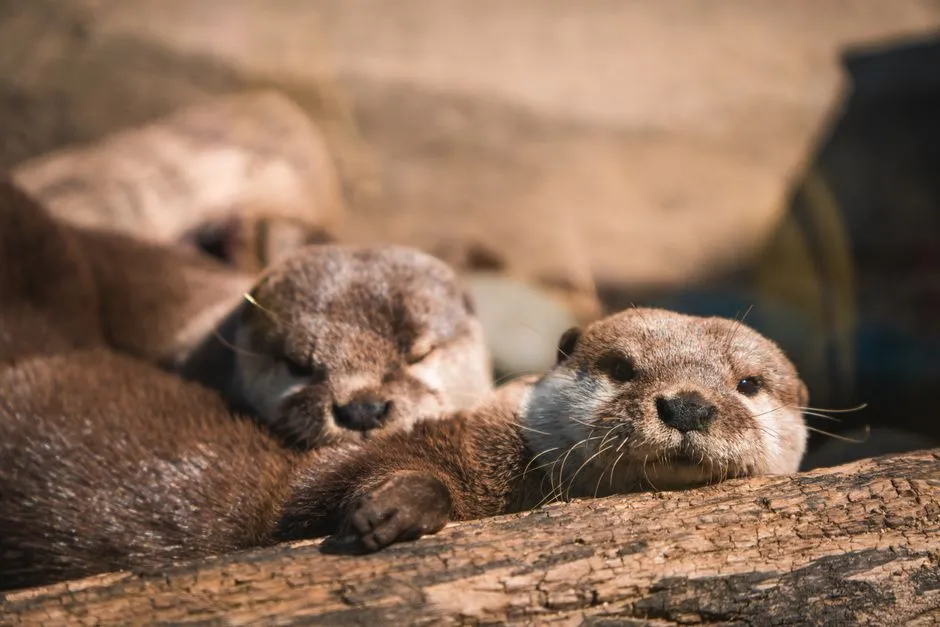
For decades, the party line was simple: otter pups learn to swim through play and pure instinct, no lessons required. Then field teams started logging slow, deliberately staged “lessons” in genuinely challenging river sections. Adult otters were seen escorting pups into current stronger than they could handle, then backing off just enough to force the youngster to paddle hard – only stepping in when things spun out of control.
In one documented sequence, an adult carried a struggling pup into a side channel full of swirling back-eddies, released it upstream of a safe rock, and simply watched. The pup flailed, overcorrected, and nearly got pinned against the bank before the adult yanked it free by the scruff. Minutes later, they ran the exact same exercise again – but this time the adult hung a little farther back. That looks eerily like graded exposure, not chaos. Some biologists still resist the word “teaching,” calling it sophisticated instinct instead. Others say when an animal adjusts its behavior to a specific learner’s struggle, the word fits. And those pups aren’t just picking up swimming skills – they’re absorbing something even stranger at #6.
#6 – Caching Leftovers in Secret “River Pantries”
🔥 Would you like to save this?
We'll email this post to you, so you can come back to it later!
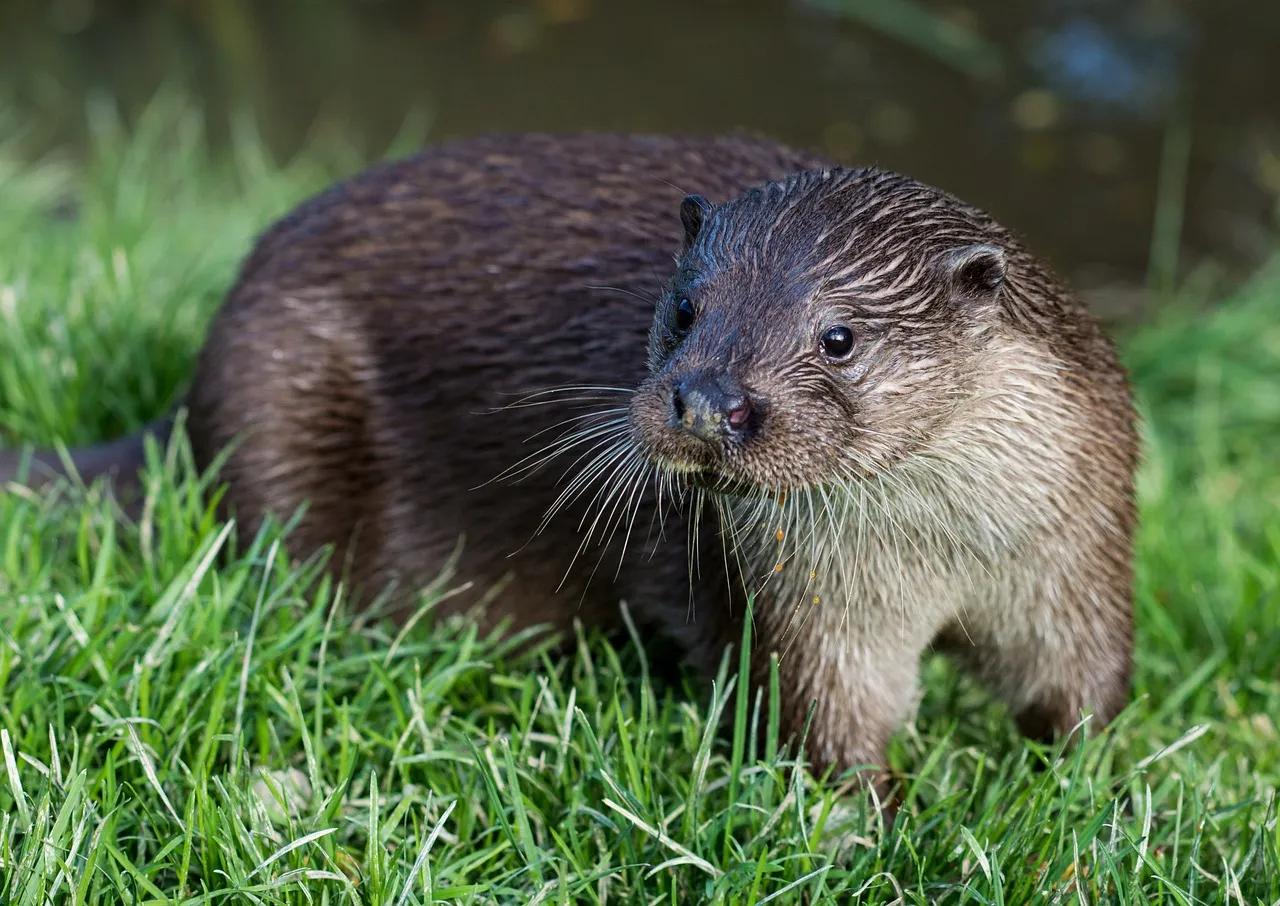
Otters are usually painted as eat-it-now opportunists with no patience for delayed gratification. But in food-variable rivers, biologists stumbled onto hidden food caches wedged in submerged root tangles, tucked under rock overhangs, or stashed in side burrows near the waterline. Partially eaten fish, crayfish, even amphibians showed up in the same spots repeatedly, sometimes topped off with fresh kills over several days.
What makes this surprising is that cached food is vulnerable – to theft, to decay, to the river itself. Yet some otters clearly weigh that risk against the payoff of a quick energy boost after a long patrol. Use of these “pantries” spikes in colder months and during high, murky flows when hunting gets harder. Juveniles have been seen nosing into a cache while an adult watches, then getting chased off – not exactly generous parenting. Not every otter hoards, which suggests this is a personality-driven strategy rather than a universal script. That alone undercuts the old idea that river otters are behaviorally interchangeable. The truly disruptive behavior shows up when otters stop hoarding food and start playing with it instead, at #5.
#5 – Playing “Catch and Release” with Live Prey
🔥 Would you like to save this?
We'll email this post to you, so you can come back to it later!
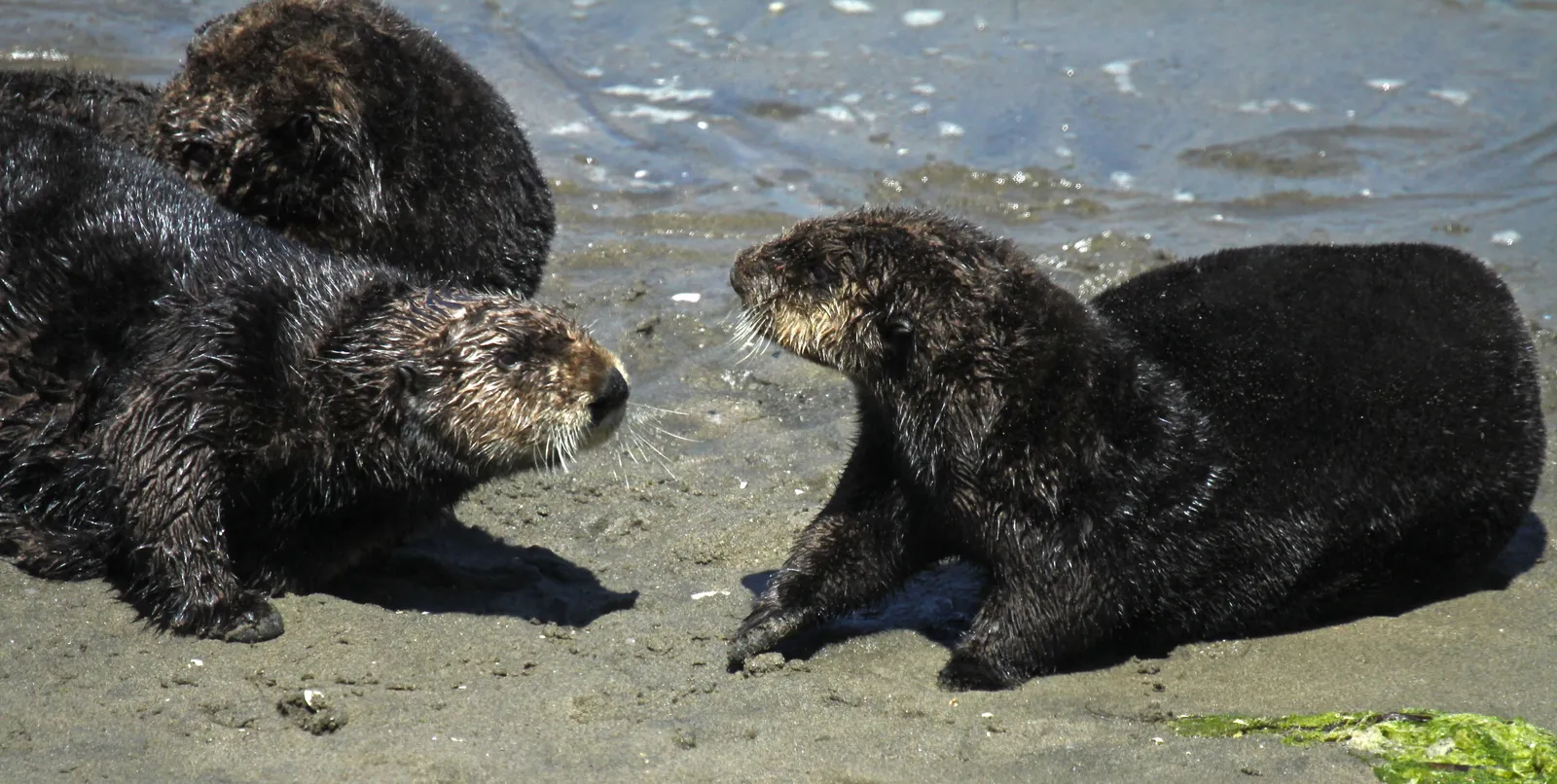
If you assumed predators always kill efficiently and move on, otters are here to ruin that tidy story. Field biologists have repeatedly recorded otters catching a fish or crayfish, holding it alive, releasing it into a shallow eddy, then recapturing it – sometimes three, four, five times in a row. It looks disturbingly like a game of live fetch.
From a pure energy standpoint, this makes no sense. Some researchers first chalked it up to inexperienced juveniles. But adults do it too, especially when food is abundant – suggesting that when calories are easy, otters spend the surplus time and energy sharpening their reflexes, or just burning off excess energy for the fun of it. A more controversial idea is that this “play with prey” helps pups learn timing and grip strength as they join the chase. It’s the kind of behavior that made a lot of human observers squeamish enough to leave it out of earlier field notes. Now that it’s all over motion-triggered footage, it’s much harder to look away from. And if you think this is just casual cruelty, their almost obsessive grooming rituals at #4 complicate that argument.
#4 – Scheduling Elaborate “Grooming Rituals” After Rough Water
🔥 Would you like to save this?
We'll email this post to you, so you can come back to it later!
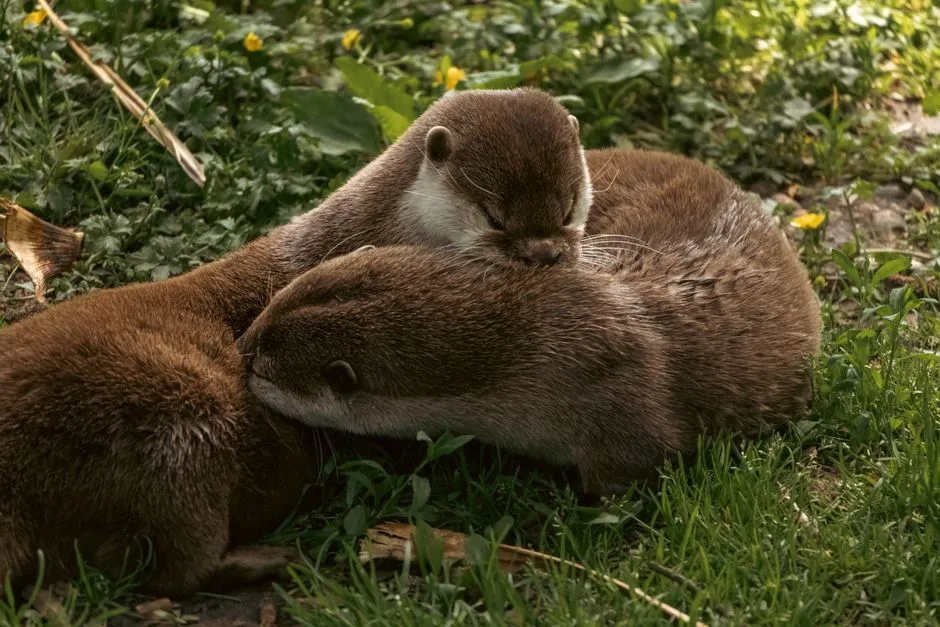
Everyone knew otters groom themselves. What biologists didn’t expect was how strictly some individuals schedule full-body grooming around specific river conditions. After a stretch in silty floodwater or glacial melt, otters haul out on a favorite flat rock and launch into half-hour routines – rolling, combing their fur with claws and teeth, blowing bubbles into their coat, diving back in to rinse, then starting over.
This isn’t vanity. An otter’s insulation and buoyancy depend entirely on ultra-clean, well-aerated fur, so a bad grooming day can mean a cold, waterlogged night. The real surprise was the ritualized timing and location: some otters only do the full spa routine on certain sun-exposed rocks in mid-morning, when warm air speeds up drying. Others favor spots just upstream of quiet backwaters, where they can test their re-fluffed fur in gentle current before returning to the main flow. In some rivers, the most popular grooming stones become hotspots of scent and social contact – part bathroom, part hair salon, part town square. That same energy-saving obsession may explain why otters mess with the current itself at #3.
Worth Knowing
- An otter’s coat is dense and oily, built to trap a layer of warm air against the skin rather than shed water outright.
- Waterlogged fur loses its insulating air pockets fast, which is why grooming after rough water isn’t optional.
- A single matted patch can be enough to chill an otter on a cold night, so no section of fur gets skipped.
- Grooming also refreshes scent-gland oils, which double as an otter’s personal “signature” for others passing through.
#3 – Drafting and “Slipstreaming” Like Tiny River Cyclists
🔥 Would you like to save this?
We'll email this post to you, so you can come back to it later!
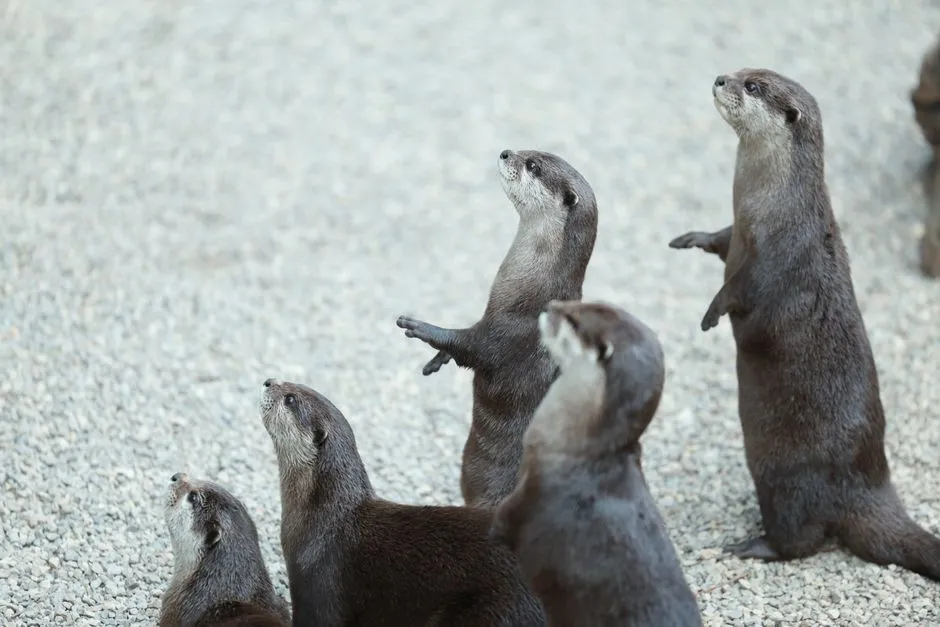
Most field guides treat otter swimming as simple: powerful strokes, streamlined body, end of story. Underwater drone footage in clear rivers told a different story entirely. Otters traveling in pairs or trios often stagger themselves into precise formations, with one swimming just off the tail or hip of another to cut drag in the leader’s slipstream – exactly like cyclists in a paceline, or geese in flight.
This drafting shows up most on long, purposeful river transits, not casual foraging trips. In some sequences, the lead otter periodically swaps places with a follower, sharing the workload in a surprisingly orderly rotation. For a mid-sized carnivore, shaving even a small percentage off energy costs on a long patrol can mean extra reserves for hunting or staying warm. What caught biologists off guard wasn’t that hydrodynamics matter – of course they do – it was how precisely and consistently otters exploit them in turbulent, unpredictable river flow. This looks less like animals bunching together and more like a learned travel strategy. And when they’re not optimizing the current, they’re doing something even stranger with river ice at #2.
#2 – Treating River Ice Like a Seasonal Playground
🔥 Would you like to save this?
We'll email this post to you, so you can come back to it later!
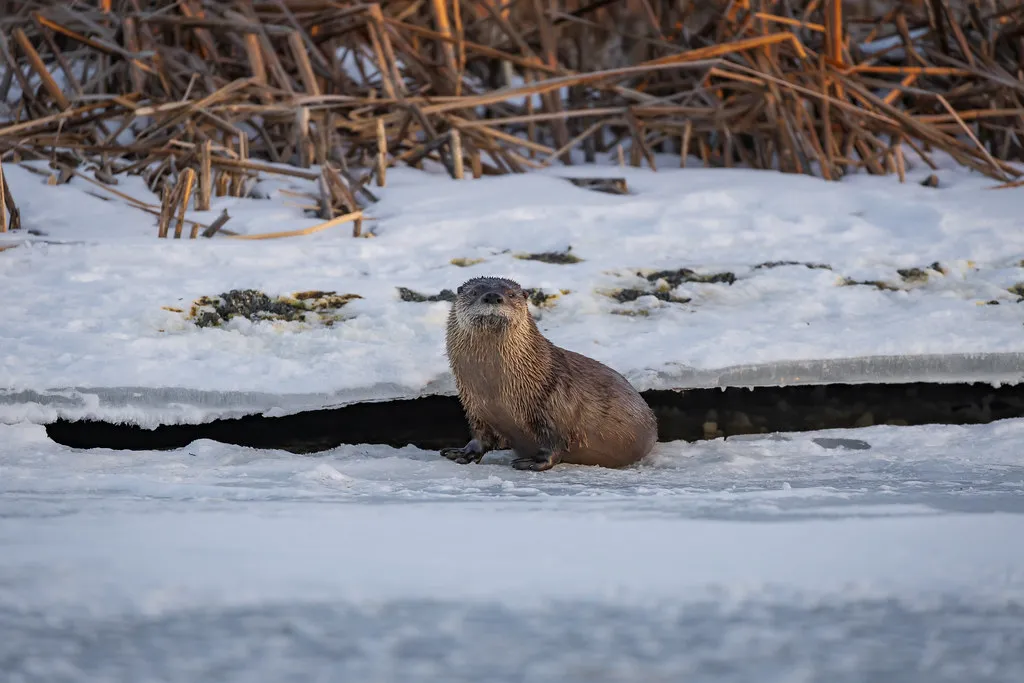
Frozen rivers used to get written off as “dead time” for otters – hard hunting, low mobility, pure survival mode. Repeated winter observations tell a nearly opposite story. Otters actively seek out fragile ice edges and thin sheets, sliding across them, punching through, diving repeatedly, turning a genuinely dangerous surface into something between a playground and an obstacle course.
On partially frozen rivers, groups have been spotted taking long, looping slide routes across ice bridges, then plunging into open leads and popping back up through different holes like furry whack-a-moles. Researchers suspect this isn’t just silliness – navigating ice demands finely tuned awareness of thickness, traction, and escape routes. Juveniles shadowing adults through these circuits may be quietly learning how to read a winter river: which ice holds weight, where air pockets form, how to use cracks as ambush points. Biologists who once called winter a “stress bottleneck” for otters now admit it’s also a behavioral peak, especially for play. And that matters, because the strangest discovery of all combines play, social life, and something that looks a lot like culture at #1.
#1 – Passing Down Local “River Cultures” of Play and Hunting
🔥 Would you like to save this?
We'll email this post to you, so you can come back to it later!
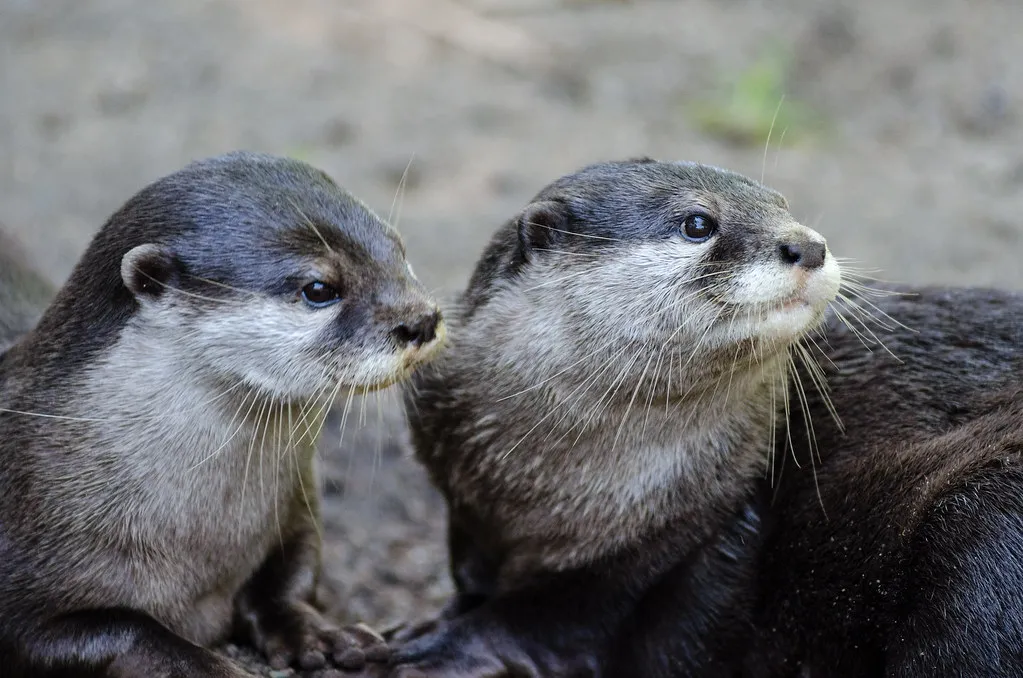
The biggest surprise, and the one many scientists are still arguing about, is this: otters in different rivers don’t just behave differently – they seem to carry local traditions. One population favors belly-sliding and current surfing. Another invests heavily in bubble-herding fish. A third builds elaborate social clubs at specific pools. These patterns persist across generations even when food and habitat are similar, which rules out simple environmental response.
Young otters appear to copy the exact play styles, hunting tricks, and even slide routes of older animals in their home stretch of river. Some habits – a favorite anvil rock, a particular grooming stone – are so locally entrenched that newcomers gradually adopt them just by hanging around long enough. That’s culture, in the strict biological sense: shared, learned behavior that differs from group to group for no reason other than tradition. Traditional wildlife biology was built on the assumption that animal behavior is either hardwired or a generic reaction to conditions. Otters are quietly wrecking that binary, and it raises an uncomfortable question: if a small, semi-aquatic predator can run a mini river culture, what else have we been underestimating in “ordinary” species?
Why It Stands Out
- Behavior differs between river populations even when food, water, and habitat are nearly identical.
- Young otters copy specific local habits rather than reinventing them from scratch.
- Newcomers to a stretch of river gradually pick up the local “customs” instead of importing their own.
- Traditions persist across generations, which rules out one-off coincidence or pure instinct.
The Bottom Line
🔥 Would you like to save this?
We'll email this post to you, so you can come back to it later!
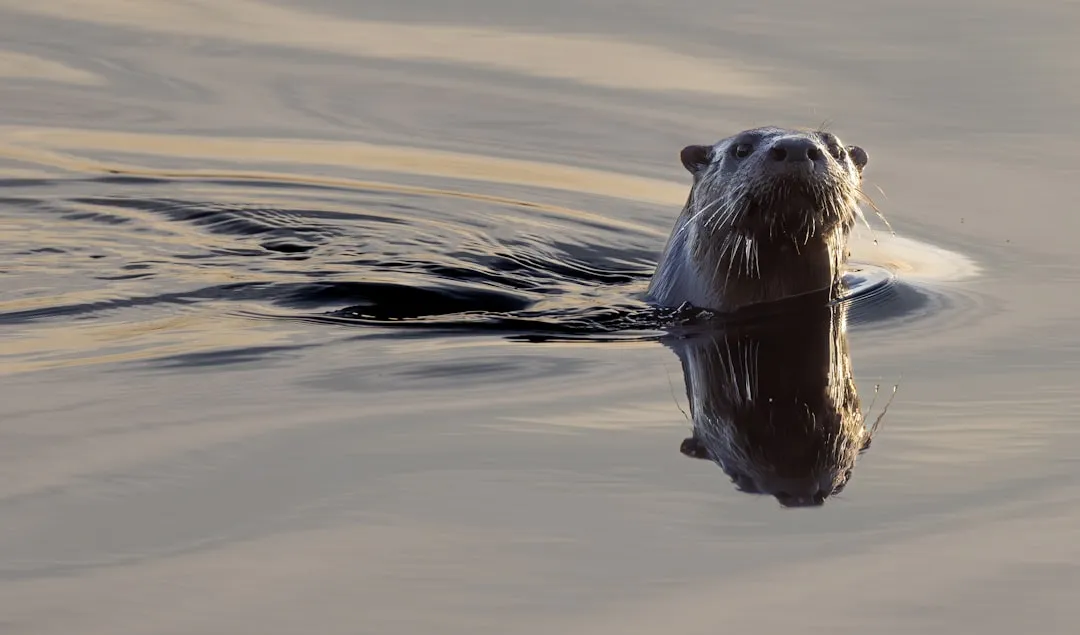
River otters were supposed to be simple: streamlined fish hunters, cute but predictable, nothing more to see. Instead, GPS tags, camera traps, and years of stubborn fieldwork keep turning up behavior that looks suspiciously like culture, creativity, and even teaching. They engineer riverbanks with slide networks, run social clubs after dark, draft like endurance athletes, and pass down local traditions that vary from one watershed to the next.
Here’s the opinion you’re not supposed to say out loud: if otters weren’t small, wet, and cute, half of this list would be front-page science news about animal minds. Instead, it’s buried in technical reports and trail-cam archives that almost nobody outside the field ever sees. Maybe it’s time we stop calling them “simple” and admit we’ve been underestimating the ordinary mammals living right under our bridges.
So – which one of these caught you off guard, and what do you think biologists still haven’t noticed?

- 7 Everyday Habits That Can Make Your Senior Dog Happier - November 5, 2026
- 10 Enigmatic Structures That Continue to Puzzle Scientists Today - November 5, 2026
- 10 Strange Ruins in the Americas That Challenge What We Know About Early History - November 5, 2026