
Ask a park ranger where they actually go on their days off, and you’ll almost never hear “Yellowstone” or “Yosemite.” The people whose entire job is protecting America’s most famous landscapes tend to run the other direction when they’re off the clock. They slip out to places most tourists have never heard of – spots with no visitor center lines, no gift shop gauntlet, and nobody elbowing you out of the way for an overlook selfie.
That’s the list we went digging for: the parks rangers actually talk about in break rooms and trailhead parking lots, not the ones splashed across tourism brochures. Some are quiet corners of famous parks everyone ignores. Others are entire national parks that somehow stay invisible despite being genuinely spectacular. Either way, by the time you hit #1, you’ll understand why insiders guard this list like a secret handshake.
#15 – North Cascades National Park, Washington
🔥 Would you like to save this?
We'll email this post to you, so you can come back to it later!
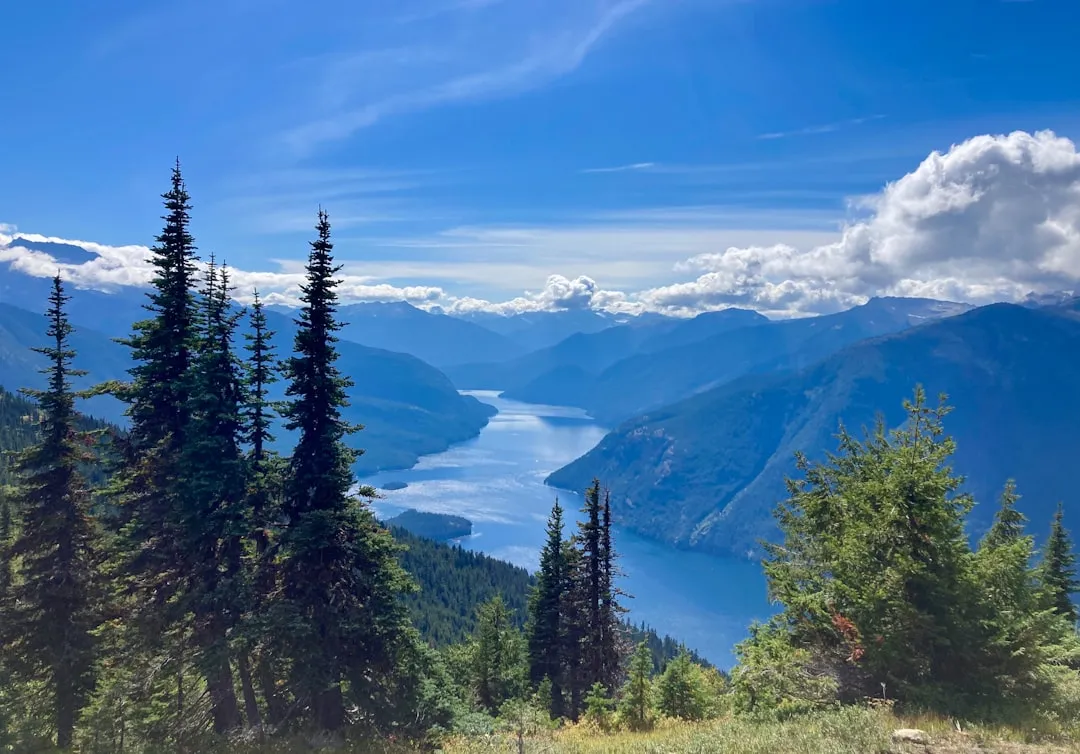
Rangers will tell you straight: North Cascades is the most spectacular U.S. national park almost nobody visits. It pulls a fraction of the crowds that nearby Olympic and Rainier see, yet the peaks and glaciers here look like something airlifted out of the Alps. Most drivers blow right past it on their way to Canada, never realizing they’re skirting a park dripping with waterfalls, turquoise lakes, and ridgelines that feel almost prehistoric.
What rangers secretly love is how wild it still is. There’s barely any cell service, almost no infrastructure, and trails where you can hike all day and pass maybe four people, if that. To a casual tourist, that sounds inconvenient. To a ranger, that’s paradise – and it’s why they quietly steer serious hikers toward Cascade Pass, Maple Pass, and Ross Lake, then wait for the inevitable “wait, how is this not famous?”
#14 – Great Basin National Park, Nevada
🔥 Would you like to save this?
We'll email this post to you, so you can come back to it later!
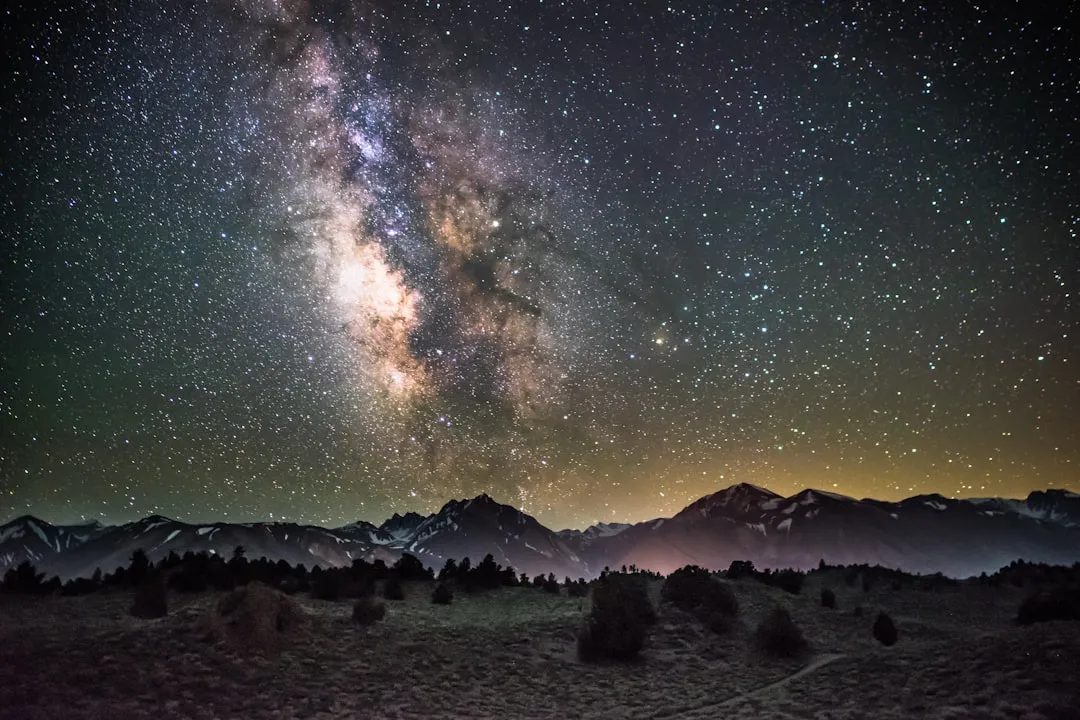
On paper, Great Basin sounds like a snooze: high desert, a couple mountains, a cave. In reality, rangers call it the best dark-sky park in the Lower 48 that almost no traveler has ever heard of. Most Americans blast down I-15 or I-80 without noticing that just off the aptly nicknamed “Loneliest Road in America” sits a park with glacial lakes, ancient bristlecone pines, and a 13,000-foot peak rising out of nowhere.
The bristlecone groves here hold trees over 3,000 years old, old enough to make redwoods look like teenagers. Lehman Caves adds a limestone underworld that feels like stepping onto another planet entirely. But it’s the night sky that seals it – the Milky Way burns so bright rangers swear you can see your own shadow by starlight alone. Vegas sells neon a few hours away; this place sells silence and darkness, and rangers will take that trade every single time.
Fast Facts
- Great Basin bristlecone pines can live past 5,000 years, making them some of the oldest living things on the planet
- The park’s famous Prometheus tree was cut down in 1964 when its stump held 4,862 growth rings, near 4,900 years old
- Bristlecones here grow beneath towering Wheeler Peak, the park’s high point above the valley floor
- The park sits along Nevada’s famously empty “Loneliest Road,” far from any major interstate
#13 – Dry Tortugas National Park, Florida
🔥 Would you like to save this?
We'll email this post to you, so you can come back to it later!
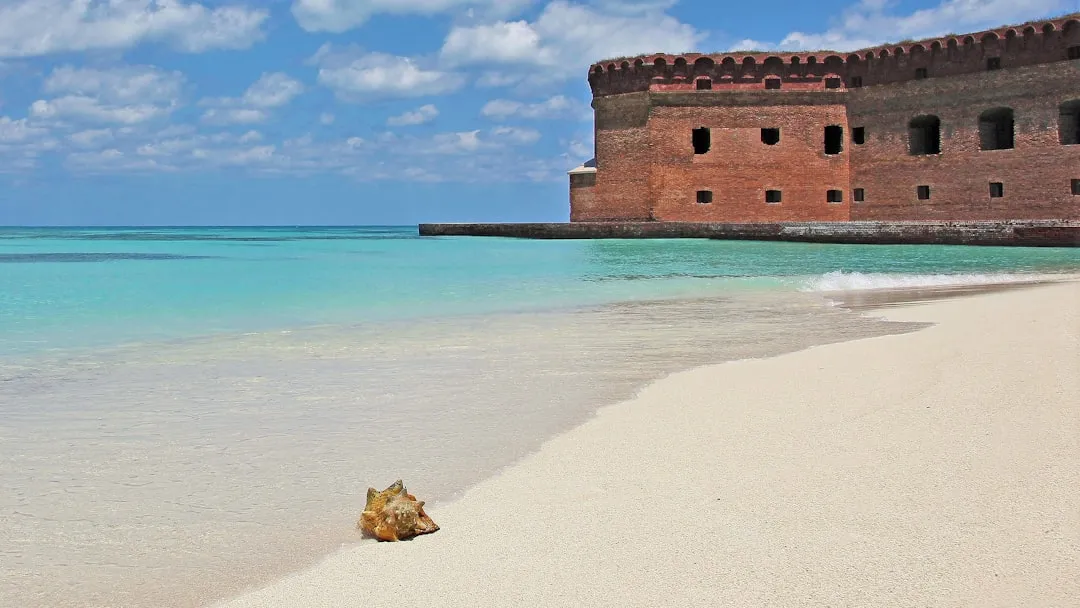
Most Florida-bound tourists think “Everglades or bust.” Rangers roll their eyes and book a boat to Dry Tortugas instead. Sitting 70 miles off Key West, this tiny island park is dominated by Fort Jefferson, a massive brick fortress floating in electric-blue water – part Civil War prison, part Caribbean reef, and utterly surreal in person.
Getting there is half the fun: a long ferry ride or seaplane hop, no cars, no gift-shop gauntlet waiting at the end. Snorkel off the fort walls and you’re suddenly eye-to-eye with parrotfish, sea turtles, and huge schools of snapper in water so clear it looks fake on camera. Because only a limited number of visitors are allowed per day, it never turns into the shoulder-to-shoulder chaos you find on the mainland. Rangers joke that if this place were any closer to Miami, it would already be ruined.
#12 – Guadalupe Mountains National Park, Texas
🔥 Would you like to save this?
We'll email this post to you, so you can come back to it later!
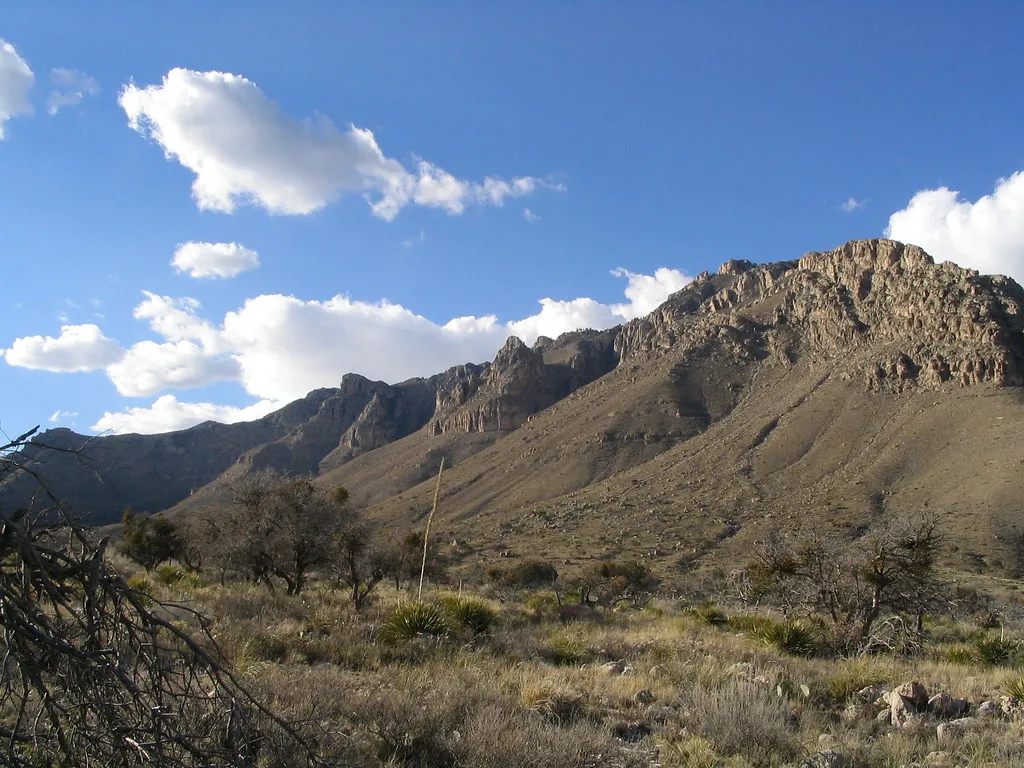
While most Texas tourists pack into Big Bend, rangers quietly point their friends toward Guadalupe Mountains instead. This is where Guadalupe Peak, the tallest point in Texas, rises straight out of the desert with almost zero fanfare. On weekends when other parks are slammed, rangers report trailheads here practically empty by 10 a.m. – a dream for anyone who actually likes hiking more than hunting for parking.
The scenery is far more dramatic than the photos suggest. The entire range is the exposed edge of an ancient fossil reef, so when you’re climbing it, you’re literally walking across the remains of a 260-million-year-old sea floor. Come autumn, McKittrick Canyon explodes into one of the Southwest’s most underrated foliage shows, bright reds and golds framed by stark limestone cliffs. Rangers are genuinely baffled this place doesn’t trend every October.
#11 – Congaree National Park, South Carolina
🔥 Would you like to save this?
We'll email this post to you, so you can come back to it later!
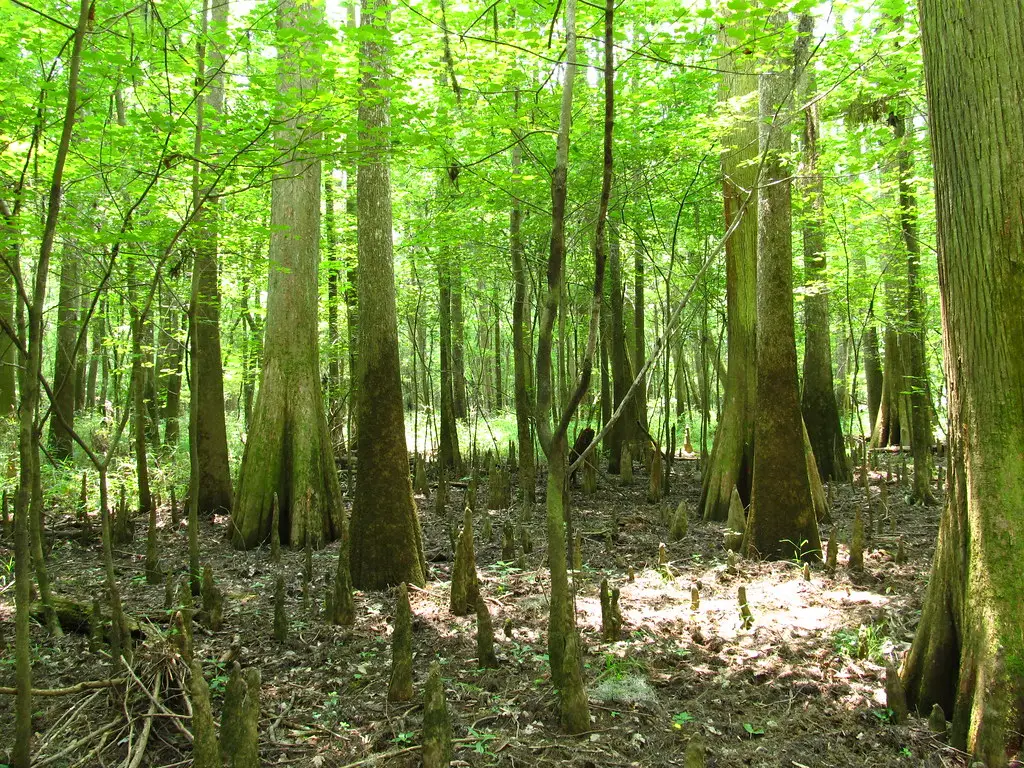
Congaree is the park a shocking number of Americans have never heard of, even locals just down the road. Rangers call it the cathedral of the East Coast – a flooded forest where bald cypress and loblolly pines tower over boardwalks like columns in some mossy, ancient church. It’s not a swamp, which is the first correction every ranger has to make; it’s a living floodplain, and the seasonal flooding is exactly why this forest still exists at all.
In late spring, synchronous fireflies flash in eerie unison across the forest floor, an event most travelers have no idea happens on American soil. Some of the tallest trees in the eastern United States are hiding right here too, with canopies climbing past 160 feet. Most road trippers blow past on their way to Charleston, completely unaware a world-class old-growth forest sits just 30 minutes off the highway. Rangers would rather keep it that way than watch it turn into another overcrowded boardwalk selfie spot.
#10 – Black Canyon of the Gunnison National Park, Colorado
🔥 Would you like to save this?
We'll email this post to you, so you can come back to it later!
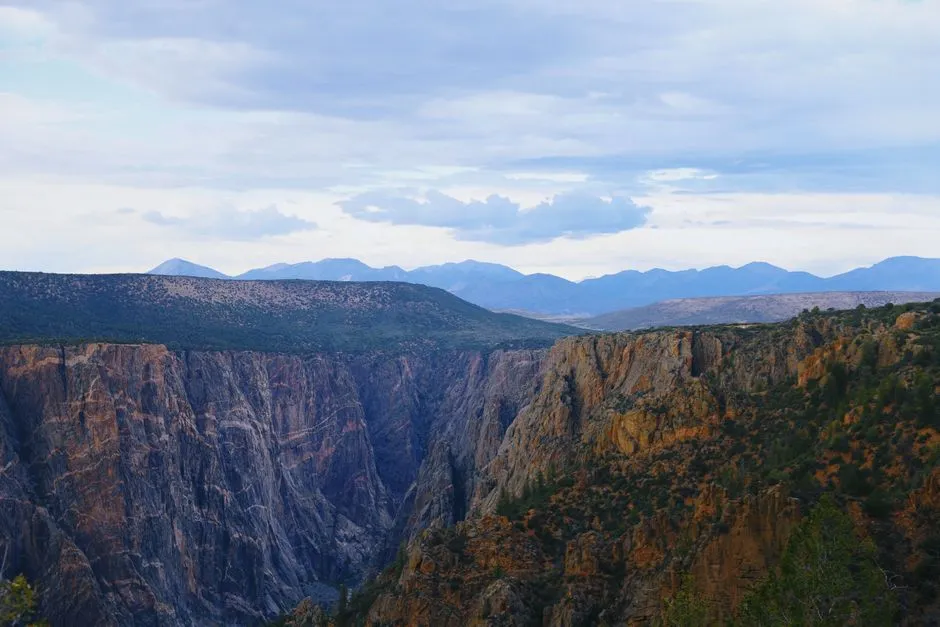
Most Colorado visitors talk about Rocky Mountain, maybe Mesa Verde. Ask a ranger, and Black Canyon of the Gunnison comes up almost every time. This narrow, dizzyingly steep canyon is so dark and sheer that early explorers actually avoided it. Today, rangers call it one of the most intimidating landscapes in the entire park system, and they mean that as a compliment.
Stand at an overlook and the river below looks like a piece of silver thread pressed into a crack in the earth. The walls are nearly vertical, carved so quickly in geologic terms that the rock never had time to crumble into gentler slopes. Some sections are deeper than the Grand Canyon while being only a fraction as wide, which makes the whole thing feel like a stone guillotine. Rangers love watching first-timers go completely silent at the rim – it’s one of the rare park views that shuts people up instead of making them pose.
At a Glance
- Deepest point: Warner Point drops 2,722 feet from rim to river
- Narrowest point: the canyon squeezes to just 40 feet wide at the river
- Rim-to-rim gap: in places it’s less than one-fourth of a mile across
- For comparison, the Grand Canyon reaches up to 6,000 feet deep but stretches up to 18 miles wide – proof that narrow and deep beats wide and shallow for pure vertigo
#9 – Voyageurs National Park, Minnesota
🔥 Would you like to save this?
We'll email this post to you, so you can come back to it later!
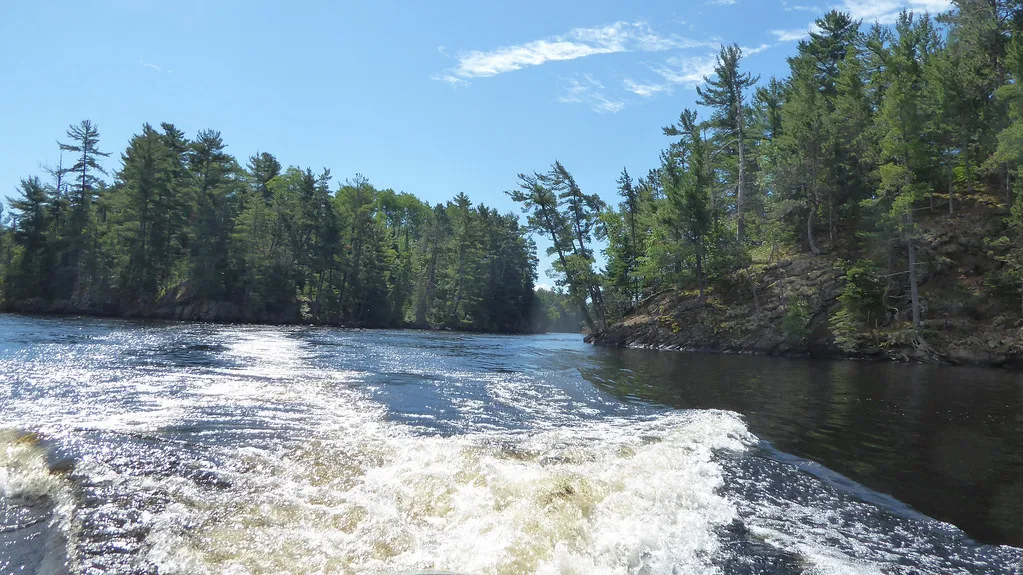
While everyone floods the nearby Boundary Waters, rangers quietly slip into Voyageurs – an interconnected maze of lakes along the Canadian border where islands outnumber buildings by a landslide. The catch, and the reason you never see it in glossy travel ads, is simple: you basically need a boat. For park staff, that’s not a flaw, it’s the whole point.
Water access keeps the casual crowds away and leaves the coves, campsites, and houseboat spots blissfully quiet. In winter, the lakes freeze solid and rangers travel by snowmobile and skis across a landscape that looks like another planet. On clear nights, the northern lights can explode directly over the water with nothing to block the view. This is less a national attraction and more a shared secret among people who love maps, silence, and the slap of a paddle instead of road noise.
#8 – Lassen Volcanic National Park, California
🔥 Would you like to save this?
We'll email this post to you, so you can come back to it later!
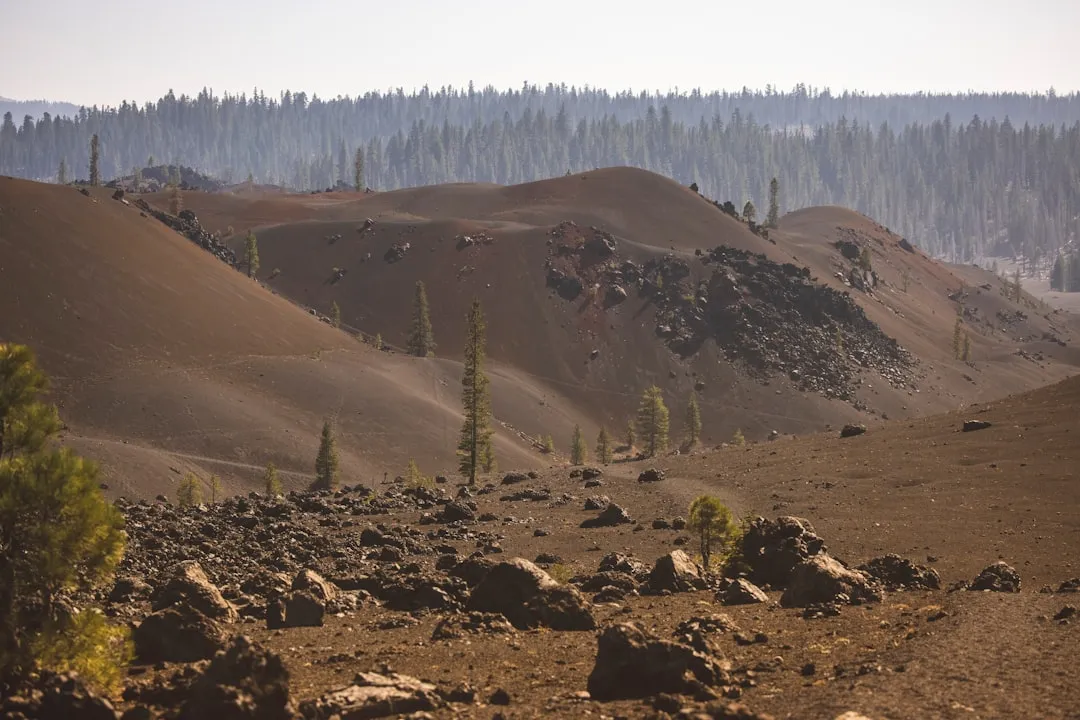
Everyone talks about Yosemite, Sequoia, and Death Valley. Lassen? Most Californians couldn’t even point to it on a map. Rangers think that’s ridiculous, because this is one of the only places on Earth where all four types of volcanoes sit inside one compact area, alongside boiling mudpots, hissing sulfur vents, and crystal-clear alpine lakes – basically a mini-Yellowstone without the tour buses.
You can wander through Bumpass Hell, yes, that’s really its name, and see vivid geothermal pools with a fraction of the boardwalk traffic Yellowstone gets. Lassen Peak itself last erupted between 1914 and 1921, so the area still feels genuinely alive, with fumaroles hissing and snow lingering deep into summer. Many rangers privately think that if Lassen sat closer to a big city, it would be world-famous, and almost certainly ruined.
#7 – Katmai National Park & Preserve, Alaska
🔥 Would you like to save this?
We'll email this post to you, so you can come back to it later!
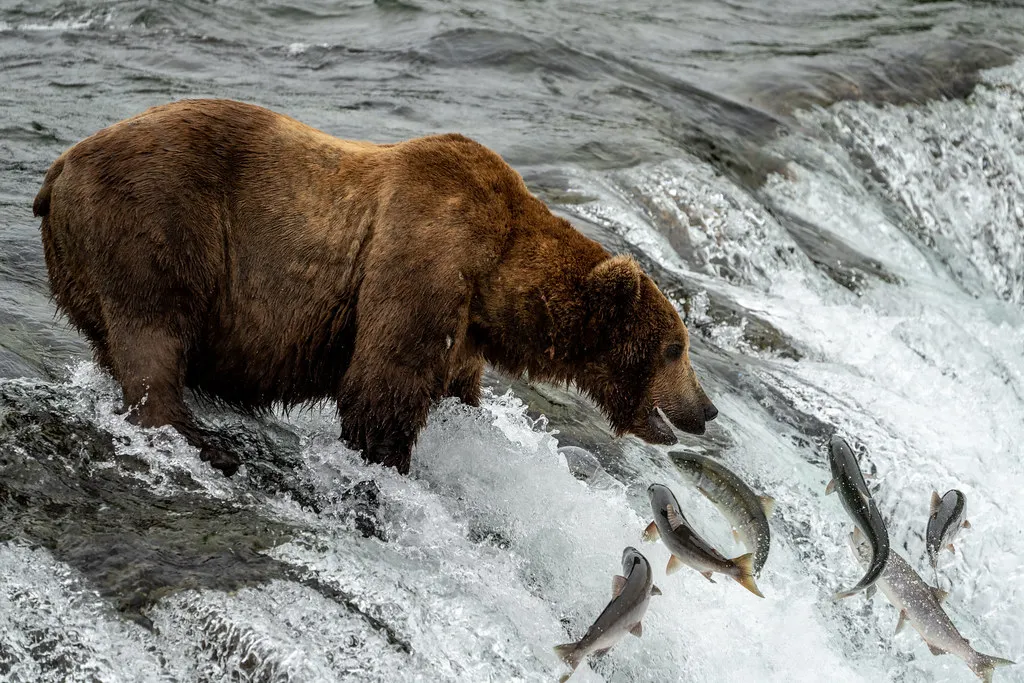
In every viral video of brown bears snagging salmon mid-air at a waterfall, what you’re watching is almost always Katmai. Yet outside hardcore nature fans, most Americans still don’t realize this is an actual national park anyone can visit. Rangers call it the rawest wildlife spectacle in the entire system, and they’re barely exaggerating – Brooks Falls alone can have dozens of massive bears fishing within sight of a single viewing platform.
What doesn’t get advertised is that the rest of Katmai is even wilder. This is mostly trail-less wilderness, reachable only by floatplane or boat, where volcanoes and vast ash fields still bear scars from the 1912 Novarupta eruption. Rangers love that there’s no illusion of control out here; nature is obviously running the show. They’ve watched confident visitors go humbled in minutes when fog rolls in or a bear strolls past at a respectful, tightly managed distance – unforgettable, if you can handle feeling very, very small.
Worth Knowing
- Roughly 2,200 brown bears inhabit the park, meaning there are more bears than people on the entire Alaska Peninsula
- During peak salmon runs, up to 50 bears have been spotted at the falls and along the river at once
- The best viewing window runs from July to early September, when the sockeye salmon are pushing upstream
- There are no roads to Katmai – every visitor arrives by floatplane or boat
#6 – Great Sand Dunes National Park & Preserve, Colorado
🔥 Would you like to save this?
We'll email this post to you, so you can come back to it later!
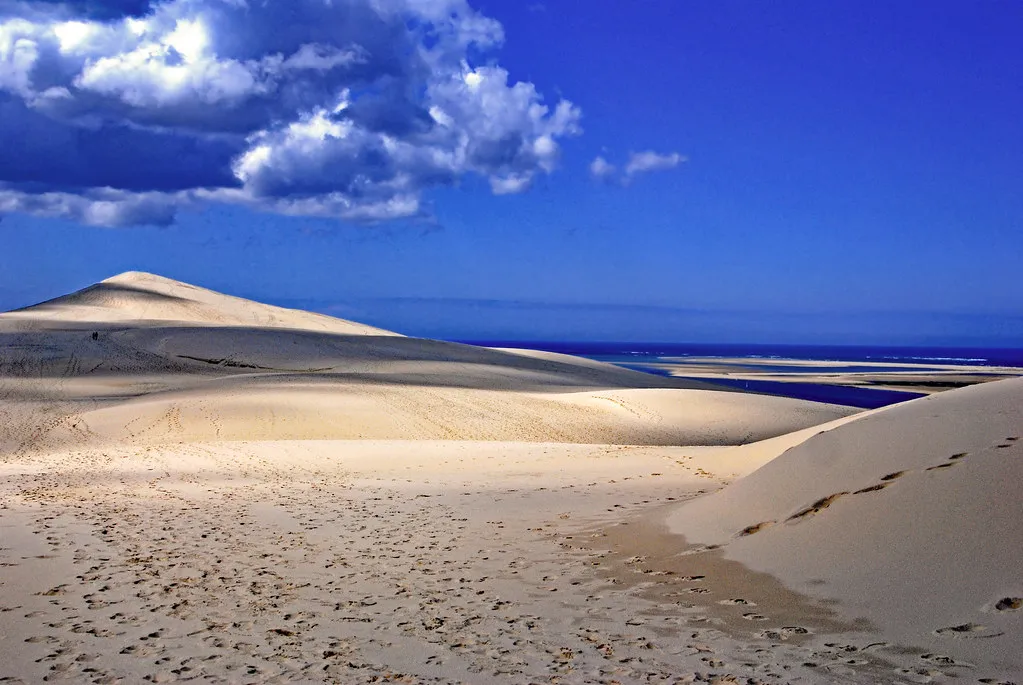
Stock photos don’t do this place justice. On the ground, rangers say it feels almost wrong – the tallest sand dunes in North America piled against snowcapped 14,000-foot mountains in the background. It’s so unexpected that first-timers often assume they’ve wandered onto a movie set accidentally dropped into the San Luis Valley.
Rangers love how playful this park is. You can sandboard or sled down dunes that rise hundreds of feet, then cool off in Medano Creek, a strange, pulsing stream that appears seasonally at the base of the dunes. At night, it turns into one of the best stargazing amphitheaters in the country: no city glow, just dunes, mountain silhouettes, and a sky so packed with stars that even jaded rangers stop and stare. Crowds are creeping up here, but it’s still wildly under-marketed compared to its actual wow factor.
#5 – Channel Islands National Park, California
🔥 Would you like to save this?
We'll email this post to you, so you can come back to it later!
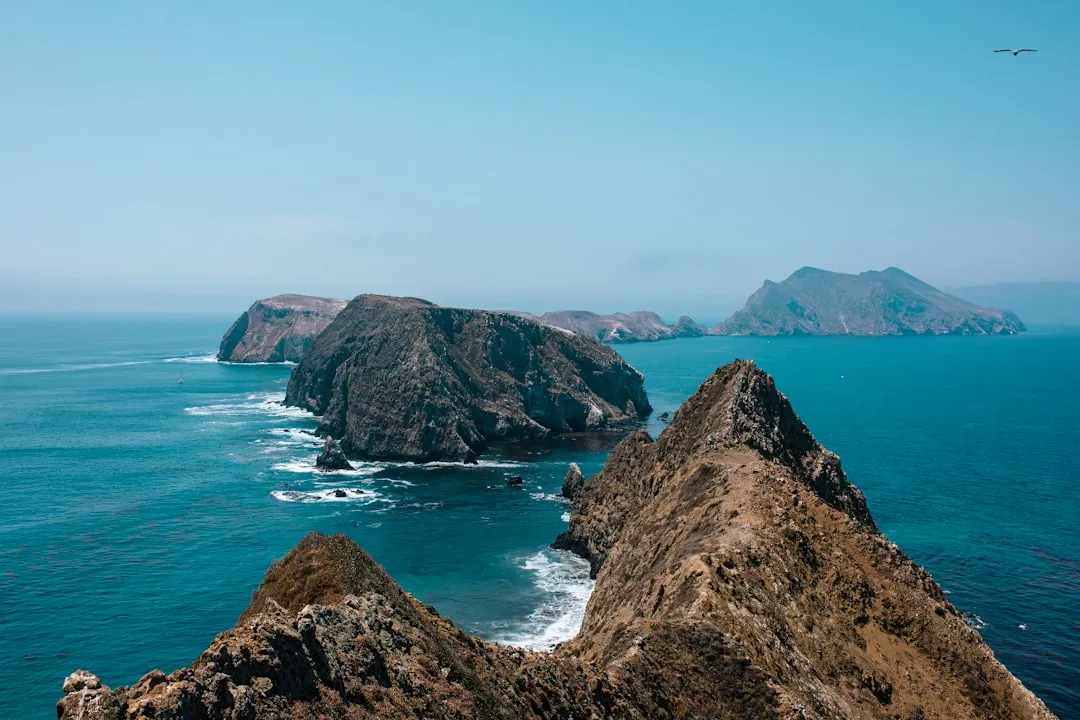
From Los Angeles, you can see the Channel Islands on a clear day. Most people never bother going. Rangers consider that a blessing, because these five islands hold more endemic species per square mile than almost anywhere else in North America, and they’ve mostly dodged the crushing crowds of mainland California parks. Getting there requires a sometimes-bumpy boat ride, which conveniently filters in only the people who actually want to be there.
Insiders call this the “Galapagos of North America” for good reason. Foxes here evolved to be tiny. Certain plants and reptiles exist nowhere else on the planet. Underwater, kelp forests host sea lions, garibaldi, and, in the right season, migrating whales passing close enough to spot from the cliffs. Once you land, there are no cars, no snack stands, no paved loops, just trails, sea caves, and open Pacific wind reminding you exactly where you are. Plenty of rangers would take a Channel Islands backcountry weekend over a Yosemite Valley crowd any day of the week.
#4 – Big Bend National Park, Texas
🔥 Would you like to save this?
We'll email this post to you, so you can come back to it later!
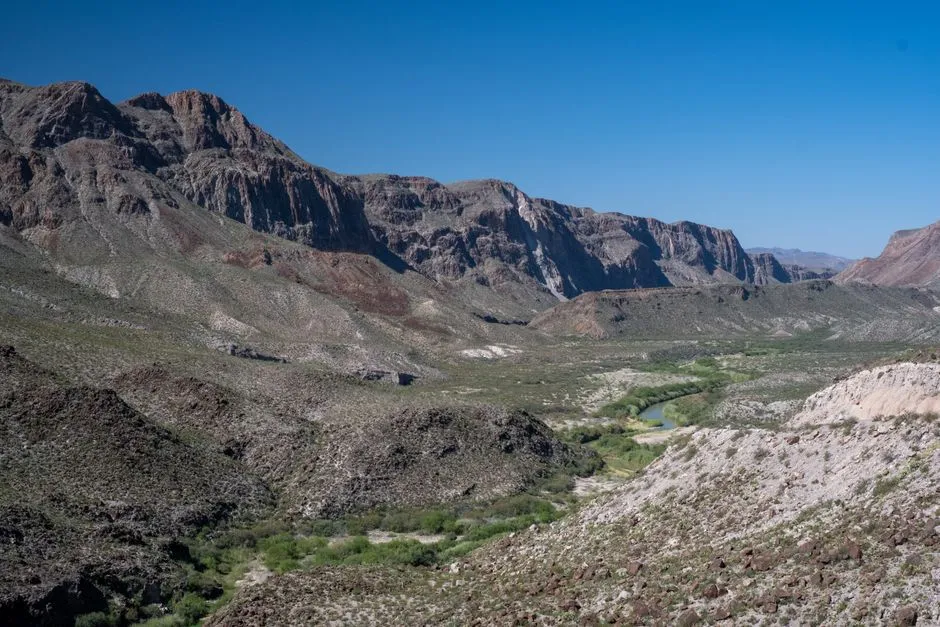
Among rangers, Big Bend has a near-cult following. People who work in the system trade stories about it the way chefs whisper about their favorite hole-in-the-wall restaurant. Remote, massive, and pressed right up against the Mexico border, it’s one of the only places in the Lower 48 where true desert, mountain, and river canyon ecosystems collide in a single park, along with genuine solitude to match.
What advertising never quite captures is the feeling of distance. It takes real effort to get here, so when you’re soaking in hot springs by the Rio Grande or hiking through Santa Elena Canyon’s sheer walls, you’re not competing with a thousand tour buses. The Chisos Mountains rise like a green island out of the desert floor, offering cooler air and sweeping views. At night the sky goes so dark that astronomers drool, since light pollution here is practically nonexistent. Some rangers openly admit that if Big Bend sat closer to a major city, it would be the single most overrun park in America.
#3 – Isle Royale National Park, Michigan
🔥 Would you like to save this?
We'll email this post to you, so you can come back to it later!
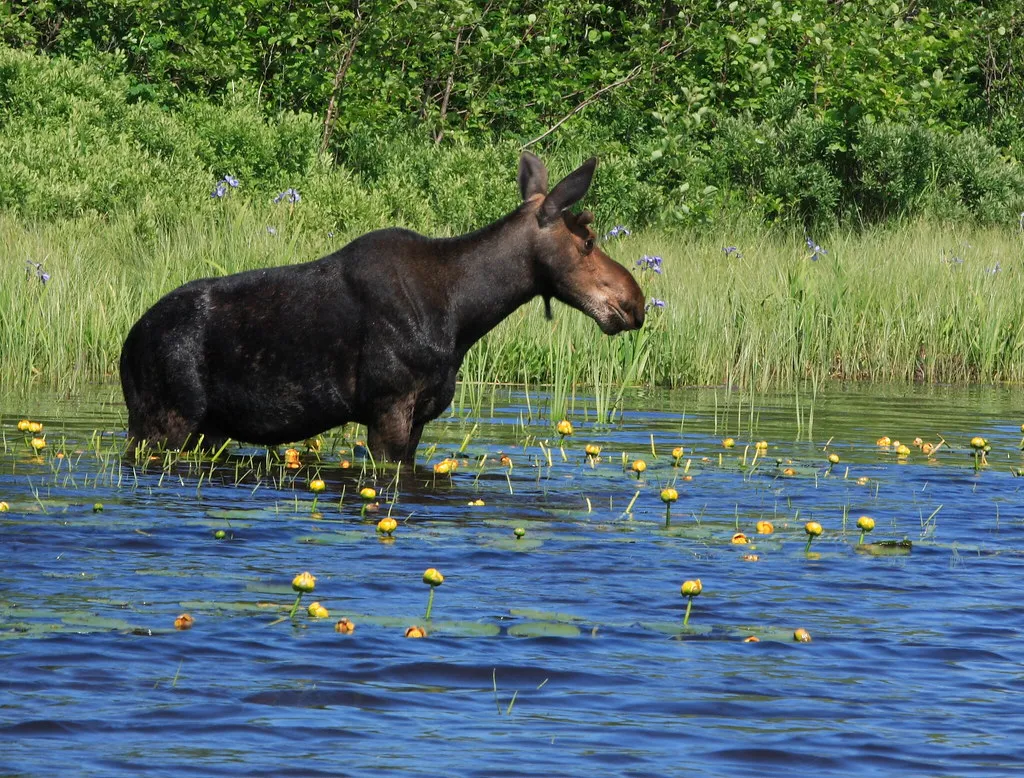
Statistically, Isle Royale is the least visited national park in the Lower 48, yet it has one of the highest return-visitor rates in the entire system. Translation: almost nobody goes, but the ones who do keep coming back. Rangers understand exactly why. This island in Lake Superior is a hiking and paddling network of ridges, coves, and spruce forest where moose wander right through the campsites and wolves occasionally leave prints on the trail ahead of you.
The catch, and the reason you’ll never see it on a billboard, is that it’s remote, seasonal, and completely car-free. You arrive by ferry or seaplane, and once you’re there, you’re walking or boating, full stop. Rangers see that as a feature, not a flaw – it forces you to slow down, carry only what you need, and commit to being genuinely offline. As one longtime ranger put it to visitors weighing the effort: if that sounds like too much work, good, that’s exactly why it’s still this good.
#2 – Wrangell-St. Elias National Park & Preserve, Alaska
🔥 Would you like to save this?
We'll email this post to you, so you can come back to it later!
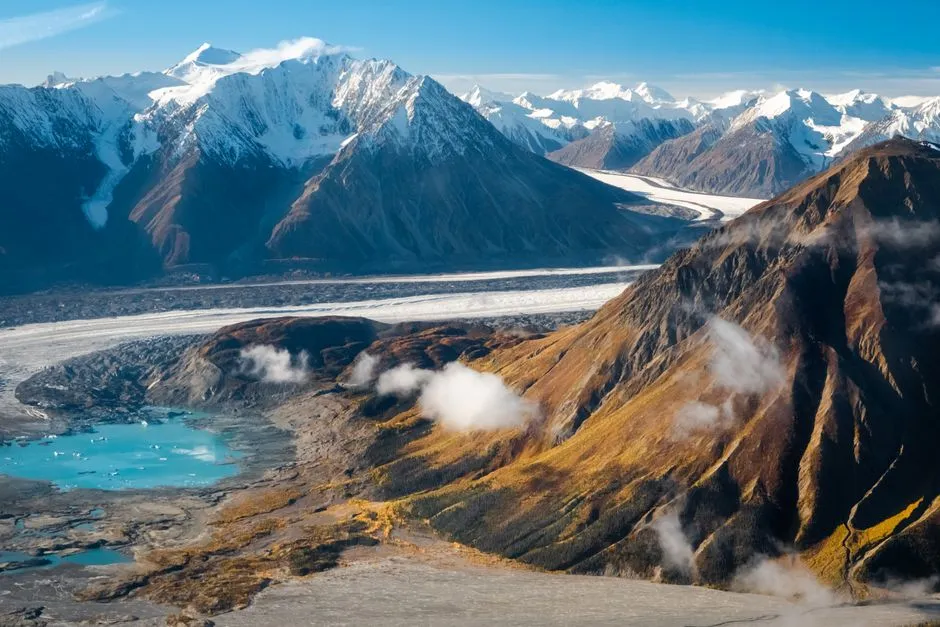
Most Americans have no idea the largest national park in the country is over six times the size of Yellowstone, and almost nobody is advertising tours there. Wrangell-St. Elias is so vast and so wild that even rangers who’ve worked there for years have only seen small slices of it. This is a world of active volcanoes, massive glaciers, off-grid mining towns, and valleys where you can hike for days without ever hitting an official trail.
It’s not an easy park. Roads are rough, services are sparse, and weather can shut everything down with almost no warning – and to rangers, that’s exactly the point. You’re not coming here for a perfectly scheduled vacation; you’re stepping into a landscape that genuinely doesn’t care whether you’re ready for it. The old mining structures at Kennecott cling to the mountainside in ways that feel physically impossible, with glaciers looming just behind them.
Wilderness is not a luxury but a necessity of the human spirit.
Edward Abbey
#1 – North Rim of Grand Canyon National Park, Arizona
🔥 Would you like to save this?
We'll email this post to you, so you can come back to it later!
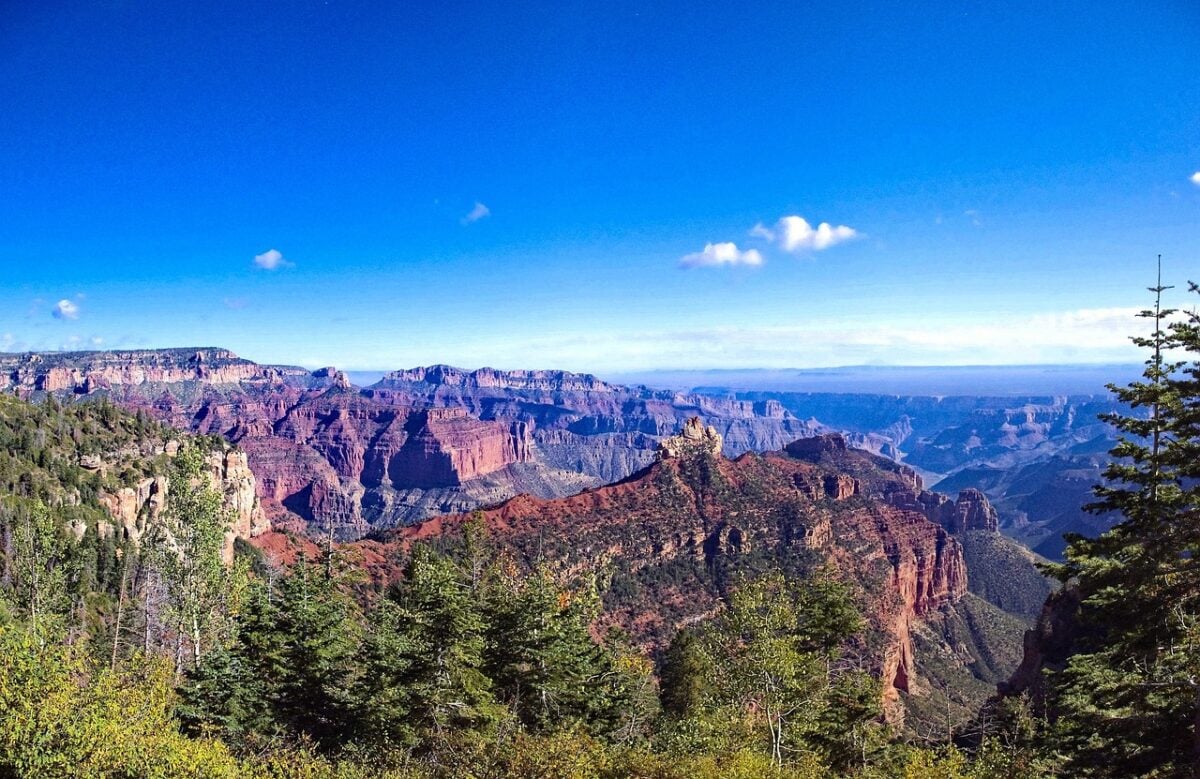
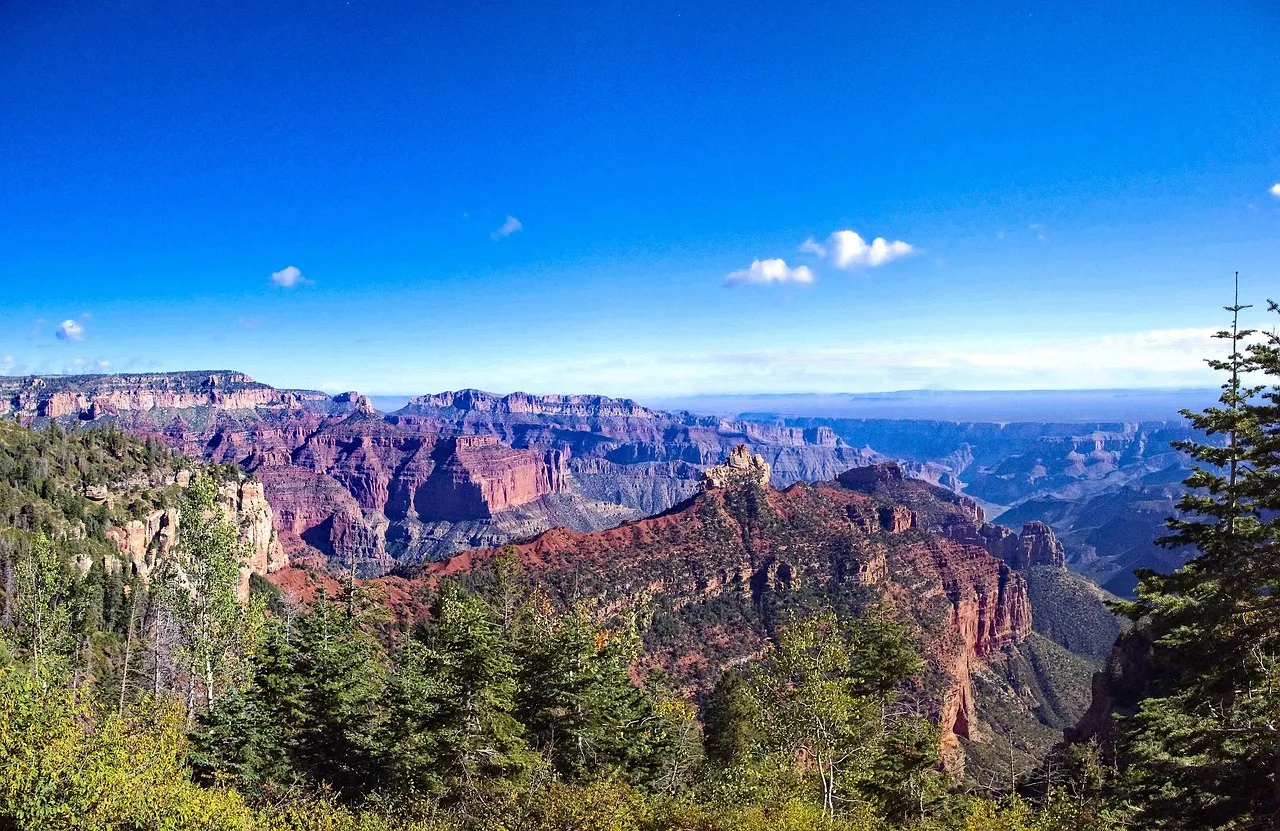
Yes, the Grand Canyon is famous. But rangers will tell you a controversial truth: most people who claim they’ve “seen” the Grand Canyon have only done the crowded South Rim, and they missed the best part entirely. The North Rim, higher, cooler, and dramatically less developed, feels like an entirely different park. It gets roughly 10% of the South Rim’s visitation, yet offers views that many rangers quietly rank as the finest in the whole system.
What separates it is simple: fewer buses, more pines, and vistas that open suddenly through the forest instead of lining a crowded road. The season is shorter thanks to snow, which naturally throttles the crowds before they arrive. Rangers often send friends here with specific instructions – watch sunrise at Bright Angel Point, hike even a short stretch of the North Kaibab Trail, and just listen. You’ll hear wind, ravens, maybe a distant thunderstorm rolling across the plateau, not the constant hum of engines. Among insiders, this is the version of the Grand Canyon they wish the public knew about, just not too well.
Quick Compare: North Rim vs. South Rim
- Visitation: the North Rim sees only about 10% of total park visitors, while the South Rim absorbs the rest
- Elevation: the North Rim sits roughly 1,000 feet higher on the Kaibab Plateau, keeping it noticeably cooler
- Season: the North Rim is only open from mid-May to mid-October due to snow, while the South Rim stays open all year
- Viewpoints: the South Rim offers close to two dozen major viewpoints, while the North Rim has only three
The Bottom Line
🔥 Would you like to save this?
We'll email this post to you, so you can come back to it later!
When you ask park rangers where they’d actually spend their own time off, the list almost never matches the glossy brochures. They’re not chasing the biggest parking lots or the cleverest ad campaigns. They’re chasing silence, dark skies, intact ecosystems, and landscapes that still feel a little bit dangerous. That’s why names like North Cascades, Isle Royale, and the North Rim come up far more often among insiders than the bucket-list spots influencers won’t stop posting about.
Here’s the uncomfortable part: if you only ever see the over-marketed parks, you’re getting a loud, crowded, edited version of America’s wild places. The system’s finest corners are still out there, harder to reach, harder to package, and infinitely more rewarding for it. My honest opinion? The parks that never advertise are the ones actually worth the drive – and the fact that rangers keep half of them off the record is the best endorsement this list will ever get.

- 7 Everyday Habits That Can Make Your Senior Dog Happier - November 5, 2026
- 10 Enigmatic Structures That Continue to Puzzle Scientists Today - November 5, 2026
- 10 Strange Ruins in the Americas That Challenge What We Know About Early History - November 5, 2026