
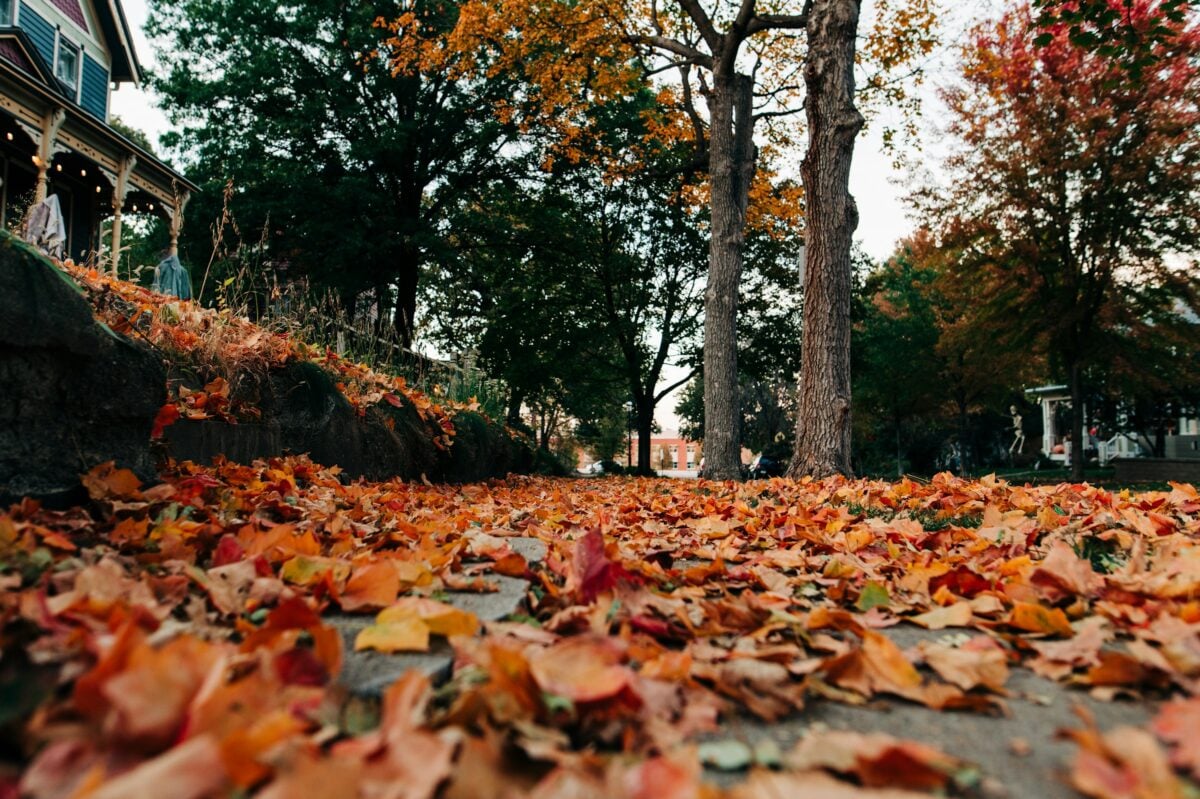
Every fall, gardeners repeat the same comforting line: “just let the garden rest, deal with it in spring.” It sounds wise. It’s mostly wrong. While you’re inside sipping cider and ignoring the beds, fungal spores are settling into dead leaves, rodents are moving into that junk pile by the fence, and thousands of weed seeds are quietly drilling themselves into your soil. Rest is not what’s actually happening back there.
The truth is, most people don’t lose their garden in spring – they lose it in the six weeks before winter, without ever realizing it happened. Below are the 13 things experienced gardeners race to clear before the first hard freeze, ranked from bad to genuinely garden-wrecking. Some of these mistakes cost you a few wilted plants. One of them, sitting quietly at the bottom of this list, undermines everything else you do next spring.
13. Dead Annuals Hiding a Disease Time Bomb
🔥 Would you like to save this?
We'll email this post to you, so you can come back to it later!
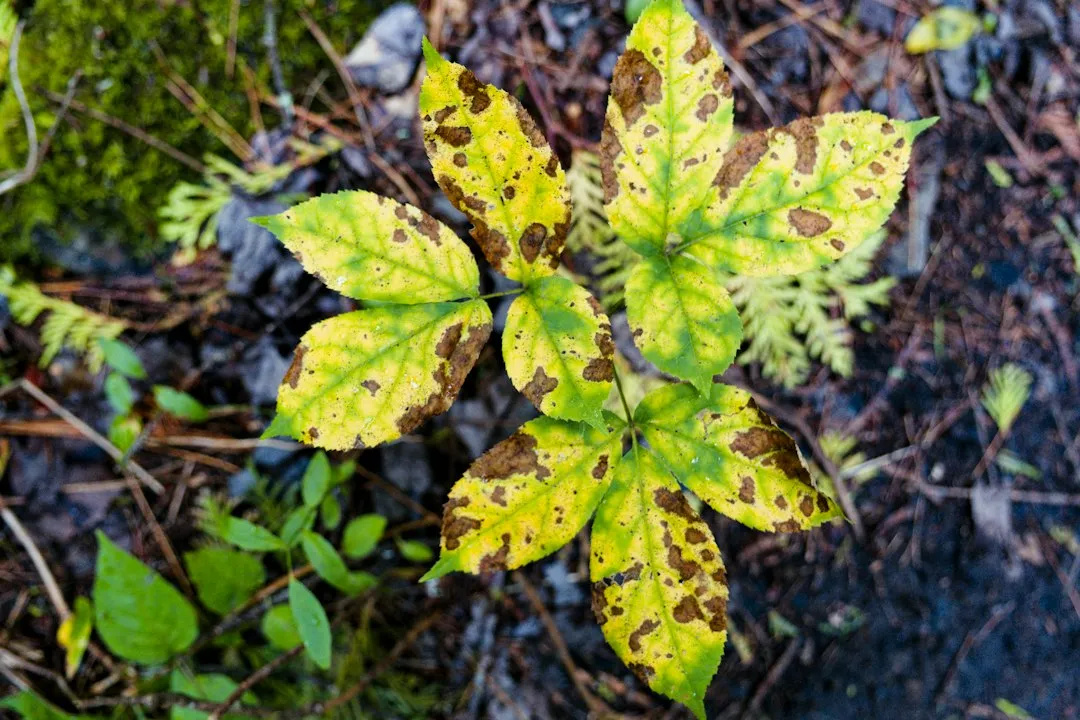
Most people think dead annuals are harmless “natural mulch.” In reality, many of them are disease hotels waiting to re-infect your garden next year. Once petunias, marigolds, zinnias, and begonias get blackened by frost, they don’t just look ugly – they start actively breaking down.
Fungal spores like powdery mildew, botrytis, and leaf spot can overwinter on that dead tissue, ready to reinfect anything you plant nearby come spring. If you noticed any yellowing leaves, odd spots, or gray fuzz this year, leaving those annuals in place is like stacking kindling and hoping there’s no fire next season.
The fix is simple: cut or pull them out on a dry day. Don’t compost obviously diseased plants unless you run a genuinely hot, well-managed compost system – most backyard piles never get hot enough to kill fungi or viruses.
- Healthy, frost-killed annuals: fine for active, hot compost.
- Clearly diseased or moldy plants: bag them and put them in the trash, no exceptions.
The payoff is real – fewer fungal outbreaks next spring, and less money burned on fungicides and replacement plants.
12. Rotten Vegetable Crops Feeding the Neighborhood’s Pests
🔥 Would you like to save this?
We'll email this post to you, so you can come back to it later!
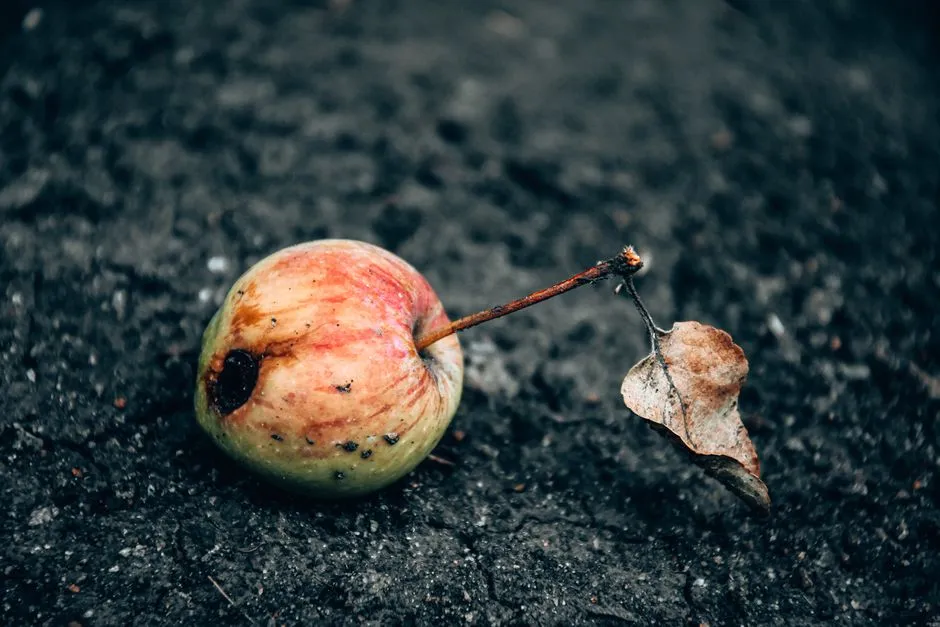
That half-collapsed tomato cage and mushy squash vine you “meant to deal with” back in August? It’s not just an eyesore – it’s a biological time bomb sitting in your beds. Old vegetable plants, especially tomatoes, potatoes, peppers, cucumbers, and squash, are notorious for carrying blights, wilts, and viruses that survive in plant debris and soil for years.
Late blight is the classic horror story here. Leave infected tomato or potato vines and fruit lying on the soil, and you’ve essentially guaranteed next season’s infection before you’ve even planted anything.
On top of disease, rotting vegetables send out an open invitation to:
- Rodents like voles, mice, and rats, who’ll happily stick around and chew your bark and bulbs next.
- Overwintering pests like squash vine borer, cucumber beetles, and aphids nesting in old vines.
Clear everything to bare soil once production is done. Pull stakes and cages, shake off soil, and store them dry. Anything showing disease – blackened tomato stems, wilted cucumbers, potatoes with dark lesions – should be trashed or burned, never composted. If you want to play the long game, mark where disease-heavy crops grew and avoid planting the same family there for two to three years. Combined with a real fall cleanup, that rotation trick alone can dramatically cut your pest and disease load.
11. Matted Leaves Suffocating Your Lawn and Plant Crowns
🔥 Would you like to save this?
We'll email this post to you, so you can come back to it later!
“Leaves feed the soil, so just leave them” is trendy advice, and it’s not entirely wrong – it’s just missing a crucial detail. There’s a huge difference between a thin, shredded layer of leaves and a soggy, matted carpet that’s slowly suffocating everything underneath it.
A light layer in garden beds is fantastic habitat and free organic matter. The problem shows up on lawns and directly over plant crowns, where thick, wet leaf piles block light and air from turfgrass, causing winterkill and ugly bare patches. Worse, they trap moisture right against plant crowns, encouraging rot – and they make a perfect hiding spot for slugs, voles, and fungal spores.
You don’t need to obsessively rake every single leaf. Work smarter instead:
- On lawns, run a mulching mower over the leaves a few times to shred them into tiny pieces that break down quickly and actually improve your soil.
- Around perennials, pull heavy piles off the crowns and paths, then either shred them or spread them back as a thinner layer.
This keeps the ecological upside of fallen leaves without sacrificing your lawn and perennials in the process.
10. Slimy Mulch Cooking Your Stems From the Outside In
🔥 Would you like to save this?
We'll email this post to you, so you can come back to it later!
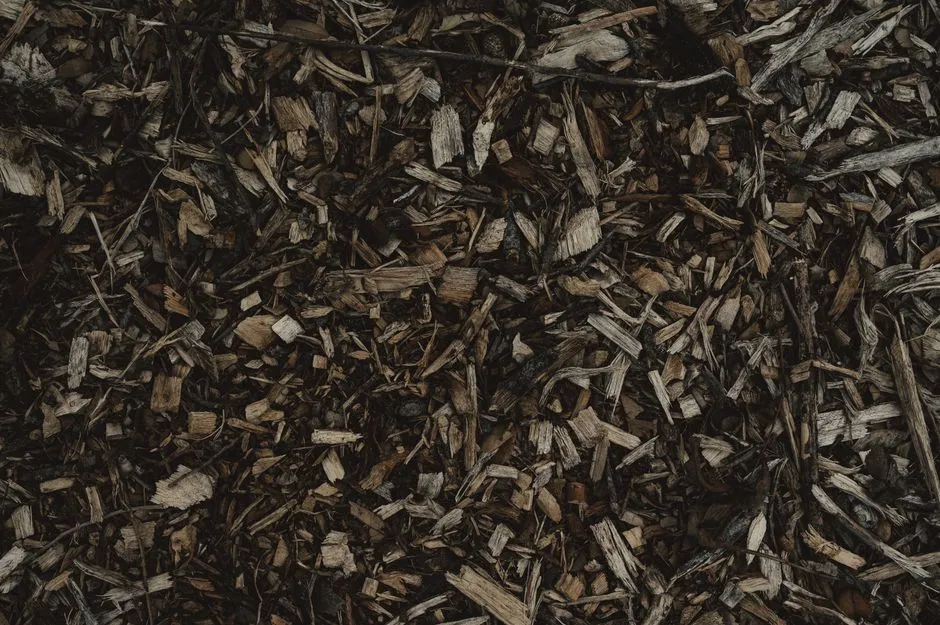
Mulch is supposed to protect your garden, but old, slimy mulch can quietly destroy it over the winter months. When bark mulch or wood chips break down into a soggy, moldy layer, they lock in excess moisture around stems and crowns, encourage fungal growth exactly where plants are most vulnerable, and create a cozy overwintering zone for slugs and earwigs.
The classic offender is the “mulch volcano” – that cone of mulch piled up against a tree trunk that so many people think looks tidy. Mulch piled against bark keeps it damp and soft, inviting canker diseases, borers, and rodents that chew straight through the cambium layer. Arborists have a blunt nickname for these: tree killers in slow motion.
Before winter locks everything in place:
- Pull mulch back three to six inches from trunks and shrub bases so bark can dry out properly.
- Rake out any patches that have turned slimy or smell sour, and swap in fresh, coarse material.
- Keep mulch depth around two to three inches – more than that can suffocate roots and trap waterlogged conditions underneath.
Healthy mulch is loose, smells like a forest floor, and lets air and water move freely. Anything else isn’t protection – it’s a problem you’re burying until spring.
9. Invasive Weeds Gone to Seed – Your 10,000-Seed Mistake
🔥 Would you like to save this?
We'll email this post to you, so you can come back to it later!
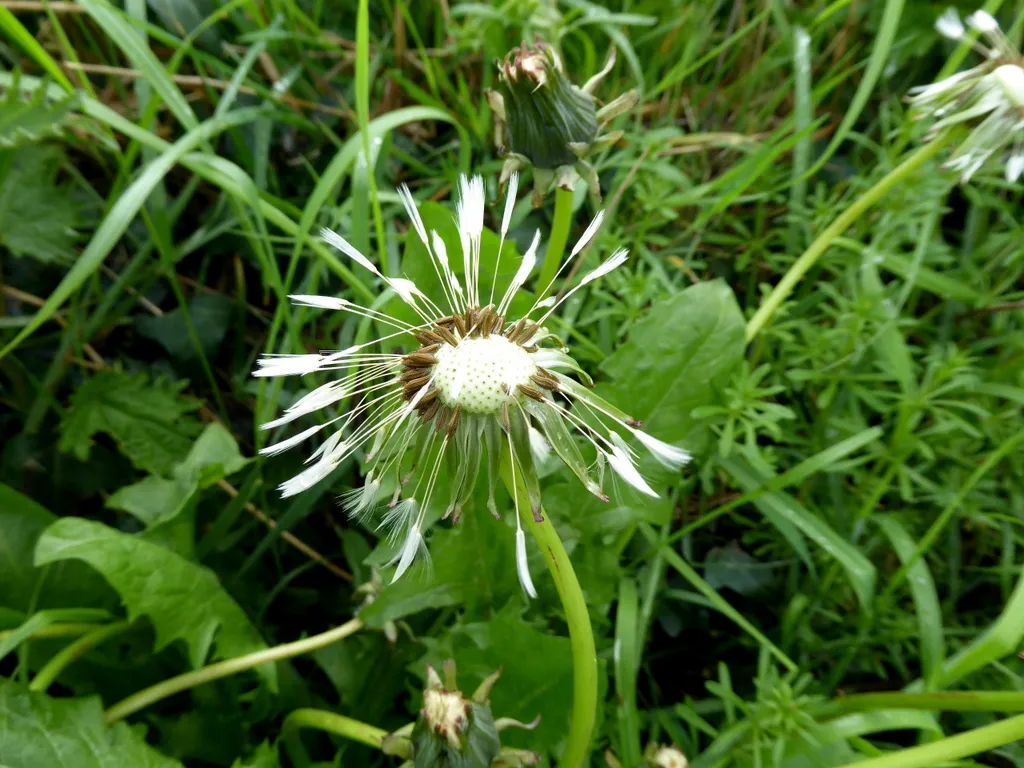
This is the one task most people regret skipping – just not until it’s far too late to fix cheaply. By late fall, plenty of invasive weeds have already gone to seed: crabgrass, chickweed, bittercress, dandelions, thistles, bindweed, creeping Charlie, and dozens more.
A single mature weed can drop thousands to tens of thousands of viable seeds, and those seeds will happily sit in your soil for years, waiting for the right moment to germinate. Once they drop and get worked into the top inch or two of soil, you’re locked into years of extra weeding – there’s no undoing a heavy seed bank in one clean-up session.
Your pre-winter goal isn’t perfection – it’s damage control:
- Prioritize any weed with visible seedheads or fluffy seed, like dandelions, thistles, or plumed grasses.
- Pull or cut seedheads and bag them – never toss them into open compost or a brush pile.
- For tap-rooted bullies like dandelion and dock, use a weeding knife to remove as much root as possible.
Even one focused hour spent removing seeding weeds can dramatically cut next year’s weed pressure. You’re not just tidying up – you’re editing your future garden before it’s even written.
8. Diseased Leaves Sitting Under Roses and Fruit Trees
🔥 Would you like to save this?
We'll email this post to you, so you can come back to it later!
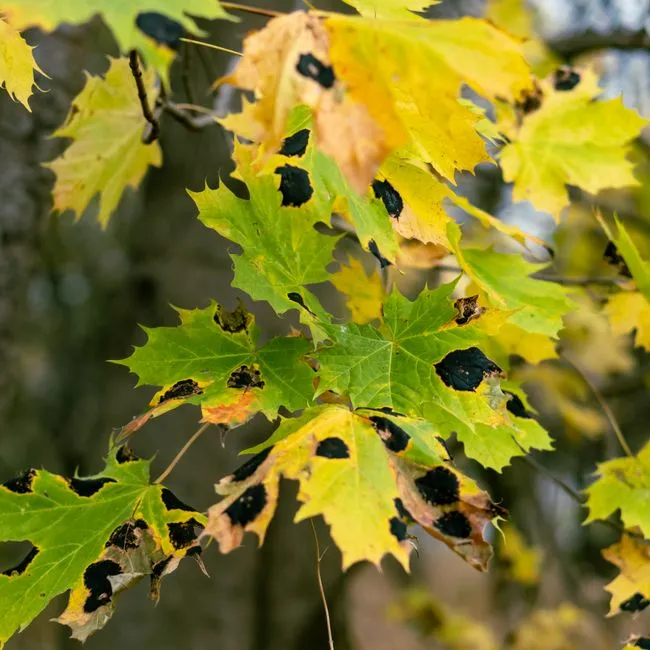
If you only clean one zone carefully this fall, make it the ground beneath your roses and fruit trees. Black spot on rose leaves, apple scab on apple and crabapple trees, rust on hollyhocks – these diseases all share one habit: they overwinter in fallen leaves and plant debris right beneath the host plant.
Fast Facts
- Black spot spores can survive winter on fallen rose leaves and splash back onto new growth with spring rain.
- Apple scab develops on old leaf litter over winter and releases spores during cool, wet spring weather.
- Rust fungi persist in leaf debris and flare up again once humidity rises the following season.
- Removing fallen leaves from beneath susceptible plants is one of the simplest ways to break the disease cycle without spraying anything.
Leave that layer in place, and you’ve essentially planted next year’s infection at the base of your favorite plants without even meaning to. Watch for problem spots under roses with spotted, yellowing leaves; beneath apple, crabapple, pear, and cherry trees that had blotchy or scabby fruit; and around ornamentals that consistently battle rust or leaf spot, like hollyhocks, daylilies, peonies, or phlox.
The fix takes effort, but it’s straightforward. Rake up all fallen leaves and petals in a three-to-six-foot radius around susceptible plants – a casual pass with a leaf blower doesn’t count, you need to physically remove the material. Bag it and dispose of it rather than composting, unless you genuinely run a hot pile.
Some gardeners insist they “never bother” and things turn out fine. Usually that just means they’re unknowingly tolerating a high disease load year after year. If you actually want clean foliage and healthy blooms next season, this step isn’t optional.
7. Tender Bulbs Left to Freeze Into Mush
🔥 Would you like to save this?
We'll email this post to you, so you can come back to it later!
This is where a lot of new gardeners learn the hard way that “hardy” and “pretty” are not the same thing. Popular summer bloomers like dahlias, gladiolus, cannas, calla lilies, and some begonias simply aren’t built for real winter in colder zones.
Once soil temperatures drop below roughly 28°F for any length of time, their tubers and corms can turn to mush underground – no warning, no second chance. If your region dips well below freezing and you treat these like hardy perennials, you’re essentially rebuying them every single year.
Here’s how to actually save them:
- Watch your first hard frost date, not the calendar, to know when to act.
- After the first killing frost blackens the foliage, cut stems down to a few inches.
- Carefully dig the clumps, gently wash or shake off soil, and let them dry for a day or two somewhere frost-free and shaded.
Once dry, store them in a cool, dark spot around 40–50°F, layered in peat moss, wood shavings, or dry paper to keep them from shriveling. Label everything – future you will not remember which mystery tuber was which. Skip this step, and you might as well set your bulb budget on fire.
6. Cracked Pots and Planters Waiting to Shatter
🔥 Would you like to save this?
We'll email this post to you, so you can come back to it later!
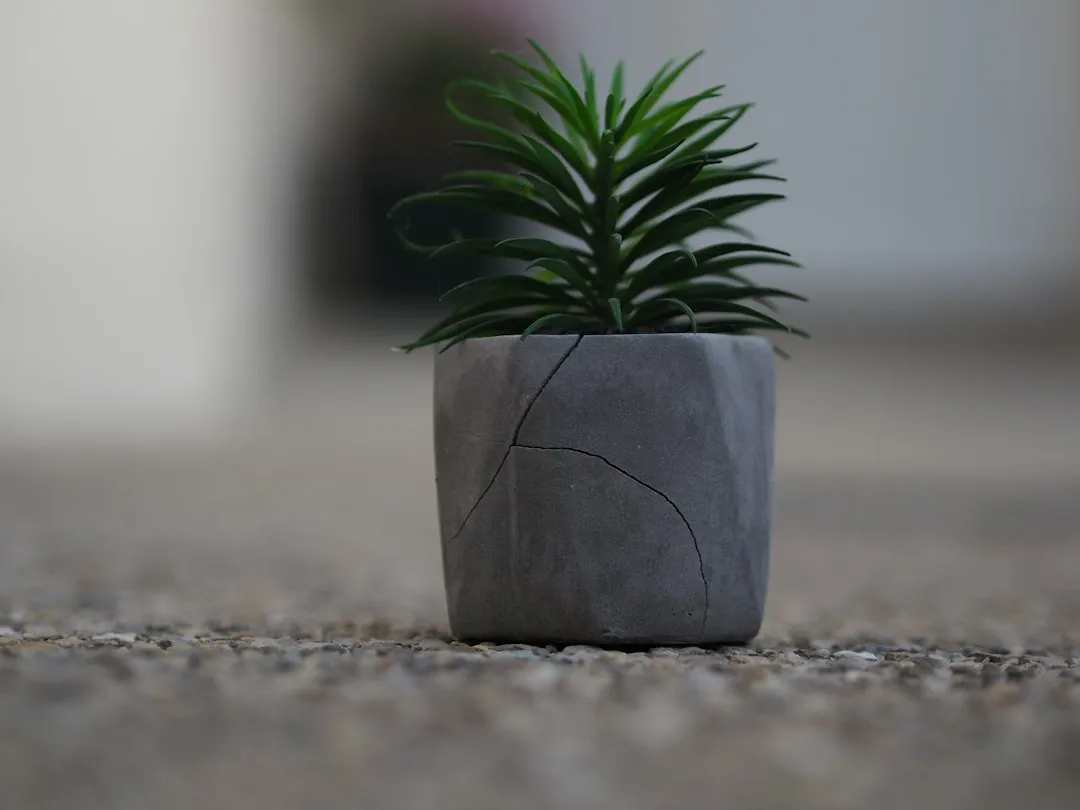
Containers are the silent money leak of the garden, and winter is when most of that destruction actually happens. Porous materials like terracotta, concrete, some ceramics, and even cheaper plastic hate the freeze-thaw cycles that come with cold weather.
Water seeps into tiny cracks, freezes, expands, and one cold snap later, your favorite pot splits wide open. People blame “cheap pots” when the real issue is that they stored them full of wet soil and trapped water all winter long.
Before the freeze sets in for good:
- Empty any pots you’re not intentionally overwintering plants in – old, compacted soil holds moisture like a sponge.
- Knock out the soil, let pots dry fully, and store them upside down or on their sides in a garage, shed, or under deep eaves.
- For heavy containers you can’t move, at least raise them off the ground with pot feet or bricks so water can drain instead of freezing the base to wet concrete.
It’s also a smart time to toss or recycle soil that’s been sitting in pots for years, especially if you’ve dealt with root rot or fungus gnats. The pot is its own little ecosystem – you get to decide whether it’s one worth carrying into spring.
5. Dead and Crossing Branches Winter Will Snap Off
🔥 Would you like to save this?
We'll email this post to you, so you can come back to it later!
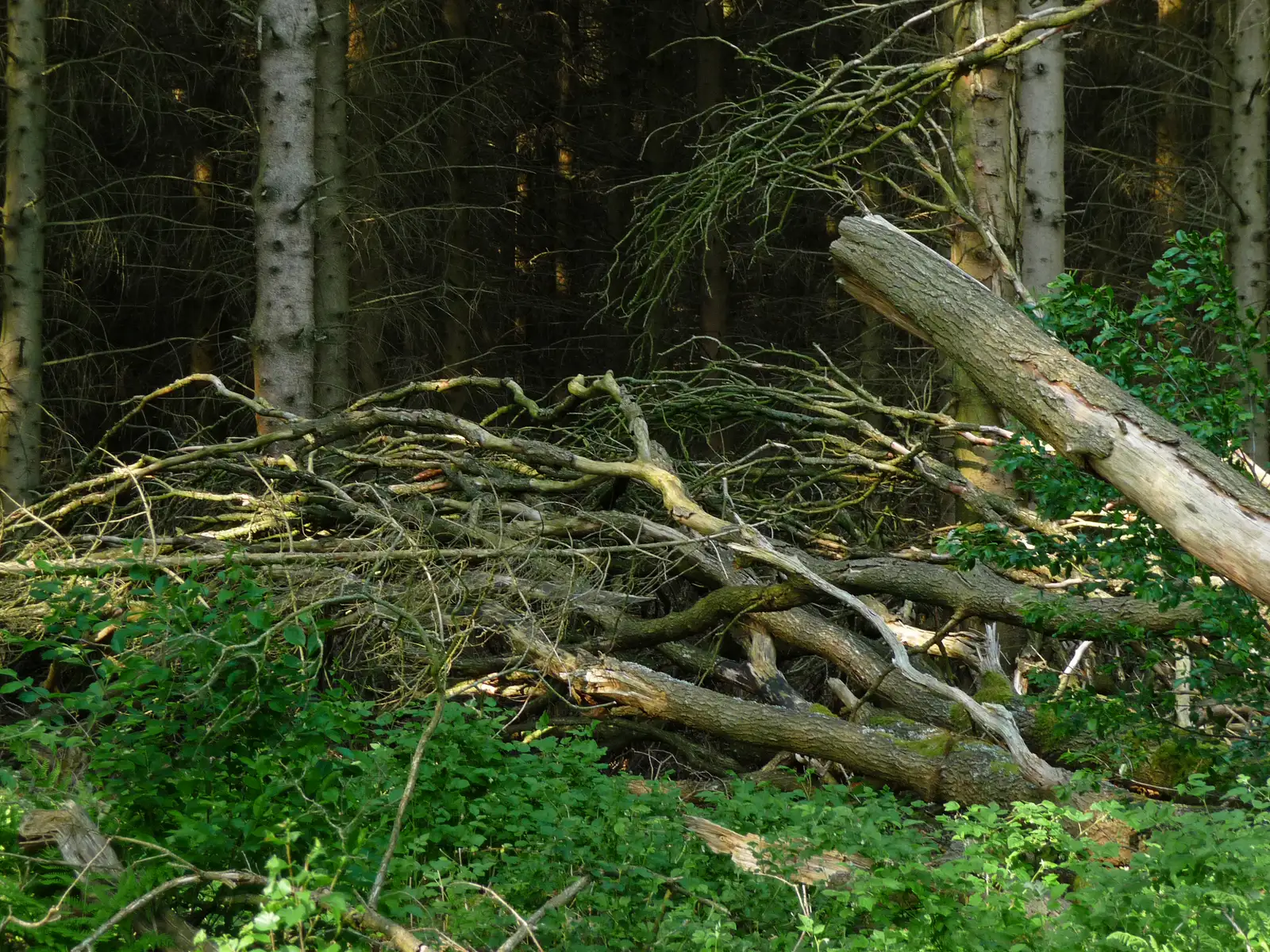
Winter doesn’t create every branch problem – it just exploits the ones you already ignored. Dead, diseased, or badly placed branches are far more likely to snap under snow load or ice, tearing bark and leaving large, ugly wounds behind.
Crossing branches that rub together in the wind slowly wear away protective bark, opening the door for canker and borers to move in. Leaving them in place going into winter is like sending a boxer into the ring already half-injured.
Quick Compare
- Healthy branch: flexible wood, green cambium visible when scratched, grows outward from the plant’s center.
- Problem branch: brittle and snaps easily, no green under the bark, grows inward or crosses other limbs, may show cankers or oozing bark.
You don’t need to be an arborist to spot the danger. Walk your yard with pruners in hand and look for branches that are obviously dead – brittle, with no green under the bark when lightly scraped – plus limbs rubbing against each other or growing in toward the plant’s center, and any branch with cankers, oozing, or sunken, discolored bark.
Cut back to healthy wood with clean, sharp tools, and disinfect between cuts on diseased wood. Stick to small-diameter branches you can safely handle; leave major structural pruning for late winter or a professional. Removing this weak wood now often prevents far more serious storm damage later – and yes, that includes those “charming” half-dead limbs people leave behind for character.
4. Clogged Gutters Flooding Your Beds
🔥 Would you like to save this?
We'll email this post to you, so you can come back to it later!
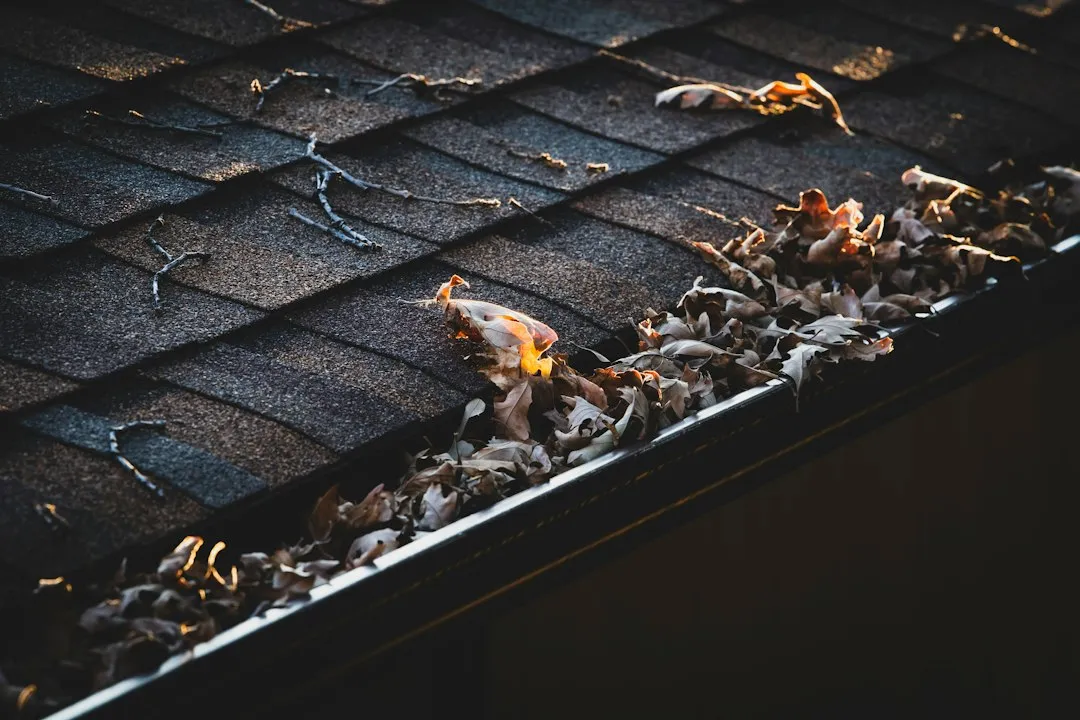
It isn’t glamorous, but ignoring water management is one of the fastest ways to wreck a garden and a house at the same time. When gutters and downspouts fill up with leaves, twigs, and shingle grit, they overflow – and that water doesn’t just disappear.
It pours directly onto foundation beds, compacts soil, rots mulch, and can even flood root zones and basements. Heavy winter rain or snowmelt will always find the weakest exit, and a clogged gutter guarantees it finds your garden.
Before winter truly sets in, clean gutters and downspouts thoroughly, then flush them with a hose to make sure water runs freely. Check where your downspouts actually discharge – if they’re dumping straight into your rose bed or right against the foundation, extend them farther out. Walk the garden during or after a rainstorm and watch where water pools; those soggy spots almost always correlate with plant decline and root disease down the line.
If you’ve got French drains, swales, or gravel channels, clear them of leaves and sediment too. Think of it as clearing the arteries of your garden – good drainage in winter often matters more than any fertilizer you’ll apply in spring.
3. Garden Clutter Turning Into a Rodent Hotel
🔥 Would you like to save this?
We'll email this post to you, so you can come back to it later!
Everyone has that one corner: half-collapsed tomato cages, broken tools, spare bricks, old pallets, and “temporary” piles that have been sitting there for three years. That clutter does more than just look bad.
At a Glance
- Mice and voles favor dry, elevated debris like wood piles, pallets, and stacked pots for winter shelter.
- Junk piles near foundations or sheds raise the risk of gnawed bark, chewed wiring, and structural damage.
- Clutter against fences or siding traps moisture, speeding up rot and rust over winter.
- Elevating stored items off the ground and away from beds removes easy nesting spots before rodents settle in.
It provides dry, protected shelter for rodents and insects all winter long, traps moisture against fences, siding, and sheds that accelerates rot and rust, and blocks airflow, creating damp micro-climates where moss and algae thrive.
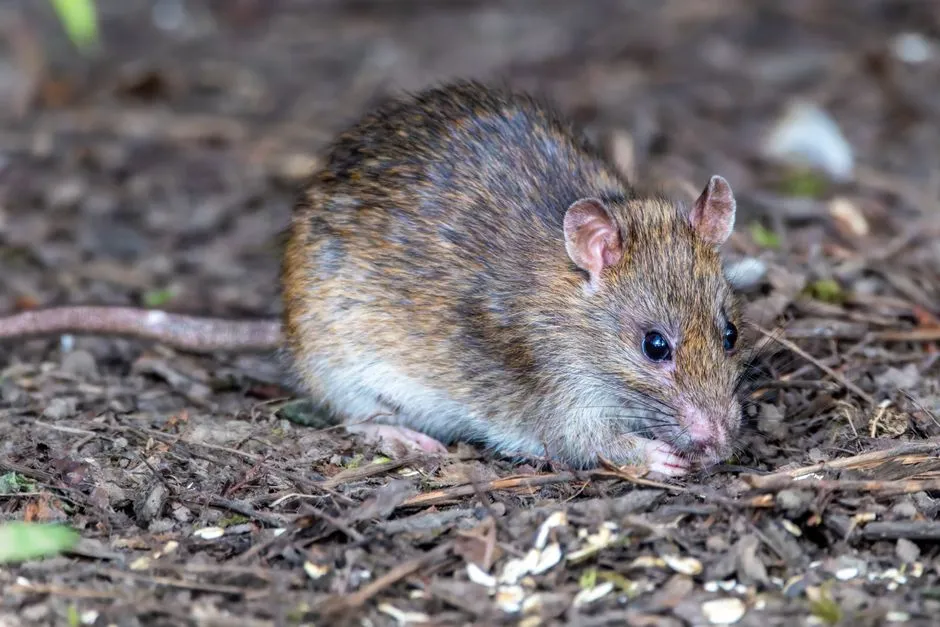
Mice and voles especially love junk piles near garden beds – they’ll overwinter there in comfort, then fan out in late winter to chew roots and bark. All those mysterious girdled shrubs people blame on “disease” are often just rodents that lived quite happily under last year’s forgotten project pile.
Spend one focused afternoon on this before winter: keep what you actually use, recycle or trash the rest, elevate anything you’re keeping on racks or pallets to reduce contact with damp soil, and move all long-term storage a few feet away from beds and foundations. It’s not about perfection – it’s about removing the shelter pests are literally counting on.
2. Hoses and Irrigation Lines Primed to Burst
🔥 Would you like to save this?
We'll email this post to you, so you can come back to it later!
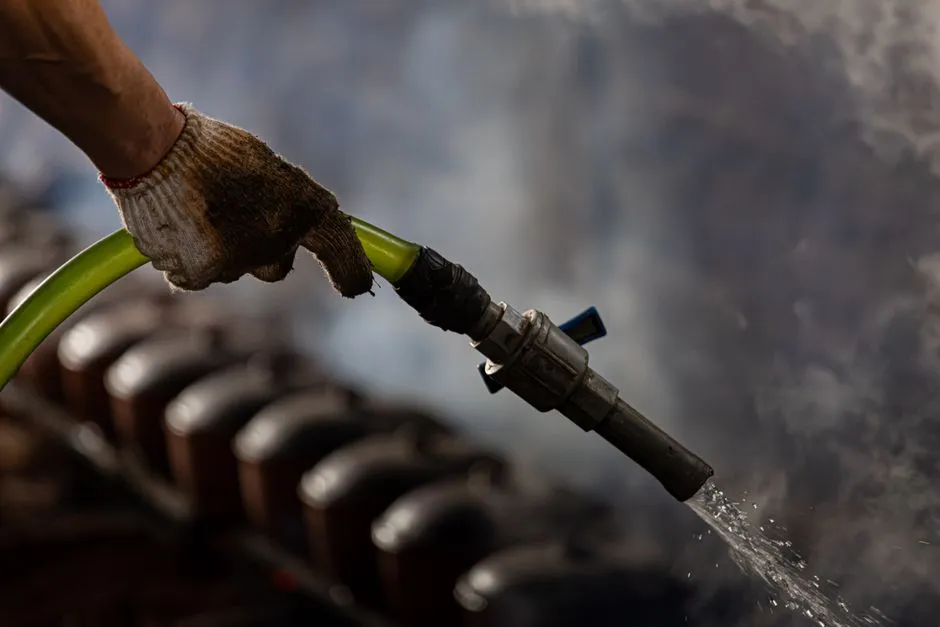
This one isn’t sexy, but it’s expensive when you get it wrong. Water left sitting in hoses, exposed pipes, and irrigation lines expands the moment it freezes.
Even a small freeze can crack fittings, split hoses, and burst backflow preventers hidden inside a wall. People blame “cheap hardware” afterward, when the real culprit was skipping a fifteen-minute winterization job back in November.
Your checklist before the first hard freeze:
- Disconnect hoses from exterior spigots, drain them fully, and store them coiled and dry.
- Shut off and drain outdoor taps from the interior shut-off valve, if you have one.
- For in-ground irrigation, follow the manufacturer’s blow-out procedure, or have a pro clear the lines with compressed air.
Got temporary drip lines on raised beds? Cap and drain them, then bring emitters and timers indoors – leaving a timer or filter full of water outside is a guaranteed crack by spring. You may never “see” this problem from the garden side, but a burst line under a bed can saturate soil, erode nearby foundations, and quietly destroy roots for months before anyone notices.
1. Neglected Soil – The Silent Damage That Compounds All Winter
🔥 Would you like to save this?
We'll email this post to you, so you can come back to it later!
The most dangerous thing most people leave “for later” isn’t a plant at all – it’s the soil underneath everything else. By late fall, you’ve walked, wheelbarrowed, and worked your beds all season. Rain hammers bare spots. Pets and kids cut across corners.
The result is compacted, crusted soil with poor structure, plus bare patches that quietly erode all winter long. If you go into the cold months with exposed, beat-up soil, you’re starting next spring already behind.
Essentially, all of life depends upon the soil … There can be no life without soil and no soil without life; they have evolved together.
Charles E. Kellogg
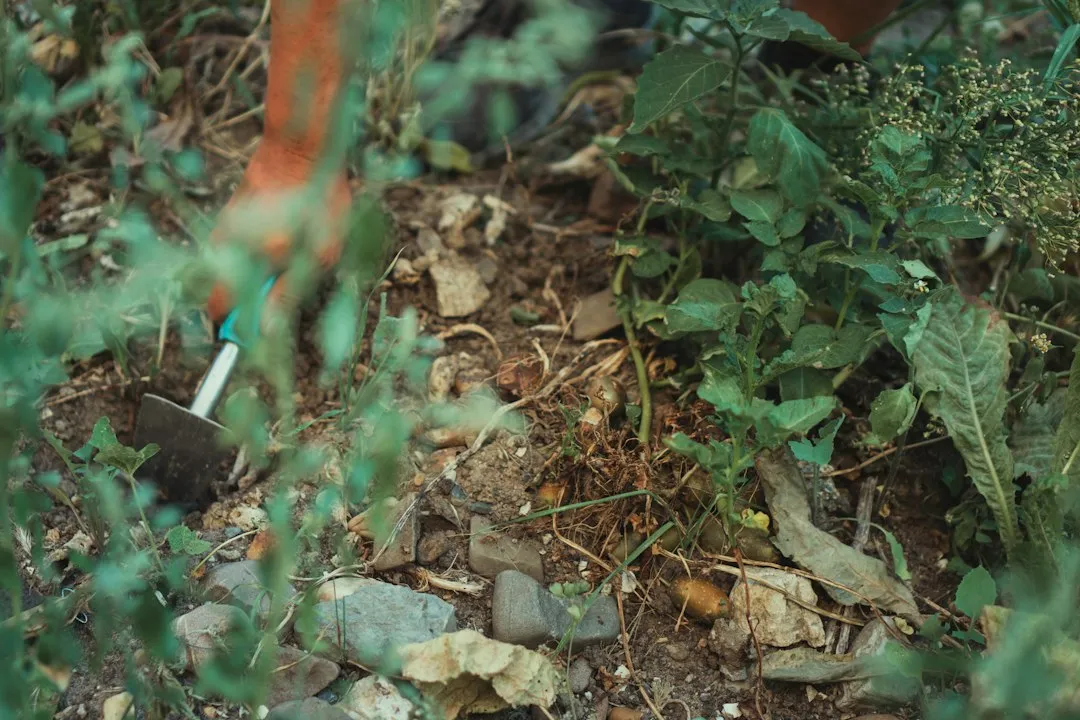
Here’s what smart gardeners quietly do now instead of scrambling in April: gently loosen compacted bed surfaces with a fork without turning the soil, just lifting and aerating; remove rocks and debris that have surfaced and are blocking roots; and cover every bare inch of soil with proper mulch, a light layer of shredded leaves, or a cold-hardy cover crop if timing allows.
In lawns, overseed thin or bare areas before the soil freezes so seed can settle and germinate early in spring. Around trees, pull soil and mulch back from exposed roots and cover them lightly – exposed roots are a stress signal, not a quirky aesthetic. This was never about making the garden look tidy for guests. It’s about protecting the single most important asset you have, because whatever condition your soil enters winter in, it will magnify by spring, for better or worse.
The Bottom Line
🔥 Would you like to save this?
We'll email this post to you, so you can come back to it later!
Most people treat fall cleanup like optional housework, something you get to if you “have time before the holidays.” In reality, winter is when your garden quietly keeps score. Dead annuals packed with spores, rotten vegetables harboring blight, weeds raining down tens of thousands of seeds, and soggy mulch attacking your tree trunks don’t just disappear under a dusting of snow – they consolidate, spread, and wait.
Here’s my honest take after going through all 13 of these: you can’t buy your way out of a lazy fall. No amount of premium compost or fancy new perennials in April will fix a garden that went into winter diseased, compacted, and cluttered. Clearing this list now – the diseased debris, the invasive weeds, the soggy mulch, the vulnerable bulbs, the broken branches, the junk piles, and above all the soil itself – is what actually separates a spring that rewards your effort from one that punishes your procrastination.
Do you think some of these are overkill, or have you learned the hard way what happens when you skip one? Tell us what you always clear before winter, and what you still leave too late, in the comments.

- 23 Warm Corners an Elderly Cat Keeps Returning To All Winter - October 29, 2026
- 16 Behaviours Showing a Cat Considers a House Permanent Now - October 29, 2026
- 15 Wildlife Programmes a Lifetime Pass Holder Over 62 Can Join Free - October 29, 2026