
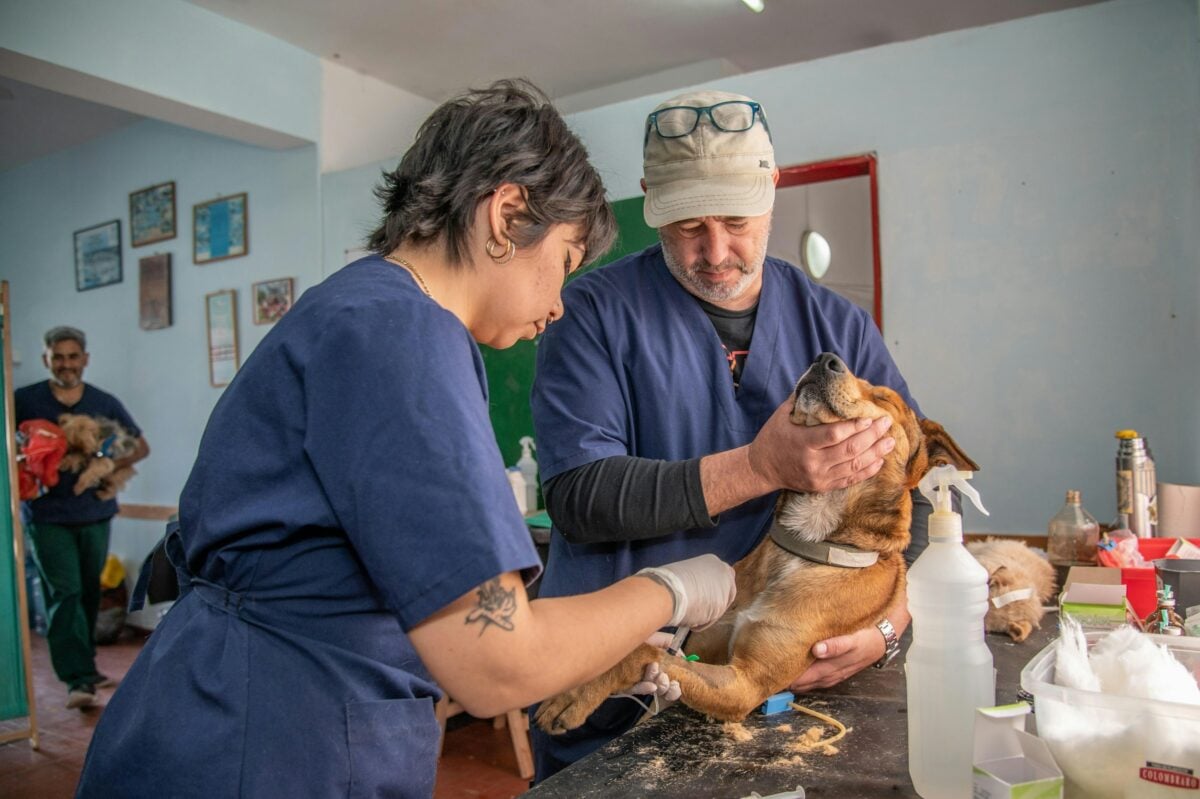
You walk into the clinic thinking it’s just a quick checkup, but your vet is picking up far more than you realize. They’re quietly reading your dog’s body, your routines, even the tiny habits you hardly notice anymore. And most of what they see? They’ll never actually say out loud unless it’s putting your dog in real danger.
That doesn’t mean they’re judging you; it means their brain is constantly scanning for patterns. Vets are trained to notice subtle red flags years before they turn into obvious problems, and they often have to choose between telling you everything they suspect or keeping the visit focused and doable. Here are 13 things many vets quietly clock about your dog, even when they don’t spell it out in the exam room.
#1 Your Dog Is Overweight (Even If They Call It “A Little Chunky”)

One of the first things vets notice is whether your dog is carrying extra weight, and honestly, most are. They’ll usually soften it with phrases like “a bit of extra padding” or “we could trim down a little,” but in their head they know that extra fat is quietly stressing your dog’s joints, heart, and organs. For many breeds, even just a couple of extra pounds is like you walking around with a heavy backpack you never take off.
They can tell your dog is overweight long before you see it. They feel for ribs that are buried instead of easily felt, look for a missing waistline, and watch how your dog moves and breathes. They might not push the topic hard every time because weight can be a touchy subject, but make no mistake: if your dog is on the heavier side, your vet has noticed, and they’re quietly worried about what it means a few years from now.
#2 Your Dog Is Anxious – And It’s Not Just “How He Is”
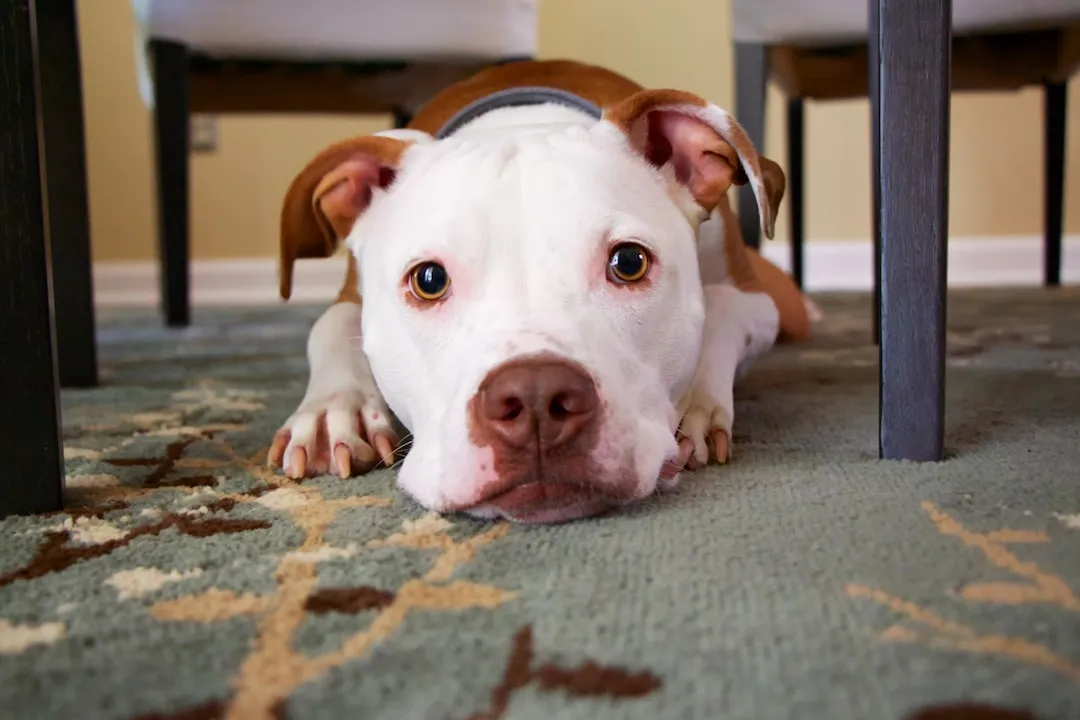
Vets can spot anxiety the second your dog walks in: the hard eyes, trembling, panting, lip licking, pacing, or frantic barking. Many owners shrug it off as “he’s just like that” or “she hates the vet,” but your vet knows chronic anxiety can actually damage your dog’s quality of life. It’s not just a personality quirk; it’s a mental health issue that can be managed, just like physical pain.
They may stay quiet because they don’t want you to feel judged, or they assume you’re not ready to hear that your dog might need behavior help or medication. But they see the dog that can’t relax, who lives in a constant low buzz of stress. When a vet gently mentions calming strategies or training, that’s their way of opening the door without saying, “Your dog is suffering more than you realize.”
#3 Your Dog’s Teeth Hurt More Than You Think
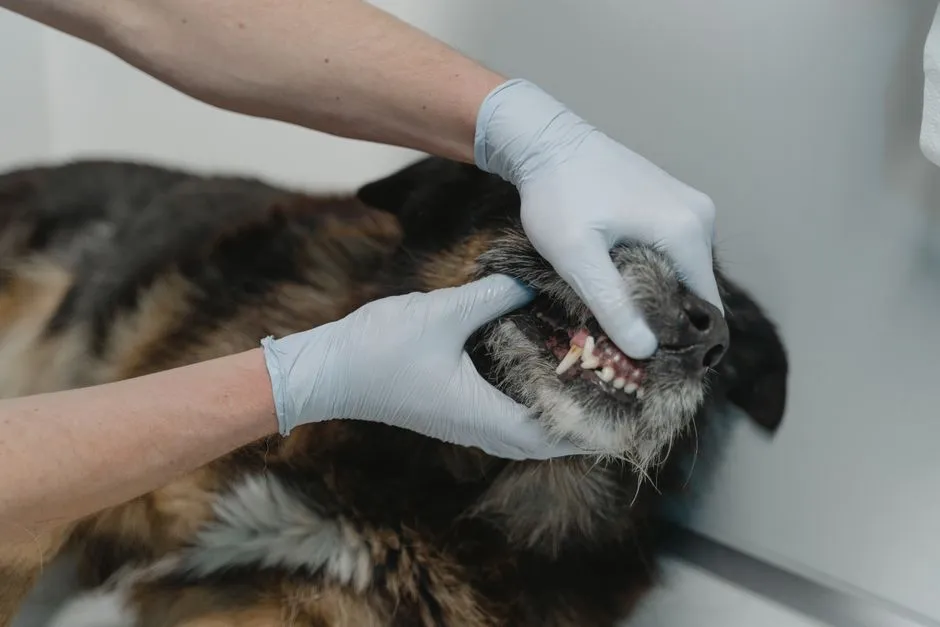
So many dogs walk around with sore, infected mouths that vets almost get numb to how common it is. You might think your dog is fine because they’re still eating, but dogs are incredibly good at hiding dental pain. Your vet sees the red, swollen gums, heavy tartar, and that signature “dog breath” that actually means bacteria and inflammation are running the show.
They also know that dental disease is linked to heart, kidney, and liver problems over time. But talking about professional cleanings, extractions, and anesthesia can sound scary and expensive, so many vets tread lightly. When they say, “We should keep an eye on those teeth,” what they’re often thinking is, “If this were my dog, I’d book a dental procedure really soon.”
#4 Your Dog Isn’t Getting Enough Mental Stimulation
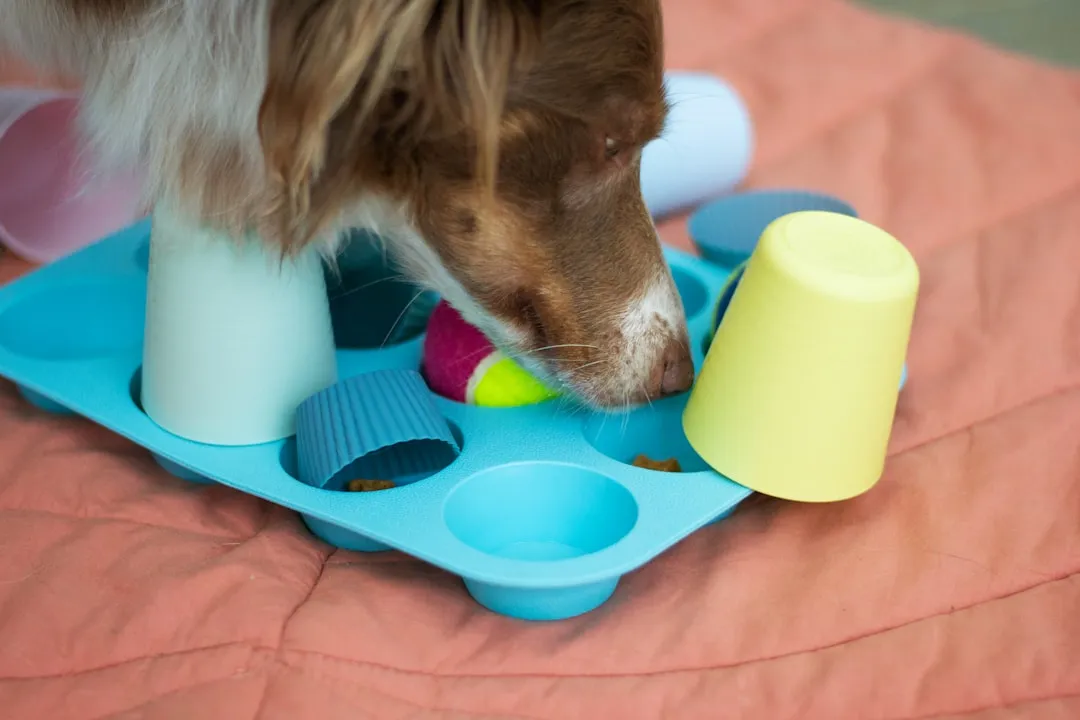
Your vet can tell when a dog’s life is mostly just backyard time and the same short walk, day in and day out. The clues are subtle but obvious to a trained eye: restlessness, destructive chewing, attention-seeking behavior, or a dog that seems flat and bored. Physically, the dog might look fine, but behaviorally, it’s like a smart kid stuck in a room with nothing but a wall to stare at.
Vets often hesitate to say, “Your dog is bored,” because it can sound like a criticism of your lifestyle. But in reality, many modern dogs are under-stimulated, not under-loved. Your vet knows that sniff walks, puzzle toys, basic training, and varied exercises could transform that edgy or “naughty” dog into a calmer, happier one. They notice when a dog has a sharp brain with nowhere to put it.
#5 Your Dog Is Aging Faster Than You Want To Admit
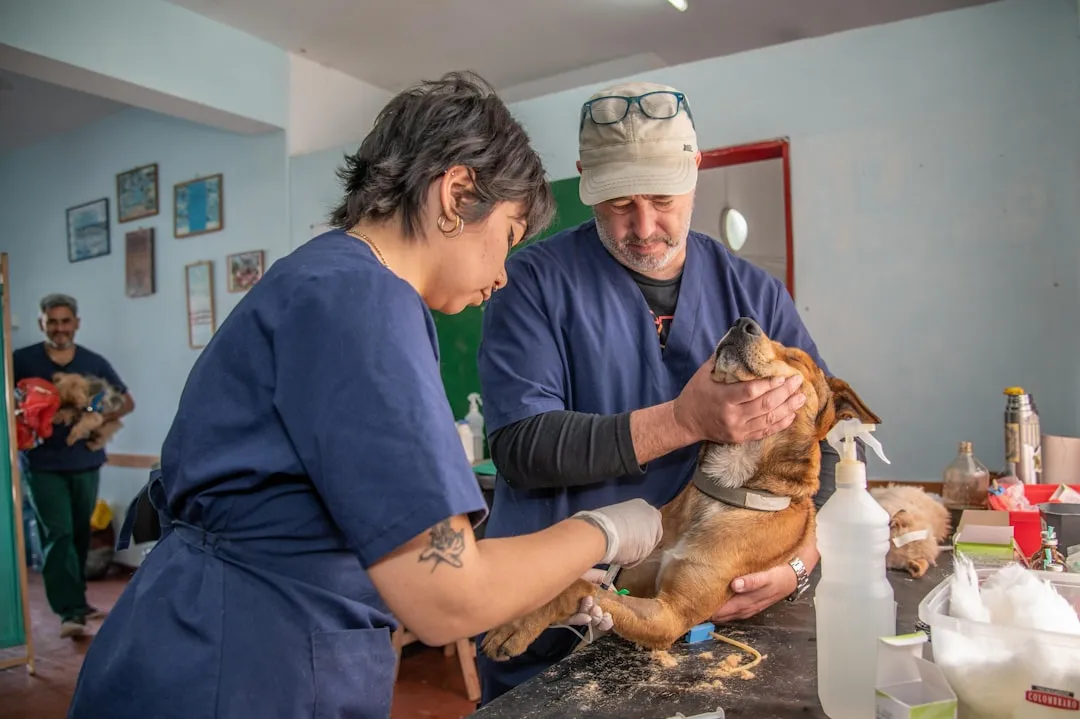
Vets are very aware of how quickly dogs move from young adult to senior, and they often see age-related changes before you’re willing to call your dog “old.” Maybe your dog hesitates a second before jumping into the car, sleeps a bit more, or has a tiny cloudiness in the eyes. To you, it’s nothing. To your vet, it’s the start of a new chapter that needs different care.
They might not spell it out because they know how emotional it is to face your dog’s aging. But they’re silently ticking off signs that it’s time to talk about joint supplements, more frequent bloodwork, or pain control. When they gently suggest things like softer bedding, ramps, or senior diets, that’s their way of saying, “Your dog is entering a vulnerable stage, and I want them to stay comfortable as long as possible.”
#6 Your Dog’s Coat and Nails Reveal Your Home Routine

Before you even start talking, your vet has read your dog’s grooming story. Overgrown nails that click loudly on the floor, a greasy or flaky coat, mats behind the ears, or strong doggy odor all tell them how often your dog is brushed, bathed, and handled. It is not about vanity; poor coat and nail care can cause real, ongoing discomfort and even pain.
They might not bluntly say, “You need to trim nails more often,” because no one likes feeling shamed. But long nails can change how a dog walks and strain joints, and matted fur can pull on skin like a too-tight ponytail all day long. When your vet casually mentions a groomer, nail trims, or specific shampoos, that’s their gentle way of saying your dog’s body could feel a lot better with a slightly different routine.
#7 Your Dog Probably Hides Pain Better Than You Realize
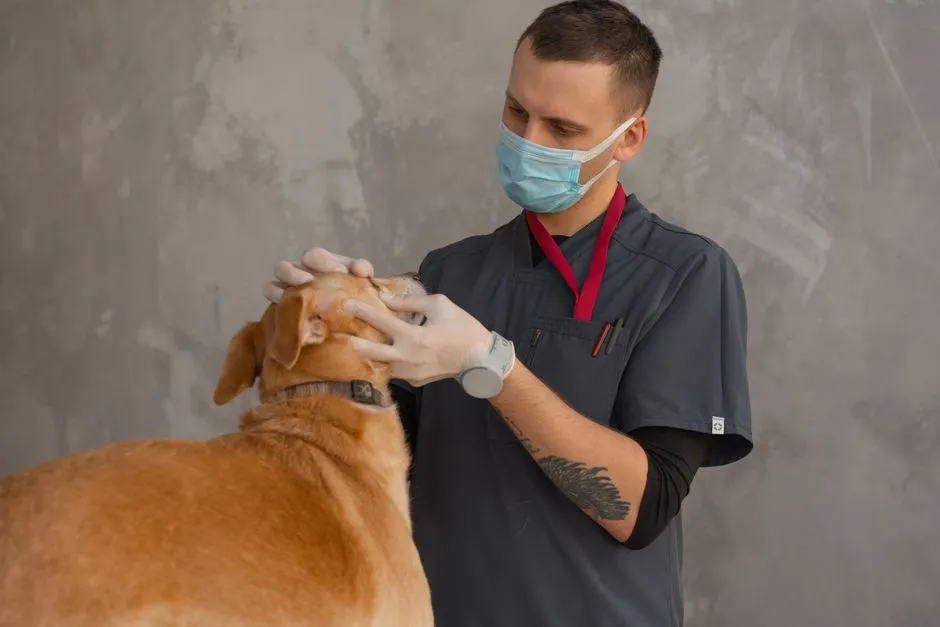
Vets are trained to see tiny signs of pain that most owners miss, because dogs almost never cry or whimper the way we expect. A stiff gait, reluctance to sit, difficulty standing up, licking at a joint, or a change in personality can all scream discomfort to a vet. Many owners say, “He’s not in pain; he doesn’t cry,” and vets have to bite back the thought that by the time a dog cries, the pain is often severe.
They also know many people fear the implications of pain: big bills, scary diagnoses, or tough decisions. So they’ll often start with gentle questions and suggestions instead of bluntly saying, “Your dog is hurting.” If your vet hints at pain meds, joint support, or further testing, they’re not guessing. They’re seeing things your dog is trying very hard to keep hidden from you.
#8 Your Dog’s Behavior Is Deeply Shaped By Your Energy

Vets pay attention not just to the dog, but to you. A tense, apologetic, or rushed owner often has a tense, chaotic dog. A calm, prepared owner with clear boundaries tends to have a dog that can cope better with the stress of a clinic. Vets rarely say, “Your energy is winding your dog up,” but they see it over and over again.
They notice when you laugh off rude or unsafe behavior as “cute,” or when you’re so anxious that your dog is constantly checking your face for clues and panicking alongside you. This isn’t about blame; it’s about patterns. Vets know that even simple changes – like practicing calm handling at home, using a harness that fits, or arriving early so you’re not rushed – can change how your dog feels in every stressful situation, not just at the vet.
#9 Your Dog Needs More Consistent Training, Not Just “Telling Off”
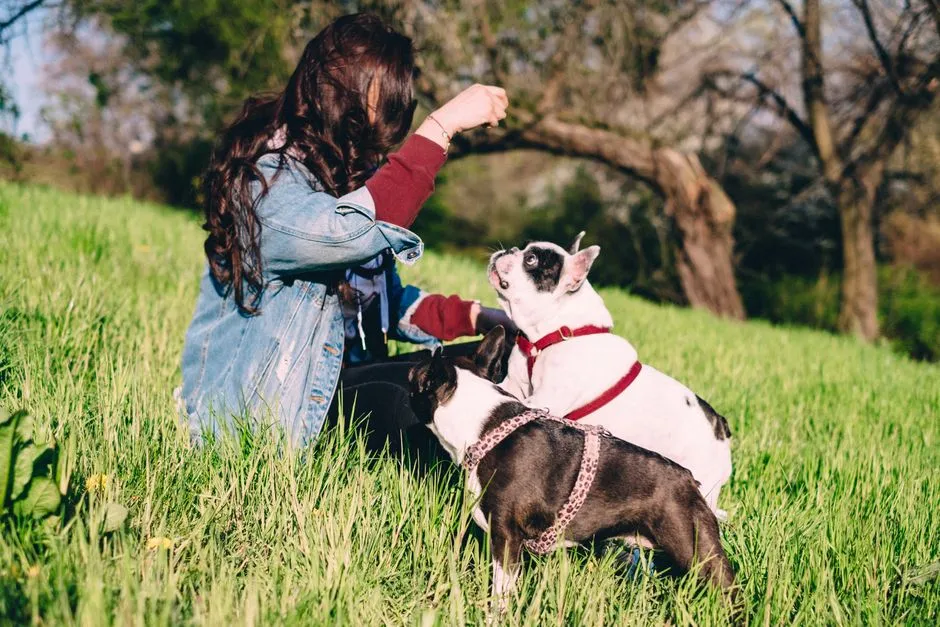
When a dog jumps, mouths, or refuses to listen in the exam room, vets see more than just a naughty moment. They see a dog who likely gets mixed messages at home: sometimes allowed to do whatever, sometimes scolded, rarely shown what to do instead. Many owners raise their voice or yank the leash, hoping to control the chaos in that moment, and vets have to manage the dog, the human, and everyone’s emotions at once.
They rarely say, “This is a training problem,” because it can sound like criticism. But they know that with clear boundaries, rewards for good behavior, and practice in calm environments, that wild dog could become a dream to handle. When a vet recommends training classes or a behaviorist, they’re not saying you’ve failed; they’re saying your dog is smart enough to learn and deserves more guidance than just being told what not to do.
#10 Your Dog’s Diet Isn’t Quite What You Think It Is
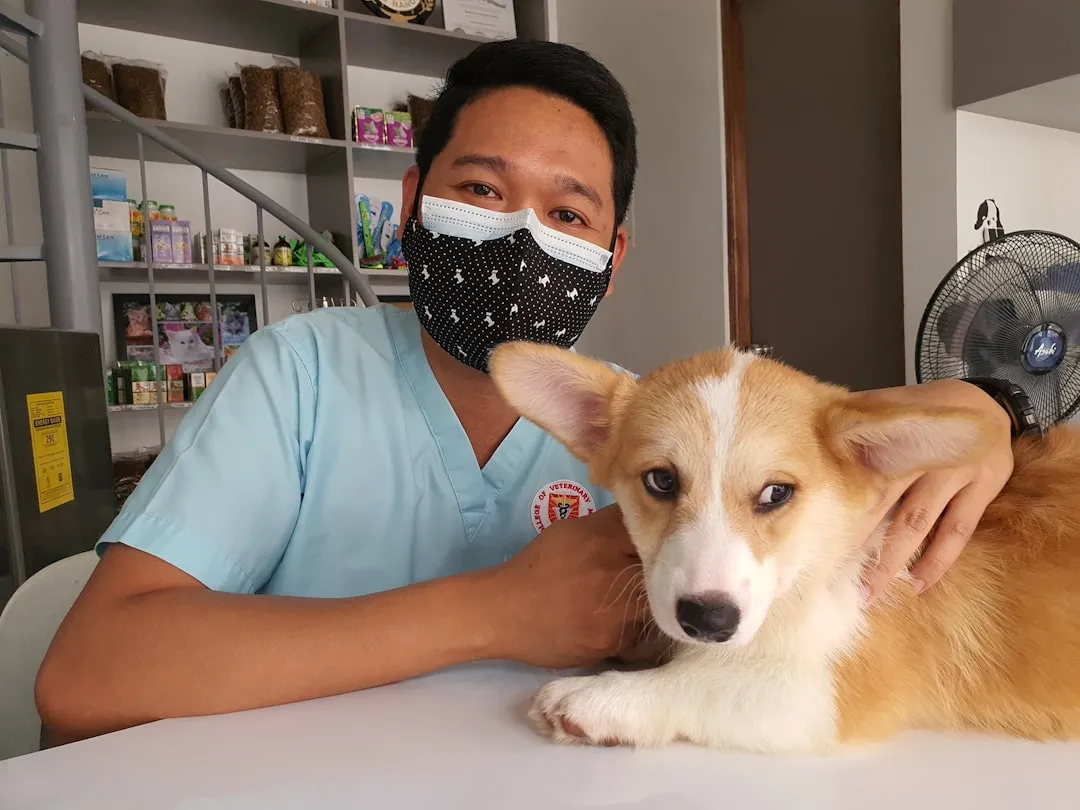
Vets can often guess a lot about what your dog eats from their body condition, coat quality, stool consistency, and energy levels. They hear the phrase “high-quality food” several times a day, often followed by a list of table scraps, constant treats, or trendy diets found on social media. They rarely call out brands unless something is clearly unbalanced or dangerous, but they definitely have opinions about what is in many bowls.
They also know that feeding is emotional. People tie love, guilt, and comfort to food, for themselves and their pets. So instead of bluntly saying, “This diet isn’t doing your dog any favors,” they might ask more questions, suggest small improvements, or recommend specific nutrients or feeding routines. When they do that, they’re trying to steer you gently, without starting a debate in the middle of the exam room.
#11 Your Dog Is Picking Up On Stress, Conflict, Or Big Changes At Home

Vets see dogs suddenly developing stomach issues, overgrooming, clinginess, or new behavior problems right when their family is going through a rough time – divorce, a new baby, a move, long work hours, or illness. They connect the dots, even if you only vaguely mention what is going on. Dogs are emotional sponges, and many vets quietly see them as mirrors for what’s happening behind closed doors.
They won’t pry or say, “Your dog is reacting to family stress,” because your personal life is yours. But they know that emotional upheaval in a home can trigger physical and behavioral symptoms in pets. That is why they sometimes talk about routine, safe spaces, and extra one-on-one time. It is not small talk – those are tools to help your dog cope with the aftershocks of whatever you are going through.
#12 Your Dog’s Preventive Care Gaps Make Them Nervous

When your vet scrolls through your dog’s record and sees overdue vaccines, missed parasite prevention, or skipped bloodwork, a little alarm goes off in their head. They have seen the rare but awful diseases that many owners think “never really happen,” and they know how fast something preventable can become tragic. They might not say “I’m worried this could go very badly,” but that is exactly what they are thinking sometimes.
They also understand that money, time, and past experiences shape your decisions. So instead of lecturing, many vets try to prioritize: which vaccine is essential, which test is highest value, which prevention is non-negotiable in your area. If they sound firm on certain topics – heartworm prevention, for example – that is usually rooted in cases that still haunt them, not in a desire to upsell you.
#13 They Can Tell How Deeply You Love Your Dog, Even When Things Aren’t Perfect
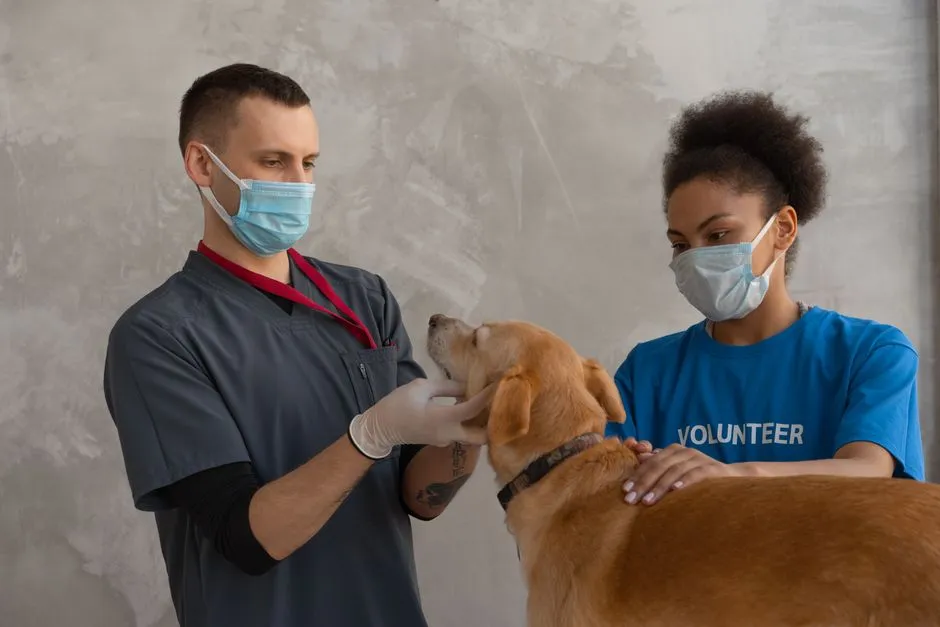
Here is the part they rarely say out loud: vets can usually tell within a few minutes how deeply someone loves their dog. It shows in the way you touch them, how you talk about them, whether you remember their quirks and routines. Even if you struggle with money, training, or time, that love is obvious, and most vets respect it more than you realize.
They might not say, “You’re doing your best,” but many of them are thinking it, especially when tough choices come up. They notice when you tear up hearing bad news, when you ask thoughtful follow-up questions, or when you apologize for what you did not know. Under the clinical lighting and medical jargon, they see a bond they wish the whole world took as seriously as you do.
Conclusion: What Your Vet Sees, And What You Can Do With It
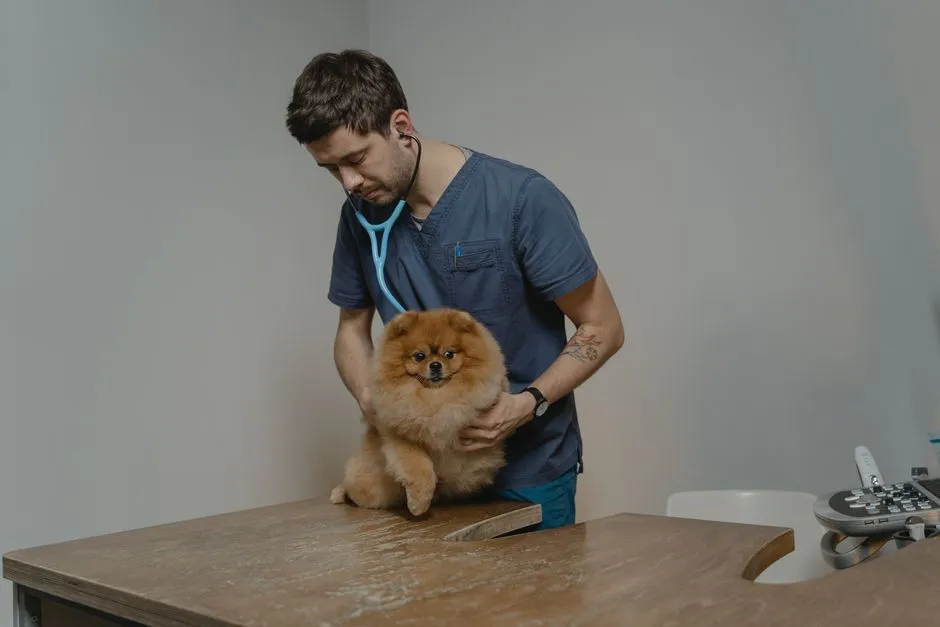
Vets live with one foot in the present and one in the future – they see who your dog is today, and who they are likely to be a few years from now if nothing changes. Some of what they notice is hard to talk about: extra weight, anxiety, pain, stress at home, or gaps in care. Instead of blunt honesty that might shut the conversation down, they often choose gentle hints and small nudges, hoping you will meet them halfway.
Here is my honest take: the more you are willing to hear, the more your vet will share. If you walk in with an open mind and say, “Tell me what you really see – what would you do if this were your dog?”, you might be surprised by how much useful, practical truth comes pouring out. Your dog cannot speak for themselves, but your vet is quietly translating their story every time you visit – are you ready to listen to all of it, not just the easy parts?
