
You’ve seen them a thousand times. Darting across the fence, raiding the bird feeder, burying something in your flower bed. Squirrels are so familiar they almost become invisible. We barely register them anymore, like the hum of traffic or the neighbor’s dog barking.
Here’s the thing though. Underneath all that ordinary behavior is one of the most fascinating, surprisingly intelligent, and genuinely complex little creatures sharing your outdoor space. Honestly, once you learn what they’re actually up to out there, you’ll never look at your backyard the same way again. Let’s dive in.
They Are Natural-Born Master Thieves
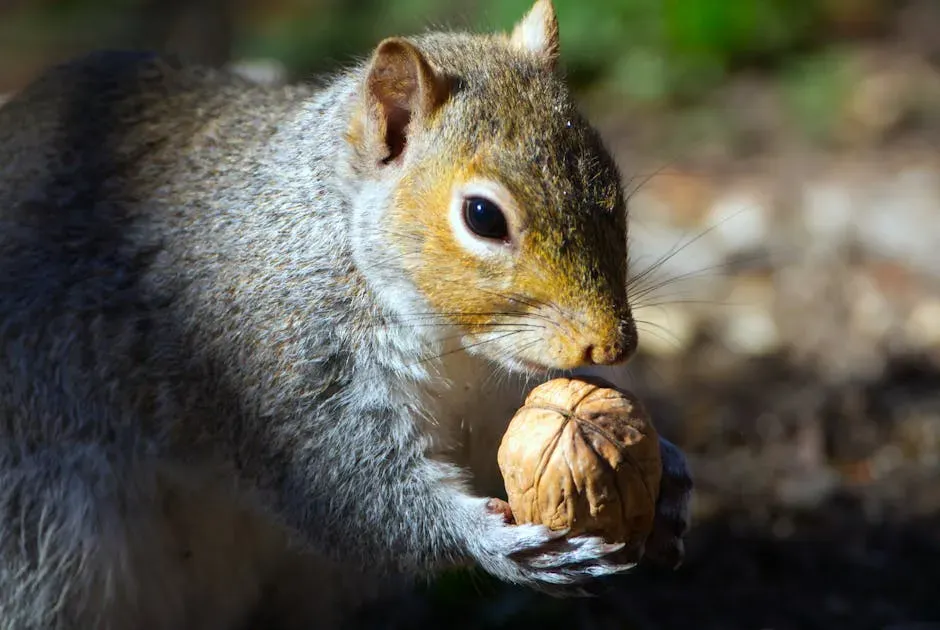
Squirrels are known for constantly foraging and hoarding food, but they are also committed food thieves. They lose roughly a quarter of their buried stash to theft by birds and other squirrels. That’s a staggering amount, when you consider just how much work goes into burying all those nuts in the first place.
To reduce the risk of losing their buried treasure, if a squirrel knows that another squirrel is watching it, they will engage in what researchers call “deceptive caching.” This is when a squirrel digs a hole and vigorously covers it up again, without actually depositing the nut, as part of an elaborate game to throw off potential food thieves.
When squirrels are being watched, they’ll construct fake caches, pretending to bury a nut by digging a hole, patting it down, and scraping dirt or grass over the top while concealing the actual nut elsewhere. Even while watching, it can be difficult to tell when a squirrel is making a fake or a real cache. Think about that. Your backyard squirrel is basically running a small-scale con operation every single day.
Their Memory Could Embarrass Most Humans

Most people assume squirrels are absentminded little scatterbrained creatures. That image is actually way off. Studies have shown that squirrels can remember the locations of hundreds of buried nuts, optimizing their foraging strategies to ensure survival through winter months.
Research has shown that squirrels organize their caches by nut type, a memory technique that, in human cognition, is known as chunking. It’s the same mental system we use when grouping phone numbers or items on a grocery list. Squirrels figured it out on their own.
Rather than forgetting the vast majority of their stashes, squirrels actually have impressive spatial memory and may only forget about roughly a fifth of their hidden food. The remaining nuts are lost to other environmental factors. This behavior creates an elegant ecological partnership between squirrels and trees. So yes, they remember far more than they forget.
They Eavesdrop on Birds to Stay Safe
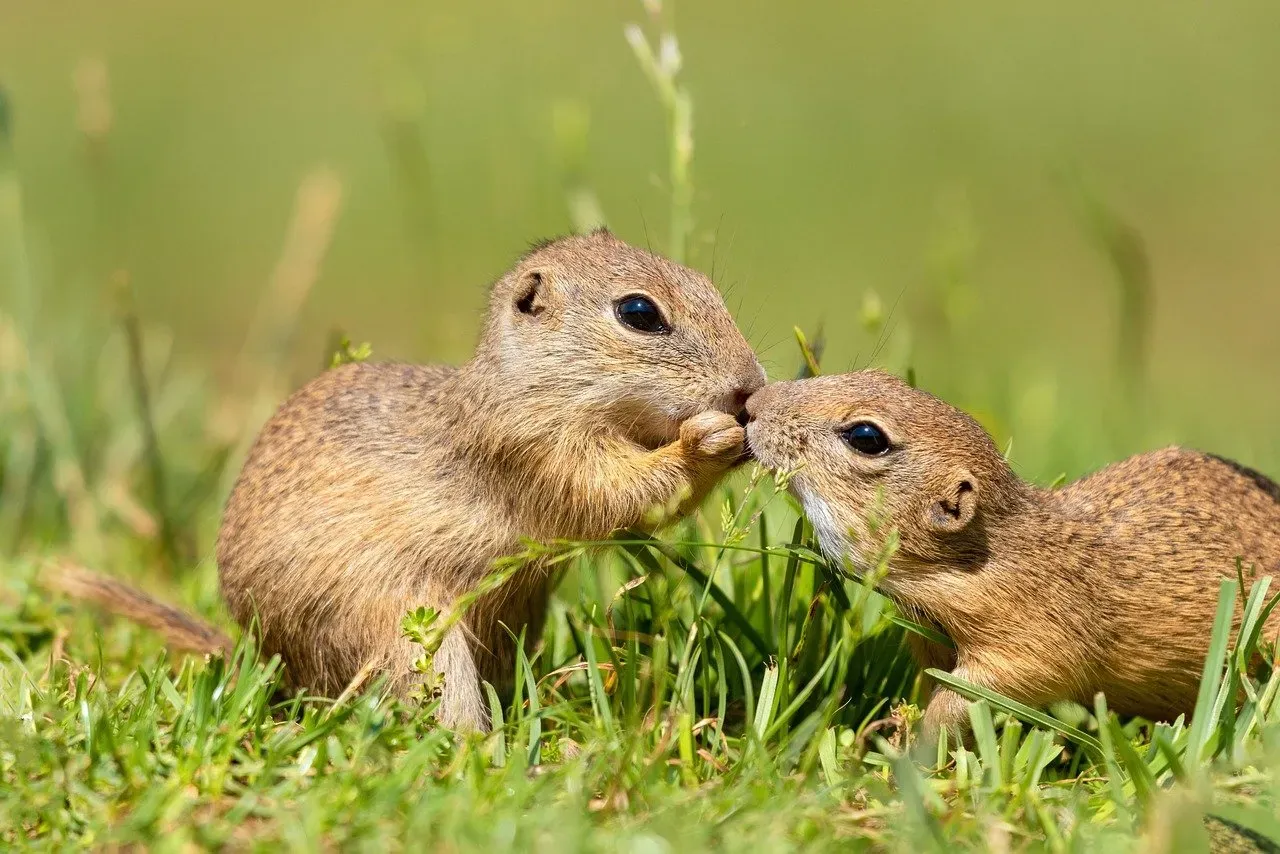
This one is genuinely jaw-dropping. In addition to their wide-angle eyesight, squirrels have excellent hearing and use it in a surprising way. A study conducted in Oberlin, Ohio, found that gray squirrels listen to “bird chatter” as an “all clear” signal. When that chatter stops or is replaced by alarm calls from birds such as robins, chickadees, and tufted titmice, squirrels assume the vigilant position. The researchers concluded that the squirrels were effectively “eavesdropping” on the birds to increase their ability to detect a threat.
Imagine your yard as a multi-species security network. The birds are the surveillance cameras. The squirrels are monitoring the footage. It’s surprisingly sophisticated for a creature the size of your fist.
Their Tails Are Actually Full-Time Communication Devices
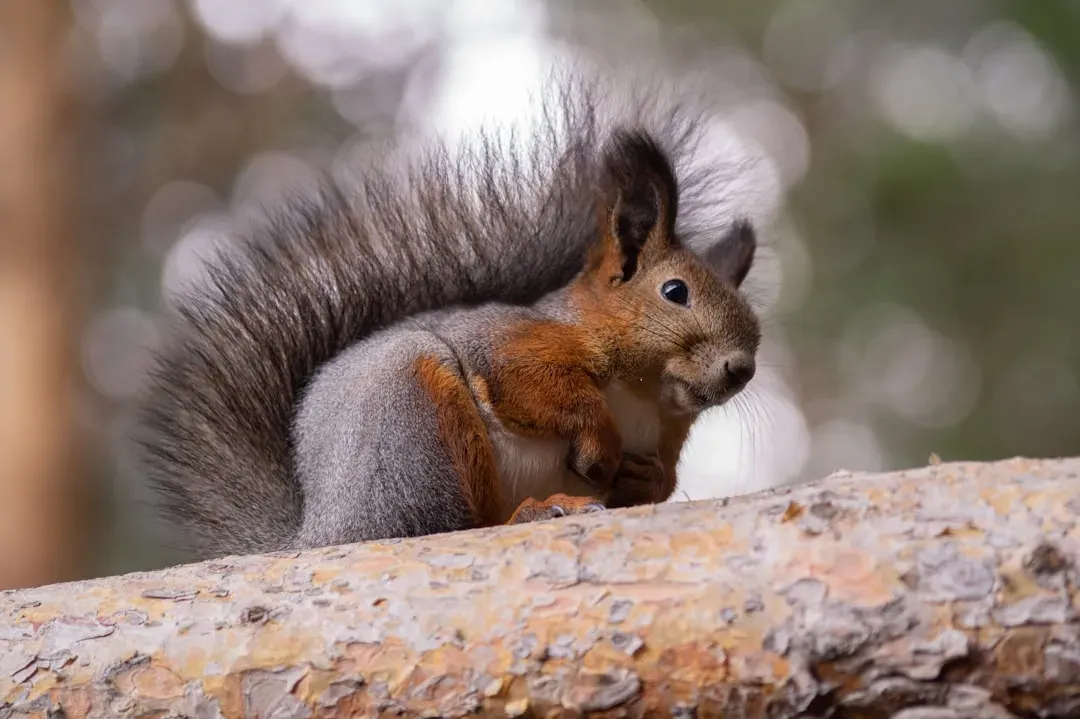
That fluffy tail isn’t just there for looks. Not even close. While squirrels use their tails extensively for communication, the tail’s job doesn’t end there. It also plays an essential role for balance and mobility in the treetops.
A squirrel’s rapidly flicking tail often signals danger. Whether it’s a lurking predator like a snake or a rival squirrel too close to a prized nut, the tail flick acts as an alert. This visible warning tells others to steer clear or prepare to flee. It’s a system that keeps the whole squirrel community safer.
Tail flicking isn’t just about warnings. It’s also a courtship display. During mating season, typically from late February through May, male squirrels put their tails to work. A trembling or quivering tail signals romantic intent as the male edges closer to his potential mate. A whole soap opera, happening in plain sight.
They Are Secret Architects of Your Local Forest
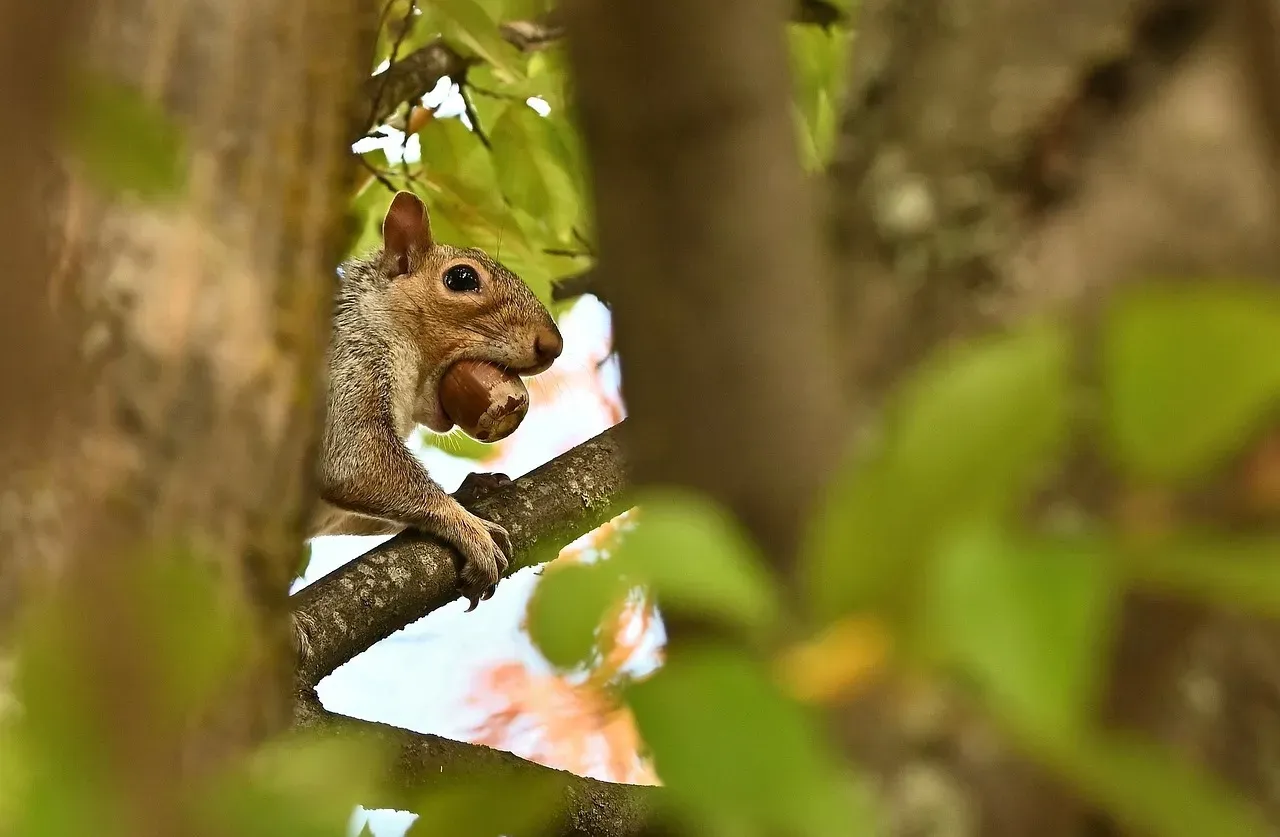
Let’s be real, nobody thinks of a squirrel as a gardener. Yet that is exactly what they are. Squirrels are not just amusing backyard characters. They play a crucial role in our ecosystem. They are nature’s efficient gardeners, unknowingly planting thousands of trees each year by forgetting where they buried their acorns.
They have a peculiar habit of taking seeds, their main source of nutrients, and burying them throughout the environment. Often, when they go back and look for them, they forget where they are, effectively planting seeds. Over time, this behavior, called caching, changes the composition of an entire forest.
Trees benefit from this relationship through a strategy of deliberately overproducing seeds every few years to overwhelm the local squirrel population. This ensures that enough seeds remain in the ground to sprout into new trees, even after accounting for those consumed by wildlife. Trees and squirrels have been quietly cooperating for millions of years. It’s almost poetic.
Their Problem-Solving Skills Are Genuinely Remarkable
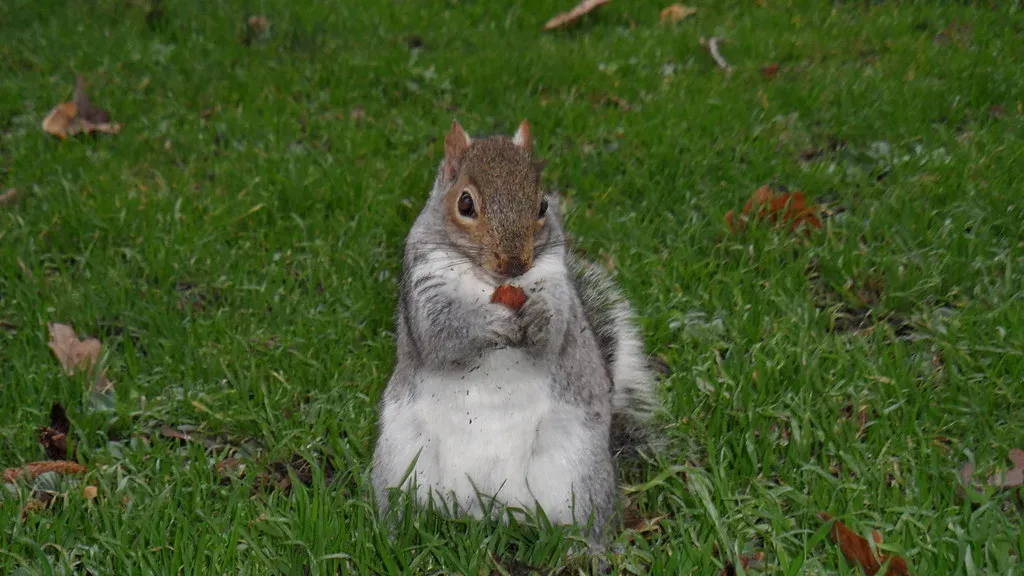
Squirrels can remember problem-solving techniques for long periods and can apply them to new situations, researchers have discovered. That alone is more impressive than most people give them credit for. Think about it like a neighbor who figures out how to pick your lock and then teaches themselves to pick every other lock on the street.
In one study, five squirrels were given a task identical to one they had tried 22 months earlier, in which they had to press levers to get hazelnuts. In that first experience, the squirrels had improved with practice, averaging about eight seconds on their first attempt and just two seconds by the final try. Attempting it again after nearly two years away, they averaged just three seconds.
From figuring out how to open bird feeders to strategically burying nuts for later retrieval, squirrels demonstrate a level of cognitive flexibility that showcases their adaptive nature. Your squirrel-proof bird feeder? They treat it as a puzzle, not an obstacle.
Their Teeth Never Stop Growing
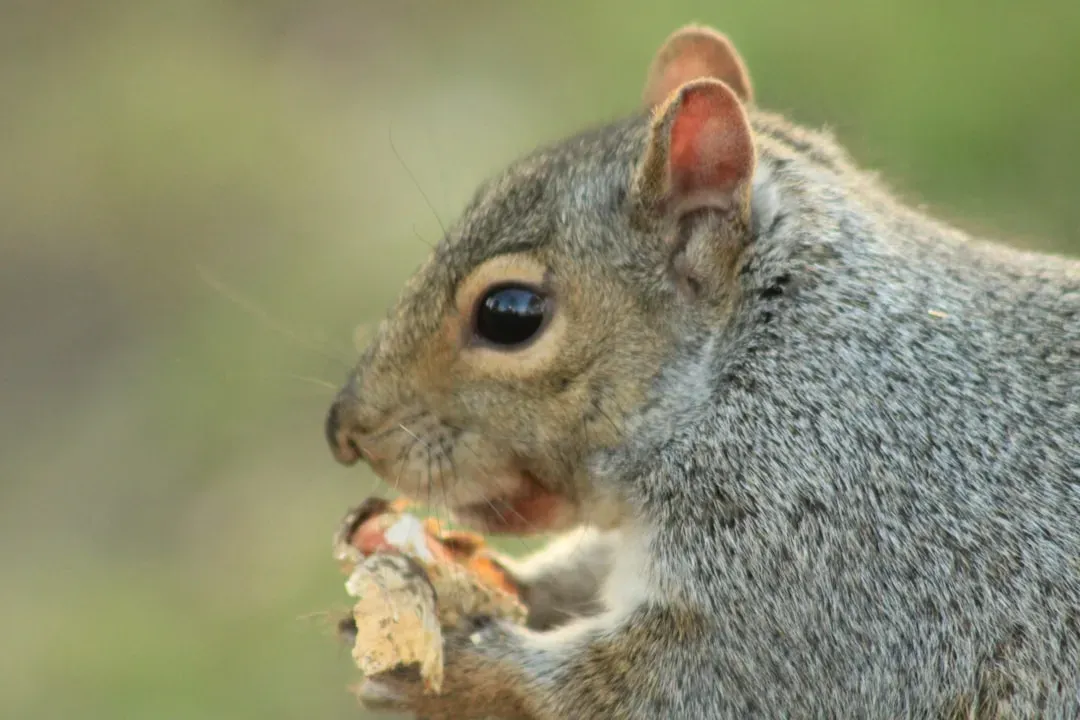
This one surprised me when I first learned it. A squirrel’s incisors grow continuously throughout their lives. Unlike humans, whose teeth stop growing after a certain point, a squirrel’s front teeth are open-rooted, meaning they elongate indefinitely.
The reason they are chewing on things is because their incisors are always growing. If they don’t chew on something, their teeth would grow into their lower jaw and skull. To avoid that, squirrels will chew on anything that helps wear them down. That explains why they chew on things you’d never expect. Wooden window frames. Plastic garden pots. Electrical wiring.
On average, their incisors grow about six inches per year, but during normal chewing, the teeth grind against each other to prevent them from getting too long and causing serious issues. Nature built in the maintenance plan.
They Were Deliberately Introduced Into American Cities
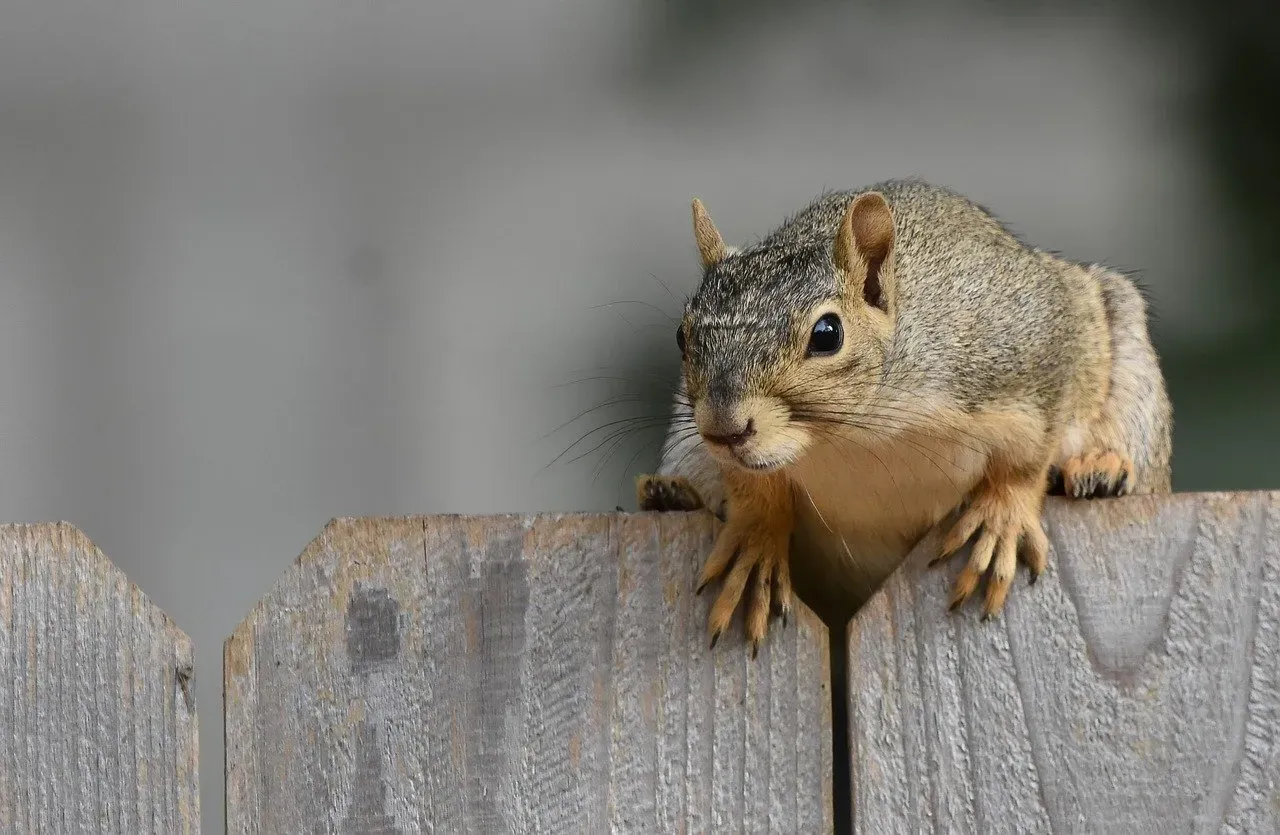
Here’s a surprising historical footnote. Most urban squirrels didn’t simply wander into your city neighborhood on their own. You can thank humans, who transported the tiny critters in the late 19th century in an attempt to bring some natural charm into what was quickly becoming a concrete jungle. Their ability to reproduce in large numbers, breeding twice a year with one to seven babies in each litter, meant their population soon swelled in cities.
A handful of these mischievous creatures was first released in 1877 in New York’s Central Park, where the population has since flourished. What started as a whimsical attempt to make cities feel more natural became, well, an explosion of bushy-tailed residents that would never leave.
They Can Jump Distances That Defy Their Size
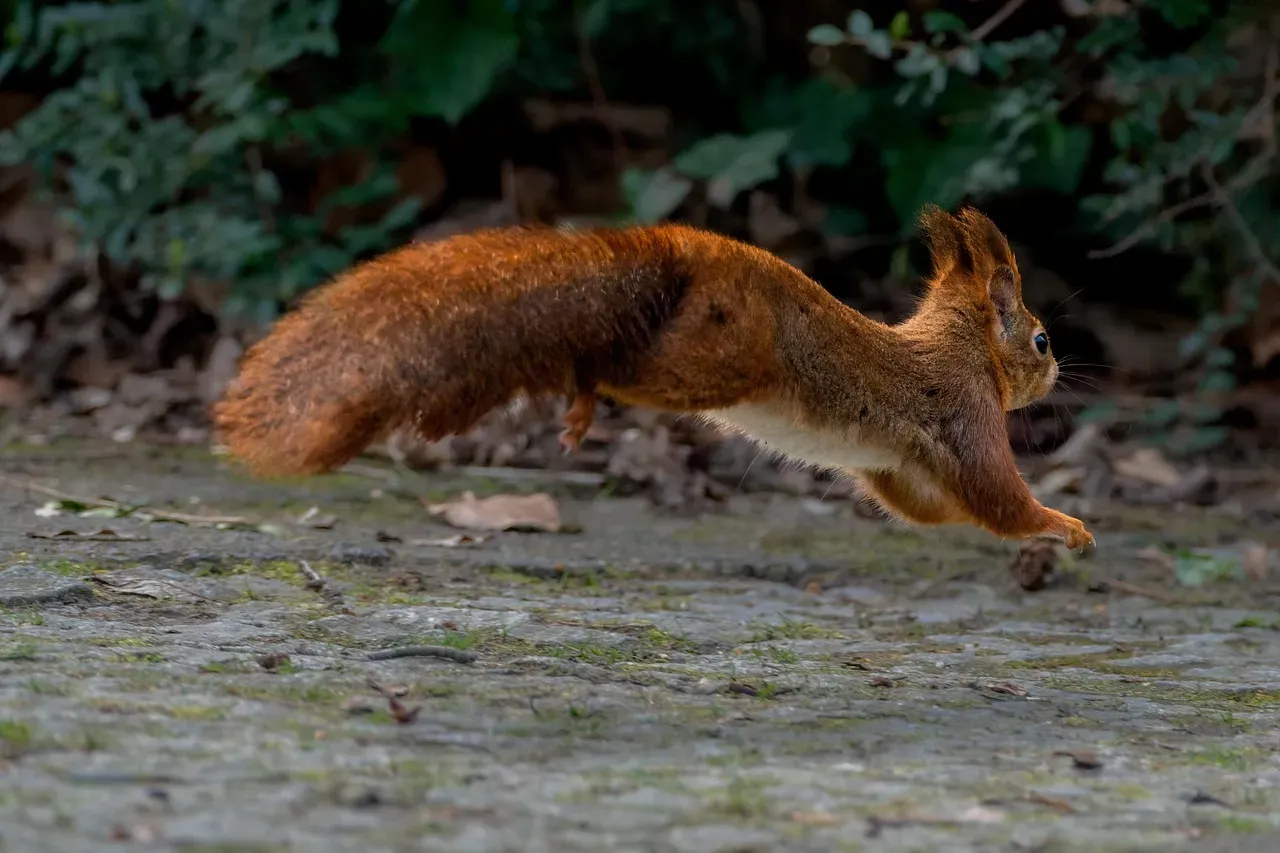
It’s hard to say for sure how much attention you’ve paid to how far squirrels actually jump, but the answer might shock you. Squirrels can jump a distance of up to 20 feet. They have long, muscular hind legs and short front legs that work together to aid in leaping. That’s roughly the length of a large living room. In a single bound.
Their superhero-like talent to reach seemingly inaccessible bird feeders comes from the ability to rotate their hind feet 180 degrees. That ankle rotation is what allows them to descend a tree headfirst, which most animals simply cannot do.
Squirrels can fall from 30 meters high without hurting themselves. When jumping or falling, they use their tail both for balance and as a parachute. Honestly, if a human could do any of this, they’d be the most famous athlete on Earth.
They Have Supernatural Vision
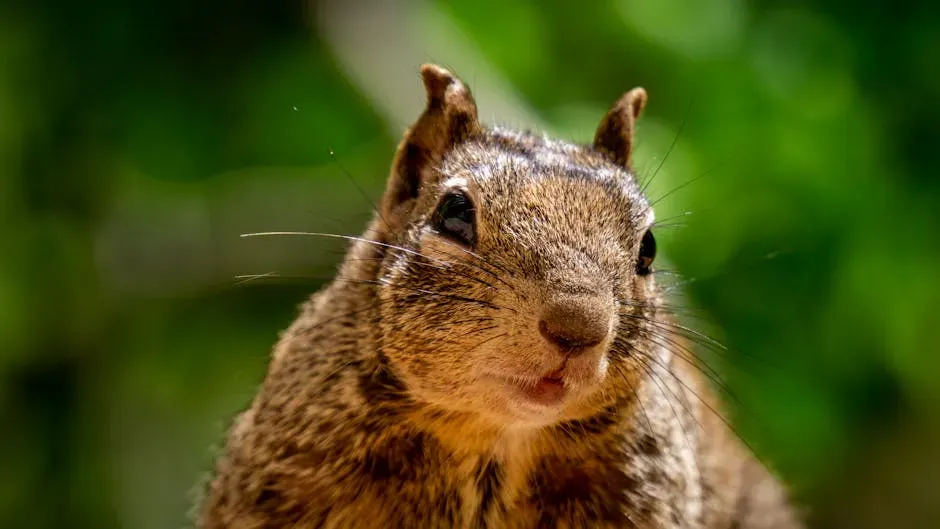
You’ve probably noticed how nearly impossible it is to sneak up on a squirrel. There’s a really good reason for that. Squirrels have very keen eyesight. Their peripheral vision is as good as their focal eyesight, meaning they can see what’s above and beside them without moving their heads, making it almost impossible to sneak up on them.
Squirrels’ eyes are positioned in a way that allows them to see behind them. So that casual glance they seem to give you from across the yard? They’re already tracking your every movement without even turning around.
Their color vision is not so great, but their pale-yellow lenses act as natural sunglasses by cutting down on sunlight glare. Built-in polarized lenses. Not bad for a rodent.
They Recognize Your Face
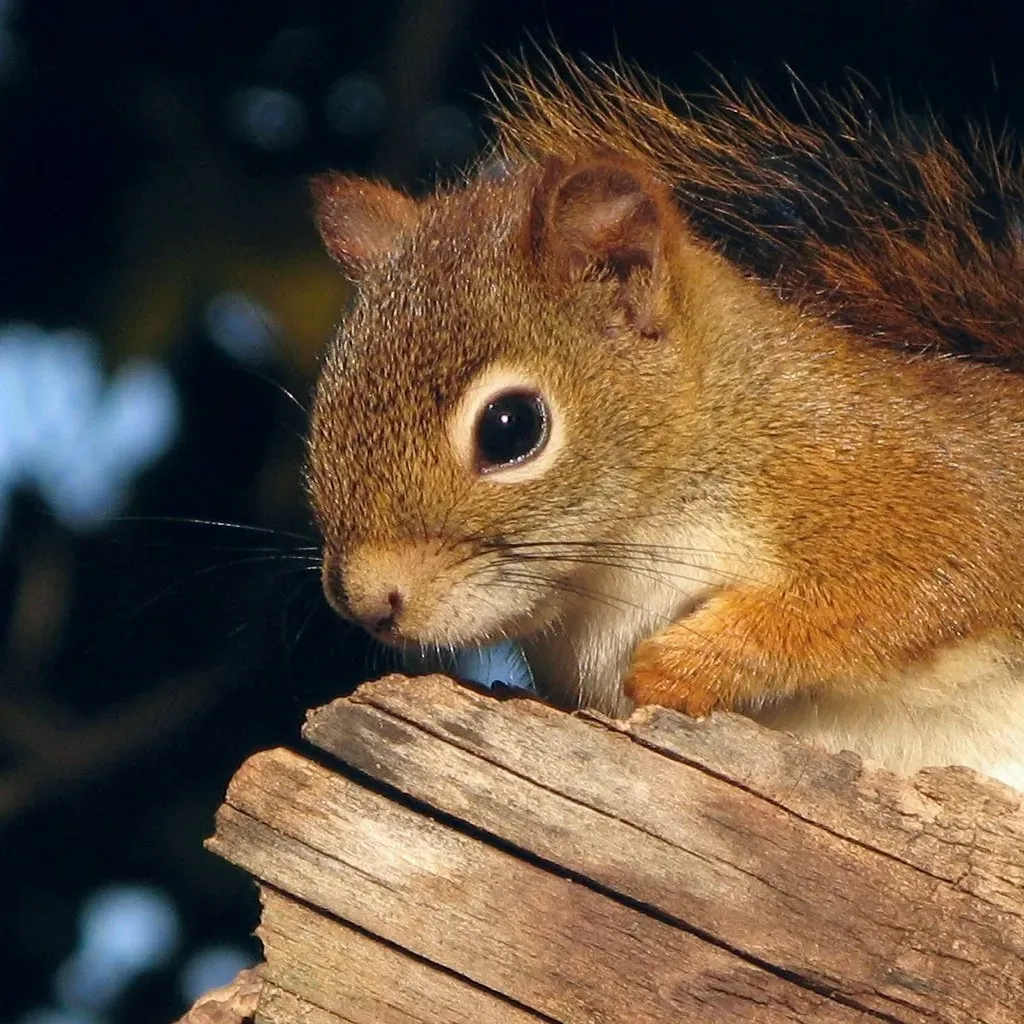
This one feels almost surreal. Squirrels do remember humans. These creatures have impressive long-term memories and can recognize familiar faces. A study found that squirrels were able to remember specific individuals up to two years after their last interaction. This means that if you regularly feed a squirrel in your backyard, it will likely remember you even after a long period of time.
Squirrels’ recognition skills go beyond simply distinguishing one person from another. They can also remember specific individuals who have interacted with them in the past, forming something resembling social bonds and developing trust over time.
So the squirrel you’ve been watching for months? The feeling may actually be mutual.
They Are Opportunistic Eaters with a Surprisingly Wide Menu
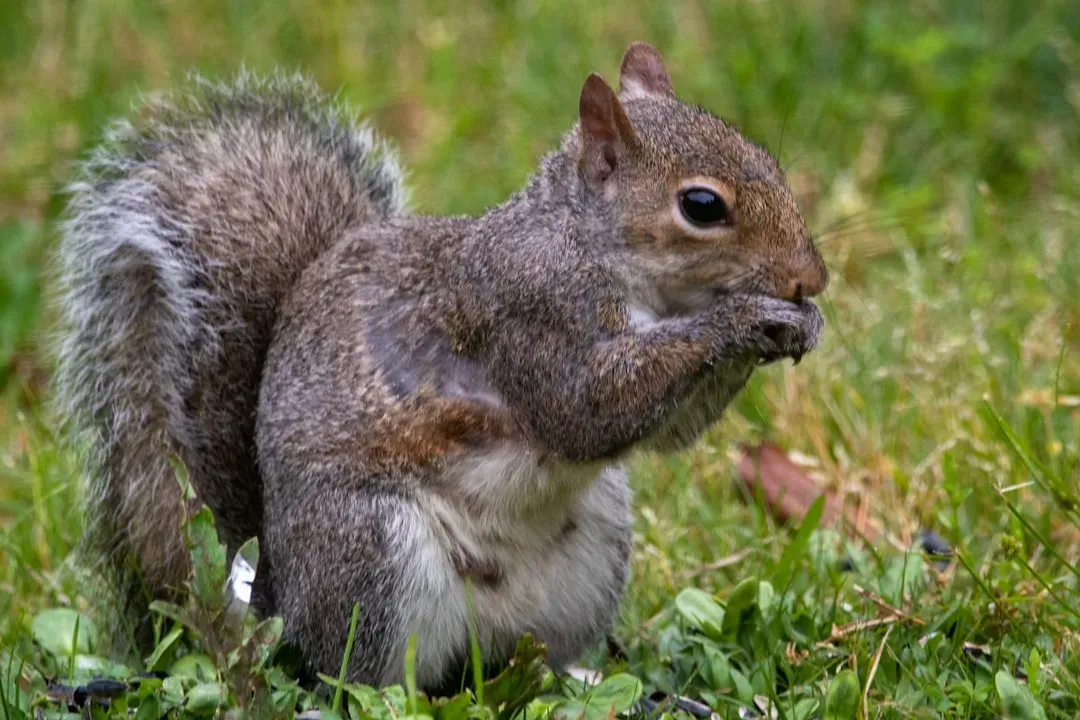
Most people think squirrels survive purely on nuts, seeds, and the occasional piece of dropped pizza crust. The reality is far stranger. Squirrels have a varied diet that primarily includes nuts, fruits, seeds, and plants. Some species also eat insects, small birds, and other mammals.
Squirrels are not typical hunters, but they can become opportunistic eaters. In the wild, when food is hard to find, squirrels have been seen attacking nestlings or eating dead birds they find. This doesn’t make them predators in the usual sense, but it does show how adaptable they can be.
They don’t just eat nuts. They’ll eat birds, insects, and even cheeseburgers or chocolate-chip cookies if they’re handy. There’s something weirdly relatable about that.
Baby Squirrels Are Born Completely Helpless
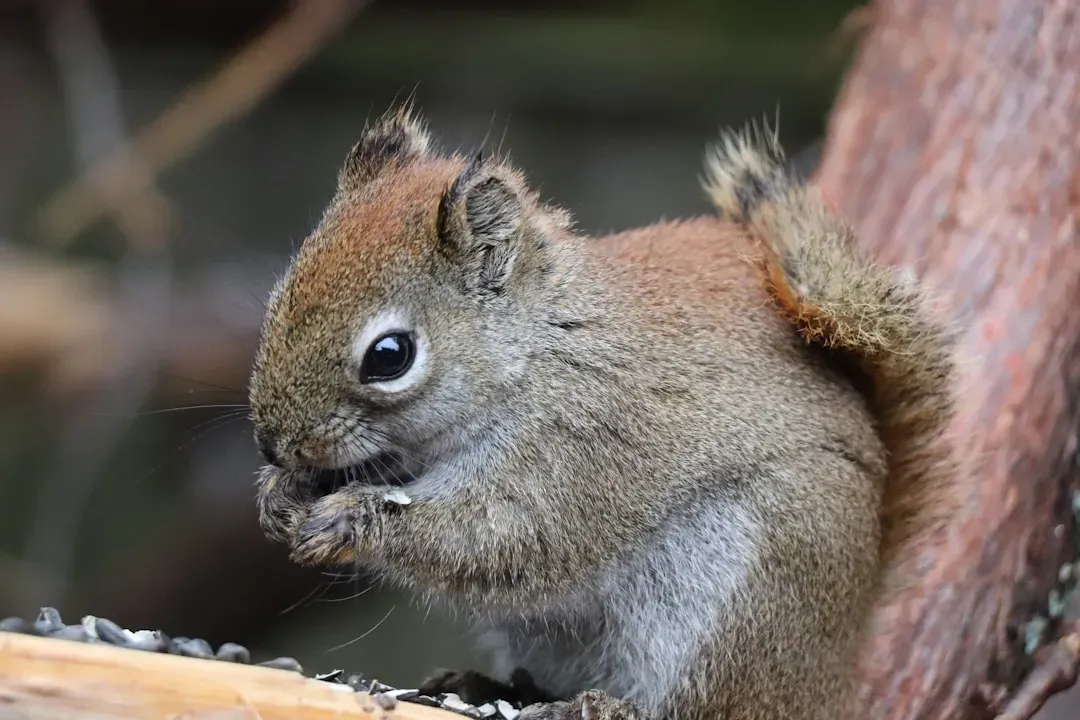
There’s something almost shocking about how vulnerable newborn squirrels are, given how fearless and agile the adults become. Odds are you’ve never seen a baby squirrel in the wild. They’re born without fur, with their eyes and ears closed, weighing only one or two ounces. Because of this, they’re extremely vulnerable to predators and will spend up to ten weeks in the nest with their mother.
Baby squirrels are born with no teeth and consume only their mother’s milk for the first two weeks of life until their teeth start to grow in. Baby squirrels have an interesting challenge in that their heads are often oversized until their bodies catch up, making them prone to falling and likely to break their new teeth.
It’s quite the journey from that tiny, naked, helpless creature to the fearless acrobat dismantling your bird feeder with apparent glee. Nature really does take its time building something that good.
Conclusion: The Backyard Wildlife You Never Truly Knew
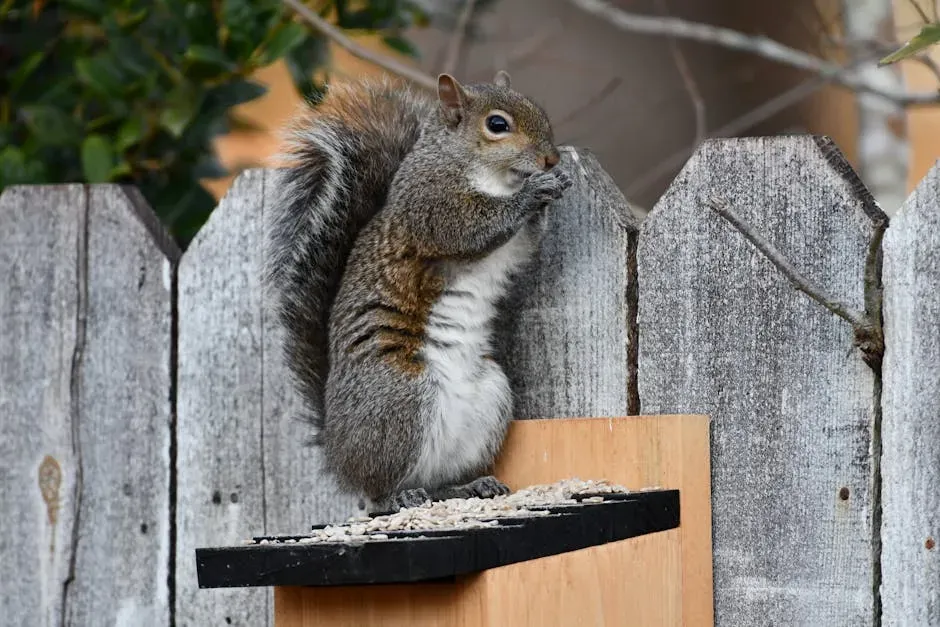
There is something genuinely humbling about realizing the creature you’ve been casually shooing off your porch for years is running a sophisticated memory system, communicating in a complex tail language, eavesdropping on birds, pulling off deliberate deceptions, and possibly remembering your face.
Squirrels are not background noise. They are remarkable, adaptive, surprisingly intelligent animals living their full and complicated lives in the spaces between your garden beds and fence posts.
Next time one freezes and stares at you from across the yard, take a second before you wave it off. It might already know exactly who you are. What did you think they were up to out there?
