


Evolution, the process that shapes all life on Earth, doesn’t always follow predictable paths. Through natural selection, genetic drift, and adaptation to environmental challenges, some of the most extraordinary biological solutions have emerged. These evolutionary innovations demonstrate nature’s remarkable ability to find answers to life’s challenges—often in ways that seem almost fantastical to human observers. From bizarre defense mechanisms to otherworldly adaptations, evolution has proven itself to be nature’s ultimate creative force. This article explores thirteen instances where evolution took particularly unusual and ingenious turns, showcasing the boundless creativity of natural selection.
13. The Platypus Evolution’s Puzzle
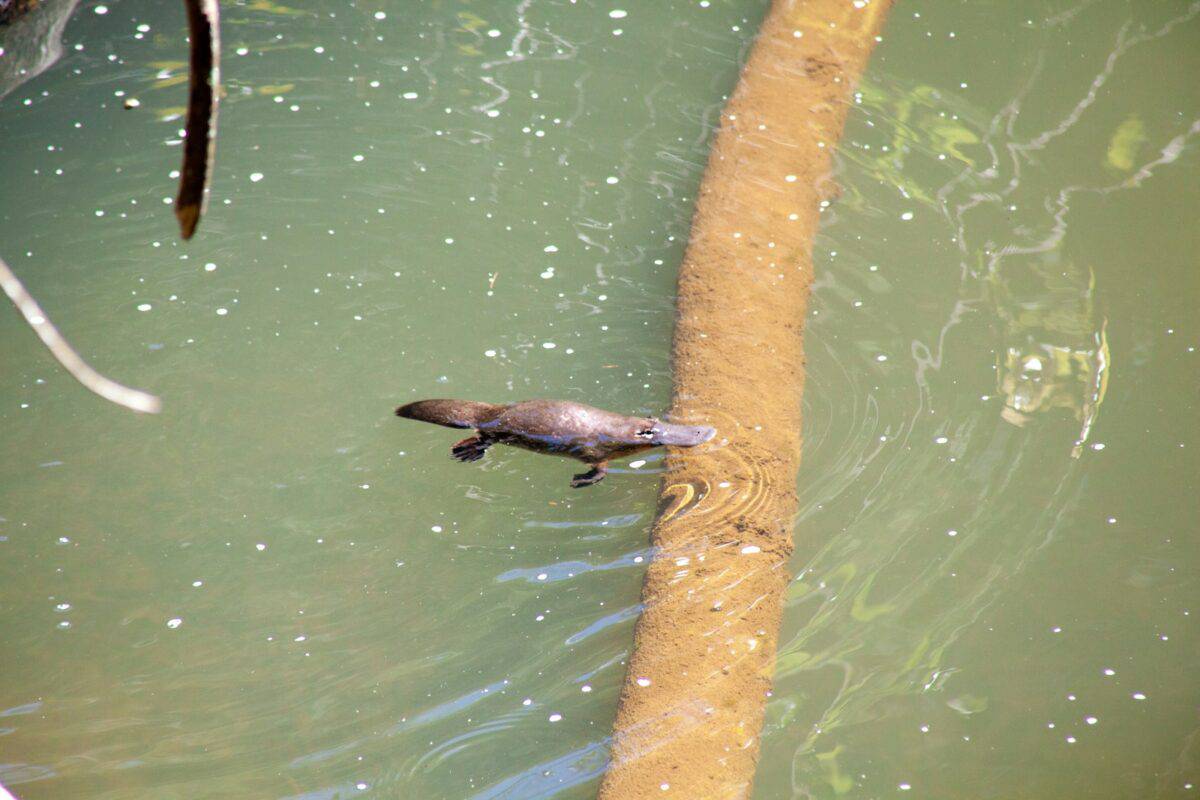
The duck-billed platypus (Ornithorhynchus anatinus) stands as perhaps evolution’s most famous mashup. When European naturalists first encountered specimens in the late 18th century, many dismissed them as elaborate hoaxes. This remarkable mammal lays eggs instead of giving birth to live young, has a duck-like bill, webbed feet, and a beaver-like tail. Males even possess venomous spurs on their hind legs—the only venomous mammals. Perhaps most fascinatingly, platypuses hunt underwater with their eyes closed, using electroreception to detect the electrical fields generated by prey’s muscle movements. Genetic studies have revealed that the platypus genome contains elements from mammals, birds, and reptiles, making it a living testimony to evolution’s complex pathways across millions of years.
12. The Bombardier Beetle’s Chemical Warfare

The bombardier beetle represents one of evolution’s most sophisticated chemical defense systems. When threatened, this insect mixes two separately stored chemicals—hydrogen peroxide and hydroquinones—in a specialized chamber. The resulting exothermic reaction creates a boiling, caustic spray that can be aimed with remarkable precision at predators. The beetle’s defensive spray reaches temperatures of 100°C (212°F) and can be discharged in rapid pulses up to 22 times per second. What makes this adaptation particularly extraordinary is the complex system of chambers, valves, and enzymes that had to evolve in precise sequence—a remarkable example of how incremental evolutionary steps can eventually produce seemingly “designed” solutions to survival challenges.
11. The Leafy Seadragon’s Perfect Camouflage

Few creatures demonstrate evolution’s artistic potential like the leafy seadragon (Phycodurus eques). This marine relative of seahorses has developed elaborate leaf-like appendages that serve no locomotion purpose but create nearly perfect camouflage among the seaweed and kelp forests of southern Australian waters. These ornate protrusions evolved through natural selection, as individuals with more convincing camouflage survived predation at higher rates. The leafy seadragon moves so slowly and blends so perfectly that it appears more plant than animal. Adding to its evolutionary distinctiveness, like its seahorse cousins, male leafy seadragons—not females—carry and incubate the fertilized eggs. This remarkable creature demonstrates how evolution can produce adaptations that are both functionally superior and aesthetically extraordinary.
10. The Mimic Octopus’s Multiple Personalities

Discovered in 1998 off the coast of Indonesia, the mimic octopus (Thaumoctopus mimicus) demonstrates evolution’s capacity for behavioral innovation. This remarkable cephalopod can impersonate at least 15 different marine species, including sea snakes, lionfish, flatfish, and mantis shrimp. What makes this adaptation particularly creative is that the octopus doesn’t just change its appearance—it also mimics the movement patterns and behaviors of the species it’s impersonating. More impressively, it appears to choose which creature to impersonate based on which predator it faces, suggesting a sophisticated cognitive component to this evolutionary adaptation. The mimic octopus represents the pinnacle of evolutionary flexibility, combining shape-shifting physical capabilities with complex behavioral patterns to create what might be the animal kingdom’s ultimate master of disguise.
9. The Venus Flytrap’s Lightning-Fast Reflexes
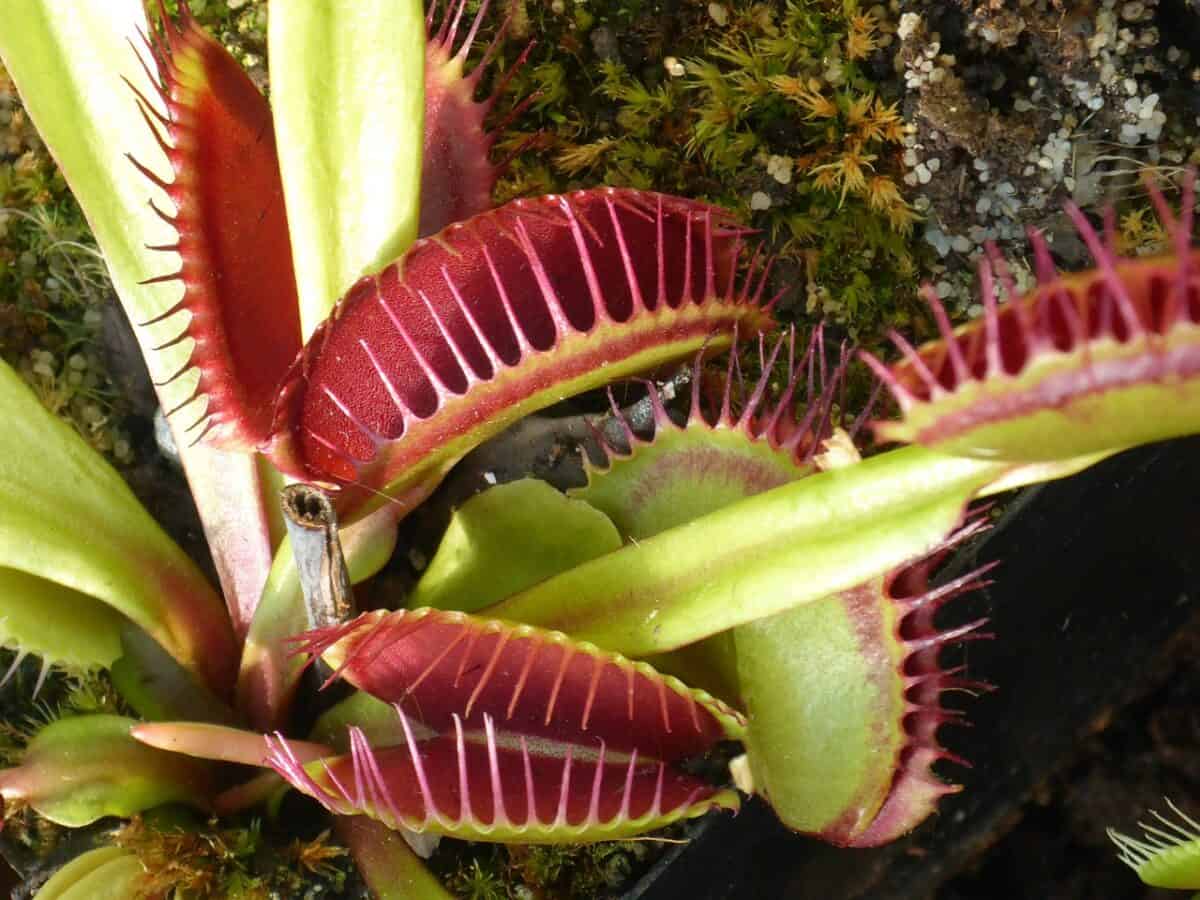
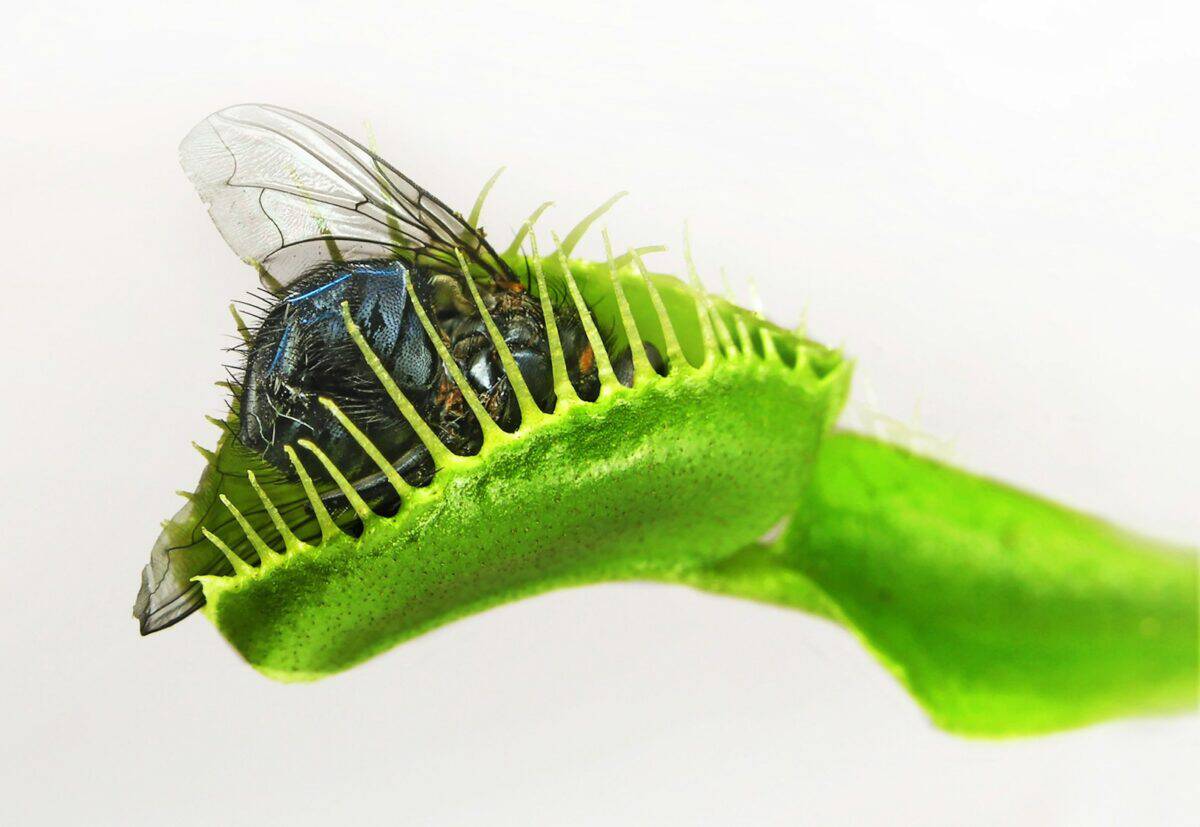
The Venus flytrap (Dionaea muscipula) demonstrates that plants, too, can evolve remarkable adaptations. This carnivorous plant’s snap-trap leaves close in about one-tenth of a second—one of the fastest movements in the plant kingdom. What makes this adaptation particularly remarkable is that plants lack muscles and nerves. Instead, the Venus flytrap achieves its rapid movement through a sophisticated pressure-sensitive triggering mechanism and hydraulic system that rapidly changes cell turgor pressure. The trap only closes when specialized trigger hairs are touched multiple times within approximately 20 seconds, preventing waste of energy on false alarms like raindrops. Even more fascinatingly, the trap essentially “counts” the stimuli, representing a primitive form of memory in a plant. This evolutionary innovation allowed the Venus flytrap to supplement its nutrition in the nitrogen-poor bog environments where it evolved.
8. The Aye-Aye’s Extraordinary Middle Finger
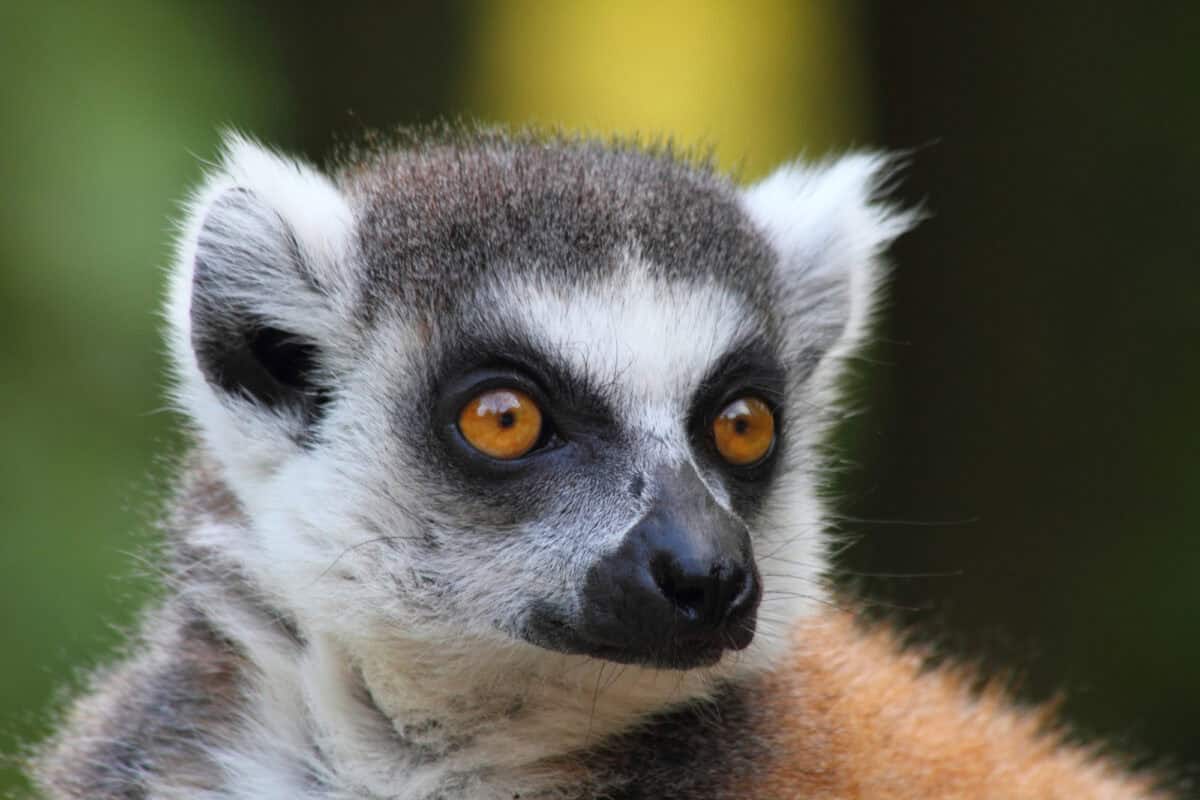
Madagascar’s aye-aye (Daubentonia madagascariensis) developed perhaps the most specialized digit in the animal kingdom. This nocturnal lemur evolved an extraordinarily long, skeletal middle finger that can rotate in all directions. The aye-aye uses this specialized digit to tap on trees, listening for hollow spaces that indicate insect tunnels—effectively using echolocation through touch. Once it detects prey, the aye-aye gnaws a hole in the wood and uses its elongated finger to extract grubs from their tunnels. This adaptation evolved to fill the woodpecker niche on Madagascar, where true woodpeckers never evolved. The aye-aye’s peculiar appearance, including its specialized finger, large eyes, and constantly growing incisors, made it the target of superstition among local people, demonstrating how evolutionary uniqueness can sometimes put species at risk due to human perception.
7. The Mantis Shrimp’s Supersonic Punch

The peacock mantis shrimp (Odontodactylus scyllarus) packs perhaps the most powerful pound-for-pound punch in nature. Its specialized forelimbs, called dactyl clubs, can accelerate from standstill to 50 mph in just a few thousandths of a second, generating forces exceeding 1,500 newtons—enough to shatter aquarium glass. The punch happens so rapidly that it creates cavitation bubbles in the water, which collapse with enough force to stun prey even if the initial strike misses. What’s most remarkable about this adaptation is the specialized structure of the mantis shrimp’s clubs, which contain precisely arranged layers of mineralized chitin fibers that prevent the limb from shattering during impact. Perhaps most impressively, the mantis shrimp has evolved the most complex eyes known to science, with 16 types of photoreceptor cells (compared to humans’ three) that can detect polarized light and multiple wavelengths of light invisible to humans.
6. The Lyrebird’s Extraordinary Mimicry
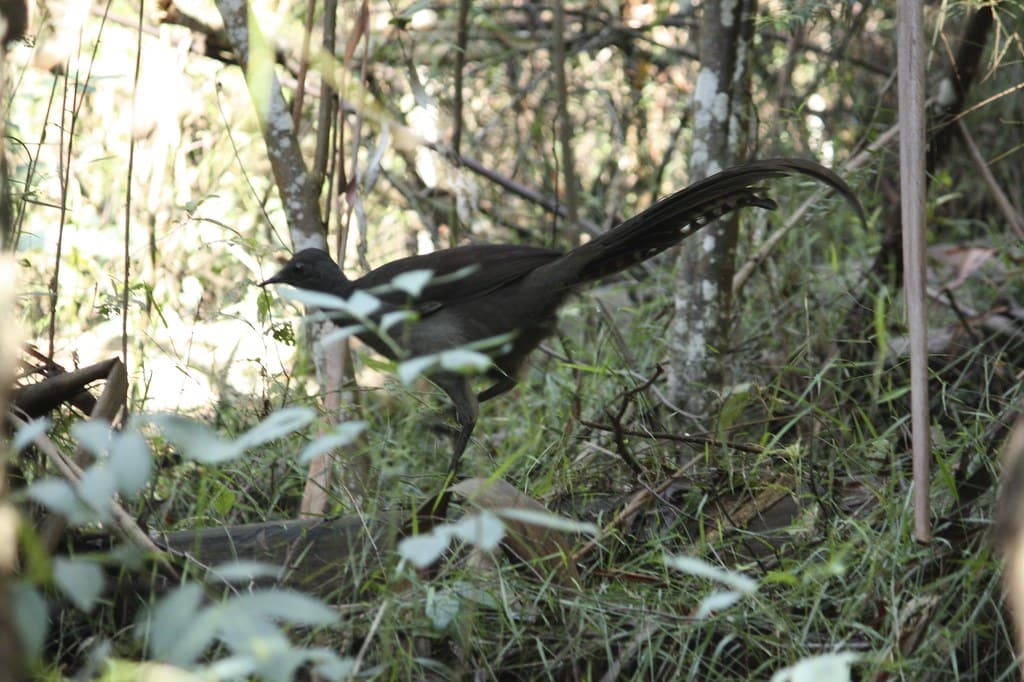
The superb lyrebird (Menura novaehollandiae) of Australia demonstrates evolution’s capacity for vocal innovation. Male lyrebirds can mimic virtually any sound they hear in their environment with astonishing accuracy—from the calls of other bird species to the sounds of camera shutters, car alarms, chainsaws, and even human speech. They incorporate these mimicked sounds into elaborate songs performed during courtship displays. What makes this particularly remarkable is that lyrebirds aren’t closely related to other mimics like parrots but evolved this ability independently. The accuracy of their mimicry results from specialized syringeal muscles that allow for precise control of their vocal apparatus. This adaptation serves both to attract mates and to establish territory, showing how sexual selection can drive the evolution of cognitive abilities and specialized physical structures simultaneously.
5. The Immortal Jellyfish’s Age Reversal

While most organisms inevitably age and die, Turritopsis dohrnii—commonly known as the immortal jellyfish—evolved a biological loophole to conventional mortality. When faced with starvation, physical damage, or environmental stress, this tiny jellyfish can revert from its mature medusa stage back to its juvenile polyp stage through a process called transdifferentiation. In this process, specialized cells transform into different cell types, effectively allowing the organism to restart its life cycle. Theoretically, this cycle can repeat indefinitely, making the jellyfish biologically immortal. This remarkable adaptation likely evolved as a survival mechanism in unpredictable marine environments. The immortal jellyfish challenges our understanding of aging and demonstrates that evolution can sometimes find ways around what we consider biological inevitabilities. Scientists study this creature intensively for insights that might eventually apply to human medicine and aging research.
4. The Pistol Shrimp’s Sonic Weapon

The pistol shrimp (family Alpheidae) possesses an asymmetrical pair of claws, with one enormously oversized. This specialized claw doesn’t crush prey directly; instead, it snaps shut with such speed that it creates a cavitation bubble that travels at nearly 62 mph and reaches temperatures approaching those found on the sun’s surface (8,500°F). When this bubble collapses, it produces a sound exceeding 218 decibels—louder than a gunshot and among the loudest sounds produced by any animal. The resulting shock wave can stun or kill small fish and serves as both a hunting tool and defense mechanism. This extraordinary adaptation works so well that colonies of pistol shrimp can interfere with sonar equipment and underwater communication. The evolution of this biological sonic weapon demonstrates nature’s capacity to harness complex physical principles like cavitation through purely biological means.
3. The Cordyceps Fungi’s Mind Control
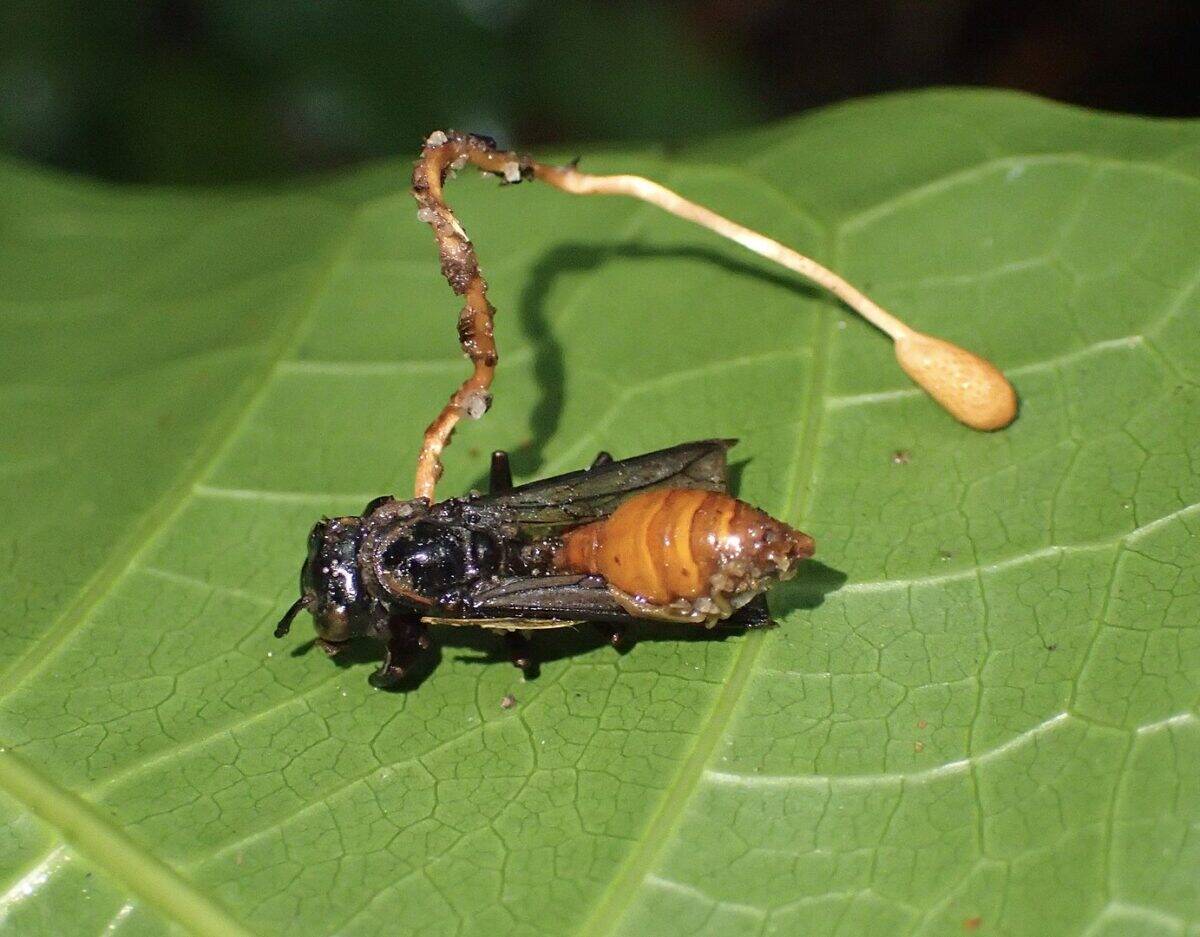
Perhaps no evolutionary adaptation seems more like science fiction than the strategy developed by Cordyceps fungi. These parasitic fungi have evolved the ability to chemically manipulate the behavior of their insect hosts. When an insect becomes infected with Cordyceps spores, the fungus grows throughout the host’s body while keeping it alive. Eventually, the fungus produces chemicals that affect the insect’s brain, compelling it to climb to an elevated position—behavior the insect would never normally exhibit. Once positioned advantageously for spore dispersal, the insect dies, and the fungus sprouts from its body, releasing spores to infect new hosts. What makes this particularly remarkable is the species-specificity; different Cordyceps species have evolved to target particular insect species with precisely calibrated chemical cocktails. This adaptation demonstrates evolution’s capacity to produce complex biochemical pathways that can manipulate the nervous systems of other organisms.
2. The Electric Eel’s Living Battery

The electric eel (Electrophorus electricus) evolved one of nature’s most powerful bioelectric generating systems. Despite its name, it’s not a true eel but a knifefish that can grow to eight feet long. Roughly 80% of its body contains specialized electrocytes—cells that function like tiny batteries arranged in series and parallel. When activated, these cells can generate electrical discharges exceeding 600 volts with a current of 1 ampere—enough to stun or kill prey and deter predators. What makes this adaptation particularly remarkable is that the electric eel evolved this complex system without insulation, despite living in a conductive environment (water). Recent research has shown that electric eels can double the voltage of their shock by curling their bodies around larger prey, demonstrating behavioral sophistication that complements their physiological adaptations. The independent evolution of bioelectricity in multiple fish lineages shows how powerful this adaptation can be in aquatic environments.
1. The Tardigrade’s Invincibility

Tardigrades, colloquially known as water bears or moss piglets, may represent evolution’s ultimate survivors. These microscopic eight-legged animals have evolved extraordinary resilience to environmental extremes. When conditions become unfavorable, tardigrades can enter a state called cryptobiosis, in which they expel almost all water from their bodies, retract their legs, form a compact barrel shape called a tun, and reduce their metabolism to less than 0.01% of normal. In this state, they can survive temperatures from near absolute zero (-458°F) to well above boiling (300°F), pressures six times greater than those in the deepest ocean trenches, radiation levels thousands of times higher than what would kill humans, and the vacuum of space. They can remain in this dehydrated state for decades, rehydrating and resuming normal activity when conditions improve. What makes tardigrades particularly remarkable is that they evolved multiple independent mechanisms for environmental protection, including special proteins that prevent their cell contents from damaging themselves during dehydration and mechanisms to repair DNA damaged by radiation.
Conclusion: Evolution’s Endless Creativity
Evolution’s creative power lies in its ability to work with existing materials, reshaping and repurposing them through countless generations to solve survival challenges in novel ways. The thirteen examples highlighted in this article represent just a fraction of the extraordinary adaptations that have emerged through evolutionary processes. What makes these adaptations particularly fascinating is that they arose not through conscious design but through the accumulation of countless small changes filtered through natural selection. As we continue to explore Earth’s biodiversity, we regularly discover new examples of evolution’s ingenuity—from deep-sea creatures with previously unknown bioluminescent strategies to microorganisms with novel biochemical pathways. Understanding these evolutionary innovations not only enriches our appreciation of nature’s complexity but also provides inspiration for human technologies and medical advancements. Evolution’s four-billion-year experiment continues all around us, an endless source of creative solutions to life’s persistent challenges.

As a little kid, I fell in love with nature, wildlife, and animals. Living in the USA, South Africa, Italy, China and Germany gave me the opportunity to discover the world's Wildlife. My favorite animals are Mountain Gorillas, Siberian Tigers, and Great White Sharks.
I'm a certified PADI Open Water Diver, went to Everest Base Camp and Trekked Gorillas in Uganda. I hold a Master of Science in Economics and Finance.
Please send any feedback to feedback@animalsaroundtheglobe.com
- $100k+ Hunting Experiences The Most Expensive Animals to Pursue - July 30, 2026
- D.C. Region Gets Drought Relief from Midweek Showers After Warm Winds - July 30, 2026
- 10 Most Puzzling Animal Mysteries Solved in the U.S. - July 30, 2026