


You walk down the hallway, close a door softly behind you, and suddenly hear tiny paws repositioning in the next room. You did not call your cat, you did not shake a treat bag, and yet somehow they seem to know exactly where you are. For years people brushed this off as coincidence or typical feline spookiness, but modern animal cognition research suggests there is something far more interesting going on.
Scientists are finding that cats build a mental map of their humans and keep track of where we are using sound alone, even when they cannot see us. That sounds almost supernatural at first, but it actually slots neatly into what we are learning about how many animals think, feel, and navigate their world. Once you see your cat as a quiet little cognitive scientist, eavesdropping on your every move, the relationship starts to feel very different.
The Surprising Science Behind Cats “Knowing” Where You Are
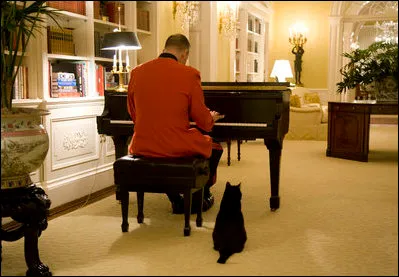
One of the most striking findings in recent animal cognition work is that cats appear to understand that objects and people continue to exist even when they go out of sight. This is called object permanence, and for a long time it was mainly discussed in the context of human infants. In controlled experiments, when a familiar person moved and made sounds from behind barriers or in another room, many cats behaved as if they were still tracking that person’s location in their minds.
Researchers tested this by playing recordings of a caregiver’s voice from different locations, sometimes switching the apparent place of origin abruptly. When the voice suddenly seemed to “jump” from one place to another without any obvious movement in between, cats often showed signs of surprise, like looking quickly toward the new location or pausing mid-groom. That reaction suggests they had an expectation of where the person should be, and the sound breaking that expectation caught their attention.
How Feline Ears Build a Mental Map of the Home
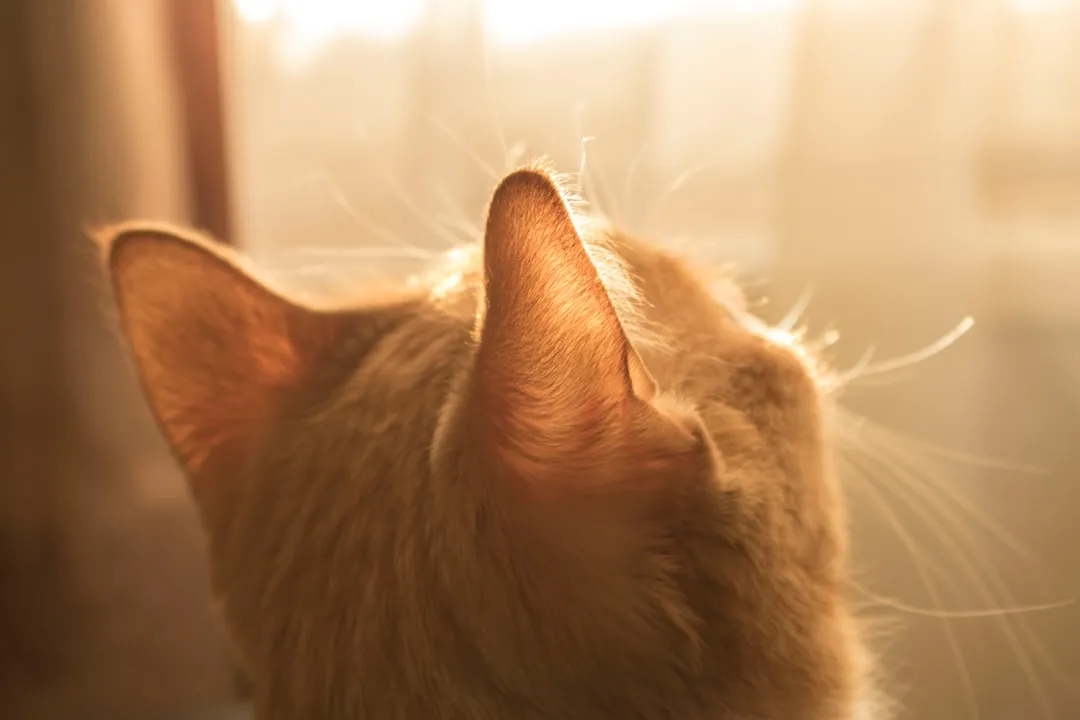
Cats have remarkably sensitive hearing, tuned to pick up tiny sounds that would completely escape most humans. Their ears can swivel independently, acting like biological satellite dishes that scan for the slightest rustle, footstep, or voice. Over time in a stable home, your cat learns what your typical sounds mean: the way your keys jingle, how you walk on the stairs, even the pattern of your voice echoing in different rooms.
From there, it is not a huge leap to a mental map. Think of your cat like a little acoustic cartographer, constantly matching sounds to locations. If you often talk on the phone in the bedroom, your voice muffled behind that door becomes a familiar “bedroom” sound. When the same voice suddenly comes from a different direction, your cat’s map updates, just like a GPS recalculating a route. The amazing part is that this map seems to run quietly in the background all the time, even when you assume your cat is just dozing.
Why Tracking You Matters From an Evolutionary Perspective

It might seem like a quirky party fact that cats track their owners through sound, but there is likely an evolutionary logic behind it. Domestic cats come from solitary hunters that relied on sharp senses and good spatial awareness to survive. Being able to locate allies, rivals, and potential threats by sound alone would have been a big advantage in complex environments with tall grass, rocks, and hiding places.
In a modern apartment or house, those ancient instincts just get repurposed. You are not prey or competition, but you are an important part of your cat’s environment: the source of food, comfort, and sometimes stress. Knowing whether you are coming closer, moving away, or staying put lets your cat decide whether to hide, greet you, nag for dinner, or stay curled up. From their point of view, tracking you is just smart risk and energy management.
Cats vs. Dogs: Different Styles of Understanding Humans

Dogs have a long history of being tested in cognitive experiments, and they clearly pay attention to humans, especially our gestures and eye contact. Cats, by contrast, have been stereotyped as indifferent or less intelligent because they do not always cooperate on cue. More recent studies challenge that bias and show that cats also read human behavior closely, just in a quieter, more subtle way.
Where a dog might look straight at you for guidance, a cat is more likely to observe from a bit of a distance and use sound as their main channel for keeping tabs on you. They might not rush over every time you call, but that does not mean they did not hear or process what you did. In some experiments, cats recognized their owner’s voice over unfamiliar voices, even if they did not visibly respond. It is a different style of being attuned to humans, not a lack of interest or intelligence.
What This Means for Your Bond With Your Cat
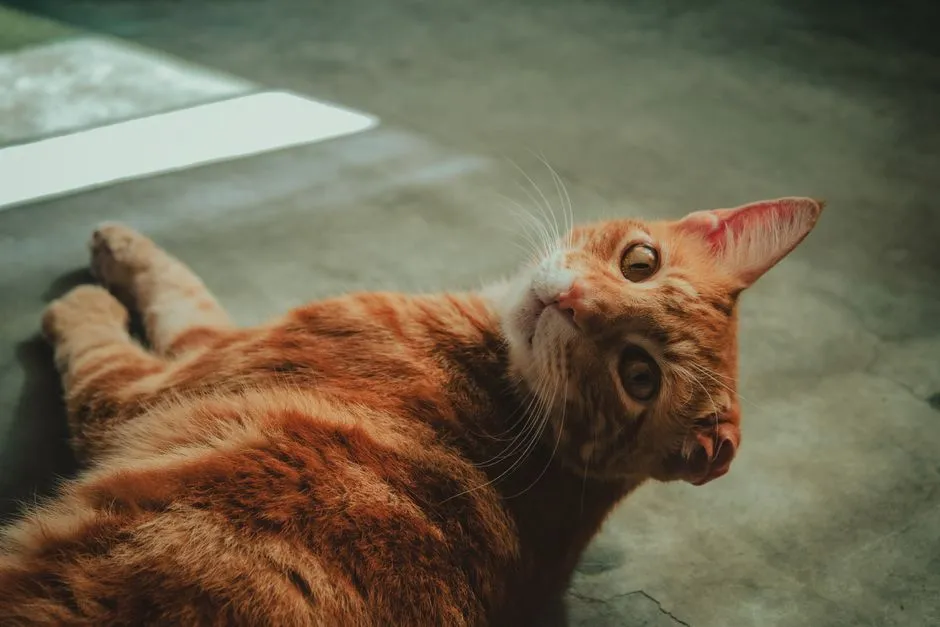
Once you accept that your cat is mentally tracking you around the home, everyday moments take on a new emotional color. That lazy-looking cat on the couch may actually be following the sound of your footsteps, noting when you open the fridge, or recognizing the particular way you close the front door when you are heading out for a long time. They might not show it with wagging tails or excited barking, but they are not nearly as detached as people often assume.
I have seen this play out in real life when I cat-sit for friends. Even if the cat pretends not to care when I arrive, as soon as the familiar human comes home and speaks from the hallway, the cat’s whole body language changes. Ears shift, eyes widen, and that supposedly aloof animal is suddenly laser-focused on the sound coming from just outside the room. The science simply gives language and structure to what many cat guardians have noticed for years on a gut level.
Simple Ways to Play With Your Cat’s Audio Superpowers
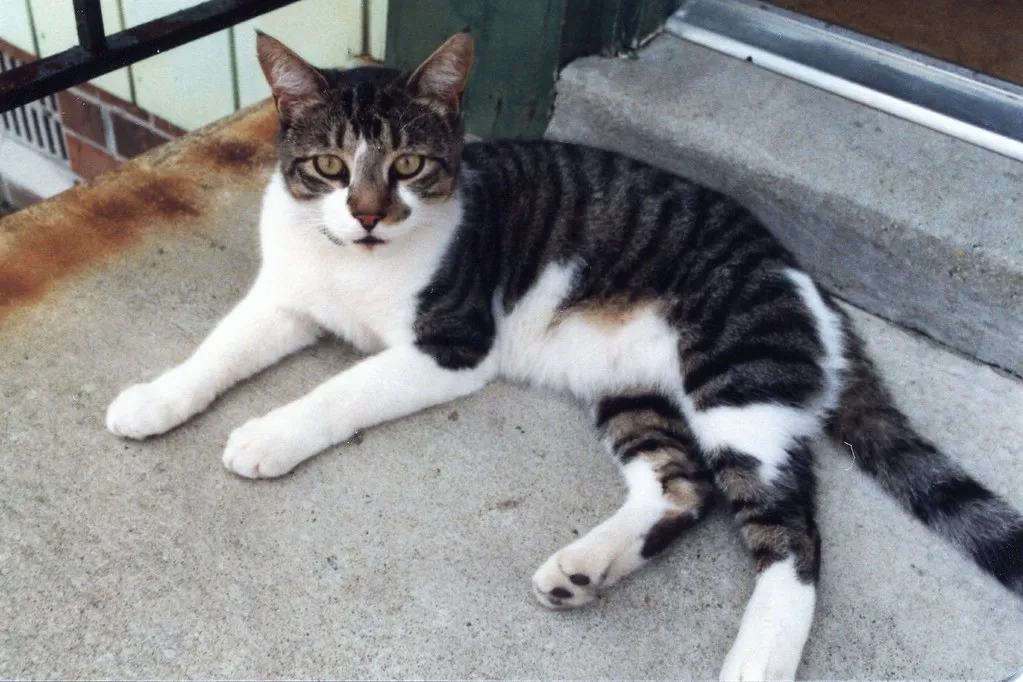
Knowing that your cat builds a sound-based map of you opens up some fun, gentle ways to engage their mind. You can call their name from different rooms and notice how fast they orient toward you. You might talk softly while walking through the house and observe how they reposition themselves to keep you in “range,” almost like a tiny radar dish trying to stay locked on signal.
You can also use sound cues to make your routine more predictable and comforting. For example, using the same short phrase before feeding time can help your cat anticipate what is about to happen, reducing anxiety. Some cats even seem to relax when they hear familiar background sounds, like a particular podcast, because it signals that their human is nearby and everything is normal. It is a reminder that sound is not just noise to them; it is a constant stream of information about safety, connection, and change.
Misunderstood Independence: Cats Care More Than They Show

There is a popular idea that cats do not really bond with humans, that they just tolerate us because we provide food and a warm couch. Research on attachment and cognition paints a much softer, more nuanced picture. Many cats show signs of stress when their main human is gone and visibly relax when that person returns, even if they only greet them with a slow blink or a casual stroll into the room.
That quiet behavior can be easy to misread as indifference, but their constant acoustic tracking tells another story. You do not bother to map the movements of someone you do not care about at all. The fact that your cat keeps tabs on you, even from another room, suggests they feel safer when they know where you are and what you are doing. Independence and attachment are not opposites for cats; they are just mixed together in a way that feels less obvious than in dogs.
The Bigger Picture: Rethinking Animal Minds Through Our Cats

The idea that cats track human locations by listening is more than a cute trivia fact. It fits into a much broader shift in how scientists think about animal minds. We are slowly moving away from the old assumption that humans are the default model of intelligence and other species are just simpler versions. Instead, the focus is on how each species evolves cognitive tools that fit its own lifestyle, environment, and social structure.
To me, that is the most powerful part of this research. If a creature as familiar as a house cat can surprise us with hidden mental skills, what else are we underestimating in the animals around us? Treating your cat as a thinking, feeling being with their own way of understanding you is not sentimental; it is a reasonable conclusion from the evidence. The more we respect that, the richer and more honest our relationships with animals can become.
Opinionated Conclusion: The Cat Is Not Mysterious, We Just Have Not Been Paying Attention

In my view, the mystery has never really been the cat. The mystery has been our stubborn habit of dismissing subtle, quiet forms of intelligence just because they do not look like ours or like a dog’s. When science shows that cats keep a running mental map of where we are using sound, it is not granting them a new superpower; it is finally acknowledging what many cat lovers suspected all along. These animals are not small, indifferent roommates. They are active observers, constantly processing us from the next room over.
If we keep pretending they are aloof and uncaring, that says more about our blind spots than their inner lives. I think the more honest stance is to admit that cats are tuned in, sometimes painfully so, to our comings and goings, our routines, and our absences. The next time you hear claws shift on the floor after you speak from behind a closed door, consider it a quiet reminder: you are being tracked, not in a creepy way, but in a deeply relational one. Knowing that, how differently will you move through the home you share with your cat?
