

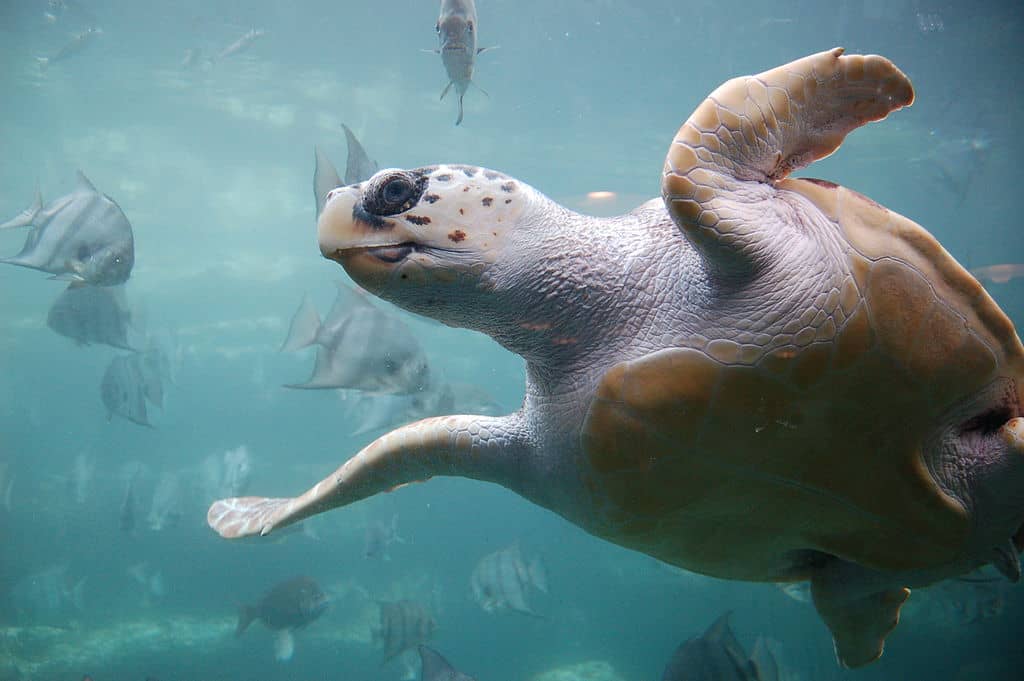
The vast expanses of the United States’ oceans are home to a rich diversity of marine life. Among the myriad species, some stand out due to their predatory prowess. These underwater predators have adapted to thrive in their oceanic environments, showcasing incredible hunting skills and intriguing behaviors. Let’s explore 13 underwater predators that rule the seas surrounding the United States.
Great White Shark

The great white shark, often the subject of sea stories and Hollywood films, is a formidable predator in U.S. waters, particularly along the California coast. Known for their size, which can exceed 20 feet, these apex predators have a keen sense of smell and sight, aiding them in detecting prey even from a distance. They employ a powerful bite and a swift ambush technique to capture a variety of prey, including seals and dolphins.
Giant Pacific Octopus

The giant Pacific octopus is as mysterious as it is intelligent. Found along the chilly waters of the North Pacific, particularly near Alaska and the Pacific Northwest, this octopus uses its camouflaging abilities and extraordinary problem-solving skills to outsmart prey. With its eight powerful arms, it catches unsuspecting crabs and is even known for its capability to open jar lids.
Bull Shark

Bull sharks are unique for their adaptability to both saltwater and freshwater, often navigating rivers to hunt. In U.S. waters, they’re commonly found in the Gulf of Mexico and along the Southeastern coast. Known for their aggressive nature, bull sharks are capable hunters, attacking a wide range of prey, including fish and smaller sharks.
Green Moray Eel

A haunting silhouette often glimpsed among coral reefs in the Atlantic, the green moray eel is a master of surprise. With a formidable set of teeth and a long, muscular body, it hides in crevices waiting for fish to pass before striking with lightning speed. Their greenish coloration comes from a layer of mucus that coats their bodies and provides camouflage.
American Crocodile
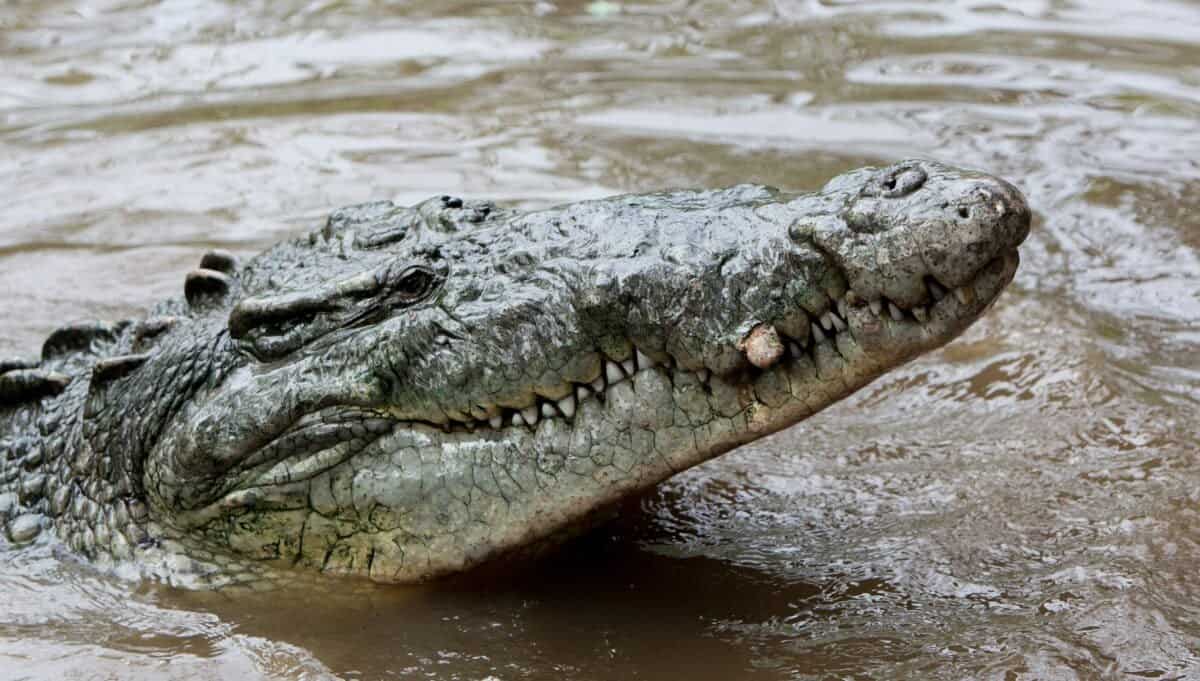
Although not exclusive to the ocean, the American crocodile can be found in coastal habitats in Florida. Capable of both ambush and pursuit, these formidable reptiles have a varied diet that includes fish, birds, and small mammals. Their incredible power and stealth make them efficient predators in murky waters.
Killer Whale (Orca)

The killer whale, or orca, is often referred to as the ocean’s top predator. Resident in the Northwest Pacific and the broader North Atlantic, these social animals hunt in pods and are known for their complex hunting strategies. Orcas have a diverse diet, preying on fish, squid, and even other marine mammals like seals and whales.
Mako Shark
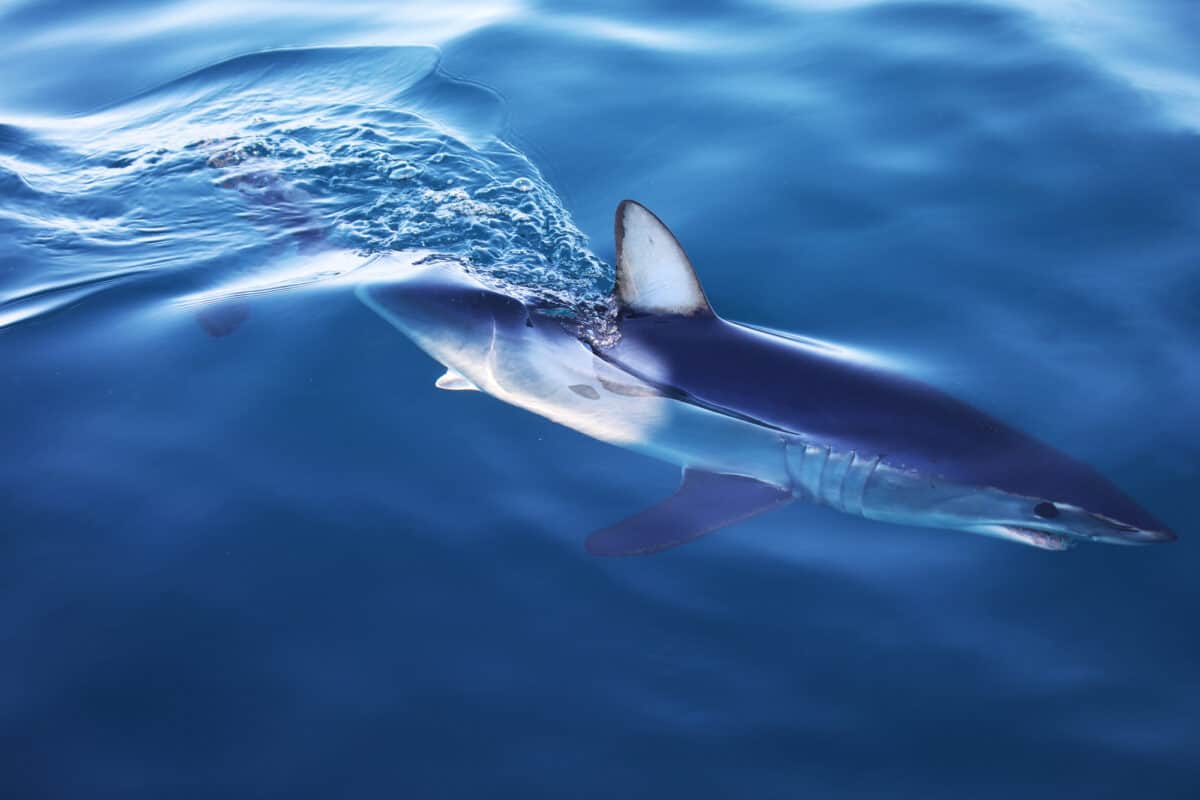
Known for its speed, the mako shark ranks among the fastest predators of the deep. Predominantly found in the Atlantic, these sharks can reach speeds up to 60 mph, allowing them to chase down swift prey such as tuna and swordfish. Their agility and speed combined with sharp teeth make them fearsome hunters.
Goliath Grouper
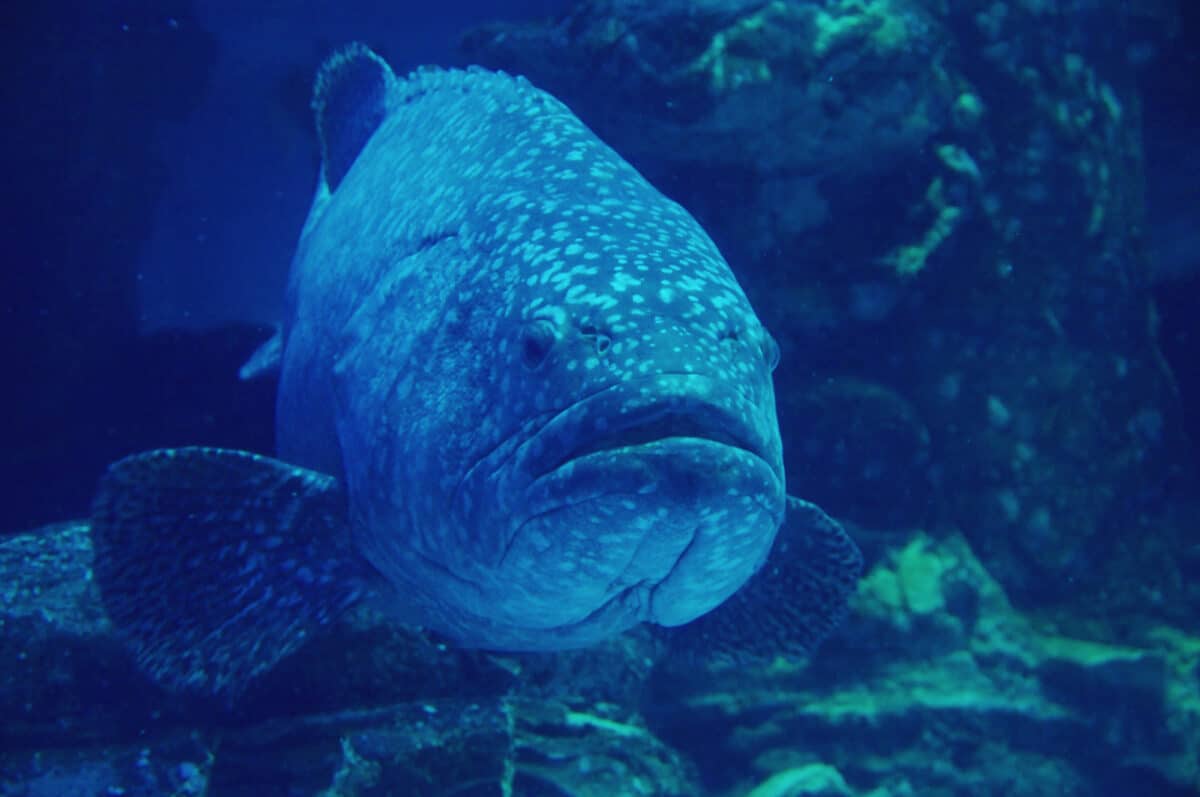
The goliath grouper is an oceanic giant, reaching weights of up to 800 pounds. Found in the warm coastal waters of the southeastern United States, it is capable of large gulps to capture prey, including crustaceans, turtles, and smaller fish. Despite their size, these groupers can display surprisingly strategic hunting behavior.
Atlantic Bluefin Tuna

While not traditionally perceived as a predator, the Atlantic bluefin tuna is a powerful hunter in the ocean’s food chain. They travel vast distances across the Atlantic and rely on speed and strength to capture prey, primarily smaller fish and invertebrates. Their impressive size and schooling behavior enhance their hunting effectiveness.
Sand Tiger Shark
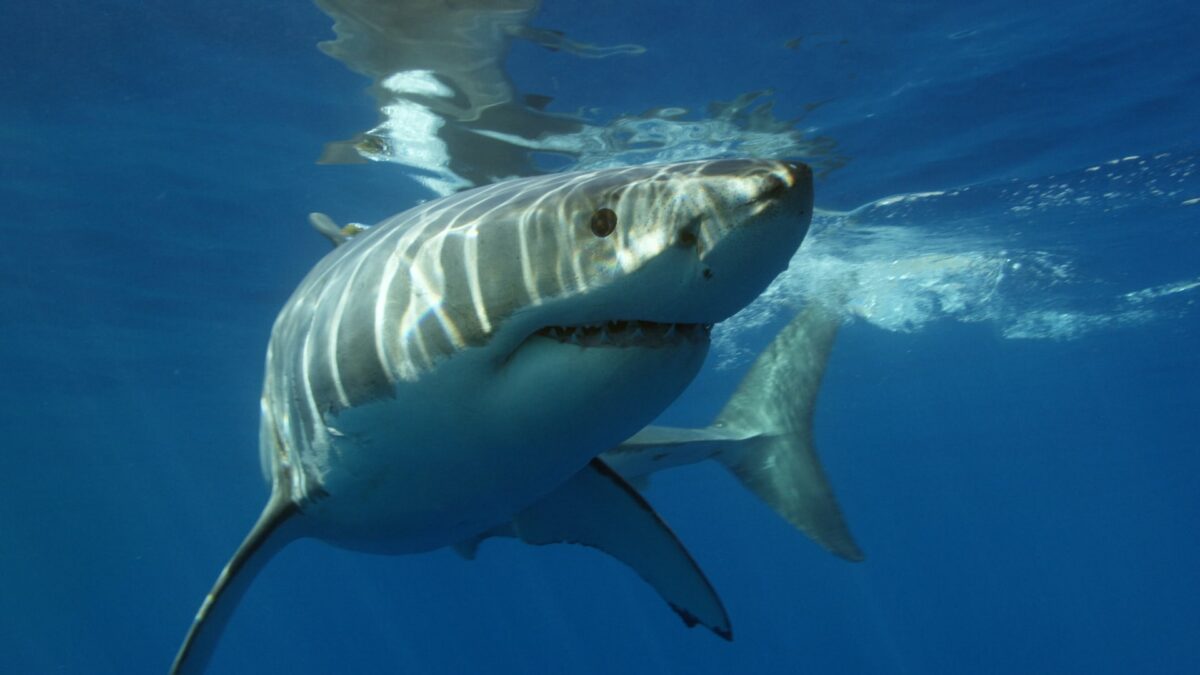
Known for their menacing appearance with protruding sharp teeth, sand tiger sharks are surprisingly docile with humans. They dwell in the coastal waters of the Eastern U.S., where they often find themselves in wrecks and caves. Sand tiger sharks employ a unique behavior of gulping air to aid buoyancy while hunting fish.
Atlantic Wolffish
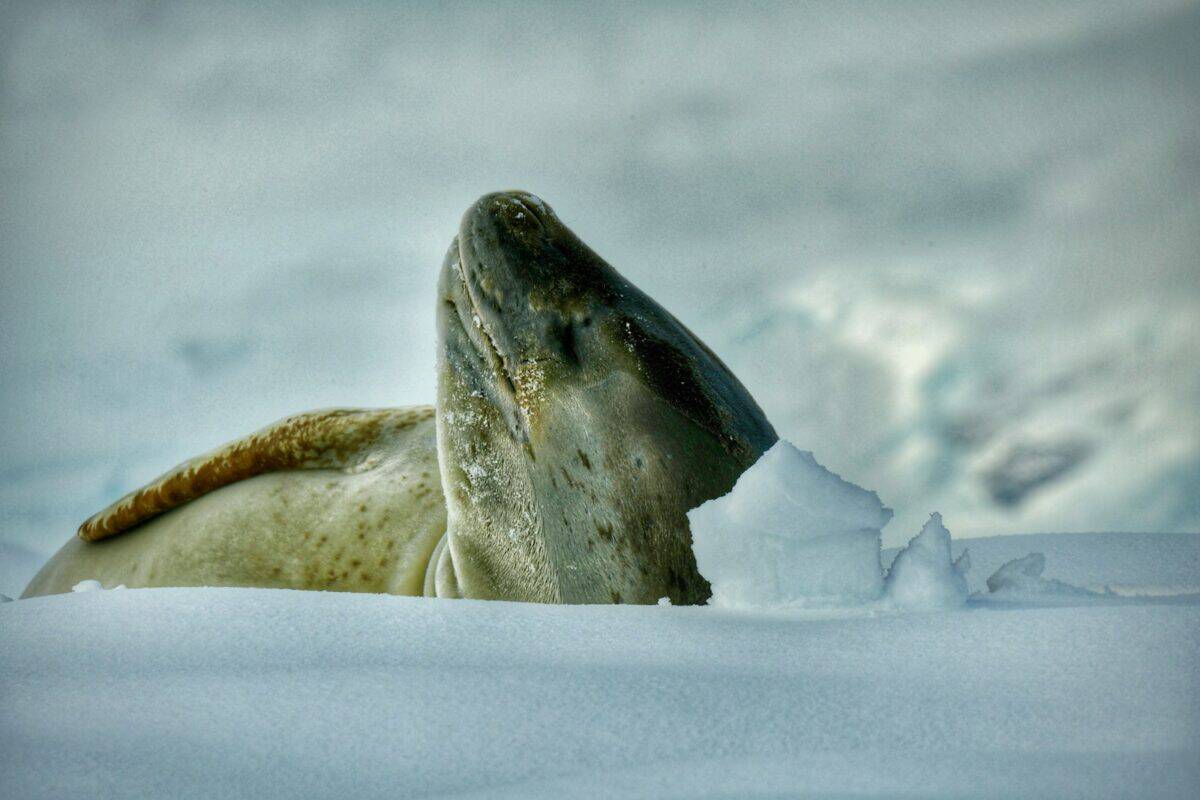
The Atlantic wolffish, residing in cold, deep waters, is a predator with formidable teeth designed to crush hard-shelled organisms. With its fearsome dental display, it preys on green crabs, sea urchins, and other invertebrates, maintaining a balance in the ocean floor’s ecosystem.
Sea Otter

Sea otters, particularly those found off the coast of California and Alaska, are keystone predators with remarkable foraging techniques. They use tools like rocks to crack open shellfish and sea urchins, mitigating urchin-based damage to kelp forests. Their hunting activities play a crucial role in maintaining the health of coastal environments.
Loggerhead Turtle

Although predominantly herbivorous, loggerhead turtles occasionally take on a predatory role, targeting horseshoe crabs and mollusks in coastal waters. Found along the eastern coast of the United States, these turtles have powerful jaws that facilitate the crushing of shells.
Conclusion:

In summary, the oceans surrounding the United States are inhabited by a variety of underwater predators, each perfectly adapted to its ecological niche. From the mighty great white shark to the cunning giant Pacific octopus, these creatures enthrall with their diverse hunting methods and roles within the marine ecosystem. Understanding these predators not only reveals the complexity of ocean life but also emphasizes the importance of preserving their habitats and populations.

As a little kid, I fell in love with nature, wildlife, and animals. Living in the USA, South Africa, Italy, China and Germany gave me the opportunity to discover the world's Wildlife. My favorite animals are Mountain Gorillas, Siberian Tigers, and Great White Sharks.
I'm a certified PADI Open Water Diver, went to Everest Base Camp and Trekked Gorillas in Uganda. I hold a Master of Science in Economics and Finance.
Please send any feedback to feedback@animalsaroundtheglobe.com
- 14 Stunning Animals You Can See in India - July 18, 2026
- The Most Enormous Lobster Ever Pulled From Maine Waters - July 18, 2026
- The Most Dangerous Waters for Sharks in North America - July 18, 2026