


While humans pride themselves on being the most intelligent species on Earth, when it comes to pure survival instincts and adaptations, many wild animals outperform us significantly. Without our technology, shelter, and modern conveniences, humans would struggle against the ingenious survival mechanisms that these 16 remarkable creatures have developed through millions of years of evolution. From extraordinary sensory abilities to astonishing physical adaptations and remarkable problem-solving skills, these animals demonstrate survival intelligence that would leave even the most skilled human survivalists impressed. Let’s explore these remarkable species that have mastered the art of survival in ways that humans simply cannot match.
13. Cockroaches The Ultimate Survivors
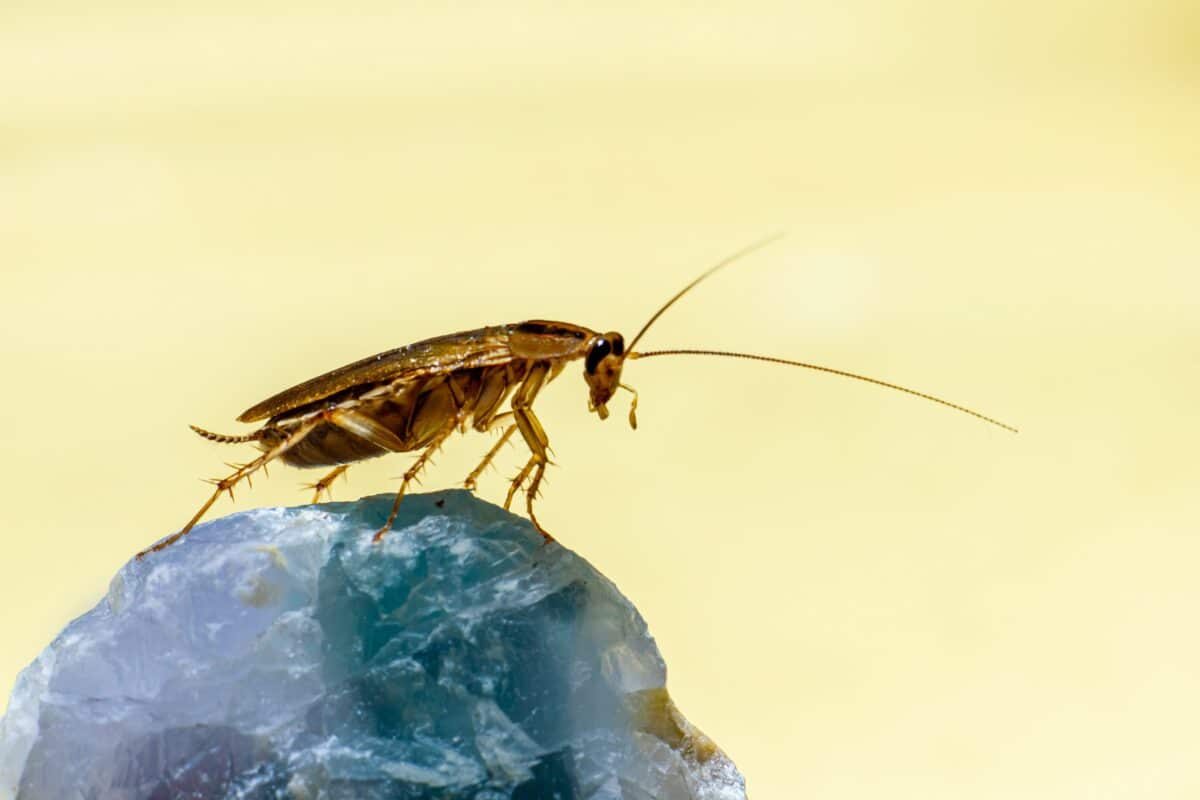
Cockroaches have earned their reputation as perhaps the most resilient creatures on the planet. These insects can survive decapitation and continue living for weeks afterward, as they breathe through tiny holes in their body segments rather than through their mouths or noses. They can also withstand radiation levels up to 15 times what would kill a human, making them capable of surviving nuclear fallout. Cockroaches can live without food for a month and without water for two weeks. Their flattened bodies allow them to squeeze through cracks as thin as a dime, and they can hold their breath for 40 minutes, making them virtually impervious to drowning in household plumbing. Perhaps most impressively, cockroaches have remained essentially unchanged for more than 300 million years, surviving multiple mass extinctions that wiped out countless other species, including the dinosaurs.
12. Tardigrades Microscopic Masters of Extreme Survival

Tardigrades, also known as water bears or moss piglets, are microscopic creatures that showcase perhaps the most impressive survival capabilities in the animal kingdom. These tiny organisms can survive in environments where no human could possibly live. They can withstand temperatures from near absolute zero (-458°F/-272°C) to well above boiling (300°F/149°C), pressure six times greater than the deepest ocean trenches, radiation doses thousands of times higher than what would kill a human, and the vacuum of space. Most remarkably, tardigrades can enter a state called cryptobiosis, where they expel almost all water from their bodies and lower their metabolic rate to less than 0.01% of normal, essentially suspending their life processes. In this dehydrated state, they can survive for up to 30 years without food or water. When returned to favorable conditions, they rehydrate and resume normal functioning within hours, a feat of biological regeneration that humans cannot begin to approach.
11. Octopuses The Intelligent Escape Artists

Octopuses possess problem-solving abilities and adaptability that far surpass most other creatures when it comes to survival tactics. These cephalopods have demonstrated the ability to open childproof pill bottles, solve mazes, use tools, and even escape from sealed aquarium tanks by unscrewing lids from the inside. Their distributed nervous system—with two-thirds of their neurons located in their arms rather than their central brain—allows for unprecedented physical coordination and sensory processing. Octopuses can instantaneously change both the color and texture of their skin to perfectly match their surroundings, making them masters of camouflage. When threatened, they can release a cloud of ink to confuse predators while making a swift escape. If caught, some octopus species can detach an arm to distract a predator and later regenerate the lost limb. Perhaps their most remarkable ability is squeezing through incredibly tiny spaces—an octopus can fit through any opening larger than its beak (the only hard part of its body), which typically means a hole the size of a quarter for a 100-pound octopus.
10. Ravens The Problem-Solving Strategists
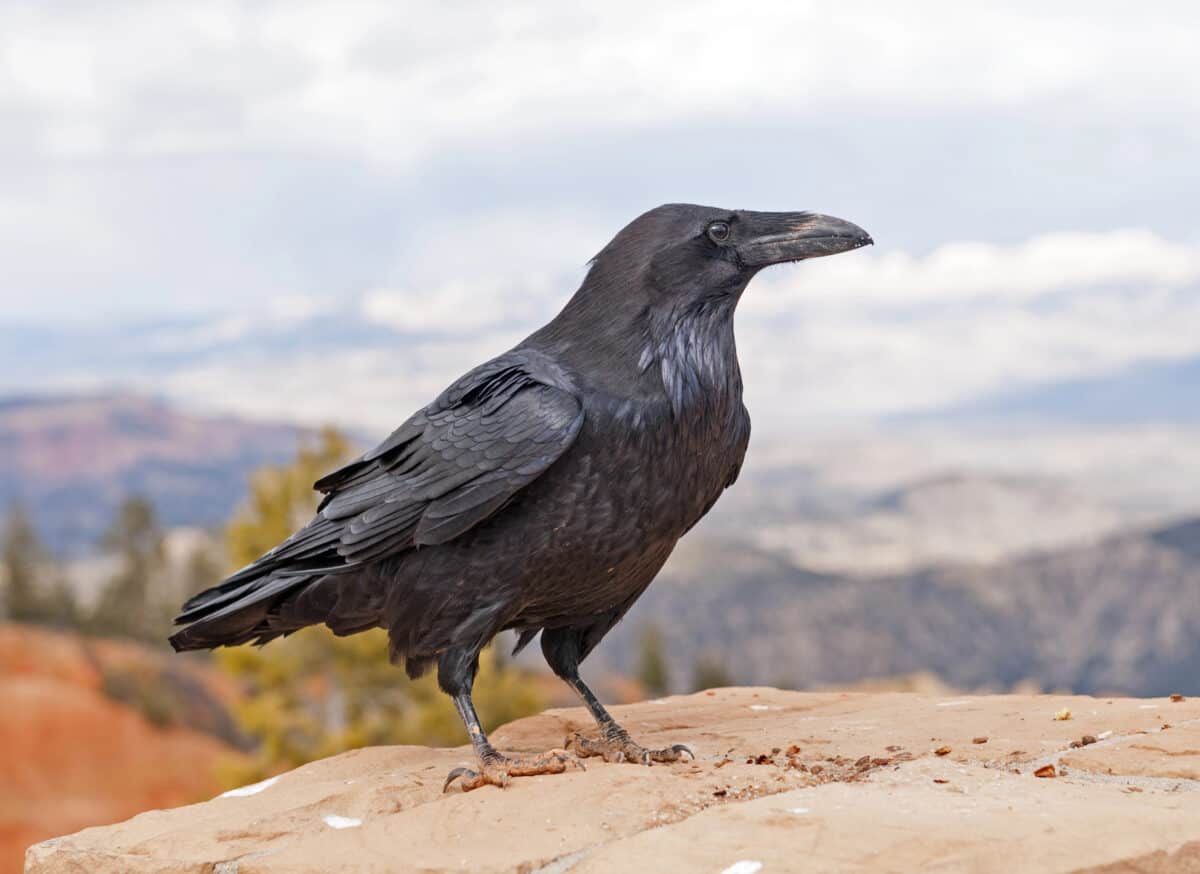
Ravens possess cognitive abilities that rival those of great apes and dolphins, making them exceptional survival strategists. These birds can use complex tools, solve multi-step problems, and even plan for future events—a level of forethought once thought unique to humans. Ravens have been observed creating tools for specific purposes, such as bending wire into hooks to retrieve food. They demonstrate remarkable social intelligence, forming alliances and engaging in sophisticated deception by leading competitors away from food sources they wish to hide. Ravens can recognize and remember human faces for years, adjusting their behavior based on previous interactions with specific individuals. They also engage in playful behavior that develops problem-solving skills, such as sliding down snowy slopes repeatedly or playing elaborate games with sticks. Their communication system includes over 30 distinct vocalizations with specific meanings. This combination of tool use, social manipulation, memory, and adaptability gives ravens survival advantages that few other species—including humans without technology—could match in natural environments.
9. Migratory Birds Nature’s GPS Experts
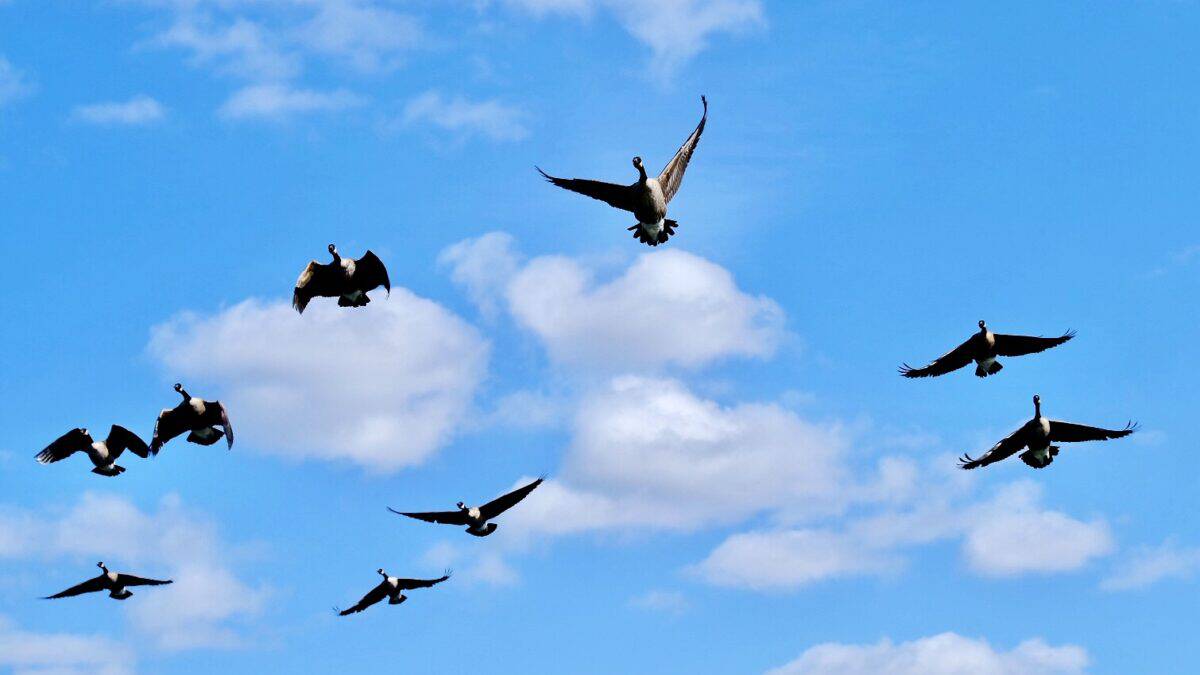
Migratory birds possess navigation abilities that far exceed human capabilities without technological assistance. Species like the Arctic Tern travel over 44,000 miles annually, navigating from the Arctic to Antarctica and back with astonishing precision. These remarkable birds integrate multiple navigation systems that humans can only replicate with advanced technology. They can detect Earth’s magnetic field through specialized cells containing magnetite in their beaks and eyes, essentially giving them a built-in compass. Birds also navigate using celestial cues, recognizing star patterns and using the sun’s position while compensating for its movement throughout the day. Many species create mental maps based on visual landmarks, scents, and infrasound (sounds below human hearing range) from oceans and mountains. The Bar-tailed Godwit can fly non-stop for over 7,000 miles across the Pacific Ocean without eating or drinking, a journey that would be impossible for humans without substantial technological support. Perhaps most impressively, young birds often make their first migration without adult guidance, relying purely on innate navigation systems that humans simply don’t possess.
8. Elephants Memory and Social Intelligence for Survival

Elephants leverage extraordinary memory and social intelligence to navigate challenging environments and ensure group survival. These remarkable mammals can remember the locations of water sources across vast territories and return to them during droughts, even if they haven’t visited for decades. Their mental maps can cover thousands of square miles. During severe droughts, older matriarchs draw on memories of rare water sources they may have visited 50+ years earlier, guiding their herds to survival when younger elephants would have no knowledge of these critical resources. Elephants also maintain complex social networks spanning multiple family groups, remembering hundreds of individuals and their relationships. They recognize specific human voices and languages, distinguishing between those that pose threats and those that don’t. When resources become scarce, elephant families coordinate movements through infrasonic communication that travels miles beyond human hearing range. Their social knowledge transfer is so sophisticated that when humans removed older elephants from populations during culling operations, younger elephants displayed symptoms similar to PTSD and lacked critical survival knowledge. This multigenerational knowledge system for environmental navigation represents a level of social learning for survival that exceeds natural human capabilities in similar environments.
7. Honey Badgers Fearless and Resourceful

The honey badger has earned its reputation as one of the most fearless and resourceful creatures in the animal kingdom, with survival skills that far exceed human capabilities. These remarkable mustelids possess skin that is nearly 1/4 inch thick and so loose that they can essentially turn within it, allowing them to twist around and bite predators holding them. Their resistance to venom is legendary—honey badgers routinely survive bites from highly venomous snakes like cobras and puff adders that would kill a human within hours. Their problem-solving abilities are equally impressive, with documented cases of honey badgers using tools, stacking objects to escape enclosures, and memorizing complex lock mechanisms. At South Africa’s Moholoholo Rehabilitation Centre, a honey badger named Stoffel became famous for using rakes, stones, mud balls, and even sticks as tools to escape his enclosure repeatedly. Honey badgers can dig through concrete in a single night and have been known to disable electric fences. They can withstand bee attacks that would be fatal to humans, entering active hives to feast on honey and larvae while seemingly unbothered by hundreds of stings. This combination of physical resilience, venom resistance, and problem-solving creates a survival specialist that can thrive in environments where humans would require significant technological protection.
6. Sharks Sensory Superiority for Hunting

Sharks possess an array of sensory systems that make them unrivaled predators in aquatic environments, with detection capabilities that far surpass human senses. The ampullae of Lorenzini—specialized electroreceptor organs—allow sharks to detect electric fields as weak as half a billionth of a volt, enabling them to locate prey buried under sand or hidden by poor visibility. They can essentially “feel” the heartbeat of potential prey from considerable distances. A shark’s sense of smell is so acute that some species can detect a single drop of blood in an Olympic-sized swimming pool, or sense prey from up to a quarter-mile away. Their lateral line system—a network of fluid-filled canals running along their bodies—detects minute pressure changes in the water, allowing them to sense the movements of other animals from considerable distances, even in complete darkness. Some shark species, like the Great White, can detect temperature differences as small as 0.001°C (0.0018°F), allowing them to locate prey by sensing body heat against the cooler ocean background. These combined sensory abilities, coupled with streamlined bodies capable of remarkable acceleration, create predatory machines that have survived virtually unchanged for over 400 million years—a testament to their perfectly evolved survival adaptations that outclass human sensory capabilities in aquatic environments by orders of magnitude.
5. Desert Camels Masters of Harsh Environment Adaptation

Camels have evolved physiological adaptations for desert survival that far exceed human capabilities in similar environments. While humans begin suffering severe effects from losing just 3-4% of their body water, camels can lose up to 30% of their body weight in water without dying—the equivalent of a 150-pound person losing 45 pounds of fluid and still functioning. Their remarkable water conservation extends to their kidneys and intestines, which extract maximum moisture from waste, producing highly concentrated urine and dry feces. Unlike humans, camels don’t sweat until their body temperature reaches about 105°F, allowing them to conserve precious water. Their body temperature can fluctuate safely between 93°F and 106°F daily, a range that would indicate severe illness or death in humans. A camel’s oval-shaped red blood cells (unique among mammals) remain functional even during severe dehydration, when human blood would become dangerously thick. Their humps store up to 80 pounds of fat—not water as commonly believed—which provides both insulation and a concentrated energy source that produces metabolic water when broken down. A camel can drink up to 30 gallons of water in just 10 minutes to rapidly rehydrate, a volume that would cause fatal water intoxication in humans. These adaptations allow camels to travel up to 100 miles through desert terrain without water, while even the most well-trained human would require gallons of water daily to survive the same journey.
4. Bats Masters of Echolocation and Disease Resistance

Bats possess sensory and physiological capabilities that make them exceptional survival specialists in ways humans cannot match. Their echolocation system operates with a precision that exceeds any human-made sonar technology, allowing them to detect objects as thin as a human hair in complete darkness. Bats can process these sound returns so efficiently that they can track and catch insects while flying at speeds up to 60 mph through dense forests without collision. Even more remarkable is their immune system, which allows bats to harbor viruses that would be lethal to humans (including Ebola, SARS, and related coronaviruses) without experiencing illness themselves. This unique immune adaptation involves constantly activated antiviral proteins that immediately suppress viral replication without triggering the inflammatory responses that cause disease symptoms in humans. Bats are also the only mammals capable of true powered flight, giving them unparalleled mobility for escaping predators and accessing food sources. Many species can enter torpor, reducing their metabolic rate and body temperature to conserve energy when food is scarce—a state that would be fatal to humans. Some bat species can live up to 40 years, defying the typical correlation between small body size and short lifespan in mammals. This combination of sensory expertise, disease resistance, mobility, and metabolic control creates survival specialists that have successfully colonized nearly every environment on Earth except the polar regions.
3. Beavers Environmental Engineers

Beavers display environmental engineering skills that allow them to create and maintain perfect survival habitats without tools or technology. These remarkable rodents construct dams that can span hundreds of feet and lodge complexes with underwater entrances, multiple chambers, and air vents—all built using only their teeth, paws, and natural materials. Their constructions are so effective that beaver-created wetlands can maintain water levels during droughts, protecting entire ecosystems when surrounding areas dry out. Beavers instinctively respond to the sound of running water by building dams, showing problem-solving abilities that address environmental challenges. They create food caches underwater where vegetation stays fresh throughout winter months when food would otherwise be inaccessible. Their incisors grow continuously and self-sharpen, creating natural tools that can cut through trees up to 3 feet in diameter. Beavers possess transparent eyelids that function like built-in goggles, allowing them to see clearly underwater, while specialized nose and ear valves automatically close when submerged. Their dense fur and specialized oil glands provide insulation that maintains body temperature even in near-freezing water that would quickly cause hypothermia in humans. A beaver’s tail serves multiple functions: as a fat storage reserve for winter, a counterbalance when gnawing trees, a warning device by slapping water, and a swimming rudder. These adaptations allow beavers to thrive in wetland environments where humans would require extensive technological support to survive seasonally harsh conditions.
2. Ants Collective Intelligence for Survival

Ants demonstrate that collective intelligence can create survival advantages that outperform individual human capabilities in several key areas. Though a single ant has minimal cognitive capacity, ant colonies function as superorganisms capable of remarkable feats. Leafcutter ant colonies practice sophisticated agriculture, cultivating specific fungal species in temperature and humidity-controlled chambers they construct underground. These fungus gardens are protected with antibiotic secretions that were cultivating beneficial bacteria millions of years before humans discovered antibiotics. Army ant colonies create living architecture, forming bridges and shelters with their own bodies that can assemble and disassemble in minutes as needed. Fire ants can form waterproof rafts during floods by linking their bodies together, creating structures that can float for weeks while protecting the queen and larvae in dry chambers at the center. Desert harvester ants maintain precise temperature control in their nests through architectural modifications, creating microclimates that vary by level according to the colony’s needs. Perhaps most impressive is ants’ emergency response system—within minutes of a colony threat, ants can evacuate thousands of larvae and eggs along optimized escape routes while deploying defensive forces, a coordination speed that would be impossible even for the most organized human communities without technological communication. This decentralized intelligence allows ant colonies to solve complex logistical and environmental challenges with an efficiency that humans can only achieve through advanced planning and technology.
1. Polar Bears Arctic Survival Specialists
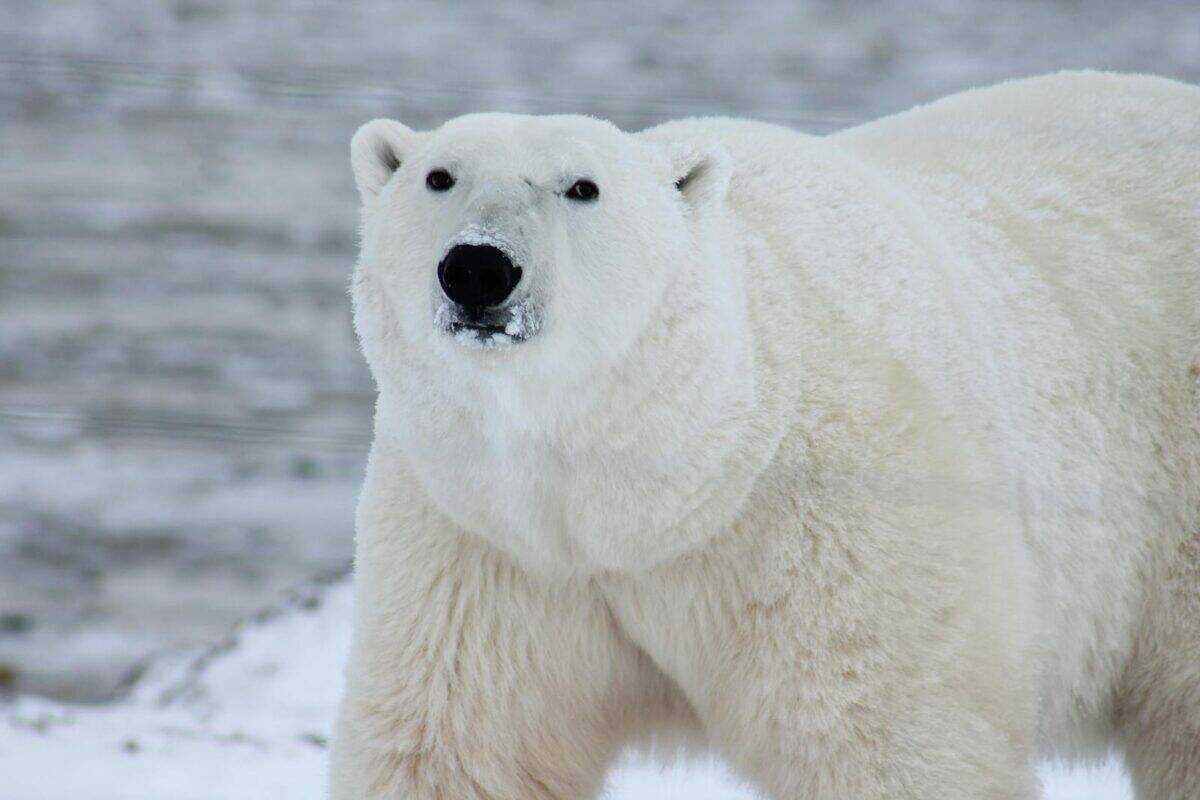
Polar bears possess physiological adaptations for Arctic survival that far surpass human capabilities in extreme cold environments. Their specialized fur consists of a dense, water-repellent undercoat and hollow outer guard hairs that trap heat so effectively that polar bears are nearly invisible to infrared cameras used to detect heat loss. This insulation is so efficient that polar bears often overheat when running and must cool down, even in subzero temperatures where humans would freeze within minutes without technological protection. Their black skin absorbs maximum heat from available sunlight, while a 4.5-inch layer of blubber provides both insulation and energy reserves. A polar bear’s metabolism operates at an efficiency level unattainable for humans, allowing them to derive maximum energy from their high-fat diet while producing minimal waste heat. Their enormous paws distribute weight while walking on thin ice and function as efficient paddles for swimming. Polar bears can swim continuously for days, with the longest recorded journey being a nine-day, 426-mile swim through Arctic waters that would kill a human from hypothermia within hours. Their sense of smell is so acute they can detect seals through three feet of compacted snow and ice or from up to a mile away across the ice. Additionally, polar bears can slow their metabolism when food is scarce without suffering the muscle and bone deterioration that humans experience during starvation.
Conclusion:

While human intelligence has enabled us to thrive through technology and innovation, the natural world is filled with species whose survival capabilities outmatch our own in raw, unassisted conditions. From the indestructible tardigrade and radiation-proof cockroach to the master navigators of the skies and oceans, these animals exhibit extraordinary adaptations honed by millions of years of evolution. Whether it’s the elephant’s long-term memory, the polar bear’s unmatched Arctic endurance, or the octopus’s escape artistry, these creatures demonstrate that survival isn’t just about intellect—it’s about specialization, resilience, and an intimate harmony with their environments. In a world without tools, shelter, or machines, it is these species—not humans—who would stand the best chance of survival. Their brilliance lies not in invention, but in nature’s relentless refinement of life’s ultimate skill: adaptation.

As a little kid, I fell in love with nature, wildlife, and animals. Living in the USA, South Africa, Italy, China and Germany gave me the opportunity to discover the world's Wildlife. My favorite animals are Mountain Gorillas, Siberian Tigers, and Great White Sharks.
I'm a certified PADI Open Water Diver, went to Everest Base Camp and Trekked Gorillas in Uganda. I hold a Master of Science in Economics and Finance.
Please send any feedback to feedback@animalsaroundtheglobe.com
- 14 Stunning Animals You Can See in India - July 18, 2026
- The Most Enormous Lobster Ever Pulled From Maine Waters - July 18, 2026
- The Most Dangerous Waters for Sharks in North America - July 18, 2026