


In the harsh and unforgiving landscapes of the world’s deserts, a remarkable group of reptiles has evolved extraordinary mechanisms to not just survive, but thrive. Desert-dwelling snakes represent some of nature’s most impressive examples of adaptation, having developed specialized physical traits and behaviors that allow them to endure extreme temperatures, scarce water resources, and challenging terrain. From specialized scales that harvest moisture to remarkable heat-sensing abilities, these serpents showcase evolution’s ingenuity in addressing environmental challenges. This article explores fourteen fascinating adaptations that have enabled snakes to become masters of desert survival, highlighting how these remarkable creatures have turned one of Earth’s most inhospitable environments into their specialized niche.
14. Sidewinding Locomotion
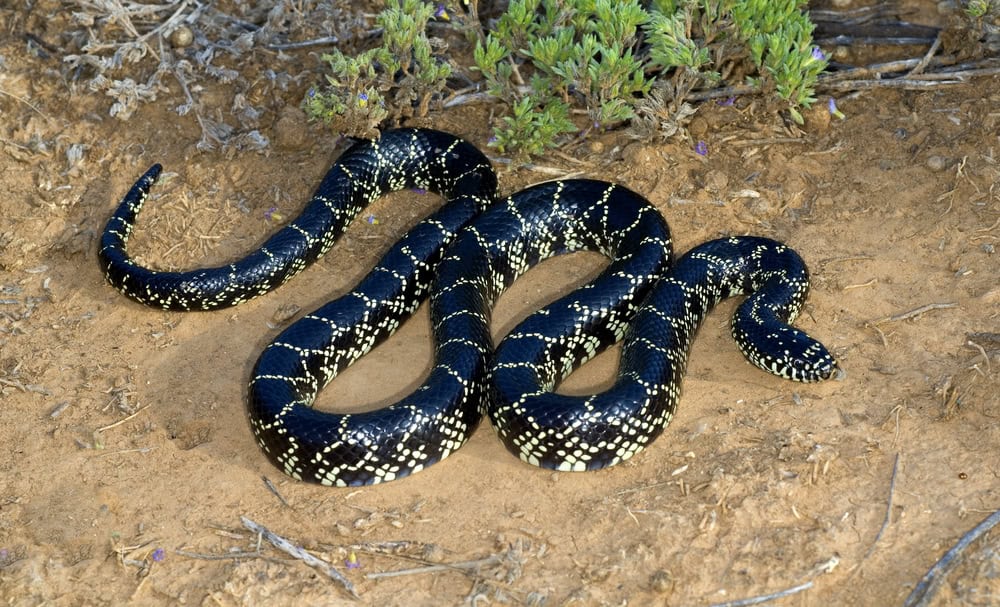
Perhaps one of the most visually distinctive adaptations of desert snakes is the sidewinding locomotion method. This specialized movement, most famously employed by the sidewinder rattlesnake (Crotalus cerastes), involves the snake moving in a diagonal motion with only small portions of its body touching the hot sand at any given time. This unique locomotion minimizes contact with the scorching desert surface, reducing heat absorption and preventing burns to the snake’s underside.
Sidewinding is also remarkably efficient on loose sand surfaces where traditional serpentine movement would be ineffective. The snake creates a series of J-shaped tracks as it travels, with each contact point precisely placed to provide maximum traction with minimal sinking. Research has shown that sidewinding requires less energy than conventional snake movement on soft substrates, making it an evolutionary marvel for desert survival. This adaptation allows these snakes to traverse vast distances across dunes and sandy plains with surprising speed and efficiency.
13. Shovel-Shaped Snouts for Sand Swimming

Many desert-dwelling snake species have evolved specialized head shapes that facilitate “sand swimming” – the ability to move through loose sand as effectively as other snakes move through water. Species like the sand boa (Eryx spp.) and sand vipers possess shovel-shaped snouts that act as efficient digging tools. These modified rostral scales create a wedge-shaped profile that helps them slice through sand with minimal resistance, allowing the snake to submerge completely beneath the surface.
This adaptation serves multiple survival functions. By burrowing beneath the sand, snakes can escape extreme surface temperatures that can exceed 160°F (70°C) during the day. Sand swimming also provides an effective hunting strategy, allowing these snakes to ambush prey from below, emerging with lightning speed to capture unsuspecting victims. Additionally, this ability offers protection from predators as the snake can quickly disappear beneath the surface when threatened, leaving little trace of its presence.
12. Nasal Valves and Modified Respiratory Systems
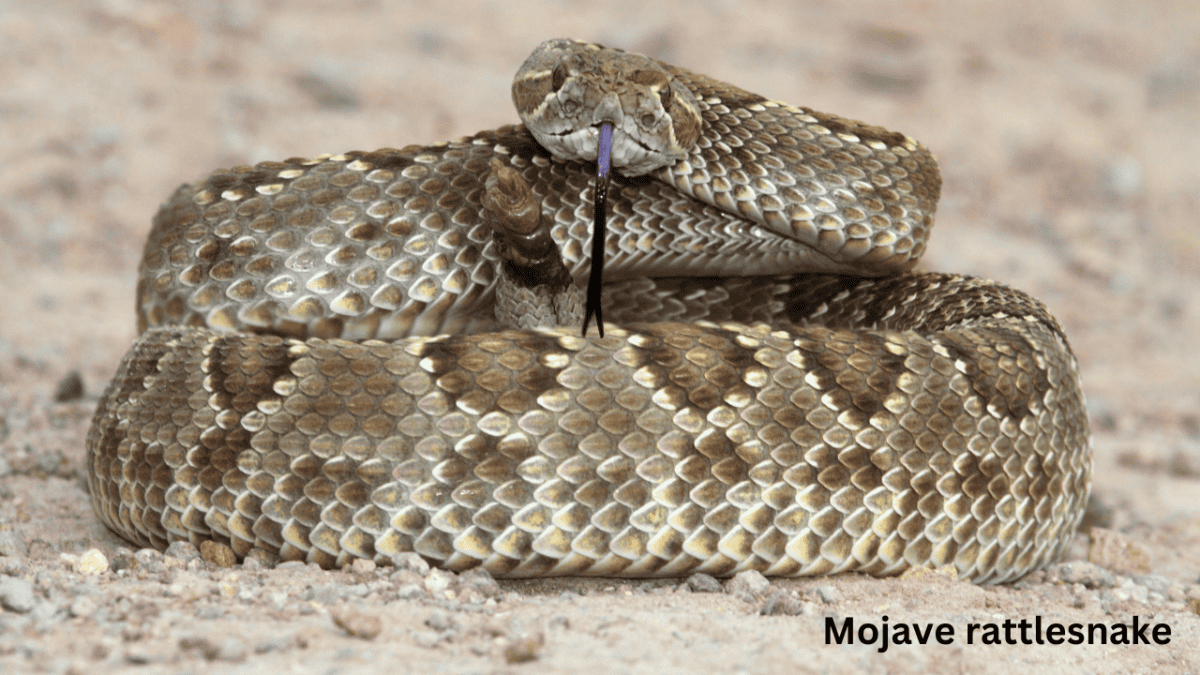
Desert snakes face the constant threat of inhaling sand particles, which could cause severe respiratory damage. To counter this hazard, many species have evolved specialized nasal valves that can close their nostrils while burrowing. These valves consist of modified scales and muscle structures that create an airtight seal, preventing sand from entering the respiratory system. When the snake needs to breathe, it can selectively open these valves, often while keeping its head partially buried.
Beyond protective valves, desert snakes also possess modified respiratory systems that maximize oxygen extraction and minimize water loss. Their lungs feature specialized structures that reduce respiratory water evaporation – a critical adaptation in environments where water conservation is essential for survival. Some species can even absorb atmospheric moisture through their respiratory tract during nighttime breathing when humidity levels rise slightly, contributing to their remarkable water efficiency in these arid environments.
11. Advanced Heat Sensing Capabilities
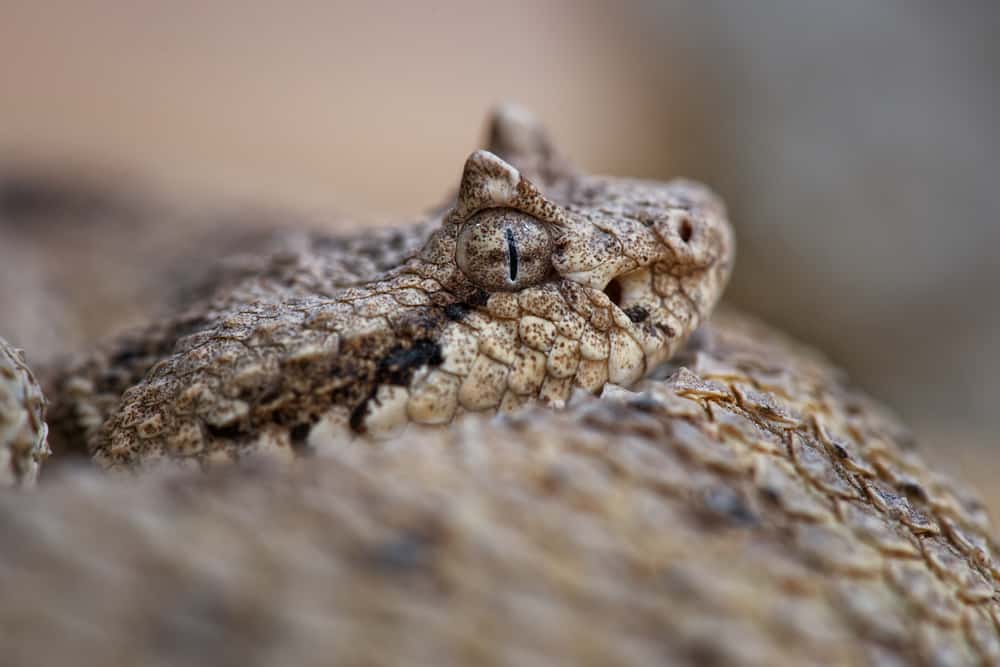
Many desert-dwelling vipers and pit vipers have evolved extraordinarily sensitive heat-detection systems that allow them to hunt effectively in the dark desert environment. These snakes possess specialized heat-sensing pits located between their eyes and nostrils. These organs contain thousands of temperature-sensitive receptors that can detect infrared radiation (heat) from warm-blooded prey. The sensitivity of these organs is remarkable – some species can detect temperature differences as small as 0.003°C and locate prey from over a foot away in complete darkness.
This adaptation is particularly valuable in desert environments where many small mammals are nocturnal, emerging from burrows only during cooler nighttime hours. By detecting the body heat of prey animals, these snakes can hunt effectively without relying on vision, giving them a significant advantage in the dark. The sidewinder rattlesnake, for example, uses its heat-sensing pits to precisely target the vital areas of prey, increasing hunting efficiency and reducing energy expenditure – a crucial benefit in resource-scarce desert ecosystems.
10. Specialized Scale Structures for Water Collection
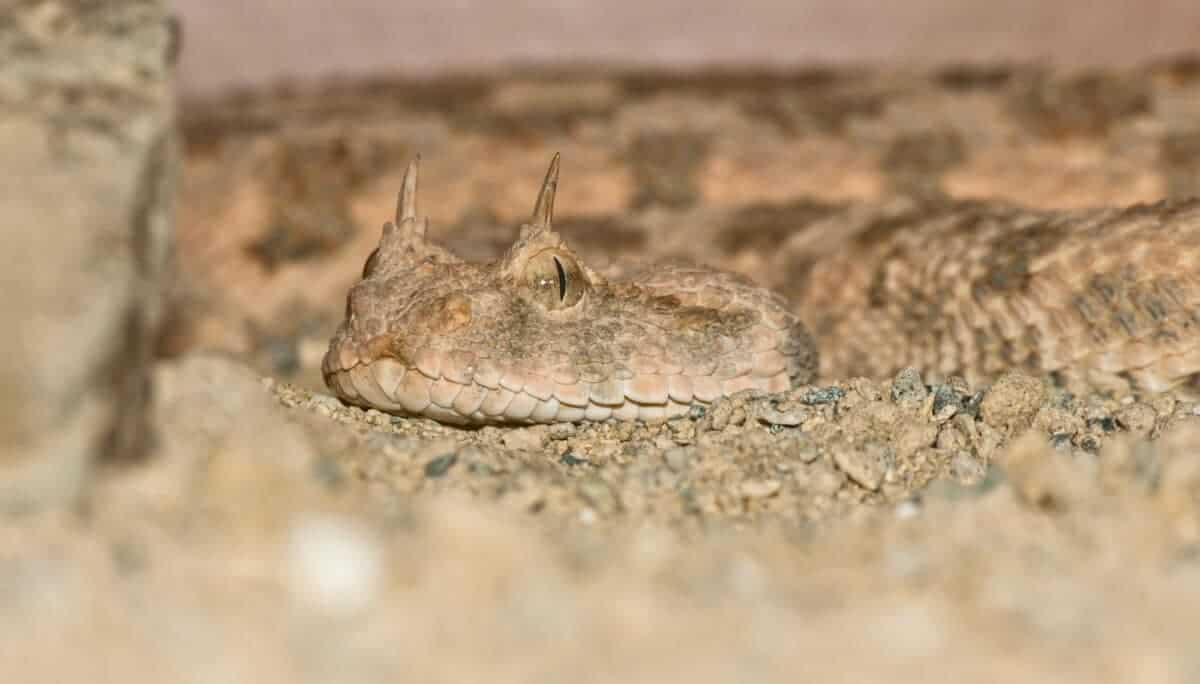
One of the most remarkable adaptations of desert snakes involves their scale microstructure, which has evolved to harvest and conserve precious water. Species like the horned viper (Cerastes cerastes) possess scales with microscopic channels and hydrophilic (water-attracting) properties that direct even the smallest amounts of moisture toward the snake’s mouth. During rare desert fog events or light precipitation, these scales effectively function as moisture collection systems, allowing the snake to obtain water without actively drinking.
Research has shown that some desert snake species can also harvest water from sand after minimal rainfall. By pressing their bodies against damp substrate and performing specialized muscular movements, they can extract moisture that would be inaccessible to other animals. The scales’ surface structure also minimizes evaporative water loss from the snake’s body, creating a highly efficient water conservation system. This adaptation is particularly critical in environments where standing water may be absent for months or even years at a time, allowing these remarkable reptiles to survive extended drought periods.
9. Extreme Water Conservation Mechanisms
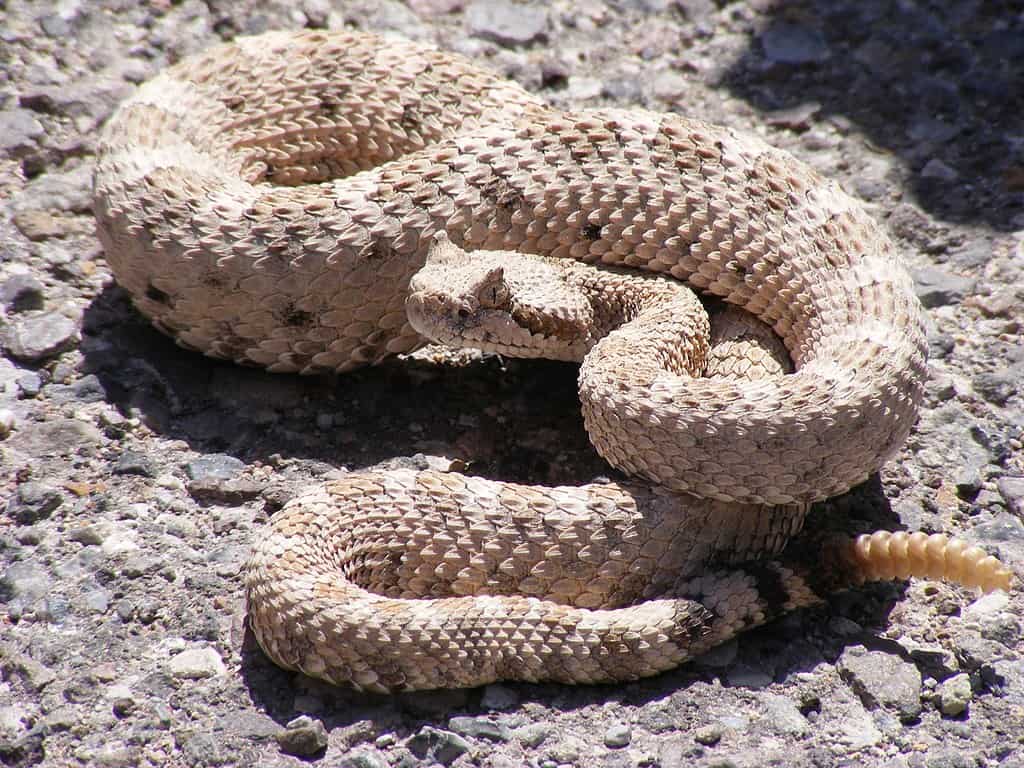
Desert snakes have evolved physiological mechanisms for water conservation that surpass those of almost any other vertebrate. Their kidneys produce highly concentrated urine, extracting maximum water before waste elimination. Unlike mammals, which excrete urea (requiring significant water to dissolve), desert snakes primarily excrete uric acid – a semi-solid waste product that contains minimal water. This adaptation alone dramatically reduces their water requirements compared to similarly sized desert mammals.
Beyond waste management, these snakes have developed specialized skin structures that minimize transepidermal water loss. Their scales overlap tightly and are coated with lipids that create an effective moisture barrier. Some species can reduce their metabolic rate during drought conditions, further decreasing water requirements. Perhaps most impressively, certain desert snakes can obtain nearly all their required moisture from their food, breaking down prey tissues to release metabolic water. The Arabian sand boa (Eryx jayakari), for example, can survive its entire life without ever drinking free-standing water – an extraordinary adaptation to one of Earth’s most water-scarce environments.
8. Thermoregulatory Behaviors and Physiology
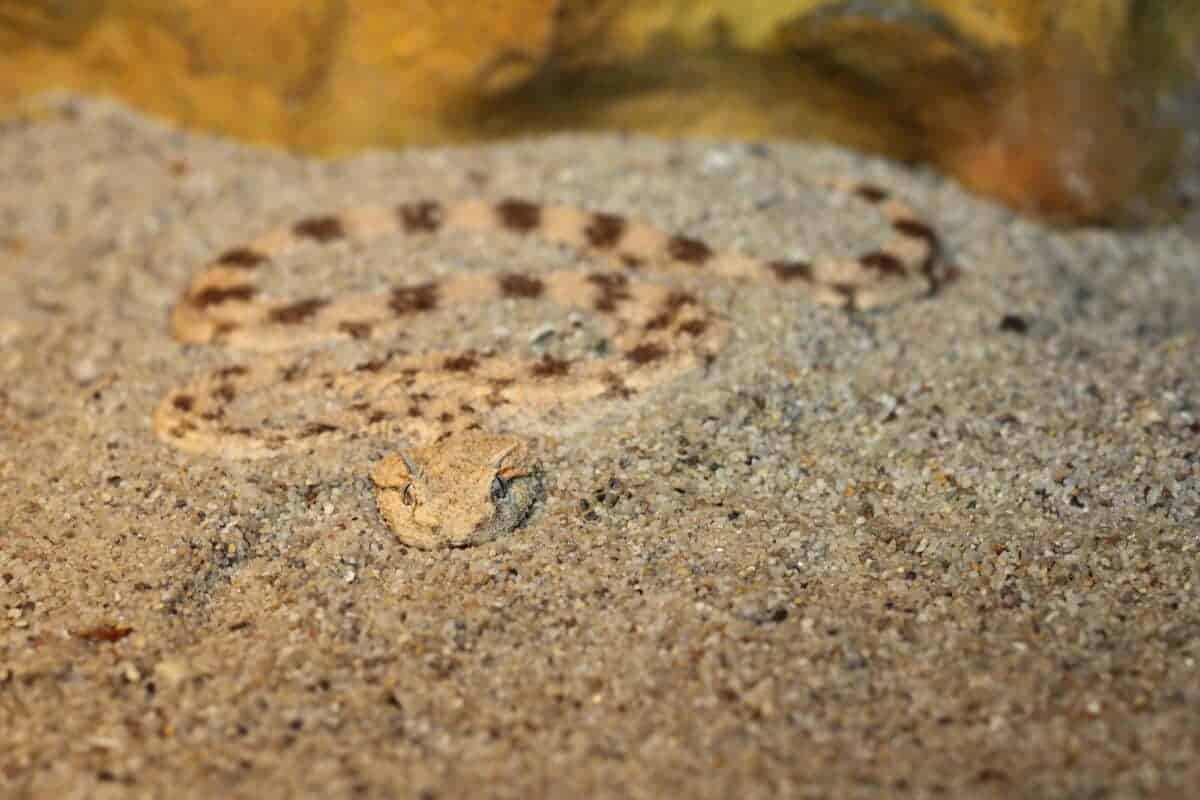
Desert snakes have mastered the art of thermoregulation through a combination of behavioral and physiological adaptations. Unlike mammals, these ectothermic reptiles don’t waste energy maintaining a constant internal temperature, instead strategically using environmental heat. During cooler morning hours, they bask on sun-exposed surfaces to rapidly increase body temperature. As temperatures rise to dangerous levels, they retreat to burrows or shade, often using abandoned rodent tunnels that can be significantly cooler than surface temperatures.
Many desert species have evolved specialized color patterns that assist in thermoregulation. Lighter-colored scales reflect solar radiation, reducing heat absorption during peak temperatures. Some species, like the desert horned viper, can also control blood flow to their skin, increasing circulation during heating periods and restricting it when cooling is necessary. Perhaps most impressively, certain desert snakes can tolerate body temperature fluctuations of over 30°C (86°F) within a 24-hour period without physiological damage – a range that would be fatal to most vertebrates. This temperature flexibility allows them to remain active during brief windows of optimal conditions while conserving energy during temperature extremes.
7. Modified Venom Composition

The venom of desert-dwelling snakes has evolved specific properties that enhance hunting efficiency in arid environments. Unlike their counterparts in more temperate regions, many desert vipers produce venom with heightened hemotoxic properties – compounds that damage blood vessels and tissues. This adaptation causes rapid immobilization of prey, preventing escape into burrows or crevices where the snake might be unable to follow. Additionally, these specialized toxins begin the digestive process before consumption, breaking down tissues and releasing moisture that the snake can absorb.
Research into the venom of the Saharan horned viper (Cerastes cerastes) has revealed compounds that create hypotensive effects, rapidly dropping the blood pressure of prey animals and causing quick incapacitation. This swift action is particularly valuable in desert environments where prolonged chases would waste precious energy. Some desert snake venoms also contain components that help preserve captured prey in the extreme heat, preventing rapid decomposition that would reduce nutritional value. These specialized venom adaptations demonstrate how desert snakes have fine-tuned even their biochemistry to meet the unique challenges of their harsh habitat.
6. Extended Fasting Capabilities

Desert snakes possess remarkable metabolic adaptations that allow them to survive extended periods without food – a critical ability in environments where prey availability is unpredictable and often scarce. Many species can reduce their metabolic rate by up to 70% during fasting periods, dramatically decreasing energy requirements. Their digestive systems also show extraordinary efficiency, extracting maximum nutrition from each meal and storing excess energy as fat reserves, primarily in specialized organs along their spine.
The extent of these fasting capabilities is truly astonishing. The Saharan sand viper (Cerastes vipera) has been documented surviving more than 24 months without feeding under research conditions, while maintaining essential bodily functions. When prey is finally encountered, desert snakes can consume meals weighing up to 40% of their body mass and then enter a digestive torpor, focusing all available energy on processing the large meal. Their digestive systems produce highly concentrated enzymes that maximize nutrient extraction, and their stomachs can expand dramatically to accommodate infrequent but substantial meals – a perfect adaptation to the feast-or-famine reality of desert ecosystems.
5. Specialized Hunting Strategies
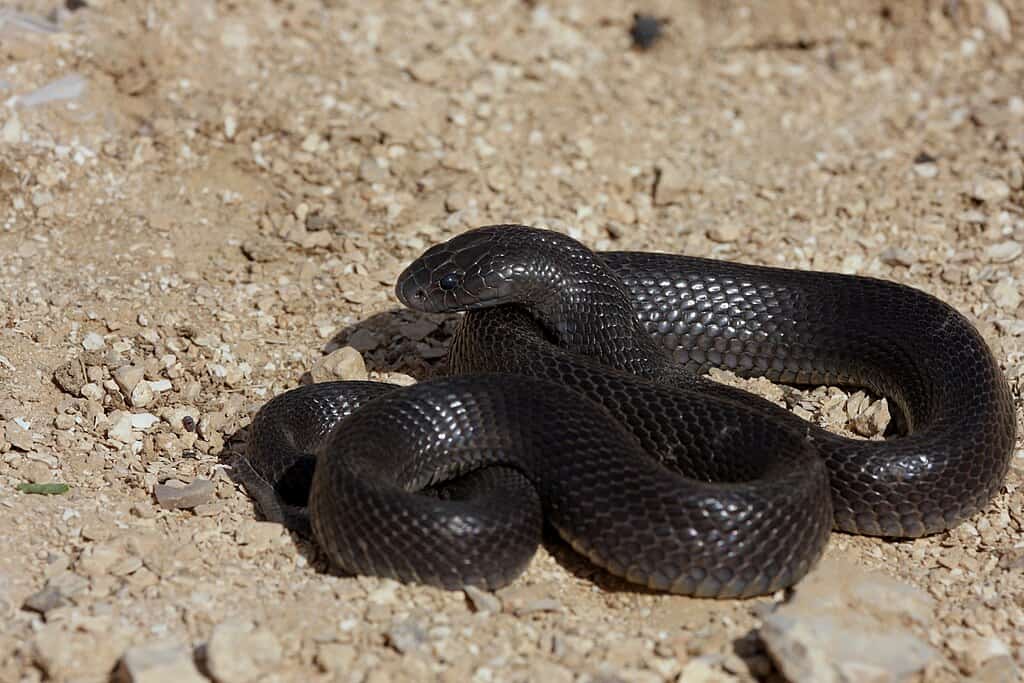
Desert-dwelling snakes have developed hunting techniques specifically adapted to arid environments with sparse prey. Many species, like the Egyptian saw-scaled viper (Echis pyramidum), employ ambush tactics rather than active hunting to conserve energy. These snakes will partially bury themselves at the base of desert vegetation or along small mammal trails, remaining motionless for days while waiting for prey to pass within striking range. Their camouflage coloration, matching the surrounding sand and rocks, makes them nearly invisible to both prey and predators.
Other desert specialists have evolved more active but highly efficient hunting methods. The desert horned viper creates small depressions in the sand where it lies coiled with only its eyes and nostrils exposed, sometimes using its horns to break up its outline. When small desert rodents, birds, or lizards approach, the snake strikes with remarkable precision, typically delivering a single, well-placed bite that maximizes venom delivery. This strategy minimizes energy expenditure while maximizing hunting success – a perfect example of how natural selection has fine-tuned these predators for the challenging desert environment where each calorie counts and wasted effort could mean the difference between survival and death.
4. Sound Production for Predator Deterrence

Several desert snake species have evolved specialized scales that produce warning sounds when the snake feels threatened. The most famous example is found in saw-scaled vipers (Echis genus), which create a distinctive rasping sound by rubbing specialized serrated scales against each other in a process called stridulation. This sound, often described as similar to sandpaper being rubbed together, serves as an effective warning to potential predators. The sound-producing scales, called denticulated scales, are particularly developed along the snake’s flanks and are moved against each other when the snake forms its defensive coils.
This acoustic warning system is especially valuable in desert environments where visibility can be limited by sand dunes, rocks, or sparse vegetation. The warning sound carries further than visual signals and works effectively at night when many desert predators are active. Research suggests that desert predators like foxes and raptors learn to associate this distinctive sound with danger, often retreating rather than risking a potentially deadly bite. This adaptation demonstrates how desert snakes have evolved multiple defensive strategies that don’t rely solely on venom, allowing them to avoid unnecessary conflicts that would waste energy and potentially result in injury.
3. UV-Reflective Scale Patterns

A fascinating recent discovery about desert snakes involves their scales’ interaction with ultraviolet light. Research has revealed that many desert-dwelling species possess scales with specialized microstructures that selectively reflect certain wavelengths of ultraviolet radiation. This adaptation appears to serve multiple functions in the harsh desert environment. First, it provides additional camouflage against predators like birds of prey that can see into the UV spectrum, breaking up the snake’s outline against the UV-reflective desert sand.
Beyond camouflage, these UV-reflective scale patterns may play a role in thermoregulation. By reflecting specific wavelengths of solar radiation, the scales help moderate the snake’s body temperature, preventing overheating during exposure to the intense desert sun. Some research suggests these scale properties might also play a role in communication between snakes, particularly during breeding seasons when males need to locate females across vast desert territories. This sophisticated adaptation demonstrates how desert snakes have evolved responses to aspects of their environment that humans can’t perceive without specialized equipment, highlighting how much we still have to learn about these remarkable reptiles.
2. Specialized Eye Protection

Desert snakes face constant threats to their vision from blowing sand, intense sunlight, and abrasive terrain. To counter these challenges, many species have evolved specialized protective eye coverings. Unlike mammals with movable eyelids, snakes possess a transparent scale called a brille or spectacle that permanently covers each eye. In desert species, this protective cover has developed enhanced durability and specialized optical properties. The desert horned viper (Cerastes cerastes), for example, has spectacles with increased thickness and hardness compared to non-desert relatives, providing superior protection against sand abrasion.
Beyond physical protection, these eye coverings filter harmful UV radiation that would otherwise damage the snake’s retina during extended exposure to the intense desert sunlight. Some species also possess vertical pupils that can contract to extremely narrow slits, dramatically reducing light entry during daytime hours. Interestingly, research has shown that certain desert snakes have developed enhanced visual acuity for detecting motion in low-light conditions, allowing them to hunt effectively during cooler dawn and dusk periods when many desert prey animals are active. These visual adaptations demonstrate how desert snakes have modified even their sensory systems to thrive in one of Earth’s most challenging environments.
1. Drought-Triggered Reproductive Adaptations

Desert snakes have evolved remarkable reproductive adaptations linked to environmental conditions, particularly rainfall patterns. Unlike snakes in more temperate regions with predictable breeding seasons, many desert species can adjust their reproductive timing based on environmental cues. The Saharan horned viper, for example, can delay ovulation and breeding for multiple years during drought conditions, only becoming reproductively active following significant rainfall events that typically lead to increased prey availability.
Some desert vipers have developed ovoviviparous reproduction (keeping eggs inside the body until they hatch) rather than laying eggs externally. This adaptation protects developing embryos from extreme temperature fluctuations and predation. The female can thermoregulate precisely, moving between sun and shade to provide optimal developmental temperatures for her offspring. Perhaps most impressively, research has documented female desert snakes reducing their own metabolic needs to channel more resources to developing embryos during pregnancy, essentially sacrificing their own condition to ensure offspring survival. After birth, young desert snakes are born with full venom capacity and innate knowledge of survival behaviors, allowing them to fend for themselves immediately in the harsh desert environment.
Conclusion: Masters of Desert Adaptation
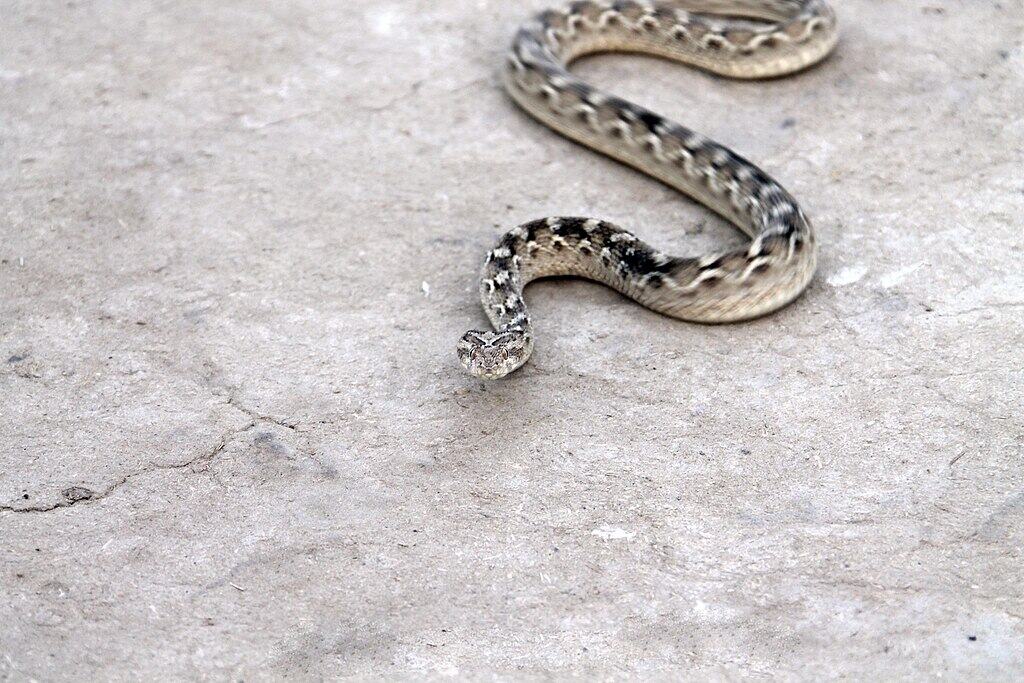
Desert-dwelling snakes represent some of nature’s most impressive examples of adaptation to extreme environments. Through millions of years of evolution, these remarkable reptiles have developed a comprehensive suite of physical, behavioral, and physiological mechanisms that allow them to thrive where few other vertebrates can survive. From specialized locomotion and hunting strategies to remarkable water conservation and thermoregulation abilities, desert snakes demonstrate nature’s ingenious solutions to seemingly insurmountable environmental challenges.

As a little kid, I fell in love with nature, wildlife, and animals. Living in the USA, South Africa, Italy, China and Germany gave me the opportunity to discover the world's Wildlife. My favorite animals are Mountain Gorillas, Siberian Tigers, and Great White Sharks.
I'm a certified PADI Open Water Diver, went to Everest Base Camp and Trekked Gorillas in Uganda. I hold a Master of Science in Economics and Finance.
Please send any feedback to feedback@animalsaroundtheglobe.com
- The Spiritual Significance of the Eagle as a Spirit Animal - August 2, 2026
- 13 Animals That Changed Science Forever - August 2, 2026
- 8 Things That Draw Sharks In And 3 That Send Them Swimming Away - August 2, 2026